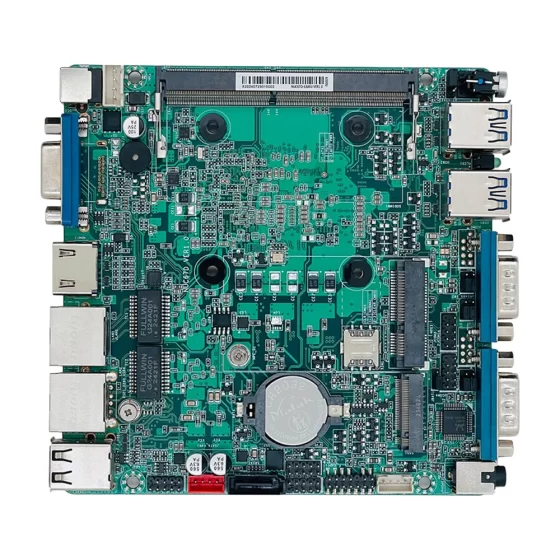
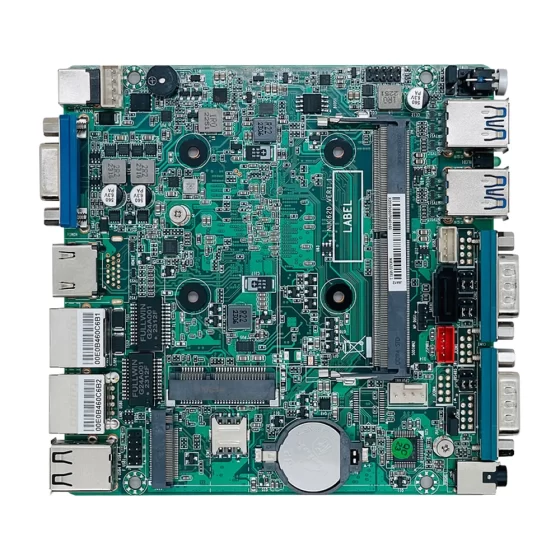
Soluciones de informática industrial CoreIPC

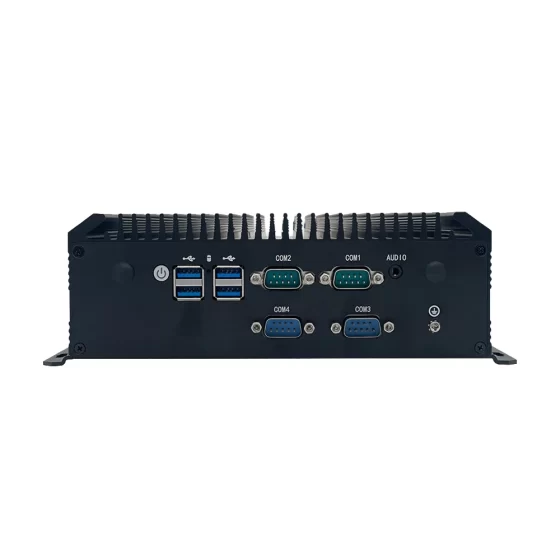
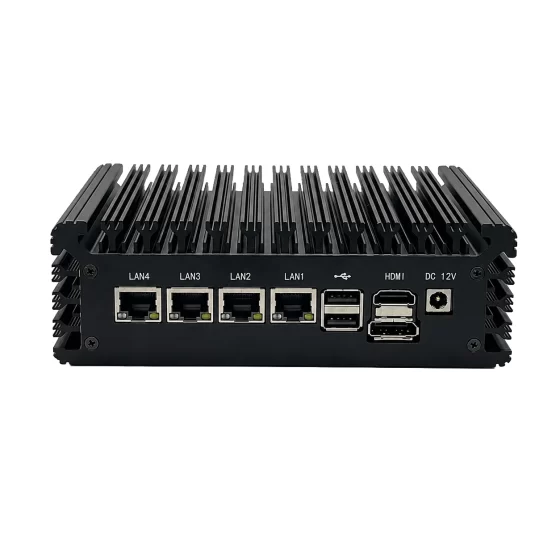
Computadora industrial montada en vehículo
Resumen ejecutivo
Transporte moderno, logística, seguridad publica, minería, construcción, ferrocarril, y las operaciones de gestión de flotas dependen cada vez más de la recopilación de datos en tiempo real, comunicación, navegación, y toma de decisiones inteligente. Los vehículos ya no son activos de transporte independientes; se han convertido en centros de datos móviles que generan continuamente, proceso, e intercambiar información con plataformas de gestión centralizada.
A Computadora industrial montada en vehículo Sirve como plataforma informática inteligente instalada dentro de vehículos comerciales., vehículos de respuesta a emergencias, sistemas de transporte publico, camiones mineros, maquinaria de construcción, vehículos ferroviarios, y equipos móviles especializados. Estos resistentes sistemas informáticos permiten el seguimiento de vehículos en tiempo real, gestión de flotas, Seguimiento GPS, videovigilancia, Análisis impulsados por IA, telemática, mantenimiento predictivo, y aplicaciones informáticas de vanguardia.
A diferencia de las computadoras comerciales convencionales, Las computadoras industriales montadas en vehículos están diseñadas específicamente para soportar duras condiciones de funcionamiento, incluida la vibración., choque, polvo, fluctuaciones de temperatura, entornos de energía inestables, y requisitos de operación continua. Su diseño robusto, componentes de grado industrial, soporte de potencia de entrada amplia, y sus amplias capacidades de comunicación los hacen ideales para implementaciones móviles de misión crítica.
Como sistemas de transporte inteligentes, tecnologías de vehículos autónomos, iniciativas de digitalización de flotas, y la automatización industrial siguen evolucionando, Las computadoras industriales montadas en vehículos se están convirtiendo en tecnologías esenciales que permiten una mayor seguridad., más eficiente, y operaciones móviles más conectadas en una amplia gama de industrias.
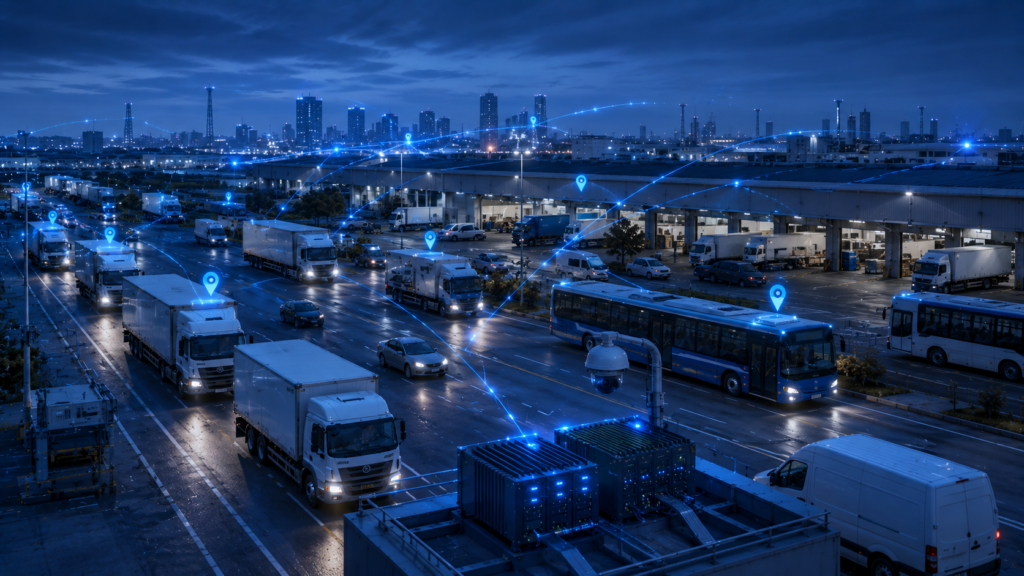
Las robustas computadoras montadas en vehículos permiten el monitoreo de flotas en tiempo real, Seguimiento GPS, y operaciones móviles inteligentes.
Descripción general de la industria
El rápido crecimiento de los vehículos conectados, sistemas telematicos, infraestructura de transporte inteligente, y las tecnologías de automatización móvil han transformado la forma en que las organizaciones gestionan las operaciones de los vehículos..
Se espera que los vehículos actuales admitan:
- Comunicaciones en tiempo real
- posicionamiento GPS
- Monitoreo de flota
- Análisis del comportamiento del conductor.
- Videovigilancia
- Seguimiento de carga
- Optimización de ruta
- Diagnóstico del vehículo
- Análisis impulsados por IA
- Cargas de trabajo de informática de borde
Las organizaciones de múltiples industrias confían en las plataformas informáticas de los vehículos para mejorar la visibilidad operativa y la toma de decisiones..
Los sectores de implementación comunes incluyen:
- Transporte público
- Logística y transporte
- Servicios de respuesta a emergencias
- Operaciones mineras
- Equipo de construcción
- Sistemas ferroviarios
- Vehículos utilitarios
- Maquinaria agrícola
- Operaciones portuarias
- Sistemas móviles autónomos
Los entornos de vehículos modernos generan grandes cantidades de datos operativos desde:
- Receptores GPS
- Cámaras
- Sensores
- Redes de autobuses CAN
- Sistemas de control de vehículos
- Dispositivos telemáticos
- Sistemas de asistencia al conductor
Procesar esta información únicamente en entornos de nube centralizados puede generar latencia., ancho de banda, y desafíos de conectividad.
Las computadoras industriales montadas en vehículos abordan estos desafíos al permitir el procesamiento local y la toma de decisiones inteligentes directamente dentro del vehículo..
A medida que las iniciativas de digitalización de flotas continúan expandiéndose a nivel mundial, La demanda de plataformas informáticas móviles resistentes sigue aumentando..

Las computadoras industriales montadas en vehículos están diseñadas para soportar vibraciones., choque, polvo, humedad, y condiciones extremas de funcionamiento.
Desafíos clave
Condiciones operativas duras para dispositivos móviles
Los entornos de los vehículos exponen los sistemas informáticos a:
- Vibración constante
- Choque mecánico
- Polvo
- Humedad
- Fluctuaciones de temperatura
- Impactos de la carretera
Las plataformas informáticas comerciales a menudo tienen dificultades en estas condiciones..
Las computadoras industriales montadas en vehículos deben mantener un funcionamiento confiable a pesar de la exposición continua a entornos hostiles..
Condiciones de energía inestables
Los vehículos experimentan frecuentes fluctuaciones de potencia causadas por:
- Arranque del motor
- Cambio de batería
- Picos de voltaje
- Caídas de voltaje
- Ruido electrico
Los sistemas informáticos deben admitir una amplia gama de funciones de protección y entrada de energía..
Requisitos de conectividad continua
Las operaciones de flotas modernas dependen de comunicaciones continuas.
Los vehículos a menudo requieren conectividad simultánea a través de:
- Redes celulares
- Wifi
- GPS
- bluetooth
- Redes de comunicación de vehículos.
La gestión de múltiples canales de comunicación requiere una plataforma informática sólida.
Procesamiento de datos en tiempo real
Las operaciones móviles generan importantes volúmenes de datos.
Los ejemplos incluyen:
- transmisiones de video
- datos gps
- Diagnóstico del vehículo
- Información de sensores
- Sistemas de seguimiento del conductor
Procesar esta información en tiempo real es esencial para la eficacia operativa..
Preocupaciones de ciberseguridad
Los vehículos conectados interactúan cada vez más con los sistemas empresariales y las redes públicas..
Las organizaciones deben proteger:
- Datos del vehículo
- Información operativa
- Sistemas de comunicación
- Plataformas de gestión de flotas
La ciberseguridad se ha convertido en un requisito crítico para los sistemas informáticos de los vehículos.
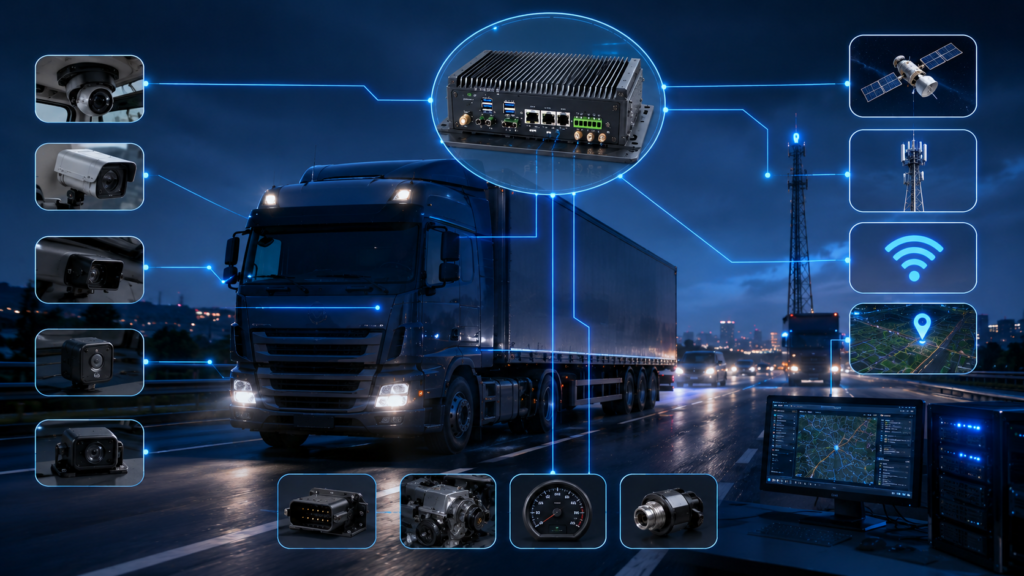
Computadoras industriales montadas en vehículos integran cámaras, GPS, sensores, y comunicaciones inalámbricas para la gestión inteligente de flotas.
Arquitectura de la solución
Una implementación informática típica montada en un vehículo consta de varias capas..
Capa 1: Capa de dispositivo del vehículo
Esta capa incluye:
- Cámaras
- Sensores
- módulos GPS
- Interfaces de bus CAN
- Sistemas de control de vehículos
- Sistemas de asistencia al conductor
Estos dispositivos generan datos operativos..
Capa 2: Capa de comunicación
La infraestructura de comunicación del vehículo puede incluir:
- 4G LTE
- 5GRAMO
- Wifi
- bluetooth
- GPS
- Protocolos de comunicación del vehículo.
Esta capa permite la conectividad entre el vehículo y los sistemas externos..
Capa 3: Capa informática industrial montada en vehículos
La computadora industrial sirve como plataforma informática de borde local..
Las funciones incluyen:
- Adquisición de datos
- Análisis de borde
- Procesamiento de vídeo
- inferencia de IA
- Gestión de la comunicación
- Almacenamiento local
- control del sistema
Esta capa proporciona inteligencia en tiempo real dentro del vehículo..
Capa 4: Capa de aplicación
Las aplicaciones pueden incluir:
- Sistemas de gestión de flotas
- Plataformas telemáticas
- Software de gestión de vídeo
- Sistemas de seguimiento del conductor
- Aplicaciones de mantenimiento predictivo
- Software de optimización de rutas
El ordenador del vehículo soporta estas aplicaciones.
Capa 5: Capa de gestión central
La integración empresarial permite:
- Centros de operación de flotas
- Plataformas de análisis en la nube
- Sistemas de informes
- Gestión de despacho
- Plataformas de seguimiento de activos
Esta capa proporciona visibilidad y control centralizados..
Características clave
Diseño industrial robusto
Las computadoras industriales montadas en vehículos están diseñadas para soportar entornos móviles exigentes..
Las características clave incluyen:
- Resistencia a los golpes
- Resistencia a las vibraciones
- Construcción robusta
- Componentes de grado industrial
- Operación confiable
Estas capacidades mejoran la confiabilidad de la implementación a largo plazo..
Arquitectura sin ventilador
Los sistemas sin ventilador ofrecen varias ventajas:
- Mantenimiento reducido
- Fiabilidad mejorada
- Mejor protección contra el polvo
- Funcionamiento silencioso
Los diseños sin ventilador son particularmente valiosos en entornos de vehículos.
Soporte de entrada de amplio voltaje
Los sistemas de energía de los vehículos varían significativamente.
Las computadoras industriales comúnmente soportan:
- 9V–36 VCC
- 12En DC
- 24En DC
- control de encendido
Esta flexibilidad simplifica la implementación en diferentes plataformas de vehículos..
Interfaces de comunicación ricas
Las aplicaciones para vehículos requieren una amplia conectividad.
Las interfaces comunes incluyen:
- GigabitEthernet
- USB
- RS232
- RS485
- Autobús CAN
- E/S digitales
- Comunicaciones inalámbricas
Estas interfaces admiten la integración con los sistemas del vehículo..
Capacidades de IA perimetral
Muchas implementaciones modernas utilizan inteligencia artificial..
Las aplicaciones incluyen:
- Monitoreo del conductor
- Análisis de vídeo
- Detección de objetos
- Optimización de ruta
- Inteligencia de flota
Las computadoras montadas en vehículos brindan capacidades de procesamiento de IA local.
GPS y conectividad inalámbrica
Las opciones de comunicación integrada pueden incluir:
- GPS
- GNSS
- 4G LTE
- 5GRAMO
- Wifi
- bluetooth
Estas capacidades respaldan las operaciones móviles y la conectividad de flotas..
Largo ciclo de vida del producto
Los despliegues de vehículos suelen permanecer operativos durante muchos años..
Las plataformas industriales proporcionan:
- Disponibilidad a largo plazo
- Plataformas de hardware estables
- Programas de soporte extendido
Esto reduce los costos de gestión del ciclo de vida..
Escenarios de implementación
Gestión de flotas
Soporte para ordenadores industriales montados en vehículos:
- Seguimiento de vehículos
- Optimización de ruta
- Análisis del comportamiento del conductor.
- Monitoreo de flota
Estas capacidades mejoran la eficiencia operativa..
Transporte público
Las agencias de tránsito utilizan computadoras industriales para:
- Sistemas de información al pasajero
- Gestión de flotas
- Videovigilancia
- Diagnóstico del vehículo
Estos sistemas mejoran la visibilidad operativa y la seguridad de los pasajeros..
Vehículos de respuesta a emergencias
Policía, fuego, y los servicios médicos de emergencia implementan computadoras en los vehículos para:
- Comunicaciones de despacho
- Navegación
- Gestión de vídeos
- Informe de incidentes
La informática móvil fiable respalda las operaciones de emergencia.
Equipos de minería y construcción
Los operadores de equipos pesados utilizan computadoras industriales para:
- Monitoreo de equipos
- Telemática
- Mantenimiento predictivo
- Análisis operativo
Estas capacidades mejoran la productividad y la utilización del equipo..
Sistemas ferroviarios
Soporte para computadoras montadas en vehículos:
- Monitoreo de trenes
- Comunicaciones
- Sistemas de información al pasajero
- Monitoreo de seguridad
Estas funciones mejoran las operaciones ferroviarias..
Vehículos Autónomos e Inteligentes
Los sistemas avanzados de vehículos utilizan computadoras industriales para:
- Procesamiento de IA
- Fusión de sensores
- Computación de borde
- Toma de decisiones en tiempo real
Estas capacidades respaldan las soluciones de movilidad de próxima generación..
Beneficios comerciales
Visibilidad operativa mejorada
Los datos de vehículos en tiempo real permiten a las organizaciones monitorear el desempeño de la flota de manera más efectiva.
Mayor eficiencia
La automatización y el análisis inteligente ayudan a optimizar las rutas, reducir el consumo de combustible, y mejorar la utilización de recursos.
Seguridad mejorada
Los sistemas de monitoreo de vehículos respaldan operaciones más seguras a través de la asistencia al conductor, análisis de vídeo, y alertas en tiempo real.
Tiempo de inactividad reducido
Las capacidades de mantenimiento predictivo ayudan a identificar problemas antes de que ocurran fallas.
Mejor toma de decisiones
El acceso en tiempo real a la información operativa mejora la capacidad de respuesta y la eficacia de la gestión..
Transformación digital escalable
Las computadoras industriales montadas en vehículos proporcionan una base para futuras iniciativas de movilidad inteligente y vehículos conectados.
Por qué CoreIPC
CoreIPC proporciona plataformas informáticas industriales resistentes diseñadas para implementaciones montadas en vehículos, sistemas de gestión de flotas, aplicaciones de transporte, vehículos de seguridad pública, equipo de minería, e infraestructura móvil inteligente. Nuestras computadoras industriales ofrecen funcionamiento sin ventilador, soporte de entrada de amplio voltaje, confiabilidad de grado industrial, rica conectividad, y disponibilidad de ciclo de vida prolongado. Con capacidades flexibles de personalización OEM/ODM y amplia experiencia en informática integrada, CoreIPC ayuda a los clientes a implementar soluciones informáticas confiables para vehículos que respaldan las operaciones móviles modernas, computación de borde, y aplicaciones de transporte inteligentes.
Preguntas frecuentes
1. ¿Qué es una computadora industrial montada en un vehículo??
Una computadora industrial montada en un vehículo es una plataforma informática robusta diseñada para su instalación en vehículos., equipo movil, y sistemas de transporte. Soporta el procesamiento de datos., comunicaciones, escucha, y aplicaciones informáticas de vanguardia.
2. ¿Por qué se utilizan ordenadores industriales en los vehículos??
Los ordenadores industriales aportan fiabilidad, resistencia a los golpes, tolerancia a la vibración, soporte de entrada de amplio voltaje, y disponibilidad de ciclo de vida prolongado requerida para entornos de vehículos.
3. ¿Qué industrias utilizan computadoras montadas en vehículos??
Las industrias comunes incluyen el transporte., logística, minería, construcción, seguridad publica, ferrocarriles, utilidades, agricultura, y desarrollo de vehículos autónomos.
4. ¿Pueden las computadoras montadas en vehículos admitir aplicaciones de IA??
Sí. Muchas plataformas admiten análisis de vídeo impulsados por IA, monitoreo del conductor, detección de objetos, mantenimiento predictivo, y aplicaciones inteligentes de gestión de flotas.
5. ¿Qué entradas de energía se admiten comúnmente??
Las computadoras industriales montadas en vehículos generalmente admiten opciones de entrada de CC de amplio rango, como sistemas de alimentación de vehículos de 9 V a 36 V o 12 V/24 V..
6. ¿Son los sistemas sin ventilador adecuados para despliegues en vehículos??
Sí. Los sistemas sin ventilador mejoran la confiabilidad y reducen los requisitos de mantenimiento en entornos hostiles de vehículos.
7. ¿Qué tecnologías de comunicación se integran comúnmente??
Las tecnologías comunes incluyen GPS, GNSS, Wifi, bluetooth, 4G LTE, 5GRAMO, Ethernet, Autobús CAN, y comunicaciones seriales.
8. ¿Cómo ayudan los ordenadores de los vehículos a la gestión de flotas??
Recogen y procesan datos del vehículo., habilitar el seguimiento, monitorear el comportamiento del conductor, diagnóstico de soporte, y comunicarse con plataformas de gestión de flotas.
9. ¿Pueden las computadoras industriales montadas en vehículos funcionar en temperaturas extremas??
Sí. Las plataformas de grado industrial están diseñadas para funcionar en amplios rangos de temperatura que se encuentran comúnmente en entornos móviles..
10. Qué se debe considerar al seleccionar una computadora industrial montada en un vehículo?
Las consideraciones clave incluyen la durabilidad ambiental., requisitos de entrada de energía, opciones de conectividad, rendimiento de procesamiento, capacidades de expansión, y soporte del ciclo de vida.
Conclusión
A Computadora industrial montada en vehículo Proporciona la base informática robusta necesaria para las operaciones móviles modernas.. Al permitir comunicaciones en tiempo real, computación de borde, gestión de flotas, monitoreo de vehículos, Análisis de IA, y aplicaciones de transporte inteligentes, Estas plataformas ayudan a las organizaciones a mejorar la seguridad., eficiencia, fiabilidad, y visibilidad operativa. A medida que las tecnologías de vehículos conectados continúan evolucionando, Las computadoras industriales montadas en vehículos seguirán siendo componentes esenciales que respaldarán el futuro de la movilidad inteligente y la automatización móvil..
Contáctenos
Buscando una computadora industrial montada en vehículo confiable para la gestión de flotas, transporte, seguridad publica, minería, o aplicaciones de vehículos inteligentes?
CoreIPC proporciona computadoras industriales, computadoras integradas, placas base industriales, y soluciones informáticas personalizadas diseñadas para entornos móviles resistentes e implementaciones informáticas de vanguardia.
Póngase en contacto con nuestro equipo de ingeniería hoy para analizar los requisitos de su proyecto y descubrir la plataforma informática montada en vehículo ideal para su aplicación..