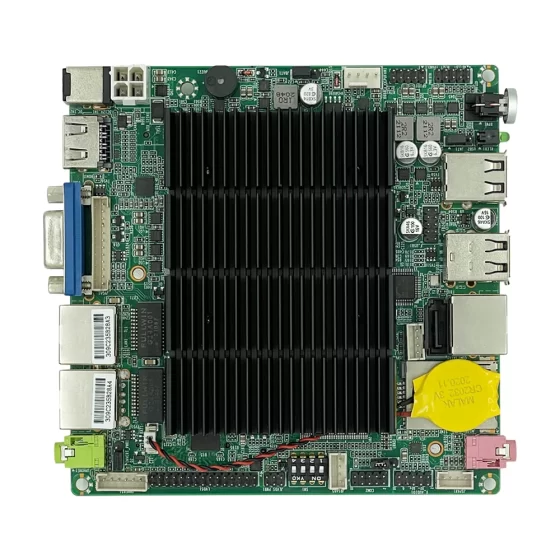
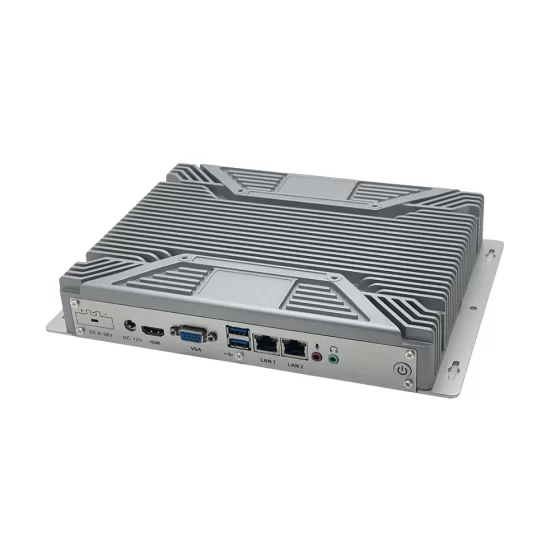
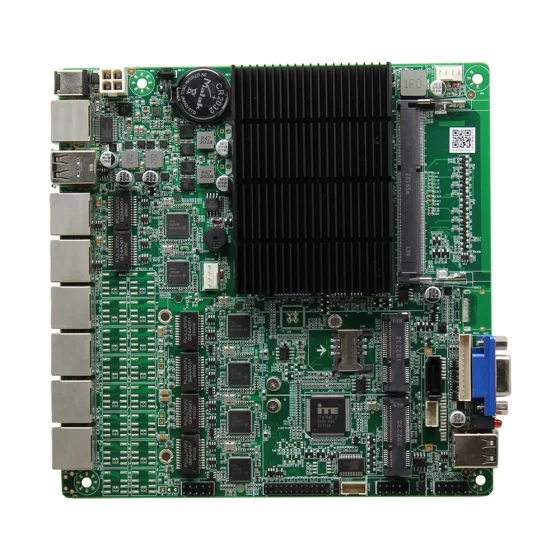
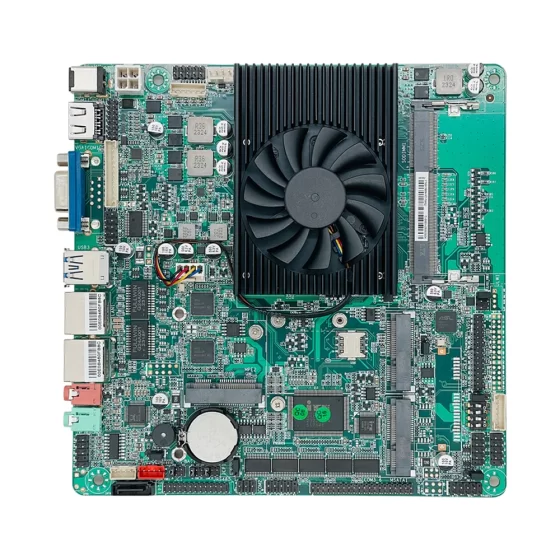
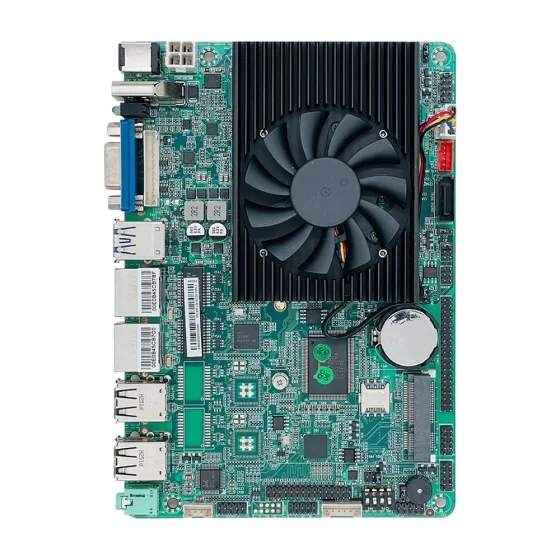
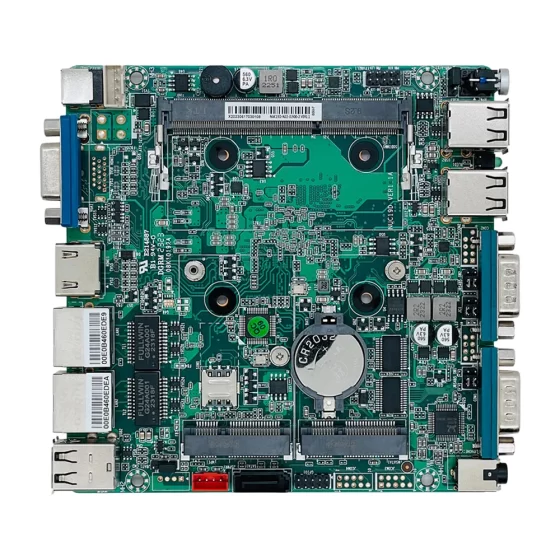
CoreIPC 산업용 컴퓨팅 솔루션

CNC 장비용 산업용 컨트롤러: 정밀 기계 자동화를 위한 CNC 컨트롤러 컴퓨터
요약
A cnc controller computer provides the industrial computing foundation for CNC machine control, 모션 조정, 서보 통신, 스핀들 관리, HMI 작동, 머신 데이터 로깅, 원격 진단, 스마트 팩토리 통합.
CNC 장비는 정확하고 반복 가능한 움직임이 필요합니다.. 밀링 머신, 터닝 센터, 드릴링 머신, 연삭기, 레이저 절단 시스템, 조각 기계, 라우팅 장비, 및 다축 머시닝 센터는 모두 안정적인 제어와 정확한 모션 실행에 달려 있습니다..
산업용 컴퓨터 또는 임베디드 컴퓨터에 구축된 CNC 컨트롤러 플랫폼은 기계 제어 소프트웨어를 실행할 수 있습니다., 서보 드라이브와 통신, 인코더와 I/O 모듈 연결, 공구 및 스핀들 데이터 관리, 지원 운영자 인터페이스, 가공 기록 저장, MES와 정보 교환, SCADA, 품질 시스템, 또는 산업용 IoT 플랫폼.
표준 사무용 PC 또는 소비자 임베디드 보드와 비교, 산업용 컴퓨터는 견고한 구조를 지원하므로 CNC 장비에 더 적합합니다., 안정적인 전원 입력, 확장 능력, 안정적인 스토리지, 다중 LAN 포트, 직렬 통신, GPIO, 팬리스 디자인 옵션, 긴 수명주기 가용성.
This article explains how CNC controller computer platforms support precision machine automation, what challenges appear in CNC equipment deployment, 솔루션 아키텍처의 작동 방식, and which hardware features matter when selecting an industrial computer or embedded computer for CNC machine control applications.

CNC Controller Computer Machine Deployment
산업 개요
CNC Equipment Requires Stable Industrial Control
CNC equipment is used in manufacturing environments where precision, repeatability, and productivity are critical.
These machines may process metal, plastic, wood, composite materials, electronic components, molds, 도구, 기계 부품, medical components, automotive parts, and aerospace components.
Common CNC equipment includes:
- CNC milling machines
- CNC turning centers
- CNC drilling machines
- CNC grinding machines
- CNC routers
- CNC laser cutting machines
- CNC engraving systems
- CNC plasma cutting machines
- Multi-axis machining centers
- Automated tool-changing machines
- CNC inspection and measurement systems
- Hybrid machining equipment
Each machine depends on coordinated motion, accurate feedback, stable computing, and reliable operator interaction.
A CNC controller computer provides the computing layer that supports these requirements.
CNC Control Is Becoming More Connected
Traditional CNC machines focused mainly on motion execution and operator control.
Modern CNC equipment must do more.
Manufacturers increasingly need CNC machines to connect with production systems, collect machining data, 원격 진단 지원, store process records, monitor tool condition, and provide real-time machine visibility.
A modern CNC controller platform may support:
- 다축 모션 제어
- 서보 드라이브 통신
- Spindle monitoring
- Tool management
- HMI 작동
- Program storage
- Alarm logging
- Machine data collection
- 원격 유지보수
- Machine vision integration
- MES and SCADA connectivity
- Industrial IoT data transfer
This requires a reliable industrial computing platform rather than a basic PC.
Industrial Computers Support Machine Builder Requirements
CNC machine builders need hardware that can be deployed repeatedly across machine models and customer sites.
The computing platform must support stable software images, compatible drivers, industrial interfaces, long lifecycle supply, and serviceable hardware design.
Industrial computers and embedded computers help machine builders create CNC controller systems that are easier to integrate, 지원하다, and maintain.
They also support OEM customization when machines require special I/O, 다중 LAN 포트, additional serial ports, 확장 모듈, compact enclosures, or specific mounting designs.

CNC Controller Computer Deployment Challenges
주요 과제
Maintaining Precision Motion Control
CNC equipment depends on accurate motion.
If the controller is unstable, 기계에 위치 오류가 발생할 수 있습니다, poor surface finish, tool path deviation, 진동, or inconsistent machining quality.
Important motion-related requirements include:
- 축 수
- 제어 사이클 시간
- 서보 업데이트 속도
- 인코더 피드백
- Spindle control
- Motion software support
- Fieldbus communication
- I/O 응답 시간
- CPU 작업량
- 운영 체제 구성
The CNC controller computer must be selected and validated according to real machine control requirements.
Coordinating Multiple Axes and Spindles
CNC machines may use multiple axes and coordinated movement.
A basic CNC machine may use three axes. More advanced systems may use four-axis, five-axis, gantry, dual-spindle, tool-changing, or synchronized rotary-axis configurations.
The controller may need to coordinate:
- X-axis movement
- Y-axis movement
- Z-axis movement
- 회전축
- Spindle control
- Tool changers
- Coolant systems
- Workholding devices
- 컨베이어
- Probing systems
- 안전장치
- Machine vision triggers
As machine complexity increases, computing performance, communication stability, and expansion capability become more important.
Integrating Drives, 입출력, and Machine Devices
A CNC controller platform must connect many machine components.
여기에는 다음이 포함될 수 있습니다.:
- 서보 드라이브
- 스테퍼 드라이버
- 인코더
- Spindle drives
- PLC
- I/O 모듈
- Limit switches
- Tool changers
- Probing sensors
- HMI
- 안전장치
- 산업용 카메라
- Network switches
- Data collection systems
Different machine architectures may require Ethernet, USB, RS232, RS485, GPIO, 디지털 I/O, PCIe 확장, or industrial Ethernet interfaces.
Flexible industrial connectivity reduces integration complexity.
Managing Electrical Noise and Machine Vibration
CNC equipment often contains motors, 드라이브, 전원 공급 장치, 릴레이, spindle systems, and high-current components.
These can generate electrical noise and mechanical vibration.
The controller computer must remain stable in this environment.
Industrial-grade hardware helps improve reliability through rugged enclosure design, 안전한 장착, 안정적인 스토리지, 안정적인 전원 입력, 팬리스 작동 옵션, and long-term thermal stability.
The final cabinet design should also consider grounding, cable routing, 기류, and separation between signal wiring and power wiring.
Supporting Operator Interface and Machine Usability
CNC machines require clear operator interaction.
Operators may need to load programs, 매개변수 조정, monitor tool status, review alarms, view coordinates, 레시피 관리, and inspect machine status.
The controller computer may run or support HMI software.
Stable display output, 반응형 작동, 안정적인 스토리지, and consistent software performance are important for operator confidence and machine usability.
Connecting CNC Machines with Factory Systems
CNC machines should not remain isolated.
Manufacturers may need to collect machine status, machining records, tool usage, 경보, cycle times, part counts, energy data, and maintenance information.
A CNC controller computer can help connect the machine with:
- MES
- SCADA
- ERP
- 품질 데이터베이스
- 산업용 IoT 플랫폼
- 로컬 대시보드
- 유지관리 시스템
- Cloud monitoring platforms
- 추적성 시스템
This connectivity improves production visibility and supports smart manufacturing.

CNC Controller Computer Solution Architecture
CNC Controller Computer Solution Architecture
CNC Machine Device Layer
The machine device layer includes the physical components of the CNC equipment.
이 레이어에는 다음이 포함될 수 있습니다.:
- 서보 모터
- 서보 드라이브
- 스테퍼 모터
- Spindle drives
- 인코더
- Linear guides
- Rotary tables
- Tool changers
- Coolant systems
- Probing sensors
- Limit switches
- 안전장치
- 산업용 카메라
These devices generate motion, 피드백, status signals, 및 프로세스 정보.
CNC Controller Computer Layer
The CNC controller computer layer is the core computing platform.
이 레이어에서는, 산업용 컴퓨터나 임베디드 컴퓨터는:
- Run CNC control software
- Coordinate axis movement
- Communicate with servo drives
- Manage spindle control
- Process feedback data
- Handle machine I/O
- Support HMI operation
- Store CNC programs
- Log machine events
- Send data to factory systems
This layer provides the computing foundation for precise machine operation.
Motion and Communication Layer
The motion and communication layer connects the controller with drives, I/O 모듈, 센서, and machine networks.
여기에는 다음이 포함될 수 있습니다.:
- EtherCAT
- 프로피넷
- 이더넷/IP
- CANopen
- 모드버스
- RS232
- RS485
- 디지털 I/O
- 아날로그 I/O
- PCIe 모션 카드
- 산업용 이더넷 스위치
The exact communication design depends on the CNC control software, drive system, axis count, and machine architecture.
HMI and Operator Layer
The HMI layer supports operator interaction.
여기에는 다음이 포함될 수 있습니다.:
- Touchscreen panel
- Local monitor
- Keyboard and mouse
- Machine operation panel
- Alarm display
- Program management screen
- Tool management interface
- Maintenance interface
- Production status dashboard
The CNC controller computer may directly drive the HMI or communicate with a separate operator panel.
Data Integration Layer
The data integration layer connects CNC equipment with factory software.
The controller may send structured data to:
- MES
- SCADA
- ERP
- 품질 데이터베이스
- 산업용 IoT 플랫폼
- Local production dashboards
- 유지관리 시스템
- Tool management systems
- 클라우드 모니터링 시스템
This layer helps CNC machines become part of the connected factory data environment.
보안 및 관리 계층
The security and management layer supports long-term system stability.
여기에는 다음이 포함될 수 있습니다.:
- 사용자 권한
- 네트워크 세분화
- 안전한 원격 액세스
- 로컬 로깅
- 구성 백업
- 스토리지 모니터링
- 장치 상태 모니터링
- 원격 진단
- 소프트웨어 업데이트 관리
These functions help machine builders and end users maintain CNC equipment efficiently.
주요 특징
Real-Time CNC Control Support
A CNC controller computer must support stable machine control.
하드웨어 선택을 고려해야 합니다.:
- CPU 성능
- 메모리 용량
- Motion control software support
- 산업용 이더넷 성능
- Fieldbus compatibility
- I/O 응답 시간
- PCIe 확장
- 운영 체제 지원
- 열 안정성
- 장기 실행 작업
The system should be validated with real servo drives, real axis count, real machine cycles, and real machining programs.
Multi-Axis Motion Capability
CNC equipment may require coordinated movement across multiple axes.
The controller platform should support the required axis count and motion complexity.
It may need to coordinate linear axes, rotary axes, spindles, tool changers, probes, and auxiliary systems.
For advanced CNC machines, expansion capability may be required for motion cards, additional network ports, fieldbus modules, or specialized I/O.
유연한 산업용 I/O
CNC machines require practical industrial interfaces.
유용한 옵션은 다음과 같습니다.:
- 랜
- USB
- RS232
- RS485
- GPIO
- 디지털 입력
- 디지털 출력
- HDMI
- 디스플레이포트
- M.2
- PCIe
- SATA 또는 NVMe 스토리지
GPIO 및 디지털 I/O는 트리거를 지원할 수 있습니다., 경보, limit switches, and machine status signals. Serial ports can support legacy equipment. PCIe and M.2 can support expansion modules.
다중 LAN 네트워크 설계
Multiple LAN ports help separate communication paths.
A CNC controller computer may use separate networks for:
- 모션 네트워크
- Servo drive network
- PLC 네트워크
- HMI network
- 공장 IT 네트워크
- Machine vision network
- 원격 유지보수 네트워크
- 산업용 IoT 네트워크
Network separation improves stability and helps prevent non-control traffic from affecting CNC communication.
HMI and Display Support
Operator interface is important for CNC usability.
The computer should support stable display output, 반응형 작동, and compatibility with machine software.
Display outputs such as HDMI or DisplayPort can support operator screens.
기계 제작자용, consistent HMI behavior helps reduce training time and service issues.
Local Storage and Program Management
CNC machines require reliable storage for programs, parameters, 로그, machine settings, tool data, 경보, 진단 파일, and backup records.
SSD 또는 NVMe 스토리지는 기계식 드라이브보다 빠른 액세스와 더 나은 충격 저항을 제공하기 때문에 일반적으로 선호됩니다..
스토리지 설계에서 고려해야 할 사항:
- CNC program files
- Machine parameters
- Tool data
- 알람 이력
- Maintenance logs
- 생산 기록
- 구성 백업
- Software recovery workflow
Reliable storage improves maintainability and production continuity.
Machine Vision and Probing Integration
Some CNC equipment uses cameras or probing systems for alignment, 점검, tool measurement, and process verification.
The CNC controller computer may connect cameras, probes, 센서, 조명 컨트롤러, 및 트리거 신호.
It may process local inspection data or send results to quality systems.
This improves machining accuracy, setup efficiency, and production traceability.
견고하고 팬이 없는 디자인
CNC machine environments can be dusty, 진동이 발생하기 쉬운, and electrically noisy.
팬이 없는 산업용 컴퓨터는 먼지 유입을 줄이고 일반적인 기계 고장 지점 하나를 제거합니다..
견고한 인클로저로 진동으로부터 보호, 케이블 스트레스, 캐비닛 설치 영향, 지속적인 작동.
Thermal design should be validated under real machine workloads, especially when the controller runs HMI software, 데이터 로깅, 머신 비전, 원격 진단.
긴 수명주기 가용성
CNC machines are long-life equipment.
The controller platform may remain in service for many years.
긴 수명주기 가용성은 소프트웨어 이미지 유지에 도움이 됩니다., 모션 드라이버, 필드버스 호환성, 예비 부품, 검증 절차.
This is important for CNC machine builders, retrofit providers, and manufacturers with multiple machines.

CNC Machine Monitoring Operations
배포 시나리오
CNC Milling Machine Control
CNC milling machines require precise axis movement, 스핀들 제어, tool management, and operator interface.
A CNC controller computer can run control software, 드라이브와 통신, 매장 프로그램, display HMI screens, and connect to factory systems.
This supports stable and connected machining operations.
CNC Turning Center Control
Turning centers require stable spindle coordination, axis control, tool turret management, and process monitoring.
An embedded computer can support controller software, 머신 데이터 로깅, alarm review, 원격 진단.
This improves serviceability and production visibility.
Multi-Axis Machining Center
Advanced machining centers may require four-axis or five-axis coordination.
The controller computer must support precise motion control, feedback processing, HMI 기능, 그리고 기계통신.
Reliable hardware helps support complex machining cycles.
CNC Router and Engraving Equipment
Routers and engraving systems are used for wood, plastic, metal, composites, and signage materials.
A compact embedded computer can provide machine control, program storage, 운영자 인터페이스, and remote support.
This supports OEM equipment design and repeatable deployment.
CNC Laser Cutting and Marking
Laser cutting and marking systems require synchronized motion, process control, 안전 모니터링, 및 데이터 로깅.
The controller computer can coordinate axes, 센서 데이터 수집, support HMI operation, and store production records.
This improves process visibility.
CNC Retrofit Controller
Older CNC machines may need updated control systems.
An industrial computer can support retrofit projects by providing modern computing, HMI 소프트웨어, 데이터 수집, 원격 진단, 공장 연결성.
The final retrofit design should be matched to the machine hardware and safety requirements.
CNC Machine Data Collection
Manufacturers may deploy industrial computers to collect data from existing CNC machines.
The platform can gather machine status, 경보, cycle counts, program information, 및 유지보수 데이터.
This supports smart factory upgrades without replacing every machine.
OEM CNC Controller Platform
CNC equipment builders can integrate industrial computers or embedded boards into custom controller products.
The platform can support CNC software, motion communication, HMI, 데이터 로깅, 원격 진단, 및 고객별 I/O.
This helps create scalable and repeatable CNC equipment platforms.
비즈니스 이점
Improved Machine Control Reliability
A CNC controller computer provides stable computing for machine control, HMI 작동, drive communication, and data handling.
Industrial-grade hardware helps reduce instability in demanding machine environments.
This supports reliable machining operations.
더 나은 생산 가시성
The controller can collect machine status, program records, 경보, 사이클 데이터, tool information, and maintenance logs.
This data can be sent to MES, SCADA, 대시보드, 또는 산업용 IoT 플랫폼.
Better visibility helps production teams improve scheduling, troubleshooting, and utilization.
Stronger Machine Traceability
CNC production may require records for programs, 도구, 운영자, 부분품, batches, 검사 결과, and machine conditions.
A controller computer can help store and forward these records.
This supports quality management and process improvement.
Easier Remote Diagnostics
Machine builders and maintenance teams often need to troubleshoot CNC equipment remotely.
The controller computer can support secure remote access, 로그 검토, 구성 백업, and machine health monitoring.
This reduces service time and improves customer support.
다운타임 위험 감소
Industrial computers provide rugged hardware for continuous CNC operation.
팬리스 설계 옵션, 안정적인 스토리지, 안전한 장착, 안정적인 전원 입력, and long lifecycle availability help reduce failure risk.
This supports long-term machine uptime.
Scalable CNC Equipment Development
A standardized CNC controller computer platform helps machine builders deploy similar systems across multiple machine models.
일관된 하드웨어로 소프트웨어 이미지가 단순화됩니다., 드라이버 검증, 예비 부품 계획, 원격 서비스 워크플로, 및 수명주기 관리.
This supports scalable CNC equipment development.
왜 CoreIPC인가?
CoreIPC는 산업 자동화를 위한 산업용 컴퓨팅 플랫폼을 제공합니다., motion control, 머신 비전, 산업용 IoT, 엣지 AI, 및 임베디드 시스템 통합. For cnc controller computer applications, CoreIPC는 안정적인 산업용 컴퓨터 하드웨어에 중점을 둡니다., 임베디드 컴퓨터 솔루션, 유연한 I/O, 다중 LAN 구성, 확장 능력, 컴팩트한 시스템 디자인, 팬리스 배포 옵션, 로컬 저장 기능, 및 OEM/ODM 맞춤형 지원. CoreIPC helps CNC equipment builders, 시스템 통합업체, 제조업체는 실제 배포 요구 사항에 맞는 컴퓨팅 플랫폼을 선택합니다., 축 수 포함, 모션 소프트웨어, fieldbus support, HMI workload, 저장 요구 사항, 장착 방법, 전원 입력, 열적 조건, 및 수명주기 계획.
자주 묻는 질문
1. What is a CNC controller computer?
A CNC controller computer is an industrial computing platform used to support CNC machine control, 모션 조정, HMI 작동, program storage, 머신 데이터 로깅, 및 공장 시스템 연결성.
It may communicate with servo drives, 인코더, PLC, I/O 모듈, spindle drives, 센서, and machine software.
2. Why use an industrial computer for CNC equipment?
산업용 컴퓨터는 기계 환경에 견고한 하드웨어와 유연한 연결을 제공합니다..
여러 LAN 포트를 지원할 수 있습니다., USB, 직렬 통신, GPIO, PCIe 확장, 안정적인 스토리지, 팬리스 작동, 산업용 장착, 안정적인 전원 입력, 긴 수명주기 가용성.
These features make it suitable for CNC controller deployment.
3. How is an embedded computer used in CNC machines?
An embedded computer can be installed inside a CNC machine cabinet or compact controller enclosure.
제어 소프트웨어를 실행할 수 있습니다., support HMI functions, connect drives and I/O modules, store CNC programs, collect machine data, and send structured information to MES, SCADA, 또는 산업용 IoT 플랫폼.
4. What CNC equipment can use an industrial controller?
Industrial controller platforms can be used in CNC milling machines, 터닝 센터, routers, 조각 기계, laser cutting machines, plasma cutters, 연삭기, 드릴링 머신, and multi-axis machining centers.
최종 플랫폼은 축 수에 따라 다릅니다., motion requirements, 소프트웨어, and communication interfaces.
5. What hardware features matter for CNC controller computers?
중요한 기능으로는 충분한 CPU 성능이 있습니다, 안정적인 메모리, 다중 LAN 포트, USB, RS232, RS485, GPIO, 디지털 I/O, PCIe 확장, SSD 또는 NVMe 스토리지, 견고한 인클로저, 팬리스 디자인 옵션, 산업용 전원 입력, 및 디스플레이 출력.
The configuration should match the CNC machine architecture.
6. Why are multiple LAN ports useful in CNC controllers?
다중 LAN 포트로 별도의 모션 통신 지원, servo drive networks, HMI traffic, machine vision networks, 공장 IT, 산업용 IoT, 원격 유지 관리 액세스.
This improves traffic organization and reduces the chance that non-control traffic affects machine operation.
7. Can CNC controller computers support machine vision?
예. CNC controller computers can support cameras, probes, 조명 컨트롤러, 센서, and inspection systems.
They can help with alignment, tool measurement, process verification, 품질 검사, and traceability depending on software and hardware requirements.
8. Can fanless industrial computers support CNC applications?
예. Fanless industrial computers can support many CNC applications because they reduce dust intake and remove one mechanical failure point.
하지만, thermal design should be validated when the system handles motion control, HMI 작동, 데이터 로깅, 머신 비전, and continuous production workloads.
9. Can CNC controller computers connect to MES or SCADA?
예. A CNC controller computer can send machine status, 경보, 사이클 기록, program data, tool information, 생산 횟수, 및 MES에 대한 유지보수 로그, SCADA, local dashboards, 또는 산업용 IoT 플랫폼.
This supports smart manufacturing and machine visibility.
10. 배포 전에 테스트해야 할 사항?
배포 전, the platform should be tested with real CNC control software, 서보 드라이브, 인코더, spindle systems, I/O 모듈, HMI screens, machine programs, 네트워크 토폴로지, 저장 동작, 그리고 장기 실행 작업.
열 안정성, 통신 대기 시간, 회복 행동, 원격 진단, 백업 절차, 공장 시스템 통합도 검증해야 합니다..
결론
A cnc controller computer is a practical foundation for CNC equipment control, precision motion automation, HMI 작동, program management, 서보 통신, spindle monitoring, 머신 데이터 수집, 원격 진단, 및 공장 시스템 연결성.
By placing an industrial computer or embedded computer inside the CNC machine platform, machine builders and manufacturers can connect servo drives, 인코더, spindle systems, PLC, I/O 모듈, 센서, HMI, machine vision devices, MES 플랫폼, SCADA 시스템, 안정적이고 제어된 통신 경로를 통한 산업용 IoT 대시보드.
The right CNC controller computer should be selected according to real deployment requirements, 축 수 포함, 모션 소프트웨어, 필드버스 통신, 스핀들 제어, I/O 요구 사항, HMI workload, 스토리지 구성, LAN 포트 설계, 장착 방법, 전원 입력, 열적 조건, 운영 체제 지원, 및 수명주기 계획.
CoreIPC supports CNC controller computer projects with industrial computing platforms designed for practical machine-side, 내각, 공장, retrofit, 및 OEM 배포. 올바른 하드웨어 기반을 갖춘 경우, CNC equipment builders and manufacturers can build reliable, 확장 가능, and connected precision machine platforms.
문의하기
산업용 컴퓨터를 찾고 계시다면, 임베디드 컴퓨터, or compact IPC platform for CNC equipment deployment?
프로젝트 요구 사항을 논의하려면 CoreIPC에 문의하세요., 축 수 포함, CNC software, 서보 통신, fieldbus support, HMI workload, I/O 인터페이스, LAN 포트 구성, 스토리지 디자인, 장착 방법, 전원 입력, 운영 환경, 수명주기 요구 사항, 및 OEM/ODM 사용자 정의 옵션.