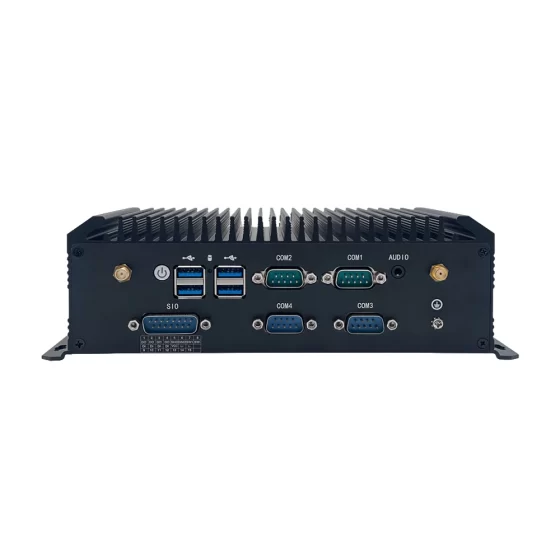
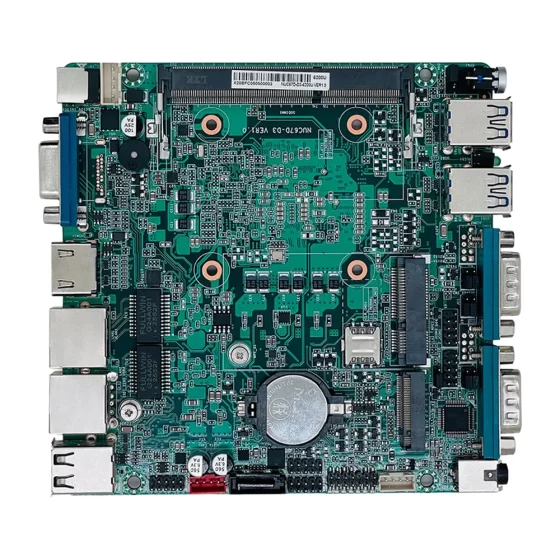
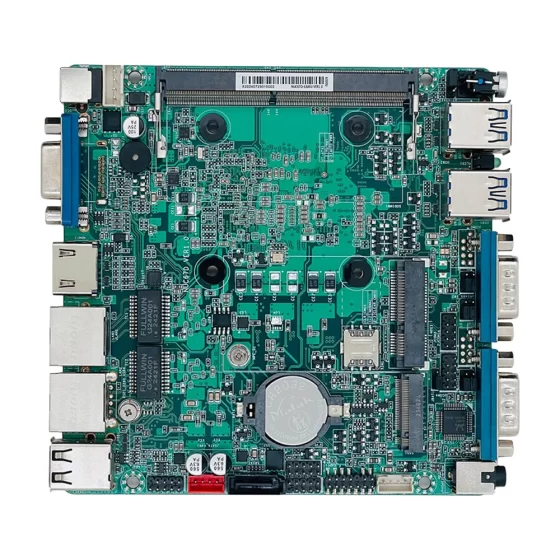
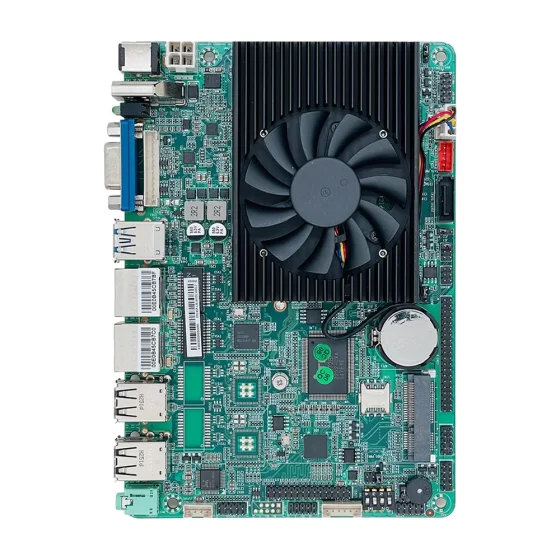
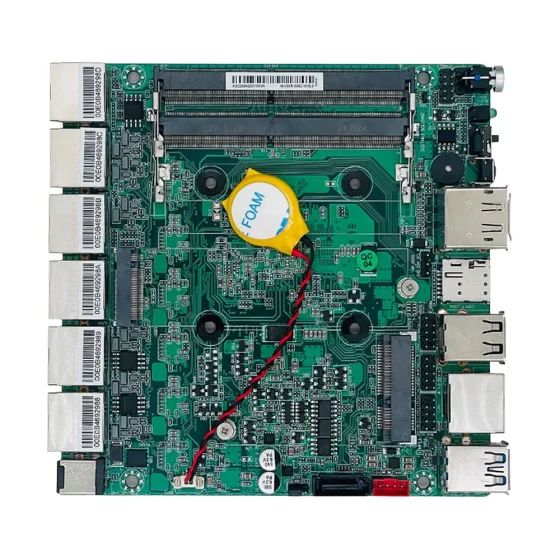
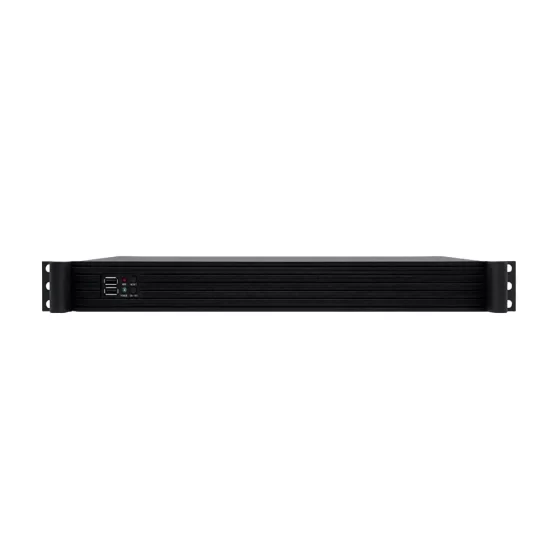
CoreIPC 산업용 컴퓨팅 솔루션

요약
An intelligent transportation computer is a specialized industrial computing platform designed to support Intelligent Transportation Systems (그것은) 안정적인 데이터 처리를 제공함으로써, 의사소통, 제어, 까다로운 운송 환경에서의 분석 기능. 교통신호 제어, 전자요금 징수부터 스마트 교차로까지, 고속도로 모니터링, 철도 시스템, 및 도시교통관리센터, 산업용 컴퓨터는 실시간 교통 정보를 구현하는 데 중요한 역할을 합니다..
교통 인프라가 점점 더 연결되면서, 운송 사업자에게는 대량의 센서 데이터를 처리할 수 있는 컴퓨팅 플랫폼이 필요합니다., 비디오 스트림, AI 워크로드, 장기적인 신뢰성을 유지하면서 네트워크 통신을 수행합니다.. 기존 상업용 컴퓨터는 진동 문제로 어려움을 겪는 경우가 많습니다., 온도 변동, 먼지, 습기, 운송 배치에서 일반적으로 발견되는 지속적인 운영 요구 사항.
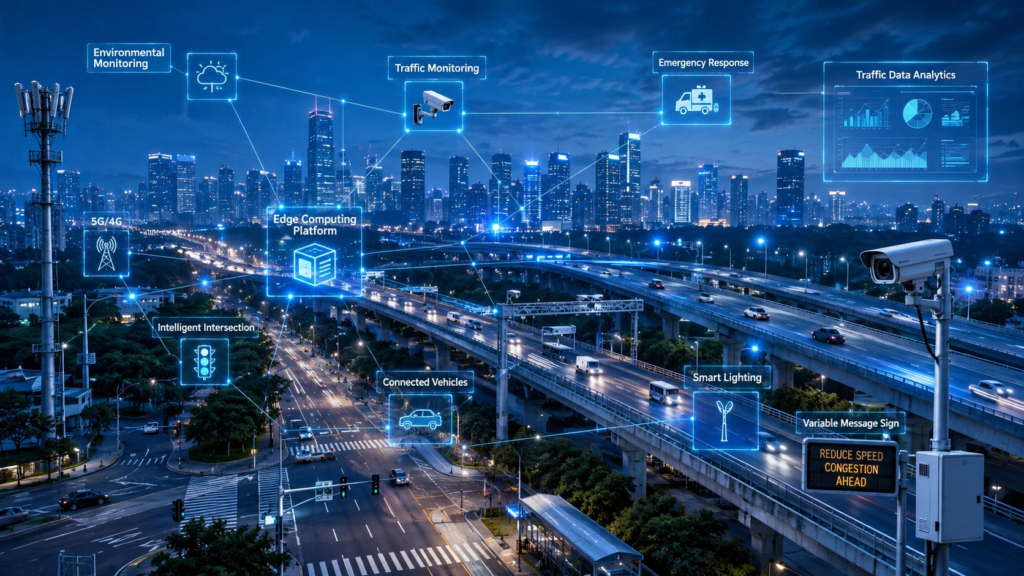
스마트시티 야경과 디지털 네트워크
최신 산업용 컴퓨터와 임베디드 컴퓨터는 운송 애플리케이션에 최적화된 강력한 하드웨어 플랫폼을 제공합니다.. 팬리스 디자인으로, 넓은 온도 작동, 산업용 연결성, 긴 수명주기 지원, they serve as the foundation of smart transportation systems worldwide.
This article explores the role of industrial computers in ITS environments, 주요 배포 과제, system architecture, critical features, 배포 시나리오, and how CoreIPC industrial computing solutions help transportation integrators build reliable and scalable intelligent transportation infrastructure.
산업 개요
The Evolution of Intelligent Transportation Systems
Cities worldwide are investing heavily in Intelligent Transportation Systems (그것은) to improve traffic efficiency, road safety, sustainability, 및 운영 가시성. Increasing urbanization, growing vehicle ownership, and expanding transportation networks have created significant pressure on existing infrastructure.
Modern ITS solutions leverage:
- Real-time traffic monitoring
- Traffic signal optimization
- Vehicle detection systems
- Electronic toll collection
- Smart parking systems
- Public transportation management
- Highway surveillance
- Incident detection systems
- Connected transportation infrastructure
At the heart of these systems lies the intelligent transportation computer, which acts as the processing and communication hub connecting field devices, 제어 시스템, 그리고 클라우드 플랫폼.
Industry 4.0 and Smart Mobility
The transportation sector is increasingly adopting Industry 4.0 principles, 포함:
- 엣지 컴퓨팅
- Artificial intelligence
- IoT connectivity
- Big data analytics
- 예측 유지보수
- Digital twins
- Real-time monitoring
Industrial computers deployed at the edge allow transportation operators to process data locally, reduce latency, 응답 시간 개선, and minimize network bandwidth consumption.
Growth of Edge Computing in Transportation
Transportation networks generate massive amounts of data from:
- Traffic cameras
- Radar systems
- LiDAR sensors
- Vehicle detection loops
- Environmental sensors
- Variable message signs
- Connected vehicles
Processing this data at the edge using industrial and embedded computers enables faster decision-making and more reliable operation compared to cloud-only architectures.

Junction of Mixed Weather and Roads
주요 과제
Deploying computing systems in transportation environments presents several unique challenges.
Harsh Outdoor Conditions
Transportation equipment is often installed in:
- Roadside cabinets
- Traffic control boxes
- Railway stations
- Highway monitoring sites
- Toll plazas
These locations may experience:
- Extreme temperatures
- Dust exposure
- 습기
- Rain
- Solar heat gain
마디 없는 24/7 Operation
Transportation infrastructure must operate continuously without interruption.
Challenges include:
- System uptime requirements
- Hardware reliability
- Long-term maintenance
- Failure prevention
Real-Time Data Processing
ITS applications require:
- Immediate traffic analysis
- Vehicle detection
- Incident response
- Signal control decisions
Any processing delay can impact safety and traffic efficiency.
Multi-Protocol Connectivity
Transportation systems must connect with:
- PLC
- Traffic controllers
- 카메라
- 센서
- Control centers
- Cloud systems
This requires extensive industrial communication support.
Legacy Infrastructure Integration
Many transportation networks contain equipment that has been operating for decades.
Industrial computers must support:
- Legacy serial devices
- Proprietary protocols
- Existing traffic management systems
Cybersecurity Risks
Connected transportation infrastructure faces increasing cybersecurity threats.
Key concerns include:
- Unauthorized access
- Network attacks
- Data protection
- Critical infrastructure security
Scalability Requirements
Smart city deployments often expand over time.
Computing platforms must support:
- Additional sensors
- AI applications
- Network expansion
- Future technology upgrades

Future Transportation Monitoring and Control Center
솔루션 아키텍처
Typical Intelligent Transportation System Architecture
A modern ITS deployment typically consists of multiple layers working together.
Data Acquisition Layer
Field devices collect real-time transportation data:
- Traffic cameras
- ANPR cameras
- Radar sensors
- LiDAR systems
- Weather sensors
- Vehicle detectors
- Traffic signal controllers
Edge Processing Layer
Industrial computers and embedded computers perform:
- Data aggregation
- Video processing
- AI 추론
- Event detection
- Traffic analytics
- Local control logic
The edge layer minimizes latency and ensures continuous operation even during network disruptions.
Communication Layer
Industrial networking technologies connect field equipment:
- 이더넷
- Fiber optic networks
- 4G/5G communication
- Wi-Fi
- 직렬 통신
- Industrial protocols
Control Layer
Traffic management applications provide:
- Signal control
- Traffic optimization
- Incident management
- Device management
- Performance monitoring
Cloud and Data Center Layer
Centralized platforms support:
- Historical data storage
- Fleet-wide analytics
- 예측 유지보수
- AI model training
- System-wide reporting
Data Flow Example
- Cameras capture traffic video.
- Edge industrial computer analyzes traffic conditions.
- Vehicle counts and incidents are detected.
- Local traffic controllers receive optimization commands.
- Processed data is transmitted to transportation management centers.
- Cloud systems generate long-term operational insights.

Intelligent Transportation Systems and Urban Nightscapes
Key Features of Industrial Computers for ITS
High-Performance Processing
Transportation applications often require simultaneous processing of:
- Video streams
- AI algorithms
- Sensor data
- Communication tasks
Industrial computers provide sufficient computing resources for these workloads.
Fanless Industrial Design
Fanless systems offer several advantages:
- Reduced maintenance
- Improved reliability
- Dust resistance
- Quiet operation
This is particularly important for roadside and outdoor deployments.
넓은 온도 작동
Transportation equipment frequently encounters:
- Summer heat
- Winter cold
- Direct sunlight
Industrial-grade systems are designed to operate reliably across wide temperature ranges.
산업용 연결
A transportation computer may need to connect to multiple device types simultaneously.
Common interfaces include:
- 기가비트 이더넷
- 직렬 포트
- USB
- 디지털 I/O
- Wireless communication modules
Edge AI Capability
Modern ITS deployments increasingly utilize AI for:
- Vehicle classification
- Traffic flow analysis
- Incident detection
- Pedestrian detection
- License plate recognition
Industrial edge computers enable local AI inference with low latency.
Long Lifecycle Support
Transportation infrastructure projects often remain operational for many years.
Industrial platforms provide:
- 장기 가용성
- Stable hardware revisions
- Simplified maintenance planning
Cybersecurity Support
Secure transportation systems require:
- Secure boot
- Trusted platform technologies
- Access control
- Encrypted communications
Industrial computers provide the hardware foundation for implementing these protections.
Remote Management
Transportation devices may be distributed across large geographic areas.
Remote management capabilities enable:
- System monitoring
- Software updates
- Diagnostics
- Maintenance planning
Modular Scalability
Transportation systems evolve continuously.
Modular industrial computers support:
- Expansion modules
- Additional networking
- AI acceleration
- Storage upgrades

Night View of the Intelligent Traffic Command Center
추천 CoreIPC 제품
산업용 PC
Suitable for:
- Traffic management centers
- Control rooms
- Transportation monitoring systems
장점:
- High computing performance
- Multiple expansion options
- Long-term reliability
Fanless Industrial PCs
Suitable for:
- Roadside cabinets
- Smart intersections
- Highway monitoring stations
장점:
- Maintenance-free operation
- High environmental tolerance
- Improved system reliability
임베디드 컴퓨터
Suitable for:
- Compact ITS installations
- Transportation edge processing
장점:
- Space-saving design
- Flexible deployment
- Energy-efficient operation
Embedded Box PCs
Suitable for:
- Video analytics
- Traffic control systems
- Smart transportation gateways
장점:
- Rugged construction
- Industrial connectivity
- Reliable operation
Mini-ITX 마더보드
Suitable for:
- Transportation OEM systems
- Custom ITS platforms
장점:
- Compact footprint
- Flexible system integration
- Long lifecycle support
3.5-인치 SBC
Suitable for:
- Compact transportation controllers
- Embedded monitoring devices
장점:
- Small form factor
- 낮은 전력 소비
- Industrial-grade reliability
EPIC SBC
Suitable for:
- Advanced transportation systems
- Edge processing applications
장점:
- Expanded I/O capability
- Flexible integration
- High performance
엣지 AI 컴퓨터
Suitable for:
- Intelligent video analytics
- AI traffic management
- Smart city applications
장점:
- AI acceleration
- Real-time inference
- Reduced cloud dependency
배포 시나리오
Smart Traffic Intersections
Industrial computers process:
- Traffic camera feeds
- Vehicle detection
- Signal timing optimization
Result:
- Improved traffic flow
- Reduced congestion
Highway Traffic Monitoring
Transportation computers support:
- Traffic surveillance
- Incident detection
- Variable message signs
Result:
- Faster incident response
- Enhanced road safety
Electronic Toll Collection
Embedded computers manage:
- Vehicle identification
- Payment processing
- Lane control
Result:
- Reduced congestion
- Efficient toll operations
Smart Parking Systems
Industrial computers coordinate:
- Space occupancy detection
- Guidance systems
- Payment integration
Result:
- Improved parking efficiency
Railway Signaling Systems
Industrial platforms support:
- Signal control
- Track monitoring
- Communication systems
Result:
- Enhanced operational safety
Public Transportation Management
Transportation computers provide:
- Fleet monitoring
- Passenger information systems
- Vehicle communication
Result:
- Improved service quality
Intelligent Video Surveillance
Edge AI computers perform:
- Object detection
- Incident recognition
- Behavioral analysis
Result:
- Enhanced security and safety
Smart City Transportation Networks
Industrial computing platforms integrate:
- Multiple transportation subsystems
- Centralized management
- 실시간 분석
Result:
- Greater operational visibility
비즈니스 이점
Organizations deploying industrial computers for ITS can achieve significant operational improvements.
Reduced Downtime
Industrial-grade hardware improves reliability and minimizes unexpected failures.
Increased Productivity
Real-time automation reduces manual intervention requirements.
Lower Maintenance Costs
Fanless designs and industrial-grade components reduce maintenance frequency.
향상된 운영 가시성
Centralized monitoring enables better system oversight.
Faster Decision-Making
Edge computing reduces latency and accelerates response times.
Better Scalability
Modular architectures support future system expansion.
Enhanced Safety
Real-time monitoring improves transportation safety outcomes.
Improved Resource Utilization
Traffic optimization helps maximize infrastructure efficiency.
왜 CoreIPC인가?
CoreIPC specializes in industrial computing platforms designed for demanding embedded and transportation applications.
Our strengths include:
Industrial Computing Expertise
Extensive experience in industrial motherboard and embedded computing development.
OEM and ODM Support
Flexible customization services for transportation system integrators and equipment manufacturers.
Embedded Hardware Development
Support for custom transportation computing platforms.
긴 수명주기 가용성
Designed for long-term industrial deployment requirements.
Industrial Quality Design
Built to support demanding transportation environments.
제품 맞춤화
Flexible hardware configurations for project-specific requirements.
Global Deployment Readiness
Solutions designed to support transportation projects worldwide.
자주 묻는 질문
1. What is an intelligent transportation computer?
An intelligent transportation computer is an industrial-grade computing platform used in Intelligent Transportation Systems to process traffic data, manage communications, control devices, and support real-time transportation applications.
2. Why use an industrial computer instead of a commercial PC for ITS?
Industrial computers provide higher reliability, wider operating temperature ranges, improved durability, and longer product lifecycles compared to commercial PCs.
3. Can industrial computers operate outdoors?
예. Many industrial computers are designed for deployment in roadside cabinets and outdoor transportation environments when properly installed within suitable enclosures.
4. What communication interfaces are commonly required in ITS systems?
Common interfaces include Ethernet, 직렬 포트, USB, wireless communication modules, 디지털 I/O, and fiber networking.
5. Can industrial computers support AI-based traffic analysis?
예. Modern industrial computers and edge AI computers can run AI models for vehicle detection, traffic analytics, 사고 감지, and license plate recognition.
6. What is the role of edge computing in transportation?
Edge computing enables local processing of transportation data, reducing latency, improving reliability, and minimizing bandwidth usage.
7. Are fanless computers suitable for transportation applications?
예. Fanless systems are widely used because they improve reliability and reduce maintenance requirements.
8. How long do transportation computer systems typically remain in service?
Many transportation systems remain operational for 5–15 years or longer, making long lifecycle support an important consideration.
9. Can industrial computers integrate with legacy transportation equipment?
예. Industrial computers often provide serial communication and flexible connectivity options for integrating legacy systems.
10. How do industrial computers improve transportation safety?
They enable real-time monitoring, rapid incident detection, intelligent control systems, and advanced analytics that support safer transportation operations.
11. Can industrial computers support smart city initiatives?
예. They serve as key infrastructure components within smart city transportation networks.
12. What factors should be considered when selecting an ITS computer?
Important considerations include performance, environmental tolerance, 연결성, lifecycle support, 확장 능력, and cybersecurity requirements.
결론
The modern Intelligent Transportation System depends on reliable computing infrastructure capable of processing data, controlling equipment, and supporting real-time decision-making. As transportation networks become increasingly connected and data-driven, the role of the intelligent transportation computer continues to expand.
Industrial computers, 임베디드 컴퓨터, and edge AI platforms provide the performance, 신뢰할 수 있음, 연결성, and scalability required to support smart transportation initiatives. By selecting industrial-grade computing solutions specifically designed for transportation environments, system integrators and transportation operators can improve safety, 능률, and long-term operational performance.
문의하기
Looking for the right industrial computer for ITS 애플리케이션?
CoreIPC provides industrial computing platforms for:
- Intelligent Transportation Systems
- Traffic Management
- Smart Intersections
- Video Analytics
- Transportation Edge Computing
- OEM Transportation Equipment
- ODM Transportation Platforms
- Custom Embedded Hardware Development
Contact our engineering team today to discuss your transportation project requirements and discover the most suitable CoreIPC solution.