CoreIPC 산업용 컴퓨팅 솔루션

제약 검사용 AI 컴퓨터: 신뢰할 수 있는 품질 관리를 위한 의약품 검사 컴퓨터
요약
A pharmaceutical inspection computer provides the industrial computing foundation for AI-based visual inspection, 결함 감지, 포장 검증, 라벨 확인, 직렬화 지원, 제약 제조 분야의 품질 데이터 수집.
의약품 생산에는 정제 전반에 걸쳐 일관된 검사가 필요합니다., 캡슐, 약병, 앰플, 주사기, 물집 팩, 병, 판지, 라벨, 그리고 최종 포장. 작은 시각적 결함이라도, 잘못된 라벨, 누락된 코드, 손상된 씰, 또는 포장 오류로 인해 심각한 품질 및 운영 위험이 발생할 수 있습니다..
AI 검사 시스템은 산업용 카메라를 사용합니다., 조명, 센서, 머신 비전 소프트웨어, AI 추론 모델, 수동 방법보다 더 일관되게 제품과 포장을 검사할 수 있는 산업용 컴퓨팅 하드웨어.
산업용 컴퓨터 또는 임베디드 컴퓨터가 로컬 AI 처리 플랫폼 역할을 합니다.. 이미지 데이터를 수신합니다., AI 또는 비전 검사 소프트웨어 실행, PLC 및 자동화 시스템과 통신, 검사 기록을 저장합니다, 결과를 MES에 업로드, 품질 시스템, 또는 프로덕션 데이터베이스.
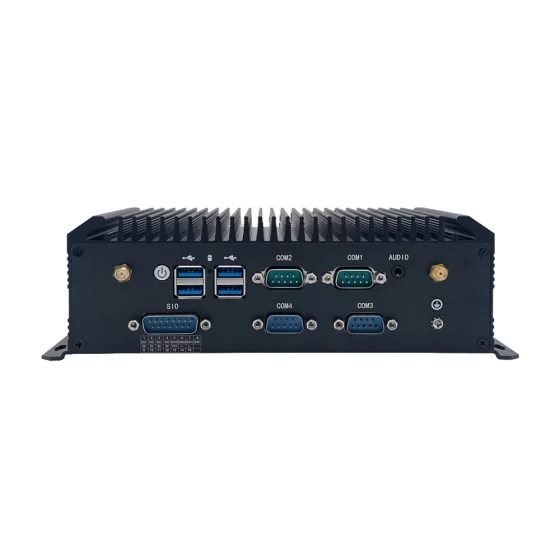
표준 상업용 PC와 비교, 산업용 컴퓨터는 더 나은 신뢰성을 제공합니다, 유연한 I/O, 견고한 기계 설계, 팬리스 옵션, 안정적인 네트워킹, 긴 수명주기 지원. These features are important when inspection systems operate near filling lines, blister packaging machines, labeling equipment, serialization stations, and automated packaging lines.
This article explains how AI computers support pharmaceutical inspection, what challenges appear in real deployment, 솔루션 아키텍처의 작동 방식, and which hardware features matter most for reliable pharma quality control.

Industrial computers process camera images for pharma quality inspection, 포장 검증, 라벨 확인, and traceability.
산업 개요
Pharmaceutical Manufacturing Requires Strict Inspection
Pharmaceutical manufacturing depends on product consistency, packaging accuracy, label correctness, and complete production records.
Inspection may occur at multiple stages, including raw material handling, filling, sealing, blister packaging, 라벨링, coding, cartoning, and final packaging verification.
Common inspection targets include:
- Tablet shape and color
- Capsule surface defects
- Vial fill level
- Ampoule cracks
- Syringe assembly
- Blister pack completeness
- Bottle cap and seal condition
- Label position
- Barcode and QR code readability
- Date code and batch code accuracy
- Carton print quality
- Final package verification
A pharmaceutical inspection computer helps process image data and connect inspection results with production records.
Why AI Is Used in Pharma Inspection
Traditional rule-based vision systems can work well for fixed and clearly defined inspection tasks.
하지만, pharmaceutical products and packaging can show variation in reflection, material surface, print quality, transparent containers, liquid level, tablet appearance, and package geometry.
AI inspection can help identify complex visual patterns and classify abnormalities that may be difficult to define with simple thresholds.
AI-based pharmaceutical inspection may support:
- 결함 감지
- Product presence verification
- Fill-level checking
- Seal inspection
- Label verification
- Print and code inspection
- Packaging completeness checks
- Foreign object detection support
- Appearance classification
- Traceability data capture
AI does not replace proper camera, 조명, and mechanical design. It depends on stable image acquisition and reliable industrial computing hardware.
Industrial Computing Is the Local AI Foundation
Pharmaceutical inspection systems often need fast local decisions.
Sending every image to a remote server may increase latency, network load, and dependency on centralized infrastructure. Local industrial computers allow image processing and AI inference to happen near the inspection station.
An AI inspection computer can connect cameras, 조명 컨트롤러, 센서, PLC, 컨베이어, 거부 메커니즘, 바코드 리더기, 프린터, 및 공장 네트워크.
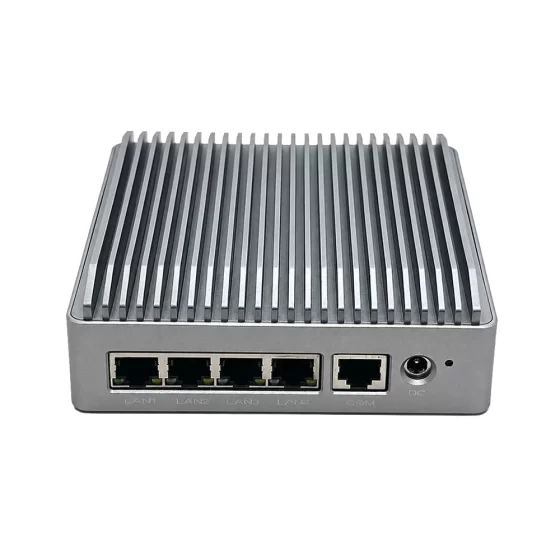
Embedded computers are useful when inspection hardware must be installed inside packaging machines, labeling equipment, inspection cabinets, or OEM pharma equipment.

Transparent containers, reflective packaging, curved labels, small codes, 조명, and product variation affect inspection reliability.
주요 과제
Product and Packaging Variation
Pharmaceutical inspection is difficult because products and packaging can vary in many ways.
Tablets may differ slightly in color or surface texture. Capsules may reflect light differently. Vials and ampoules may be transparent. Blister packs may include glossy foil. Labels may wrinkle or shift during application.
Common inspection challenges include:
- Low-contrast defects
- Reflective packaging surfaces
- Transparent containers
- Curved bottle labels
- Small printed codes
- Variable tablet appearance
- Liquid level visibility
- Seal edge inspection
- Fast conveyor movement
- Packaging deformation
The inspection computer must process images reliably under real production conditions.
High-Speed Inspection Requirements
Pharmaceutical packaging and filling lines can operate at high speed.
Inspection systems must capture images, 프로세스 데이터, 결과 분류, and send pass or fail signals quickly enough to match production timing.
중요한 작업 부하 요소는 다음과 같습니다.:
- 카메라 해상도
- 카메라 수
- Line speed
- AI 모델 복잡성
- Image processing cycle time
- Reject mechanism timing
- Local image storage
- Database upload requirements
- User interface responsiveness
Stable sustained performance is more important than short peak performance.
Lighting and Image Quality
Lighting is critical in pharmaceutical inspection.
Transparent vials, glossy blister packs, reflective foil, plastic bottles, glass surfaces, and curved labels can create glare, shadows, distortion, or low contrast.
Poor image quality can reduce inspection accuracy and increase false rejection.
A reliable system requires careful coordination between cameras, 렌즈, 조명, 설치, 트리거, 소프트웨어, 및 컴퓨팅 하드웨어.
The industrial computer must support stable camera acquisition and lighting control where required.
Integration with Production Equipment
Pharmaceutical inspection systems must connect with real production equipment.
The AI inspection computer may need to communicate with PLCs, filling machines, capping equipment, blister packaging machines, 라벨러, cartoners, 프린터, 스캐너, 거부 메커니즘, 및 공장 데이터베이스.
A practical pharmaceutical inspection computer may need:
- 랜
- USB
- RS232
- RS485
- GPIO
- 디지털 입력
- 디지털 출력
- 디스플레이 출력
- Expansion interfaces
Without suitable industrial I/O, integration becomes more complex and less reliable.
Traceability and Inspection Records
Pharmaceutical inspection data often needs to be connected with batch records, 제품 ID, 검사 이미지, 타임스탬프, station IDs, and packaging data.
Incomplete inspection records can reduce the value of quality analysis and make investigation more difficult.
The inspection computer must support reliable data handling, 로컬 저장소, and communication with MES or quality systems.

Industrial computers connect pharma inspection cameras, 자동화 장비, 포장 기계, MES, and factory quality systems.
Pharmaceutical Inspection Computer Solution Architecture
Image and Sensor Acquisition Layer
The acquisition layer captures the raw inspection data.
This layer may include industrial cameras, 렌즈, 조명 모듈, 트리거 센서, 바코드 리더기, print inspection cameras, fill-level sensors, and production sensors.
Depending on the inspection task, 시스템이 캡처할 수 있음:
- Tablet images
- Capsule images
- Vial images
- Syringe images
- Blister pack images
- Bottle and cap images
- Label images
- Barcode or QR code images
- Date code images
- Carton package images
Consistent input quality is essential. AI and machine vision software can only perform reliably when images are clear, 안정적인, and repeatable.
Industrial AI Computing Layer
The industrial AI computing layer is where the pharmaceutical inspection computer performs local processing.
이 레이어에서는, 산업용 컴퓨터나 임베디드 컴퓨터는:
- Receive image data from cameras
- Run AI inference models
- Run rule-based vision tools
- Detect defects or abnormalities
- Verify product presence
- Check label and print quality
- Store images and logs
- Send pass or fail signals
- PLC와 통신
- Upload data to quality systems
- Display inspection results locally
This edge computing layer allows inspection decisions to happen near the production line.
자동화 제어 계층
The automation control layer connects inspection results with production equipment.
PLC, conveyor controller, filling system, 포장 기계, or reject mechanism may trigger image capture or receive inspection results.
예를 들어, if a blister pack is missing a tablet or a label code is unreadable, the industrial computer can send a fail signal. The production system may then reject the item or alert an operator.
This closed-loop communication makes AI inspection useful for real production control.
데이터 관리 계층
Inspection records must be connected with manufacturing data.
The industrial computer may send results to MES, 품질 관리 시스템, production databases, 또는 공장 대시보드.
Inspection data may include:
- 제품ID
- Batch number
- 검사결과
- Defect category
- Image evidence
- Confidence score
- 스테이션 ID
- 타임스탬프
- Line number
- Reject status
- Operator action
이는 추적성을 지원합니다., quality reporting, 및 프로세스 개선.
사용자 인터페이스 및 엔지니어링 계층
운영자와 엔지니어에게는 실용적인 로컬 인터페이스가 필요합니다..
The inspection computer may connect to a monitor, 터치스크린, 건반, 또는 HMI 패널. The interface can show live images, defect locations, 검사현황, reject counts, 경보, model status, and system logs.
A clear interface helps engineers adjust inspection settings, review failed products, and troubleshoot inspection problems quickly.
주요 특징
AI 추론 성능
Pharmaceutical inspection AI systems require stable local processing performance.
Different inspection tasks require different computing levels. A simple barcode verification station may use a compact embedded computer. A multi-camera blister pack inspection or AI defect detection system may require a more powerful industrial PC or edge AI platform.
Selection should consider:
- AI 모델 복잡성
- 카메라 해상도
- 카메라 수
- Required frame rate
- 검사주기 시간
- Storage workload
- 소프트웨어 프레임워크
- CPU, GPU, or AI accelerator needs
The hardware should be selected according to real inspection workload, not only general specifications.
Camera and Vision Interface Support
Pharmaceutical inspection depends on reliable image acquisition.
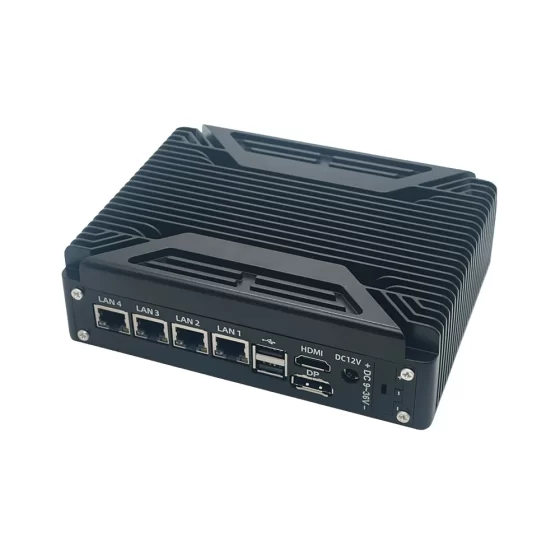
The computing platform should support the required camera interfaces and bandwidth. USB and Gigabit Ethernet cameras are common in many industrial vision systems.
Useful hardware features may include:
- USB 3.0
- 다중 LAN 포트
- PCIe 확장
- M.2 확장
- HDMI or DisplayPort
- High-speed SSD support
- 안정적인 전원 설계
다중 카메라 시스템용, camera traffic may need to be separated from factory network traffic.
Industrial I/O for Production Integration
The inspection computer must connect with production equipment and peripheral devices.
Important I/O options may include:
- 랜
- USB
- RS232
- RS485
- GPIO
- 디지털 입력
- 디지털 출력
- HDMI
- 디스플레이포트
These interfaces can support cameras, 스캐너, 프린터, 조명 컨트롤러, PLC, 컨베이어, 경보, 거부 메커니즘, and packaging equipment.
Flexible I/O reduces external converters and improves deployment reliability.
팬이 없고 견고한 디자인
Fanless industrial computers are useful in many pharma inspection applications.
먼지 유입을 줄이고 일반적인 기계적 고장 지점 하나를 제거합니다.. This can support lower maintenance in continuous production environments.
A rugged enclosure helps protect the computer from vibration, 케이블 스트레스, 및 캐비닛 설치 조건.
For high-performance AI workloads, thermal design must be reviewed carefully to ensure stable long-term operation.
Storage for Images and Inspection Records
Pharmaceutical inspection systems may generate many files and records.
The computer may store defect images, product images, inspection logs, 모델 파일, production reports, 및 로컬 데이터베이스.
SSD storage is commonly preferred because it provides faster response and better shock resistance than mechanical drives.
이미지가 많은 애플리케이션의 경우, 저장 용량, 지구력을 쓰다, retention policy, and backup planning should be reviewed during system design.
긴 수명주기 및 유지 관리성
Pharmaceutical inspection equipment may stay in service for many years.
컴퓨터 모델의 빈번한 변경, 드라이버, 포트, or expansion options can increase validation and maintenance workload.
Industrial computing platforms with lifecycle planning help system integrators, 장비 제작자, and manufacturers maintain consistent inspection systems across multiple lines and equipment generations.

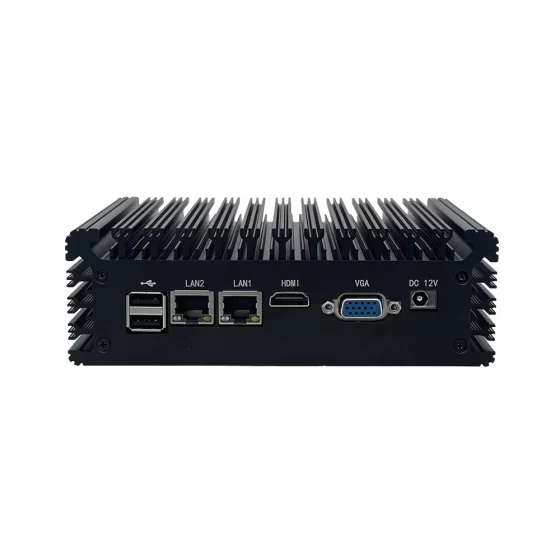
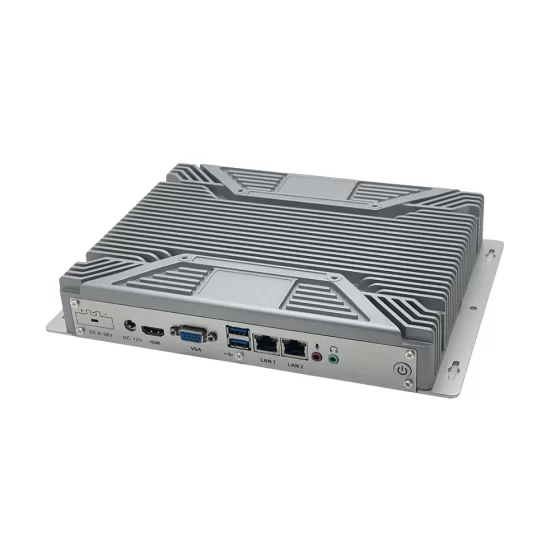
Fanless industrial computers support reliable pharma inspection deployment in production cabinets and inspection machines.
배포 시나리오
Tablet and Capsule Inspection
AI vision systems can inspect tablet and capsule appearance.
The system may check shape, color, coating condition, 균열, chips, 오염, size variation, or missing products.
An industrial computer processes images locally and sends inspection results to production or quality systems.
Vial and Ampoule Inspection
Vials and ampoules may require inspection for fill level, cap condition, 균열, 입자, 라벨 위치, and printed codes.
The inspection computer can process images from multiple cameras and communicate with PLCs or reject mechanisms.
This supports automated quality control on filling and packaging lines.
Syringe and Medical Device Packaging Inspection
Syringe-related inspection may include plunger position, cap condition, label quality, package presence, and assembly verification.
An embedded computer can be installed near the inspection station or inside OEM equipment to process images and upload records.
Blister Pack Inspection
Blister packaging inspection is one of the most common pharmaceutical vision applications.
The system can check whether each cavity contains the correct product, whether tablets are damaged, whether packaging is complete, and whether foil or printed information is correct.
The industrial computer processes images and sends pass or fail results to the packaging line.
Bottle Cap and Seal Inspection
Bottle packaging may require cap, seal, label, and fill-level inspection.
A vision system can verify whether the cap is present, properly positioned, and visually acceptable.
The inspection computer can store results and connect inspection data with batch and packaging records.
Label and Code Verification
Pharmaceutical packaging often requires accurate labels, 바코드, QR 코드, batch numbers, and date codes.
A vision system can verify that the label is present, readable, correctly positioned, and linked to the correct product.
The industrial computer can connect recognition results with production databases and traceability systems.
Carton and Final Package Inspection
Final packaging inspection may check cartons, inserts, 라벨, 물개, 바코드, product count, and package completeness.
An AI inspection computer can process images, verify packaging rules, and send results to quality systems or reject mechanisms.
This helps reduce packaging errors before shipment.
OEM Pharma Inspection Equipment
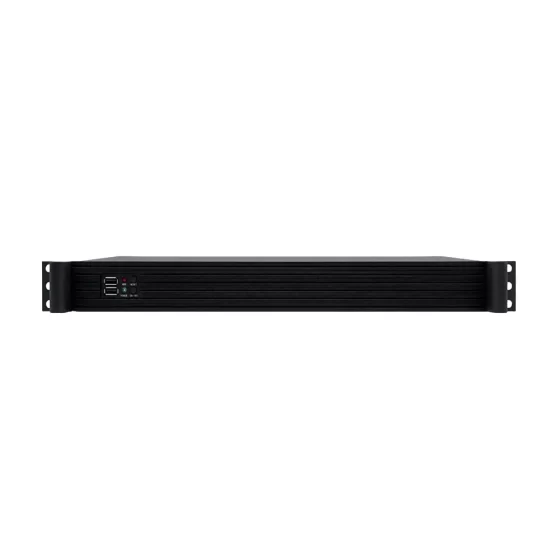
Machine builders can integrate embedded computers or industrial motherboards into pharma inspection equipment.
The computing platform can provide AI processing, 이미지 획득, HMI 디스플레이, PLC 통신, reject control, 로컬 저장소, 및 데이터 출력.
This helps OEMs deliver inspection systems ready for factory integration.

Pharmaceutical inspection systems improve defect review, 라벨 확인, 추적성, quality monitoring, and packaging inspection.
비즈니스 이점
Improved Inspection Consistency
AI inspection helps improve consistency across production shifts.
Industrial computers process images using defined vision rules or AI models. This reduces dependence on manual judgment and helps maintain stable inspection performance.
Consistent inspection is especially important for repetitive high-speed production tasks.
Reduced Manual Inspection Workload
Manual inspection can be repetitive and difficult to sustain at high speed.
AI inspection platforms automate many visual inspection tasks, allowing operators and engineers to focus on exceptions, equipment setup, 및 프로세스 개선.
This can improve efficiency while reducing missed defects caused by fatigue.
Faster Quality Decisions
Local image processing allows inspection decisions to happen near the production line.
The industrial computer can classify defects and send pass, 실패하다, or reject results to PLCs quickly.
This helps remove defective products earlier and supports smoother production flow.
더욱 강력한 추적성
Inspection results can be linked with product IDs, batch numbers, defect categories, 이미지, 타임스탬프, 역 정보, and packaging data.
This creates stronger quality records for pharmaceutical production.
Reliable traceability supports quality analysis, process review, and production accountability.
Better Process Improvement
Pharmaceutical inspection systems generate useful quality data.
Manufacturers can analyze recurring defects, packaging errors, label issues, reject patterns, and process variation.
Reliable industrial computing hardware helps ensure that this data is collected consistently and connected with factory systems.
Scalable Inspection Deployment
A standardized industrial computing platform makes it easier to deploy pharma inspection systems across multiple lines and factories.
일관된 하드웨어로 소프트웨어 이미지가 단순화됩니다., 운전자 관리, 예비 부품 계획, 유지 보수 훈련, 및 장기적인 기술 지원.
This supports scalable quality control and digital manufacturing development.
왜 CoreIPC인가?
CoreIPC는 머신 비전을 위한 산업용 컴퓨팅 플랫폼을 제공합니다., 엣지 AI, 공장 자동화, 및 임베디드 시스템 통합. For pharmaceutical inspection computer applications, CoreIPC는 안정적인 산업용 컴퓨터 하드웨어에 중점을 둡니다., 임베디드 컴퓨터 솔루션, 유연한 I/O 구성, 컴팩트한 시스템 디자인, 및 OEM/ODM 맞춤형 지원. CoreIPC는 시스템 통합자를 돕습니다., inspection equipment builders, and pharmaceutical manufacturers select computing platforms that match real deployment requirements, 카메라 인터페이스 포함, AI 워크로드, 자동화 통신, 장착 방법, 전원 입력, 열 설계, 저장 요구 사항, 및 수명주기 계획.
자주 묻는 질문
1. What is a pharmaceutical inspection computer?
A pharmaceutical inspection computer is an industrial computer used to process images and inspection data in pharma production.
It can connect to cameras, 조명 컨트롤러, 스캐너, PLC, 포장 기계, 품질 시스템. It may run AI inspection software, 결함을 발견하다, verify labels, 매장 점검 기록, and upload results to production databases.
2. Why use an industrial computer for pharma inspection?
Pharma inspection systems often run near filling lines, 포장 기계, 컨베이어, 라벨러, 그리고 검사소.
산업용 컴퓨터는 지속적인 작업을 지원하므로 사무용 PC보다 더 적합합니다., 산업용 I/O, 견고한 설치, 안정적인 네트워킹, 팬리스 옵션, 긴 수명주기 배포.
3. How is an embedded computer used in pharmaceutical inspection?
검사기 내부에 임베디드 컴퓨터 설치 가능, 제어 캐비닛, labeling systems, blister packaging equipment, or compact vision stations.
It can process camera images, 검사 소프트웨어 실행, PLC와 통신, 기록을 저장하다, and send results to factory systems. Its compact size makes it useful for OEM equipment and space-limited installations.
4. What can AI inspect in pharmaceutical manufacturing?
AI inspection can support tablet appearance checking, capsule inspection, blister pack verification, vial inspection, fill-level checking, cap and seal inspection, 라벨 확인, 바코드 판독, date code inspection, and final packaging checks.
The exact capability depends on camera setup, lighting design, AI model training, product variation, and production testing.
5. What interfaces are important for pharma inspection computers?
중요한 인터페이스에는 USB가 포함될 수 있습니다. 3.0, 다중 LAN 포트, RS232, RS485, GPIO, digital input, digital output, HDMI, 디스플레이포트, M.2, and PCIe expansion.
Camera interfaces are critical for image acquisition. Industrial I/O is important for PLC communication, 조명 제어, 트리거 센서, 프린터, 스캐너, 컨베이어, and reject mechanisms.
6. Is a fanless industrial computer suitable for pharma inspection?
A fanless industrial computer can be suitable for many pharma inspection applications because it reduces dust intake and removes one mechanical failure point.
하지만, AI workloads and multi-camera systems may generate significant heat. 프로세서 성능, cabinet airflow, 주변 온도, and mounting method should be reviewed before final hardware selection.
7. How does pharma inspection support traceability?
Inspection systems support traceability by connecting results with product IDs, batch numbers, 타임스탬프, station IDs, defect categories, label data, barcode values, and image records.
This data can be uploaded to MES, 품질 시스템, 또는 프로덕션 데이터베이스. Complete records help manufacturers analyze quality issues and improve process control.
8. Can pharmaceutical inspection computers connect to MES systems?
예. Industrial computers can send inspection data to MES, 품질 데이터베이스, or production dashboards.
Uploaded data may include product IDs, batch numbers, 검사 결과, defect categories, 이미지, 타임스탬프, line information, and reject status. This helps connect inspection workflows with production records.
9. What should be tested before deploying a pharma inspection computer?
배포 전, the system should be tested with real products, actual packaging, production lighting, real line speed, camera resolution, inspection software, PLC 통신, reject timing, 스토리지 워크로드, 및 네트워크 상태.
Long-running stability and thermal performance should also be tested to reduce production risk.
10. Can AI inspection replace manual pharma inspection completely?
AI inspection can automate many repetitive visual inspection tasks, but it should be introduced carefully.
Some inspection cases may still require human review, especially during validation, exception handling, or unusual defect analysis. In many factories, AI inspection works best as a consistent automated inspection layer that supports operators and quality teams.
결론
A pharmaceutical inspection computer is a practical foundation for AI-based visual inspection, 포장 검증, 결함 감지, 라벨 확인, 추적성, 및 생산 품질 관리.
산업용 컴퓨팅 하드웨어를 카메라 가까이 배치함으로써, 조명 시스템, 센서, PLC, 컨베이어, 포장 기계, and reject mechanisms, manufacturers can process inspection data locally and respond faster to quality issues.
The right industrial computer or embedded computer should be selected according to real deployment requirements, 카메라 인터페이스 포함, AI 워크로드, I/O 구성, 네트워크 설계, 저장 요구 사항, 장착 방법, 전원 입력, 열적 조건, 운영 체제 지원, 및 수명주기 계획.
CoreIPC supports pharmaceutical inspection computer projects with industrial computing platforms designed for practical factory deployment. 올바른 하드웨어 기반을 갖춘 경우, pharmaceutical manufacturers and equipment builders can build more reliable, 확장 가능, and data-driven inspection systems.
문의하기
산업용 컴퓨터를 찾고 계시다면, 임베디드 컴퓨터, or industrial motherboard for pharma inspection?
프로젝트 요구 사항을 논의하려면 CoreIPC에 문의하세요., 카메라 인터페이스 포함, AI 워크로드, I/O 구성, 자동화 통신, 장착 방법, 전원 입력, 운영 환경, 수명주기 요구 사항, 및 OEM/ODM 사용자 정의 옵션.