Решения CoreIPC для промышленных вычислений

Периферийная платформа мониторинга трафика
Управляющее резюме
Современные транспортные системы генерируют огромные объемы данных с придорожных камер., датчики движения, радиолокационные системы, автоматическое распознавание номерного знака (АНПР) устройства, интеллектуальные сигналы светофора, и подключенная инфраструктура. Поскольку города продолжают расширяться, а объемы транспортных средств увеличиваются, транспортным властям требуются интеллектуальные системы, способные собирать, обработка, и анализ данных о трафике в режиме реального времени. Традиционные архитектуры централизованной обработки часто страдают от задержек., ограничения пропускной способности, и проблемы масштабируемости, повышение важности периферийных вычислений для интеллектуального транспортного развертывания.
А Периферийная платформа мониторинга трафика предоставляет вычислительную инфраструктуру, необходимую для поддержки мониторинга трафика в режиме реального времени, видеоаналитика, обнаружение инцидентов, классификация транспортных средств, анализ транспортных потоков, и интеллектуальное управление транспортом. Обрабатывая данные ближе к источнику, периферийные платформы сокращают задержку, улучшить время ответа, минимизировать потребление полосы пропускания, и повысить общую надежность системы.
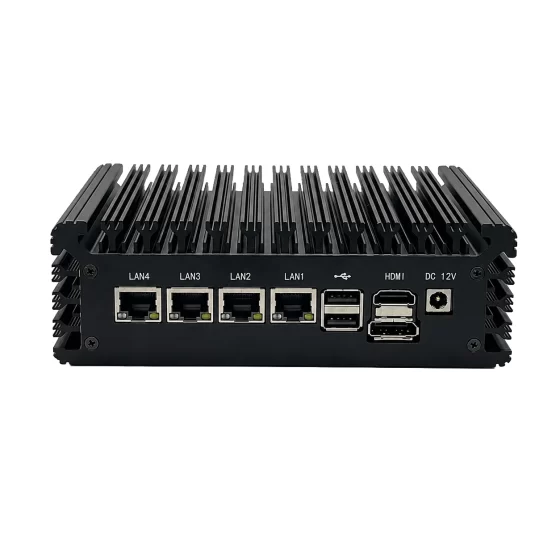
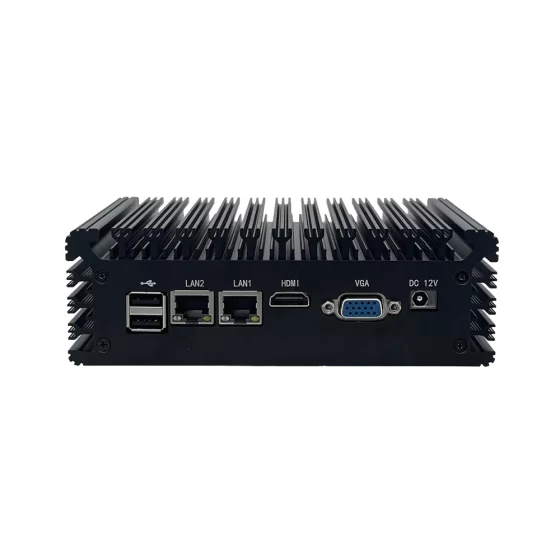
Промышленные компьютеры и встроенные компьютеры обычно используются в качестве периферийных платформ мониторинга трафика, поскольку они обеспечивают надежность., надежность, возможность подключения, и долгосрочная доступность, необходимая для транспортных условий. Эти системы работают непрерывно в придорожных шкафах., центры управления транспортом, системы взимания платы, перекрестки, шоссе, туннели, и инфраструктуру умного города, одновременно поддерживая критически важные транспортные приложения..
Как интеллектуальные транспортные системы (ЕГО), умные города, инициативы автономной мобильности, и управление дорожным движением на основе искусственного интеллекта продолжают развиваться, Периферийные платформы мониторинга трафика становятся основополагающими технологиями, которые обеспечивают более безопасную, более эффективный, и более интеллектуальные транспортные сети.
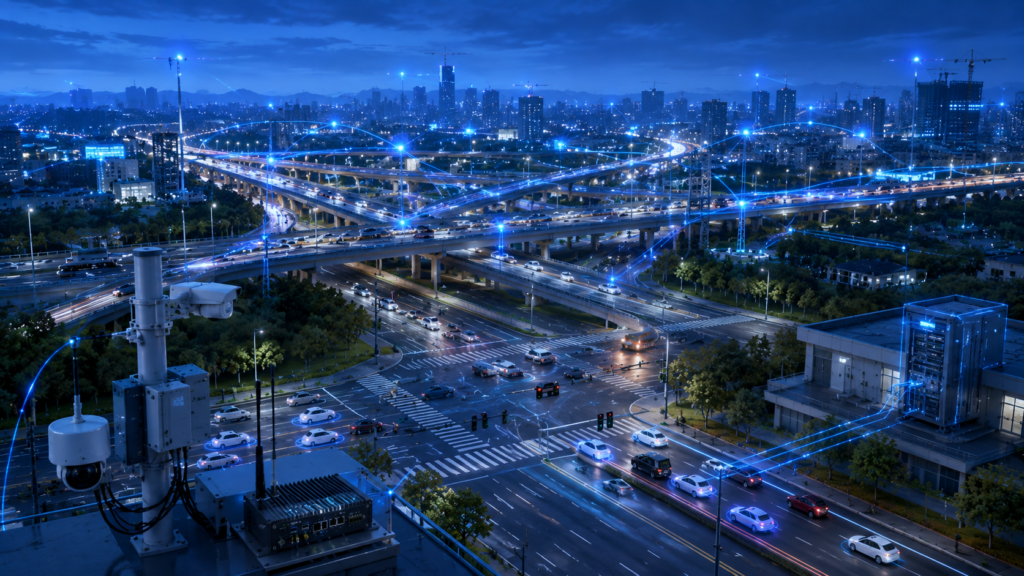
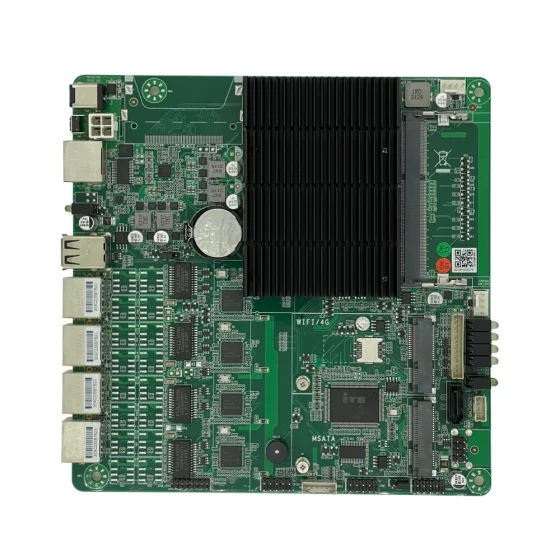
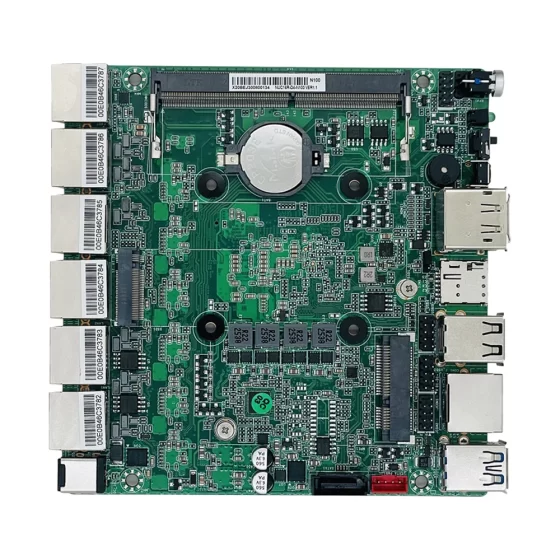
Платформа периферийных вычислений, позволяющая отслеживать трафик в режиме реального времени, обнаружение транспортных средств, и интеллектуальное управление транспортом.
Обзор отрасли
Пробки на дорогах, проблемы безопасности дорожного движения, инициативы в области экологической устойчивости, и растущая урбанизация способствуют внедрению интеллектуальных транспортных технологий во всем мире..
Транспортные власти и муниципалитеты все чаще полагаются на передовые системы мониторинга для улучшения видимости транспортных сетей и оптимизации транспортных операций..
Современные среды мониторинга трафика обычно включают в себя:
- Придорожные камеры
- системы ANPR
- Датчики движения
- Системы радиолокационного обнаружения
- Знаки переменных сообщений
- Контроллеры светофоров
- Системы мониторинга дорог
- Системы взимания платы за проезд
- Умные перекрестки
- Подключенная транспортная инфраструктура
Эти системы постоянно генерируют большие объемы данных, которые необходимо обрабатывать в режиме реального времени для поддержки транспортных операций..
Традиционные облачные архитектуры создают несколько проблем:
- Высокая задержка сети
- Увеличение затрат на пропускную способность
- Зависимости подключения
- Ограниченная масштабируемость
- Задержка реагирования на инциденты
Как результат, Периферийные вычисления стали важнейшим компонентом современных систем управления дорожным движением..
Периферийные платформы мониторинга трафика позволяют локально обрабатывать транспортные данные, позволяя агентствам выполнять:
- Видеоаналитика в реальном времени
- Обнаружение транспортных средств
- Подсчет трафика
- Идентификация инцидента
- Анализ транспортных потоков
- Мониторинг скорости
- Измерение занятости полосы движения
- Транспортная аналитика на базе искусственного интеллекта
Промышленные компьютеры, развернутые на периферии, обеспечивают вычислительную мощность, необходимую для выполнения этих рабочих нагрузок, сохраняя при этом надежную работу в суровых придорожных условиях..
Рост умных городов, подключенная инфраструктура, Ожидается, что интеллектуальные транспортные системы еще больше повысят спрос на периферийные платформы мониторинга трафика в глобальных транспортных сетях..
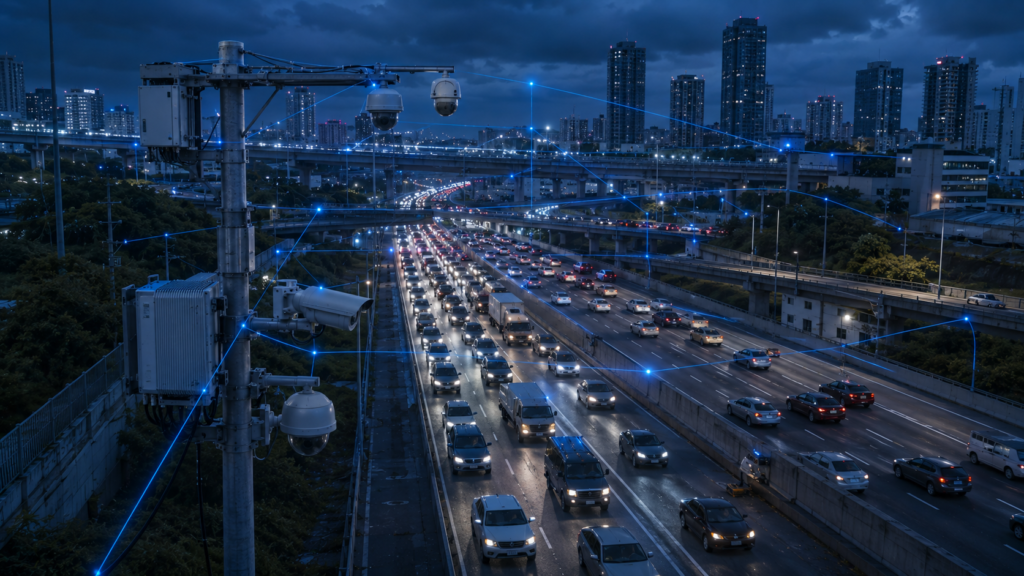
Современные системы мониторинга дорожного движения должны справляться с большими объемами трафика., несколько каналов с камер, и аналитика транспорта в режиме реального времени.
Ключевые проблемы
Анализ трафика в реальном времени
Системы управления дорожным движением должны немедленно обрабатывать информацию для поддержки принятия оперативных решений..
Приложения, требующие обработки с малой задержкой, включают в себя:
- Обнаружение инцидентов
- Мониторинг перегрузок
- Оптимизация светофора
- Координация реагирования на чрезвычайные ситуации
- Обнаружение встречного автомобиля
Только облачные архитектуры могут привести к задержкам, которые влияют на операционную эффективность..
Платформы Edge помогают сократить задержку за счет локальной обработки данных.
Большие объемы видеоданных
Современные транспортные системы используют большое количество камер высокого разрешения..
Видеопотоки предъявляют существенные требования к пропускной способности.
Проблемы включают в себя:
- Непрерывная запись
- Аналитика в реальном времени
- Многокамерная обработка
- Длительное хранение
- Использование сети
Периферийные платформы мониторинга трафика сокращают потребление полосы пропускания за счет обработки данных перед передачей..
Суровые транспортные условия
Придорожные развертывания подвергаются воздействию:
- Экстремальные температуры
- Пыль
- Влажность
- Вибрация
- Электрический шум
- Погодные условия
Вычислительные платформы должны противостоять этим экологическим проблемам, сохраняя при этом непрерывную работу..
Управление распределенной инфраструктурой
Транспортные системы часто охватывают:
- Города
- Шоссе
- Туннели
- Мосты
- Транзитные коридоры
Управление распределенной инфраструктурой требует надежного удаленного мониторинга и централизованной видимости..
Требования кибербезопасности
Транспортная инфраструктура становится все более взаимосвязанной.
Системы должны защищать:
- Данные о трафике
- Операционные системы
- Видеоканалы
- Сети связи
- Общественная инфраструктура
Кибербезопасность стала важным компонентом развертывания транспорта..
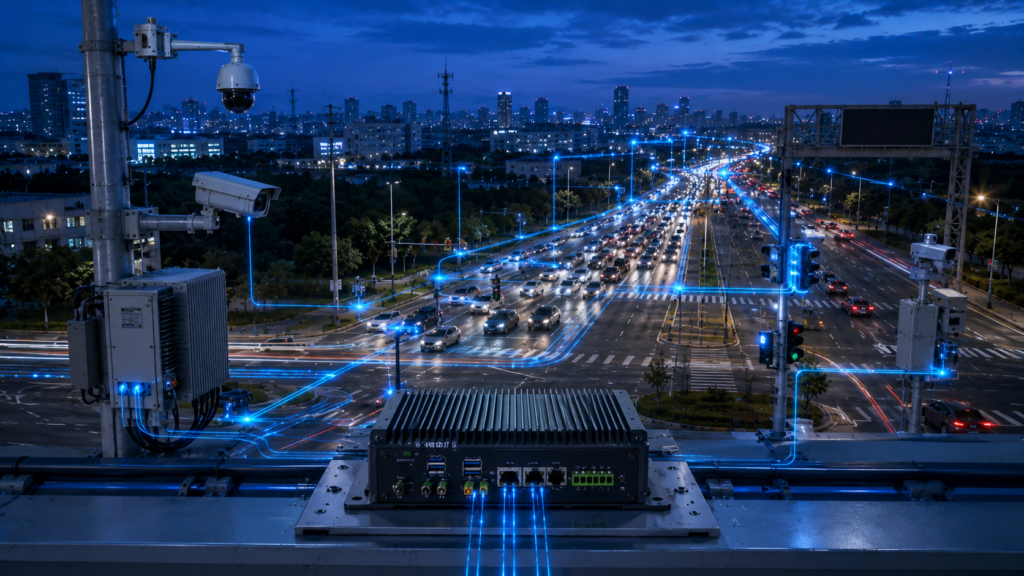
Промышленные компьютеры позволяют отслеживать трафик в режиме реального времени, периферийная аналитика, и интеллектуальная транспортная система связи.
Архитектура решения
Современная периферийная платформа мониторинга трафика обычно состоит из нескольких взаимосвязанных уровней..
Слой 1: Уровень сбора данных
Слой поля включает в себя:
- Камеры дорожного движения
- Камеры ANPR
- Радарные датчики
- Детекторы дорожного движения
- Датчики окружающей среды
- Контроллеры сигналов
Эти устройства собирают оперативную информацию о трафике..
Слой 2: Уровень подключения
Инфраструктура связи может включать в себя:
- Промышленный Ethernet
- Оптоволоконные сети
- Беспроводная связь
- Сотовые сети
- Выделенные транспортные сети
Этот уровень обеспечивает безопасную и надежную передачу данных..
Слой 3: Уровень периферийных вычислений
Периферийная платформа мониторинга трафика служит локальным механизмом обработки..
Функции включают в себя:
- Видеоаналитика
- Вывод ИИ
- Обнаружение транспортных средств
- Обработка событий
- Агрегация данных
- Локальное хранилище
- Преобразование протокола
Этот уровень позволяет принимать решения в режиме реального времени на границе сети..
Слой 4: Прикладной уровень
Транспортные приложения включают в себя:
- Системы управления дорожным движением
- Системы управления видео
- Платформы обнаружения инцидентов
- Программное обеспечение ANPR
- Механизмы анализа трафика
- Умные системы перекрестков
Периферийная платформа размещает и поддерживает эти приложения..
Слой 5: Центральный уровень управления
Поддержка корпоративной интеграции:
- Центры управления дорожным движением
- Платформы умного города
- Облачная аналитика
- Системы отчетности
- Информационные панели для транспорта
Этот уровень обеспечивает централизованную видимость и операционный контроль..
Ключевые особенности
Надежность промышленного уровня
Системы мониторинга дорожного движения работают непрерывно.
Промышленные компьютеры обеспечивают:
- Прочная конструкция
- Компоненты промышленного класса
- Долгосрочная надежность
- Непрерывная поддержка работы
- Прочность транспортного уровня
Эти функции помогают обеспечить доступность системы..
Безвентиляторный дизайн
Во многих транспортных системах используются безвентиляторные системы..
Преимущества включают в себя:
- Сокращенное обслуживание
- Повышенная надежность
- Лучшая пыленепроницаемость
- Тихая работа
Безвентиляторные конструкции особенно ценны для придорожных шкафов..
Периферийная обработка ИИ
Современные дорожные системы все чаще используют искусственный интеллект..
Приложения включают в себя:
- Классификация транспортных средств
- Обнаружение инцидентов
- Анализ транспортных потоков
- Обнаружение пешеходов
- Распознавание номерного знака
Платформы Edge поддерживают рабочие нагрузки ИИ локально.
Высокоскоростная сеть
Транспортные системы требуют обширной связи.
Общие интерфейсы включают в себя:
- Гигабитный Ethernet
- Оптоволоконное соединение
- Сотовая связь
- Беспроводная сеть
- Последовательная связь
Эти возможности упрощают интеграцию с транспортной инфраструктурой..
Широкая температурная поддержка
Транспортные средства часто работают на открытом воздухе..
Промышленные компьютеры поддерживают работу в широком диапазоне температур, обеспечивая надежную работу..
Гибкие возможности расширения
Edge-платформы могут поддерживать:
- Дополнительные сети
- Расширение хранилища
- ИИ-ускорители
- Коммуникационные модули
Эта гибкость поддерживает меняющиеся требования к транспортировке..
Длительный жизненный цикл продукта
Транспортная инфраструктура часто остается работоспособной в течение многих лет..
Промышленные платформы обеспечивают:
- Долгосрочная доступность
- Стабильные аппаратные платформы
- Расширенные программы поддержки
Эти характеристики снижают сложность управления жизненным циклом..
Сценарии развертывания
Мониторинг дорожного движения
Поддержка периферийных платформ мониторинга трафика:
- Подсчет транспортных средств
- Анализ транспортных потоков
- Мониторинг перегрузок
- Обеспечение скорости
- Обнаружение инцидентов
Эти возможности улучшают управление шоссе..
Умные перекрестки
Периферийные вычисления позволяют:
- Адаптивные светофоры
- Обнаружение транспортных средств
- Пешеходный мониторинг
- Аналитика пересечений
- Оптимизация трафика
Умные перекрестки улучшают городскую мобильность.
Системы взимания платы за проезд
Поддержка платформ мониторинга трафика:
- Идентификация автомобиля
- обработка ANPR
- Управление транзакциями
- Аналитика трафика
Эти функции повышают эффективность толлинга..
Мониторинг туннелей
Транспортные власти используют периферийные платформы для:
- Обнаружение инцидентов
- Экологический мониторинг
- Управление трафиком
- Аналитика безопасности
Надежный мониторинг повышает безопасность туннелей.
Умный городской транспорт
Edge-платформы интегрируются с:
- Системы умного города
- Платформы городской мобильности
- Инфраструктура общественного транспорта
- Подключенные транспортные средства
Эти развертывания поддерживают интеллектуальные транспортные экосистемы..
Центры транспортных операций
Промышленные компьютеры поддерживают централизованное управление транспортировкой, обеспечивая локальную обработку., аналитика, и возможности агрегирования данных.
Преимущества для бизнеса
Более быстрое реагирование на инциденты
Аналитика в режиме реального времени помогает транспортным властям быстрее выявлять инциденты и координировать действия по реагированию..
Улучшенный поток трафика
Данные мониторинга трафика позволяют оптимизировать время сигнала., стратегии маршрутизации, и программы управления перегрузками.
Уменьшенная пропускная способность сети
Локальная обработка минимизирует объем данных, передаваемых в централизованные системы..
Повышенная общественная безопасность
Платформы мониторинга дорожного движения поддерживают обнаружение аварий, координация реагирования на чрезвычайные ситуации, и инициативы по безопасности дорожного движения.
Снижение эксплуатационных расходов
Автоматизация и периферийная аналитика сокращают требования к ручному мониторингу и повышают эффективность работы..
Масштабируемая транспортная инфраструктура
Периферийные платформы обеспечивают гибкую основу для будущих инициатив в области ИТС и умных городов..
Почему CoreIPC
CoreIPC предоставляет промышленные вычислительные платформы, предназначенные для интеллектуальных транспортных систем., мониторинг трафика, придорожное развертывание, и инфраструктура умного города. Наши промышленные компьютеры и встраиваемые компьютеры обеспечивают надежную работу, безвентиляторный режим, долговечность промышленного класса, богатые возможности подключения, и поддержка длительного жизненного цикла транспортных приложений.. Используется ли в системах мониторинга дорожного движения, умные перекрестки, шкафы управления транспортом, или интеллектуальная дорожная инфраструктура, Решения CoreIPC обеспечивают вычислительную основу, необходимую для современных сред управления трафиком и периферийной аналитики..
Часто задаваемые вопросы
1. Что такое пограничная платформа мониторинга трафика?
Edge Platform для мониторинга трафика — это вычислительная система, развернутая рядом с транспортной инфраструктурой, которая локально обрабатывает данные о трафике.. Он поддерживает видеоаналитику, обнаружение транспортных средств, мониторинг трафика, и интеллектуальные транспортные приложения, одновременно снижая требования к задержке и пропускной способности..
2. Почему периферийные вычисления важны для мониторинга трафика?
Периферийные вычисления позволяют обрабатывать транспортные данные в режиме реального времени рядом с источником.. Это уменьшает задержку сети, улучшает время реагирования на инциденты, минимизирует использование полосы пропускания, и повышает общую надежность транспортной системы.
3. Какие устройства подключаются к периферийной платформе мониторинга трафика?
Типичные устройства включают камеры дорожного движения., Камеры ANPR, радарные датчики, детекторы движения, датчики окружающей среды, диспетчеры светофоров, и придорожное оборудование связи.
4. Могут ли периферийные платформы мониторинга трафика поддерживать приложения искусственного интеллекта??
Да. Современные платформы поддерживают классификацию транспортных средств с помощью искусственного интеллекта., обнаружение инцидентов, пешеходный мониторинг, аналитика трафика, и приложения для распознавания номерных знаков.
5. Почему промышленные компьютеры используются на транспорте?
Промышленные компьютеры имеют прочную конструкцию, широкая температурная поддержка, доступность в течение длительного жизненного цикла, и надежная работа в суровых придорожных и транспортных условиях.
6. Подходят ли безвентиляторные системы для использования на дорогах??
Да. Безвентиляторные системы снижают требования к техническому обслуживанию, повысить надежность, и обеспечивают лучшую устойчивость к пыли и загрязнениям окружающей среды.
7. Как периферийные платформы снижают требования к пропускной способности?
Обрабатывая данные локально и передавая только актуальную информацию, периферийные платформы сокращают объем необработанных видеоданных и данных датчиков, отправляемых в централизованные системы..
8. Могут ли эти платформы интегрироваться с системами управления дорожным движением??
Да. Периферийные платформы мониторинга трафика обычно интегрируются с системами управления трафиком., программное обеспечение для управления видео, платформы умного города, и центры управления транспортом.
9. Какие транспортные приложения используют периферийные вычисления?
Приложения включают мониторинг шоссе., умные перекрестки, системы взимания платы, мониторинг туннелей, аналитика трафика, обнаружение инцидентов, и подключенная транспортная инфраструктура.
10. Что следует учитывать при выборе периферийной платформы мониторинга трафика?
Важные соображения включают производительность обработки., экологические характеристики, сетевые возможности, Поддержка ИИ, возможности расширения, доступность жизненного цикла, и совместимость программного обеспечения.
Заключение
А Периферийная платформа мониторинга трафика обеспечивает разведку, вычислительная мощность, и надежность, необходимые для современной транспортной инфраструктуры. Включив аналитику в реальном времени, Мониторинг трафика с помощью искусственного интеллекта, локальная обработка данных, и интеллектуальное управление транспортом, Краевые платформы помогают транспортным властям повысить безопасность, эффективность, и оперативная прозрачность. Поскольку умные города и интеллектуальные транспортные системы продолжают расширяться, промышленные компьютеры и встроенные компьютеры останутся важными технологиями, поддерживающими будущее подключенной мобильности..
Связаться с нами
Ищем надежную периферийную платформу мониторинга трафика для интеллектуальных транспортных приложений.?
CoreIPC поставляет промышленные компьютеры, встроенные компьютеры, промышленные материнские платы, и индивидуальные вычислительные решения, предназначенные для мониторинга дорожного движения, интеллектуальные транспортные системы, инфраструктура умного города, и периферийное развертывание ИИ.
Свяжитесь с нашей командой инженеров, чтобы обсудить требования вашего проекта и найти идеальную вычислительную платформу для вашего транспортного приложения..