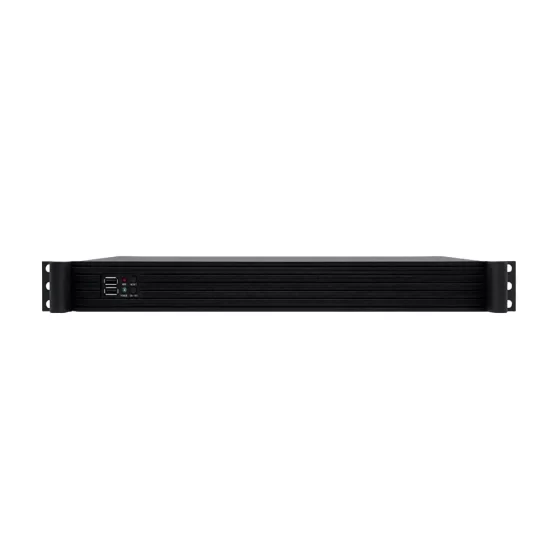
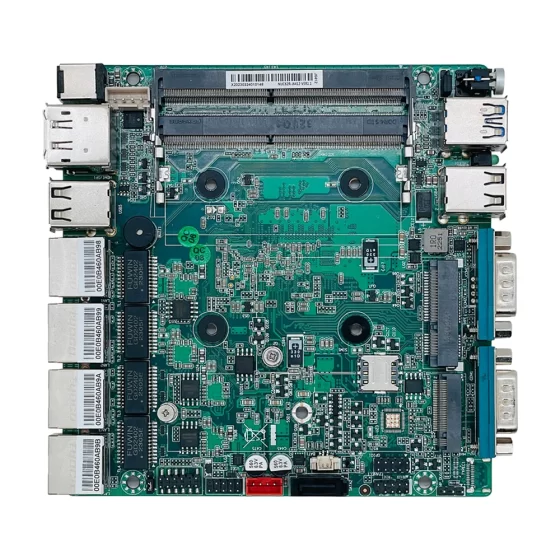
CoreIPC工业计算解决方案

适用于智能电网应用的工业计算机
执行摘要
The global energy sector is experiencing a fundamental transformation as utilities, 政府, 和工业组织对老化的电力基础设施进行现代化改造,以满足不断增长的电力需求, 可再生能源并网要求, 和可持续发展目标. 传统电网正在向智能化发展, 能够实时监控的互连系统, 自动化控制, 预测性维护, 和动态能量优化. 这些下一代能源网络统称为智能电网.
一个 适用于智能电网应用的工业计算机 plays a critical role in enabling this transformation. 工业计算机作为连接现场设备的边缘智能层, 变电站, 可再生能源资产, 通讯网络, 和集中管理平台. 通过收集, 加工, 并实时分析运营数据, 工业计算机帮助公用事业公司提高电网可靠性, 提高运营效率, 支持可再生能源并网, 并增强关键基础设施的网络安全.
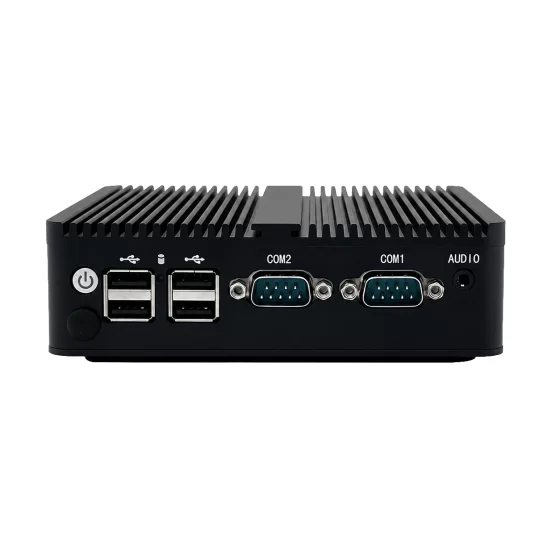
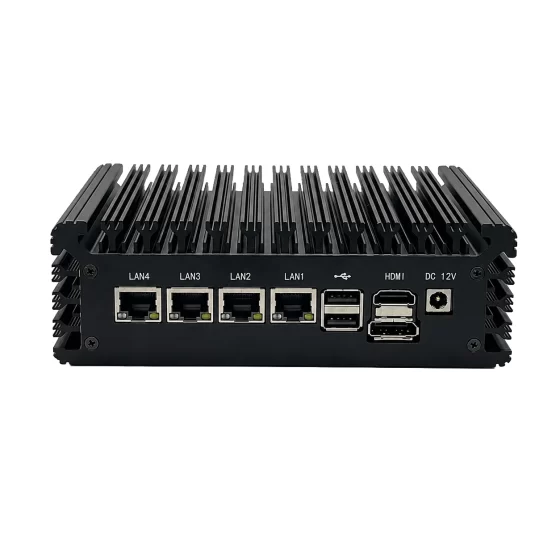
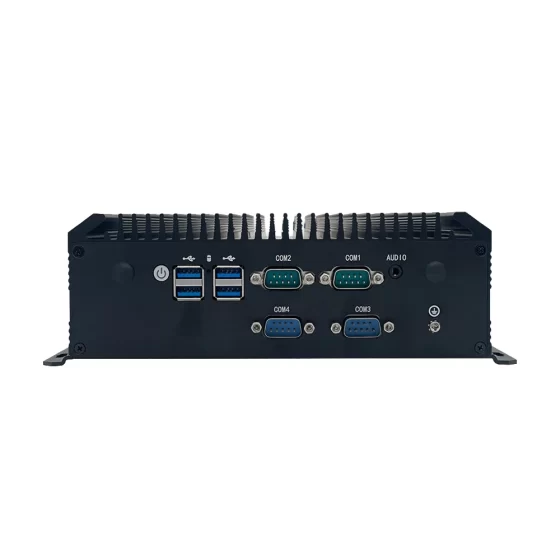
与商业计算平台不同, industrial computers are designed specifically for demanding utility environments. 它们提供工业级可靠性, 无风扇运行, 长生命周期可用性, wide-temperature support, 强大的连接性, 和安全通信. These capabilities make them ideal for deployment in substations, 控制柜, renewable energy facilities, distribution automation systems, and energy management applications.
As Smart Grid infrastructure continues to expand worldwide, industrial computers are becoming indispensable components for intelligent energy management, grid modernization, and digital utility transformation.
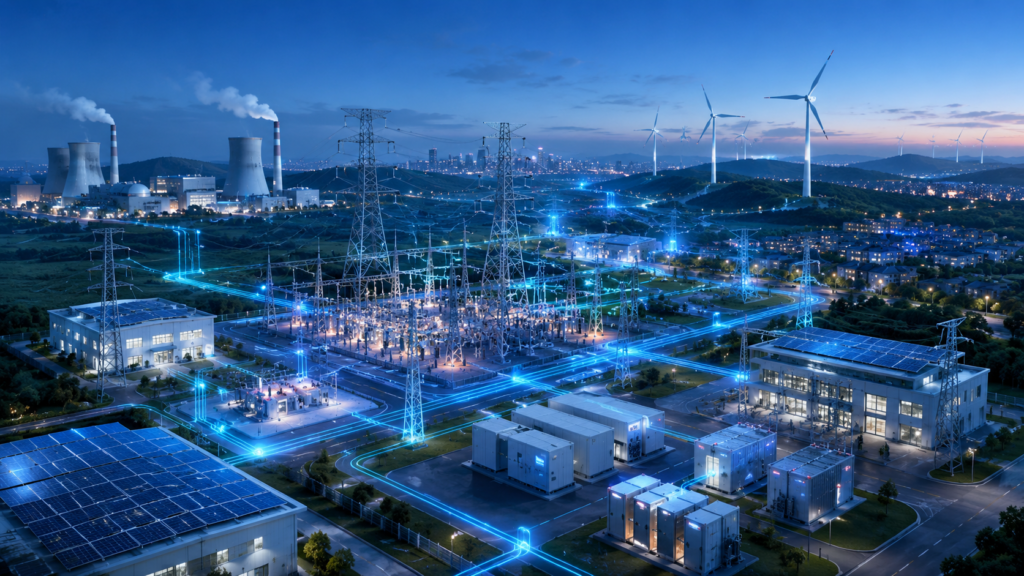
Modern Smart Grid infrastructure connects conventional power generation, 可再生能源系统, 变电站, and energy storage assets through intelligent monitoring and industrial computing technologies.
行业概况
For decades, electrical power systems operated using centralized generation and one-way power distribution models. Electricity was generated at large power plants and transmitted through distribution networks to residential, 商业的, and industrial consumers.
While this model served the industry well for many years, several emerging challenges have increased the need for more intelligent grid management:
- Increasing electricity demand
- Aging utility infrastructure
- Renewable energy integration
- Distributed generation systems
- Electric vehicle adoption
- Grid reliability requirements
- Energy efficiency initiatives
- Decarbonization goals
- Cybersecurity concerns
To address these challenges, utilities are investing heavily in Smart Grid technologies.
A Smart Grid combines electrical infrastructure with advanced computing, 通讯, 自动化, and analytics technologies to create an intelligent and responsive energy ecosystem.
Modern Smart Grid environments typically include:
- Smart substations
- Intelligent transformers
- Distribution automation systems
- Renewable energy facilities
- 储能系统
- 智能电表
- SCADA平台
- 能源管理系统 (特快专递)
- Distribution Management Systems (DMS)
- Outage Management Systems (OMS)
- Distributed Energy Resource Management Systems (DERMS)
These systems continuously generate massive amounts of operational data that must be processed and analyzed in real time.
Industrial computers provide the computing foundation necessary to support these applications by enabling local processing, 边缘分析, communication management, and secure integration between operational technology (奥特) 和信息技术 (它) 环境.
As Smart Grids become more sophisticated, the demand for reliable industrial computing platforms continues to increase across the global energy sector.
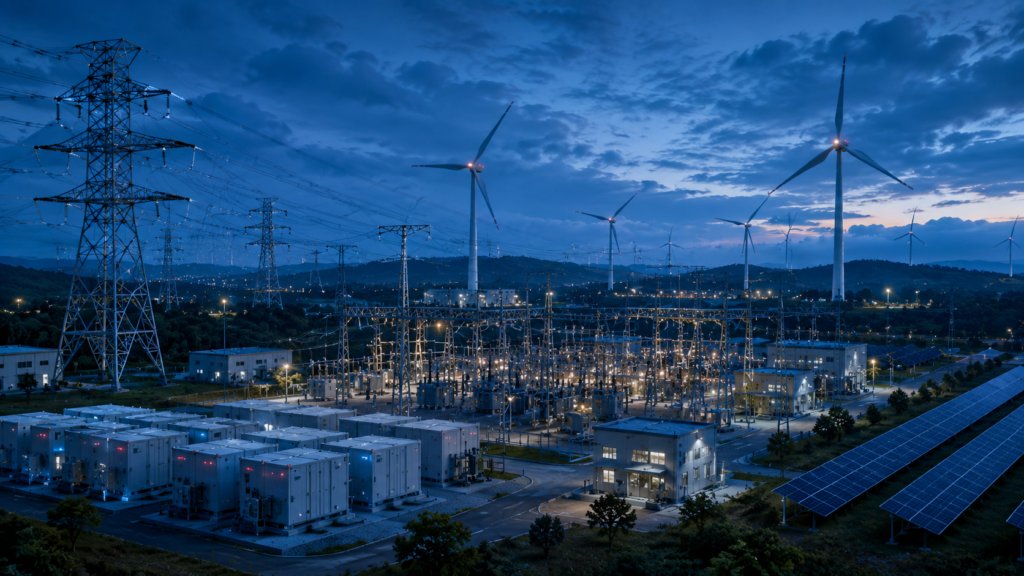
Modern Smart Grid environments must coordinate substations, 可再生能源资产, 储能系统, and communication networks while maintaining reliability, 效率, and grid stability.
主要挑战
Managing Distributed Energy Resources
Modern Smart Grids must support a growing number of distributed energy assets, 包括:
- Solar power systems
- Wind farms
- 电池存储系统
- Microgrids
- Combined heat and power systems
- 电动汽车充电基础设施
Managing these distributed resources requires real-time coordination and intelligent control.
Industrial computers help utilities collect data, monitor asset performance, and execute automated control strategies.
Processing Large Volumes of Operational Data
Smart Grid environments generate data from thousands of connected devices.
Data sources include:
- 智能电表
- Protection relays
- 传感器
- Transformers
- Circuit breakers
- 可再生能源资产
- Grid monitoring equipment
This information must be processed quickly to support operational decision-making and maintain grid stability.
在恶劣环境下保持可靠性
Utility infrastructure is often deployed in challenging environments such as:
- Outdoor substations
- 公用控制柜
- 远程安装
- High-temperature regions
- High-humidity environments
- Locations with electromagnetic interference
Commercial computers are generally not designed for these conditions.
Industrial computers must operate continuously while maintaining reliability under harsh environmental conditions.
Ensuring Cybersecurity
Power infrastructure is considered critical infrastructure worldwide.
Cyber threats targeting energy systems continue to increase.
Utilities must protect:
- 控制系统
- 运营数据
- Communication networks
- Grid assets
- Customer information
Industrial computers play an important role in supporting cybersecurity strategies through secure communications, 访问控制, 和网络分段.
Supporting Renewable Energy Integration
Renewable energy sources introduce variability into electrical grids.
Unlike conventional power generation, renewable resources depend on environmental conditions.
Industrial computers help utilities:
- Monitor generation output
- Forecast energy production
- Manage storage assets
- Balance supply and demand
- Improve grid stability
These capabilities are essential for successful renewable energy integration.
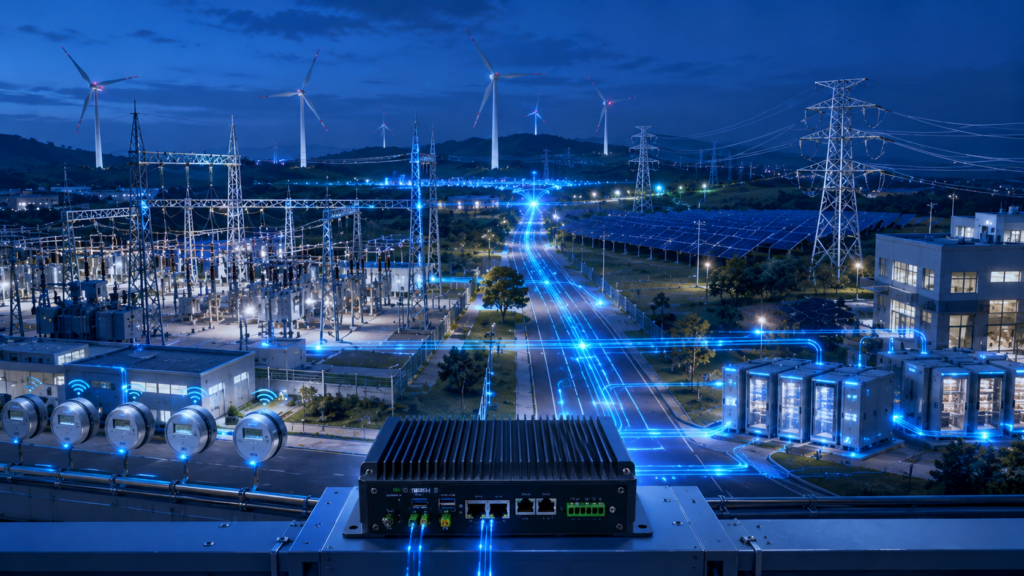
Industrial computers serve as the edge intelligence platform that connects substations, smart meters, 可再生能源资产, and utility monitoring systems across modern Smart Grid environments.
解决方案架构
A typical Smart Grid deployment consists of several interconnected layers.
层 1: 现场设备层
The field layer contains operational assets including:
- 智能电表
- Protection relays
- 传感器
- Transformers
- Circuit breakers
- 可再生能源设备
- 电池存储系统
These devices generate operational data and execute control actions.
层 2: 通讯层
Communication networks connect field devices with local and centralized management systems.
Common technologies include:
- 工业以太网
- 光纤网络
- 无线通讯
- 蜂窝网络
- 工业物联网网关
- Utility communication infrastructure
Reliable communications are essential for Smart Grid operations.
层 3: 工控机层
The industrial computer serves as the local intelligence platform.
主要职责包括:
- 数据采集
- 协议转换
- 边缘分析
- 报警管理
- 事件处理
- Device monitoring
- Cybersecurity functions
- 地方决策
This layer enables rapid response to operational events.
层 4: Grid Management Layer
Applications at this level include:
- 监控与数据采集系统
- 能源管理系统
- Distribution Management Systems
- Outage Management Systems
- Asset Management Platforms
- Predictive Maintenance Software
Industrial computers support these applications through local processing and communication services.
层 5: 企业和云层
The enterprise layer enables:
- Utility operations centers
- 商业智能平台
- 云分析
- AI-powered forecasting
- 报告系统
- Digital twin environments
This layer transforms operational data into actionable insights.
主要特点
工业级可靠性
Smart Grid infrastructure requires continuous operation.
工业计算机提供:
- Ruggedized construction
- 工业级组件
- 长期可靠性
- 持续运营支持
- 延长生命周期的可用性
These characteristics help minimize downtime and maintenance requirements.
无风扇设计
Many Smart Grid deployments utilize fanless industrial computers.
好处包括:
- 提高可靠性
- 减少维护
- 防尘性
- 静音运行
- 使用寿命更长
Fanless systems are particularly valuable in remote utility installations.
Wide Operating Temperature Range
Utility environments may experience significant temperature fluctuations.
工业计算机支持:
- High-temperature operation
- Low-temperature operation
- Outdoor deployment
- 热稳定性
This ensures reliable operation in diverse environmental conditions.
丰富的工业连接
Smart Grid applications require extensive communication capabilities.
工控机普遍支持:
- 千兆位以太网
- 串行通讯
- RS232
- RS422
- RS485
- CAN总线
- 数字输入/输出
- USB接口
These interfaces simplify integration with utility equipment.
Edge Computing Capabilities
Edge computing enables data processing close to the source.
好处包括:
- 减少延迟
- 更快的响应时间
- Lower bandwidth consumption
- 提高可靠性
- Enhanced operational visibility
Industrial computers provide the computing power required for edge analytics and local decision-making.
网络安全支持
Modern industrial computers support advanced security capabilities such as:
- 安全启动
- TPM modules
- VPN 连接
- 访问控制
- 防火墙应用
- 安全通信
These features help protect critical utility infrastructure.
产品生命周期长
Utility projects often remain operational for many years.
Industrial computers offer:
- 长期供货
- 稳定的硬件平台
- 扩展支持计划
- 减少重新设计要求
These characteristics simplify lifecycle management and reduce total ownership costs.
部署场景
Smart Substation Automation
Industrial computers are widely used in smart substations to support:
- 设备监控
- 事件记录
- Protection systems
- 数据采集
- 远程诊断
- 运营分析
These capabilities improve visibility and reliability across utility infrastructure.
Renewable Energy Management
工业计算机帮助管理:
- Solar power plants
- Wind energy facilities
- 电池存储系统
- Hybrid energy systems
By processing operational data locally, utilities can optimize energy production and improve grid integration.
Distribution Automation
Utilities deploy industrial computers to support:
- Fault detection
- Fault isolation
- Service restoration
- Voltage regulation
- 负载均衡
Distribution automation improves service quality while reducing outage durations.
Smart Meter Data Collection
Industrial computers aggregate and process information from large numbers of smart meters.
应用包括:
- Consumption monitoring
- Billing systems
- 需求响应计划
- 能源分析
This supports more efficient utility operations and customer engagement.
Electric Vehicle Charging Infrastructure
As EV adoption increases, utilities must manage growing charging networks.
工业计算机支持:
- 充电站监控
- 能源优化
- Usage analytics
- 负载管理
- Remote administration
These functions help utilities maintain grid stability while supporting transportation electrification.
Microgrid Management
Industrial computers support intelligent control of:
- Local generation assets
- 储能系统
- Distributed loads
- Grid interconnections
Microgrids improve resilience, 可靠性, and energy independence.
商业效益
Improved Grid Reliability
Real-time monitoring and automation help utilities detect and resolve issues before they impact service availability.
Enhanced Operational Efficiency
Industrial computers automate data collection, 分析, and reporting processes, reducing manual workload and improving productivity.
更好的资产利用率
Operational visibility enables utilities to optimize asset performance and extend equipment lifespan.
Faster Fault Detection and Recovery
Edge analytics support rapid identification of abnormal operating conditions and accelerate response times.
降低运营成本
Automation, 预测性维护, and improved operational visibility help reduce maintenance expenses and operational inefficiencies.
Improved Renewable Energy Integration
Industrial computers provide the intelligence required to manage renewable energy variability and maintain grid stability.
Foundation for Future Expansion
Scalable industrial computing platforms support future Smart Grid modernization initiatives and digital transformation projects.
为什么选择CoreIPC
CoreIPC provides industrial computing platforms designed for Smart Grid Applications, 能源管理系统, utility automation, 可再生能源基础设施, 和边缘计算环境. Our industrial computers deliver reliable performance, industrial-grade durability, 灵活的 I/O 连接, 长生命周期可用性, 以及OEM/ODM定制能力. Whether deployed in substations, renewable energy facilities, distribution automation systems, or intelligent utility networks, CoreIPC solutions help energy providers build scalable, secure, and future-ready Smart Grid infrastructures.
常见问题解答
1. What is an industrial computer for Smart Grid applications?
An industrial computer is a rugged computing platform designed to support monitoring, 控制, 通讯, 分析, and automation within Smart Grid infrastructure. It operates reliably in utility environments while processing operational data in real time.
2. Why are industrial computers important for Smart Grids?
工业计算机提供处理能力, 连接性, 可靠性, and cybersecurity capabilities required to support intelligent energy management and grid modernization initiatives.
3. 工业计算机能否支持可再生能源系统?
是的. Industrial computers are widely used in solar farms, 风电场, 电池存储系统, and hybrid energy installations for monitoring, 分析, and control.
4. What communication protocols are commonly used in Smart Grid deployments?
常见协议包括Modbus, DNP3, IEC 61850, IEC 60870-5-104, OPC统一协议, MQTT, and industrial Ethernet standards.
5. Are fanless industrial computers suitable for utility applications?
是的. Fanless systems improve reliability, reduce maintenance requirements, and perform well in dusty or remote environments.
6. How do industrial computers support edge computing?
They process data locally, reducing latency and enabling faster operational decision-making without relying on cloud connectivity.
7. Can industrial computers improve grid reliability?
是的. 它们可以实现实时监控, 预测性维护, 故障检测, and automated control functions that improve service continuity.
8. How do industrial computers support cybersecurity?
Industrial computers support secure communications, VPNs, 防火墙, TPM modules, and access control systems to protect critical infrastructure.
9. What industries use Smart Grid computing platforms?
公用事业, renewable energy providers, transportation operators, 工业设施, and energy management organizations commonly deploy Smart Grid computing solutions.
10. What should be considered when selecting an industrial computer for Smart Grid applications?
关键考虑因素包括可靠性, 环境规格, 连接选项, cybersecurity capabilities, 加工性能, 和长期产品可用性.
结论
一个 适用于智能电网应用的工业计算机 is a foundational technology for modern intelligent energy infrastructure. By enabling real-time monitoring, 自动化, 边缘分析, renewable energy integration, 和安全通信, 工业计算机帮助公用事业公司提高电网可靠性, 运作效率, and sustainability. As Smart Grid deployments continue to expand worldwide, industrial computing platforms will remain essential for supporting digital transformation, intelligent energy management, and the future of connected power networks.
联系我们
Looking for a reliable industrial computing platform for Smart Grid Applications, 能源管理系统, or utility automation projects?
CoreIPC提供工业计算机, 嵌入式计算机, 工业主板, and customized computing solutions designed for Smart Grid infrastructure, renewable energy integration, substation automation, and edge computing deployments.
Contact our engineering team today to discuss your project requirements and discover the ideal industrial computing platform for your Smart Grid application.