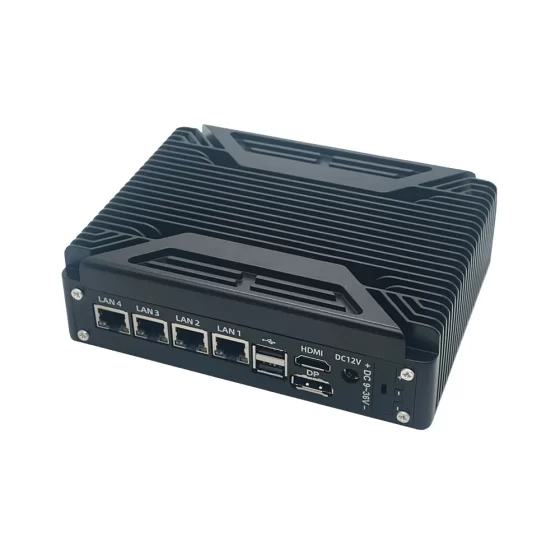
AI 工业边缘服务器: 适用于工厂 AI 工作负载的可靠工业边缘服务器
执行摘要
An industrial edge server provides the local computing foundation for AI inference, 机器视觉处理, industrial data analytics, video analysis, equipment monitoring, and real-time decision support in modern manufacturing environments.
As factories adopt AI, 工业物联网, 机器视觉, 预测性维护, 机器人技术, and digital manufacturing systems, more data needs to be processed close to production equipment. Sending every image, sensor record, or machine event to the cloud can increase latency, bandwidth cost, data security concerns, 以及对网络可用性的依赖.
An industrial computer or embedded computer deployed as an edge server can process AI workloads locally. It can connect cameras, PLC, 传感器, 机器人, 网关, machine controllers, storage devices, 和工厂网络. It can also run AI inference models, collect industrial data, 缓冲记录, support dashboards, and send selected results to MES, 监控与数据采集系统, 云平台, or enterprise systems.
Compared with standard commercial servers or office PCs, industrial edge servers are designed for harsh factory environments. They provide rugged mechanical design, 灵活的输入/输出, stable thermal performance, fanless or low-maintenance options, 可靠的网络, 和长生命周期支持.
This article explains how industrial edge servers support AI applications, 制造商面临哪些部署挑战, 解决方案架构如何运作, and which hardware features are important when selecting an industrial edge server for AI workloads.
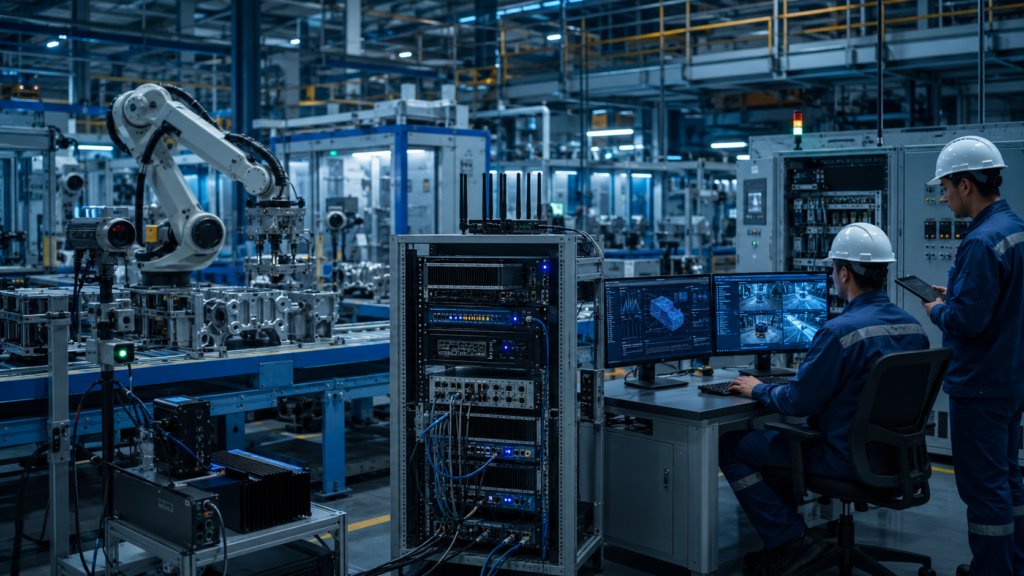
Industrial computers process AI workloads near machines, 相机, 传感器, 和生产线.
行业概况
AI Is Moving Closer to Industrial Equipment
AI adoption in manufacturing is growing across many application areas.
Factories are using AI for visual inspection, defect classification, 生产监控, 机器人引导, 预测性维护, process optimization, 安全监控, and energy analysis.
These applications often require fast local processing. A camera inspection system may need an immediate pass or fail decision. A robotic cell may need real-time positioning data. A predictive maintenance system may need to detect abnormal vibration before equipment failure.
This is why AI workloads are increasingly moving from centralized servers to industrial edge computing platforms.
Why Edge Computing Matters for AI
Cloud computing is useful for model training, centralized analytics, and enterprise-level data management.
然而, many industrial AI applications cannot depend only on the cloud. Production lines need local response, 本地缓冲, and stable operation even when network conditions change.
An industrial edge server helps solve this by processing data close to the machines.
It can support:
- 人工智能推理
- 机器视觉检测
- 视频分析
- Sensor data processing
- PLC数据采集
- Local database operation
- 设备监控
- Production dashboards
- Edge-to-cloud data transfer
- Real-time alarms and control logic
This improves response time and reduces unnecessary data transfer.
Industrial Computing Is Different from Office IT Hardware
Factory environments are different from office server rooms.
An edge server may be installed in a control cabinet, 靠近生产线, inside a machine, next to a robotic cell, or in a distributed factory area. 这些位置可能含有灰尘, 振动, 电噪声, limited space, 温度变化, 以及营业时间长.
Industrial computers and embedded computers are designed for these deployment conditions.
They provide better suitability for machine-side installation, 工业网络, I/O expansion, 稳定安装, and long-term system maintenance.

Multi-camera data, 传感器网络, 贮存, and factory communication affect edge AI reliability.
主要挑战
AI Workload Diversity
Industrial AI workloads vary widely.
A single-camera defect detection station may need moderate computing power. A multi-camera AOI system, video analytics platform, or edge AI server for multiple production lines may require stronger CPU, 图形处理器, 记忆, and storage resources.
Common AI workloads include:
- 图像分类
- 物体检测
- Defect segmentation
- OCR and code recognition
- 视频分析
- 预测性维护模型
- Anomaly detection
- Robot vision processing
- 传感器融合
- Local data analytics
The industrial edge server must be selected according to the actual workload, not only general product specifications.
Real-Time Processing Requirements
Many factory AI applications need fast response.
If image processing, inference, or data analysis is delayed, the system may fail to trigger the correct action at the right time.
Real-time requirements may appear in:
- 缺陷剔除
- 机器人引导
- 输送机分拣
- 安全监控
- Equipment alarms
- Process deviation detection
- High-speed camera inspection
- 包装验证
The edge server must provide stable sustained performance under continuous production workload.
Data Bandwidth and Storage Pressure
AI systems can generate large amounts of data.
高分辨率相机, multiple video streams, 传感器, PLC logs, 检查图像, and production databases can create heavy bandwidth and storage requirements.
The industrial edge server may need to handle:
- Camera data streams
- AI模型文件
- 缺陷图像
- 视频剪辑
- 传感器历史记录
- 本地数据库
- Production logs
- Temporary data buffering
- Edge-to-cloud synchronization
If storage speed or network bandwidth is insufficient, the system may experience dropped frames, 延迟处理, or incomplete records.
Factory Network Integration
Industrial edge servers must connect with both operational technology and information technology systems.
This may include PLC networks, machine networks, 相机网络, MES servers, 监控与数据采集系统, cloud gateways, firewalls, and enterprise databases.
A practical edge AI deployment may require network separation.
例如:
- One LAN port for cameras
- One LAN port for PLCs
- One LAN port for factory IT network
- One LAN port for remote maintenance or cloud connection
Multiple network interfaces can improve organization, 安全, and traffic stability.
Long-Term Reliability
Industrial AI systems are often deployed for long-term operation.
If the edge server fails, 检查, 监控, 分析, or production data collection may stop. This can affect production uptime and quality control.
Hardware reliability is especially important when the server operates near machines instead of inside a clean IT room.
Industrial-grade design helps reduce downtime by supporting stable thermal performance, rugged mechanical structure, 可靠的存储, 安全安装, and lifecycle continuity.

Industrial edge servers connect AI workloads, factory equipment, 本地数据库, 和云系统.
Industrial Edge Server Solution Architecture
Device and Data Acquisition Layer
The device layer includes all equipment and data sources connected to the industrial edge server.
该层可能包括:
- 工业相机
- 3D相机
- 高速摄像机
- PLC
- 传感器
- 机器人
- 运动控制器
- 条码阅读器
- 测试设备
- 电能表
- 机器控制器
- 工业网关
These devices generate the raw data needed for AI inference, 监控, and production analysis.
工业边缘计算层
The industrial edge computing layer is where the industrial edge server performs local processing.
在这一层, the server may:
- 运行 AI 推理模型
- Process camera images
- Analyze sensor data
- Collect PLC data
- 存储本地记录
- Run edge databases
- Host lightweight dashboards
- Manage data buffering
- Send alarms or results
- Transfer selected data to cloud or MES systems
This layer is the local intelligence layer between machines and higher-level software platforms.
AI Inference and Application Layer
The AI application layer contains the software used for industrial intelligence.
Depending on the project, this may include:
- 机器视觉软件
- AI inference runtime
- 缺陷检测模型
- Video analytics software
- 预测性维护模型
- Data acquisition software
- Protocol conversion tools
- Local monitoring dashboards
- Edge orchestration software
工业计算机必须支持所需的操作系统, 司机, 人工智能框架, 相机 SDK, and automation software.
Automation and Control Integration Layer
The edge server may need to send results back to automation equipment.
例如, after AI inspection, it may send a pass or fail signal to a PLC. After detecting abnormal equipment vibration, it may trigger an alarm. After recognizing an object, it may provide coordinates to a robot controller.
This integration layer may include:
- PLC通讯
- 数字输入/输出
- 串行通讯
- Ethernet-based industrial protocols
- Robot controller communication
- Alarm output
- Machine status feedback
Reliable I/O and low-latency communication are important for practical deployment.
Enterprise and Cloud Connectivity Layer
The industrial edge server can also connect local factory intelligence with higher-level systems.
它可以将选定的数据发送到:
- 制造执行系统
- 监控与数据采集系统
- 企业资源计划
- 质量数据库
- 云平台
- 数据湖
- Remote monitoring systems
- 维修平台
- Production dashboards
Instead of sending every raw image or sensor value, the edge server can process data locally and upload only useful results, 例外情况, 摘要, or compressed records.
主要特点
AI Computing Performance
AI workloads require stable computing performance.
The right configuration depends on model complexity, 图像分辨率, number of cameras, sensor data frequency, video stream count, and required response time.
硬件选型应考虑:
- CPU性能
- GPU或AI加速器支持
- 内存容量
- 存储速度
- PCIe扩展
- 散热设计
- Power consumption
- 操作系统支持
- AI software compatibility
For lightweight AI inference, an embedded computer may be sufficient. For multi-camera AI inspection or video analytics, 可能需要加速能力更强的边缘AI计算机或工业PC.
多个网络接口
Industrial edge servers often need multiple LAN ports.
This allows better separation between camera networks, machine networks, 工厂IT网络, and cloud connections.
Multiple LAN ports can help support:
- Camera traffic isolation
- PLC通讯
- MES connectivity
- 远程维护
- 安全细分
- Redundant network planning
- Multi-line data collection
Network design should be planned according to the factory architecture and cybersecurity requirements.
灵活的工业I/O
AI edge servers must connect with real equipment.
重要的 I/O 选项可能包括:
- 局域网
- USB
- RS232
- RS485
- 通用输入输出接口
- 数字输入
- 数字输出
- HDMI
- 显示端口
- M.2
- PCIe
- SATA 或 NVMe 存储
这些接口可以支持摄像头, 传感器, PLC, 条形码阅读器, 照明控制器, robot systems, storage devices, 和本地显示.
灵活的 I/O 减少了外部转换器并提高了部署可靠性.
坚固耐用的无风扇设计
Many industrial edge servers are deployed near production equipment.
Fanless design can reduce dust intake and remove one common mechanical failure point. 坚固的外壳有助于保护系统免受振动影响, 电缆应力, and installation impact.
然而, AI workloads may generate significant heat.
For high-performance edge AI systems, thermal design should be reviewed carefully. Processor power, GPU加速, enclosure size, airflow, 环境温度, and cabinet layout all affect long-term stability.
Reliable Storage and Data Buffering
Industrial AI systems may require local storage.
The edge server may store images, 日志, 模型文件, sensor history, 本地数据库, 视频剪辑, 检查记录, and temporary data during network interruptions.
SSD or NVMe storage is commonly preferred because it provides faster access and better shock resistance than mechanical drives.
对于数据量大的应用程序, 存储容量, 写耐力, redundancy, 备份方法, and retention policy should be reviewed before deployment.
长生命周期和可维护性
Industrial edge servers often become part of long-term automation infrastructure.
频繁的硬件更改可能会导致软件验证问题, driver compatibility issues, 和备件挑战.
Industrial computing platforms with lifecycle planning help manufacturers and system integrators maintain consistent deployments across multiple lines, 工厂, and machine generations.
This is especially important for OEM equipment builders and large-scale industrial AI rollouts.
部署场景
AI Machine Vision Inspection
Industrial edge servers are commonly used for AI machine vision inspection.
They can process images from cameras, run defect detection models, classify defects, and send results to PLCs or quality systems.
Applications may include electronics inspection, semiconductor AOI, 电池检查, 包装检验, 食品检验, and pharmaceutical inspection.
Multi-Camera Video Analytics
Factories may use video analytics for process monitoring, safety observation, equipment status detection, and production flow analysis.
An industrial edge server can process multiple video streams locally and send only alerts, events, or summary data to higher-level systems.
这减少了网络负载并提高了响应时间.
预测性维护
Predictive maintenance systems collect data from vibration sensors, temperature sensors, 电机, pumps, 压缩机, 和机器控制器.
The edge server can analyze local data to detect abnormal patterns and generate maintenance alerts.
This helps maintenance teams identify potential issues earlier.
Robotics and Motion Applications
Robotic systems may need local AI processing for object recognition, 零件本地化, trajectory monitoring, or visual guidance.
An industrial edge server can process camera or sensor data and send useful results to robot controllers or PLCs.
This supports more flexible automation and robotic inspection workflows.
Industrial IoT Data Processing
Industrial IoT systems collect machine data across production lines.
An edge server can aggregate data from sensors, PLC, 网关, 和机器. It can process data locally, run analytics, and forward selected information to MES, 监控与数据采集系统, 或云平台.
This creates a practical bridge between shop-floor equipment and enterprise software.
Smart Warehouse and Logistics
Warehouses and logistics centers may use edge AI for barcode recognition, parcel sorting, package tracking, 安全监控, and conveyor analytics.
Industrial edge servers can process camera data and sorting events near the automation equipment.
This supports faster routing decisions and stronger traceability.
Energy and Utility Monitoring
Industrial facilities may use edge servers to process energy meter data, equipment status, environmental data, and utility system information.
AI models can help detect abnormal consumption patterns, equipment inefficiency, or operational anomalies.
This supports energy management and facility optimization.
OEM AI Equipment Integration
Machine builders can integrate industrial edge servers into inspection machines, 智能网关, 机器人系统, and AI-enabled production equipment.
计算平台可提供AI推理, 数据存储, 通讯接口, 本地仪表板, 和工厂系统连接.
This helps OEMs deliver equipment ready for smart manufacturing environments.
商业效益
Lower Latency for AI Decisions
An industrial edge server processes data close to the machines.
This reduces the delay between data capture and decision output. Faster local processing is important for defect rejection, 机器人引导, 警报, and real-time production monitoring.
Low-latency operation helps AI systems become practical production tools instead of only offline analytics systems.
Reduced Cloud Bandwidth Load
Industrial AI systems can generate large amounts of raw data.
Sending all images, 视频, and sensor records to the cloud can create high network load and storage cost.
Edge servers can process data locally and upload only useful results, such as defect records, 警报, 摘要, or selected images.
This makes factory AI deployment more efficient.
Improved Production Reliability
Local edge computing reduces dependency on external network availability.
Even if cloud or enterprise network communication is interrupted, the edge server can continue local processing, buffering, and equipment communication.
This improves production resilience and helps maintain stable operation.
Stronger Data Security
Some factories prefer to keep sensitive production data, 图片, process information, or equipment records inside the local network.
An industrial edge server allows more data to be processed locally.
Only selected information needs to be shared externally, depending on the factory’s data policy and cybersecurity design.
Better Integration with Industrial Equipment
Industrial edge servers support the interfaces required for factory equipment.
They can connect with cameras, PLC, 传感器, 机器人, 网关, 和工业网络.
This makes AI deployment more practical because the computing platform can communicate with real machines, not only software systems.
Scalable Smart Manufacturing Deployment
A standardized industrial edge server platform makes it easier to deploy AI across multiple lines and factories.
一致的硬件简化了软件映像, 司机管理, 备件计划, 维护培训, 和生命周期支持.
这有助于制造商从试点人工智能项目转向可扩展的生产部署.
为什么选择CoreIPC
CoreIPC为边缘AI提供工业计算平台, 机器视觉, 工业物联网, 工厂自动化, 和嵌入式系统集成. For industrial edge server applications, CoreIPC专注于可靠的工业计算机硬件, 嵌入式计算机解决方案, 灵活的 I/O 配置, 紧凑的系统设计, 和OEM/ODM定制支持. CoreIPC帮助系统集成商, 机器制造商, 和制造团队选择符合实际部署需求的计算平台, 包括人工智能工作负载, 相机接口, 网络设计, 自动化通讯, 存储需求, 安装方法, 电源输入, 热条件, 和生命周期规划.
常见问题解答
1. What is an industrial edge server?
An industrial edge server is a rugged computing platform used to process data near machines, 传感器, 相机, 及生产设备.
It can run AI inference, collect industrial data, process images, 存储本地记录, 与 PLC 通信, and send selected data to MES, 监控与数据采集系统, 云平台, or databases. It is designed for factory environments where reliability and industrial connectivity are important.
2. Why use an industrial edge server for AI?
AI applications often require fast local processing.
An industrial edge server reduces latency, lowers cloud bandwidth usage, supports local data buffering, and improves production resilience. It can process images, 视频流, sensor data, and machine events close to the equipment, allowing faster decisions for inspection, 监控, 警报, and automation control.
3. How is an embedded computer used as an edge server?
An embedded computer can act as a compact edge server for machine-side AI processing, data collection, and local analytics.
It can be installed inside control cabinets, 检查机, 机器人细胞, 智能网关, or OEM equipment. Its compact design makes it useful where space is limited but local computing and industrial connectivity are still required.
4. What AI workloads can industrial edge servers support?
Industrial edge servers can support visual inspection, 缺陷检测, 光学字符识别, 条码识别, 视频分析, 预测性维护, 异常检测, sensor data analysis, robotic vision, and industrial IoT data processing.
The exact workload depends on CPU performance, GPU或AI加速器支持, 记忆, camera bandwidth, 存储速度, and software framework compatibility.
5. What interfaces are important for industrial edge servers?
重要接口可能包括多个LAN端口, USB 3.0, RS232, RS485, 通用输入输出接口, 数字输入, 数字输出, HDMI, 显示端口, M.2, PCIe, SATA, 和 NVMe 存储支持.
Multiple LAN ports are especially useful for separating camera networks, machine networks, 工厂IT网络, and cloud connections.
6. Does an industrial edge server need a GPU?
Some AI workloads need GPU or AI accelerator support, especially for multi-camera vision, high-resolution image processing, 视频分析, or complex deep learning models.
Other workloads may run on CPU-based industrial computers if the model is lightweight and the response-time requirement is moderate. Hardware should be selected based on real AI model performance and production workload.
7. Can fanless industrial computers be used as edge servers?
Fanless industrial computers can be used as edge servers for many moderate workloads.
They reduce dust intake and remove one mechanical failure point. 然而, high-performance AI workloads may generate significant heat. CPU power, GPU use, 外壳设计, 环境温度, 机柜气流, and mounting location should be reviewed before final selection.
8. How does an industrial edge server connect with cloud platforms?
An industrial edge server can process data locally and send selected results to cloud platforms through secure network connections.
It may upload alarms, 摘要, 检查结果, model outputs, or compressed records instead of sending all raw data. This reduces bandwidth load while still supporting cloud analytics and centralized monitoring.
9. Can industrial edge servers connect to MES and SCADA systems?
是的. Industrial edge servers can connect to MES, 监控与数据采集系统, 质量数据库, 生产仪表板, and factory data platforms.
They can collect data from machines, 本地处理, and forward structured information to higher-level systems. This helps connect shop-floor equipment with digital manufacturing workflows.
10. What should be tested before deploying an industrial edge server?
部署前, the system should be tested with real AI models, real cameras, actual sensors, PLC通讯, 网络架构, 存储工作负载, database connection, 热条件, 和长时间运行的操作.
Testing should also include failover behavior, 本地缓冲, data upload stability, 和维护访问. This helps reduce risk during production rollout.
结论
An industrial edge server is a practical foundation for AI inference, 机器视觉, industrial IoT analytics, video processing, 预测性维护, and smart manufacturing data integration.
通过将工业计算硬件放置在靠近摄像头的位置, 传感器, PLC, 机器人, 网关, 及生产设备, 制造商可以在本地处理数据, 减少延迟, lower bandwidth usage, and improve production resilience.
应根据实际部署需求选择合适的工控机或嵌入式计算机, 包括人工智能工作负载, 相机接口, 网络设计, 输入/输出配置, 存储容量, 扩展需求, 安装方法, 电源输入, 热条件, 操作系统支持, 和生命周期规划.
CoreIPC supports industrial edge server projects with industrial computing platforms designed for practical factory and equipment deployment. 拥有正确的硬件基础, manufacturers and equipment builders can build more reliable, 可扩展, and data-driven AI systems at the industrial edge.
联系我们
寻找工业计算机, 嵌入式计算机, or edge AI platform for an industrial edge server project?
联系 CoreIPC 讨论您的项目需求, 包括人工智能工作负载, 相机接口, 网络架构, 输入/输出配置, 存储设计, 自动化通讯, 安装方法, 电源输入, 运行环境, 生命周期需求, 和 OEM/ODM 定制选项.
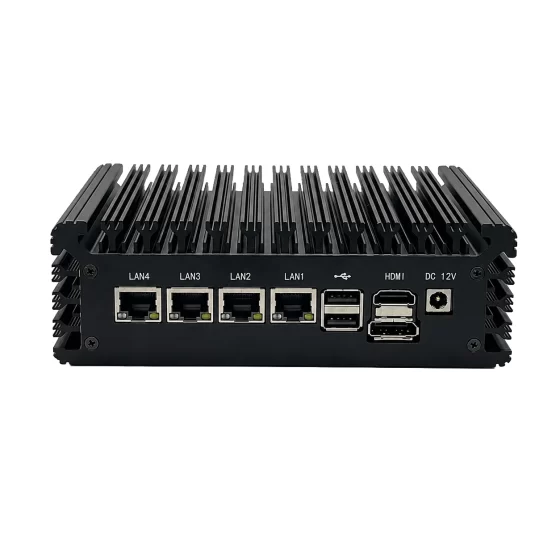
CoreIPC工业计算解决方案