حلول الحوسبة الصناعية CoreIPC

منصة مراقبة حالة المعدات: منصة مراقبة حالة صحة المعدات الصناعية
ملخص تنفيذي
A condition monitoring platform provides the industrial computing foundation for collecting equipment health data, مراقبة حالة الجهاز, الكشف عن ظروف التشغيل غير الطبيعية, دعم قرارات الصيانة, وتحسين موثوقية الإنتاج على المدى الطويل.
تولد المعدات الصناعية الحديثة إشارات قيمة. المحركات, مضخات, الضواغط, الناقلات, المشجعين, علب التروس, آلات التصنيع باستخدام الحاسب الآلي, الروبوتات, محركات الأقراص, أنظمة الطاقة, وخطوط الإنتاج جميعها تنتج بيانات يمكن أن تكشف عن حالة المعدات. قد تشمل هذه الإشارات الاهتزاز, درجة حرارة, حاضِر, ضغط, تدفق, سرعة, عزم الدوران, وقت التشغيل, تاريخ التنبيه, وحالة PLC.
يمكن نشر جهاز كمبيوتر صناعي أو كمبيوتر مدمج بالقرب من الآلات لجمع هذه الإشارات, معالجة بيانات المعدات محليا, تخزين السجلات التاريخية, وإرسال المعلومات المنظمة إلى SCADA, زارة التربية والعلم, منصات إنترنت الأشياء الصناعية, لوحات المعلومات السحابية, أو أنظمة الصيانة.
بالمقارنة مع أجهزة الكمبيوتر القياسية أو بوابات المستهلك, تعد أجهزة الكمبيوتر الصناعية أكثر ملاءمة لنشر مراقبة الحالة لأنها تدعم العبوات القوية, منافذ LAN متعددة, الاتصال التسلسلي, جيبيو, التخزين المحلي, خيارات التصميم بدون مروحة, مدخلات الطاقة مستقرة, وتوافر دورة حياة طويلة.
This article explains how an equipment condition monitoring platform works, ما هي التحديات التي تظهر في البيئات الصناعية الحقيقية, كيف يتم تنظيم بنية الحل, and which hardware features matter when selecting an industrial computer or embedded computer for machine health monitoring applications.

Condition Monitoring Sensor Data Collection
نظرة عامة على الصناعة
Industrial Equipment Requires Continuous Health Visibility
Industrial facilities depend on equipment uptime.
When a critical motor, pump, compressor, الناقل, robot, or production machine fails, the result may include unplanned downtime, production loss, quality problems, delivery delays, and higher maintenance cost.
Condition monitoring helps operators understand equipment health before serious failures occur.
It supports monitoring of:
- اهتزاز
- درجة حرارة
- تيار المحرك
- ضغط
- Flow
- Speed
- Runtime
- Alarm frequency
- استهلاك الطاقة
- حالة الآلة
- Drive information
- الظروف البيئية
A condition monitoring platform turns these signals into useful equipment health information.
Condition Monitoring Supports Smarter Maintenance
Traditional maintenance often depends on fixed schedules or manual inspection.
This can create two problems.
Equipment may be serviced too early, wasting resources. Or equipment may fail between scheduled inspections, causing downtime.
Condition monitoring improves this process by using real operating data.
It allows maintenance teams to review equipment trends, detect abnormal behavior, compare current conditions with historical patterns, and prioritize maintenance based on actual machine condition.
Edge Computing Brings Monitoring Closer to Equipment
Some equipment data is continuous and high volume.
Vibration signals, motor current patterns, acoustic signals, and high-speed sensor data may not be practical to send directly to remote systems without filtering.
Edge computing allows the monitoring platform to process data near the machine.
The industrial computer can calculate features, detect changes, تخزين السجلات المحلية, بيانات المخزن المؤقت, and forward selected results.
This improves response time and reduces network load.
Industrial Computers Provide the Reliable Hardware Layer
Condition monitoring systems are often installed close to industrial equipment.
ويمكن تركيبها داخل خزائن التحكم, مرفقات الآلة, غرف المضخات, compressor rooms, أنظمة المستودعات, خطوط الإنتاج, غرف المرافق, or remote field sites.
قد تحتوي هذه البيئات على الغبار, اهتزاز, حرارة, الضوضاء الكهربائية, قوة غير مستقرة, تدفق هواء محدود, والتشغيل المستمر.
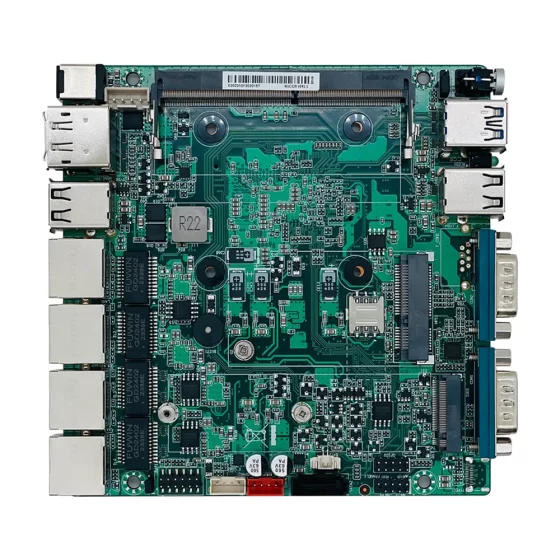
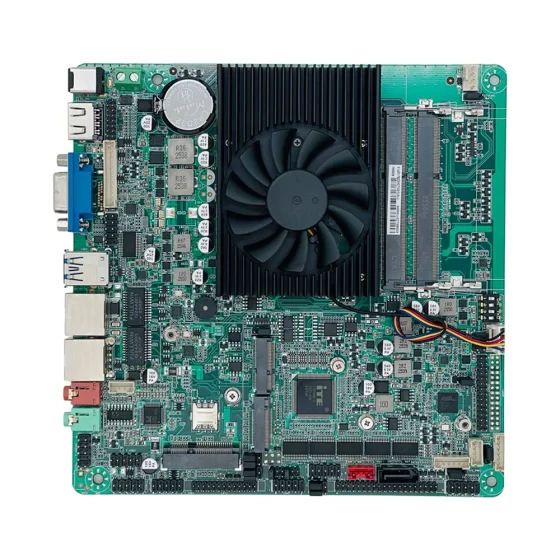
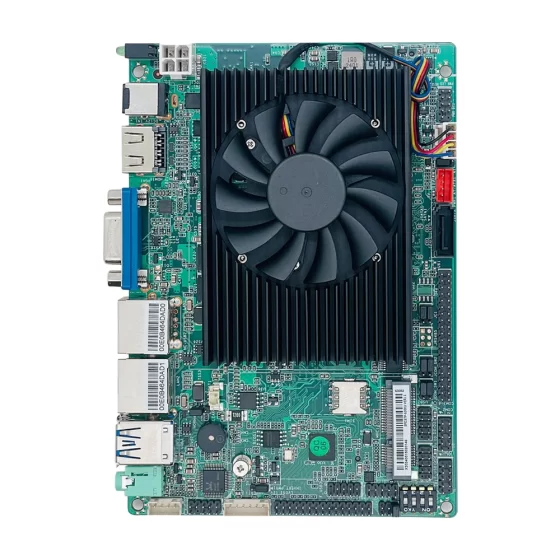
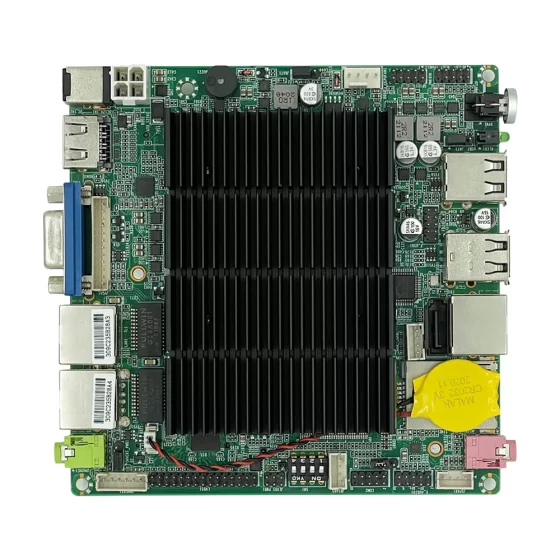
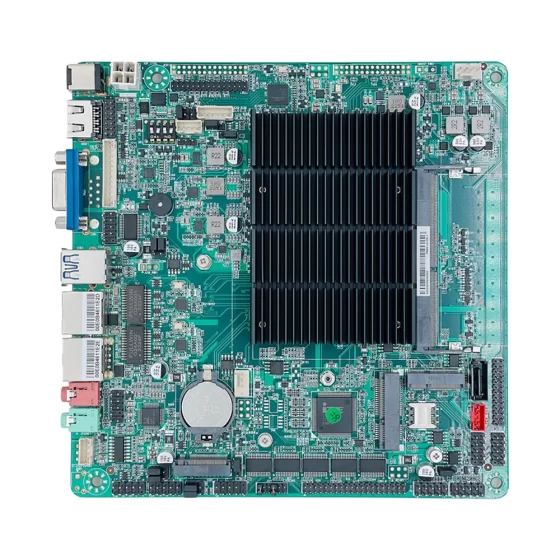
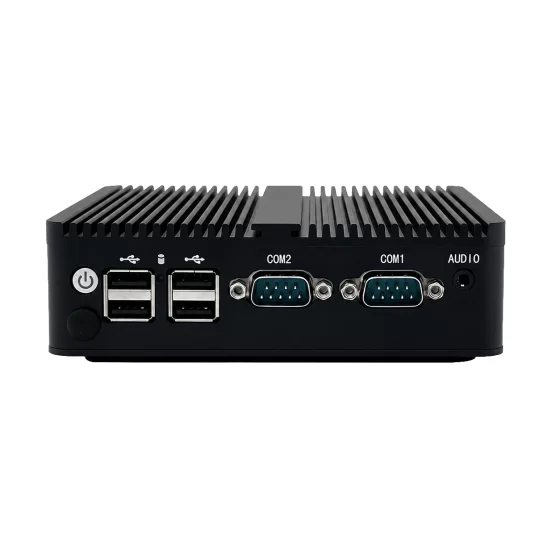
توفر أجهزة الكمبيوتر الصناعية وأجهزة الكمبيوتر المدمجة الأساس القوي للأجهزة المطلوبة لهذه الظروف.

Industrial Condition Monitoring Deployment Challenges
التحديات الرئيسية
Collecting Data from Different Equipment Types
A factory or industrial site may include many types of equipment.
Each asset may require different data sources.
A motor may need vibration and current monitoring. A pump may need pressure, تدفق, اهتزاز, and temperature. A conveyor may need speed, load, motor current, and fault signals. A CNC machine may need spindle data, drive status, اهتزاز, درجة حرارة, and alarm records.
The condition monitoring platform must support flexible connectivity.
Common data sources may include:
- أجهزة استشعار الاهتزاز
- أجهزة استشعار درجة الحرارة
- أجهزة الاستشعار الحالية
- أجهزة استشعار الضغط
- عدادات التدفق
- الشركات المحدودة العامة
- Motor drives
- عدادات الطاقة
- Digital signals
- Serial devices
- Industrial Ethernet devices
- Local machine databases
The hardware platform should match the actual equipment mix.
Handling High-Frequency Sensor Signals
Some condition monitoring applications require high-frequency data acquisition.
Vibration monitoring is a common example.
The platform may need to process large volumes of signal data and calculate useful indicators such as vibration level, peak values, frequency components, trend changes, and abnormal patterns.
ينبغي النظر في اختيار الأجهزة:
- Sensor count
- Sampling frequency
- Signal processing workload
- سرعة الكتابة للتخزين
- فترة الاحتفاظ بالبيانات
- تردد التحميل
- Analytics requirements
- عرض النطاق الترددي للشبكة
- بيئة تشغيل البرمجيات
A reliable industrial computer helps keep data collection stable over long periods.
Maintaining Data Continuity
Condition monitoring depends on consistent historical data.
If the system loses records during network interruptions, equipment trends may become incomplete.
Local storage and buffering are important.
The computer should continue collecting and storing data locally when the connection to SCADA, سحاب, or maintenance systems is unavailable.
When communication recovers, buffered records can be forwarded automatically.
This is especially important for remote sites, معدات المرافق, أتمتة المستودعات, and critical production machines.
Detecting Abnormal Conditions Locally
A condition monitoring platform should do more than collect raw data.
It should help identify abnormal equipment behavior.
Local processing may include:
- Threshold monitoring
- Trend analysis
- Signal feature extraction
- Alarm classification
- Equipment health scoring
- Pattern comparison
- كشف الشذوذ
- Maintenance event logging
- استنتاج حافة الذكاء الاصطناعي
Local detection helps maintenance teams respond faster and reduces dependence on remote analytics.
Integrating with Existing Factory Systems
Equipment health data should be connected with broader industrial systems.
A condition monitoring platform may need to send data to:
- سكادا
- زارة التربية والعلم
- تخطيط موارد المؤسسات
- CMMS
- منصات إنترنت الأشياء الصناعية
- لوحات المعلومات السحابية
- Local historians
- أنظمة الصيانة
- منصات إدارة الطاقة
- Quality systems
Integration requires structured data, stable communication, and clear mapping between equipment assets and data records.
Operating Reliably Near Machines
Condition monitoring computers are often placed near motors, محركات الأقراص, مضخات, الناقلات, الضواغط, and power equipment.
قد تتضمن هذه المواقع اهتزازًا, حرارة, تراب, الضوضاء الكهربائية, وإجهاد الكابل.
Industrial-grade hardware helps reduce instability.
وتشمل عوامل الموثوقية الهامة:
- العلبة وعرة
- خيارات التصميم بدون مروحة
- Reliable SSD or NVMe storage
- مدخلات الطاقة مستقرة
- تركيب آمن
- تخفيف إجهاد الكابل
- الاستقرار الحراري
- دعم دورة حياة طويلة
The monitoring platform must operate continuously without becoming another maintenance burden.

Condition Monitoring Platform Solution Architecture
Condition Monitoring Platform Solution Architecture
Equipment and Sensor Layer
The equipment and sensor layer includes the machines and devices being monitored.
قد تشمل هذه الطبقة:
- المحركات
- Pumps
- Compressors
- الناقلون
- Gearboxes
- Fans
- آلات التصنيع باستخدام الحاسب الآلي
- الروبوتات
- معدات التدفئة والتهوية وتكييف الهواء
- آلات الإنتاج
- أجهزة استشعار الاهتزاز
- أجهزة استشعار درجة الحرارة
- أجهزة الاستشعار الحالية
- أجهزة استشعار الضغط
- عدادات التدفق
- PLCs and drives
These devices generate equipment condition data.
The condition monitoring platform collects this information and converts it into useful machine health records.
Edge Data Collection Layer
The edge data collection layer is where the industrial computer or embedded computer operates.
عند هذه الطبقة, the platform may:
- Collect sensor signals
- Read PLC data
- Connect meters and drives
- Receive machine alarms
- تخزين السجلات المحلية
- تخزين البيانات أثناء مشكلات الشبكة
- Normalize equipment data
- Process signal features
- Forward structured information
- دعم التشخيص عن بعد
This layer provides the local computing foundation for continuous condition monitoring.
Local Processing and Analytics Layer
The local processing layer converts raw machine data into condition indicators.
The platform may calculate:
- Vibration trends
- Temperature changes
- Motor current patterns
- Pressure variations
- Flow changes
- Runtime history
- Alarm frequency
- Drive status changes
- Equipment health scores
- Early warning events
This helps operators focus on useful maintenance information instead of raw sensor streams.
طبقة تكامل النظام الأساسي
The condition monitoring platform may connect with higher-level systems.
قد تشمل هذه الأنظمة:
- سكادا
- زارة التربية والعلم
- CMMS
- تخطيط موارد المؤسسات
- منصات إنترنت الأشياء الصناعية
- لوحات المعلومات السحابية
- Maintenance databases
- أنظمة المؤرخ المحلية
- أنظمة إدارة الطاقة
- Quality monitoring platforms
This integration allows equipment health data to support maintenance planning, production analysis, and asset management.
طبقة الأمن والإدارة
Condition monitoring systems need controlled access and long-term maintainability.
قد تشمل طبقة الأمن والإدارة:
- تجزئة الشبكة
- تأمين الوصول عن بعد
- أذونات المستخدم
- التسجيل المحلي
- النسخ الاحتياطي التكوين
- مراقبة التخزين
- مراقبة صحة الجهاز
- التشخيص عن بعد
- إدارة تحديث البرامج
- Data access control
This helps keep the monitoring system reliable and protected.
الميزات الرئيسية
Multi-Sensor Connectivity
A condition monitoring platform must connect different sensors and industrial devices.
قد تشمل واجهات مفيدة:
- لان
- USB
- RS232
- RS485
- جيبيو
- الإدخال الرقمي
- الإخراج الرقمي
- اتش دي ام اي
- منفذ العرض
- م.2
- بكيي
- تخزين SATA أو NVMe
Native industrial interfaces reduce external converter requirements and simplify cabinet wiring.
This improves reliability in machine-side deployment.
Industrial Device Communication
Condition monitoring often requires communication with PLCs, محركات الأقراص, متر, and existing machine controllers.
The platform may collect values such as motor current, drive alarms, حالة الآلة, runtime counters, production cycle counts, and operating modes.
Support for Ethernet, الاتصال التسلسلي, and expansion interfaces helps the platform connect with both modern and legacy equipment.
التخزين المحلي والتخزين المؤقت للبيانات
Local storage is critical for condition monitoring.
The platform may store:
- سجلات الاستشعار
- Vibration data
- Temperature trends
- سجلات الإنذار
- Equipment health history
- نتائج التحليلات المحلية
- ملفات التشخيص
- تحميل المخازن المؤقتة
- ملفات التكوين
- سجلات الوصول عن بعد
يُفضل عادةً تخزين SSD أو NVMe لأنه يوفر وصولاً سريعًا ومقاومة أفضل للصدمات مقارنة بمحركات الأقراص الميكانيكية.
يجب أن يأخذ تصميم التخزين في الاعتبار فترة الاحتفاظ, اكتب التحمل, سير العمل الاحتياطي, and recovery procedures.
Edge Analytics Performance
The platform may need to process equipment signals continuously.
ينبغي النظر في اختيار الأجهزة:
- أداء وحدة المعالجة المركزية
- سعة الذاكرة
- Sensor count
- Sampling rate
- Data acquisition workload
- Analytics workload
- حجم قاعدة البيانات المحلية
- سرعة التخزين
- Network throughput
- دعم نظام التشغيل
For advanced analytics or AI-based anomaly detection, GPU or AI accelerator support may be required.
تصميم شبكات LAN متعددة
Multiple LAN ports help separate different traffic paths.
A condition monitoring platform may use separate networks for:
- شبكة الاستشعار
- شبكة الآلة
- شبكة PLC
- شبكة تكنولوجيا المعلومات في المصنع
- شبكة إنترنت الأشياء الصناعية
- شبكة الصيانة عن بعد
- شبكة الإدارة
- Cloud uplink
Network separation improves stability, حماية, and traffic organization.
It also helps prevent high-volume sensor data from interfering with machine communication.
تصميم متين وبدون مروحة
Condition monitoring systems are often installed near equipment.
تعمل أجهزة الكمبيوتر الصناعية بدون مروحة على تقليل دخول الغبار وإزالة نقطة عطل ميكانيكية شائعة.
تساعد العبوات القوية على الحماية من الاهتزاز, إجهاد الكابل, تأثير تركيب الخزانة, والتشغيل المستمر.
Thermal design should still be reviewed carefully when the system handles continuous data acquisition, تحليلات, storage writes, والتواصل عن بعد.
Secure Remote Diagnostics
Maintenance teams often need remote access to review data, ضبط الإعدادات, inspect logs, and troubleshoot equipment issues.
Secure remote access should include:
- مصادقة المستخدم
- VPN أو دعم النفق الآمن
- أذونات الوصول
- تسجيل الجلسة
- تجزئة الشبكة
- النسخ الاحتياطي التكوين
- Controlled update workflow
- Emergency access procedures
This supports efficient maintenance while protecting industrial networks.
توافر دورة حياة طويلة
Condition monitoring systems may remain in service for many years.
تساعد الأجهزة المتسقة في الحفاظ على صور البرامج, data acquisition drivers, واجهات الاستشعار, analytics models, قطع غيار, وإجراءات التحقق من الصحة.
Long lifecycle availability is important for manufacturers, تكامل النظام, and OEM monitoring solution providers.
سيناريوهات النشر
Motor Condition Monitoring
Motors are widely used in factories, المرافق, المستودعات, أنظمة التدفئة والتهوية وتكييف الهواء, ومعدات الإنتاج.
A condition monitoring platform can collect vibration, حاضِر, درجة حرارة, and runtime data.
It can detect abnormal trends and send maintenance alerts to local dashboards or central systems.
Pump and Compressor Monitoring
Pumps and compressors are critical assets in many industrial environments.
An embedded computer can monitor pressure, تدفق, درجة حرارة, اهتزاز, motor current, and operating cycles.
This helps identify early signs of wear, imbalance, leakage, cavitation, or abnormal load.
Conveyor Equipment Monitoring
Conveyors operate continuously in factories, المستودعات, and logistics centers.
The platform can monitor motor status, belt speed, اهتزاز, load, drive status, and fault signals.
This helps reduce unexpected conveyor stoppages and supports better maintenance planning.
CNC and Machine Tool Monitoring
Machine tools require uptime and precision.
A condition monitoring computer can monitor spindle vibration, درجة حرارة, drive status, axis behavior, إنذار, and cycle records.
This helps maintenance teams understand machine health and detect early signs of wear.
Robot and Automation System Monitoring
Robots and automated systems generate useful health data.
The platform can collect joint status, motor data, tool status, تعداد الدورة, سجلات الأخطاء, and environmental information.
This supports robot workcell reliability and production visibility.
Utility and Facility Equipment Monitoring
Utility systems may include fans, مضخات, chillers, الضواغط, العاكسون, and power equipment.
An industrial computer can collect equipment health data locally and send structured information to facility or energy management platforms.
This supports remote monitoring and maintenance planning.
Production Line Condition Monitoring
A production line may include many motors, الناقلات, محركات الأقراص, أجهزة الاستشعار, وأنظمة التحكم.
A condition monitoring platform can aggregate equipment status across the line and help identify abnormal patterns.
This improves line-level visibility and maintenance efficiency.
OEM Condition Monitoring Appliance
Machine builders and system integrators can build custom condition monitoring appliances using industrial computers or embedded boards.
The platform can support sensor connectivity, التحليلات المحلية, تخزين البيانات, الوصول عن بعد, and integration with customer systems.
فوائد الأعمال
Earlier Fault Detection
Condition monitoring helps detect abnormal equipment behavior before serious failure occurs.
By monitoring vibration, درجة حرارة, حاضِر, ضغط, تدفق, وقت التشغيل, وأجهزة الإنذار, maintenance teams can identify early warning signs and respond faster.
This helps reduce unplanned downtime.
Better Maintenance Planning
Equipment condition data helps teams prioritize maintenance based on actual machine health.
This reduces unnecessary service work and helps maintenance teams focus on equipment that shows abnormal trends.
Better planning improves resource use and production reliability.
تحسين رؤية المعدات
A condition monitoring platform collects machine health data and turns it into usable information.
Operators can review trends, إنذار, التشخيص, and asset status from local dashboards, أنظمة سكادا, maintenance platforms, أو لوحات المعلومات السحابية.
This supports faster decision-making.
Stronger Data Continuity
Local storage and buffering help preserve monitoring records during network interruptions.
The platform can continue collecting equipment data and upload records when communication recovers.
This improves historical analysis and maintenance traceability.
Reduced Monitoring System Risk
Industrial computers provide rugged hardware for continuous operation.
خيارات التصميم بدون مروحة, تخزين موثوق, مدخلات الطاقة مستقرة, تركيب آمن, and long lifecycle availability help reduce the risk that the monitoring system itself becomes unstable.
This supports long-term deployment.
Scalable Equipment Monitoring
A standardized condition monitoring platform makes it easier to deploy equipment monitoring across many machines, خطوط, المصانع, or remote sites.
تعمل الأجهزة المتسقة على تبسيط صور البرامج, تكامل أجهزة الاستشعار, قوالب التكوين, تخطيط قطع الغيار, وإدارة دورة الحياة.
This supports scalable smart maintenance programs.
لماذا كورIPC
توفر CoreIPC منصات الحوسبة الصناعية لإنترنت الأشياء الصناعية, الصيانة التنبؤية, الأتمتة الصناعية, حافة الذكاء الاصطناعي, رؤية الآلة, إدارة الطاقة, وتكامل النظام المدمج. For condition monitoring platform applications, يركز CoreIPC على أجهزة الكمبيوتر الصناعية الموثوقة, حلول الكمبيوتر المدمجة, الإدخال/الإخراج المرن, تكوينات متعددة LAN, تصميم نظام مدمج, خيارات النشر بدون مروحة, القدرة على التخزين المحلي, ودعم التخصيص OEM/ODM. CoreIPC يساعد تكامل النظام, بناة الآلة, ويختار المصنعون منصات الحوسبة التي تتوافق مع متطلبات النشر الحقيقية, بما في ذلك عدد أجهزة الاستشعار, data workload, analytics needs, تصميم التخزين, طرق التركيب, مدخلات الطاقة, الظروف الحرارية, وتخطيط دورة الحياة.
الأسئلة المتداولة
1. What is a condition monitoring platform?
A condition monitoring platform is an industrial computing system used to collect, عملية, محل, and forward equipment health data.
It may monitor vibration, درجة حرارة, حاضِر, ضغط, تدفق, سرعة, وقت التشغيل, إنذار, drive status, and machine operating conditions. It helps maintenance teams understand equipment health and detect abnormal trends.
2. Why use an industrial computer for condition monitoring?
An industrial computer provides rugged hardware and flexible connectivity for machine-side deployment.
يمكنه دعم منافذ LAN المتعددة, الاتصال التسلسلي, USB, جيبيو, تخزين موثوق, عملية بدون مروحة, التركيب الصناعي, مدخلات الطاقة مستقرة, وتوافر دورة حياة طويلة. These features make it suitable for continuous equipment monitoring near industrial machines.
3. How is an embedded computer used in equipment monitoring?
An embedded computer can be installed inside a control cabinet, الضميمة الآلة, غرفة المرافق, أو محطة المراقبة عن بعد.
يمكنه جمع بيانات الاستشعار, read PLC values, process equipment signals, تخزين السجلات, بيانات المخزن المؤقت, تشغيل التحليلات, and forward structured information to maintenance or industrial IoT platforms.
4. What equipment can be monitored?
Condition monitoring systems can monitor motors, مضخات, الضواغط, الناقلات, المشجعين, علب التروس, آلات التصنيع باستخدام الحاسب الآلي, الروبوتات, أنظمة التدفئة والتهوية وتكييف الهواء, production machines, معدات المرافق, and automation systems.
The exact equipment support depends on sensors, data acquisition methods, برمجة, and integration requirements.
5. What sensor data is commonly used?
Common data includes vibration, درجة حرارة, motor current, ضغط, تدفق, acoustic signals, سرعة, وقت التشغيل, تعداد الدورة, إنذار, قيم PLC, drive data, and energy consumption.
Different equipment types require different sensor strategies.
6. Why is local storage important for condition monitoring?
Local storage helps preserve data during network interruptions.
The computer can continue collecting sensor records, إنذار, الاتجاهات, and diagnostic data locally. When communication recovers, buffered records can be uploaded to central systems.
Storage is also useful for long-term trend analysis and troubleshooting.
7. Can condition monitoring platforms support edge analytics?
نعم. A condition monitoring platform can run local analytics for threshold monitoring, تحليل الاتجاه, vibration feature extraction, equipment health scoring, كشف الشذوذ, and maintenance event classification.
Advanced applications may require more processing power or AI acceleration.
8. Why are multiple LAN ports useful?
Multiple LAN ports help separate sensor networks, شبكات الآلة, شبكات PLC, تكنولوجيا المعلومات في المصنع, إنترنت الأشياء الصناعية, الصيانة عن بعد, وإدارة حركة المرور.
This improves security, traffic organization, and system stability.
9. What hardware features matter for condition monitoring platforms?
تتضمن الميزات المهمة أداءً كافيًا لوحدة المعالجة المركزية, ذاكرة موثوقة, منافذ LAN متعددة, USB, RS232, RS485, جيبيو, الإدخال/الإخراج الرقمي, تخزين SSD أو NVMe, الضميمة وعرة, تصميم بدون مروحة, مدخلات الطاقة الصناعية, م.2, بكيي, وخيارات التوسع.
The final configuration should match sensor count, data workload, analytics needs, وبيئة التثبيت.
10. ما الذي يجب اختباره قبل النشر?
قبل النشر, the platform should be tested with real sensors, الشركات المحدودة العامة, data acquisition devices, طوبولوجيا الشبكة, data rates, analytics workload, سلوك التخزين, وتشغيل طويل الأمد.
الاستقرار الحراري, ظروف الاهتزاز, استعادة الاتصالات, سير عمل الوصول عن بعد, and integration with SCADA, زارة التربية والعلم, CMMS, or cloud platforms should also be validated.
خاتمة
A condition monitoring platform is a practical foundation for equipment health monitoring, machine status visibility, early fault detection, التحليلات المحلية, التخزين المؤقت للبيانات, التشخيص عن بعد, and industrial IoT integration.
By placing an industrial computer or embedded computer near machines, manufacturers and system integrators can collect data from motors, مضخات, الضواغط, الناقلات, علب التروس, الروبوتات, آلات التصنيع باستخدام الحاسب الآلي, أجهزة الاستشعار, الشركات المحدودة العامة, محركات الأقراص, متر, and utility equipment through reliable and controlled communication paths.
The right equipment condition monitoring platform should be selected according to real deployment requirements, بما في ذلك عدد أجهزة الاستشعار, data rate, analytics workload, الاحتفاظ بالتخزين, تصميم منفذ LAN, الاتصال التسلسلي, edge AI needs, طريقة التركيب, مدخلات الطاقة, بيئة الاهتزاز, الظروف الحرارية, دعم نظام التشغيل, وتخطيط دورة الحياة.
CoreIPC supports condition monitoring platform projects with industrial computing platforms designed for practical machine-side, مجلس الوزراء, utility, مصنع, ونشر OEM. مع أساس الأجهزة الصحيح, يمكن للمشغلين الصناعيين وبناة المعدات بناء موثوقة, قابلة للتطوير, and data-driven equipment health monitoring systems.
اتصل بنا
أبحث عن جهاز كمبيوتر صناعي, الكمبيوتر المدمج, or edge platform for equipment condition monitoring deployment?
تواصل مع CoreIPC لمناقشة متطلبات مشروعك, بما في ذلك واجهات الاستشعار, data workload, مراقبة الاهتزاز, analytics needs, تكوين منفذ LAN, تصميم التخزين, طريقة التركيب, مدخلات الطاقة, بيئة التشغيل, احتياجات دورة الحياة, وخيارات التخصيص OEM/ODM.