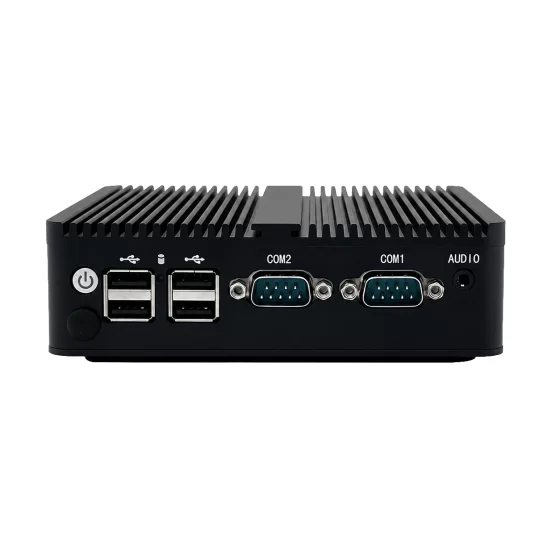
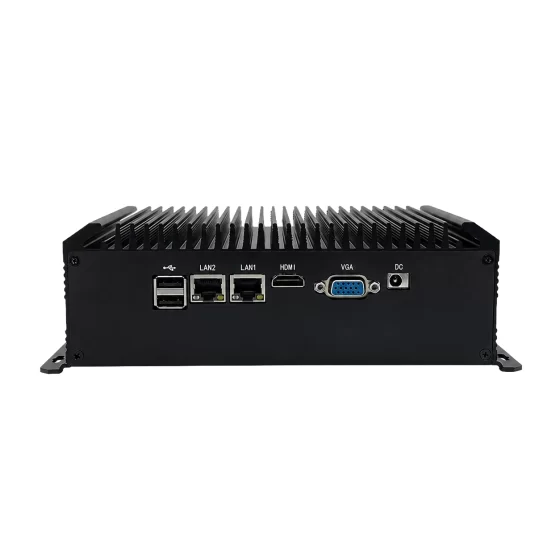
حلول الحوسبة الصناعية CoreIPC

منصة جمع البيانات الحافة: الحوسبة الصناعية للحصول على بيانات موثوقة للمصنع
ملخص تنفيذي
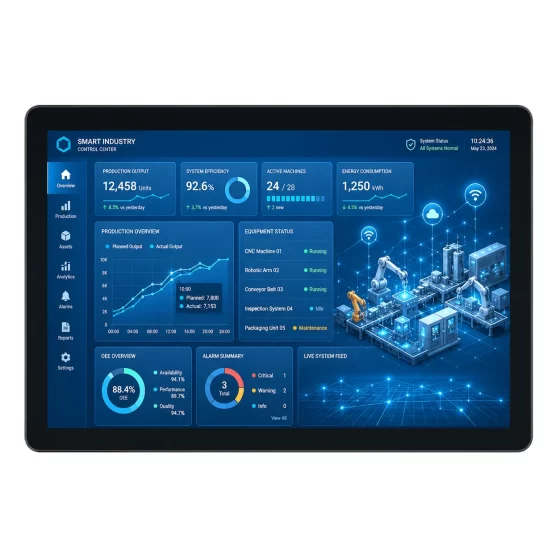
توفر منصة تجميع البيانات المتطورة أساس الحوسبة الصناعية للتجميع, يعالج, ونقل بيانات المصنع من الآلات, أجهزة الاستشعار, الشركات المحدودة العامة, متر, أنظمة التفتيش, ومعدات الإنتاج.
في التصنيع الحديث, يجب أن يتم التقاط البيانات بالقرب من مكان إنشائها. الآلات تنتج إشارات الحالة, أجهزة الاستشعار تقيس ظروف العملية, تقوم PLCs بإدارة منطق الأتمتة, وتقوم أنظمة التفتيش بإنشاء سجلات الجودة. إذا تأخرت هذه البيانات, غير مكتمل, أو يتم تجميعها يدويًا, لا تستطيع أنظمة التصنيع الرقمية توفير رؤية دقيقة.
تُستخدم أجهزة الكمبيوتر الصناعية وأجهزة الكمبيوتر المدمجة على نطاق واسع كعقد لجمع البيانات الطرفية لأنها يمكن أن تعمل بالقرب من الأجهزة, ربط واجهات صناعية مختلفة, معالجة البيانات المحلية, والتواصل مع MES, سكادا, تخطيط موارد المؤسسات, إنترنت الأشياء, والمنصات السحابية.
بالمقارنة مع أجهزة الكمبيوتر المكتبية القياسية, توفر منصات الحوسبة الصناعية موثوقية أفضل, الإدخال/الإخراج المرن, خيارات بدون مروحة, تصميم ميكانيكي متين, دورة حياة تشغيلية طويلة, والنشر العملي في بيئات المصنع الحقيقية.
تساعد منصة جمع البيانات الطرفية المصممة جيدًا الشركات المصنعة على تحسين رؤية الإنتاج, تقليل التقارير اليدوية, ربط الآلات القديمة, دعم الرصد في الوقت الحقيقي, وبناء أساس بيانات قابل للتطوير للتصنيع الذكي.
تشرح هذه المقالة كيفية دعم أجهزة الكمبيوتر الصناعية لجمع بيانات الحافة, ما هي تحديات النشر التي يواجهها المصنعون؟, كيف تعمل بنية الحل, وما هي ميزات الأجهزة المهمة للحصول على بيانات صناعية موثوقة.
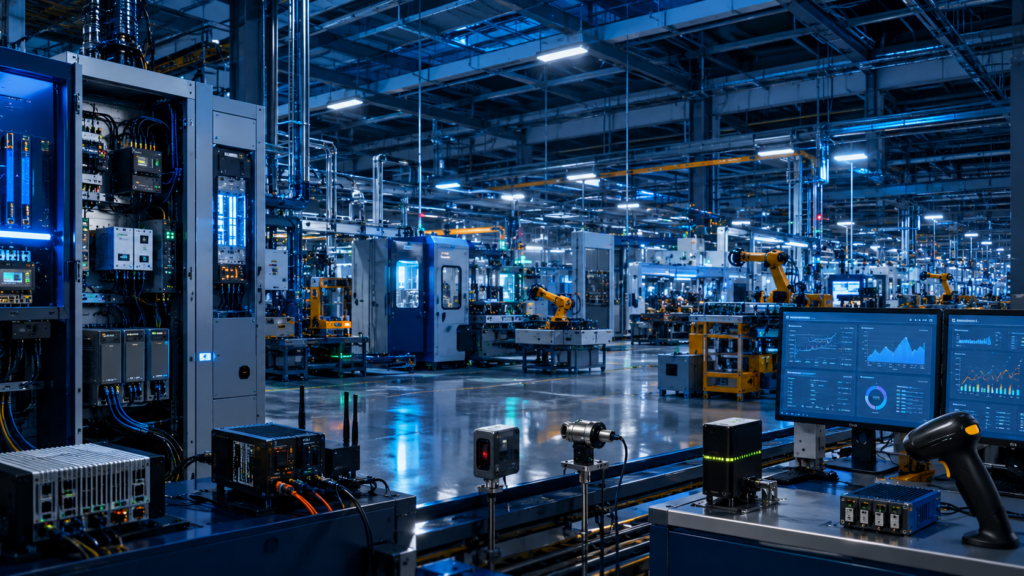
تقوم أجهزة الكمبيوتر الصناعية بجمع بيانات الإنتاج من الآلات, أجهزة الاستشعار, الماسحات الضوئية, أجهزة رفيد, متر, والمعدات الصناعية.
نظرة عامة على الصناعة
أصبحت بيانات المصنع أحد الأصول الاستراتيجية
لم تعد بيانات التصنيع تُستخدم فقط لإعداد التقارير الأساسية.
اليوم, تستخدم المصانع بيانات الإنتاج لتحسين الكفاءة, جودة, إمكانية التتبع, إدارة الطاقة, استخدام المعدات, وصنع القرار. يمكن للبيانات الواردة من المتجر أن تدعم أنظمة MES, منصات سكادا, لوحات معلومات إنترنت الأشياء الصناعية, الصيانة التنبؤية, تحليلات الجودة, وتخطيط المؤسسات.
لكن, تكون هذه الأنظمة مفيدة فقط عندما تكون البيانات دقيقة وموثوقة.
قد يكون لدى المصنع العديد من مصادر البيانات, مشتمل:
- وحدات تحكم PLC
- آلات التصنيع باستخدام الحاسب الآلي
- أجهزة الاستشعار والعدادات
- ماسحات الباركود
- قارئات RFID
- أنظمة فحص الرؤية
- معدات الاختبار
- الروبوتات وأنظمة الحركة
- أجهزة مراقبة الطاقة
- أنظمة المراقبة البيئية
تقوم منصة تجميع البيانات المتطورة بتوصيل مصادر البيانات هذه وتحويل الإشارات على مستوى المعدات إلى معلومات تصنيع قابلة للاستخدام.
لماذا تعتبر مجموعة Edge مهمة؟
غالبًا ما لا يكون جمع البيانات المركزي كافيًا للبيئات الصناعية.
قد تستخدم أجهزة المصنع بروتوكولات مختلفة, الشبكات, أنواع الإشارات, وتنسيقات البيانات. قد تكون بعض الأجهزة موجودة بعيدًا عن غرفة الخادم. قد تحتاج بعض الأنظمة إلى تخزين مؤقت محلي عندما تكون الشبكة غير مستقرة. وقد يحتاج البعض الآخر إلى معالجة محلية قبل إرسال البيانات إلى البرامج ذات المستوى الأعلى.
تعمل مجموعة Edge على حل هذه المشكلة عن طريق وضع أجهزة الكمبيوتر بالقرب من الآلات والأجهزة.
يمكن للكمبيوتر الصناعي جمع البيانات محليًا, تصفية السجلات غير الضرورية, تحويل البروتوكولات, تخزين البيانات المؤقتة, وإرسال معلومات منظمة إلى منصات برامج المصنع.
يؤدي هذا إلى تحسين الموثوقية وقابلية تطوير النظام.
أجهزة الكمبيوتر الصناعية كعقد بيانات الحافة
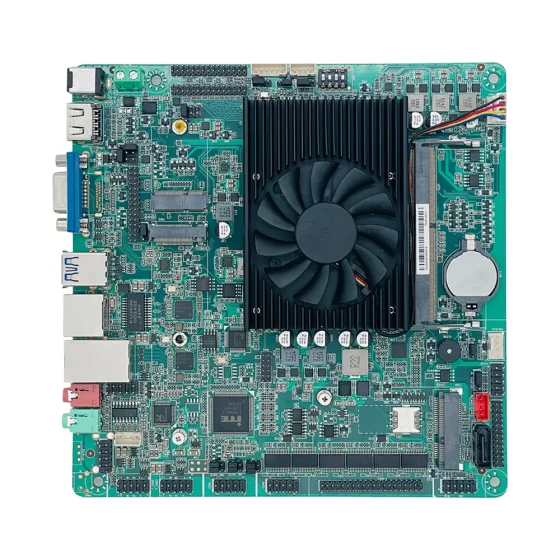
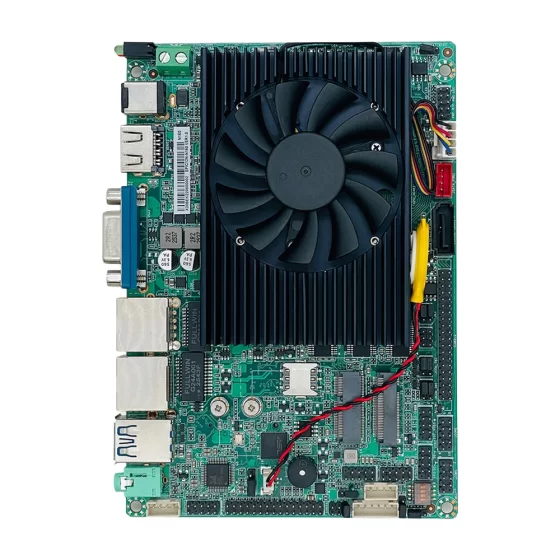
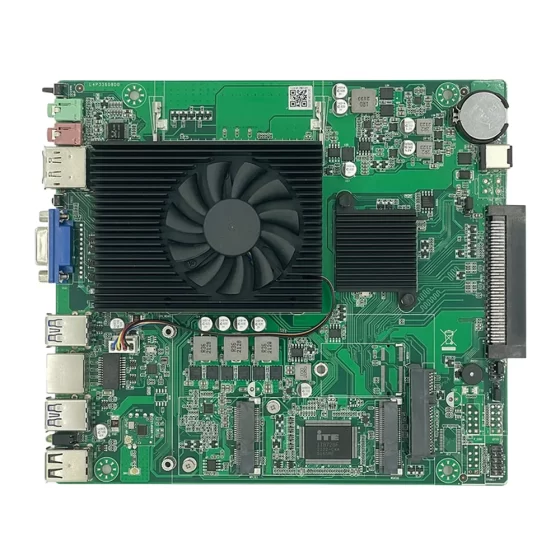
تعد أجهزة الكمبيوتر الصناعية مناسبة تمامًا لجمع بيانات الحافة لأنها تجمع بين القدرة الحاسوبية وتصميم الأجهزة الجاهزة للمصنع.
يمكنهم الاتصال بـ PLCs, أجهزة الاستشعار, الماسحات الضوئية, متر, الكاميرات, وأجهزة الشبكة. يمكنهم أيضًا تشغيل التطبيقات المحلية, خدمات البروتوكول, عملاء قاعدة البيانات, برامج التصور, أو وسيطة الاتصالات.
تعد أجهزة الكمبيوتر المضمنة مفيدة بشكل خاص عندما تكون المساحة محدودة أو عندما يجب تثبيت أجهزة جمع البيانات داخل الخزانات, آلات, أو محطات الإنتاج المدمجة.
معاً, تشكل أجهزة الكمبيوتر الصناعية وأجهزة الكمبيوتر المدمجة طبقة الأجهزة العملية للمصانع المتصلة.

تساعد أجهزة الكمبيوتر الصناعية في جمع البيانات من معدات المصانع المختلطة والآلات القديمة.
التحديات الرئيسية
ربط الأجهزة الصناعية المختلفة
التحدي الأول هو تنوع الأجهزة.
غالبًا ما تستخدم المصانع معدات من بائعين مختلفين وأجيال مختلفة. قد يدعم خط إنتاج جديد الاتصالات المستندة إلى Ethernet, في حين أن الأجهزة القديمة قد لا تزال تعتمد على RS232, RS485, اتصالات جافة, أو أجهزة الاستشعار الخارجية.
قد يحتاج نظام جمع بيانات الحافة العملي إلى الاتصال:
- الشركات المحدودة العامة
- وحدات تحكم CNC
- أجهزة الاستشعار
- متر
- ماسحات الباركود
- أجهزة رفيد
- الكاميرات
- معدات الاختبار
- أنظمة الوزن
- طابعات الملصقات
- مفاتيح الشبكات الصناعية
بدون تكوين الإدخال/الإخراج الصحيح, قد يتطلب النظام عددًا كبيرًا جدًا من المحولات الخارجية. وهذا يزيد من التعقيد ويقلل من الموثوقية.
جمع البيانات من الأجهزة القديمة
يعد تكامل الآلة القديمة مشكلة شائعة في المصانع.
لم يتم تصميم العديد من الآلات القديمة لأنظمة التصنيع الرقمية الحديثة. وقد لا يقدمون واجهات برمجة التطبيقات القياسية أو بروتوكولات الشبكة الحديثة. لكن, عادةً ما يكون استبدال جميع المعدات القديمة مكلفًا وغير واقعي.
تساعد أجهزة الكمبيوتر الصناعية في حل هذه المشكلة من خلال العمل كبوابات محلية لجمع البيانات.
يمكنهم جمع الإشارات من خلال المنافذ التسلسلية, إيثرنت, USB, أجهزة الاستشعار, أو وحدات البوابة. وهذا يسمح للمصنعين برقمنة المعدات الموجودة خطوة بخطوة.
الحفاظ على دقة البيانات
يجب أن يكون جمع بيانات الحافة مستقرًا ودقيقًا.
إذا غاب حالة الجهاز, تأخرت بيانات الاستشعار, أو يتم فقدان سجلات المسح, قد تتخذ الأنظمة ذات المستوى الأعلى قرارات بناءً على معلومات غير كاملة.
يمكن أن تؤثر جودة البيانات الرديئة:
- مراقبة الإنتاج
- تحليل وقت التوقف عن العمل
- فحص الجودة
- إمكانية تتبع المنتج
- تقارير الطاقة
- صيانة المعدات
- تحسين العملية
يعمل الكمبيوتر الصناعي الموثوق به على تقليل هذه المخاطر من خلال دعم الحصول المستمر على البيانات بالقرب من المعدات.
التعامل مع ظروف المصنع القاسية
غالبًا ما يتم تثبيت أجهزة كمبيوتر تجميع البيانات المتطورة في بيئات كثيرة المتطلبات.
ويمكن وضعها داخل خزائن التحكم, بالقرب من الآلات, تحت محطات العمل, داخل حاويات المعدات, أو بجانب خطوط الإنتاج.
قد تشمل هذه البيئات:
- تراب
- اهتزاز
- حرارة
- الضوضاء الكهربائية
- حركة الكابل
- تدفق هواء محدود
- قوة غير مستقرة
- ساعات التشغيل الطويلة
يعد التصميم الصناعي مهمًا لأن فشل الأجهزة قد يؤدي إلى مقاطعة جمع البيانات وتقليل رؤية المصنع.
استقرار الشبكة والتخزين المؤقت للبيانات
قد لا تكون شبكات المصانع مستقرة دائمًا.
يمكن أن يحدث انقطاع مؤقت في الشبكة بسبب الصيانة, فشل التبديل, قضايا الكابلات, التداخل اللاسلكي, أو تغيرات منطقة الإنتاج.
يجب أن يدعم النظام الأساسي القوي لجمع البيانات التخزين المؤقت المحلي. يمكن للكمبيوتر الصناعي الاستمرار في جمع البيانات, تخزين السجلات مؤقتا, والمزامنة مع الخادم عند استعادة الشبكة.
وهذا يساعد على منع فجوات البيانات ويدعم المراقبة المستمرة للإنتاج.

تعمل أجهزة الكمبيوتر الصناعية كعقد بيانات طرفية بين أجهزة المصنع ومنصات البرامج.
هندسة حلول جمع بيانات الحافة
طبقة الجهاز والمستشعر
تتضمن طبقة الجهاز والمستشعر المعدات المادية التي تولد بيانات المصنع الأولية.
قد يشمل ذلك الآلات, الشركات المحدودة العامة, أجهزة الاستشعار, متر, أنظمة التفتيش, قارئات الباركود, قارئات RFID, الكاميرات, وأدوات الاختبار.
قد تتضمن البيانات التي تم إنشاؤها في هذه الطبقة:
- حالة تشغيل الآلة
- أحداث التنبيه
- عدد الإنتاج
- وقت الدورة
- درجة حرارة
- ضغط
- اهتزاز
- استهلاك الطاقة
- معرف المنتج
- نتيجة التفتيش
- قيمة الاختبار
- معلمة العملية
هذه الطبقة متنوعة للغاية. قد تستخدم الأجهزة المختلفة بروتوكولات مختلفة, تنسيقات البيانات, وسرعات الاتصال.
طبقة حوسبة الحافة الصناعية
طبقة حوسبة الحافة الصناعية هي المكان الذي يتم فيه نشر الكمبيوتر الصناعي أو الكمبيوتر المدمج.
تقوم هذه الطبقة بجمع البيانات المحلية, المعالجة المسبقة, تحويل البروتوكول, التخزين المؤقت, والتواصل مع أنظمة المستوى الأعلى.
عند هذه الطبقة, قد يقوم الكمبيوتر الصناعي بمهام مثل:
- قراءة بيانات PLC
- جمع قيم الاستشعار
- تلقي إدخال الماسح الضوئي
- توصيل العدادات وأجهزة التحكم
- تشغيل برنامج تحويل البروتوكول
- تصفية البيانات غير الضرورية
- تنسيق السجلات
- تخزين السجلات المؤقتة
- تحميل البيانات إلى الخوادم
- دعم التصور المحلي
تعمل طبقة الحافة هذه على تقليل العبء على الأنظمة المركزية وتحسين موثوقية البيانات.
طبقة برامج المصنع
تتضمن طبقة برامج المصنع MES, سكادا, نظم إدارة الجودة, قواعد البيانات الصناعية, لوحات الإنتاج, ومنصات مراقبة المعدات.
يرسل كمبيوتر تجميع البيانات الطرفية بيانات منظمة إلى هذه الأنظمة.
على سبيل المثال, قد يجمع عدد مخرجات الآلة من PLC, دمجها مع بيانات مسح الباركود, وإرسال النتيجة إلى MES لتتبع الإنتاج.
ويمكنه أيضًا إرسال بيانات عداد الطاقة إلى نظام إدارة الطاقة أو بيانات حالة المعدات إلى لوحة معلومات الصيانة.
طبقة المؤسسة والسحابة
تقوم بعض المصانع بإرسال بيانات مختارة إلى نظام تخطيط موارد المؤسسات (ERP)., تحليلات السحابة, منصات ذكاء الأعمال, أو أنظمة المراقبة عن بعد.
يمكن أن تساعد منصة تجميع بيانات الحافة في التحكم في البيانات التي يتم إرسالها للأعلى.
بدلاً من إرسال كل إشارة خام, يمكن للكمبيوتر المتطور معالجة البيانات مسبقًا محليًا وتحميل السجلات المفيدة فقط. وهذا يقلل من حمل الشبكة ويحسن كفاءة إدارة البيانات.
طبقة المرونة المحلية
المرونة المحلية مهمة في البيئات الصناعية.
إذا انقطع اتصال الشبكة بالخادم, يجب أن يستمر كمبيوتر الحافة في جمع البيانات. يمكنه تخزين السجلات محليًا وتحميلها لاحقًا.
ويساعد ذلك في الحفاظ على استمرارية البيانات ويمنع فقدان سجلات الإنتاج أثناء مشكلات الاتصال المؤقتة.
الميزات الرئيسية
موثوقية من الدرجة الصناعية
الموثوقية هي الشرط الأكثر أهمية لأجهزة جمع البيانات الطرفية.
قد يحتاج النظام إلى التشغيل بشكل مستمر بالقرب من معدات الإنتاج. يجب أن تظل مستقرة حتى عند تعرضها للاهتزاز, تراب, حرارة, الضوضاء الكهربائية, أو ساعات العمل الطويلة.
وتشمل ميزات الموثوقية الهامة:
- تصميم اللوحة الأم الصناعية
- خيارات النظام بدون مروحة
- هيكل العلبة وعرة
- دعم تخزين SSD
- أداء حراري مستقر
- خيارات إدخال الجهد العريض
- طرق التركيب الآمنة
- تخطيط دورة حياة طويلة
الهدف ليس فقط جمع البيانات, بل لجمعها بشكل مستمر ودقيق.
تكوين الإدخال/الإخراج المرن
تتطلب منصات تجميع البيانات المتطورة مرونة قوية في الواجهة.
قد يتصل كمبيوتر صناعي واحد بـ PLCs, أجهزة الاستشعار, متر, ماسحات الباركود, أجهزة رفيد, الكاميرات, والشبكات الصناعية.
قد تتضمن خيارات الإدخال/الإخراج المفيدة:
- منافذ LAN متعددة
- USB 2.0 و يو اس بي 3.0
- RS232
- RS485
- جيبيو
- اتش دي ام اي
- منفذ العرض
- توسعة M.2
- توسيع PCIe صغير
- دعم الوحدة اللاسلكية
يساعد تكوين الإدخال/الإخراج الصحيح على تقليل المحولات الخارجية وتبسيط النشر الميداني.
منافذ LAN متعددة
تعد منافذ LAN المتعددة مفيدة للعديد من تطبيقات جمع البيانات الطرفية.
قد يتصل أحد منافذ LAN بالأجهزة الموجودة على جانب الجهاز, بينما يتصل آخر بشبكة المصنع أو الخادم. ويساعد ذلك على فصل اتصال الآلة عن حركة البيانات ذات المستوى الأعلى.
يمكن أن يدعم هذا التصميم:
- تجزئة الشبكة
- الحصول على بيانات الآلة
- تطبيقات البوابة
- مسارات الاتصال الآمنة
- تكامل تكنولوجيا المعلومات في المصنع
- تقليل التدخل في حركة المرور
للحصول على البيانات الصناعية, غالبًا ما يكون تصميم الشبكة بنفس أهمية أداء الحوسبة.
تصميم بدون مروحة ومنخفض الصيانة
تُستخدم أجهزة الكمبيوتر الصناعية بدون مروحة على نطاق واسع لجمع البيانات الطرفية.
إنها تقلل من دخول الغبار وتزيل نقطة عطل ميكانيكية شائعة. يعد هذا مفيدًا في مناطق الإنتاج حيث يكون الوصول إلى الصيانة محدودًا أو قد تؤثر الجزيئات المحمولة بالهواء على أجهزة الكمبيوتر القياسية.
لكن, لا تزال الأنظمة بدون مروحة بحاجة إلى التخطيط الحراري المناسب. عبء عمل وحدة المعالجة المركزية, درجة الحرارة المحيطة, موقف التركيب, مساحة الضميمة, وينبغي النظر في جميع تدفق الهواء.
التخزين المحلي والتخزين المؤقت للبيانات
غالبًا ما تحتاج أنظمة جمع البيانات الطرفية إلى تخزين محلي.
قد يقوم الكمبيوتر بتخزين السجلات, السجلات المؤقتة, بيانات الجهاز, تاريخ التنبيه, ملفات التكوين, أو قواعد البيانات المحلية.
يُفضل عادةً تخزين SSD لأنه يوفر مقاومة أفضل للصدمات واستجابة أسرع من محركات الأقراص الميكانيكية.
للتطبيقات ذات التسجيل المتكرر, يجب مراجعة سعة التخزين وتحمل الكتابة بعناية.
توافق البرامج والبروتوكول
يجب أن تعمل منصة جمع البيانات مع بيئات البرامج الصناعية الحقيقية.
قد تحتاج إلى دعم Windows, لينكس, التطبيقات المستندة إلى المتصفح, برامج تشغيل البروتوكول, الوسيطة, عملاء قاعدة البيانات, أو برامج الحصول على البيانات المخصصة.
قبل النشر, يجب اختبار الأجهزة مع:
- أدوات الاتصال PLC
- برامج تشغيل أجهزة الاستشعار
- أجهزة الماسح الضوئي وRFID
- اتصالات قاعدة البيانات
- برامج الصيانة عن بعد
- إعدادات الأمان
- تكوين شبكة المصنع
وهذا يساعد على تقليل مخاطر التكامل أثناء التثبيت الميداني.
سيناريوهات النشر
الحصول على بيانات الآلة
يعد الحصول على بيانات الآلة أحد أكثر سيناريوهات جمع بيانات الحافة شيوعًا.
يمكن للكمبيوتر الصناعي الاتصال بـ PLCs, آلات التصنيع باستخدام الحاسب الآلي, وحدات تحكم, متر, أو أجهزة الاستشعار. فهو يجمع حالة الجهاز, وقت الدورة, معلومات التنبيه, عدد المخرجات, وقيم العملية.
ويمكن بعد ذلك إرسال هذه البيانات إلى MES, سكادا, أو منصات مراقبة المعدات.
جمع بيانات الاستشعار
قد تستخدم المصانع أجهزة استشعار لمراقبة درجة الحرارة, رطوبة, ضغط, اهتزاز, حاضِر, الجهد االكهربى, تدفق الهواء, أو الظروف البيئية.
يمكن للكمبيوتر المدمج جمع بيانات المستشعر محليًا وإرسالها إلى أنظمة المراقبة.
وهذا مفيد للتحكم في العملية, مراقبة صحة المعدات, إدارة الطاقة, والإشراف البيئي.
جمع بيانات الباركود وتتفاعل
غالبًا ما تعتمد إمكانية تتبع الإنتاج على أنظمة الباركود وRFID.
يمكن للكمبيوتر الصناعي الاتصال بالماسحات الضوئية, قارئات RFID, طابعات الملصقات, ومحطات MES. يمكنه جمع معرفات المنتج, دفعات مادية, تأكيدات المشغل, ونتائج العملية.
ويساعد ذلك في إنشاء سجلات إنتاج دقيقة عبر خطوات عملية متعددة.
جمع بيانات فحص الجودة
غالبًا ما تقوم محطات التفتيش بتوليد بيانات مهمة لمراقبة الجودة.
قد يتصل الكمبيوتر الصناعي بالكاميرات, أدوات القياس, أدوات الاختبار, وبرامج التفتيش. يمكنه جمع نتائج التفتيش, وربطها بمعرفات المنتج, وتحميل البيانات إلى MES أو أنظمة إدارة الجودة.
يؤدي ذلك إلى تحسين إمكانية التتبع ودعم تحليل السبب الجذري.
مراقبة الطاقة والمرافق
قد تقوم المصانع بجمع البيانات من عدادات الطاقة, عدادات المياه, عدادات الغاز, ضواغط الهواء, أنظمة التدفئة والتهوية وتكييف الهواء, وأجهزة الرصد البيئي.
يمكن لمنصة جمع البيانات المتطورة جمع هذه المعلومات وإرسالها إلى أنظمة إدارة الطاقة أو مراقبة المنشأة.
وهذا يساعد الشركات المصنعة على فهم استخدام الطاقة, تحديد الاستهلاك غير الطبيعي, ودعم أهداف الاستدامة.
بوابات إنترنت الأشياء الصناعية
يمكن لجهاز الكمبيوتر المدمج أن يعمل كبوابة إنترنت الأشياء الصناعية.
يقوم بجمع البيانات من الآلات والأجهزة الميدانية, يعالج البيانات مسبقًا, ويرسل المعلومات المحددة إلى الخوادم المحلية أو المنصات السحابية.
يتيح ذلك للمصانع إنشاء أنظمة مراقبة متصلة دون إرسال كل إشارة أولية مباشرةً إلى السحابة.
تكامل بيانات معدات OEM
يمكن لمصنعي الآلات دمج أجهزة الكمبيوتر المدمجة أو اللوحات الأم الصناعية في المعدات لدعم جمع البيانات والمراقبة عن بعد.
وهذا يسمح للآلات بتوفير بيانات الإنتاج, سجلات التنبيه, معلومات الاستخدام, والبيانات التشخيصية لأنظمة العملاء.
لمصنعي المعدات الأصلية, يمكن لقدرة جمع البيانات المدمجة تحسين قيمة المعدات وتبسيط تكامل المصنع الذكي.
فوائد الأعمال
تحسين رؤية الإنتاج
تساعد منصة تجميع البيانات المتطورة الشركات المصنعة على معرفة ما يحدث في جميع أنحاء المصنع.
من خلال جمع البيانات في الوقت الحقيقي من الأجهزة, أجهزة الاستشعار, الماسحات الضوئية, وأنظمة التفتيش, يمكن لفرق الإنتاج مراقبة حالة المعدات, كمية الإخراج, أحداث التوقف, نتائج الجودة, وظروف العملية.
وهذا يحسن عملية صنع القرار ويقلل من تأخير الاستجابة.
دقة أفضل للبيانات
يؤدي جمع البيانات مباشرة على الحافة إلى تقليل التقارير اليدوية وتأخير الإدخال.
يمكن لأجهزة الكمبيوتر الصناعية التقاط البيانات من المصدر ونقلها إلى أنظمة ذات مستوى أعلى تلقائيًا.
يؤدي ذلك إلى تحسين اتساق البيانات وتقليل مخاطر الخطأ البشري.
تتبع أقوى
تتطلب إمكانية التتبع سجلات دقيقة عبر خطوات الإنتاج.
يمكن لأجهزة كمبيوتر تجميع بيانات Edge التقاط معرفات المنتج, دفعات مادية, حالة الآلة, معلمات العملية, نتائج التفتيش, وسجلات الاختبار.
عندما يتم توصيل هذه المعلومات إلى MES أو أنظمة الجودة, يمكن للمصنعين بناء تاريخ إنتاج أكثر اكتمالا.
اكتشاف أسرع للمشكلة
يساعد جمع البيانات في الوقت الفعلي المصانع على اكتشاف الظروف غير الطبيعية في وقت مبكر.
إذا توقفت الآلة, قيمة المستشعر تخرج عن النطاق الطبيعي, أو فشل اختبار الجودة, يمكن للنظام إرسال البيانات إلى منصات المراقبة بسرعة.
وهذا يسمح لفرق الإنتاج بالتحقيق والاستجابة بشكل أسرع.
الاستخدام الأفضل للمعدات الموجودة
لا تحتاج المصانع إلى استبدال جميع الآلات لبناء الأنظمة الرقمية.
يمكن لأجهزة الكمبيوتر الصناعية جمع البيانات من المعدات القديمة عبر المنافذ التسلسلية, إيثرنت, USB, أجهزة الاستشعار, أو وحدات البوابة.
يتيح ذلك للمصنعين رقمنة الأصول الحالية تدريجيًا وحماية استثمارات المعدات السابقة.
مؤسسة التصنيع الرقمي القابلة للتطوير
تدعم منصة جمع بيانات الحافة القياسية رقمنة المصنع القابلة للتطوير.
بمجرد نشر أجهزة جمع البيانات بشكل متسق عبر الخطوط والمواقع, يمكن للمصنعين بناء MES, سكادا, إنترنت الأشياء الصناعية, مراقبة الطاقة, تحليلات, وأنظمة الصيانة التنبؤية على نفس أساس البيانات.
وهذا يدعم تطوير التصنيع الذكي على المدى الطويل.
لماذا كورIPC
توفر CoreIPC منصات حوسبة صناعية للاتصال بالأجهزة, أتمتة المصنع, الأنظمة المدمجة, والتصنيع الرقمي. لتطبيقات جمع البيانات الحافة, يركز CoreIPC على أجهزة الكمبيوتر الصناعية الموثوقة, حلول الكمبيوتر المدمجة, تكوينات الإدخال/الإخراج المرنة, تصميم ميكانيكي مدمج, ودعم التخصيص OEM/ODM. CoreIPC يساعد تكامل النظام, بناة المعدات, وتقوم فرق التصنيع باختيار منصات الحوسبة التي تتوافق مع المتطلبات الحقيقية للمتجر, بما في ذلك واجهات الجهاز, تصميم الشبكة, طرق التركيب, مدخلات الطاقة, الظروف الحرارية, تخطيط دورة الحياة, واحتياجات النشر القابلة للتطوير.
الأسئلة المتداولة
1. ما هي منصة جمع البيانات الحافة?
النظام الأساسي لجمع بيانات الحافة هو نظام يجمع البيانات بالقرب من الأجهزة, أجهزة الاستشعار, الشركات المحدودة العامة, متر, الماسحات الضوئية, ومعدات الإنتاج.
وعادة ما يتضمن أجهزة الحوسبة الصناعية, واجهات الاتصالات, برامج الحصول على البيانات, التخزين المحلي, والاتصال بالشبكة. الهدف هو جمع بيانات المصنع الموثوقة وإرسالها إلى MES, سكادا, إنترنت الأشياء, جودة, أو أنظمة التحليل.
2. لماذا يتم استخدام أجهزة الكمبيوتر الصناعية لجمع بيانات الحافة?
يتم استخدام أجهزة الكمبيوتر الصناعية لأنها مصممة لبيئات المصانع والتشغيل المستمر.
يمكنهم توصيل الأجهزة الصناعية, تشغيل برنامج الحصول على البيانات المحلية, دعم واجهات متعددة, تخزين البيانات أثناء انقطاع الشبكة, والتواصل مع الأنظمة ذات المستوى الأعلى. بالمقارنة مع أجهزة الكمبيوتر المكتبية, أنها توفر موثوقية أفضل, مرونة التركيب, دعم الإدخال/الإخراج, واستقرار النشر على المدى الطويل.
3. كيف يتم استخدام الكمبيوتر المدمج في جمع بيانات الحافة?
يمكن تثبيت جهاز كمبيوتر مضمن بالقرب من الأجهزة, داخل خزائن التحكم, خلف شاشات العرض, أو داخل معدات تصنيع المعدات الأصلية.
قد يجمع البيانات من PLCs, أجهزة الاستشعار, الماسحات الضوئية, متر, أو أدوات الاختبار. ويمكنه أيضًا تشغيل برنامج تحويل البروتوكول, تخزين السجلات المؤقتة, وتحميل البيانات المنظمة إلى أنظمة المصنع. تصميمها المدمج يجعلها مفيدة للبيئات الصناعية ذات المساحة المحدودة.
4. ما هي الواجهات المهمة لجمع بيانات الحافة؟?
تشمل الواجهات الشائعة LAN, USB, RS232, RS485, جيبيو, اتش دي ام اي, منفذ العرض, م.2, وميني PCIe.
تدعم منافذ LAN اتصال الشبكة مع PLCs, الخوادم, والمفاتيح. USB يربط الماسحات الضوئية, الكاميرات, والأجهزة الطرفية. تعتبر المنافذ التسلسلية مفيدة للأجهزة القديمة, متر, وأجهزة التحكم. يمكن استخدام GPIO لإدخال أو إخراج الإشارة البسيطة.
5. يمكن لجمع بيانات الحافة توصيل المعدات القديمة?
نعم. غالبًا ما تُستخدم أجهزة الكمبيوتر الصناعية لتوصيل المعدات القديمة التي لا تدعم الأنظمة الرقمية الحديثة بشكل مباشر.
يمكنهم جمع البيانات من خلال الاتصال التسلسلي, إيثرنت, USB, أجهزة الاستشعار, أو البوابات الخارجية. وهذا يسمح للمصانع برقمنة المعدات القديمة دون استبدال جميع الآلات, جعل جمع البيانات أكثر عملية وفعالية من حيث التكلفة.
6. لماذا يعتبر التخزين المؤقت للبيانات المحلية مهمًا؟?
يساعد التخزين المؤقت للبيانات المحلية على منع فقدان البيانات أثناء الانقطاعات المؤقتة للشبكة.
إذا كان الاتصال بالخادم غير متاح, يمكن للكمبيوتر المتطور الاستمرار في جمع السجلات وتخزينها محليًا. بعد أن يتعافى الاتصال, يمكن للنظام تحميل البيانات المخزنة. يؤدي ذلك إلى تحسين استمرارية البيانات ودعم مراقبة الإنتاج الموثوقة.
7. هل تحتاج أنظمة جمع بيانات الحافة إلى منافذ LAN متعددة؟?
تعد منافذ LAN المتعددة مفيدة في العديد من أنظمة جمع البيانات الصناعية.
قد يتصل أحد منافذ LAN بالأجهزة الموجودة على جانب الجهاز أو PLCs, بينما يتصل آخر بـ MES, سكادا, أو شبكات تكنولوجيا المعلومات في المصنع. يعمل هذا الفصل على تحسين تنظيم الشبكة ويمكن أن يدعم إدارة أفضل للأمان وحركة المرور.
8. هو كمبيوتر صناعي بدون مروحة مناسب لجمع البيانات الطرفية?
غالبًا ما يكون الكمبيوتر الصناعي بدون مروحة مناسبًا لأنه يقلل من دخول الغبار ويزيل نقطة الفشل الميكانيكي الشائعة.
وهذا مفيد في المصانع حيث تعمل الأنظمة بشكل مستمر أو يتم تركيبها في المناطق المتربة. لكن, لا يزال يتعين تحديد النظام بناءً على عبء العمل, درجة الحرارة المحيطة, موقف التركيب, وتدفق الهواء المتاح.
9. كيف يدعم جمع بيانات الحافة إمكانية التتبع?
يدعم تجميع بيانات Edge إمكانية التتبع من خلال التقاط البيانات في كل خطوة إنتاج.
يمكن للنظام جمع معرفات المنتج, دفعات مادية, حالة الآلة, معلمات العملية, نتائج التفتيش, وسجلات الاختبار. عندما يتم إرسال هذه البيانات إلى MES أو أنظمة الجودة, يمكن للمصنعين بناء تاريخ إنتاج أكثر اكتمالا.
10. ما الذي يجب مراعاته قبل اختيار أجهزة جمع البيانات الطرفية?
يجب على الشركات المصنعة مراجعة عدد الأجهزة المتصلة, الواجهات المطلوبة, عبء عمل وحدة المعالجة المركزية, احتياجات التخزين, دعم نظام التشغيل, تصميم الشبكة, طريقة التركيب, مدخلات الطاقة, الظروف البيئية, ومتطلبات دورة الحياة.
من المهم أيضًا اختبار الأجهزة بأجهزة حقيقية, البروتوكولات, برمجة, وإعدادات شبكة المصنع قبل النشر على نطاق واسع.
خاتمة
تعد منصة تجميع البيانات المتطورة أساسًا عمليًا للتصنيع المتصل والرقمنة الصناعية.
من خلال وضع أجهزة الحوسبة الصناعية بالقرب من الآلات, أجهزة الاستشعار, الماسحات الضوئية, متر, أنظمة التفتيش, ومعدات الإنتاج, يمكن للمصنعين جمع بيانات أكثر دقة ونقلها بشكل موثوق إلى MES, سكادا, إنترنت الأشياء, جودة, طاقة, وأنظمة التحليلات.
يجب اختيار الكمبيوتر الصناعي المناسب أو الكمبيوتر المدمج وفقًا لمتطلبات النشر الحقيقية, بما في ذلك تكوين الإدخال/الإخراج, تصميم الشبكة, طريقة التركيب, مدخلات الطاقة, الظروف الحرارية, سعة التخزين, توافق البرامج, وتخطيط دورة الحياة.
يدعم CoreIPC مشاريع جمع البيانات المتطورة باستخدام منصات الحوسبة الصناعية المصممة لبيئات المصانع العملية. مع أساس الأجهزة موثوقة, يمكن للمصنعين تحسين الرؤية, تعزيز التتبع, ربط الآلات القديمة, وبناء أنظمة تصنيع ذكية قابلة للتطوير.
اتصل بنا
أبحث عن جهاز كمبيوتر صناعي, الكمبيوتر المدمج, أو اللوحة الأم الصناعية لمنصة جمع البيانات المتطورة?
تواصل مع CoreIPC لمناقشة متطلبات مشروعك, بما في ذلك واجهات الجهاز, تكوين الإدخال/الإخراج, منصة المعالج, طريقة التركيب, مدخلات الطاقة, بيئة التشغيل, احتياجات دورة الحياة, وخيارات التخصيص OEM/ODM.