حلول الحوسبة الصناعية CoreIPC

ملخص تنفيذي
تعمل منصة حوسبة المعدات التشخيصية بمثابة النواة الاستخباراتية وراء أنظمة التشخيص الطبي الحديثة, تمكين الحصول على البيانات, معالجة الصور, التحكم في الجهاز, الاتصال, والتحليل في الوقت الحقيقي. بدءًا من أنظمة الموجات فوق الصوتية وأجهزة علم الأمراض الرقمية وحتى أجهزة التحليل المعملية وأدوات التشخيص في نقاط الرعاية, تعد البنية التحتية الحاسوبية الموثوقة ضرورية لضمان الدقة, استقرار, والتشغيل المستمر.
مع اعتماد مقدمي الرعاية الصحية بشكل متزايد على التشخيص الرقمي, التصوير بمساعدة الذكاء الاصطناعي, والنظم البيئية الطبية المتصلة, غالبًا ما تكافح أجهزة الكمبيوتر التجارية التقليدية لتلبية متطلبات الموثوقية والتكامل طويلة المدى للبيئات الطبية. توفر أجهزة الكمبيوتر الصناعية وأجهزة الكمبيوتر المدمجة أساسًا أكثر قوة, تقديم دعم دورة حياة ممتدة, معالجة عالية الأداء, خيارات اتصال متعددة, و 24/7 الموثوقية التشغيلية.
تدمج منصة الكمبيوتر الخاصة بمعدات التشخيص المصممة جيدًا أجهزة الاستشعار, أجهزة التصوير, وحدات التحكم, الشبكات الطبية, قدرات الحوسبة الحافة, والاتصال السحابي في بنية موحدة. يتيح ذلك لمؤسسات الرعاية الصحية والشركات المصنعة للأجهزة الطبية تحسين دقة التشخيص, تقليل تكاليف الصيانة, تسريع تطوير المنتج, ودعم مبادرات الرعاية الصحية الرقمية المستقبلية.
نظرة عامة على الصناعة

مركز العمليات الصحية المستقبلية
التحول الرقمي لمعدات التشخيص
تشهد الرعاية الصحية تحولًا رقميًا كبيرًا مدفوعًا بتقنيات التصوير المتقدمة, الذكاء الاصطناعي, السجلات الطبية الإلكترونية, والبنية التحتية للرعاية الصحية المتصلة.
تعتمد معدات التشخيص الحديثة بشكل متزايد على منصات الحوسبة المتطورة لمعالجة كميات كبيرة من البيانات الطبية في الوقت الحقيقي. سواء تحليل الصور الطبية, السيطرة على الأدوات المخبرية, أو إدارة سير العمل التشخيصي للمريض, يؤثر أداء الحوسبة بشكل مباشر على الكفاءة التشغيلية وجودة التشخيص.
تعمل العديد من اتجاهات الصناعة على زيادة الطلب على أجهزة الكمبيوتر ذات المعدات التشخيصية المتقدمة:
توسيع التصوير الطبي
تستمر تقنيات التصوير الطبي في التطور نحو دقة أعلى وسرعات معالجة أسرع. أنظمة مثل:
- آلات الموجات فوق الصوتية
- الماسحات الضوئية المقطعية
- أنظمة التصوير بالرنين المغناطيسي
- منصات التصوير بالأشعة السينية
- الماسحات الضوئية لعلم الأمراض الرقمية
تتطلب موارد حاسوبية قوية للحصول على الصور, إعادة الإعمار, تعزيز, والتخزين.
التشخيص بمساعدة الذكاء الاصطناعي
أصبح الذكاء الاصطناعي عنصرا هاما في تشخيص الرعاية الصحية. يمكن لخوارزميات الذكاء الاصطناعي مساعدة الأطباء من خلال تحديد الأنماط, تسليط الضوء على التشوهات, وتحسين عملية صنع القرار السريري.
تسمح منصات الحوسبة المتطورة المضمنة في أجهزة التشخيص باستدلال الذكاء الاصطناعي محليًا, تقليل الكمون وتعزيز خصوصية البيانات.
أنظمة الرعاية الصحية المتصلة
تنشر المستشفيات بشكل متزايد بيئات تشخيصية مترابطة حيث تتواصل الأجهزة معها:
- نظم معلومات المستشفيات (له)
- السجلات الطبية الإلكترونية (السجلات الطبية الإلكترونية)
- نظم المعلومات المخبرية (ليس)
- أرشفة الصور وأنظمة الاتصالات (باكس)
توفر منصات الحوسبة الصناعية الموثوقة أساس الاتصال اللازم للتكامل السلس.
دورات حياة طويلة للمنتج
عادةً ما تظل الأجهزة الطبية قيد التشغيل لسنوات عديدة. يحتاج المصنعون إلى منصات حوسبة توفر توفرًا طويل الأمد وخرائط طريق مستقرة للأجهزة لتقليل جهود إعادة التصميم وتكاليف الشهادات.

مختبر طبي ذكي مستقبلي
التحديات الرئيسية في حوسبة المعدات التشخيصية
تواجه الشركات المصنعة للأجهزة الطبية العديد من التحديات عند تطوير منصات التشخيص.
متطلبات الموثوقية
غالبًا ما تعمل أنظمة التشخيص بشكل مستمر في المستشفيات, المختبرات, والعيادات.
تشمل التحديات:
- مستمر 24/7 عملية
- استقرار الأجهزة
- طول عمر المكون
- تقليل وقت توقف النظام
يمكن أن تؤدي حالات الفشل غير المتوقعة إلى تعطيل سير العمل السريري والتأثير على رعاية المرضى.
معالجة البيانات عالية الأداء
تقوم أجهزة التشخيص في كثير من الأحيان بإنشاء مجموعات بيانات كبيرة.
تشمل الأمثلة:
- صور طبية عالية الدقة
- بيانات الاستشعار متعددة القنوات
- نتائج التحليل المختبري
- نماذج تشخيص الذكاء الاصطناعي
يجب أن تقوم منصات الحوسبة بمعالجة البيانات بكفاءة مع الحفاظ على زمن الوصول المنخفض.
التكامل مع الأنظمة القديمة
تعمل العديد من مرافق الرعاية الصحية على تشغيل مجموعة من المعدات الجديدة والقديمة.
تشمل التحديات:
- بروتوكولات اتصال متعددة
- واجهات أقدم
- الأنظمة الطبية الخاصة
- متطلبات التوافق
الأمن السيبراني وحماية البيانات
يجب على مؤسسات الرعاية الصحية حماية المعلومات الحساسة للمرضى.
وتشمل المخاوف الرئيسية:
- الوصول غير المصرح به
- انتهاكات البيانات
- نقاط الضعف في الشبكة
- متطلبات الامتثال التنظيمي
قيود الفضاء
غالبًا ما تتطلب معدات التشخيص أنظمة حوسبة مدمجة تتلاءم مع مساحة محدودة.
يحتاج المصنعون إلى أجهزة كمبيوتر مدمجة توفر الأداء مع الحفاظ على مساحة صغيرة.
إدارة دورة الحياة
دورات تطوير المعدات الطبية طويلة.
يبحث المصنعون عن المنصات التي توفر:
- توافر المكونات على المدى الطويل
- تكوينات الأجهزة مستقرة
- انخفاض متطلبات إعادة التصميم
- صيانة مبسطة

مخطط معماري لمعالجة البيانات الطبية
هندسة الحلول
هندسة منصة الحوسبة للمعدات التشخيصية
تقوم منصة حوسبة معدات التشخيص الحديثة بدمج مكونات الأجهزة والبرامج المتعددة في نظام متماسك.
طبقة الحصول على البيانات
تقوم هذه الطبقة بجمع المعلومات من:
- أجهزة الاستشعار الطبية
- كاشفات التصوير
- أدوات المختبر
- أجهزة مراقبة المرضى
- مجسات التشخيص
تتلقى منصة الحوسبة البيانات الواردة وتعالجها مسبقًا قبل التحليل.
طبقة التحكم
يدير الكمبيوتر المدمج:
- تشغيل الجهاز
- التحكم في الحركة
- تنسيق النظام
- وظائف واجهة المستخدم
- تشخيص المعدات
تعد الاستجابة في الوقت الفعلي أمرًا بالغ الأهمية للحصول على أداء دقيق للجهاز.
طبقة المعالجة
أداء أجهزة الكمبيوتر الصناعية:
- إعادة بناء الصورة
- معالجة الإشارات
- تحليلات البيانات
- استنتاج الذكاء الاصطناعي
- التعرف على الأنماط
تتيح المعالجات عالية الأداء التنفيذ السريع لأحمال العمل التشخيصية.
طبقة الاتصال
أنظمة التشخيص تتواصل من خلال:
- جيجابت إيثرنت
- واجهات يو اس بي
- التواصل التسلسلي
- الاتصال اللاسلكي
- بروتوكولات الشبكات الطبية
وهذا يتيح التكامل مع البنية التحتية للمستشفى.
طبقة الحوسبة الحافة
تسمح قدرات الحوسبة المتطورة بالمعالجة المحلية للبيانات الطبية.
تشمل الفوائد:
- انخفاض الكمون
- تحسين الخصوصية
- انخفاض استخدام عرض النطاق الترددي
- استجابة سريرية أسرع
طبقة التكامل السحابي
يدعم الاتصال السحابي:
- التشخيص عن بعد
- إدارة الأسطول
- تحديثات البرامج
- تخزين مركزي للبيانات
- الصيانة التنبؤية
والنتيجة هي بنية تحتية للرعاية الصحية قابلة للتطوير وجاهزة للمستقبل.

التكنولوجيا الطبية المستقبلية ومعالجة البيانات
الميزات الرئيسية لمنصات حوسبة المعدات التشخيصية
1. معالجة عالية الأداء
تتطلب تطبيقات التشخيص الحديثة قوة حاسوبية كبيرة.
دعم المنصات الصناعية:
- معالجات متعددة النواة
- تسريع الرسومات المتقدمة
- أعباء عمل الذكاء الاصطناعي
- سعات ذاكرة كبيرة
وهذا يتيح معالجة البيانات الطبية السريعة.
2. موثوق 24/7 عملية
تتطلب بيئات الرعاية الصحية التوافر المستمر.
تم تصميم منصات الحوسبة الصناعية من أجل:
- الاستقرار على المدى الطويل
- عملية مستمرة
- انخفاض الصيانة
- توافر النظام العالي
3. تصميم مدمج مدمج
العديد من أجهزة التشخيص لديها قيود صارمة على المساحة.
توفر أجهزة الكمبيوتر المدمجة:
- عوامل الشكل الصغيرة
- التكامل المرن
- الإدارة الحرارية الفعالة
- تركيب مبسط
4. اتصال متقدم
يجب أن تتصل معدات التشخيص بأجهزة طرفية متنوعة.
تتضمن الواجهات المدعومة عادةً:
- إيثرنت
- USB
- المنافذ التسلسلية
- مخرجات العرض الرقمي
- وحدات التوسع
وهذا يتيح التكامل السلس عبر بيئات الرعاية الصحية.
5. قدرة الذكاء الاصطناعي على الحافة
أصبحت عمليات التشخيص بمساعدة الذكاء الاصطناعي شائعة بشكل متزايد.
دعم منصات الحوسبة المتطورة:
- تحليل الصور الطبية
- التعرف على الأنماط
- كشف الشذوذ
- التشخيص التنبؤي
تعمل معالجة الذكاء الاصطناعي المحلية على تحسين الاستجابة والخصوصية.
6. دعم دورة الحياة الطويلة
غالبًا ما يتطلب مصنعو الأجهزة الطبية منصات مستقرة لسنوات عديدة.
توفر حلول الحوسبة الصناعية:
- توافر على المدى الطويل
- منصات الأجهزة متسقة
- انخفاض تكاليف إعادة التصميم
- Improved supply chain stability
7. Enhanced Cybersecurity
Security is essential for protecting patient information.
دعم المنصات الصناعية:
- التمهيد الآمن
- التحكم في الوصول
- الاتصالات المشفرة
- تجزئة الشبكة
These features help strengthen healthcare cybersecurity strategies.
8. Remote Monitoring and Management
Remote management capabilities allow manufacturers and healthcare organizations to:
- Monitor device health
- Perform diagnostics
- Deploy updates
- Reduce service costs
This improves operational efficiency across distributed installations.
9. Scalability for Future Expansion
Healthcare technology continues evolving.
Scalable computing platforms enable:
- Future upgrades
- AI deployment
- Additional connectivity
- New software capabilities
without requiring complete system redesign.

Showcase of Future Medical Imaging Technologies
منتجات CoreIPC الموصى بها
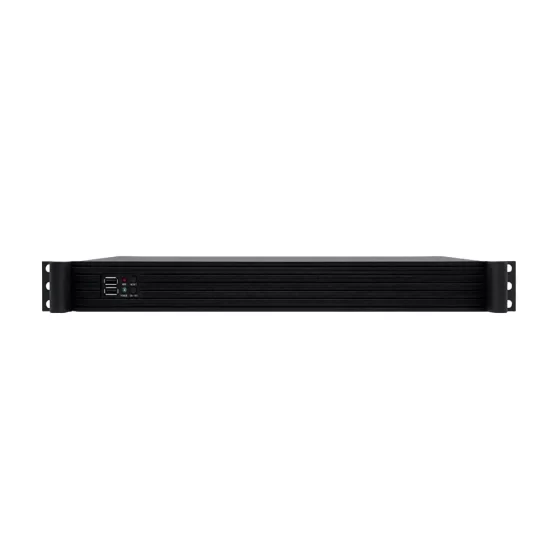
أجهزة الكمبيوتر الصناعية
مناسبة ل:
- Medical imaging systems
- Laboratory automation
- Diagnostic workstations
المزايا:
- قدرة معالجة عالية
- دعم الإدخال/الإخراج الغني
- مرونة التوسع
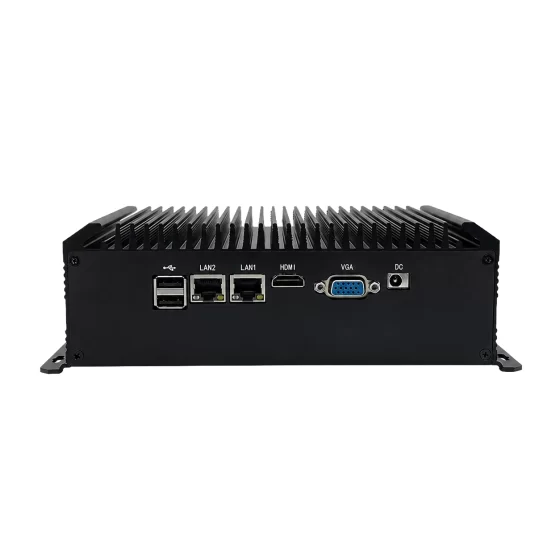
أجهزة الكمبيوتر الصناعية بدون مروحة
مناسبة ل:
- بيئات الرعاية الصحية الهادئة
- أنظمة التشخيص السريري
- تطبيقات التشغيل المستمر
المزايا:
- انخفاض الصيانة
- تحسين الموثوقية
- عملية صامتة
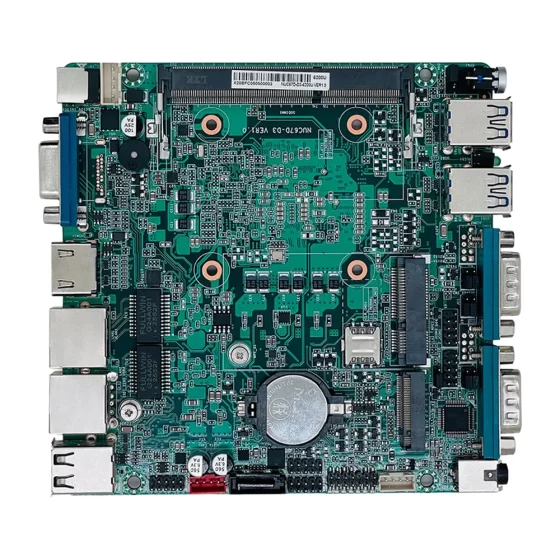
أجهزة الكمبيوتر المدمجة
مناسبة ل:
- أجهزة التشخيص المحمولة
- أنظمة نقاط الرعاية
- محللين طبيين
المزايا:
- تصميم مدمج
- انخفاض استهلاك الطاقة
- التكامل السهل
أجهزة الكمبيوتر المدمجة
مناسبة ل:
- وحدات التحكم التشخيصية
- البوابات الطبية
- عقد معالجة الحافة
المزايا:
- البناء وعرة
- نشر مرن
- الموثوقية الصناعية
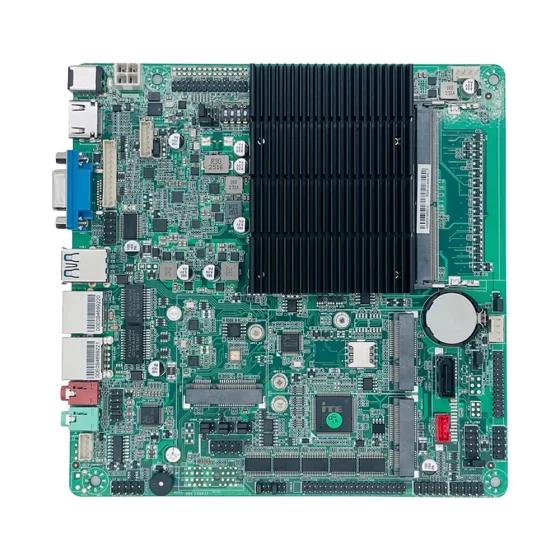
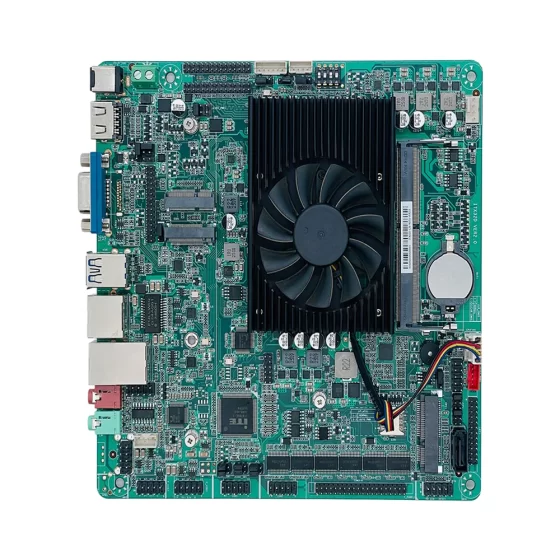
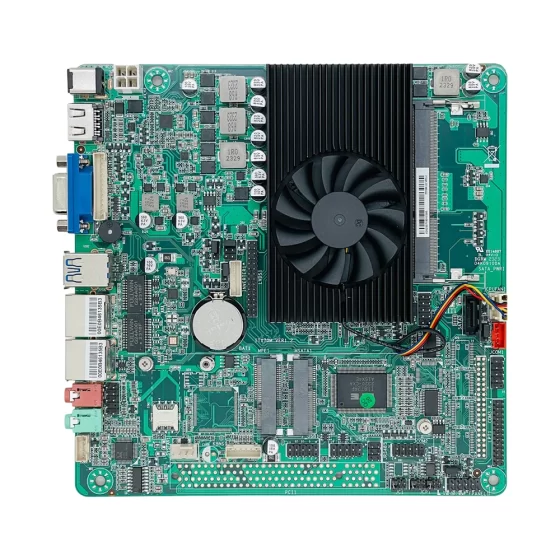
اللوحات الأم Mini-ITX
مناسبة ل:
- المعدات الطبية OEM
- Diagnostic workstations
- أنظمة الرعاية الصحية المخصصة
المزايا:
- التخصيص المرن
- قدرات التوسع الغنية
- دعم دورة حياة طويلة
3.5-بوصة SBCs
مناسبة ل:
- أدوات التشخيص المدمجة
- أجهزة الرعاية الصحية المحمولة
- الأنظمة الطبية المدمجة
المزايا:
- تصميم موفر للمساحة
- التكامل المضمن
- عملية موثوقة
تحديات بناء التشكيلة الملحمية
مناسبة ل:
- أنظمة تصوير متطورة
- منصات تشخيصية متعددة الواجهات
- أجهزة طبية عالية الأداء
المزايا:
- توسيع موارد الإدخال/الإخراج
- الموثوقية الصناعية
- أداء حاسوبي قوي
لوحات مدمجة مخصصة
مناسبة ل:
- معدات تشخيصية متخصصة
- مشاريع تصنيع المعدات الأصلية الطبية
- أجهزة الرعاية الصحية الخاصة
المزايا:
- تصميم خاص بالتطبيق
- وظائف محسنة
- التمييز التنافسي بين المنتجات
سيناريوهات النشر
أنظمة التصوير التشخيصي الذكية
تقوم أجهزة الكمبيوتر الصناعية بالحصول على الصور, تعزيز, والتحليل لتطبيقات التصوير الطبي.
منصات علم الأمراض الرقمية
تقوم أجهزة الكمبيوتر المضمنة بمعالجة الصور المرضية عالية الدقة ودعم سير العمل التشخيصي بمساعدة الذكاء الاصطناعي.
أتمتة المختبرات السريرية
يستخدم المحللون التشخيصيون أجهزة الكمبيوتر الصناعية للتحكم في المعدات, معالجة العينات, وإدارة البيانات.
أجهزة تشخيص نقطة الرعاية
تعمل الأنظمة الأساسية المدمجة على تمكين أنظمة التشخيص المحمولة المستخدمة في العيادات, أقسام الطوارئ, ومرافق الرعاية الصحية النائية.
البنية التحتية للتطبيب عن بعد
تدعم منصات الحوسبة المتطورة التشخيص عن بعد والنقل الآمن لبيانات الرعاية الصحية.
معدات البحوث الطبية
تستفيد أدوات التشخيص المتقدمة من منصات الحوسبة الصناعية لجمع البيانات, يعالج, والتحليلات.
فوائد الأعمال
يمكن للمنظمات التي تنشر منصات الحوسبة الصناعية لمعدات التشخيص تحقيق تحسينات قابلة للقياس.
تقليل وقت التوقف عن العمل
تقلل الموثوقية من الدرجة الصناعية من حالات الفشل غير المتوقعة وتحسن من توفر المعدات.
زيادة الإنتاجية
تعمل المعالجة الأسرع على تسريع سير العمل التشخيصي وتحسين الإنتاجية السريرية.
انخفاض تكاليف الصيانة
تعمل التصميمات والمكونات الصناعية بدون مروحة على تقليل متطلبات الصيانة.
تحسين دقة التشخيص
تتيح الحوسبة عالية الأداء إجراء تحليلات متقدمة ودعم اتخاذ القرار بمساعدة الذكاء الاصطناعي.
تعزيز الرؤية التشغيلية
توفر الأنظمة المتصلة مراقبة في الوقت الفعلي وإدارة مركزية.
قابلية التوسع بشكل أفضل
تدعم البنى المرنة ترقيات البرامج المستقبلية واعتماد التكنولوجيا.
لماذا كورIPC
تتخصص CoreIPC في الحوسبة الصناعية وحلول الأجهزة المدمجة للتطبيقات كثيرة المتطلبات.
يوفر CoreIPC:
خبرة في مجال الحوسبة الصناعية
خبرة واسعة في منصات الحوسبة الصناعية للبيئات المدمجة وذات المهام الحرجة.
خدمات تصنيع المعدات الأصلية وتصنيع التصميم الشخصي مرنة
دعم تطوير الأجهزة المخصصة بما يتناسب مع المتطلبات الخاصة بالتطبيقات.
تطوير الأجهزة المدمجة
اللوحة الأم المخصصة وإمكانيات تصميم النظام المدمج.
دعم دورة الحياة الطويلة
منصات أجهزة مستقرة مناسبة لاستراتيجيات النشر طويلة المدى.
جودة صناعية
مصممة للموثوقية, استقرار, والتشغيل المستمر.
دعم المشاريع العالمية
الدعم الطبي, الأتمتة الصناعية, منظمة العفو الدولية, مواصلات, ومشاريع الحوسبة المدمجة في جميع أنحاء العالم.
الأسئلة المتداولة
1. ما هو جهاز الكمبيوتر لمعدات التشخيص?
كمبيوتر معدات التشخيص عبارة عن منصة حوسبة مدمجة في أنظمة التشخيص الطبي للتحكم في الجهاز, معالجة البيانات, تحليل الصورة, الاتصال, ووظائف واجهة المستخدم.
2. لماذا استخدام الكمبيوتر الصناعي في التشخيص الطبي?
توفر أجهزة الكمبيوتر الصناعية موثوقية أعلى, دعم دورة حياة أطول, اتصال أكبر, وتحسين الاستقرار مقارنة بالأنظمة المخصصة للمستهلكين.
3. يمكن لأجهزة الكمبيوتر المدمجة دعم تطبيقات التصوير الطبي?
نعم. يمكن لأجهزة الكمبيوتر المدمجة معالجة الصور الطبية, إدارة أجهزة التصوير, ودعم سير العمل التشخيصي بمساعدة الذكاء الاصطناعي وفقًا لمتطلبات النظام.
4. ما هي الواجهات المطلوبة عادة في معدات التشخيص?
تتضمن الواجهات الشائعة إيثرنت, USB, المنافذ التسلسلية, عرض المخرجات, وواجهات التوسعة للأجهزة الطرفية المتخصصة.
5. هل الأنظمة بدون مروحة مناسبة لبيئات الرعاية الصحية؟?
نعم. تصميمات بدون مروحة تقلل الضوضاء, تحسين الموثوقية, وتقليل متطلبات الصيانة.
6. كيف تفيد حوسبة الحافة أنظمة التشخيص؟?
تعمل حوسبة الحافة على تقليل زمن الوصول, يحسن الخصوصية, ويتيح معالجة البيانات المحلية لاستجابات تشخيصية أسرع.
7. هل يمكن لأجهزة الكمبيوتر الصناعية أن تتكامل مع أنظمة معلومات المستشفيات?
نعم. يمكن لمنصات الحوسبة الصناعية أن تدعم التكامل مع HIS, السجلات الطبية الإلكترونية, ليس, باكس, وأنظمة الرعاية الصحية الأخرى.
8. How important is lifecycle support in medical devices?
Medical equipment often remains deployed for many years, making long-term hardware availability extremely important.
9. Can AI run on embedded diagnostic platforms?
نعم. Modern embedded computing platforms can support AI inference for imaging analysis and diagnostic assistance.
10. What are the advantages of custom embedded boards?
Custom embedded boards allow manufacturers to optimize size, functionality, الاتصال, and performance for specific diagnostic equipment.
11. Are industrial computers suitable for laboratory automation?
نعم. Industrial computers are widely used in laboratory analyzers, sample processing systems, and automation equipment.
12. How can remote management improve diagnostic equipment maintenance?
Remote monitoring allows proactive diagnostics, software updates, and maintenance planning, تقليل تكاليف الخدمة ووقت التوقف عن العمل.
خاتمة
تعتمد تشخيصات الرعاية الصحية الحديثة بشكل متزايد على بنية تحتية حاسوبية موثوقة قادرة على دعم التصوير المتقدم, معالجة البيانات في الوقت الحقيقي, التحليل بمساعدة الذكاء الاصطناعي, والنظم البيئية الطبية المتصلة. توفر أجهزة الكمبيوتر الصناعية وأجهزة الكمبيوتر المدمجة الاستقرار, أداء, الاتصال, ودعم دورة الحياة المطلوب لمعدات التشخيص من الجيل التالي. من خلال اعتماد منصة حوسبة معدات التشخيص قابلة للتطوير, يمكن لمصنعي الأجهزة الطبية ومنظمات الرعاية الصحية تحسين الموثوقية, تسريع الابتكار, وبناء حلول تشخيصية جاهزة للمستقبل تلبي متطلبات الرعاية الصحية المتطورة.
اتصل بنا
هل تبحث عن منصة الحوسبة المناسبة لمشروع معدات التشخيص الخاص بك?
يوفر CoreIPC أجهزة الكمبيوتر الصناعية, أجهزة الكمبيوتر المدمجة, تطوير أجهزة OEM, خدمات أوديإم, وحلول اللوحات المدمجة المخصصة المصممة خصيصًا لتطبيقات الرعاية الصحية والتشخيص.
اتصل بفريقنا الهندسي اليوم من أجل:
- المساعدة في اختيار المنتج
- استشارات هندسة الحلول
- مشاريع الأجهزة الطبية OEM
- تطوير الأجهزة ODM
- منصات الحوسبة المدمجة المخصصة