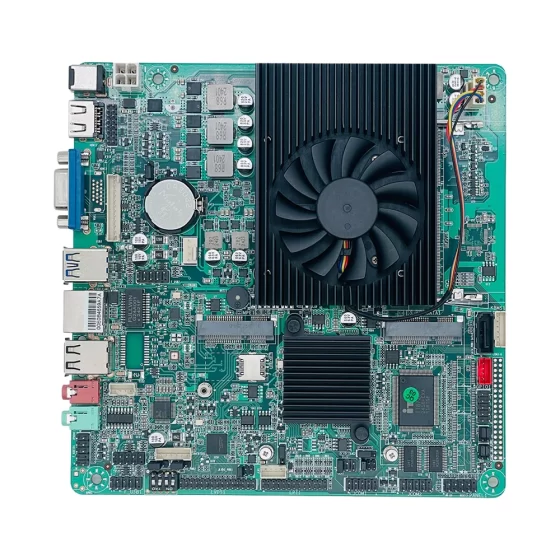
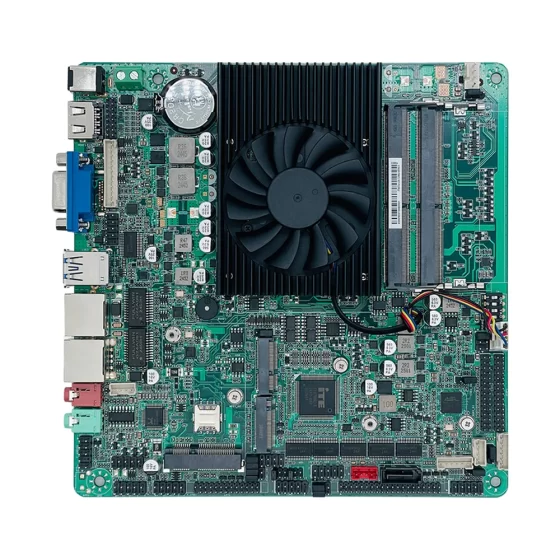
حلول الحوسبة الصناعية CoreIPC

الكمبيوتر الصناعي للتصوير الطبي: كمبيوتر التصوير الطبي لتكامل معدات الرعاية الصحية
ملخص تنفيذي
يوفر كمبيوتر التصوير الطبي أساس الحوسبة الصناعية لمعدات التصوير التشخيصي, اكتساب الصورة, التحكم في الأجهزة الطبية, معالجة البيانات المحلية, تصور محطة العمل, إدارة التخزين, وتكامل نظام الرعاية الصحية.
تتطلب أنظمة التصوير الطبي أجهزة حاسوبية موثوقة. أنظمة الموجات فوق الصوتية, منصات التنظير, معدات التصوير الشعاعي الرقمي, أجهزة تصوير الأسنان, أنظمة التصوير الباثولوجي, معدات تصوير العيون, أدوات التصوير المختبري, وآلات الفحص الطبي كلها تعتمد على التقاط البيانات بشكل مستقر, عرض صورة دقيقة, عملية سريعة الاستجابة, والتعامل الآمن مع البيانات.
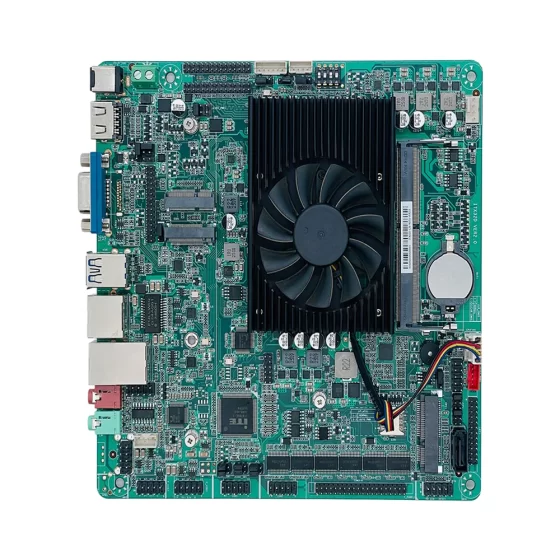
يمكن استخدام الكمبيوتر الصناعي أو الكمبيوتر المدمج داخل أو بالقرب من معدات التصوير الطبي لدعم وحدات الحصول على الصور, واجهات الكاميرا, أجهزة الاستشعار, لوحات التحكم, أنظمة العرض, التخزين المحلي, محطات العمل الطبية, شبكات المستشفيات, ومنصات بيانات الرعاية الصحية.
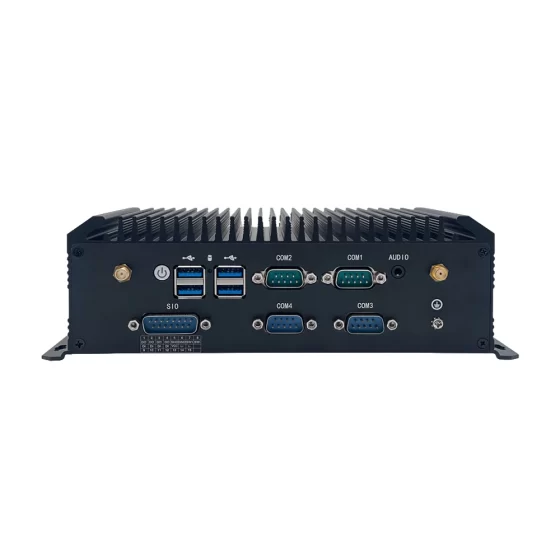
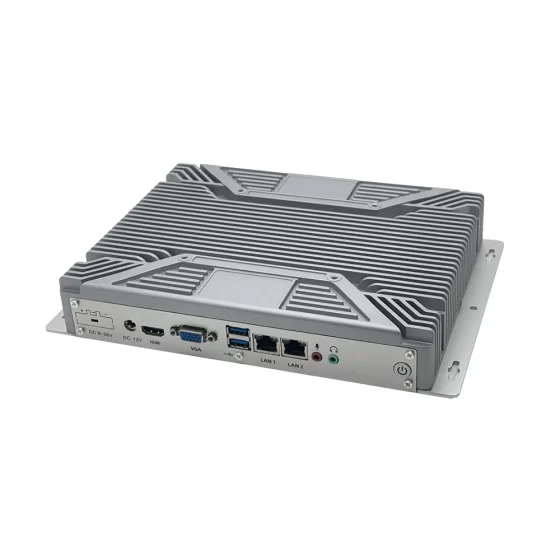
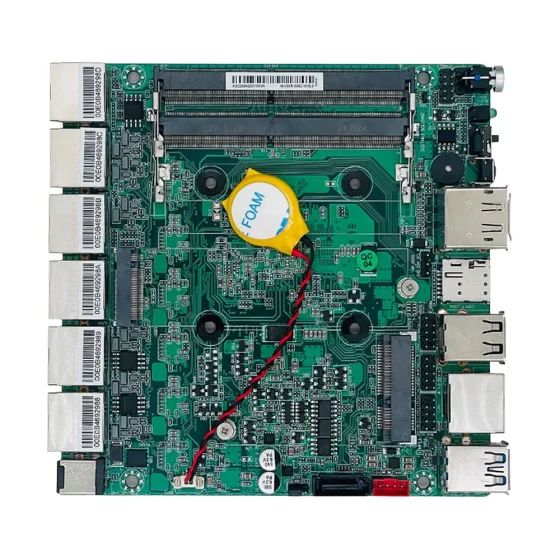
بالمقارنة مع أجهزة الكمبيوتر المكتبية القياسية, تعد أجهزة الكمبيوتر الصناعية أكثر ملاءمة لتكامل معدات التصوير الطبي لأنها تدعم التصميم القوي, تركيب مدمج, خيارات التشغيل بدون مروحة, مدخلات الطاقة مستقرة, تخزين موثوق, توافر دورة حياة طويلة, واجهات الإدخال/الإخراج المتعددة, وتخصيص OEM/ODM.
تشرح هذه المقالة كيف تدعم منصات الكمبيوتر الخاصة بالتصوير الطبي معدات الرعاية الصحية, ما هي تحديات النشر التي تظهر في بيئات التصوير الطبي, كيف تعمل بنية الحل, وما هي ميزات الأجهزة المهمة عند اختيار كمبيوتر صناعي أو كمبيوتر مضمن لتطبيقات التصوير الطبي.

الحصول على بيانات التصوير الطبي
نظرة عامة على الصناعة
يتطلب التصوير الطبي حوسبة مستقرة
يلعب التصوير الطبي دورًا مهمًا في تشخيص الرعاية الصحية, تقتيش, دعم العلاج, وسير العمل المختبري.
قد تلتقط أنظمة التصوير, عملية, عرض, محل, ونقل المعلومات المرئية من المرضى, عينات, الأدوات, أو الأجهزة الطبية.
تشمل تطبيقات التصوير الطبي الشائعة:
- التصوير بالموجات فوق الصوتية
- تصوير التنظير
- التصوير الشعاعي الرقمي
- تصوير الأسنان
- تصوير العيون
- تصوير شرائح علم الأمراض
- التصوير المختبري
- أنظمة الفحص الطبي
- دعم التصوير الجراحي
- تصوير الأمراض الجلدية
- أنظمة التصوير لإعادة التأهيل
- منصات تصور الأجهزة الطبية
يتطلب كل تطبيق الحصول على صور موثوقة وأداء حاسوبي مستقر.
يوفر كمبيوتر التصوير الطبي طبقة الأجهزة المحلية التي تدعم هذه الوظائف.
أصبحت معدات التصوير أكثر اتصالاً
لم تعد معدات التصوير الطبي الحديثة مجرد أجهزة معزولة.
قد تحتاج إلى الاتصال بشبكات المستشفى, محطات العمل الطبية, أنظمة تخزين الصور, نظم معلومات المريض, منصات الخدمة عن بعد, وتطبيقات الرعاية الصحية المستندة إلى السحابة.
قد يحتاج نظام التصوير الطبي إلى الدعم:
- الحصول على الصور
- عرض الصور في الوقت الحقيقي
- معالجة الصور المحلية
- التحليل بمساعدة الذكاء الاصطناعي
- التحكم في الجهاز
- جمعية سجل المريض
- تخزين البيانات
- اتصالات الشبكة
- التشخيص عن بعد
- مراقبة صحة النظام
- تكامل سير العمل في المستشفى
وهذا يتطلب منصة حوسبة مدمجة موثوقة.
الحوسبة الصناعية تدعم صانعي معدات الرعاية الصحية
يحتاج مصنعو معدات التصوير الطبي إلى منصات حاسوبية يمكن دمجها في حاويات مدمجة, التحقق من صحتها مع البرمجيات, ويتم توفيرها باستمرار على مدار دورات حياة المنتج الطويلة.
يمكن أن تؤثر تغييرات الأجهزة على برامج التشغيل, برامج التصوير, الوثائق التنظيمية, التصميم الحراري, الهيكل الميكانيكي, وإجراءات الخدمة.
تدعم أجهزة الكمبيوتر الصناعية وأجهزة الكمبيوتر المدمجة تخطيط النظام الأساسي الأكثر استقرارًا من أجهزة الكمبيوتر الاستهلاكية.
كما أنها توفر تكوينات أجهزة مرنة لتصميمات معدات التصوير المختلفة.

تحديات تكامل التصوير الطبي
التحديات الرئيسية
دعم الحصول على الصور ومعالجتها
غالبًا ما تتطلب أنظمة التصوير الطبي التقاطًا مستقرًا للصور ومعالجتها.
قد يحتاج الكمبيوتر إلى توصيل الكاميرات, أجهزة الاستشعار, لوحات الاستحواذ, وحدات التصوير, لوحات العرض, أجهزة التخزين, وأنظمة التحكم.
قد تتطلب بيانات الصورة معالجة في الوقت الحقيقي.
وتشمل الاعتبارات الهامة:
- دقة الصورة
- معدل الإطار
- واجهة الكاميرا
- واجهة الاستشعار
- معالجة عبء العمل
- سرعة الكتابة للتخزين
- عرض الإخراج
- نقل الشبكة
- توافق البرامج
- التصميم الحراري
يجب تحديد النظام الأساسي وفقًا لعبء عمل التصوير الفعلي.
الحفاظ على أداء العرض الموثوق
تعتمد أنظمة التصوير الطبي على إخراج العرض الدقيق والمستقر.
الأطباء, الفنيين, موظفي المختبر, أو قد يحتاج المشغلون إلى عرض الصور بوضوح والتفاعل مع النظام بسرعة.
قد يحتاج الكمبيوتر إلى دعم شاشات العرض عالية الدقة, شاشات متعددة, عملية تعمل باللمس, محطات العمل المحلية, أو لوحات العرض المدمجة.
يعد أداء الرسومات المستقر وواجهات العرض الموثوقة أمرًا مهمًا لسهولة استخدام المشغل.
دمج الأجهزة والأدوات الطبية
قد يحتاج كمبيوتر التصوير الطبي إلى توصيل العديد من أنواع الأجهزة.
قد تشمل هذه:
- أجهزة استشعار الصورة
- الكاميرات الصناعية
- كاميرات طبية
- وحدات الاستحواذ
- وحدات تحكم الإضاءة
- مراحل الحركة
- لوحات اللمس
- دواسات القدم
- لوحات التحكم
- قارئات الباركود
- الطابعات
- أجهزة التخزين
- معدات الشبكة
قد تتطلب تصميمات المعدات المختلفة شبكة LAN, USB, RS232, RS485, جيبيو, الإدخال/الإخراج الرقمي, بكيي, م.2, اتش دي ام اي, أو منفذ العرض.
يساعد الإدخال/الإخراج المرن منشئي المعدات على تقليل المحولات الخارجية وتبسيط عملية التكامل.
إدارة التخزين المحلي وأمن البيانات
يمكن أن تكون بيانات التصوير الطبي كبيرة.
الصور, أشرطة الفيديو, مسح السجلات, الملفات المرتبطة بالمريض, سجلات الجهاز, وقد تتطلب التقارير التشخيصية تخزينًا محليًا موثوقًا به.
يجب أن يدعم النظام الوصول السريع للتخزين ومعالجة البيانات الخاضعة للتحكم.
وينبغي النظر في تخطيط التخزين:
- حجم ملف الصورة
- حجم بيانات الفيديو
- ذاكرة التخزين المؤقت للصورة
- حجم قاعدة البيانات المحلية
- سجلات النظام
- سير عمل النسخ الاحتياطي
- سياسة الاحتفاظ بالبيانات
- إجراء الاسترداد
- التحكم في الوصول
- مراقبة صحة التخزين
يمكن أن يؤدي تخزين SSD أو NVMe الموثوق به إلى تحسين الأداء ومقاومة الصدمات.
دعم التشغيل المستمر والهادئ
تتطلب العديد من بيئات الرعاية الصحية أنظمة منخفضة الضوضاء ومنخفضة الصيانة.
يمكن لأجهزة الكمبيوتر الصناعية بدون مروحة تقليل الضوضاء وإزالة نقطة عطل ميكانيكية واحدة.
وهذا مفيد للعربات الطبية, غرف سريرية, محطات عمل التصوير, معدات التشخيص المحمولة, والأجهزة الطبية المغلقة.
لكن, يجب التحقق من صحة التصميم الحراري بدون مروحة بعناية عندما يتعامل النظام مع التصوير المستمر, عرض عالي الدقة, المعالجة المحلية, ويكتب التخزين.
دعم دورات حياة المنتج الطويلة
غالبًا ما تتمتع معدات التصوير الطبي بدورات تطوير ونشر طويلة.
قد تتطلب تغييرات الأجهزة إعادة التحقق من صحة البرنامج, إعادة التصميم الميكانيكي, تحديثات الوثائق, والتدريب على الخدمة.
يعد توفر دورة حياة طويلة أمرًا مهمًا لمصنعي المعدات.
تساعد منصة الكمبيوتر المضمنة والمستقرة في الحفاظ على صور النظام المتسقة, السائقين, واجهات, وقطع الغيار عبر أجيال المنتجات المتعددة.

التصوير الطبي هندسة الكمبيوتر
التصوير الطبي هندسة الحلول الحاسوبية
طبقة جهاز التصوير
تشتمل طبقة جهاز التصوير على معدات التصوير الطبي والمكونات المتصلة.
قد تشمل هذه الطبقة:
- كاميرات طبية
- أجهزة استشعار الصورة
- وحدات الموجات فوق الصوتية
- وحدات التنظير
- وحدات التصوير بالأشعة السينية
- أجهزة تصوير الأسنان
- أنظمة التصوير البصري
- ماسحات علم الأمراض
- كاميرات المختبرات
- مراحل الحركة
- وحدات تحكم الإضاءة
- لوحات التحكم
تقوم هذه الأجهزة بإنشاء بيانات الصورة, إشارات الجهاز, ومعلومات حالة التشغيل.
طبقة الكمبيوتر للتصوير الطبي
طبقة كمبيوتر التصوير الطبي هي منصة الحوسبة المحلية.
عند هذه الطبقة, قد يكون الكمبيوتر الصناعي أو الكمبيوتر المدمج:
- الحصول على بيانات الصورة
- تشغيل برامج التصوير
- عرض الصور الطبية
- معالجة بيانات الصورة المحلية
- التحكم في الأجهزة المتصلة
- تخزين سجلات الصور
- إدارة سجلات النظام
- دعم برامج واجهة المستخدم
- ربط شبكات المستشفيات
- دعم التشخيص عن بعد
توفر هذه الطبقة الأساس الحاسوبي لمعدات التصوير.
طبقة اتصالات الجهاز
تقوم طبقة الاتصال بتوصيل الكمبيوتر بوحدات التصوير وأجهزة النظام.
قد تشمل:
- لان
- USB
- RS232
- RS485
- جيبيو
- الإدخال/الإخراج الرقمي
- بكيي
- م.2
- اتش دي ام اي
- منفذ العرض
- واجهات التخزين
- واجهات الكاميرا الصناعية
يعتمد تصميم الاتصال الدقيق على بنية معدات التصوير.
التصور وطبقة واجهة المستخدم
تدعم طبقة التصور عرض الصور وتفاعل المشغل.
قد تشمل:
- شاشات طبية
- لوحات تعمل باللمس
- المراقبين المحليين
- شاشات محطات العمل
- واجهات التحكم بالمشغل
- لوحات معلومات برامج التصوير
- شاشات سير عمل المريض
- شاشات صيانة
يجب أن يدعم الكمبيوتر التصور المستقر والتفاعل سريع الاستجابة.
طبقة تكامل نظام الرعاية الصحية
قد تتصل أنظمة التصوير الطبي بمنصات الرعاية الصحية عالية المستوى.
قد تشمل هذه:
- نظم معلومات المستشفيات
- أنظمة تخزين الصور
- محطات العمل الطبية
- قواعد البيانات المحلية
- منصات الخدمة عن بعد
- المنصات السحابية للرعاية الصحية
- نظم المعلومات المخبرية
- أنظمة إدارة الأجهزة
يتيح هذا التكامل لبيانات الصورة ومعلومات الجهاز دعم سير العمل السريري والتشغيلي.
طبقة الأمن والإدارة
تدعم طبقة الأمان والإدارة الوصول المتحكم فيه وإمكانية الخدمة.
قد تشمل:
- أذونات المستخدم
- تجزئة الشبكة
- تأمين الوصول عن بعد
- التسجيل المحلي
- النسخ الاحتياطي التكوين
- مراقبة التخزين
- مراقبة صحة النظام
- إدارة تحديث البرامج
- تشخيص الجهاز
- التحكم في الوصول
يجب على الشركات المصنعة لمعدات الرعاية الصحية ومتكاملي الأنظمة مواءمة متطلبات الأمان والتحقق مع تطبيقاتهم ومسؤولياتهم التنظيمية.
الميزات الرئيسية
دعم موثوق للحصول على الصور
يجب أن يدعم كمبيوتر التصوير الطبي الحصول على الصور بشكل ثابت من أجهزة التصوير المتصلة.
ينبغي النظر في اختيار الأجهزة:
- واجهة الكاميرا
- واجهة الاستشعار
- عرض النطاق الترددي USB
- عرض النطاق الترددي للشبكة المحلية
- توسيع PCIe
- دقة الصورة
- معدل الإطار
- احتياجات التخزين المؤقت
- سرعة التخزين
- بيئة تشغيل البرمجيات
يجب اختبار النظام الأساسي باستخدام وحدات تصوير حقيقية وأعباء عمل صور حقيقية.
دعم العرض عالي الدقة
غالبًا ما تتطلب تطبيقات التصوير الطبي تصورًا واضحًا ومستقرًا.
قد تتضمن ميزات العرض المفيدة:
- مخرج اتش دي ام اي
- مخرج ديسبلاي بورت
- دعم العرض المتعدد
- دعم شاشة اللمس
- عرض صورة عالية الدقة
- أداء رسومي مستقر
- دعم اللوحة المدمجة
- دعم مراقبة محطة العمل
يجب أن يتطابق تكوين العرض النهائي مع برنامج التصوير الطبي وسير عمل المشغل.
تصميم مدمج مدمج
تحتوي العديد من أنظمة التصوير الطبي على مساحة داخلية محدودة.
يمكن دمج الكمبيوتر المدمج المدمج في حاويات الجهاز, المعدات المحمولة, عربات طبية, محطات التصوير, وأنظمة تصنيع المعدات الأصلية.
تساعد الأجهزة المدمجة على تقليل أثر النظام وتبسيط التصميم الميكانيكي.
لمصنعي المعدات, يمكن لمنصات IPC المدمجة المدمجة أن تدعم تصميمات منتجات أكثر مرونة.
عملية بدون مروحة ومنخفضة الصيانة
يعد التصميم بدون مروحة ذا قيمة للعديد من تطبيقات الرعاية الصحية.
إنه يقلل من الضوضاء ويزيل نقطة فشل ميكانيكية شائعة.
وهذا مفيد ل:
- غرف التصوير السريري
- عربات التشخيص
- محطات العمل الطبية
- أنظمة التصوير المختبري
- الأجهزة من جانب المريض
- معدات التصوير المحمولة
- تصاميم المعدات المغلقة
يجب التحقق من صحة الأداء الحراري في ظل أعباء عمل التصوير الحقيقي والظروف المحيطة.
الإدخال/الإخراج الصناعي المرن
قد تتطلب أنظمة التصوير الطبي العديد من الواجهات.
قد تشمل الخيارات المفيدة:
- لان
- USB
- RS232
- RS485
- جيبيو
- الإدخال الرقمي
- الإخراج الرقمي
- اتش دي ام اي
- منفذ العرض
- م.2
- بكيي
- تخزين SATA أو NVMe
تدعم هذه الواجهات الكاميرات, أجهزة الاستشعار, لوحات التحكم, يعرض, قارئات الباركود, الطابعات, أجهزة الخدمة, واتصالات الشبكة.
التخزين المحلي والتخزين المؤقت للبيانات
قد تحتاج أنظمة التصوير إلى تخزين محلي موثوق للصور, أشرطة الفيديو, سجلات, الملفات المؤقتة, بيانات البرمجيات, والسجلات التشخيصية.
يُفضل عادةً تخزين SSD أو NVMe لأنه يوفر وصولاً سريعًا ومقاومة أفضل للصدمات مقارنة بمحركات الأقراص الميكانيكية.
ينبغي النظر في تصميم التخزين:
- حجم الصورة
- حجم ملف الفيديو
- ذاكرة التخزين المؤقتة
- سرعة الكتابة
- احتياجات الاحتفاظ
- سير عمل النسخ الاحتياطي
- عملية الاسترداد
- متطلبات أمن البيانات
يعمل التخزين الموثوق على تحسين استقرار النظام وإمكانية الخدمة.
حافة الذكاء الاصطناعي والقدرة على معالجة الصور
تستخدم بعض أنظمة التصوير الطبي معالجة متقدمة للصور أو وظائف مدعومة بالذكاء الاصطناعي.
قد يدعم الكمبيوتر المعالجة المحلية لتحسين الصورة, كشف الميزة, أتمتة سير العمل, أو المعالجة المسبقة لدعم القرار.
ينبغي النظر في اختيار الأجهزة:
- أداء وحدة المعالجة المركزية
- سعة الذاكرة
- GPU اختياري أو مسرع AI
- حجم النموذج
- دقة الصورة
- تردد الاستدلال
- إطار البرمجيات
- التصميم الحراري
مطلوب التحقق من الصحة الخاصة بالتطبيق قبل النشر.
دعم الشبكة والخدمة عن بعد
قد تحتاج أنظمة التصوير الطبي إلى الصيانة عن بعد ودعم البرامج.
قد يدعم الكمبيوتر التشخيص الآمن عن بعد, مراجعة السجل, مراقبة صحة النظام, النسخ الاحتياطي التكوين, وتحديثات البرامج التي تسيطر عليها.
يجب أن يأخذ تصميم الشبكة في الاعتبار متطلبات تكنولوجيا المعلومات الخاصة بالمستشفى, التحكم في الوصول, معالجة البيانات, وتجزئة النظام.
توافر دورة حياة طويلة
غالبًا ما تتطلب معدات التصوير الطبي أجهزة مستقرة على مدار سنوات عديدة.
يساعد توفر دورة الحياة الطويلة في الحفاظ على:
- صور البرمجيات
- السائقين
- التصوير SDKs
- التصميم الميكانيكي
- الوثائق التنظيمية
- قطع غيار
- إجراءات الخدمة
- سير عمل التحقق من الصحة
يعد هذا أمرًا مهمًا لمصنعي معدات OEM ومتكاملي أنظمة الرعاية الصحية.

عمليات معدات التصوير الطبي
سيناريوهات النشر
معدات التصوير بالموجات فوق الصوتية
تتطلب أنظمة الموجات فوق الصوتية معالجة مستقرة للإشارات, عرض الصورة, تخزين, وتشغيل واجهة المستخدم.
يمكن لكمبيوتر التصوير الطبي أن يدعم برامج التصوير المحلية, عرض الإخراج, إدارة التخزين, والاتصال بالشبكة.
وهذا يساعد صانعي المعدات على إنشاء منصات تشخيصية موثوقة.
أنظمة التصوير بالمنظار
تتطلب أنظمة التنظير التقاط الصور, عرض الفيديو, التحكم في الإضاءة, تخزين, وتفاعل المشغل.
يمكن للكمبيوتر المدمج أن يدعم معالجة الفيديو في الوقت الفعلي, عرض الإخراج, اتصالات الجهاز, وتسجيل النظام.
وهذا يدعم تصميم معدات التنظير المدمجة والموثوقة.
محطات عمل التصوير الشعاعي الرقمي
تتطلب أنظمة التصوير الشعاعي الرقمي الحصول على الصور, المعالجة المحلية, عرض, تخزين, واتصال شبكة المستشفى.
يمكن للكمبيوتر الصناعي أن يدعم برامج التصوير, الوصول إلى التخزين, نقل الشبكة, وتشغيل محطة العمل.
وهذا يحسن تكامل سير العمل.
أنظمة تصوير الأسنان
قد تتطلب معدات تصوير الأسنان أجهزة مدمجة, عرض مستقر, تخزين الصور, وتكامل سير العمل في العيادة.
يمكن للكمبيوتر المدمج أن يدعم أجهزة التصوير, البرامج المحلية, لوحات العرض, والاتصال بالشبكة.
وهذا يدعم أنظمة التصوير بجانب الكرسي أو محطة العمل.
علم الأمراض والتصوير المختبري
قد تستخدم أنظمة التصوير الباثولوجي والمختبري الكاميرات, المجاهر, ماسحات الشرائح, وحدات الإضاءة, وقواعد البيانات المحلية.
يستطيع كمبيوتر التصوير الطبي جمع الصور, بيانات العملية, تخزين السجلات, والتواصل مع منصات المختبر.
وهذا يدعم سير عمل المختبرات الرقمية.
معدات تصوير العيون
قد تتطلب أنظمة تصوير العيون تكامل الكاميرا, التحكم الدقيق بالجهاز, عرض الصورة, وإدارة سجلات المرضى.
يمكن للكمبيوتر المدمج أن يدعم برامج التصوير المحلية, واجهات الجهاز, واتصالات الشبكة.
وهذا يدعم معدات التشخيص المدمجة.
عربة التصوير الطبي أو محطة العمل المتنقلة
تتطلب محطات العمل الطبية المتنقلة حوسبة مدمجة, عملية منخفضة الضوضاء, تخزين موثوق, دعم العرض, والاتصال بالشبكة.
يمكن للكمبيوتر المدمج بدون مروحة أن يدعم سير عمل التصوير المحمول ومعالجة البيانات المحلية.
وهذا يساعد على تقليل الصيانة والضوضاء في المساحات السريرية.
منصة التصوير الطبي OEM
يمكن لمصنعي الأجهزة الطبية دمج أجهزة الكمبيوتر الصناعية أو اللوحات المدمجة في أنظمة التصوير المخصصة.
يمكن للمنصة دعم الحصول على الصور, المعالجة المحلية, عرض, تخزين, التشخيص عن بعد, والإدخال/الإخراج الخاص بالعميل.
وهذا يساعد في إنشاء منصات معدات التصوير الطبي القابلة للتكرار.
فوائد الأعمال
تحسين موثوقية نظام التصوير
يوفر كمبيوتر التصوير الطبي حوسبة مستقرة للحصول على الصور, عرض, تخزين, واتصالات الجهاز.
تساعد الأجهزة الصناعية على تقليل عدم استقرار النظام وتدعم التشغيل المستمر في معدات الرعاية الصحية.
وهذا يحسن موثوقية المعدات.
تكامل أفضل لمعدات OEM
توفر أجهزة الكمبيوتر الصناعية وأجهزة الكمبيوتر المدمجة واجهات مرنة للكاميرات, أجهزة الاستشعار, لوحات التحكم, يعرض, تخزين, وأنظمة الشبكات.
وهذا يساعد صانعي المعدات الطبية على دمج الأجهزة بشكل أكثر كفاءة.
يمكن للمنصة المتسقة تبسيط عملية تطوير المنتج.
تقليل مخاطر الصيانة
خيارات التشغيل بدون مروحة, تخزين موثوق, البناء الوعرة, تركيب آمن, ويساعد مدخلات الطاقة المستقرة على تقليل مخاطر الصيانة.
وهذا أمر ذو قيمة للمعدات السريرية, محطات العمل التشخيصية, والأجهزة الطبية المنتشرة في مواقع متعددة.
سير عمل أسرع للصور
تتيح المعالجة والتخزين المحليان لأنظمة التصوير التعامل مع بيانات الصورة القريبة من الجهاز.
وهذا يدعم العرض سريع الاستجابة, مراجعة محلية, التخزين المؤقت المؤقت, والنقل المنظم إلى أنظمة الرعاية الصحية.
يساعد سير العمل الأفضل المشغلين على العمل بكفاءة أكبر.
أسهل خدمة عن بعد
يمكن أن تساعد التشخيصات عن بعد الشركات المصنعة للمعدات وفرق الخدمة على مراجعة السجلات, حالة النظام, صحة التخزين, إعدادات, وإصدارات البرامج.
يمكن أن يؤدي ذلك إلى تقليل وقت الخدمة في الموقع وتحسين كفاءة الدعم.
يجب تصميم التحكم في الوصول وسير عمل الخدمة الآمنة بعناية.
تطوير الأجهزة الطبية القابلة للتطوير
يمكن لمنصة كمبيوتر التصوير الطبي القياسية أن تدعم نماذج معدات متعددة أو أجيال من المنتجات.
تعمل الأجهزة المتسقة على تبسيط صور البرامج, التحقق من صحة السائق, التصميم الميكانيكي, تخطيط قطع الغيار, وإدارة دورة الحياة.
وهذا يدعم تطوير التصوير الطبي OEM القابل للتطوير.
لماذا كورIPC
توفر CoreIPC منصات الحوسبة الصناعية للتصوير الطبي, معدات الرعاية الصحية, رؤية الآلة, حافة الذكاء الاصطناعي, الأتمتة الصناعية, وتكامل النظام المدمج. لتطبيقات الكمبيوتر التصوير الطبي, يركز CoreIPC على أجهزة الكمبيوتر الصناعية الموثوقة, حلول الكمبيوتر المدمجة, تصميم نظام مدمج, خيارات النشر بدون مروحة, الإدخال/الإخراج المرن, تكوينات متعددة LAN, القدرة على التخزين المحلي, ودعم التخصيص OEM/ODM. يساعد CoreIPC الشركات المصنعة للمعدات الطبية, تكامل النظام, ويختار مقدمو حلول الرعاية الصحية منصات الحوسبة التي تتوافق مع متطلبات النشر الحقيقية, بما في ذلك عبء عمل التصوير, واجهات الجهاز, دعم العرض, تصميم التخزين, طريقة التركيب, مدخلات الطاقة, الظروف الحرارية, وتخطيط دورة الحياة.
الأسئلة المتداولة
1. ما هو كمبيوتر التصوير الطبي?
كمبيوتر التصوير الطبي عبارة عن منصة حوسبة صناعية أو مدمجة تستخدم داخل أو بالقرب من معدات التصوير الطبي.
قد يدعم الحصول على الصور, عرض الصورة, المعالجة المحلية, اتصالات الجهاز, تخزين, تسجيل النظام, برنامج واجهة المستخدم, وتكامل شبكة الرعاية الصحية.
2. لماذا نستخدم الكمبيوتر الصناعي لمعدات التصوير الطبي?
يوفر الكمبيوتر الصناعي أجهزة موثوقة لنشر المعدات على المدى الطويل.
يمكن أن يدعم التثبيت المدمج, تصميم متين, خيارات التشغيل بدون مروحة, مدخلات الطاقة مستقرة, تخزين موثوق, الإدخال/الإخراج المرن, وتوافر دورة حياة طويلة.
تعتبر هذه الميزات مفيدة لأنظمة التصوير الطبي OEM ومحطات عمل الرعاية الصحية.
3. كيف يتم استخدام الكمبيوتر المدمج في التصوير الطبي?
يمكن تركيب جهاز كمبيوتر مدمج داخل معدات التصوير, عربات التشخيص, وحدات التحكم, أو أنظمة محطات العمل.
يمكنه توصيل الكاميرات, أجهزة الاستشعار, لوحات الاستحواذ, يعرض, أجهزة التخزين, وأنظمة الشبكات أثناء تشغيل برامج التصوير وتطبيقات التحكم في الأجهزة.
4. ما هي تطبيقات التصوير الطبي التي يمكن أن تستخدم أجهزة الكمبيوتر المدمجة?
وتشمل التطبيقات التصوير بالموجات فوق الصوتية, أنظمة التنظير, محطات عمل التصوير الشعاعي الرقمي, تصوير الأسنان, تصوير العيون, التصوير الباثولوجي, التصوير المختبري, أنظمة الفحص الطبي, وعربات التصوير المتنقلة.
تعتمد المنصة النهائية على عبء عمل التصوير وتصميم النظام.
5. ما هي ميزات الأجهزة المهمة لأجهزة الكمبيوتر الخاصة بالتصوير الطبي؟?
تتضمن الميزات المهمة أداءً موثوقًا لوحدة المعالجة المركزية, ذاكرة كافية, USB, لان, بكيي, م.2, اتش دي ام اي, منفذ العرض, تخزين SSD أو NVMe, خيارات التصميم بدون مروحة, عامل الشكل المضغوط, الضميمة وعرة, مدخلات الطاقة الصناعية, وتوافر دورة حياة طويلة.
يجب أن يتطابق التكوين النهائي مع متطلبات معدات التصوير.
6. هل يمكن لأجهزة كمبيوتر التصوير الطبي دعم معالجة الصور بمساعدة الذكاء الاصطناعي؟?
نعم. يمكن لبعض أجهزة كمبيوتر التصوير الطبي دعم الذكاء الاصطناعي المتقدم أو معالجة الصور المتقدمة عند استخدام وحدة المعالجة المركزية الصحيحة, GPU, ذاكرة, مسرع, تخزين, ويتم تحديد بيئة البرمجيات.
مطلوب التحقق من الصحة الخاصة بالتطبيق قبل النشر.
7. لماذا يعتبر التصميم بدون مروحة مفيدًا في معدات الرعاية الصحية؟?
تصميم بدون مروحة يقلل من الضوضاء ويزيل نقطة عطل ميكانيكي واحدة.
وهذا مفيد للغرف السريرية, عربات التشخيص, محطات العمل الطبية, أنظمة التصوير المختبري, والمعدات المغلقة حيث تكون الصيانة المنخفضة والتشغيل الهادئ أمرًا مهمًا.
8. لماذا يعد التخزين المحلي مهمًا للتصوير الطبي؟?
التخزين المحلي يدعم ملفات الصور, سجلات الفيديو, ذاكرة التخزين المؤقتة, سجلات النظام, بيانات البرمجيات, ملفات التشخيص, والتخزين المؤقت أثناء انقطاع الشبكة.
يوفر تخزين SSD أو NVMe وصولاً سريعًا ومقاومة أفضل للصدمات مقارنة بمحركات الأقراص الميكانيكية.
يجب أن يأخذ تصميم التخزين في الاعتبار عبء عمل التطبيق ومتطلبات معالجة البيانات.
9. هل يمكن لأجهزة الكمبيوتر الخاصة بالتصوير الطبي الاتصال بأنظمة المستشفيات؟?
نعم. قد تتصل أجهزة الكمبيوتر الخاصة بالتصوير الطبي بشبكات المستشفيات, محطات العمل الطبية, أنظمة تخزين الصور, قواعد البيانات المحلية, منصات الرعاية الصحية, وأنظمة الخدمة عن بعد.
تعتمد متطلبات التكامل على الشركة المصنعة للمعدات, سير العمل في المستشفى, وبيئة البرمجيات.
10. ما الذي يجب اختباره قبل النشر?
قبل النشر, يجب اختبار النظام الأساسي باستخدام برنامج التصوير الفعلي, الكاميرات, أجهزة الاستشعار, وحدات الاستحواذ, أنظمة العرض, عبء عمل التخزين, طوبولوجيا الشبكة, سير عمل الخدمة عن بعد, وتشغيل طويل الأمد.
الاستقرار الحراري, استعادة الاتصالات, سلوك التخزين, أداء العرض, ويجب أيضًا إكمال التحقق من الصحة الخاص بالتطبيق.
خاتمة
يعد كمبيوتر التصوير الطبي أساسًا عمليًا لتكامل معدات الرعاية الصحية, اكتساب الصورة, المعالجة المحلية, عرض الإخراج, اتصالات الجهاز, إدارة التخزين, التشخيص عن بعد, والاتصال بنظام الرعاية الصحية.
عن طريق وضع جهاز كمبيوتر صناعي أو جهاز كمبيوتر مدمج داخل أو بالقرب من معدات التصوير الطبي, يمكن للمصنعين ومتكاملي الأنظمة توصيل الكاميرات, أجهزة الاستشعار, وحدات الاستحواذ, لوحات التحكم, يعرض, أجهزة التخزين, محطات العمل الطبية, شبكات المستشفيات, ومنصات برمجيات الرعاية الصحية من خلال مسارات اتصال موثوقة.
يجب اختيار كمبيوتر التصوير الطبي المناسب وفقًا لمتطلبات النشر الحقيقية, بما في ذلك دقة الصورة, معدل الإطار, واجهات الجهاز, دعم العرض, عبء العمل المعالجة, تصميم التخزين, اتصالات الشبكة, طريقة التركيب, مدخلات الطاقة, الظروف الحرارية, دعم نظام التشغيل, وتخطيط دورة الحياة.
يدعم CoreIPC الكمبيوتر الصناعي ومشاريع الكمبيوتر المدمجة للتصوير الطبي من خلال منصات مصممة لمعدات الرعاية الصحية العملية, محطة العمل, جهاز التشخيص, معمل, ونشر OEM. مع أساس الأجهزة الصحيح, يمكن لمصنعي المعدات الطبية بناء موثوقة, قابلة للتطوير, وأنظمة تصوير صالحة للخدمة.
اتصل بنا
أبحث عن جهاز كمبيوتر صناعي, الكمبيوتر المدمج, أو منصة IPC المدمجة لمعدات التصوير الطبي?
تواصل مع CoreIPC لمناقشة متطلبات مشروعك, بما في ذلك عبء عمل التصوير, واجهة الكاميرا, دعم العرض, تصميم التخزين, اتصالات الجهاز, تكوين منفذ LAN, طريقة التركيب, مدخلات الطاقة, بيئة التشغيل, احتياجات دورة الحياة, وخيارات التخصيص OEM/ODM.