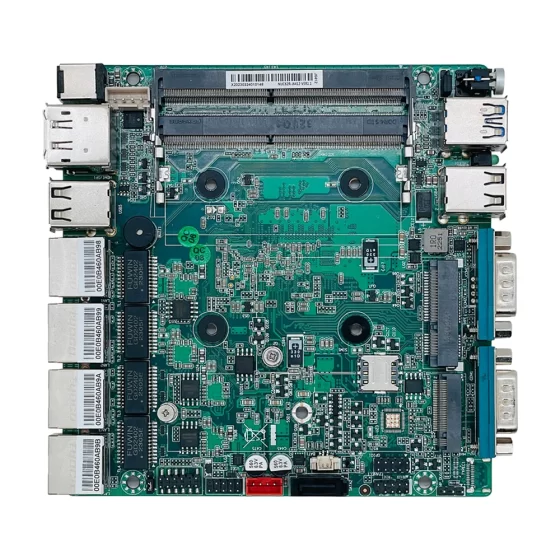
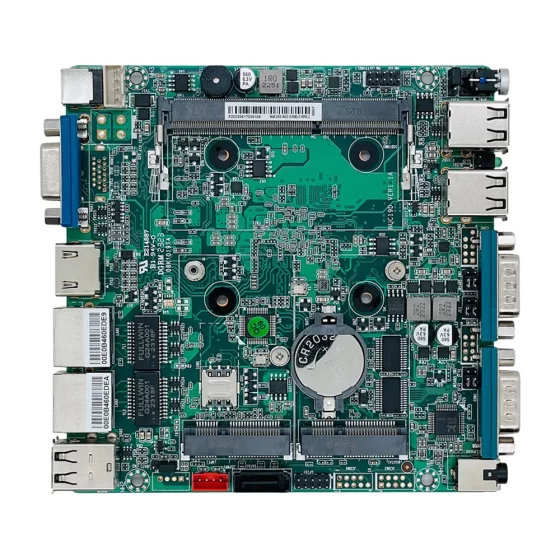
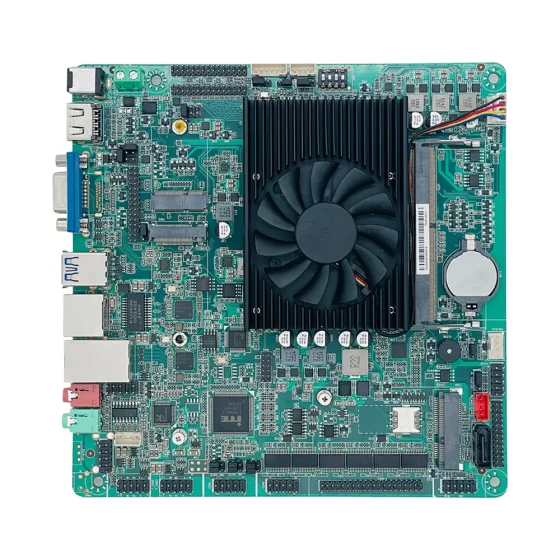
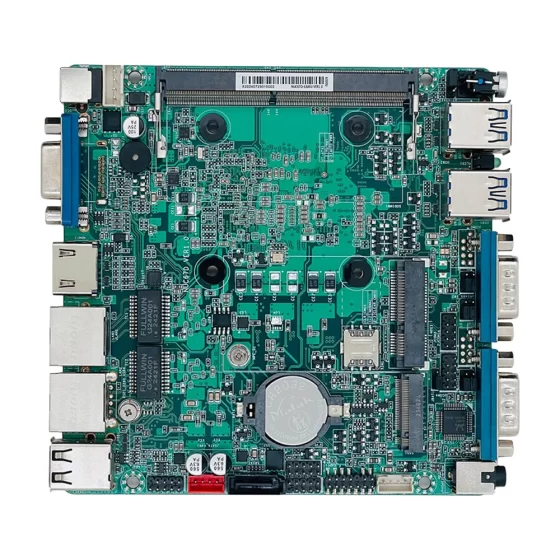
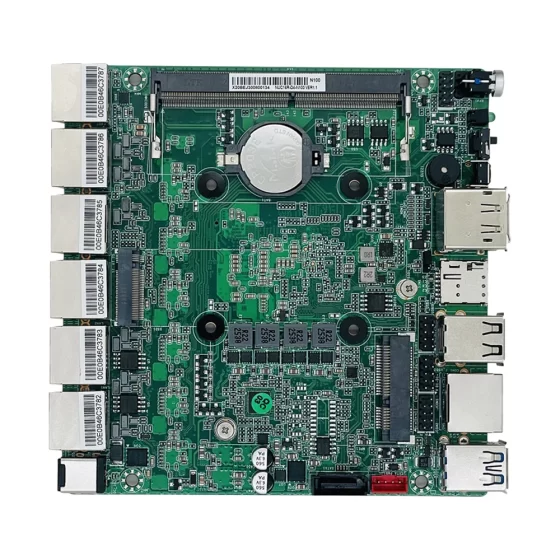
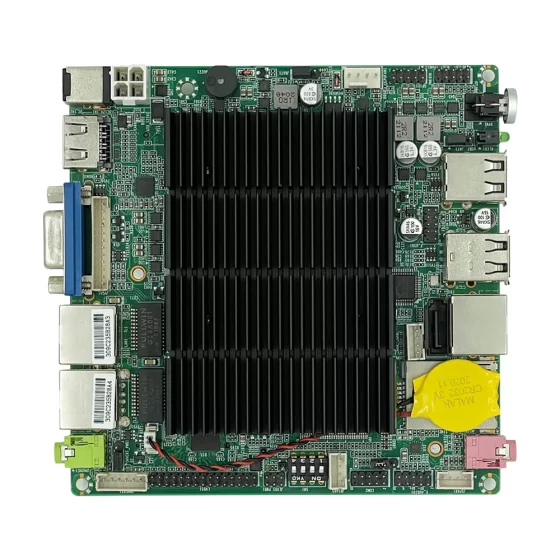
حلول الحوسبة الصناعية CoreIPC

الكمبيوتر المدمج لأنظمة نقاط البيع
ملخص تنفيذي
The retail and hospitality industries are rapidly embracing digital transformation to improve customer experience, تبسيط العمليات, وزيادة كفاءة المعاملات. نقاط البيع الحديثة (نقاط البيع) لقد تطورت الأنظمة إلى ما هو أبعد من سجلات النقد التقليدية, أن تصبح منصات أعمال ذكية تدمج معالجة الدفع, إدارة المخزون, تحليلات العملاء, طلب الخدمة الذاتية, لافتات رقمية, برامج الولاء, وإدارة الأعمال القائمة على السحابة.
يوجد الكمبيوتر المضمن في قلب بيئات نقاط البيع الحديثة هذه, منصة حوسبة مدمجة وموثوقة تعمل على تشغيل محطات نقاط البيع, أكشاك الخدمة الذاتية, أنظمة الطلب التفاعلية, محطات الدفع الرقمية, والبنية التحتية لأتمتة البيع بالتجزئة.
على عكس أجهزة الكمبيوتر المكتبية التقليدية, تم تصميم أجهزة الكمبيوتر المدمجة خصيصًا للتشغيل المستمر, النشر المضغوط, متطلبات دورة حياة المنتج الطويلة, والاندماج في المعدات التجارية والصناعية. موثوقيتها, المرونة, وقابلية التوسع تجعلها مثالية لمتاجر البيع بالتجزئة, المطاعم, محلات السوبر ماركت, المتاجر, أكشاك الخدمة الذاتية, أنظمة تذاكر النقل, وبيئات الضيافة.
This article explores how embedded computers enable modern POS systems, the challenges facing retail technology deployments, اعتبارات بنية النظام, key features, سيناريوهات النشر, and business benefits for organizations adopting intelligent POS and self-service technologies.
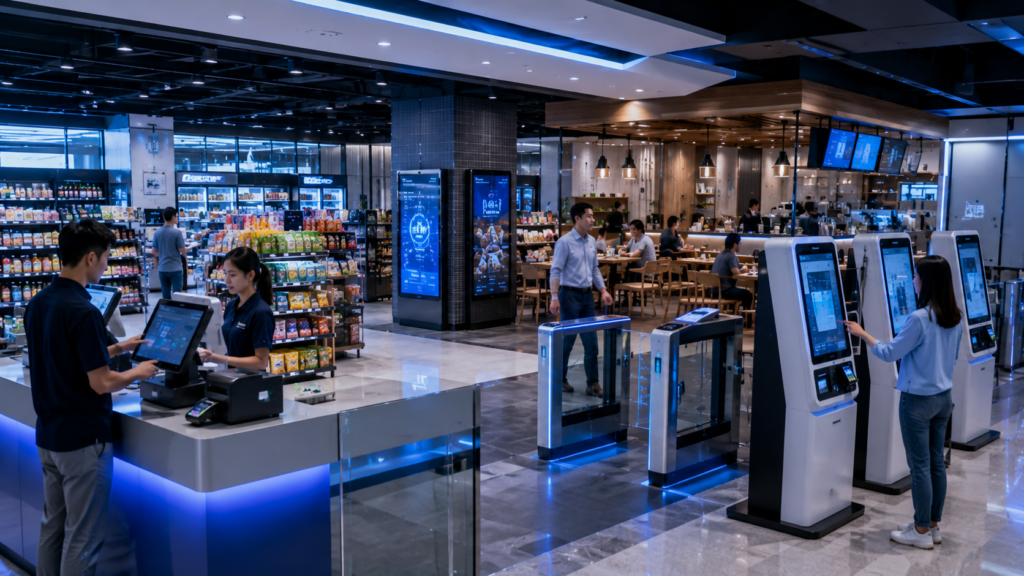
Modern retail environment combining POS terminals, أكشاك الخدمة الذاتية, digital payments, and intelligent customer service technologies.
نظرة عامة على الصناعة
The global retail landscape is experiencing significant changes driven by digitalization, changing consumer expectations, contactless payment adoption, and labor optimization initiatives.
Today’s POS systems have evolved into comprehensive business management platforms capable of supporting:
- Cashless payments
- Mobile payments
- Self-checkout systems
- Self-ordering kiosks
- Customer loyalty programs
- Digital receipts
- تتبع المخزون
- Cloud synchronization
- Business analytics
- Multi-store management
في نفس الوقت, self-service technology continues to gain adoption across various industries.
تشمل الأمثلة:
- Restaurant self-order kiosks
- Retail self-checkout terminals
- Hotel check-in kiosks
- Transportation ticketing machines
- Parking payment terminals
- Healthcare registration kiosks
- Banking self-service terminals
These systems require reliable computing platforms capable of operating continuously in public-facing environments.
Embedded computers provide the processing power, الاتصال, and durability required to support these modern customer interaction systems while maintaining high reliability and long-term operational stability.
As retailers and service providers continue investing in automation and customer experience improvements, embedded computing platforms have become a foundational technology supporting next-generation POS and self-service infrastructures.
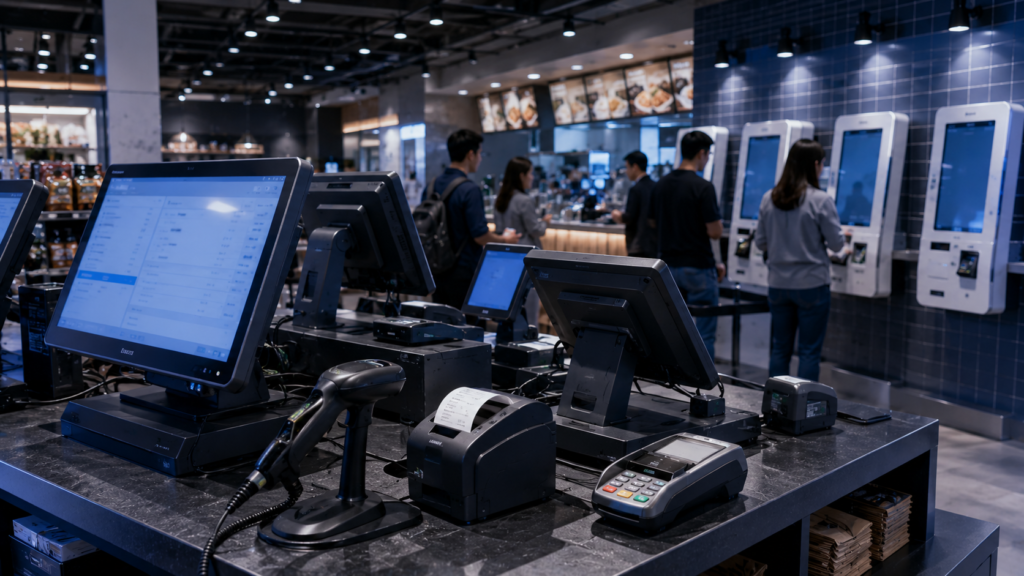
Modern POS environments require seamless integration of payment systems, ماسحات الباركود, receipt printers, customer displays, وأكشاك الخدمة الذاتية.
التحديات الرئيسية
متطلبات التشغيل المستمر
POS systems often operate throughout business hours and, in many environments, continuously.
تشمل الأمثلة:
- Convenience stores
- المطارات
- محاور النقل
- الفنادق
- مرافق الرعاية الصحية
System downtime can directly impact revenue and customer satisfaction.
Embedded computers must provide stable 24/7 operation to support business continuity.
قيود الفضاء
Modern POS terminals and self-service kiosks often have limited installation space.
تتضمن بيئات النشر الشائعة:
- Checkout counters
- Compact kiosks
- Wall-mounted terminals
- Ticketing machines
- شاشات تفاعلية
Computing platforms must deliver sufficient performance while maintaining compact dimensions.
Multiple Peripheral Integration
POS systems commonly connect to:
- ماسحات الباركود
- طابعات الإيصالات
- محطات الدفع
- يعرض اللمس
- Cash drawers
- قارئات RFID
- الكاميرات
- Customer displays
Embedded computers must support extensive peripheral connectivity and compatibility.
Security and Payment Protection
Modern POS systems process sensitive financial information.
يجب على المنظمات أن تعالج:
- Payment security
- حماية البيانات
- التحكم في الوصول
- Cybersecurity threats
- الامتثال التنظيمي
Secure computing infrastructure is essential for protecting customer and business data.
التحديات البيئية
Commercial deployment environments may expose systems to:
- تراب
- حرارة
- اهتزاز
- Frequent user interaction
- High operating hours
Consumer-grade systems may experience reliability issues under these conditions.
التوفر على المدى الطويل
Retail operators and kiosk manufacturers often require long product availability cycles.
Frequent hardware changes can increase:
- Development costs
- Deployment complexity
- Maintenance requirements
Embedded computing platforms provide lifecycle stability that supports long-term business planning.
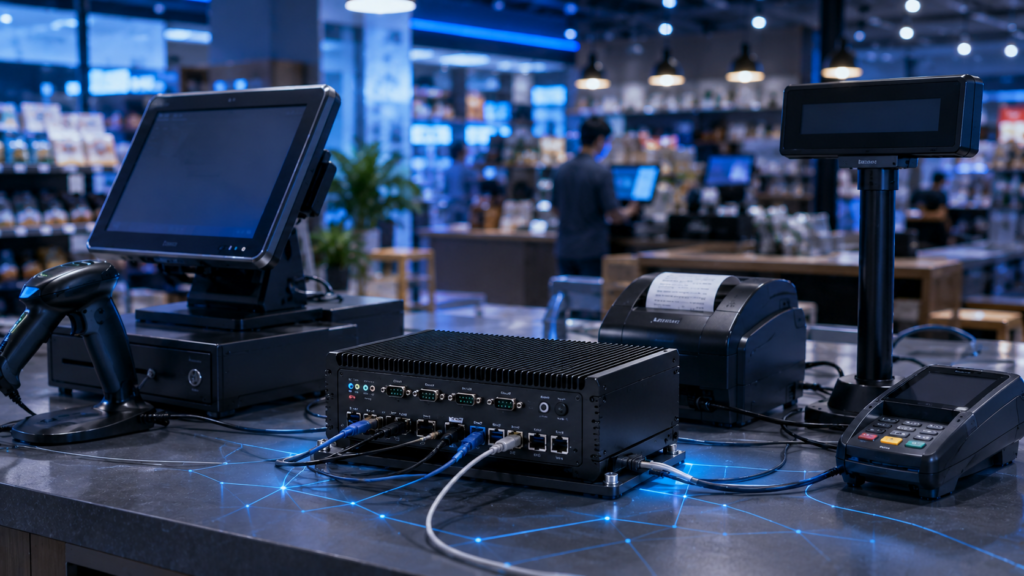
Embedded computer acting as the central processing platform for POS terminals, payment devices, ماسحات الباركود, receipt printers, and self-service retail infrastructure.
هندسة الحلول
A modern POS system built around embedded computing technology typically includes multiple operational layers.
طبقة تفاعل المستخدم
Customers interact with:
- شاشات تعمل باللمس
- Payment interfaces
- Self-service ordering systems
- شاشات عرض تواجه العملاء
- ماسحات الباركود
This layer serves as the primary user interface.
Peripheral Device Layer
POS systems integrate numerous devices, مشتمل:
- طابعات الإيصالات
- Cash drawers
- محطات الدفع
- QR code scanners
- قارئات RFID
- الكاميرات
- Customer displays
Reliable communication between these devices is essential.
Embedded Computer Layer
The embedded computer acts as the system controller.
تشمل المسؤوليات الرئيسية:
- Transaction processing
- إدارة الجهاز
- تخزين البيانات
- التحكم في واجهة المستخدم
- Inventory synchronization
- Security management
- التحليلات المحلية
This layer provides the intelligence required for POS operations.
POS Software Layer
POS software platforms typically support:
- Sales transactions
- Inventory management
- Customer management
- الإبلاغ
- Pricing control
- Promotions
- Employee management
These applications transform hardware into a complete business management solution.
طبقة التكامل المؤسسي
Modern POS systems frequently integrate with:
- منصات تخطيط موارد المؤسسات
- Inventory management systems
- CRM software
- Accounting systems
- Cloud management platforms
- Business intelligence solutions
This integration enables centralized business operations and decision-making.
الميزات الرئيسية
تصميم مدمج مدمج
Embedded computers are designed for integration into space-constrained equipment.
تشمل الفوائد:
- تركيب مرن
- Smaller system footprint
- Improved equipment design
- Easier kiosk integration
Compact form factors are particularly important for self-service terminals.
العمارة بدون مروحة
Fanless embedded computers offer:
- عملية صامتة
- انخفاض الصيانة
- تحسين الموثوقية
- مقاومة الغبار
- عمر خدمة أطول
These characteristics make them ideal for customer-facing environments.
اتصال I/O غني
POS systems require support for numerous peripheral devices.
تتضمن الواجهات الشائعة:
- USB
- RS232
- RS485
- لان
- اتش دي ام اي
- منفذ العرض
- Audio
- جيبيو
Extensive connectivity simplifies integration with existing retail infrastructure.
موثوقية عالية
Commercial environments demand stable operation.
توفر أجهزة الكمبيوتر المدمجة:
- مكونات من الدرجة الصناعية
- دعم دورة حياة طويلة
- القدرة على التشغيل المستمر
- Reliable system performance
This helps reduce service interruptions and maintenance costs.
Multiple Display Support
Modern POS and kiosk systems often utilize multiple screens.
تشمل التطبيقات:
- يعرض المشغل
- شاشات عرض تواجه العملاء
- Digital signage
- Interactive information screens
Multi-display support enhances customer engagement and operational efficiency.
Remote Management Capability
Retail operators frequently manage multiple locations.
Embedded computers support:
- المراقبة عن بعد
- تحديثات البرامج
- التشخيص
- Security management
- System configuration
Centralized management improves operational efficiency.
سيناريوهات النشر
Retail Point-of-Sale Systems
Retail stores deploy embedded computers for:
- Transaction processing
- Inventory control
- Customer management
- Loyalty programs
- معالجة الدفع
Reliable computing infrastructure supports daily business operations.
أكشاك الخدمة الذاتية
Self-service kiosks are increasingly used for:
- Product ordering
- Information lookup
- Self-checkout
- Customer registration
- Ticket purchasing
Embedded computers provide the performance and reliability required for unattended operation.
Quick Service Restaurants
Restaurants utilize embedded computing platforms for:
- Self-ordering kiosks
- Kitchen display systems
- Digital menu boards
- POS terminals
- Payment stations
These technologies improve efficiency and customer experience.
Transportation Ticketing Systems
Transportation providers deploy embedded computers in:
- Ticket vending machines
- Fare collection systems
- Passenger information terminals
- Self-service ticketing kiosks
Reliable operation is essential in public environments.
تطبيقات الضيافة
Hotels and hospitality venues use embedded computing platforms for:
- Self-check-in kiosks
- Concierge terminals
- Payment stations
- Guest information systems
These solutions improve service availability and operational efficiency.
Healthcare Registration Kiosks
Healthcare facilities increasingly deploy self-service systems for:
- Patient registration
- Appointment check-in
- Information access
- معالجة الدفع
Embedded computing enables secure and efficient healthcare workflows.
فوائد الأعمال
تحسين تجربة العملاء
Modern POS and self-service systems provide:
- Faster transactions
- Reduced waiting times
- Improved convenience
- Enhanced service availability
These factors contribute to higher customer satisfaction.
زيادة الكفاءة التشغيلية
Automation helps organizations:
- Reduce manual workloads
- Improve transaction speed
- Streamline workflows
- Optimize staffing resources
Efficiency improvements support business growth.
تقليل وقت التوقف عن العمل
Reliable embedded computing platforms help minimize service interruptions and support continuous operations.
انخفاض التكلفة الإجمالية للملكية
توفر أجهزة الكمبيوتر المدمجة:
- Longer product lifecycles
- انخفاض الصيانة
- Lower replacement frequency
- تحسين موثوقية النظام
These factors contribute to lower operating costs.
Enhanced Business Visibility
Integrated POS platforms provide access to:
- Sales analytics
- Inventory data
- Customer insights
- Operational reporting
Organizations gain valuable business intelligence.
Future-Proof Infrastructure
دعم منصات الحوسبة المدمجة:
- Cloud integration
- Digital payments
- Self-service expansion
- تحليلات مدعومة بالذكاء الاصطناعي
Businesses can adapt to evolving technology requirements.
لماذا كورIPC
CoreIPC provides embedded computing platforms designed for POS systems, أكشاك الخدمة الذاتية, retail automation, hospitality terminals, and commercial computing applications. تتضمن محفظتنا أجهزة الكمبيوتر المدمجة, أجهزة الكمبيوتر الصناعية بدون مروحة, Mini-ITX motherboards, embedded box PCs, and customized computing solutions that support continuous operation, اتصال محيطي غني, دورات حياة طويلة للمنتج, and flexible integration requirements. With industrial-grade reliability and OEM/ODM customization capabilities, CoreIPC helps equipment manufacturers and solution providers build dependable next-generation POS and self-service systems.
الأسئلة المتداولة
1. What is an Embedded Computer for POS Systems?
An Embedded Computer for POS Systems is a compact computing platform integrated into point-of-sale terminals, أكشاك الخدمة الذاتية, أنظمة الدفع, and retail automation equipment to manage transactions, الأجهزة الطرفية, وتطبيقات الأعمال.
2. Why are embedded computers used instead of standard desktop PCs?
Embedded computers provide better reliability, دعم دورة حياة أطول, عوامل الشكل المضغوط, عملية بدون مروحة, and easier integration into commercial equipment.
3. What peripherals can be connected to embedded POS systems?
Common peripherals include barcode scanners, receipt printers, cash drawers, قارئات RFID, محطات الدفع, customer displays, الكاميرات, and touchscreens.
4. Are embedded computers suitable for self-service kiosks?
نعم. تصميمها المدمج, مصداقية, and fanless operation make them ideal for unattended kiosk deployments.
5. Can embedded computers support multiple displays?
نعم. Many embedded platforms support multiple independent displays for operator interfaces, customer-facing screens, and digital signage applications.
6. What industries use embedded POS systems?
بيع بالتجزئة, المطاعم, ضيافة, الرعاية الصحية, مواصلات, المصرفية, entertainment, and public service sectors commonly deploy embedded POS and kiosk solutions.
7. How do embedded computers improve reliability?
They use industrial-grade components, تصاميم بدون مروحة, long-life hardware platforms, and stable architectures optimized for continuous operation.
8. Can embedded POS systems support cloud integration?
نعم. Modern POS platforms often synchronize with cloud services for inventory management, إعداد التقارير, تحليلات, and centralized administration.
9. Are embedded computers suitable for digital payment applications?
نعم. They support payment terminals, contactless payments, mobile payments, QR code payments, and integrated transaction processing systems.
10. What is the benefit of long lifecycle support?
Long lifecycle availability reduces redesign costs, simplifies maintenance, and ensures consistent deployment across multiple business locations.
خاتمة
An Embedded Computer for POS Systems serves as the foundation of modern retail, ضيافة, and self-service infrastructures. By enabling reliable transaction processing, peripheral integration, تفاعل العملاء, and business management functions, embedded computing platforms help organizations improve efficiency, customer experience, والرؤية التشغيلية.
As self-service technology, digital payments, and retail automation continue to expand, embedded computers will remain a critical component supporting the future of intelligent POS and kiosk solutions.
اتصل بنا
Looking for embedded computing solutions for POS terminals, أكشاك الخدمة الذاتية, retail automation systems, hospitality applications, or intelligent customer interaction platforms?
يوفر CoreIPC أجهزة كمبيوتر مدمجة, أجهزة الكمبيوتر الصناعية بدون مروحة, Mini-ITX motherboards, and customized embedded computing solutions designed for commercial and self-service environments.
Contact our engineering team today to discuss your POS system or kiosk project requirements.