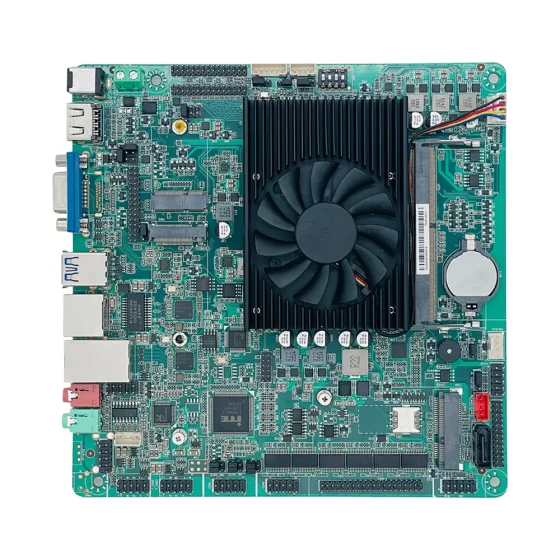
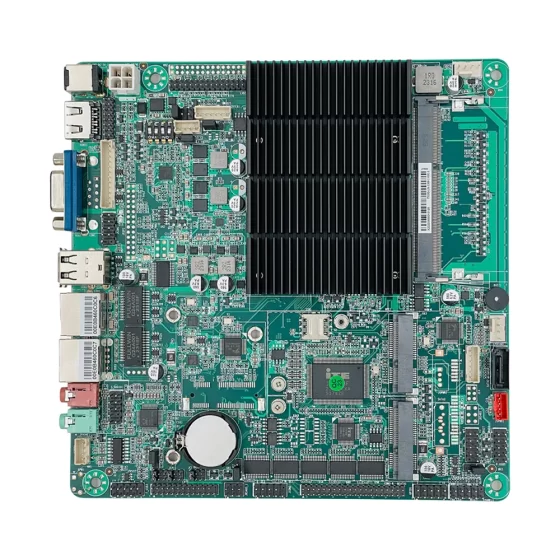
حلول الحوسبة الصناعية CoreIPC

حوسبة موثوقة لإدارة الطاقة والبنية التحتية للبطارية
ملخص تنفيذي
ان الكمبيوتر الصناعي لأنظمة تخزين الطاقة تلعب دورًا حاسمًا في البنية التحتية الحديثة لإدارة الطاقة. مع تزايد استخدام أنظمة تخزين طاقة البطاريات في مواقع الطاقة المتجددة, المباني التجارية, المرافق الصناعية, شبكات صغيرة, محطات شحن السيارات الكهربائية, ومشاريع الطاقة على نطاق المرافق, مطلوب أجهزة حوسبة حافة موثوقة للمراقبة, يتحكم, وربط هذه الأنظمة بأمان وكفاءة.
أنظمة تخزين الطاقة ليست مجرد خزائن للبطاريات. قد يتضمن الحل الكامل أنظمة إدارة البطارية, أنظمة تحويل الطاقة, أنظمة إدارة الطاقة, المراقبة البيئية, أجهزة القياس, أنظمة الحماية من الحرائق, واجهات الشبكة, المنصات السحابية, ومراكز التشغيل عن بعد. يعمل الكمبيوتر الصناعي كمنصة حوسبة واتصالات متطورة تربط هذه الأجهزة, يعالج البيانات التشغيلية, يدعم منطق التحكم المحلي, ويتيح التواصل الآمن مع الأنظمة الإشرافية.
مقارنة بأجهزة الكمبيوتر المخصصة للمستهلكين أو أجهزة الكمبيوتر المكتبية, تعد منصات الكمبيوتر الصناعية أكثر ملاءمة لبيئات تخزين الطاقة لأنها مصممة للتشغيل المستمر, الأداء الحراري المستقر, الإدخال/الإخراج المرن, توافر دورة حياة طويلة, والتكامل مع شبكات الاتصالات الصناعية.
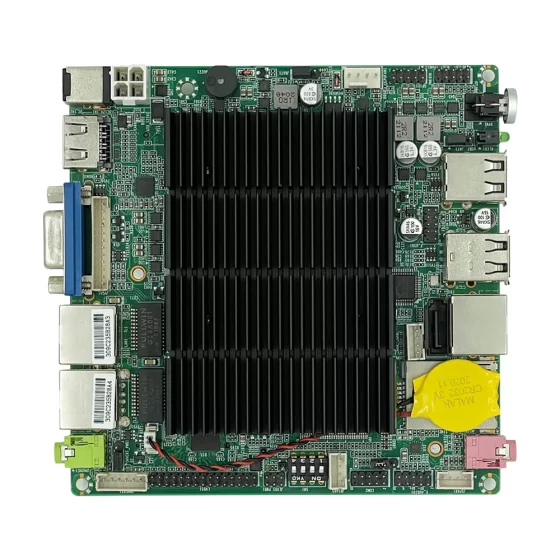
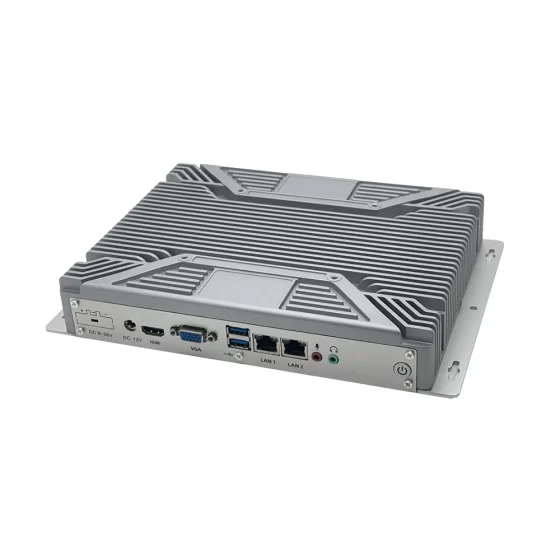
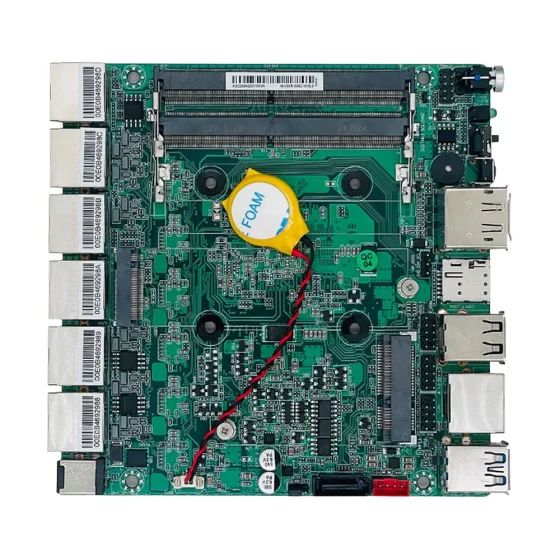
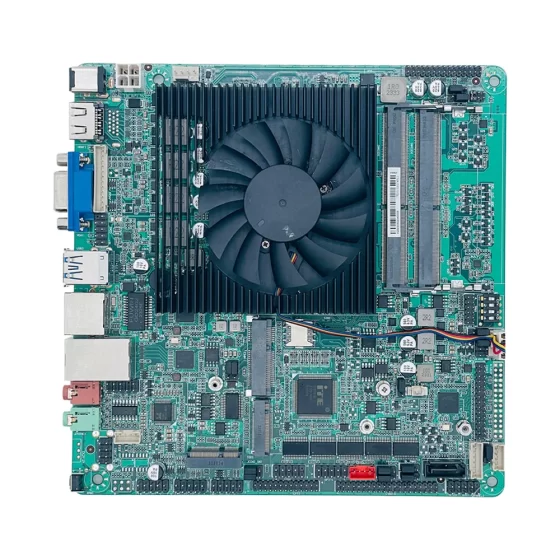
توفر CoreIPC منصات الحوسبة الصناعية, أجهزة الكمبيوتر المدمجة, اللوحات الأم الصناعية, وخيارات الأجهزة المخصصة لإدارة الطاقة وتطبيقات نظام تخزين الطاقة. يمكن لهذه المنصات دعم مراقبة الحافة, التحكم في البوابة, تحويل البروتوكول, الحصول على البيانات, الصيانة عن بعد, وتكامل معدات الطاقة OEM.
تشرح هذه المقالة الهندسة المعمارية, التحديات, سيناريوهات النشر, والقيمة التجارية لاستخدام منصات الكمبيوتر الصناعية في أنظمة تخزين الطاقة.
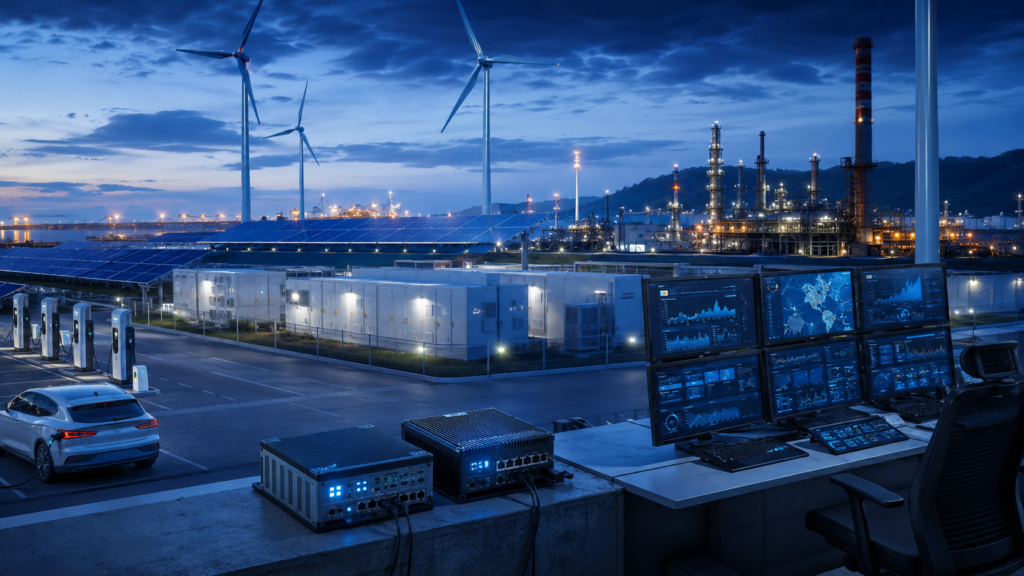
أنظمة تخزين الطاقة تربط الطاقة المتجددة, المرافق الصناعية, شحن السيارة الكهربائية, وإدارة الطاقة القائمة على السحابة.
نظرة عامة على الصناعة
تتغير البنية التحتية للطاقة من توليد الطاقة المركزية وأحادية الاتجاه إلى التوزيع, ذكي, وشبكات الطاقة التي تديرها البرمجيات. توليد الطاقة المتجددة, تخزين البطارية, شبكات ذكية, شحن السيارة الكهربائية, حلاقة الذروة الصناعية, وتخلق أنظمة microgrid متطلبات جديدة للحوسبة والاتصالات المحلية.
وتشكل أنظمة تخزين الطاقة جزءاً مهماً من هذا التحول. أنها تساعد في تخزين الكهرباء, توازن العرض والطلب, دعم تكامل الطاقة المتجددة, توفير الطاقة الاحتياطية, وتحسين مرونة الطاقة للمستخدمين الصناعيين والتجاريين. لكن, تتطلب أنظمة تخزين الطاقة مراقبة وتنسيقًا دقيقًا. حالة البطارية, سلوك الشحن والتفريغ, درجة حرارة, الجهد االكهربى, حاضِر, إنذارات النظام, ظروف الشبكة, ويجب مراقبة حالة تحويل الطاقة بشكل مستمر.
يمكن أن يعمل الكمبيوتر الصناعي كعقدة محلية للتحكم في الحافة ومعالجة البيانات داخل بنية تخزين الطاقة. يمكنه جمع البيانات من أنظمة إدارة البطارية, متر, وحدات أجهزة الكمبيوتر, أجهزة الاستشعار, أجهزة الحماية, ومراقبي الموقع. يمكنه أيضًا تشغيل برنامج البوابة, برامج إدارة الطاقة, تطبيقات المراقبة, قواعد البيانات المحلية, أنظمة التصور, وخدمات الاتصالات.
في العديد من المشاريع, يجب أن يتواصل نظام تخزين الطاقة مع المنصات السحابية, أنظمة سكادا, منصات EMS, أنظمة التحكم في المرافق, أنظمة إدارة المباني, أو شبكات الأتمتة الصناعية. وهذا يخلق الحاجة إلى نظام أساسي للأجهزة يدعم منافذ Ethernet المتعددة, الاتصال التسلسلي, USB, تخزين, التوسع اللاسلكي, وتوافق نظام التشغيل المستقر.
مشاريع تخزين الطاقة لها أيضًا توقعات خدمة طويلة. يمكن تركيب الأجهزة في خزائن خارجية, غرف كهربائية, النباتات الصناعية, مزارع الطاقة المتجددة, محطات الشحن, أو مواقع البنية التحتية البعيدة. تتطلب هذه البيئات تشغيلًا مستقرًا, تصميم ميكانيكي قوي, خيارات واسعة لإدخال الطاقة, والتحكم الحراري الموثوق.
لمتكاملي الأنظمة والشركات المصنعة للمعدات OEM, الكمبيوتر الصناعي ليس مجرد ملحق. يصبح جزءًا أساسيًا من بنية نظام تخزين الطاقة, المساعدة في توصيل إلكترونيات الطاقة, أنظمة البطارية, السيطرة المحلية, ومنصات إدارة الطاقة عن بعد.
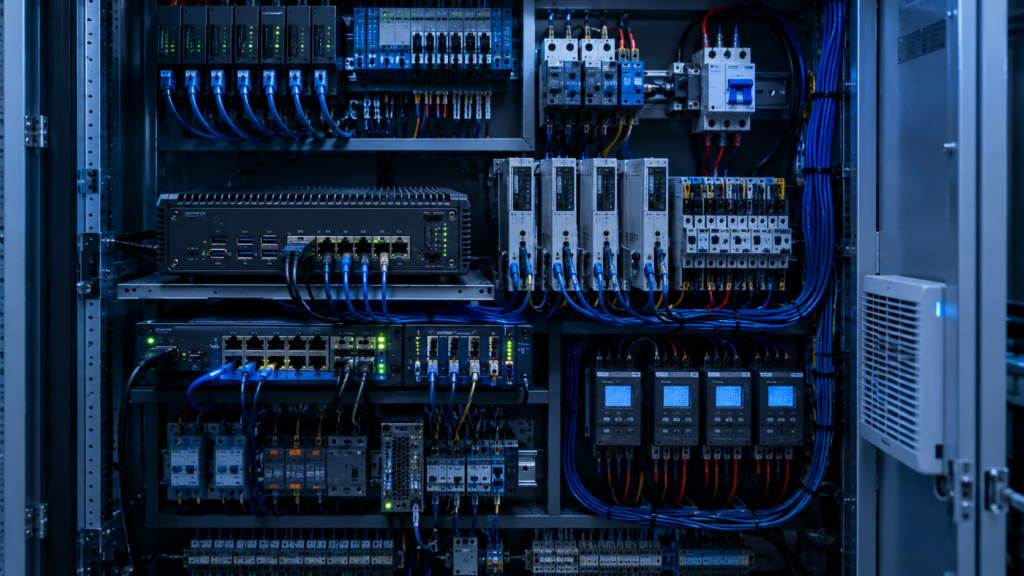
تقوم أجهزة الكمبيوتر الصناعية بتوصيل BMS, أجهزة الكمبيوتر, متر, أجهزة الاستشعار, وأجهزة السلامة داخل أنظمة تخزين الطاقة.
التحديات الرئيسية
1. متطلبات التشغيل المستمر
غالبًا ما تعمل أنظمة تخزين الطاقة على مدار الساعة. يراقب, التعامل مع التنبيه, تسجيل البيانات, تواصل, ولا يمكن أن يعتمد التحكم المحلي على الأجهزة المصممة للاستخدام المكتبي فقط. إذا فشلت منصة الكمبيوتر, قد يفقد النظام الرؤية, الوصول عن بعد, أو التحكم بالتنسيق.
ينبغي تصميم جهاز كمبيوتر صناعي لأنظمة تخزين الطاقة 24/7 التشغيل بمكونات مستقرة, تصميم طاقة موثوق, والإدارة الحرارية المناسبة. وهذا مهم بشكل خاص للمواقع التي يكون فيها الوصول إلى الصيانة محدودًا أو يكون وقت التوقف عن العمل فيها مكلفًا.
2. اتصالات الأجهزة المعقدة
قد يشتمل نظام تخزين الطاقة الكامل على BMS, أجهزة الكمبيوتر, إي إم إس, متر, أجهزة استشعار درجة الحرارة, أجهزة كشف الدخان, واجهات إخماد الحرائق, أنظمة التدفئة والتهوية وتكييف الهواء, المرحلات, ومعدات اتصال الشبكة. قد تستخدم هذه الأجهزة واجهات وبروتوكولات اتصال مختلفة.
يجب أن تدعم منصة الحوسبة عمليات الإدخال/الإخراج المرنة وتوسيع الاتصالات. إيثرنت, RS232, RS485, يستطيع, USB, جيبيو, والخيارات اللاسلكية قد تكون جميعها ذات صلة اعتمادًا على تصميم النظام. في بعض المشاريع, يجب أن يعمل الكمبيوتر الصناعي كبوابة بروتوكول بين الأجهزة الميدانية ومنصات المستوى العلوي.
3. الحصول على البيانات والمعالجة المحلية
تولد أنظمة تخزين الطاقة بيانات تشغيلية مستمرة. قد يشمل ذلك بيانات خلية البطارية, حالة مجلس الوزراء, تدفق الطاقة, إنذار, سجلات الأحداث, بيانات درجة الحرارة, تاريخ الشحن والتفريغ, ومعلومات تفاعل الشبكة.
إن إرسال جميع البيانات الأولية مباشرة إلى السحابة ليس فعالاً دائمًا. تسمح المعالجة المحلية للنظام بالتصفية, محل, تحليل, وتوجيه البيانات المفيدة. تدعم الحوسبة المتطورة أيضًا الاستجابة الأسرع للإنذارات المحلية وقرارات التحكم.
4. بيئات النشر القاسية
يمكن تركيب معدات تخزين الطاقة في المنشآت الصناعية, خزائن خارجية, مواقع الطاقة المتجددة, المحطات الفرعية, أو الأماكن النائية. قد تنطوي هذه البيئات على الحرارة, تراب, اهتزاز, رطوبة, قوة غير مستقرة, والتهوية المحدودة.
يجب اختيار أجهزة الكمبيوتر الصناعية بناءً على ظروف النشر الحقيقية. تصميم بدون مروحة, الضميمة وعرة, دعم درجة حرارة واسعة, مدخلات تيار مستمر مستقرة, ويمكن لخيارات التثبيت الآمنة تحسين موثوقية النظام.
5. الأمن السيبراني والوصول عن بعد
ترتبط أنظمة تخزين الطاقة بشكل متزايد بالمنصات السحابية ومراكز التشغيل عن بعد. يؤدي ذلك إلى تحسين الرؤية وكفاءة الصيانة ولكنه يزيد أيضًا من متطلبات الأمن السيبراني.
قد يدعم الكمبيوتر الصناعي الوصول إلى VPN, وظائف جدار الحماية, التواصل الآمن, مصادقة المستخدم, حماية البيانات المحلية, وبنية الشبكة المجزأة. يمكن للأجهزة ذات منافذ LAN المتعددة أن تساعد في فصل شبكات المعدات الداخلية عن شبكات الإدارة الخارجية.
6. دورة الحياة والصيانة
وقد تظل مشاريع تخزين الطاقة في الخدمة لسنوات عديدة. يمكن أن تؤدي تغييرات الأجهزة أثناء دورة حياة المشروع إلى حدوث مشكلات في توافق البرامج, تأخيرات التصديق, مشاكل قطع الغيار, وتعقيد الصيانة.
توفر منصات الحوسبة الصناعية استقرارًا أفضل لدورة الحياة مقارنة بالأجهزة الاستهلاكية قصيرة الدورة. لمصنعي المعدات الأصلية ومتكاملي الأنظمة, ويساعد ذلك في الحفاظ على تصميم نظام متسق عبر مراحل المشروع المتعددة.
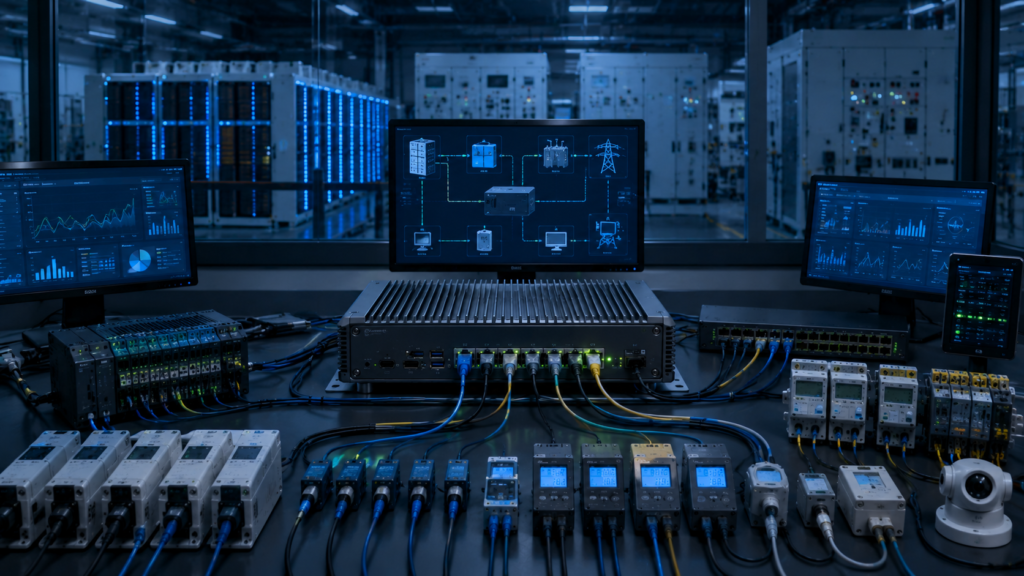
يعمل الكمبيوتر الصناعي كعقدة حوسبة طرفية بين الأجهزة الميدانية ومنصات إدارة الطاقة.
الكمبيوتر الصناعي لأنظمة تخزين الطاقة: هندسة الحلول
ان الكمبيوتر الصناعي لأنظمة تخزين الطاقة يقع عادةً بين معدات الطاقة على المستوى الميداني ومنصات الإدارة ذات المستوى العلوي. يمكن أن يشمل دورها جمع البيانات, بوابة الاتصالات, السيطرة المحلية, التصور, تحويل البروتوكول, حوسبة الحافة, والصيانة عن بعد.
طبقة الجهاز الميداني
تتضمن طبقة الجهاز الميداني وحدات البطارية, أنظمة إدارة البطارية, أنظمة تحويل الطاقة, متر, أجهزة الاستشعار, أجهزة الحماية من الحرائق, معدات التدفئة والتهوية وتكييف الهواء, المرحلات, وغيرها من الأجهزة على مستوى الموقع. توفر هذه الأجهزة حالة وإشارات تشغيلية في الوقت الفعلي.
ويتصل الكمبيوتر الصناعي بهذه الأجهزة عبر شبكة إيثرنت, المنافذ التسلسلية, يستطيع, USB, أو الإدخال/الإخراج الرقمي حسب تصميم النظام. في العديد من مشاريع تخزين الطاقة, يعد RS485 وEthernet شائعين بشكل خاص في اتصالات الأجهزة وقياسها.
طبقة الحوسبة الحافة
يعمل الكمبيوتر الصناعي على طبقة الحوسبة الحافة. يقوم بجمع البيانات, يدير البرامج المحلية, يخزن السجلات, عمليات الإنذار, يدير الاتصالات, ويدعم التصور المحلي. وقد يستضيف أيضًا واجهة HMI, لوحة القيادة على شبكة الإنترنت, قاعدة البيانات, بوابة البروتوكول, أو تطبيق EMS خفيف الوزن.
هذه الطبقة مهمة لأنها تسمح للنظام بمواصلة المراقبة والاستجابة المحلية حتى عندما يكون الاتصال السحابي محدودًا أو غير متاح مؤقتًا.
طبقة الشبكة والأمن
تقوم طبقة الشبكة بتوصيل نظام تخزين الطاقة بنظام SCADA, إي إم إس, المنصات السحابية, أنظمة المرافق, أنظمة إدارة المباني, أو مراكز التشغيل عن بعد. يمكن لمنافذ LAN المتعددة أن تدعم الشبكات المنفصلة, مثل شبكة الجهاز الداخلية, شبكة إدارة الموقع, وشبكة الوصول عن بعد الخارجية.
التواصل الآمن مهم للبنية التحتية للطاقة. VPN, قواعد جدار الحماية, التحكم في الوصول, ويمكن تنفيذ نقل البيانات المشفرة على مستوى النظام.
الطبقة الإشرافية والسحابية
في المستوى العلوي, يمكن استخدام البيانات من نظام تخزين الطاقة لجدولة الطاقة, تشخيص الخطأ, تحليل الأداء, الصيانة التنبؤية, إعداد التقارير, وإدارة الأسطول. ويساعد الكمبيوتر الصناعي على ضمان جمع البيانات الميدانية بشكل صحيح ونقلها إلى هذه المنصات الإشرافية.
لا تعتمد البنية الموثوقة على التحكم السحابي فقط. فهو يجمع بين حوسبة الحافة المحلية وأنظمة إدارة الطاقة ذات المستوى الأعلى لتحقيق الاستجابة والرؤية المركزية.
الميزات الرئيسية
موثوقية من الدرجة الصناعية
تتطلب أنظمة تخزين الطاقة تشغيلًا مستقرًا على مدى فترات طويلة. تم تصميم أجهزة الكمبيوتر الصناعية مع اعتبارات موثوقية عملية أكثر من أجهزة الكمبيوتر المكتبية القياسية. يمكنهم دعم ساعات العمل الطويلة, تصميم اللوحة الأم مستقرة, اختيار المكونات التي تسيطر عليها, وتكامل النظام القوي.
لتطبيقات تخزين الطاقة, تعد الموثوقية ذات أهمية خاصة لأن الكمبيوتر يمكنه إدارة المراقبة المهمة, تواصل, ووظائف التنبيه.
مرونة الإدخال/الإخراج والاتصالات
تستخدم أنظمة تخزين الطاقة المختلفة بنيات مختلفة للأجهزة. يتطلب بعضها منافذ إيثرنت متعددة لنظام إدارة المباني (BMS)., أجهزة الكمبيوتر, إي إم إس, والاتصالات السحابية. ويتطلب البعض الآخر منافذ تسلسلية للعدادات, أجهزة الاستشعار, وأجهزة التحكم الصناعية.
يمكن لمنصة الكمبيوتر الصناعية أن توفر خيارات إدخال/إخراج مرنة, بما في ذلك الشبكة المحلية, كوم, USB, جيبيو, وواجهات التوسعة. وهذا يجعل التكامل أسهل لشركات تكامل الأنظمة والشركات المصنعة لمعدات OEM.
تصميم بدون مروحة وصغير الحجم
غالبًا ما تكون خزانات تخزين الطاقة والغرف الكهربائية ذات مساحة محدودة. تعد أجهزة الكمبيوتر المدمجة بدون مروحة وأجهزة الكمبيوتر الصناعية المدمجة مناسبة للتركيب داخل خزائن التحكم أو حاويات المعدات الطرفية.
يعمل التصميم بدون مروحة على تقليل الأجزاء المتحركة ويساعد على تحسين الموثوقية على المدى الطويل في البيئات المتربة أو الحساسة للصيانة. لكن, يجب أن يتطابق التصميم الحراري بعناية مع قوة المعالج وظروف العلبة.
معالجة بيانات الحافة
يمكن لأجهزة الكمبيوتر الصناعية معالجة البيانات محليًا قبل إرسالها إلى أنظمة المستوى الأعلى. وهذا يقلل من حمل الاتصال ويدعم الاستجابة بشكل أسرع للإنذارات أو الظروف غير الطبيعية.
قد تتضمن معالجة الحافة المحلية تصفية البيانات, تسجيل الحدث, إحصاءات الطاقة, التخزين التاريخي, تحويل البروتوكول, وتصور لوحة القيادة.
فصل شبكة LAN المتعددة
غالبًا ما تحتاج أنظمة تخزين الطاقة إلى شبكات منفصلة للأجهزة الداخلية, الوصول إلى الصيانة, الاتصالات السحابية, والتحكم على مستوى الموقع. تساعد أجهزة الكمبيوتر الصناعية متعددة الشبكات المحلية (Multi-LAN) على إنشاء مناطق شبكة واضحة.
يؤدي ذلك إلى تحسين تنظيم النظام ويمكن أن يدعم بنية أكثر أمانًا عن طريق فصل المعدات الميدانية الداخلية عن مسارات الاتصال الخارجية.
دعم التخزين والتسجيل
غالبًا ما تتطلب أنظمة تخزين الطاقة سجلات الأحداث, تاريخ التنبيه, سجلات الشحن والتفريغ, وبيانات أداء النظام. يمكن لأجهزة الكمبيوتر الصناعية دعم تخزين SSD لقواعد البيانات المحلية, ملفات السجل, النسخ الاحتياطية للتكوين, والتطبيقات البرمجية.
التخزين الموثوق به مهم لاستكشاف الأخطاء وإصلاحها, تحليل النظام, وسجلات التشغيل طويلة المدى.
تخصيص تصنيع المعدات الأصلية وأوديإم
قد يتطلب مصنعو معدات تخزين الطاقة منصات أجهزة مخصصة. يمكن أن يشمل ذلك تصميم العلبة, تخطيط الإدخال/الإخراج, مدخلات الطاقة, تكوين اللوحة الأم, إعدادات BIOS, العلامات التجارية, طريقة التركيب, وبيئة البرامج المثبتة مسبقًا.
يساعد تخصيص OEM وODM العملاء على إنشاء منتجات قياسية لتخزين الطاقة باستخدام أجهزة حوسبة متسقة.
سيناريوهات النشر
خزانة نظام تخزين طاقة البطارية
في خزانة تخزين طاقة البطارية, يمكن للكمبيوتر الصناعي أن يعمل كمنصة تحكم ومراقبة محلية. قد يجمع البيانات من BMS, أجهزة الكمبيوتر, متر, أجهزة استشعار درجة الحرارة, وأنظمة السلامة. يمكنه أيضًا دعم HMI المحلي, سجلات التنبيه, والتواصل مع المنصات السحابية أو EMS.
غالبًا ما تكون الأنظمة المدمجة بدون مروحة مناسبة للتركيب على مستوى الخزانة.
تخزين الطاقة التجارية والصناعية
المصانع, المستودعات, المباني التجارية, وتستخدم المجمعات الصناعية تخزين الطاقة لذروة الحلاقة, قوة احتياطية, التكامل المتجدد, وإدارة تكاليف الطاقة. يمكن للكمبيوتر الصناعي أن يساعد في مراقبة تدفق الطاقة, ربط أجهزة القياس, دعم برامج EMS المحلية, والتواصل مع أنظمة إدارة المبنى أو المنشأة.
موقع تخزين الطاقة المتجددة
غالبًا ما تتطلب أنظمة الطاقة الشمسية وطاقة الرياح التخزين لتحسين مرونة الطاقة. يمكن للكمبيوتر الصناعي توصيل معدات توليد الطاقة المتجددة, أنظمة البطارية, وحدات أجهزة الكمبيوتر, متر, ومنصات مراقبة الموقع.
في المواقع النائية المتجددة, تعتبر الأجهزة القوية والاتصالات المستقرة ذات أهمية خاصة.
نظام التحكم بالشبكة الصغيرة
تجمع الشبكات الصغيرة بين التوليد, تخزين, الأحمال, وأنظمة التحكم. يمكن أن يعمل الكمبيوتر الصناعي كوحدة تحكم طرفية أو بوابة لمراقبة الشبكة الصغيرة, اتصالات الجهاز, دعم إرسال الطاقة, والإشراف عن بعد.
يمكن أن يساعد في ربط موارد الطاقة الموزعة ببرامج الإدارة ذات المستوى الأعلى.
تكامل شحن وتخزين المركبات الكهربائية
يتم استخدام تخزين الطاقة بشكل متزايد مع البنية التحتية لشحن المركبات الكهربائية لتقليل ضغط الشبكة وتحسين مرونة الشحن. يمكن للكمبيوتر الصناعي مراقبة حالة البطارية, معدات الشحن, متر, الاتصال بالشبكة, وتدفق الطاقة في الموقع.
قد يدعم النظام أيضًا المراقبة عن بعد, تكامل الفواتير, وتسجيل البيانات المحلية اعتمادا على المشروع.
تخزين طاقة المرافق والمحطات الفرعية
تتطلب تطبيقات تخزين الطاقة والمحطات الفرعية على نطاق المرافق أجهزة اتصال ومراقبة مستقرة. يمكن لمنصات الكمبيوتر الصناعية أن تدعم تحويل البروتوكول, الحصول على البيانات, الإشراف المحلي, والاتصال بأنظمة SCADA أو أنظمة التحكم في المرافق.
في هذا السيناريو, يعد استقرار دورة الحياة وموثوقية النظام أمرًا مهمًا بشكل خاص.
تخزين الطاقة عن بعد وفي حاويات
يمكن نشر أنظمة تخزين الطاقة في حاويات في مواقع نائية أو في مشاريع طاقة مؤقتة. يمكن للكمبيوتر الصناعي توفير المراقبة المحلية, بوابة الاتصالات, جمع البيانات البيئية, والوصول إلى الصيانة عن بعد.
غالبًا ما يتم تفضيل المنصات القوية بدون مروحة لهذه التطبيقات.
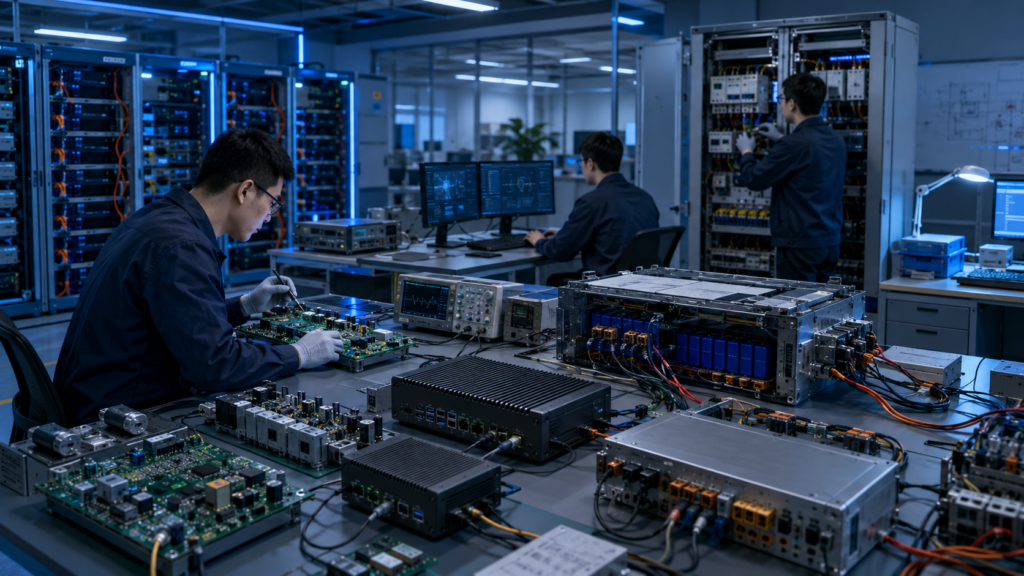
يدعم CoreIPC تطوير معدات تخزين الطاقة OEM باستخدام أجهزة الكمبيوتر الصناعية, لوحات مدمجة, ومنصات الحوسبة المخصصة.
فوائد الأعمال
تحسين موثوقية النظام
يساعد استخدام الكمبيوتر الصناعي على تحسين موثوقية منصة التحكم في تخزين الطاقة ومراقبتها. تعمل الأجهزة المستقرة على تقليل مخاطر التوقف غير المتوقع ودعم التشغيل المستمر للنظام.
لمعدات تخزين الطاقة, تساعد أجهزة الحوسبة الموثوقة على حماية عملية تشغيل النظام وصيانته بشكل عام.
تكامل أسرع للنظام
تساعد أجهزة الكمبيوتر الصناعية المزودة بواجهات الإدخال/الإخراج وواجهات الاتصال المرنة أخصائيي تكامل الأنظمة على توصيل الأجهزة المختلفة بكفاءة أكبر. بدلاً من بناء أجهزة مخصصة لكل مشروع, يمكن للمتكاملين استخدام منصة مجربة وتكييفها مع بنيات الأنظمة المختلفة.
وهذا يقلل من جهد التطوير ويدعم النشر بشكل أسرع.
ذكاء حافة أفضل
تسمح الحوسبة المحلية لنظام تخزين الطاقة بمعالجة البيانات بالقرب من المعدات. وهذا يحسن وقت الاستجابة, يقلل من نقل البيانات غير الضرورية, ويدعم المراقبة المحلية حتى عندما يكون الاتصال السحابي غير مستقر.
تكتسب معلومات الحافة أهمية متزايدة بالنسبة للبنية التحتية للطاقة الموزعة.
استراتيجية أقوى لمنتجات OEM
لمصنعي معدات تخزين الطاقة, تساعد منصة الكمبيوتر الصناعية القياسية في إنشاء تصميمات منتجات متسقة. تخصيص OEM يمكن أن يدعم سلسلة منتجات مختلفة, أنماط الضميمة, تكوينات الإدخال/الإخراج, والبيئات البرمجية.
يؤدي ذلك إلى تحسين إمكانية التكرار عبر المشاريع وتقليل تعقيد الصيانة على المدى الطويل.
التوفر على المدى الطويل
غالبًا ما تتطلب مشاريع تخزين الطاقة استمرارية الأجهزة للتوسع, قطع غيار, والصيانة. توفر منصات الكمبيوتر الصناعية دعمًا أفضل لدورة الحياة مقارنة بالأجهزة الاستهلاكية.
وهذا يساعد العملاء على تقليل مخاطر إعادة التصميم والحفاظ على بنية النظام المستقرة بمرور الوقت.
توسيع التطبيقات المرنة
يمكن لمنصة كمبيوتر صناعية واحدة أن تدعم العديد من التطبيقات المتعلقة بالطاقة, بما في ذلك مراقبة البطارية, بوابة إي إم إس, الحصول على بيانات الطاقة, تحكم الموقع, بوابة السحابة, ومحول البروتوكول.
تتيح هذه المرونة للعملاء إعادة استخدام نفس أساس الأجهزة عبر مشاريع إدارة الطاقة المختلفة.
لماذا كورIPC
يوفر CoreIPC أجهزة الكمبيوتر الصناعية, أجهزة الكمبيوتر المدمجة, اللوحات الأم الصناعية, ومنصات حوسبة مخصصة لإدارة الطاقة وتطبيقات نظام تخزين الطاقة. تدعم حلول الأجهزة لدينا عمليات الإدخال/الإخراج المرنة, عملية مستقرة, تصميم مدمج, وتخصيص OEM/ODM لمصنعي معدات الطاقة B2B ومتكاملي الأنظمة.
لمشاريع تخزين الطاقة, بإمكان CoreIPC مساعدة العملاء على تقييم منصات الحوسبة المناسبة للمراقبة, بوابة الاتصالات, التحكم في الحافة, معالجة البيانات المحلية, وتطبيقات الإدارة عن بعد. مع خبرة في أجهزة الحوسبة الصناعية وتكامل الأنظمة المدمجة, يدعم CoreIPC أسس الأجهزة الموثوقة لأنظمة تخزين طاقة البطارية, شبكات صغيرة, البنية التحتية لشحن السيارات الكهربائية, مواقع الطاقة المتجددة, وأنظمة إدارة الطاقة الصناعية.
الأسئلة المتداولة
1. لماذا تحتاج أنظمة تخزين الطاقة إلى حاسوب صناعي؟?
تحتاج أنظمة تخزين الطاقة إلى جهاز كمبيوتر صناعي لجمع البيانات, إدارة الاتصالات, دعم المراقبة المحلية, وتوصيل الأجهزة الميدانية بمنصات المستوى العلوي. قد يتواصل الكمبيوتر مع BMS, أجهزة الكمبيوتر, متر, أجهزة الاستشعار, برنامج إي إم إس, والأنظمة السحابية. بالمقارنة مع أجهزة الكمبيوتر المكتبية, تعد أجهزة الكمبيوتر الصناعية أكثر ملاءمة للتشغيل المستمر, تركيب مجلس الوزراء, الإدخال/الإخراج المرن, ومتطلبات دورة الحياة الطويلة في مشاريع البنية التحتية للطاقة.
2. ما هو دور الكمبيوتر الصناعي في أنظمة تخزين طاقة البطاريات?
في أنظمة تخزين طاقة البطارية, يمكن للكمبيوتر الصناعي أن يعمل كبوابة طرفية, وحدة الحصول على البيانات, نظام المراقبة المحلية, محول البروتوكول, أو منصة الحوسبة EMS. يقوم بجمع البيانات التشغيلية من أنظمة إدارة البطارية, أنظمة تحويل الطاقة, متر, أجهزة الاستشعار, وأجهزة السلامة. يمكنه أيضًا تخزين السجلات, إنذارات العملية, عرض حالة النظام, ونقل البيانات إلى منصات الإدارة عن بعد.
3. هل يمكن استخدام جهاز كمبيوتر مدمج داخل خزانة تخزين الطاقة؟?
نعم. يعد الكمبيوتر المدمج المدمج مناسبًا للتركيب داخل خزانة تخزين الطاقة عندما يلبي طاقة المشروع, الحرارية, الإدخال/الإخراج, ومتطلبات الموثوقية. غالبًا ما يتم تفضيل أجهزة الكمبيوتر المدمجة بدون مروحة لأنها تقلل من الأجزاء المتحركة واحتياجات الصيانة. يجب أن يتم اختيار النظام بناءً على مساحة الخزانة, درجة حرارة التشغيل, واجهات اتصالات الجهاز, متطلبات البرمجيات, وطريقة التثبيت.
4. ما هي الواجهات المهمة لتطبيقات تخزين الطاقة?
تتضمن الواجهات الشائعة إيثرنت, RS232, RS485, يستطيع, USB, جيبيو, وواجهات التخزين. غالبًا ما يتم استخدام Ethernet لأجهزة الكمبيوتر, إي إم إس, الاتصالات السحابية, وتكامل الشبكة. يشيع استخدام RS485 للعدادات, أجهزة الاستشعار, والأجهزة الميدانية. قد تتطلب بعض الأنظمة CAN للاتصالات المتعلقة بالبطارية. يعتمد الاختيار الدقيق للواجهة على بنية نظام تخزين الطاقة ومتطلبات بروتوكول الجهاز.
5. كيف يدعم الكمبيوتر الصناعي إدارة الطاقة?
يدعم الكمبيوتر الصناعي إدارة الطاقة من خلال جمع بيانات الطاقة والبطارية في الوقت الفعلي, تشغيل برنامج EMS أو البوابة المحلية, تخزين السجلات التشغيلية, والتواصل مع المنصات الإشرافية. يمكن أن يساعد في مراقبة سلوك الشحن والتفريغ, تدفق الطاقة, إنذارات النظام, وحالة الجهاز. كما أنه يتيح دعم القرار المحلي والصيانة عن بعد لأنظمة الطاقة الموزعة.
6. هل التصميم بدون مروحة مهم لأنظمة تخزين الطاقة؟?
يعد التصميم بدون مروحة مفيدًا في أنظمة تخزين الطاقة لأنه يقلل من الأجزاء المتحركة, ضوضاء, كمية الغبار, ومتطلبات الصيانة. العديد من خزانات تخزين الطاقة والغرف الكهربائية لديها تدفق هواء محدود, لذلك يجب تقييم التصميم الحراري بعناية. يجب اختيار الكمبيوتر الصناعي بدون مروحة على أساس قوة المعالج, تصميم العلبة, عبء العمل المتوقع, والظروف البيئية.
7. هل يستطيع الكمبيوتر الصناعي ربط أنظمة تخزين الطاقة بالسحابة؟?
نعم. يمكن للكمبيوتر الصناعي أن يعمل كبوابة سحابية من خلال جمع البيانات من الأجهزة المحلية ونقل البيانات المحددة إلى المنصات السحابية أو مراكز التشغيل عن بعد. قد يدعم الاتصال الآمن, تصفية البيانات, التخزين المؤقت المحلي, والوصول إلى الصيانة عن بعد. يتيح ذلك للمشغلين مراقبة مواقع تخزين الطاقة المتعددة من منصة مركزية مع الحفاظ على وظائف الحافة المحلية متاحة.
8. ما الفرق بين الكمبيوتر الصناعي والكمبيوتر العادي في تطبيقات تخزين الطاقة?
عادةً ما يتم تصميم جهاز الكمبيوتر العادي للبيئات المكتبية ومهام الحوسبة العامة. تم تصميم الكمبيوتر الصناعي لظروف التشغيل الأكثر تطلبًا, توافر دورة حياة أطول, الإدخال/الإخراج المرن, مدخلات الطاقة مستقرة, والتشغيل المستمر. في تطبيقات تخزين الطاقة, تعتبر هذه الخصائص مهمة لأنه قد يتم تثبيت الأجهزة داخل الخزانات, المحطات الفرعية, المصانع, أو غرف المعدات في الهواء الطلق.
9. يمكن لـ CoreIPC تخصيص أجهزة الكمبيوتر الصناعية لمصنعي معدات تخزين الطاقة?
نعم. يمكن أن يدعم CoreIPC تخصيص OEM وODM لمصنعي معدات تخزين الطاقة. قد يشمل التخصيص اختيار اللوحة الأم, تصميم العلبة, تخطيط الإدخال/الإخراج, مدخلات الطاقة, هيكل التركيب, إعدادات BIOS, متطلبات العلامة التجارية, وبيئات البرامج المثبتة مسبقًا. وهذا يساعد العملاء على بناء منتجات موحدة لتخزين الطاقة باستخدام أجهزة حاسوبية موثوقة وقابلة للتكرار.
10. كيف أختار جهاز كمبيوتر صناعي لأنظمة تخزين الطاقة؟?
ابدأ بتحديد بنية النظام, الواجهات المطلوبة, منصة البرمجيات, بيئة التثبيت, مدخلات الطاقة, درجة حرارة التشغيل, احتياجات التخزين, ومتطلبات الاتصالات. فكر فيما إذا كان الكمبيوتر سيعمل كبوابة, وحدة تحكم محلية, منصة اتش ام اي, مسجل البيانات, أو عقدة EMS. للمشاريع طويلة الأجل, قم أيضًا بتقييم دعم دورة الحياة, خيارات التخصيص, وتوافر الأجهزة.
خاتمة
ان الكمبيوتر الصناعي لأنظمة تخزين الطاقة يوفر أساس الحوسبة الطرفية الموثوقة اللازمة لإدارة الطاقة الحديثة, مراقبة البطارية, اتصالات الجهاز, والتشغيل عن بعد. كما أصبحت البنية التحتية لتخزين الطاقة أكثر ذكاءً وتوزيعًا, يجب أن تدعم أجهزة الحوسبة المحلية التشغيل المستقر, الإدخال/الإخراج المرن, التواصل الآمن, معالجة البيانات, ومتطلبات دورة الحياة طويلة المدى.
باستخدام الكمبيوتر الصناعي ومنصات الكمبيوتر المدمجة, يمكن لمصنعي معدات تخزين الطاقة وتكامل الأنظمة بناء أكثر موثوقية, قابلة للتطوير, وأنظمة صالحة للخدمة لخزائن البطارية, شبكات صغيرة, مواقع الطاقة المتجددة, محطات شحن السيارات الكهربائية, المرافق الصناعية, وتطبيقات المرافق.
يدعم CoreIPC مشاريع نظام تخزين الطاقة باستخدام منصات الحوسبة الصناعية المصممة للنشر في العالم الحقيقي, تخصيص صانعي القطع الأصلية, والتكامل B2B على المدى الطويل.
اتصل بنا
هل تبحث عن منصة كمبيوتر صناعية لمشروع نظام تخزين الطاقة الخاص بك?
اتصل بـ CoreIPC لمناقشة تطبيق إدارة الطاقة الخاص بك, الواجهات المطلوبة, منصة المعالج, تصميم العلبة, مدخلات الطاقة, هندسة الاتصالات, واحتياجات التخصيص OEM/ODM. يمكن لفريقنا مساعدتك في تقييم الكمبيوتر الصناعي المناسب ومنصات الكمبيوتر المدمجة لأنظمة تخزين طاقة البطارية, شبكات صغيرة, البنية التحتية للطاقة المتجددة, وحلول إدارة الطاقة الذكية.