حلول الحوسبة الصناعية CoreIPC

كمبيوتر صناعي مثبت على السيارة لأنظمة النقل الذكية
ملخص تنفيذي
The rapid development of intelligent transportation infrastructure is transforming how vehicles, شبكات الطرق, أنظمة النقل, وتعمل الأساطيل اللوجستية. تعتمد بيئات النقل الحديثة بشكل متزايد على جمع البيانات في الوقت الفعلي, حوسبة الحافة, تحليلات الذكاء الاصطناعي, اتصال السيارة, واتخاذ القرارات الذكية لتحسين السلامة, كفاءة, والرؤية التشغيلية.
يعمل الكمبيوتر الصناعي المثبت على السيارة بمثابة قلب الحوسبة داخل الحافلات, القطارات, الشاحنات, مركبات الطوارئ, مركبات التعدين, منصات متنقلة مستقلة, وأنظمة النقل الذكية. تم تصميم منصات الحوسبة القوية هذه خصيصًا لتحمل الاهتزازات, صدمة, تقلبات درجات الحرارة, ظروف الطاقة غير المستقرة, والبيئات الخارجية الصعبة مع تقديم أداء حاسوبي موثوق.
من خلال دمج تحديد المواقع GPS, الاتصالات اللاسلكية, تحليلات الفيديو المدعومة بالذكاء الاصطناعي, برامج إدارة الأسطول, تشخيص السيارة, وأنظمة التحكم في النقل, تعمل أجهزة الكمبيوتر الصناعية المثبتة على المركبات على تمكين عمليات النقل الذكية ودعم المتطلبات المتزايدة لمبادرات النقل الذكي.
يستكشف هذا المقال دور أجهزة الكمبيوتر الصناعية المثبتة على المركبات في أنظمة النقل الحديثة, بنيات النشر, المتطلبات الفنية الرئيسية, industry challenges, and the business benefits they provide across a wide range of transportation applications.
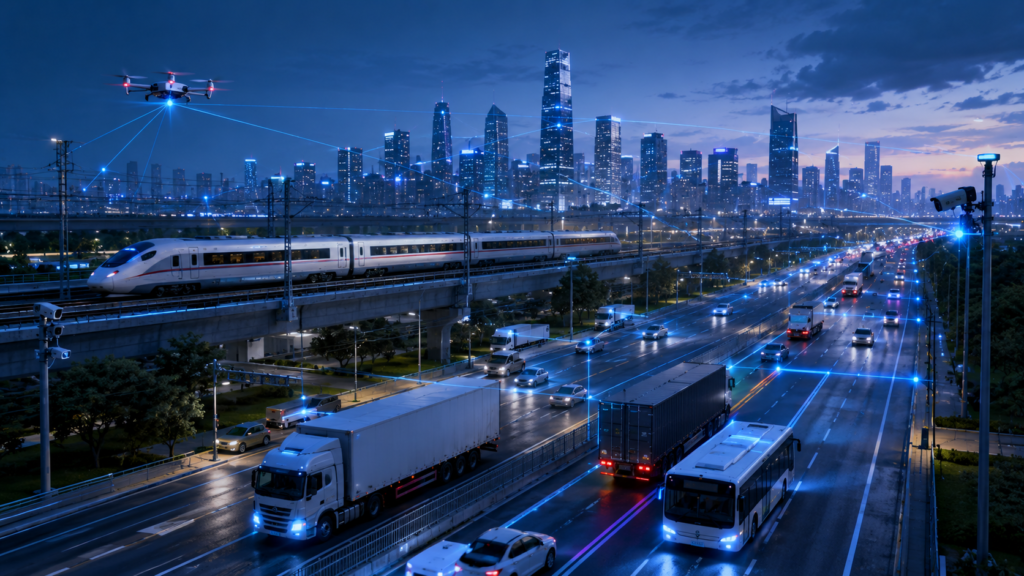
Connected transportation infrastructure integrating public transit, logistics fleets, railway networks, and intelligent traffic management systems.
نظرة عامة على الصناعة
Transportation systems worldwide are undergoing significant digital transformation driven by urbanization, smart city initiatives, autonomous technologies, and increasing demands for operational efficiency.
Modern transportation environments now generate massive amounts of operational data from:
- Vehicle sensors
- GPS systems
- Onboard diagnostics
- Surveillance cameras
- نظم معلومات الركاب
- Fleet management platforms
- Traffic monitoring infrastructure
- معدات على جانب الطريق
- Wireless communication networks
To process this information effectively, transportation operators require computing platforms capable of operating directly within vehicles and transportation infrastructure.
Vehicle-mounted industrial computers have become a critical component of:
- Public transportation systems
- Fleet management solutions
- أنظمة النقل الذكية (إنه)
- Railway operations
- Logistics and freight transportation
- Emergency response vehicles
- Mining transportation fleets
- Airport ground support vehicles
- Autonomous transportation platforms
على عكس أجهزة الكمبيوتر التجارية التقليدية, these industrial-grade platforms are designed specifically for mobile deployment environments where reliability, متانة, and continuous operation are essential.
As transportation systems become increasingly connected and data-driven, vehicle-mounted industrial computers serve as the foundation for edge computing and intelligent transportation applications.

Vehicle-mounted computing systems must operate reliably under vibration, harsh weather, ظروف الطاقة غير المستقرة, and demanding transportation environments.
التحديات الرئيسية
Harsh Mobile Operating Environments
Transportation vehicles are constantly exposed to challenging operating conditions including:
- Continuous vibration
- Mechanical shock
- Road impacts
- التعرض للغبار
- رطوبة
- درجات الحرارة القصوى
Conventional computing hardware often experiences reduced reliability in such environments.
Vehicle-mounted industrial computers must be engineered to maintain stable operation under demanding conditions.
Unstable Power Conditions
Vehicle electrical systems can experience:
- Voltage fluctuations
- Power surges
- Engine startup interruptions
- Battery instability
- التداخل الكهرومغناطيسي
Industrial transportation computers require intelligent power protection mechanisms and wide voltage input support to ensure uninterrupted operation.
متطلبات معالجة البيانات في الوقت الحقيقي
Modern transportation systems rely on:
- Real-time location tracking
- Driver monitoring
- Video surveillance
- تشخيص المركبات
- تحسين الطريق
- Traffic condition analysis
These applications require low-latency edge computing capabilities capable of processing data directly inside vehicles.
Connectivity Challenges
Transportation vehicles often operate across diverse geographic regions where network conditions vary significantly.
Systems must support:
- 4جي إل تي إي
- 5ز
- Wi-Fi
- نظام تحديد المواقع
- GNSS
- Private transportation networks
Maintaining reliable communications across mobile environments remains a critical challenge.
مخاوف الأمن السيبراني
Connected transportation systems face growing cybersecurity threats.
Potential risks include:
- Unauthorized system access
- انتهاكات البيانات
- Vehicle communication interception
- Fleet management compromise
- Operational disruptions
Transportation computing platforms must support secure communication architectures and cybersecurity best practices.
Long Lifecycle Requirements
Transportation infrastructure investments typically operate for many years.
Organizations require computing platforms that provide:
- توافر على المدى الطويل
- منصات الأجهزة مستقرة
- Consistent software support
- Upgrade flexibility
Industrial-grade systems are designed to meet these extended lifecycle expectations.
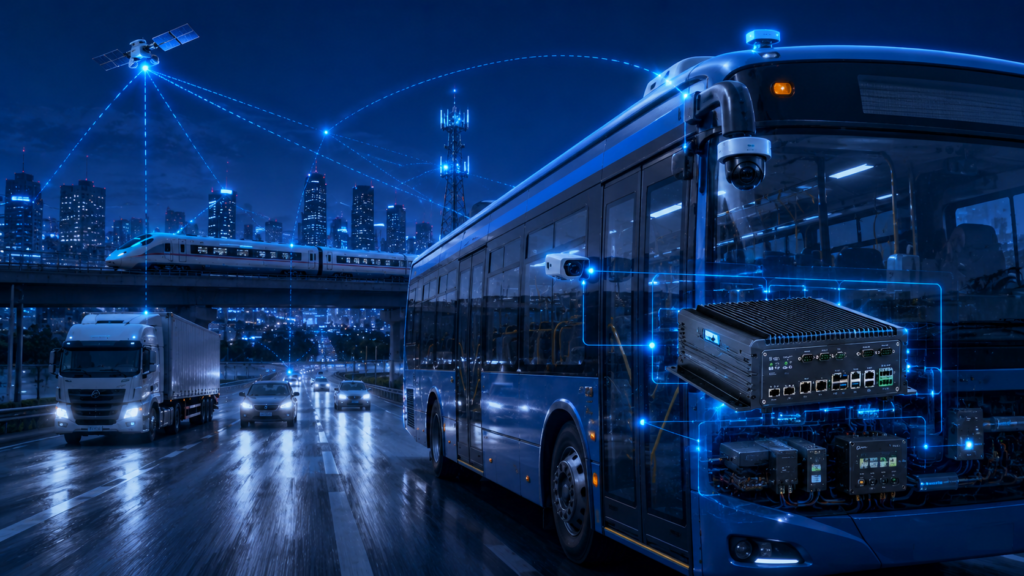
Vehicle-mounted industrial computer enabling real-time connectivity, حوسبة الحافة, and fleet management in smart transportation systems.
هندسة الحلول
A modern Vehicle-Mounted Industrial Computer deployment typically consists of multiple integrated layers.
Vehicle Data Acquisition Layer
This layer collects operational data from:
- Engine control systems
- CAN Bus networks
- OBD systems
- GPS modules
- أجهزة الاستشعار البيئية
- Fuel monitoring systems
- Driver behavior monitoring devices
- Vehicle diagnostics systems
These data sources provide real-time operational visibility.
طبقة الاتصالات
Vehicle-mounted computers communicate through:
- 4جي إل تي إي
- 5ز
- Wi-Fi
- بلوتوث
- إيثرنت
- يمكن الحافلة
- RS232
- RS485
Multiple communication options ensure reliable connectivity across transportation environments.
طبقة الحوسبة الحافة
The vehicle-mounted industrial computer serves as the edge computing platform.
وتشمل الوظائف الرئيسية:
- الحصول على البيانات
- التحليلات المحلية
- استنتاج الذكاء الاصطناعي
- معالجة الفيديو
- كشف الحدث
- تحسين الطريق
- Driver monitoring
- التخزين المؤقت للبيانات
Edge processing reduces latency and minimizes network dependency.
طبقة إدارة الأسطول
Fleet management platforms provide:
- Vehicle tracking
- Route management
- Driver performance monitoring
- جدولة الصيانة
- Fuel consumption analysis
- Operational reporting
Vehicle-mounted computers continuously exchange information with centralized management systems.
Transportation Operations Layer
Transportation operators gain access to:
- Fleet dashboards
- التحليلات التشغيلية
- Vehicle status monitoring
- نظم معلومات الركاب
- Incident management tools
- منصات الصيانة التنبؤية
These capabilities improve transportation efficiency and service quality.
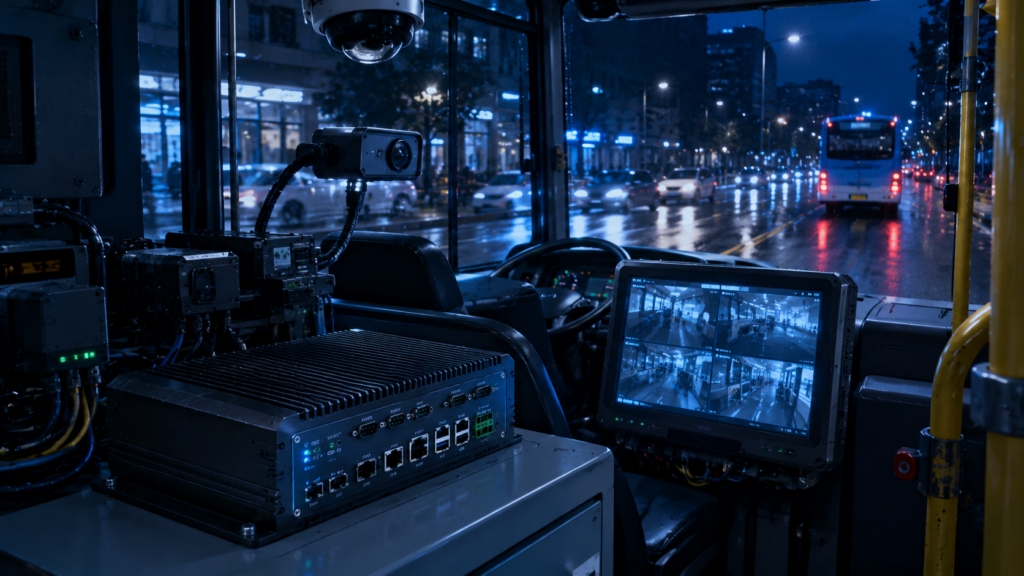
Vehicle-mounted industrial computer enabling real-time monitoring, تحليلات الذكاء الاصطناعي, and edge computing for intelligent transportation systems.
الميزات الرئيسية
تصميم صناعي متين
Vehicle-mounted industrial computers are designed for transportation environments requiring:
- مقاومة الصدمات
- مقاومة الاهتزاز
- عملية بدون مروحة
- Industrial-grade construction
- موثوقية طويلة المدى
These characteristics ensure dependable performance in mobile applications.
Wide Operating Temperature Support
Transportation deployments frequently encounter:
- Hot summer environments
- Cold winter conditions
- Outdoor operation
- Engine compartment heat
Industrial platforms commonly support extended temperature ranges to ensure stable operation.
مدخلات الجهد واسعة
Vehicle power systems often operate under varying electrical conditions.
Industrial transportation computers typically support:
- 9V–36V DC
- 12V–24V DC
- 24V–48V DC
Wide input ranges improve compatibility with diverse vehicle platforms.
Integrated Wireless Connectivity
Modern transportation applications depend on continuous connectivity.
تشمل الخيارات الشائعة:
- نظام تحديد المواقع
- GNSS
- 4جي إل تي إي
- 5ز
- Wi-Fi
- بلوتوث
These technologies enable real-time communication and location services.
Rich Expansion Capabilities
Vehicle-mounted systems frequently integrate:
- الكاميرات
- أجهزة الاستشعار
- Displays
- وحدات الاتصالات
- معدات التشخيص
Industrial computers provide flexible expansion interfaces to support these requirements.
معالجة الحافة بالذكاء الاصطناعي
Transportation operators increasingly deploy AI-powered applications including:
- Driver monitoring
- عد الركاب
- تحليل حركة المرور
- Vehicle inspection
- تحليلات الفيديو
Vehicle-mounted industrial computers provide the processing capabilities needed for these workloads.
سيناريوهات النشر
Public Transportation Systems
Buses and transit vehicles use vehicle-mounted industrial computers for:
- نظم معلومات الركاب
- Automatic vehicle location
- Fleet tracking
- المراقبة الأمنية
- Fare collection systems
These capabilities improve operational efficiency and passenger experience.
Logistics and Fleet Management
Transportation fleets deploy industrial computers to support:
- Vehicle tracking
- تحسين الطريق
- Fuel management
- Driver behavior monitoring
- Cargo monitoring
Real-time visibility improves fleet utilization and operational control.
Railway Transportation
Rail operators use vehicle-mounted computing systems for:
- Train diagnostics
- Video surveillance
- معلومات الركاب
- Communications management
- Operational monitoring
Industrial reliability is essential for railway environments.
Emergency Response Vehicles
Police, ambulance, and fire service vehicles require onboard computing platforms capable of:
- Dispatch integration
- Incident reporting
- GPS navigation
- Video recording
- اتصالات آمنة
Vehicle-mounted industrial computers provide mission-critical support.
Mining and Heavy Equipment
Mining vehicles operate in extremely demanding environments.
تشمل التطبيقات:
- مراقبة المعدات
- Autonomous operations
- Fleet coordination
- مراقبة السلامة
- Maintenance diagnostics
Industrial-grade computing platforms provide the durability required for these deployments.
النقل في المدينة الذكية
Smart city initiatives increasingly rely on intelligent transportation systems integrating:
- المركبات المتصلة
- أنظمة إدارة المرور
- Roadside infrastructure
- تحليلات في الوقت الحقيقي
- Vehicle-to-infrastructure communication
Vehicle-mounted industrial computers enable these advanced transportation capabilities.
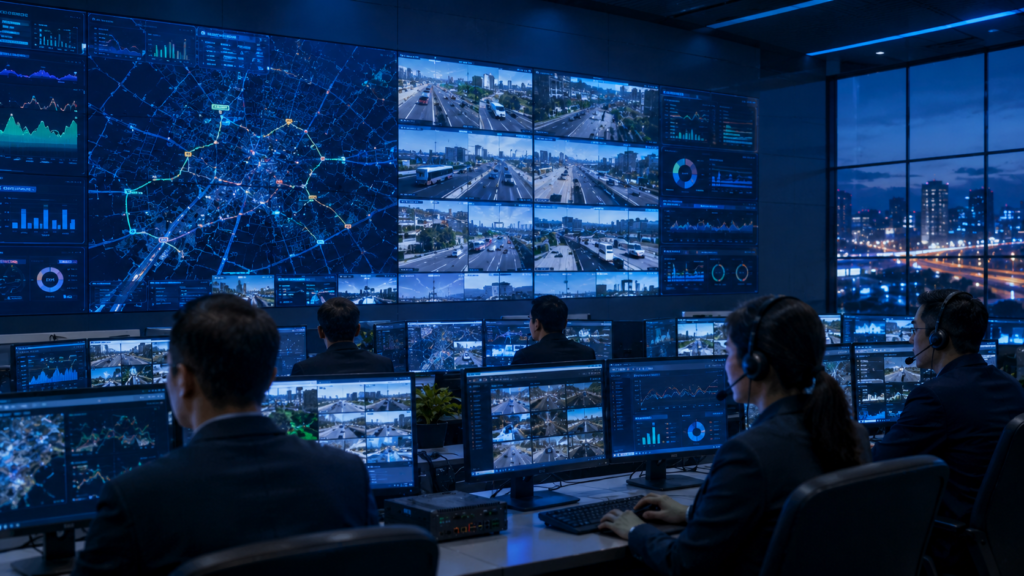
Transportation operations center improving fleet visibility, transportation safety, تحسين الطريق, and operational efficiency through intelligent transportation technologies.
فوائد الأعمال
تحسين الكفاءة التشغيلية
Real-time data collection and analytics help transportation operators optimize routes, improve vehicle utilization, and reduce operational inefficiencies.
تعزيز السلامة
Advanced monitoring capabilities support:
- Driver behavior analysis
- تشخيص المركبات
- الكشف عن الحادث
- Video surveillance
These features contribute to safer transportation operations.
تقليل وقت التوقف عن العمل
Continuous monitoring enables predictive maintenance strategies that reduce unexpected failures and improve fleet availability.
Better Fleet Visibility
Transportation managers gain real-time access to:
- Vehicle locations
- Operational status
- Fuel consumption
- Driver performance
- Maintenance conditions
This visibility supports better decision-making.
Lower Operating Costs
Vehicle-mounted computing solutions help reduce costs through:
- Improved route planning
- Reduced fuel consumption
- Lower maintenance expenses
- Increased fleet productivity
Future-Ready Infrastructure
Industrial computing platforms support future transportation technologies including:
- Autonomous vehicles
- تحليلات الذكاء الاصطناعي
- Smart city integration
- Connected transportation ecosystems
Organizations can adapt as transportation technologies evolve.
لماذا كورIPC
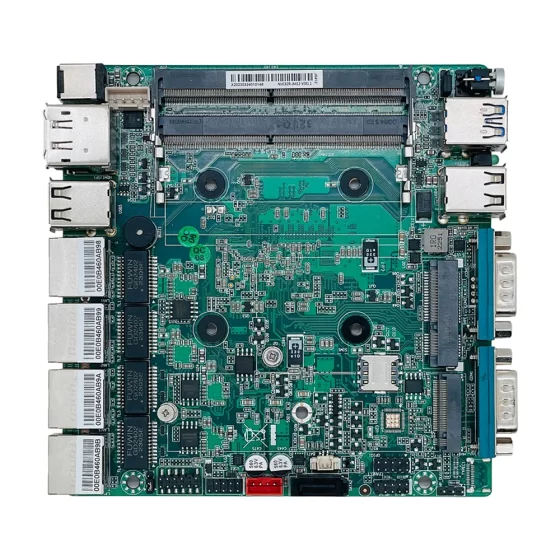
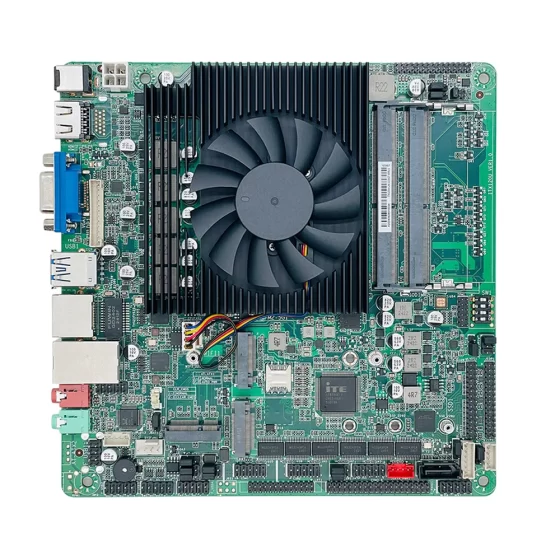
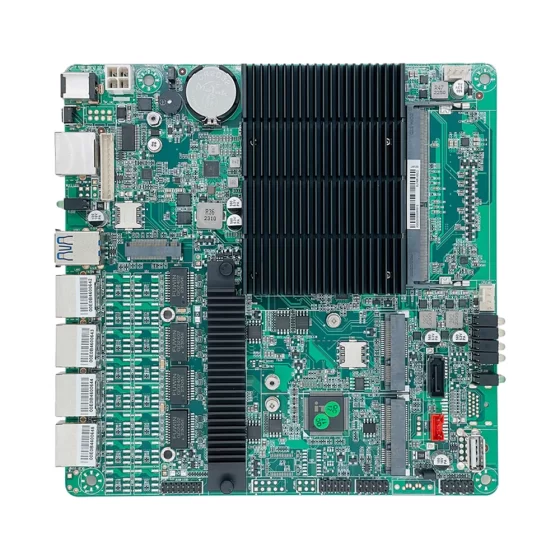
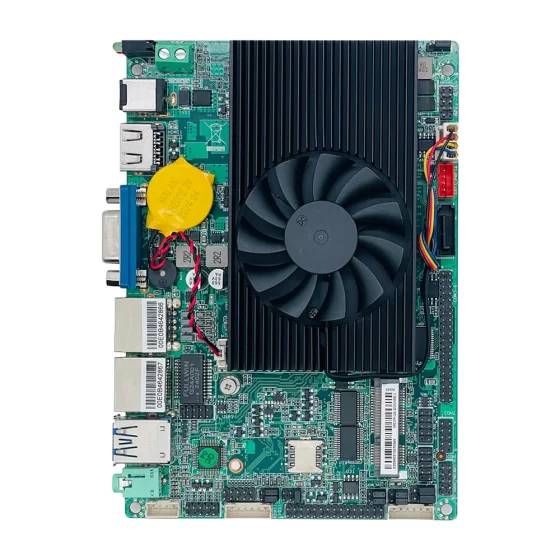
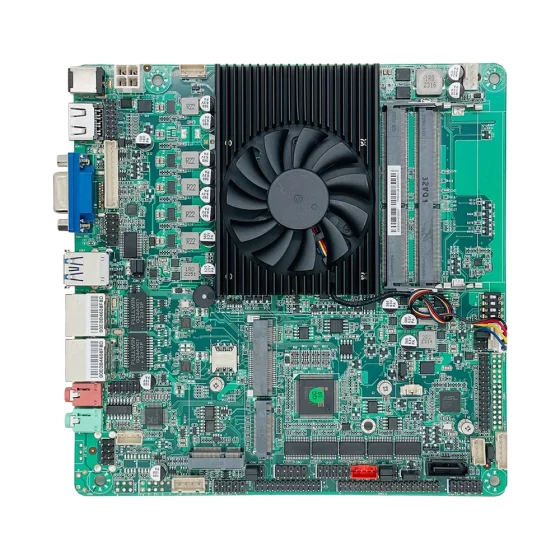
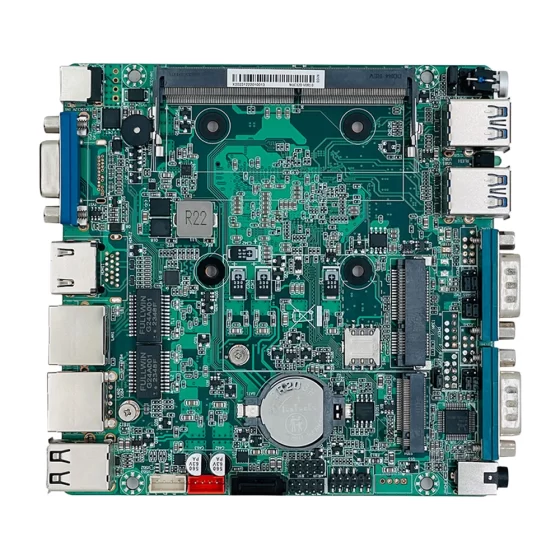
CoreIPC provides industrial computing solutions designed for demanding transportation environments. Our portfolio includes fanless industrial PCs, أجهزة الكمبيوتر المدمجة, Mini-ITX motherboards, Edge AI platforms, and customized vehicle-mounted computing solutions engineered for vibration resistance, wide temperature operation, أنظمة النقل الذكية, and mobile edge computing applications. With flexible customization capabilities, دورات حياة طويلة للمنتج, والموثوقية الصناعية, CoreIPC helps transportation operators, تكامل النظام, and smart city solution providers build dependable and scalable transportation computing infrastructures.
الأسئلة المتداولة
1. What is a Vehicle-Mounted Industrial Computer?
A Vehicle-Mounted Industrial Computer is a rugged computing platform specifically designed for installation inside transportation vehicles where vibration, تقلبات درجات الحرارة, power instability, and demanding operating conditions require industrial-grade reliability.
2. What industries use vehicle-mounted industrial computers?
Common industries include public transportation, اللوجستية, railways, emergency services, التعدين, بناء, البنية التحتية للمدينة الذكية, وأنظمة النقل الذكية.
3. Why are fanless designs important in transportation applications?
تعمل الأنظمة بدون مروحة على تقليل متطلبات الصيانة, تحسين الموثوقية, القضاء على تناول الغبار, and enhance long-term stability in harsh vehicle environments.
4. Can vehicle-mounted computers support 5G connectivity?
نعم. Many modern vehicle-mounted industrial computers support 5G modules for high-speed communications, real-time data transmission, and intelligent transportation applications.
5. What communication interfaces are commonly required?
Common interfaces include CAN Bus, إيثرنت, RS232, RS485, USB, Wi-Fi, بلوتوث, نظام تحديد المواقع, GNSS, and cellular communications.
6. Are these systems suitable for outdoor transportation environments?
نعم. Industrial-grade vehicle computers are designed to withstand vibration, temperature extremes, رطوبة, and challenging outdoor conditions.
7. How do vehicle-mounted industrial computers support fleet management?
They collect vehicle data, transmit operational information, provide GPS tracking, support diagnostics, and enable real-time communication with fleet management platforms.
8. Can these systems support AI applications?
نعم. Many vehicle-mounted computers support Edge AI workloads such as driver monitoring, تحليلات الفيديو, passenger counting, and intelligent transportation analysis.
9. What is the benefit of edge computing in transportation?
تعمل حوسبة الحافة على تقليل زمن الوصول, improves response times, minimizes network dependency, and enables real-time processing directly inside vehicles.
10. How long do industrial transportation computers typically remain available?
Industrial computing platforms often provide significantly longer product lifecycles than consumer hardware, supporting transportation projects that require long-term deployment stability.
خاتمة
A Vehicle-Mounted Industrial Computer is a critical enabling technology for Smart Transportation systems. By providing ruggedized edge computing, reliable communications, تحليلات في الوقت الحقيقي, and intelligent data processing capabilities, these platforms help transportation operators improve safety, كفاءة, الرؤية, and operational performance.
As transportation networks continue to become more connected and intelligent, vehicle-mounted industrial computers will remain essential components supporting the next generation of intelligent transportation infrastructure.
اتصل بنا
Looking for reliable vehicle-mounted computing solutions for transportation, إدارة الأسطول, السكك الحديدية, اللوجستية, or intelligent transportation projects?
يوفر CoreIPC أجهزة الكمبيوتر الصناعية, الأنظمة المدمجة, Edge AI platforms, and customized transportation computing solutions designed for demanding mobile environments.
Contact our engineering team today to discuss your Smart Transportation project requirements.