CoreIPC Industrial Computing-Lösungen

Zusammenfassung
A diagnostic equipment computing platform serves as the intelligence core behind modern medical diagnostic systems, enabling data acquisition, Bildverarbeitung, device control, Konnektivität, and real-time analysis. From ultrasound systems and digital pathology devices to laboratory analyzers and point-of-care diagnostic instruments, reliable computing infrastructure is essential for ensuring accuracy, stability, und Dauerbetrieb.
As healthcare providers increasingly adopt digital diagnostics, AI-assisted imaging, and connected medical ecosystems, traditional commercial-grade computers often struggle to meet the long-term reliability and integration requirements of medical environments. Industrial computers and embedded computers provide a more robust foundation, offering extended lifecycle support, high-performance processing, multiple connectivity options, Und 24/7 operational reliability.
A well-designed diagnostic equipment computer platform integrates sensors, imaging devices, Steuermodule, medical networks, edge computing capabilities, and cloud connectivity into a unified architecture. This enables healthcare organizations and medical device manufacturers to improve diagnostic accuracy, reduce maintenance costs, accelerate product development, and support future digital healthcare initiatives.
Branchenüberblick

Future Healthcare Operations Center
The Digital Transformation of Diagnostic Equipment
Healthcare is undergoing a major digital transformation driven by advanced imaging technologies, künstliche Intelligenz, electronic medical records, and connected healthcare infrastructure.
Modern diagnostic equipment increasingly relies on sophisticated computing platforms to process large volumes of medical data in real time. Whether analyzing medical images, controlling laboratory instruments, or managing patient diagnostic workflows, computing performance directly impacts operational efficiency and diagnostic quality.
Several industry trends are driving demand for advanced diagnostic equipment computers:
Medical Imaging Expansion
Medical imaging technologies continue evolving toward higher resolutions and faster processing speeds. Systems such as:
- Ultrasound machines
- CT scanners
- MRI systems
- X-ray imaging platforms
- Digital pathology scanners
require powerful computing resources for image acquisition, reconstruction, enhancement, and storage.
AI-Assisted Diagnostics
Artificial intelligence is becoming an important component of healthcare diagnostics. AI algorithms can assist physicians by identifying patterns, highlighting abnormalities, and improving clinical decision-making.
Edge computing platforms embedded within diagnostic devices allow AI inference to occur locally, reducing latency and enhancing data privacy.
Connected Healthcare Systems
Hospitals increasingly deploy interconnected diagnostic environments where devices communicate with:
- Hospital Information Systems (HIS)
- Electronic Medical Records (EMR)
- Laboratory Information Systems (LIS)
- Picture Archiving and Communication Systems (PACS)
Reliable industrial computing platforms provide the connectivity foundation necessary for seamless integration.
Long Product Lifecycles
Medical devices typically remain in operation for many years. Manufacturers require computing platforms that offer long-term availability and stable hardware roadmaps to minimize redesign efforts and certification costs.

A Futuristic Intelligent Medical Laboratory
Key Challenges in Diagnostic Equipment Computing
Medical device manufacturers face several challenges when developing diagnostic platforms.
Reliability Requirements
Diagnostic systems often operate continuously in hospitals, laboratories, and clinics.
Zu den Herausforderungen gehören:
- Continuous 24/7 Betrieb
- Hardware stability
- Component longevity
- Reduced system downtime
Unexpected failures can disrupt clinical workflows and impact patient care.
High-Performance Data Processing
Diagnostic devices frequently generate large datasets.
Examples include:
- High-resolution medical images
- Multi-channel sensor data
- Laboratory analysis results
- AI diagnostic models
Computing platforms must process data efficiently while maintaining low latency.
Integration with Legacy Systems
Many healthcare facilities operate a combination of new and legacy equipment.
Zu den Herausforderungen gehören:
- Multiple communication protocols
- Older interfaces
- Proprietary medical systems
- Compatibility requirements
Cybersecurity and Data Protection
Healthcare organizations must protect sensitive patient information.
Key concerns include:
- Unbefugter Zugriff
- Datenschutzverletzungen
- Network vulnerabilities
- Regulatory compliance requirements
Space Constraints
Diagnostic equipment often requires compact computing systems that fit within limited enclosure space.
Manufacturers need embedded computers that deliver performance while maintaining a small footprint.
Lebenszyklusmanagement
Medical equipment development cycles are lengthy.
Manufacturers seek platforms that provide:
- Long-term component availability
- Stabile Hardwarekonfigurationen
- Reduzierte Neugestaltungsanforderungen
- Simplified maintenance

Medical Data Processing Architecture Diagram
Lösungsarchitektur
Diagnostic Equipment Computing Platform Architecture
A modern diagnostic equipment computing platform integrates multiple hardware and software components into a cohesive system.
Datenerfassungsschicht
This layer collects information from:
- Medical sensors
- Imaging detectors
- Laboratory instruments
- Patient monitoring devices
- Diagnostic probes
The computing platform receives and preprocesses incoming data before analysis.
Kontrollschicht
The embedded computer manages:
- Device operation
- Bewegungssteuerung
- System coordination
- User interface functions
- Gerätediagnose
Real-time responsiveness is critical for accurate device performance.
Processing Layer
Industriecomputer leisten Leistung:
- Image reconstruction
- Signal processing
- Data analytics
- KI-Schlussfolgerung
- Pattern recognition
High-performance processors enable rapid execution of diagnostic workloads.
Konnektivitätsschicht
Diagnostic systems communicate through:
- Gigabit-Ethernet
- USB-Schnittstellen
- Serial communication
- Wireless connectivity
- Medical networking protocols
This enables integration with hospital infrastructure.
Edge-Computing-Schicht
Edge computing capabilities allow local processing of medical data.
Zu den Vorteilen gehören::
- Reduzierte Latenz
- Improved privacy
- Lower bandwidth usage
- Faster clinical response
Cloud Integration Layer
Cloud connectivity supports:
- Ferndiagnose
- Fleet management
- Software updates
- Centralized data storage
- Vorausschauende Wartung
The result is a scalable and future-ready healthcare infrastructure.

Future Medical Technology and Data Processing
Key Features of Diagnostic Equipment Computing Platforms
1. Hochleistungsverarbeitung
Modern diagnostic applications require substantial computing power.
Industrial-grade platforms support:
- Mehrkernprozessoren
- Advanced graphics acceleration
- KI-Workloads
- Large memory capacities
This enables rapid medical data processing.
2. Reliable 24/7 Operation
Healthcare environments demand continuous availability.
Industrial computing platforms are designed for:
- Langzeitstabilität
- Dauerbetrieb
- Reduzierter Wartungsaufwand
- High system availability
3. Kompaktes eingebettetes Design
Many diagnostic devices have strict space limitations.
Embedded computers provide:
- Small form factors
- Flexible Integration
- Efficient thermal management
- Simplified installation
4. Advanced Connectivity
Diagnostic equipment must connect with diverse peripherals.
Supported interfaces commonly include:
- Ethernet
- USB
- Serielle Schnittstellen
- Digital display outputs
- Expansion modules
This enables seamless integration across healthcare environments.
5. Edge-KI-Fähigkeit
AI-assisted diagnostics are increasingly common.
Edge computing platforms support:
- Medical image analysis
- Pattern recognition
- Anomalieerkennung
- Predictive diagnostics
Local AI processing improves responsiveness and privacy.
6. Langer Lebenszyklus-Support
Medical device manufacturers often require stable platforms for many years.
Industrial computing solutions provide:
- Langfristige Verfügbarkeit
- Consistent hardware platforms
- Reduced redesign costs
- Improved supply chain stability
7. Enhanced Cybersecurity
Security is essential for protecting patient information.
Industrial platforms support:
- Sicherer Start
- Zugangskontrolle
- Encrypted communications
- Netzwerksegmentierung
These features help strengthen healthcare cybersecurity strategies.
8. Remote Monitoring and Management
Remote management capabilities allow manufacturers and healthcare organizations to:
- Monitor device health
- Perform diagnostics
- Deploy updates
- Reduce service costs
This improves operational efficiency across distributed installations.
9. Scalability for Future Expansion
Healthcare technology continues evolving.
Scalable computing platforms enable:
- Future upgrades
- AI deployment
- Additional connectivity
- New software capabilities
without requiring complete system redesign.

Showcase of Future Medical Imaging Technologies
Empfohlene CoreIPC-Produkte
Industrie-PCs
Geeignet für:
- Medical imaging systems
- Laboratory automation
- Diagnostic workstations
Vorteile:
- High processing capability
- Rich I/O support
- Erweiterungsflexibilität
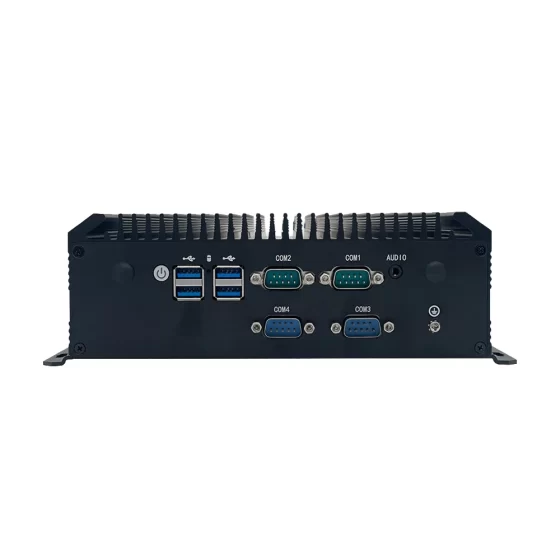
Lüfterlose Industrie-PCs
Geeignet für:
- Quiet healthcare environments
- Clinical diagnostic systems
- Continuous operation applications
Vorteile:
- Reduzierter Wartungsaufwand
- Verbesserte Zuverlässigkeit
- Leiser Betrieb
Eingebettete Computer
Geeignet für:
- Portable diagnostic devices
- Point-of-care systems
- Medical analyzers
Vorteile:
- Compact design
- Geringer Stromverbrauch
- Easy integration
Embedded-Box-PCs
Geeignet für:
- Diagnostic controllers
- Medical gateways
- Edge processing nodes
Vorteile:
- Robuste Konstruktion
- Flexible deployment
- Industrielle Zuverlässigkeit
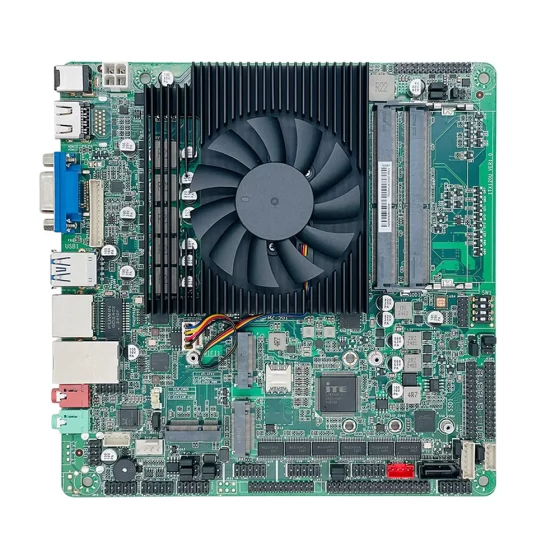
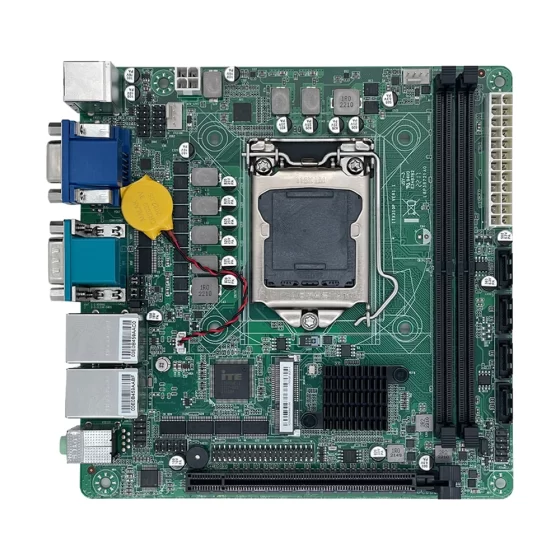
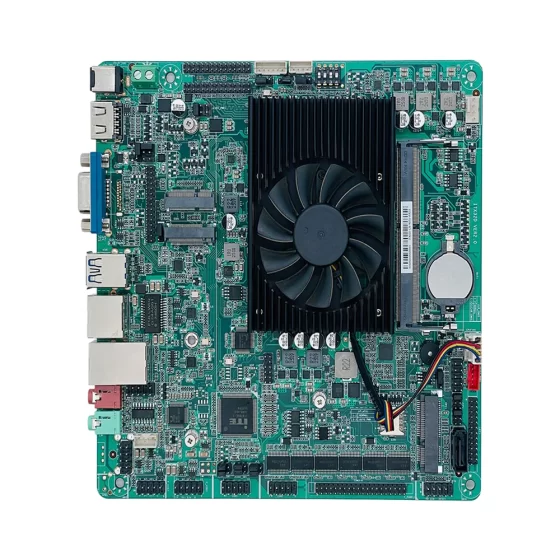
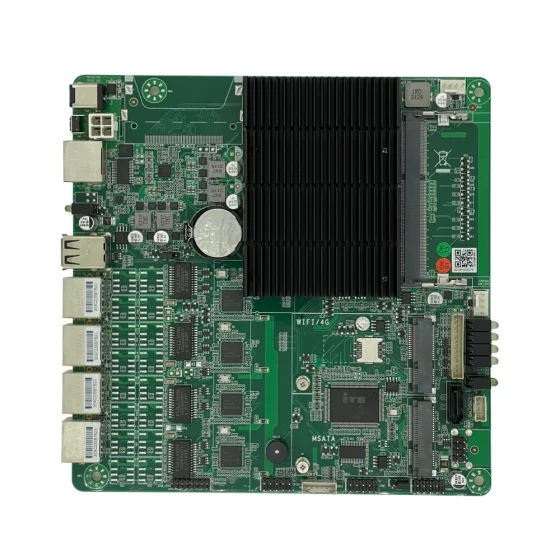
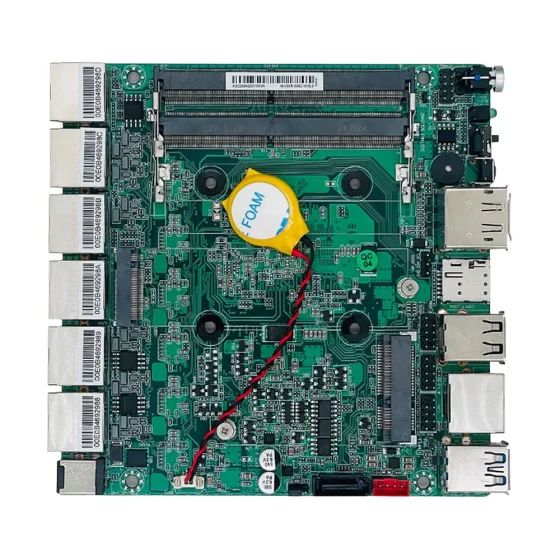
Mini-ITX-Motherboards
Geeignet für:
- Medical OEM equipment
- Diagnostic workstations
- Custom healthcare systems
Vorteile:
- Flexible customization
- Rich expansion capabilities
- Langer Lebenszyklus-Support
3.5-Zoll-SBCs
Geeignet für:
- Compact diagnostic instruments
- Portable healthcare devices
- Embedded medical systems
Vorteile:
- Space-efficient design
- Embedded integration
- Reliable operation
EPISCHE SBCs
Geeignet für:
- Advanced imaging systems
- Multi-interface diagnostic platforms
- High-performance medical devices
Vorteile:
- Expanded I/O resources
- Industrielle Zuverlässigkeit
- Strong computing performance
Custom Embedded Boards
Geeignet für:
- Specialized diagnostic equipment
- Medical OEM projects
- Proprietary healthcare devices
Vorteile:
- Application-specific design
- Optimized functionality
- Competitive product differentiation
Bereitstellungsszenarien
Smart Diagnostic Imaging Systems
Industrial computers perform image acquisition, enhancement, and analysis for medical imaging applications.
Digital Pathology Platforms
Embedded computers process high-resolution pathology images and support AI-assisted diagnostic workflows.
Clinical Laboratory Automation
Diagnostic analyzers utilize industrial computers for equipment control, sample processing, and data management.
Point-of-Care Diagnostic Devices
Compact embedded platforms enable portable diagnostic systems used in clinics, emergency departments, and remote healthcare facilities.
Telemedicine Infrastructure
Edge computing platforms support remote diagnostics and secure healthcare data transmission.
Medical Research Equipment
Advanced diagnostic instruments leverage industrial computing platforms for data collection, Verarbeitung, and analytics.
Geschäftsvorteile
Organizations deploying industrial computing platforms for diagnostic equipment can achieve measurable improvements.
Reduzierte Ausfallzeiten
Industrial-grade reliability minimizes unexpected failures and improves equipment availability.
Erhöhte Produktivität
Faster processing accelerates diagnostic workflows and improves clinical throughput.
Niedrigere Wartungskosten
Fanless designs and industrial components reduce maintenance requirements.
Improved Diagnostic Accuracy
High-performance computing enables advanced analytics and AI-assisted decision support.
Verbesserte operative Transparenz
Connected systems provide real-time monitoring and centralized management.
Bessere Skalierbarkeit
Flexible architectures support future software upgrades and technology adoption.
Warum CoreIPC
CoreIPC specializes in industrial computing and embedded hardware solutions for demanding applications.
CoreIPC provides:
Fachwissen im Bereich Industrie-Computing
Extensive experience in industrial computing platforms for embedded and mission-critical environments.
Flexible OEM and ODM Services
Support for customized hardware development tailored to application-specific requirements.
Embedded Hardware Development
Custom motherboard and embedded system design capabilities.
Langer Lebenszyklus-Support
Stable hardware platforms suitable for long-term deployment strategies.
Industrial-Grade Quality
Designed for reliability, stability, und Dauerbetrieb.
Global Project Support
Support for medical, Industrielle Automatisierung, KI, Transport, and embedded computing projects worldwide.
Häufig gestellte Fragen
1. What is a diagnostic equipment computer?
A diagnostic equipment computer is a computing platform integrated into medical diagnostic systems to perform device control, Datenverarbeitung, image analysis, Konnektivität, and user interface functions.
2. Why use an industrial computer in medical diagnostics?
Industrial computers provide higher reliability, longer lifecycle support, greater connectivity, and improved stability compared with consumer-grade systems.
3. Can embedded computers support medical imaging applications?
Ja. Embedded computers can process medical images, manage imaging devices, and support AI-assisted diagnostic workflows depending on system requirements.
4. What interfaces are commonly required in diagnostic equipment?
Common interfaces include Ethernet, USB, serielle Schnittstellen, display outputs, and expansion interfaces for specialized peripherals.
5. Are fanless systems suitable for healthcare environments?
Ja. Fanless designs reduce noise, Zuverlässigkeit verbessern, and minimize maintenance requirements.
6. How does edge computing benefit diagnostic systems?
Edge computing reduces latency, improves privacy, and enables local data processing for faster diagnostic responses.
7. Can industrial computers integrate with hospital information systems?
Ja. Industrial computing platforms can support integration with HIS, EMR, LIS, PACS, and other healthcare systems.
8. How important is lifecycle support in medical devices?
Medical equipment often remains deployed for many years, making long-term hardware availability extremely important.
9. Can AI run on embedded diagnostic platforms?
Ja. Modern embedded computing platforms can support AI inference for imaging analysis and diagnostic assistance.
10. What are the advantages of custom embedded boards?
Custom embedded boards allow manufacturers to optimize size, functionality, Konnektivität, and performance for specific diagnostic equipment.
11. Are industrial computers suitable for laboratory automation?
Ja. Industrial computers are widely used in laboratory analyzers, sample processing systems, and automation equipment.
12. How can remote management improve diagnostic equipment maintenance?
Remote monitoring allows proactive diagnostics, software updates, und Wartungsplanung, reducing service costs and downtime.
Abschluss
Modern healthcare diagnostics increasingly depend on reliable computing infrastructure capable of supporting advanced imaging, real-time data processing, KI-gestützte Analyse, and connected medical ecosystems. Industrial computers and embedded computers provide the stability, performance, Konnektivität, and lifecycle support required for next-generation diagnostic equipment. By adopting a scalable diagnostic equipment computing platform, medical device manufacturers and healthcare organizations can improve reliability, accelerate innovation, and build future-ready diagnostic solutions that meet evolving healthcare demands.
Kontaktieren Sie uns
Looking for the right computing platform for your diagnostic equipment project?
CoreIPC bietet Industriecomputer an, eingebettete Computer, OEM hardware development, ODM services, and custom embedded board solutions tailored to healthcare and diagnostic applications.
Contact our engineering team today for:
- Product Selection Assistance
- Solution Architecture Consultation
- OEM Medical Device Projects
- ODM Hardware Development
- Custom Embedded Computing Platforms