CoreIPC Industrial Computing-Lösungen

KI-Computer für die Pharmainspektion: Pharmazeutischer Inspektionscomputer für zuverlässige Qualitätskontrolle
Zusammenfassung
A pharmaceutical inspection computer provides the industrial computing foundation for AI-based visual inspection, Fehlererkennung, Verpackungsüberprüfung, Etikettenprüfung, Serialisierungsunterstützung, and quality data collection in pharmaceutical manufacturing.
Pharmaceutical production requires consistent inspection across tablets, capsules, vials, ampoules, syringes, blister packs, Flaschen, Kartons, Etiketten, und Endverpackung. Even small visual defects, falsche Etiketten, missing codes, damaged seals, or packaging errors can create serious quality and operational risks.
AI inspection systems use industrial cameras, Beleuchtung, Sensoren, Bildverarbeitungssoftware, KI-Inferenzmodelle, and industrial computing hardware to inspect products and packaging more consistently than manual methods alone.
Als lokale KI-Verarbeitungsplattform fungiert ein Industriecomputer oder Embedded Computer. Es empfängt Bilddaten, runs AI or vision inspection software, kommuniziert mit SPSen und Automatisierungssystemen, speichert Inspektionsaufzeichnungen, und lädt Ergebnisse in MES hoch, Qualitätssysteme, oder Produktionsdatenbanken.
Im Vergleich zu handelsüblichen PCs, Industriecomputer bieten eine höhere Zuverlässigkeit, flexible I/O, Robustes mechanisches Design, lüfterlose Optionen, stabile Vernetzung, und langen Lebenszyklus-Support. These features are important when inspection systems operate near filling lines, blister packaging machines, labeling equipment, serialization stations, and automated packaging lines.
This article explains how AI computers support pharmaceutical inspection, Welche Herausforderungen treten im realen Einsatz auf?, wie die Lösungsarchitektur funktioniert, and which hardware features matter most for reliable pharma quality control.

Industrial computers process camera images for pharma quality inspection, Verpackungsüberprüfung, Etikettenprüfung, und Rückverfolgbarkeit.
Branchenüberblick
Pharmaceutical Manufacturing Requires Strict Inspection
Pharmaceutical manufacturing depends on product consistency, packaging accuracy, label correctness, and complete production records.
Inspection may occur at multiple stages, including raw material handling, filling, Versiegelung, blister packaging, Beschriftung, Codierung, cartoning, and final packaging verification.
Common inspection targets include:
- Tablet shape and color
- Capsule surface defects
- Vial fill level
- Ampoule cracks
- Syringe assembly
- Blister pack completeness
- Bottle cap and seal condition
- Label position
- Barcode and QR code readability
- Date code and batch code accuracy
- Carton print quality
- Final package verification
A pharmaceutical inspection computer helps process image data and connect inspection results with production records.
Why AI Is Used in Pharma Inspection
Traditional rule-based vision systems can work well for fixed and clearly defined inspection tasks.
Jedoch, pharmaceutical products and packaging can show variation in reflection, material surface, Druckqualität, transparente Behälter, liquid level, tablet appearance, and package geometry.
AI inspection can help identify complex visual patterns and classify abnormalities that may be difficult to define with simple thresholds.
AI-based pharmaceutical inspection may support:
- Fehlererkennung
- Product presence verification
- Fill-level checking
- Siegelinspektion
- Etikettenüberprüfung
- Print and code inspection
- Packaging completeness checks
- Foreign object detection support
- Appearance classification
- Traceability data capture
KI ersetzt nicht die richtige Kamera, Beleuchtung, und mechanisches Design. It depends on stable image acquisition and reliable industrial computing hardware.
Industrial Computing ist die lokale KI-Stiftung
Pharmaceutical inspection systems often need fast local decisions.
Das Senden jedes Bildes an einen Remote-Server kann die Latenz erhöhen, Netzwerklast, und Abhängigkeit von einer zentralisierten Infrastruktur. Local industrial computers allow image processing and AI inference to happen near the inspection station.
An AI inspection computer can connect cameras, Beleuchtungssteuerungen, Sensoren, SPS, Förderer, Ablehnungsmechanismen, Barcode-Lesegeräte, Drucker, und Fabriknetzwerke.
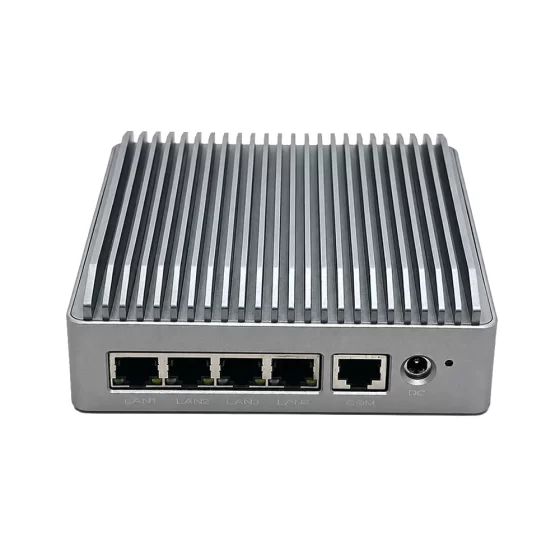
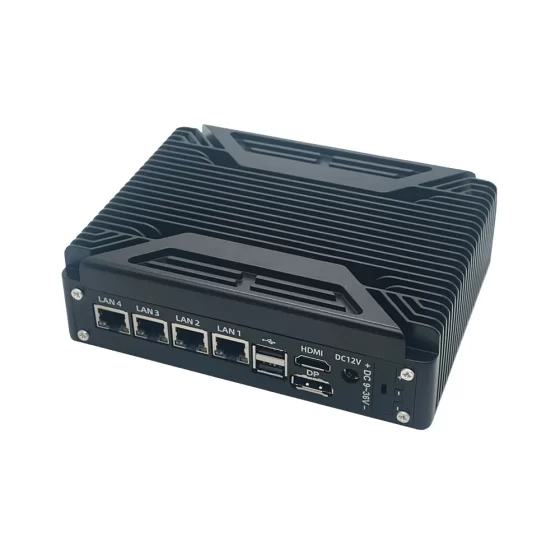
Embedded computers are useful when inspection hardware must be installed inside packaging machines, labeling equipment, inspection cabinets, or OEM pharma equipment.

Transparent containers, reflektierende Verpackung, curved labels, kleine Codes, Beleuchtung, and product variation affect inspection reliability.
Wichtigste Herausforderungen
Product and Packaging Variation
Pharmaceutical inspection is difficult because products and packaging can vary in many ways.
Tablets may differ slightly in color or surface texture. Capsules may reflect light differently. Vials and ampoules may be transparent. Blister packs may include glossy foil. Labels may wrinkle or shift during application.
Zu den häufigsten Inspektionsherausforderungen gehören::
- Low-contrast defects
- Reflective packaging surfaces
- Transparent containers
- Curved bottle labels
- Small printed codes
- Variable tablet appearance
- Liquid level visibility
- Seal edge inspection
- Fast conveyor movement
- Packaging deformation
The inspection computer must process images reliably under real production conditions.
High-Speed Inspection Requirements
Pharmaceutical packaging and filling lines can operate at high speed.
Inspection systems must capture images, Prozessdaten, Ergebnisse einordnen, and send pass or fail signals quickly enough to match production timing.
Wichtige Arbeitsbelastungsfaktoren sind::
- Kameraauflösung
- Anzahl der Kameras
- Line speed
- Komplexität des KI-Modells
- Image processing cycle time
- Timing des Mechanismus ablehnen
- Lokale Bildspeicherung
- Database upload requirements
- Reaktionsfähigkeit der Benutzeroberfläche
Eine stabile Dauerleistung ist wichtiger als kurze Spitzenleistungen.
Beleuchtung und Bildqualität
Lighting is critical in pharmaceutical inspection.
Transparent vials, glossy blister packs, reflective foil, Plastikflaschen, glass surfaces, and curved labels can create glare, Schatten, distortion, oder geringer Kontrast.
Eine schlechte Bildqualität kann die Prüfgenauigkeit verringern und zu einer erhöhten Fehlausschleusung führen.
A reliable system requires careful coordination between cameras, Linsen, Beleuchtung, Montage, Auslöser, Software, und Computerhardware.
Der Industrierechner muss bei Bedarf eine stabile Kameraerfassung und Lichtsteuerung unterstützen.
Integration mit Produktionsanlagen
Pharmaceutical inspection systems must connect with real production equipment.
Der KI-Inspektionscomputer muss möglicherweise mit SPS kommunizieren, Abfüllmaschinen, capping equipment, blister packaging machines, Etikettierer, cartoners, Drucker, Scanner, Ablehnungsmechanismen, und Fabrikdatenbanken.
A practical pharmaceutical inspection computer may need:
- LAN
- USB
- RS232
- RS485
- GPIO
- Digitaler Eingang
- Digitaler Ausgang
- Ausgabe anzeigen
- Erweiterungsschnittstellen
Without suitable industrial I/O, integration becomes more complex and less reliable.
Traceability and Inspection Records
Pharmaceutical inspection data often needs to be connected with batch records, Produkt-IDs, Inspektionsbilder, Zeitstempel, Stations-IDs, und Verpackungsdaten.
Incomplete inspection records can reduce the value of quality analysis and make investigation more difficult.
The inspection computer must support reliable data handling, lokaler Speicher, and communication with MES or quality systems.

Industrial computers connect pharma inspection cameras, Automatisierungsgeräte, Verpackungsmaschinen, MES, und Fabrikqualitätssysteme.
Pharmaceutical Inspection Computer Solution Architecture
Bild- und Sensorerfassungsebene
The acquisition layer captures the raw inspection data.
Diese Schicht kann Industriekameras umfassen, Linsen, Beleuchtungsmodule, Triggersensoren, Barcode-Lesegeräte, print inspection cameras, fill-level sensors, und Produktionssensoren.
Depending on the inspection task, Das System erfasst möglicherweise:
- Tablet images
- Capsule images
- Vial images
- Syringe images
- Blister pack images
- Bottle and cap images
- Beschriften Sie Bilder
- Barcode- oder QR-Code-Bilder
- Bilder mit Datumscode
- Carton package images
Eine gleichbleibende Eingabequalität ist unerlässlich. AI and machine vision software can only perform reliably when images are clear, stabil, and repeatable.
Industrielle KI-Computing-Schicht
The industrial AI computing layer is where the pharmaceutical inspection computer performs local processing.
Auf dieser Ebene, B. der Industriecomputer oder der eingebettete Computer:
- Bilddaten von Kameras empfangen
- Führen Sie KI-Inferenzmodelle aus
- Run rule-based vision tools
- Erkennen Sie Mängel oder Anomalien
- Verify product presence
- Check label and print quality
- Speichern Sie Bilder und Protokolle
- Senden Sie Pass- oder Fail-Signale
- Kommunizieren Sie mit SPSen
- Laden Sie Daten in Qualitätssysteme hoch
- Display inspection results locally
This edge computing layer allows inspection decisions to happen near the production line.
Ebene der Automatisierungssteuerung
The automation control layer connects inspection results with production equipment.
Eine SPS, Förderbandsteuerung, filling system, Verpackungsmaschine, Der Auswurfmechanismus kann eine Bilderfassung auslösen oder Inspektionsergebnisse empfangen.
Zum Beispiel, if a blister pack is missing a tablet or a label code is unreadable, the industrial computer can send a fail signal. The production system may then reject the item or alert an operator.
This closed-loop communication makes AI inspection useful for real production control.
Datenverwaltungsschicht
Inspection records must be connected with manufacturing data.
Der Industriecomputer kann Ergebnisse an das MES senden, Qualitätsmanagementsysteme, Produktionsdatenbanken, oder Werks-Dashboards.
Inspektionsdaten können Folgendes umfassen::
- Produkt-ID
- Chargennummer
- Inspektionsergebnis
- Fehlerkategorie
- Bildbeweis
- Vertrauenswert
- Stations-ID
- Zeitstempel
- Zeilennummer
- Status ablehnen
- Bedieneraktion
Dies unterstützt die Rückverfolgbarkeit, Qualitätsberichterstattung, und Prozessverbesserung.
Benutzeroberfläche und Engineering-Ebene
Betreiber und Ingenieure benötigen eine praktische lokale Schnittstelle.
The inspection computer may connect to a monitor, Touch-Screen, Tastatur, oder HMI-Panel. Die Schnittstelle kann Livebilder anzeigen, Defektstellen, Inspektionsstatus, Ablehnung zählt, Alarm, Modellstatus, und Systemprotokolle.
A clear interface helps engineers adjust inspection settings, review failed products, und Inspektionsprobleme schnell beheben.
Hauptmerkmale
KI-Inferenzleistung
Pharmaceutical inspection AI systems require stable local processing performance.
Unterschiedliche Prüfaufgaben erfordern unterschiedliche Rechenstufen. A simple barcode verification station may use a compact embedded computer. A multi-camera blister pack inspection or AI defect detection system may require a more powerful industrial PC or edge AI platform.
Die Auswahl sollte berücksichtigt werden:
- Komplexität des KI-Modells
- Kameraauflösung
- Anzahl der Kameras
- Erforderliche Bildrate
- Inspektionszykluszeit
- Speicherauslastung
- Software-Framework
- CPU, GPU, oder KI-Beschleunigeranforderungen
The hardware should be selected according to real inspection workload, nicht nur allgemeine Spezifikationen.
Unterstützung für Kamera- und Vision-Schnittstellen
Pharmaceutical inspection depends on reliable image acquisition.
The computing platform should support the required camera interfaces and bandwidth. USB- und Gigabit-Ethernet-Kameras sind in vielen industriellen Bildverarbeitungssystemen üblich.
Zu den nützlichen Hardwarefunktionen können gehören:
- USB 3.0
- Mehrere LAN-Ports
- PCIe-Erweiterung
- M.2-Erweiterung
- HDMI oder DisplayPort
- Unterstützung für Hochgeschwindigkeits-SSDs
- Stabiles Power-Design
Für Mehrkamerasysteme, Der Kameraverkehr muss möglicherweise vom Werksnetzwerkverkehr getrennt werden.
Industrielle I/O für die Produktionsintegration
The inspection computer must connect with production equipment and peripheral devices.
Zu den wichtigen E/A-Optionen können gehören:
- LAN
- USB
- RS232
- RS485
- GPIO
- Digitaler Eingang
- Digitaler Ausgang
- HDMI
- DisplayPort
Diese Schnittstellen können Kameras unterstützen, Scanner, Drucker, Beleuchtungssteuerungen, SPS, Förderer, Alarm, Ablehnungsmechanismen, und Verpackungsanlagen.
Flexible I/O reduzieren den Bedarf an externen Konvertern und verbessern die Bereitstellungszuverlässigkeit.
Lüfterloses und robustes Design
Fanless industrial computers are useful in many pharma inspection applications.
Sie reduzieren die Staubaufnahme und beseitigen eine häufige mechanische Fehlerquelle. This can support lower maintenance in continuous production environments.
Ein robustes Gehäuse schützt den Computer vor Vibrationen, Kabelspannung, und Schrankeinbaubedingungen.
Für leistungsstarke KI-Workloads, thermal design must be reviewed carefully to ensure stable long-term operation.
Speicher für Bilder und Inspektionsaufzeichnungen
Pharmaceutical inspection systems may generate many files and records.
Der Computer speichert möglicherweise fehlerhafte Bilder, product images, Inspektionsprotokolle, Modelldateien, Produktionsberichte, und lokale Datenbanken.
SSD-Speicher werden häufig bevorzugt, da sie eine schnellere Reaktion und eine bessere Stoßbeständigkeit bieten als mechanische Laufwerke.
Für bildlastige Anwendungen, Speicherkapazität, schreibe Ausdauer, Aufbewahrungsrichtlinie, and backup planning should be reviewed during system design.
Lange Lebensdauer und Wartbarkeit
Pharmaceutical inspection equipment may stay in service for many years.
Häufige Änderungen bei Computermodellen, Fahrer, Häfen, or expansion options can increase validation and maintenance workload.
Industrielle Computerplattformen mit Lebenszyklusplanung unterstützen Systemintegratoren, Gerätebauer, and manufacturers maintain consistent inspection systems across multiple lines and equipment generations.

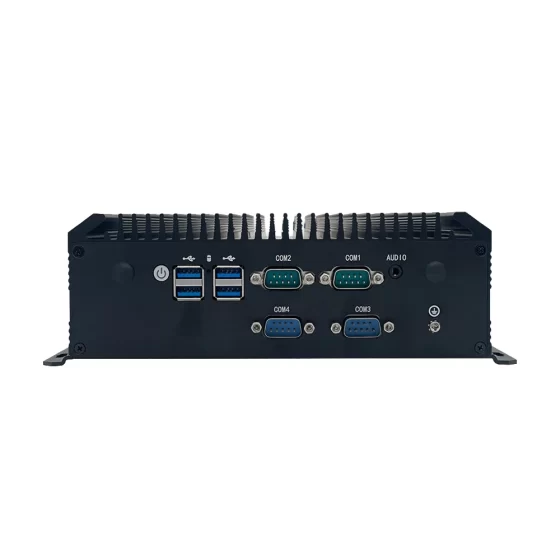
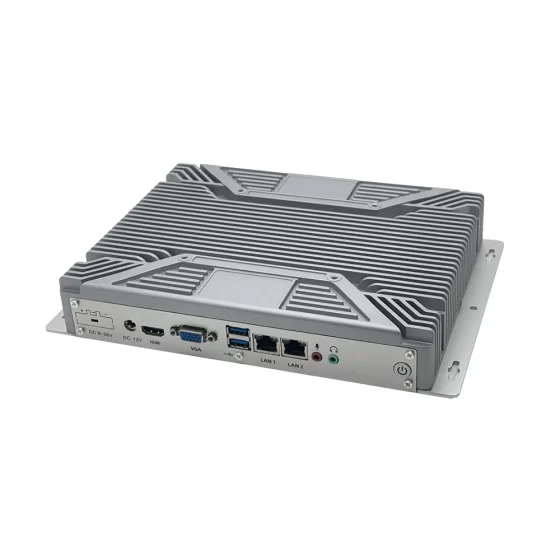
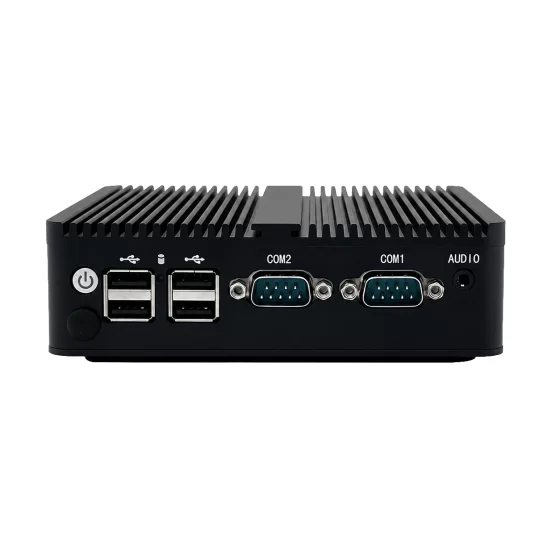
Fanless industrial computers support reliable pharma inspection deployment in production cabinets and inspection machines.
Bereitstellungsszenarien
Tablet and Capsule Inspection
AI vision systems can inspect tablet and capsule appearance.
The system may check shape, Farbe, coating condition, Risse, chips, Kontamination, size variation, or missing products.
An industrial computer processes images locally and sends inspection results to production or quality systems.
Vial and Ampoule Inspection
Vials and ampoules may require inspection for fill level, cap condition, Risse, Partikel, Etikettenposition, and printed codes.
The inspection computer can process images from multiple cameras and communicate with PLCs or reject mechanisms.
This supports automated quality control on filling and packaging lines.
Syringe and Medical Device Packaging Inspection
Syringe-related inspection may include plunger position, cap condition, label quality, package presence, and assembly verification.
An embedded computer can be installed near the inspection station or inside OEM equipment to process images and upload records.
Blister Pack Inspection
Blister packaging inspection is one of the most common pharmaceutical vision applications.
The system can check whether each cavity contains the correct product, whether tablets are damaged, whether packaging is complete, and whether foil or printed information is correct.
The industrial computer processes images and sends pass or fail results to the packaging line.
Bottle Cap and Seal Inspection
Bottle packaging may require cap, seal, Etikett, and fill-level inspection.
A vision system can verify whether the cap is present, properly positioned, and visually acceptable.
The inspection computer can store results and connect inspection data with batch and packaging records.
Label and Code Verification
Pharmaceutical packaging often requires accurate labels, Barcodes, QR-Codes, Chargennummern, and date codes.
Ein Bildverarbeitungssystem kann überprüfen, ob das Etikett vorhanden ist, lesbar, richtig positioniert, and linked to the correct product.
The industrial computer can connect recognition results with production databases and traceability systems.
Carton and Final Package Inspection
Final packaging inspection may check cartons, inserts, Etiketten, Siegel, Barcodes, Produktanzahl, and package completeness.
An AI inspection computer can process images, verify packaging rules, and send results to quality systems or reject mechanisms.
This helps reduce packaging errors before shipment.
OEM Pharma Inspection Equipment
Machine builders can integrate embedded computers or industrial motherboards into pharma inspection equipment.
The computing platform can provide AI processing, Bildaufnahme, HMI-Anzeige, SPS-Kommunikation, Kontrolle ablehnen, lokaler Speicher, und Datenausgabe.
This helps OEMs deliver inspection systems ready for factory integration.

Pharmaceutical inspection systems improve defect review, Etikettenüberprüfung, Rückverfolgbarkeit, Qualitätsüberwachung, and packaging inspection.
Geschäftsvorteile
Verbesserte Inspektionskonsistenz
AI inspection helps improve consistency across production shifts.
Industrial computers process images using defined vision rules or AI models. Dies reduziert die Abhängigkeit von manueller Beurteilung und trägt dazu bei, eine stabile Inspektionsleistung aufrechtzuerhalten.
Consistent inspection is especially important for repetitive high-speed production tasks.
Reduzierter manueller Inspektionsaufwand
Manual inspection can be repetitive and difficult to sustain at high speed.
KI-Inspektionsplattformen automatisieren viele visuelle Inspektionsaufgaben, allowing operators and engineers to focus on exceptions, equipment setup, und Prozessverbesserung.
This can improve efficiency while reducing missed defects caused by fatigue.
Schnellere Qualitätsentscheidungen
Local image processing allows inspection decisions to happen near the production line.
The industrial computer can classify defects and send pass, scheitern, or reject results to PLCs quickly.
This helps remove defective products earlier and supports smoother production flow.
Stärkere Rückverfolgbarkeit
Inspection results can be linked with product IDs, Chargennummern, Fehlerkategorien, Bilder, Zeitstempel, Informationen zum Sender, und Verpackungsdaten.
This creates stronger quality records for pharmaceutical production.
Reliable traceability supports quality analysis, Prozessüberprüfung, und Produktionsverantwortung.
Bessere Prozessverbesserung
Pharmaceutical inspection systems generate useful quality data.
Hersteller können wiederkehrende Mängel analysieren, packaging errors, label issues, reject patterns, und Prozessvariation.
Reliable industrial computing hardware helps ensure that this data is collected consistently and connected with factory systems.
Scalable Inspection Deployment
A standardized industrial computing platform makes it easier to deploy pharma inspection systems across multiple lines and factories.
Konsistente Hardware vereinfacht Software-Images, Fahrerverwaltung, Ersatzteilplanung, Wartungsschulung, und langfristigen technischen Support.
This supports scalable quality control and digital manufacturing development.
Warum CoreIPC
CoreIPC bietet industrielle Computerplattformen für die maschinelle Bildverarbeitung, Kanten-KI, Fabrikautomation, und eingebettete Systemintegration. For pharmaceutical inspection computer applications, CoreIPC konzentriert sich auf zuverlässige industrielle Computerhardware, Embedded-Computer-Lösungen, flexible I/O-Konfigurationen, kompaktes Systemdesign, und OEM/ODM-Anpassungsunterstützung. CoreIPC hilft Systemintegratoren, Hersteller von Inspektionsgeräten, and pharmaceutical manufacturers select computing platforms that match real deployment requirements, einschließlich Kameraschnittstellen, KI-Workloads, Automatisierungskommunikation, Montagemethoden, Leistungsaufnahme, thermisches Design, Speicherbedarf, und Lebenszyklusplanung.
Häufig gestellte Fragen
1. What is a pharmaceutical inspection computer?
A pharmaceutical inspection computer is an industrial computer used to process images and inspection data in pharma production.
It can connect to cameras, Beleuchtungssteuerungen, Scanner, SPS, Verpackungsmaschinen, und Qualitätssysteme. It may run AI inspection software, Mängel erkennen, Etiketten überprüfen, Prüfprotokolle aufbewahren, and upload results to production databases.
2. Why use an industrial computer for pharma inspection?
Pharma inspection systems often run near filling lines, Verpackungsmaschinen, Förderer, Etikettierer, und Prüfstationen.
Ein Industriecomputer eignet sich besser als ein Büro-PC, da er den Dauerbetrieb unterstützt, industrielle I/O, robuste Installation, stabile Vernetzung, lüfterlose Optionen, und Bereitstellung über einen langen Lebenszyklus.
3. How is an embedded computer used in pharmaceutical inspection?
In Inspektionsmaschinen kann ein eingebetteter Computer installiert werden, Schaltschränke, Etikettiersysteme, blister packaging equipment, or compact vision stations.
Es kann Kamerabilder verarbeiten, Inspektionssoftware ausführen, mit SPS kommunizieren, Aufzeichnungen speichern, und Ergebnisse an Fabriksysteme senden. Its compact size makes it useful for OEM equipment and space-limited installations.
4. What can AI inspect in pharmaceutical manufacturing?
AI inspection can support tablet appearance checking, capsule inspection, blister pack verification, vial inspection, fill-level checking, cap and seal inspection, Etikettenüberprüfung, Barcode-Lesung, date code inspection, and final packaging checks.
The exact capability depends on camera setup, Lichtdesign, KI-Modelltraining, Produktvariation, and production testing.
5. What interfaces are important for pharma inspection computers?
Wichtige Schnittstellen können USB sein 3.0, mehrere LAN-Ports, RS232, RS485, GPIO, digitaler Eingang, digitaler Ausgang, HDMI, DisplayPort, M.2, und PCIe-Erweiterung.
Kameraschnittstellen sind für die Bildaufnahme von entscheidender Bedeutung. Industrielle E/A sind wichtig für die SPS-Kommunikation, Lichtsteuerung, Triggersensoren, Drucker, Scanner, Förderer, und Ablehnungsmechanismen.
6. Is a fanless industrial computer suitable for pharma inspection?
A fanless industrial computer can be suitable for many pharma inspection applications because it reduces dust intake and removes one mechanical failure point.
Jedoch, AI workloads and multi-camera systems may generate significant heat. Prozessorleistung, Luftzirkulation im Schrank, Umgebungstemperatur, und Montagemethode sollten vor der endgültigen Hardware-Auswahl überprüft werden.
7. How does pharma inspection support traceability?
Inspection systems support traceability by connecting results with product IDs, Chargennummern, Zeitstempel, Stations-IDs, Fehlerkategorien, Etikettendaten, Barcode-Werte, und Bildaufzeichnungen.
Diese Daten können in MES hochgeladen werden, Qualitätssysteme, oder Produktionsdatenbanken. Complete records help manufacturers analyze quality issues and improve process control.
8. Can pharmaceutical inspection computers connect to MES systems?
Ja. Industrial computers can send inspection data to MES, Qualitätsdatenbanken, oder Produktions-Dashboards.
Hochgeladene Daten können Produkt-IDs enthalten, Chargennummern, Inspektionsergebnisse, Fehlerkategorien, Bilder, Zeitstempel, line information, and reject status. This helps connect inspection workflows with production records.
9. What should be tested before deploying a pharma inspection computer?
Vor der Bereitstellung, Das System sollte mit realen Produkten getestet werden, actual packaging, Produktionsbeleuchtung, real line speed, Kameraauflösung, Inspektionssoftware, SPS-Kommunikation, Timing ablehnen, Speicherauslastung, und Netzwerkbedingungen.
Auch die Langzeitstabilität und die thermische Leistung sollten getestet werden, um das Produktionsrisiko zu reduzieren.
10. Can AI inspection replace manual pharma inspection completely?
KI-Inspektion kann viele sich wiederholende visuelle Inspektionsaufgaben automatisieren, aber es sollte vorsichtig eingeführt werden.
Some inspection cases may still require human review, especially during validation, Ausnahmebehandlung, or unusual defect analysis. In vielen Fabriken, AI inspection works best as a consistent automated inspection layer that supports operators and quality teams.
Abschluss
A pharmaceutical inspection computer is a practical foundation for AI-based visual inspection, Verpackungsüberprüfung, Fehlererkennung, Etikettenprüfung, Rückverfolgbarkeit, and production quality control.
Durch die Platzierung industrieller Computerhardware in der Nähe von Kameras, Beleuchtungssysteme, Sensoren, SPS, Förderer, Verpackungsmaschinen, und Ablehnungsmechanismen, Hersteller können Inspektionsdaten lokal verarbeiten und schneller auf Qualitätsprobleme reagieren.
Der richtige Industriecomputer oder Embedded-Computer sollte entsprechend den tatsächlichen Einsatzanforderungen ausgewählt werden, inklusive Kameraschnittstelle, KI-Arbeitsbelastung, I/O-Konfiguration, Netzwerkdesign, Speicherbedarf, Montagemethode, Leistungsaufnahme, thermische Bedingungen, Betriebssystemunterstützung, und Lebenszyklusplanung.
CoreIPC supports pharmaceutical inspection computer projects with industrial computing platforms designed for practical factory deployment. Mit der richtigen Hardware-Grundlage, pharmaceutical manufacturers and equipment builders can build more reliable, skalierbar, and data-driven inspection systems.
Kontaktieren Sie uns
Auf der Suche nach einem Industriecomputer, eingebetteter Computer, or industrial motherboard for pharma inspection?
Kontaktieren Sie CoreIPC, um Ihre Projektanforderungen zu besprechen, inklusive Kameraschnittstelle, KI-Arbeitsbelastung, I/O-Konfiguration, Automatisierungskommunikation, Montagemethode, Leistungsaufnahme, Betriebsumgebung, Lebenszyklusanforderungen, und OEM/ODM-Anpassungsoptionen.