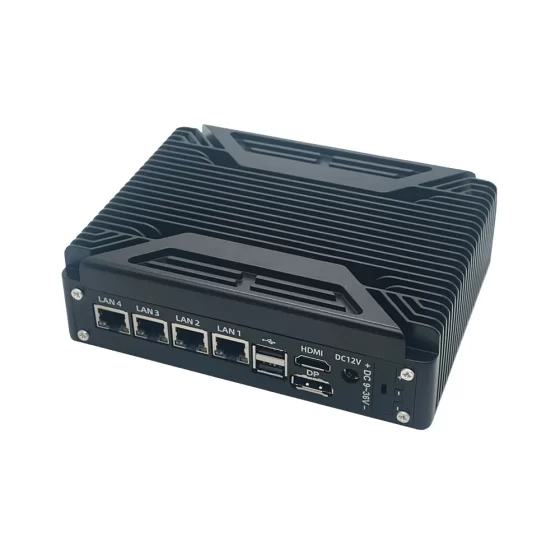
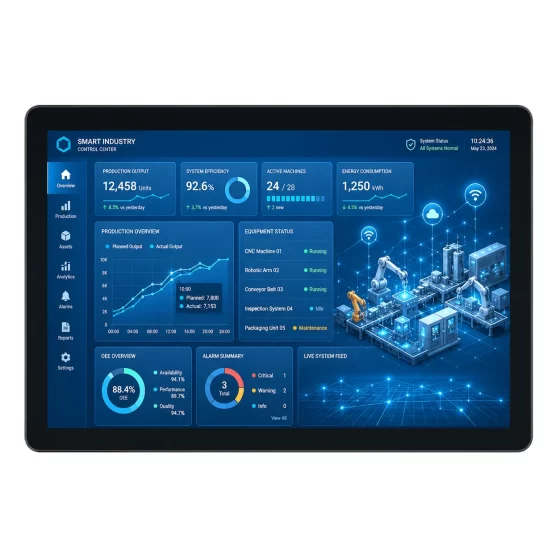
CoreIPC Industrial Computing-Lösungen

Bildverarbeitungssystem für die Lebensmittelinspektion: Bildverarbeitungscomputer für die Lebensmittelinspektion für zuverlässige Qualitätskontrolle
Zusammenfassung
Ein Bildverarbeitungssystem für die Lebensmittelinspektion bildet die industrielle Computergrundlage für die automatisierte visuelle Inspektion, Kontaminationserkennung, Verpackungsüberprüfung, Etikettenprüfung, und Qualitätsrückverfolgbarkeit in der Lebensmittelherstellung.
Die Lebensmittelproduktion erfordert eine konsequente Qualitätskontrolle im gesamten Rohstoffhandling, Verarbeitung, Verpackung, Beschriftung, Sortierung, und Endversand. Zu den Mängeln können Fremdkörper gehören, Farbvariation, beschädigte Produkte, falsche Etiketten, fehlende Siegel, Verpackungsmängel, Probleme mit dem Füllstand, oder Kontaminationsrisiken.
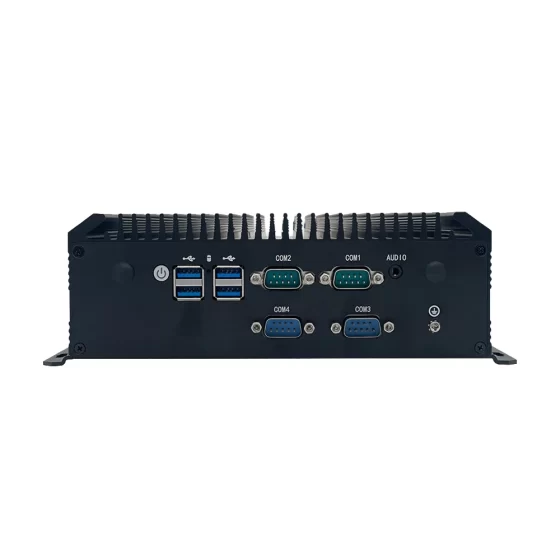
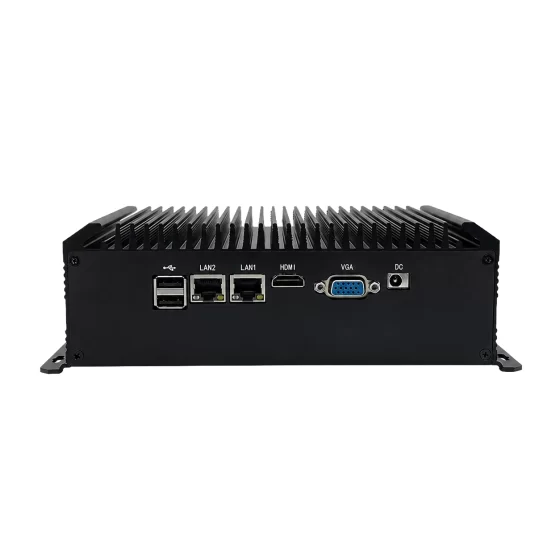
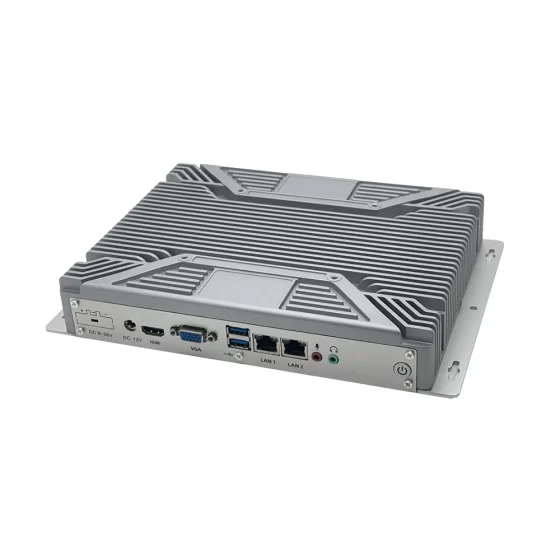
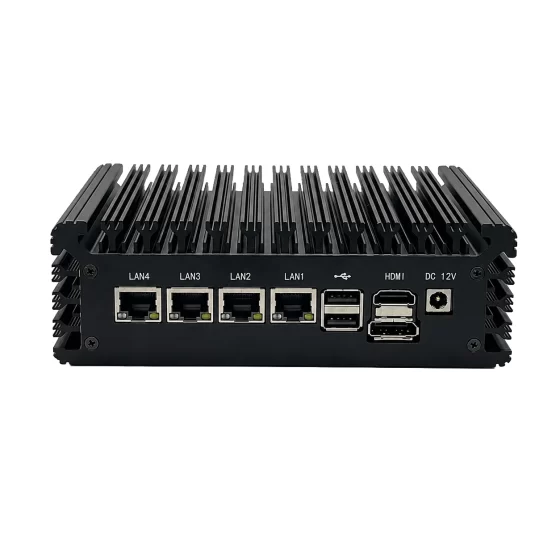
Ein Industriecomputer oder eingebetteter Computer fungiert als lokale Verarbeitungsplattform für das Bildverarbeitungssystem für die Lebensmittelinspektion. Es empfängt Bilddaten von Kameras, führt Inspektionssoftware oder KI-Modelle aus, kommuniziert mit SPS und Förderbändern, speichert Inspektionsaufzeichnungen, und lädt Daten in das MES hoch, Qualitätsmanagementsysteme, oder Produktionsdatenbanken.
Im Vergleich zu handelsüblichen PCs, Industriecomputer eignen sich besser für Fabrikumgebungen. Sie sorgen für einen stabilen Betrieb, flexible I/O, Robustes mechanisches Design, lüfterlose Optionen, zuverlässige Vernetzung, und langen Lebenszyklus-Support.
Für Lebensmittelhersteller, Maschinenbauer, und Systemintegratoren, Die Auswahl der richtigen industriellen Computerplattform wirkt sich auf die Inspektionszuverlässigkeit aus, Produktionsverfügbarkeit, Datengenauigkeit, und langfristige Skalierbarkeit des Systems.
In diesem Artikel wird erläutert, wie Bildverarbeitungssysteme für die Lebensmittelinspektion funktionieren, welche Herausforderungen in realen Produktionsumgebungen auftreten, wie die Lösungsarchitektur aufgebaut ist, und welche Hardwaremerkmale bei der Auswahl eines Industriecomputers für die Lebensmittelqualitätsprüfung wichtig sind.
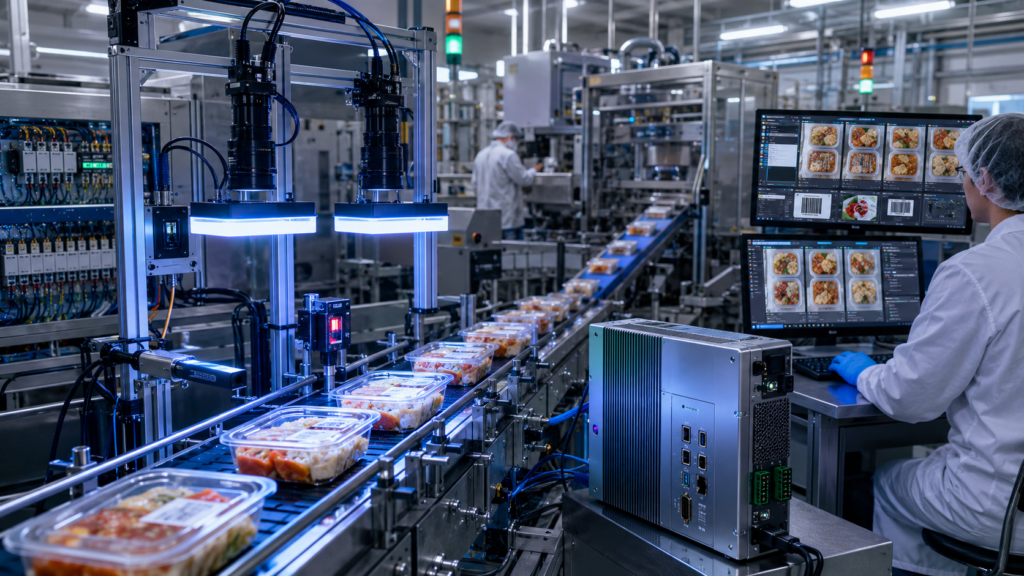
Industriecomputer verarbeiten Kamerabilder zur Lebensmittelqualitätsprüfung, Verpackungsüberprüfung, Etikettenprüfung, und Rückverfolgbarkeit der Produktion.
Branchenüberblick
Die Lebensmittelkontrolle wird zunehmend automatisiert
Lebensmittelhersteller stehen zunehmend unter Druck, die Produktkonsistenz zu verbessern, Reduzieren Sie das Kontaminationsrisiko, und starke Qualitätsaufzeichnungen aufrechterhalten.
In vielen Fabriken wird immer noch eine manuelle Inspektion durchgeführt, aber es kann durch Müdigkeit eingeschränkt werden, Geschwindigkeit, Lichtverhältnisse, und inkonsistentes Urteil. Da Produktionslinien immer schneller und automatisierter werden, Auch die visuelle Inspektion muss stabiler und wiederholbarer werden.
Bildverarbeitungssysteme für die Lebensmittelinspektion können dabei helfen:
- Erkennung von Fremdkörpern
- Farb- und Aussehensprüfung
- Überprüfung von Form und Größe
- Füllstandskontrolle
- Siegelinspektion
- Erkennung von Verpackungsfehlern
- Überprüfung von Etiketten und Barcodes
- Überprüfung des Datumscodes
- Sortieren und Benoten
- Erfassung von Rückverfolgbarkeitsdaten
Diese Anwendungen erfordern zuverlässige Rechenhardware in der Nähe des Produktionsprozesses.
Warum Bildverarbeitungssysteme in der Lebensmittelherstellung eingesetzt werden
Ein Bildverarbeitungssystem kann Produkte kontinuierlich und konsistent prüfen.
Kameras erfassen Bilder von Lebensmitteln, Pakete, Etiketten, oder Behälter. Der Industrierechner verarbeitet die Bilder und entscheidet, ob das Produkt den Qualitätsanforderungen entspricht.
Dieser Ansatz trägt dazu bei, den manuellen Arbeitsaufwand zu reduzieren und die Inspektionskonsistenz über Schichten hinweg zu verbessern.
Die Bildverarbeitung für die Lebensmittelinspektion kann in vielen Produktionsbereichen eingesetzt werden, inklusive Bäckerei, Getränk, Molkerei, Fleischverarbeitung, Tiefkühlkost, Snacks, Konserven, abgepackte Mahlzeiten, und Sortierung landwirtschaftlicher Produkte.
Industrial Computing ist die lokale Verarbeitungsschicht
Ein Bildverarbeitungssystem für die Lebensmittelinspektion ist auf eine stabile lokale Datenverarbeitung angewiesen.
Der Industrierechner empfängt Bilddaten, führt Inspektionsalgorithmen aus, kommuniziert mit Automatisierungsgeräten, und sendet Prüfergebnisse an Produktionssysteme.
Ein eingebetteter Computer kann in einem Schaltschrank installiert werden, Sortiermaschine, Verpackungsmaschine, Inspektionsstation, oder OEM-Gerätegehäuse.
Im Vergleich zu Büro-PCs, Industriecomputer bieten eine bessere Eignung für den Dauerbetrieb, industrielle I/O, kompakte Installation, und Bereitstellung in der Produktion.

Produktvariation, Verpackungsreflexion, Etikettenfehler, Feuchtigkeit, Fremdkörper, und Beleuchtung beeinflussen die Zuverlässigkeit der Lebensmittelkontrolle.
Wichtigste Herausforderungen
Produktvariation
Lebensmittel sind von Natur aus variabel.
Auch normale Produkte können in der Größe abweichen, Form, Farbe, Textur, und Oberflächenerscheinung. Dies macht die Inspektion schwieriger als die Überprüfung starr gefertigter Teile.
Ein Bildverarbeitungssystem muss möglicherweise zwischen akzeptablen natürlichen Abweichungen und echten Mängeln unterscheiden.
Zu den häufigsten Herausforderungen gehören::
- Ungleichmäßige Produktform
- Farbunterschiede
- Variation der Oberflächentextur
- Zerbrochene oder beschädigte Gegenstände
- Fremdmaterialien
- Überfüllte oder unterfüllte Pakete
- Zerknitterte Etiketten
- Reflektierende Verpackung
- Feuchtigkeit oder Kondensation
- Schnelle Produktbewegung
Der Inspektionscomputer muss Bilder zuverlässig verarbeiten und unter diesen variablen Bedingungen eine stabile Inspektionslogik unterstützen.
Beleuchtung und Oberflächenreflexion
Beleuchtung ist bei der Lebensmittelinspektion von entscheidender Bedeutung.
Transparente Verpackung, Hochglanzfolien, Metalldosen, Plastikflaschen, nasse Oberflächen, und dunkle Produkte können Blendung erzeugen, Schatten, oder geringer Kontrast.
Eine schlechte Bildqualität kann die Prüfgenauigkeit verringern und zu einer erhöhten Fehlausschleusung führen.
Ein praktisches System erfordert eine sorgfältige Koordination zwischen den Kameras, Linsen, Beleuchtung, mechanische Montage, Trigger-Timing, Software, und Computerhardware.
Der Industrierechner muss bei Bedarf eine stabile Kameraerfassung und Beleuchtungssteuerung unterstützen.
Hochgeschwindigkeits-Produktionslinien
Lebensmittelproduktionslinien können mit hoher Geschwindigkeit arbeiten.
Die Inspektion muss mit den Förderbändern Schritt halten, Abfüllmaschinen, Siegelmaschinen, Sortiersysteme, und Verpackungsanlagen.
Wenn der Computer Bilder nicht schnell genug verarbeiten kann, Die Inspektionsstation kann zum Engpass werden.
Wichtige Leistungsfaktoren sind::
- Kameraauflösung
- Anzahl der Kameras
- Bildrate
- Komplexität des Inspektionsalgorithmus
- Arbeitsbelastung des KI-Modells
- Fördergeschwindigkeit
- Timing des Mechanismus ablehnen
- Lokale Speicheranforderungen
- Häufigkeit des Daten-Uploads
Eine stabile Dauerleistung ist wichtiger als kurze Spitzenleistungen.
Anforderungen an Hygiene und industrielle Umgebung
In der Lebensmittelproduktionsumgebung kann es zu Feuchtigkeit kommen, Waschbereiche, Temperaturänderungen, Staub, Pulver, Vibration, und begrenzter Installationsraum.
Allerdings ist der Industriecomputer möglicherweise nicht immer direkt den Waschzonen ausgesetzt, In der Nähe von Produktionsanlagen und innerhalb von Schaltschränken muss es weiterhin zuverlässig funktionieren.
Ein lüfterloser Industriecomputer kann die Staubansaugung und den Wartungsaufwand reduzieren.
Kompakte Embedded-Computer können auch dann nützlich sein, wenn das System in Verpackungsmaschinen integriert werden muss, Sortiersysteme, oder Inspektionsausrüstung.
Rückverfolgbarkeit und Datenintegration
Inspektionsergebnisse sind am wertvollsten, wenn sie mit Produktionsaufzeichnungen verknüpft werden.
Ein Bildverarbeitungssystem für die Lebensmittelinspektion muss möglicherweise Bildergebnisse mit Chargennummern verknüpfen, Produkt-IDs, Zeitstempel, Stations-IDs, Verpackungsinformationen, Etikettendaten, und Qualitätsaufzeichnungen.
Dies erfordert eine stabile Kommunikation mit dem MES, Qualitätssysteme, Produktionsdatenbanken, Barcode-Systeme, und Fabrik-Dashboards.
Wenn die Inspektionsdaten unvollständig sind, Qualitätsanalyse und Rückverfolgbarkeit werden weniger zuverlässig.

Industriecomputer verbinden Lebensmittelkontrollkameras, Automatisierungsgeräte, Verpackungsmaschinen, MES, und Fabrikqualitätssysteme.
Architektur des Bildverarbeitungssystems für die Lebensmittelinspektion
Bilderfassungsebene
Die Bilderfassungsebene umfasst Kameras, Linsen, Beleuchtungsmodule, Triggersensoren, und mechanische Montage.
Diese Ebene erfasst Bilder von Produkten, Pakete, Etiketten, Siegel, Behälter, oder Förderbänder.
Abhängig von der Anwendung, Das System erfasst möglicherweise:
- Bilder des Produktauftritts
- Paketbilder
- Bilder des Siegelbereichs
- Beschriften Sie Bilder
- Barcode- oder QR-Code-Bilder
- Bilder mit Datumscode
- Füllstandbilder
- Bilder von Fremdkörpern
- Bilder sortieren und bewerten
Eine stabile Bildqualität ist unerlässlich, bevor die Software zuverlässige Inspektionsentscheidungen treffen kann.
Industrielle Computerschicht
In der Industrial Computing-Schicht führt der Industriecomputer oder Embedded Computer die lokale Bildverarbeitung durch.
Auf dieser Ebene, Der Computer kann:
- Bilddaten von Kameras empfangen
- Führen Sie eine Inspektionssoftware aus
- Führen Sie KI-Inferenzmodelle aus
- Erkennen Sie Mängel oder Anomalien
- Überprüfen Sie Etiketten und Barcodes
- Füllstand bzw. Dichtungsqualität prüfen
- Speichern Sie Inspektionsbilder und Protokolle
- Senden Sie Pass- oder Fail-Ergebnisse an SPSen
- Laden Sie Daten in Qualitätssysteme hoch
- Inspektionsstatus lokal anzeigen
Diese Schicht muss stabil sein, da sie sich direkt auf die Prüfgenauigkeit auswirkt, Timing ablehnen, und Produktionskontinuität.
Ebene der Automatisierungssteuerung
Die Automatisierungssteuerungsschicht verbindet das Bildverarbeitungssystem mit der Produktionsausrüstung.
Eine SPS, Förderbandsteuerung, Sortiermaschine, Füllmaschine, Verpackungsmaschine, Der Auswurfmechanismus kann eine Bilderfassung auslösen oder Inspektionsergebnisse empfangen.
Zum Beispiel, wenn ein Paketetikett falsch ist, Der Industriecomputer kann ein Fehlersignal an die SPS senden. Das System kann dann einen Zurückweisungsmechanismus aktivieren oder den Bediener alarmieren.
Diese geschlossene Kommunikation trägt dazu bei, Prüfergebnisse in praktische Produktionsmaßnahmen umzusetzen.
Datenverwaltungsschicht
Lebensmittelinspektionsdaten müssen häufig gespeichert und mit Produktionsaufzeichnungen verknüpft werden.
Der Industriecomputer kann Daten an das MES senden, Qualitätsmanagement-Software, Produktionsdatenbanken, oder Werks-Dashboards.
Daten können Folgendes umfassen::
- Produkt-ID
- Chargennummer
- Inspektionsergebnis
- Fehlerkategorie
- Bildbeweis
- Zeitstempel
- Stations-ID
- Zeilennummer
- Etiketteninformationen
- Status ablehnen
Dies unterstützt die Rückverfolgbarkeit, Qualitätsberichterstattung, Prozessverbesserung, und Vorbereitung auf Kundenaudits.
Benutzeroberflächenschicht
Betreiber und Ingenieure benötigen eine praktische lokale Schnittstelle.
Der Industriecomputer kann an einen Monitor angeschlossen werden, Touch-Screen, Tastatur, oder HMI-Panel. Die Schnittstelle kann Livebilder anzeigen, Inspektionsergebnisse, Defektstellen, Alarm, Produktion zählt, und Systemprotokolle.
Eine übersichtliche Benutzeroberfläche hilft Wartungsteams bei der Anpassung der Einstellungen, Überprüfen Sie abgelehnte Produkte, und Inspektionsprobleme schnell beheben.

Lüfterlose Industriecomputer unterstützen den zuverlässigen Einsatz der Lebensmittelkontrolle in Fabrikschränken und Produktionslinien.
Hauptmerkmale
Stabile Bildverarbeitungsleistung
Ein Bildverarbeitungscomputer für die Lebensmittelkontrolle muss eine stabile Bildverarbeitungsleistung bieten.
Unterschiedliche Anwendungen erfordern unterschiedliche Rechenstufen. Für die einfache Überprüfung von Barcodes oder Etiketten kann ein kompakter eingebetteter Computer verwendet werden. Für die KI-Inspektion mit mehreren Kameras oder die Hochgeschwindigkeitssortierung ist möglicherweise ein leistungsstärkerer Industrie-PC oder Edge-KI-Computer erforderlich.
Die Auswahl der Hardware sollte berücksichtigt werden:
- Kameraauflösung
- Anzahl der Kameras
- Fördergeschwindigkeit
- Komplexität des KI-Modells
- Inspektionszykluszeit
- Lokale Bildspeicherung
- Anzeigeanforderungen
- Timing der SPS-Kommunikation
- MES- oder Datenbank-Upload-Anforderungen
Ziel ist eine stabile Inspektion während der realen Produktion, nicht nur hohe Benchmark-Ergebnisse.
Unterstützung für Kamera- und Vision-Schnittstellen
Lebensmittelinspektionssysteme verwenden üblicherweise USB- oder Ethernet-Kameras.
Der Industrierechner sollte über die erforderlichen Kameraschnittstellen und genügend Bandbreite für eine stabile Bildaufnahme verfügen.
Zu den nützlichen Funktionen können gehören:
- USB 3.0 Häfen
- Mehrere LAN-Ports
- M.2-Erweiterung
- PCIe-Erweiterung
- HDMI- oder DisplayPort-Ausgang
- Hochgeschwindigkeitsspeicher
- Stabiles Power-Design
Für Mehrkamerasysteme, Der Kameraverkehr muss möglicherweise vom Werksnetzwerkverkehr getrennt werden.
Industrielle I/O für die Produktionsintegration
Der Vision-Computer muss mit realen Produktionsanlagen verbunden sein.
Zu den wichtigen E/A-Optionen können gehören:
- LAN
- USB
- RS232
- RS485
- GPIO
- Digitaler Eingang
- Digitaler Ausgang
- HDMI
- DisplayPort
Diese Schnittstellen können Kameras unterstützen, Sensoren, SPS, Beleuchtungssteuerungen, Barcode-Lesegeräte, Alarm, Förderer, Drucker, und Ablehnungsmechanismen.
Flexible E/A reduzieren den Bedarf an externen Adaptern und verbessern die Systemzuverlässigkeit.
Lüfterloses und robustes Design
Lüfterlose Industriecomputer sind in vielen Umgebungen der Lebensmittelkontrolle nützlich.
Sie reduzieren die Staubaufnahme und beseitigen eine häufige mechanische Fehlerquelle. Dies ist in Produktionsbereichen wertvoll, in denen Mehl hergestellt wird, Pulver, Partikel, oder eingeschränkter Wartungszugang kann sich auf Standard-PCs auswirken.
Ein robustes Gehäuse schützt den Computer vor Vibrationen, Kabelspannung, und Schrankeinbaubedingungen.
Das thermische Design sollte dennoch sorgfältig überprüft werden, insbesondere für Hochleistungs-Vision- oder KI-Workloads.
Zuverlässige Aufbewahrung von Prüfprotokollen
Lebensmittelinspektionssysteme müssen möglicherweise Bilder speichern, Protokolle, Mängelaufzeichnungen, Ergebnisse der Etikettenüberprüfung, und Produktionsberichte.
SSD-Speicher werden häufig bevorzugt, da sie eine schnellere Reaktion und eine bessere Stoßfestigkeit als mechanische Laufwerke bieten.
Für Systeme, die viele Inspektionsbilder speichern, Speicherkapazität, schreibe Ausdauer, Die Richtlinie zur Datenaufbewahrung sollte während des Systemdesigns überprüft werden.
Lange Lebensdauer und Wartbarkeit
Lebensmittelproduktionsanlagen können viele Jahre lang im Einsatz bleiben.
Häufige Änderungen bei Computermodellen, Schnittstellen, Fahrer, oder Erweiterungsoptionen können zu Validierungs- und Wartungsproblemen führen.
Industrielle Computerplattformen mit Lebenszyklusplanung helfen Herstellern und Maschinenbauern, stabile Inspektionssysteme über mehrere Linien hinweg aufrechtzuerhalten, Pflanzen, und Gerätegenerationen.

Bildverarbeitungssysteme für die Lebensmittelinspektion verbessern die Verpackungsüberprüfung, Rückverfolgbarkeit, Sortierung, Mängelbeurteilung, und Überwachung der Produktionsqualität.
Bereitstellungsszenarien
Fremdkörpererkennung
Bildverarbeitungssysteme für die Lebensmittelinspektion können dabei helfen, Fremdkörper in Produktionslinien zu erkennen.
Kameras inspizieren Produkte oder Förderflächen, während der Industriecomputer Bilder verarbeitet, um abnormale Objekte zu identifizieren, Kontamination, oder sichtbare Materialien, die nicht in den Produktfluss gehören.
Das System kann Fehlerergebnisse an eine SPS oder einen Ablehnungsmechanismus zur automatischen Entfernung senden.
Inspektion des Produktaussehens
Lebensmittelprodukte müssen möglicherweise auf ihre Farbe hin überprüft werden, Form, Größe, Oberflächenfehler, oder Beschädigung.
Ein Vision-Computer kann Bilder verarbeiten und Produkte mit Qualitätsregeln oder KI-Modellen vergleichen.
Dies ist nützlich für Backwaren, Snacks, Früchte, Gemüse, Fleischprodukte, Tiefkühlkost, und verpackte Lebensmittel.
Sortieren und Benoten
Bildverarbeitungssysteme können die Produktsortierung und -bewertung unterstützen.
Der Computer kann visuelle Merkmale wie Farbe analysieren, Größe, Form, Oberflächenzustand, oder sichtbare Mängel. Das System kann dann Sortieranweisungen an Automatisierungsgeräte senden.
Dies trägt dazu bei, die Konsistenz landwirtschaftlicher Produkte zu verbessern, verarbeitete Lebensmittel, und verpackte Waren.
Füllstandskontrolle
Bei Flaschen ist die Füllstandskontrolle wichtig, Gläser, Dosen, Tassen, Tabletts, und verpackte Flüssigkeiten oder halbflüssige Produkte.
Ein Bildverarbeitungssystem kann überprüfen, ob der Produktfüllstand im erwarteten Bereich liegt.
Der Industriecomputer verarbeitet das Bild und sendet Pass- oder Fail-Ergebnisse an das Produktionssteuerungssystem.
Siegel- und Verpackungsinspektion
Verpackungsfehler können die Produktsicherheit beeinträchtigen, Haltbarkeit, und Kundenzufriedenheit.
Ein Bildverarbeitungssystem für die Lebensmittelinspektion kann die Siegelqualität prüfen, Paketschaden, fehlende Deckel, schlechter Abschluss, Falten, Verformung, oder sichtbare Verunreinigungen.
Der Vision-Computer verarbeitet Bilder und zeichnet Inspektionsergebnisse zur Qualitätsverfolgung auf.
Etiketten- und Barcode-Verifizierung
Lebensmittelverpackungen erfordern häufig genaue Etiketten, Barcodes, QR-Codes, Datumscodes, Chargennummern, und Produktinformationen.
Ein Bildverarbeitungssystem kann überprüfen, ob das richtige Etikett vorhanden ist, lesbar, und richtig positioniert.
Der Industrierechner kann Erkennungsergebnisse mit Produktionsaufzeichnungen verknüpfen, Verpackungslinien, und Rückverfolgbarkeitssysteme.
Endgültige Qualitätsprüfung
Vor dem Versand, Lebensmittelprodukte erfordern möglicherweise eine Endkontrolle.
Das System kann das Erscheinungsbild der Verpackung prüfen, Etikettengenauigkeit, Lesbarkeit des Barcodes, Produktanzahl, Paketintegrität, und sichtbare Mängel.
Dies trägt dazu bei, Versandfehler zu reduzieren und unterstützt die Qualitätssicherung, bevor Produkte das Werk verlassen.
OEM-Geräte zur Lebensmittelkontrolle
Maschinenbauer können eingebettete Computer oder Industrie-Motherboards in Lebensmittelinspektionsgeräte integrieren.
Die Computerplattform kann Kameraverarbeitung bereitstellen, HMI-Anzeige, SPS-Kommunikation, Kontrolle ablehnen, lokaler Speicher, und Datenausgabe.
Dies hilft OEMs, Inspektionssysteme bereitzustellen, die für die Fabrikintegration bereit sind.
Geschäftsvorteile
Verbesserte Inspektionskonsistenz
Ein Bildverarbeitungssystem für die Lebensmittelinspektion trägt dazu bei, die Inspektionskonsistenz über Produktionsschichten hinweg zu verbessern.
Industriecomputer verarbeiten Bilder nach definierten Regeln oder KI-Modellen. Dies reduziert die Abhängigkeit von manueller Beurteilung und trägt dazu bei, eine stabile Inspektionsleistung aufrechtzuerhalten.
Eine kontinuierliche Inspektion ist besonders wichtig für Hochgeschwindigkeitsproduktionen und wiederkehrende Qualitätsprüfungen.
Reduzierter manueller Inspektionsaufwand
Die manuelle Inspektion kann repetitiv und ermüdend sein.
Bildverarbeitungssysteme automatisieren viele Inspektionsaufgaben, Dadurch können sich die Bediener auf die Ausnahmebehandlung konzentrieren, Maschineneinrichtung, und Prozessverbesserung.
Dies kann die Effizienz verbessern und gleichzeitig das Risiko übersehener Fehler aufgrund von Ermüdung verringern.
Schnellere Qualitätsentscheidungen
Durch die lokale Bildverarbeitung können Qualitätsentscheidungen in der Nähe der Produktionslinie getroffen werden.
Der Industriecomputer kann Pass senden, scheitern, oder Fehlerkategorieergebnisse schnell an SPS und Ablehnungsmechanismen weiterleiten.
Dies trägt dazu bei, fehlerhafte Produkte früher zu entfernen und das nachgelagerte Qualitätsrisiko zu reduzieren.
Stärkere Rückverfolgbarkeit
Prüfergebnisse können mit Chargennummern verknüpft werden, Produkt-IDs, Etikettendaten, Bilder, Zeitstempel, und Stationsinformationen.
Dies führt zu besseren Qualitätsaufzeichnungen für die Lebensmittelproduktion.
Zuverlässige Rückverfolgbarkeit unterstützt Audits, Untersuchung von Kundenbeschwerden, Prozessanalyse, und kontinuierliche Verbesserung.
Bessere Prozessverbesserung
Bildverarbeitungssysteme für die Lebensmittelinspektion generieren nützliche Qualitätsdaten.
Hersteller können Fehlertrends analysieren, Verpackungsprobleme, Kennzeichnungsfehler, Ergebnisse sortieren, und Prozessvariation.
Ein zuverlässiger Industriecomputer trägt dazu bei, dass diese Daten konsistent erfasst und mit Fabriksystemen verbunden werden.
Skalierbare Produktionsbereitstellung
Eine standardisierte industrielle Computerplattform erleichtert den Einsatz von Lebensmittelinspektionssystemen über mehrere Linien und Fabriken hinweg.
Konsistente Hardware vereinfacht Software-Images, Fahrerverwaltung, Ersatzteilplanung, Wartungsschulung, und langfristigen technischen Support.
Dies unterstützt eine skalierbare digitale Qualitätskontrolle in der Lebensmittelherstellung.
Warum CoreIPC
CoreIPC bietet industrielle Computerplattformen für die maschinelle Bildverarbeitung, Fabrikautomation, eingebettete Systeme, und Qualitätsprüfungsanwendungen. Für Bildverarbeitungssysteme zur Lebensmittelinspektion, CoreIPC konzentriert sich auf zuverlässige industrielle Computerhardware, Embedded-Computer-Lösungen, flexible I/O-Konfigurationen, kompaktes Systemdesign, und OEM/ODM-Anpassungsunterstützung. CoreIPC hilft Systemintegratoren, Hersteller von Lebensmittelausrüstung, und Fertigungsteams wählen Computerplattformen aus, die den tatsächlichen Bereitstellungsanforderungen entsprechen, einschließlich Kameraschnittstellen, Inspektionsaufwand, Automatisierungskommunikation, Montagemethoden, Leistungsaufnahme, thermisches Design, Speicherbedarf, und Lebenszyklusplanung.
Häufig gestellte Fragen
1. Was ist ein Bildverarbeitungssystem für die Lebensmittelinspektion??
Ein Bildverarbeitungssystem für die Lebensmittelinspektion verwendet Kameras, Beleuchtung, Inspektionssoftware, und industrielle Computerhardware zur automatischen Inspektion von Lebensmitteln oder Verpackungen.
Es kann optische Mängel erkennen, Fremdkörper, Probleme mit dem Füllstand, Verpackungsprobleme, Etikettenfehler, Barcode-Probleme, und sichtbare Qualitätsstörungen. Das System trägt zur Verbesserung der Prüfkonsistenz bei und verknüpft Qualitätsdaten mit Produktionsaufzeichnungen.
2. Warum einen Industriecomputer für die Lebensmittelinspektion verwenden??
Ein Industriecomputer stellt die Verarbeitung und Konnektivität bereit, die für die visuelle Inspektion an Produktionslinien erforderlich sind.
Es kann Kamerabilder empfangen, Führen Sie Inspektionssoftware oder KI-Modelle aus, mit SPS kommunizieren, Anschluss an Sensoren und Lichtsteuerungen, Prüfprotokolle aufbewahren, und Hochladen von Daten in Qualitätssysteme. Für den industriellen Dauerbetrieb ist er besser geeignet als ein Büro-PC.
3. Wie wird ein eingebetteter Computer in Geräten zur Lebensmittelkontrolle eingesetzt??
In Inspektionsmaschinen kann ein eingebetteter Computer installiert werden, Schaltschränke, Sortiersysteme, Verpackungsmaschinen, oder kompakte Produktionsarbeitsplätze.
Es kann Kameradaten verarbeiten, Kommunikation mit Automatisierungsgeräten, lokale Inspektionsergebnisse anzeigen, und Datensätze an Fabriksysteme senden. Aufgrund seines kompakten Designs eignet es sich für OEM-Lebensmittelinspektionsgeräte.
4. Was kann die Lebensmittelinspektion optisch erkennen??
Die visuelle Lebensmittelinspektion kann die Erkennung von Produktschäden unterstützen, Farbvariation, Formanomalien, Fremdkörper, Probleme mit dem Füllstand, Dichtungsfehler, Etikettenfehler, Barcode-Probleme, Verpackungsschäden, und sichtbare Verschmutzung.
Die genaue Erkennungsfähigkeit hängt vom Kamera-Setup ab, Lichtdesign, Softwarelogik, Produktvariation, und echte Produktionstests.
5. Welche Schnittstellen sind für Bildverarbeitungscomputer in der Lebensmittelinspektion wichtig??
Wichtige Schnittstellen können USB sein 3.0, mehrere LAN-Ports, RS232, RS485, GPIO, digitaler Eingang, digitaler Ausgang, HDMI, DisplayPort, M.2, und PCIe-Erweiterung.
Kameraschnittstellen sind wichtig für die Bildaufnahme. Industrielle E/A sind für die SPS-Kommunikation nützlich, Triggersensoren, Lichtsteuerung, Alarm, Förderer, und Ablehnungsmechanismen.
6. Ist ein lüfterloser Industriecomputer, der für die Lebensmittelinspektion geeignet ist?
Ein lüfterloser Industriecomputer ist oft geeignet, da er die Staubaufnahme reduziert und eine häufige mechanische Fehlerquelle beseitigt.
Dies kann in Umgebungen der Lebensmittelproduktion mit Partikeln nützlich sein, Pulver, oder lange Betriebsstunden. Jedoch, thermische Bedingungen, Schrankplatzierung, Arbeitsbelastung, und Wartungsanforderungen sollten vor der endgültigen Auswahl überprüft werden.
7. Wie unterstützt die visuelle Inspektion die Rückverfolgbarkeit von Lebensmitteln??
Die visuelle Inspektion unterstützt die Rückverfolgbarkeit durch die Verknüpfung von Inspektionsergebnissen mit Produkt-IDs, Chargennummern, Zeitstempel, Informationen zum Sender, Etikettendaten, Barcode-Werte, und Bildaufzeichnungen.
Diese Daten können in MES hochgeladen werden, Qualitätssysteme, oder Produktionsdatenbanken. Vollständige Aufzeichnungen helfen bei der Unterstützung von Audits, Analyse von Kundenbeschwerden, und Prozessverbesserung.
8. Können Bildverarbeitungssysteme für die Lebensmittelinspektion KI nutzen??
Ja. KI kann eingesetzt werden, wenn Fehler variabel oder mit festen Regeln schwer zu definieren sind.
KI-Modelle können dabei helfen, Oberflächenfehler zu erkennen, Produktanomalien, Verpackungsprobleme, und Fremdkörper. Jedoch, Eine erfolgreiche KI-Inspektion hängt immer noch von einer guten Kameraauswahl ab, Lichtdesign, Modelltraining, und stabile industrielle Computerhardware.
9. Was sollte vor dem Einsatz eines Bildverarbeitungssystems für die Lebensmittelinspektion getestet werden??
Vor der Bereitstellung, Das System sollte mit realen Produkten getestet werden, echte Verpackung, Produktionsbeleuchtung, tatsächliche Fördergeschwindigkeit, Kameraauflösung, Inspektionssoftware, SPS-Kommunikation, Timing ablehnen, Speicherauslastung, und Netzwerkbedingungen.
Auch die Langzeitstabilität und die thermische Leistung sollten getestet werden, um das Produktionsrisiko zu reduzieren.
10. Kann die Bildverarbeitung für die Lebensmittelinspektion mit MES oder Qualitätssystemen verbunden werden??
Ja. Industriecomputer können Inspektionsergebnisse an MES senden, Qualitätsdatenbanken, oder Werks-Dashboards.
Die hochgeladenen Daten können Produkt-IDs enthalten, Chargennummern, Inspektionsergebnisse, Fehlerkategorien, Bildaufzeichnungen, Zeitstempel, und Linieninformationen. Dies trägt dazu bei, die Qualitätsprüfung mit der Rückverfolgbarkeit der Produktion und der Prozessanalyse zu verbinden.
Abschluss
Ein Bildverarbeitungssystem für die Lebensmittelinspektion ist eine praktische Grundlage für die automatisierte Qualitätskontrolle, Verpackungsüberprüfung, Fehlererkennung, Rückverfolgbarkeit, und Produktionsdatenintegration in der Lebensmittelherstellung.
Durch die Platzierung industrieller Computerhardware in der Nähe von Kameras, Beleuchtungssysteme, Sensoren, SPS, Förderer, Verpackungsmaschinen, und Ablehnungsmechanismen, Hersteller können Inspektionsdaten lokal verarbeiten und schneller auf Qualitätsprobleme reagieren.
Der richtige Industriecomputer oder Embedded-Computer sollte entsprechend den tatsächlichen Einsatzanforderungen ausgewählt werden, inklusive Kameraschnittstelle, Bearbeitungsaufwand, I/O-Konfiguration, Netzwerkdesign, Speicherbedarf, Montagemethode, Leistungsaufnahme, thermische Bedingungen, Betriebssystemunterstützung, und Lebenszyklusplanung.
CoreIPC unterstützt Vision-Projekte zur Lebensmittelinspektion mit industriellen Computerplattformen, die für den praktischen Einsatz in Fabriken konzipiert sind. Mit der richtigen Hardware-Grundlage, Lebensmittelhersteller und Anlagenbauer können zuverlässiger bauen, skalierbar, und datengesteuerte Qualitätskontrollsysteme.
Kontaktieren Sie uns
Auf der Suche nach einem Industriecomputer, eingebetteter Computer, oder Industrie-Motherboard für ein Bildverarbeitungssystem für die Lebensmittelinspektion?
Kontaktieren Sie CoreIPC, um Ihre Projektanforderungen zu besprechen, inklusive Kameraschnittstelle, Inspektionsaufwand, I/O-Konfiguration, Automatisierungskommunikation, Montagemethode, Leistungsaufnahme, Betriebsumgebung, Lebenszyklusanforderungen, und OEM/ODM-Anpassungsoptionen.