CoreIPC Industrial Computing-Lösungen

KI-Qualitätsprüfcomputer: Industrielle Datenverarbeitung für zuverlässige KI-basierte visuelle Inspektion
Zusammenfassung
An AI quality inspection computer provides the industrial computing foundation for automated visual inspection, Fehlererkennung, product verification, Prozessüberwachung, and quality data integration in modern manufacturing environments.
As factories move toward smarter production, quality inspection is becoming more data-driven, camera-based, and connected to automation systems. Traditional manual inspection can be limited by operator fatigue, inconsistent judgment, production speed, and difficulty handling large volumes of inspection data.
AI-based inspection systems use industrial cameras, Beleuchtung, Sensoren, Bildverarbeitungssoftware, KI-Inferenzmodelle, und industrielle Computerhardware zur Fehlererkennung, Auffälligkeiten klassifizieren, verify product assembly, and connect inspection results with MES or quality systems.
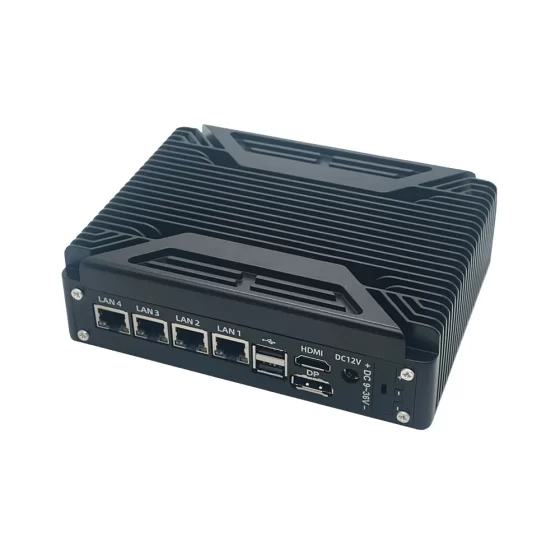
Als lokale KI-Verarbeitungsplattform fungiert ein Industriecomputer oder Embedded Computer. It receives image data, runs inspection algorithms, communicates with PLCs and automation equipment, speichert Inspektionsaufzeichnungen, and uploads results to factory databases or production dashboards.
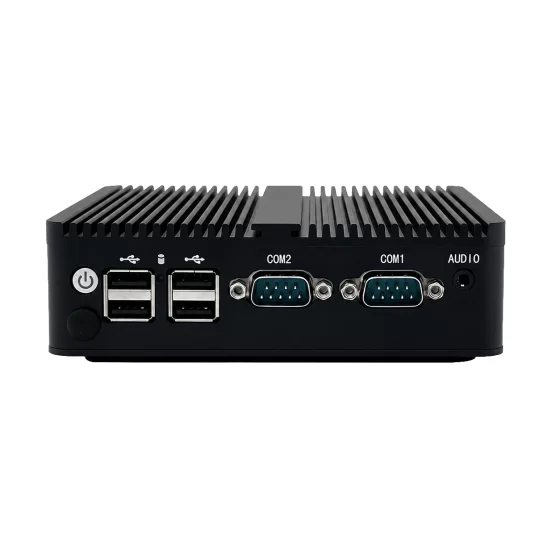
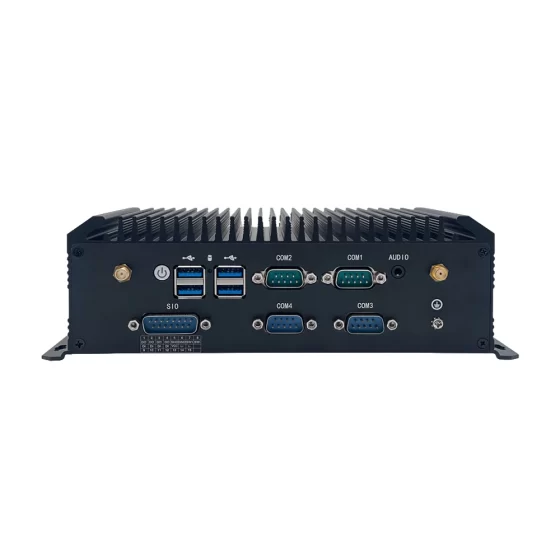
Im Vergleich zu handelsüblichen PCs, industrial computers are better suited for factory deployment because they provide stable operation, flexible I/O, Robustes mechanisches Design, lüfterlose Optionen, zuverlässige Vernetzung, und langen Lebenszyklus-Support.
This article explains how AI quality inspection computers support industrial inspection, welchen Herausforderungen Hersteller bei der Bereitstellung gegenüberstehen, wie die Lösungsarchitektur funktioniert, and which hardware features are important for reliable AI-based quality control.
AI Quality Inspection on Production Lines
Branchenüberblick
Quality Inspection Is Moving Toward AI
Manufacturing quality control has traditionally relied on manual inspection, rule-based machine vision, sampling inspection, or offline testing.
These methods are still useful, but many modern production lines require faster, more consistent, and more data-connected inspection. Products are becoming more complex, production speeds are increasing, and factories need stronger traceability.
AI quality inspection can support:
- Erkennung von Oberflächenfehlern
- Product appearance inspection
- Überprüfung der Montage
- Missing part detection
- Label and barcode checking
- Verpackungsinspektion
- Dimension and position verification
- Erkennung von Fremdkörpern
- Solder and component inspection
- Fehlerklassifizierung
- Quality data collection
A reliable AI quality inspection computer provides the local computing platform required to turn camera data into production decisions.
Why AI Is Used in Quality Inspection
Traditional rule-based vision systems work well when defects are clear, stable, and easy to define.
Jedoch, real-world defects are often more complex. Scratches, Flecken, Risse, Dellen, Kontamination, poor solder joints, fehlende Komponenten, Verformung, and color variation may appear in different shapes, sizes, and lighting conditions.
AI inspection models can help identify visual patterns that are difficult to describe with fixed rules.
AI can be useful for:
- Variable defect shapes
- Complex product surfaces
- Mixed product models
- Subtle appearance differences
- Fehlerklassifizierung
- Anomalieerkennung
- Multi-stage quality analysis
AI does not replace proper camera, lens, Beleuchtung, und mechanisches Design. It depends on stable image acquisition and reliable computing hardware.
Industrial Computing Enables Real Factory Deployment
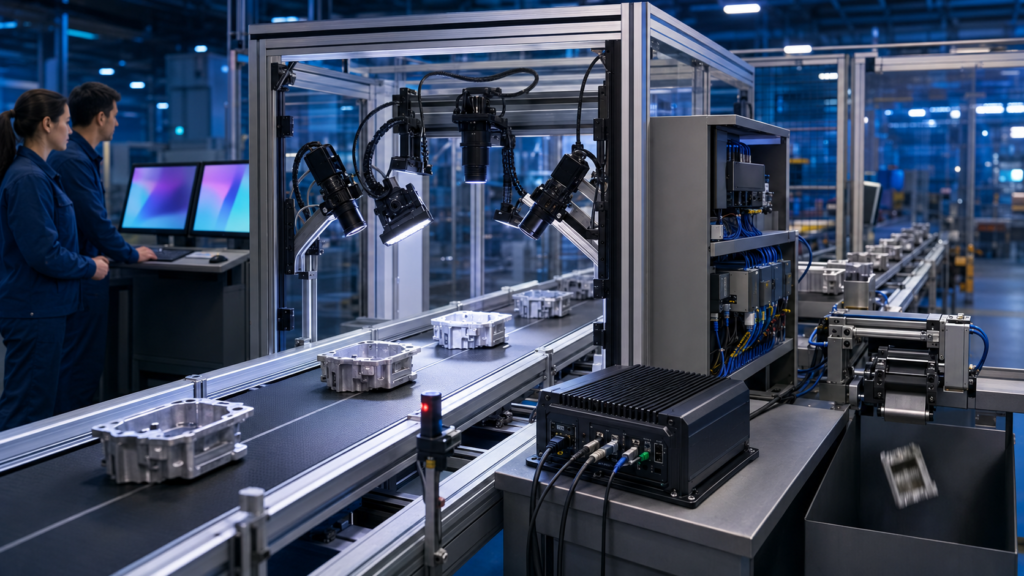
AI inspection systems are often installed directly on production lines.
They may operate near conveyors, Roboterzellen, assembly machines, packaging equipment, Teststationen, inspection benches, or control cabinets.
In diesen Umgebungen kann es zu Vibrationen kommen, Staub, Hitze, elektrisches Rauschen, cable movement, begrenzter Platz, und lange Betriebsstunden.
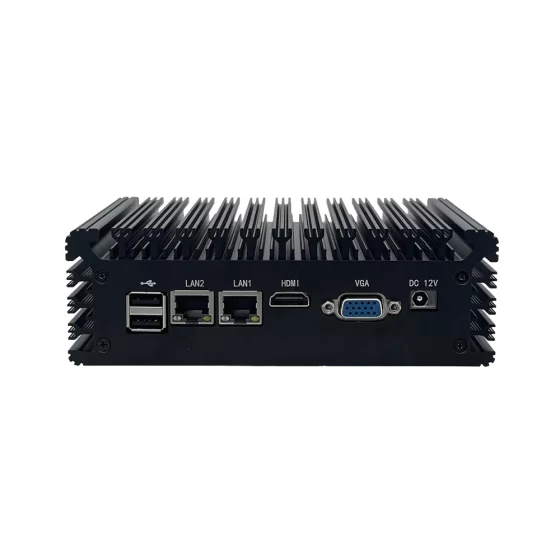
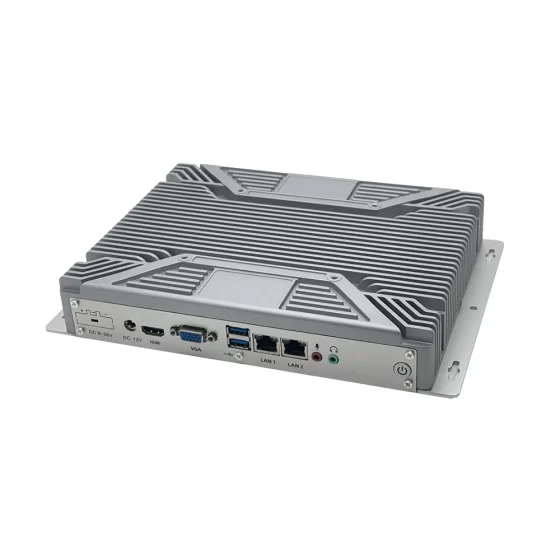
Industrial computers and embedded computers are designed for these deployment conditions. They support stable performance, industrielle I/O, multiple camera interfaces, robuste Installation, lokaler Speicher, und lange Verfügbarkeit über den gesamten Lebenszyklus.

AI Quality Inspection Vision Challenges
Wichtigste Herausforderungen
Defect Variability
Defects are not always consistent.
The same defect type may appear differently depending on product material, lighting angle, surface texture, production process, or camera position.
Zu den häufigsten Inspektionsherausforderungen gehören::
- Feine Kratzer
- Surface stains
- Cracks and dents
- Missing components
- Wrong assembly
- Color differences
- Contamination
- Foreign objects
- Misaligned parts
- Damaged packaging
The AI quality inspection computer must process images reliably under real production conditions.
Hoher Arbeitsaufwand bei der Bildverarbeitung
AI inspection often uses high-resolution cameras and deep learning models.
The computing workload depends on camera resolution, number of cameras, Bildrate, model complexity, inspection cycle time, and storage requirements.
If the computer is underpowered, the system may experience delayed processing, dropped frames, unstable inspection speed, or reduced production throughput.
Important workload factors include:
- Größe des KI-Modells
- Bildauflösung
- Anzahl der Kameras
- Erforderliche Bildrate
- Lokale Bildspeicherung
- Defect classification logic
- Timing der SPS-Kommunikation
- MES or database upload frequency
Stable sustained performance is more important than short peak benchmark performance.
Camera and Lighting Integration
AI inspection accuracy depends heavily on image quality.
Poor lighting can create glare, Schatten, motion blur, geringer Kontrast, or unstable color. These problems can reduce model accuracy and increase false detection.
A reliable system requires coordination between:
- Camera selection
- Lens design
- Lighting method
- Trigger-Timing
- Product positioning
- Mechanical mounting
- Software settings
- Computing hardware
The industrial computer must support stable image acquisition and reliable connection with lighting controllers, Sensoren, and camera systems.
Integration with Production Equipment
AI inspection results must be connected with production actions.
The system may need to communicate with PLCs, Förderer, Roboter, Ablehnungsmechanismen, Alarm, Barcode-Lesegeräte, MES software, oder Qualitätsdatenbanken.
A practical AI inspection computer may need:
- LAN
- USB
- RS232
- RS485
- GPIO
- Digitaler Eingang
- Digitaler Ausgang
- HDMI oder DisplayPort
- M.2 or PCIe expansion
Without the right I/O configuration, system integration becomes more complex and less reliable.
Continuous Operation and Maintenance
AI quality inspection systems often operate across multiple shifts.
Wenn der Inspektionscomputer ausfällt, image processing may stop, reject control may fail, and quality data may become incomplete.
Industrial-grade hardware helps reduce this risk by supporting stable thermal design, rugged mechanical installation, zuverlässige Lagerung, and long-term component availability.
Long lifecycle support is also important because inspection systems often remain in production for many years.

AI Quality Inspection Computer Architecture
AI Quality Inspection Computer Solution Architecture
Bild- und Sensorerfassungsebene
Die Erfassungsschicht erfasst die für die KI-Inspektion benötigten Rohdaten.
Diese Schicht kann Industriekameras umfassen, Linsen, Beleuchtungsmodule, Triggersensoren, Barcode-Lesegeräte, Messgeräte, und Produktionssensoren.
Abhängig von der Anwendung, the system may capture:
- Product surface images
- Assembly images
- Component images
- Packaging images
- Barcode or label images
- Defektbilder
- Positionsdaten
- Messwerte
- Prozesssignale
Consistent input quality is essential. AI inspection results depend on clear, repeatable, and stable data capture.
Industrielle KI-Computing-Schicht
The industrial AI computing layer is where the AI quality inspection computer performs local processing.
Auf dieser Ebene, B. der Industriecomputer oder der eingebettete Computer:
- Bilder von Kameras empfangen
- Führen Sie KI-Inferenzmodelle aus
- Detect visual defects
- Classify abnormal conditions
- Compare results with inspection rules
- Speichern Sie Bilder und Protokolle
- Inspektionsergebnisse anzeigen
- Senden Sie Pass- oder Fail-Signale
- Kommunizieren Sie mit SPSen
- Upload data to quality systems
This edge computing layer allows inspection decisions to happen close to the production process.
Ebene der Automatisierungssteuerung
The automation control layer connects AI inspection results with equipment action.
Eine SPS, Robotersteuerung, Motion-Controller, Fördersystem, or reject mechanism may trigger inspection and receive results from the industrial computer.
Zum Beispiel, if the system detects a missing component, unreadable label, surface defect, or package damage, the computer can send a fail signal to the PLC. The equipment may then stop the line, einen Ablehnungsmechanismus aktivieren, or route the product for rework.
This closed-loop communication turns AI inspection into practical quality control.
Datenverwaltungsschicht
Inspection results must be stored and connected with production records.
Der Industriecomputer kann Daten an das MES senden, Qualitätsmanagementsysteme, Fabrikdatenbanken, production dashboards, oder Analyseplattformen.
Inspection data may include:
- Produkt-ID
- Work order
- Chargennummer
- Inspektionsergebnis
- Fehlerkategorie
- Bildbeweis
- Vertrauenswert
- Stations-ID
- Zeitstempel
- Bedieneraktion
- Recheck status
Dies unterstützt die Rückverfolgbarkeit, Qualitätsanalyse, Prozessverbesserung, and production accountability.
Benutzeroberfläche und Engineering-Ebene
Operators and engineers need a local interface for monitoring and adjustment.
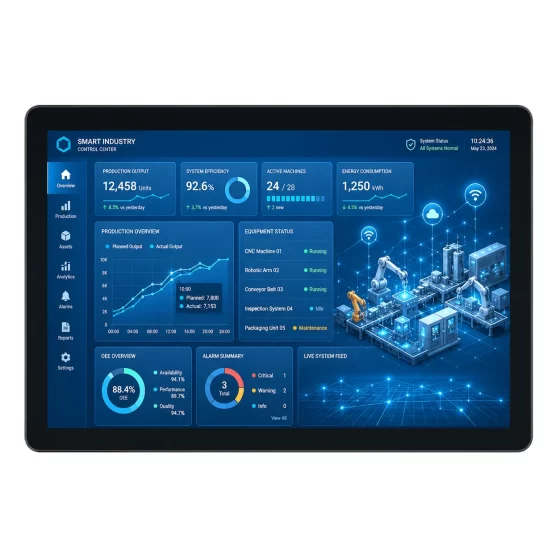
The AI quality inspection computer may connect to a monitor, Touch-Screen, Tastatur, oder HMI-Panel.
Die Schnittstelle kann Livebilder anzeigen, Defektstellen, Inspektionsergebnisse, Alarmmeldungen, Produktion zählt, AI model status, camera status, und Systemprotokolle.
A clear interface helps engineers review defects, adjust inspection settings, and troubleshoot production problems quickly.
Hauptmerkmale
KI-Inferenzleistung
AI inspection requires stable inference performance.
Different inspection tasks require different computing levels. A simple single-camera defect detection station may use a compact embedded computer. A multi-camera AI inspection line may require a more powerful industrial PC or edge AI computer.
Die Auswahl sollte berücksichtigt werden:
- Komplexität des KI-Modells
- Kameraauflösung
- Anzahl der Kameras
- Inspection speed
- Bildrate
- CPU-Auslastung
- GPU or AI accelerator needs
- Speicherkapazität
- Speicherauslastung
- Software-Framework
The best configuration should be selected according to real production data and actual inspection cycle time.
Unterstützung der Kameraschnittstelle
Camera connectivity is one of the most important hardware requirements.
AI inspection systems commonly use USB cameras, GigE cameras, 2.5GbE cameras, or other industrial vision interfaces.
Useful hardware features may include:
- USB 3.0 Häfen
- Mehrere LAN-Ports
- 2.5GbE or higher-speed LAN options
- PCIe-Erweiterung
- M.2-Erweiterung
- HDMI or DisplayPort output
- Hochgeschwindigkeitsspeicher
- Stabiles Power-Design
Für Mehrkamerasysteme, Die Bandbreitenplanung sollte vor der Hardwareauswahl abgeschlossen sein.
Industrial I/O for Factory Integration
Der KI-Inspektionscomputer muss mit realen Produktionsanlagen verbunden sein.
Zu den wichtigen E/A-Optionen können gehören:
- LAN
- USB
- RS232
- RS485
- GPIO
- Digitaler Eingang
- Digitaler Ausgang
- HDMI
- DisplayPort
Diese Schnittstellen können Kameras unterstützen, Sensoren, Beleuchtungssteuerungen, Barcode-Lesegeräte, SPS, Förderer, Alarm, Roboter, und Ablehnungsmechanismen.
Flexible I/O reduces external adapters and improves system reliability.
Lüfterloses und robustes Design
Fanless industrial computers are useful in many inspection environments.
Sie reduzieren die Staubaufnahme und beseitigen eine häufige mechanische Fehlerquelle. This is valuable when systems operate continuously and maintenance access is limited.
A rugged enclosure helps protect the computer from vibration, Kabelspannung, and installation impact.
Für leistungsstarke KI-Workloads, thermal design must be reviewed carefully. Processor power, GPU- oder Beschleunigernutzung, Luftzirkulation im Schrank, Umgebungstemperatur, and mounting position can all affect long-term stability.
Reliable Storage for Inspection Records
AI inspection systems may generate large amounts of data.
Der Computer speichert möglicherweise fehlerhafte Bilder, accepted image samples, Inspektionsprotokolle, KI-Modelldateien, Berichte, und lokale Datenbankeinträge.
SSD- oder NVMe-Speicher werden häufig bevorzugt, da sie einen schnelleren Zugriff und eine bessere Stoßfestigkeit als mechanische Laufwerke bieten.
For image-heavy applications, Speicherkapazität, schreibe Ausdauer, backup method, Die Richtlinie zur Datenaufbewahrung sollte während des Systemdesigns überprüft werden.
Lange Lebensdauer und Wartbarkeit
AI inspection systems may remain in production for many years.
Frequent changes in hardware models, Häfen, Fahrer, oder Erweiterungsoptionen können den Validierungsaufwand und die Wartungskosten erhöhen.
Industrial computing platforms with lifecycle planning help manufacturers and OEM equipment builders maintain consistent systems across multiple lines, Maschinen, and customer projects.
Bereitstellungsszenarien
Surface Defect Detection
Surface defect detection is one of the most common AI inspection applications.
The system can inspect metal, Plastik, glass, electronic parts, packaging materials, textiles, and other product surfaces.
The industrial computer processes images locally to detect scratches, Flecken, Dellen, Risse, Kontamination, and other visible defects.
Assembly Verification
AI inspection can verify whether products are assembled correctly.
The system can check component presence, Orientierung, Position, connector alignment, screw placement, Kabelführung, Etikettenposition, or missing parts.
An industrial computer processes camera images and sends results to the production system or PLC.
Electronics Inspection
Electronics manufacturing can use AI inspection for PCB inspection, solder joint review, component verification, Barcode-Erkennung, connector inspection, and defect classification.
An embedded computer can be installed near SMT lines, AOI equipment, Teststationen, or repair benches.
Inspection results can be connected with PCB serial numbers, Arbeitsaufträge, and MES records.
Packaging Inspection
AI quality inspection can support packaging checks for labels, Barcodes, Datumscodes, Siegel, Kappen, Kartons, pouches, bottles, and final packages.
The industrial computer processes images and sends pass or fail results to PLCs or reject mechanisms.
Dies trägt dazu bei, Sendungsfehler zu reduzieren und die Rückverfolgbarkeit zu verbessern.
Food and Pharmaceutical Inspection
Food and pharmaceutical production often require visual inspection of products, Etiketten, Pakete, Siegel, codes, and final packaging.
AI inspection computers can support appearance inspection, Etikettenüberprüfung, fill-level checks, package completeness, and traceability record creation.
These applications require stable image acquisition and reliable data handling.
Battery and New Energy Inspection
Battery manufacturing can use AI inspection for electrode surfaces, Zellerscheinung, tab welding areas, Modulmontage, wiring, Etiketten, and final pack inspection.
The industrial computer processes defect images and connects results with production and quality systems.
This supports safer and more traceable battery manufacturing workflows.
Robotic Inspection Cells
AI inspection can be integrated with robotic systems.
A robot may move a product under a camera, position a camera around the product, or sort items based on inspection results.
The AI quality inspection computer processes images and communicates with the robot controller or PLC.
OEM Inspection Equipment
Machine builders can integrate industrial computers, eingebettete Computer, or industrial motherboards into AI inspection machines.
Die Computerplattform kann eine Bilderfassung ermöglichen, KI-Schlussfolgerung, HMI-Anzeige, Automatisierungskommunikation, lokaler Speicher, und Werksdatenausgabe.
This helps OEMs deliver inspection equipment ready for smart manufacturing integration.

AI Quality Inspection Defect Review
Geschäftsvorteile
Improved Inspection Consistency
AI quality inspection helps manufacturers inspect products more consistently across shifts.
The system processes images according to defined models and inspection logic. This reduces dependence on manual judgment and helps maintain stable quality control.
Reliable industrial computing hardware supports this consistency by keeping image acquisition and inference workloads stable.
Reduzierter manueller Inspektionsaufwand
Manual inspection can be repetitive, slow, and inconsistent.
AI inspection automates many visual checks and allows operators to focus on exception handling, process adjustment, and equipment maintenance.
This improves production efficiency and reduces the risk of missed defects caused by fatigue.
Faster Defect Detection
Durch die lokale KI-Verarbeitung können Inspektionsentscheidungen in der Nähe der Produktionslinie getroffen werden.
The industrial computer can detect defects and send pass, scheitern, or classification results to PLCs quickly.
Dies ermöglicht eine schnellere Ablehnungsaktion, rework routing, oder Prozesskorrektur.
Stronger Quality Traceability
KI-Inspektionsdaten können mit Produkt-IDs verknüpft werden, Arbeitsaufträge, Fehlerkategorien, Bilder, Zeitstempel, Informationen zum Sender, und Bedieneraktionen.
This creates stronger quality records for production analysis, Kundenaudits, warranty investigation, und Ursachenanalyse.
Traceability becomes more useful when inspection data is collected consistently and connected with MES or quality systems.
Bessere Prozessverbesserung
AI inspection platforms generate useful production data.
Manufacturers can analyze recurring defects, Stationsleistung, Prozessdrift, Probleme mit der Ausrüstung, und Inspektionstrends.
Reliable industrial computers help ensure that this data is stored, übertragen, and displayed consistently.
Skalierbare Smart-Manufacturing-Bereitstellung
A standardized industrial computing platform makes it easier to deploy AI inspection across multiple production lines and factories.
Konsistente Hardware vereinfacht Software-Images, Fahrerverwaltung, Ersatzteilplanung, Wartungsschulung, and long-term technical support.
This supports scalable digital quality control and smart manufacturing development.
Warum CoreIPC
CoreIPC bietet industrielle Computerplattformen für die maschinelle Bildverarbeitung, Kanten-KI, Fabrikautomation, und eingebettete Systemintegration. For AI quality inspection computer applications, CoreIPC konzentriert sich auf zuverlässige industrielle Computerhardware, Embedded-Computer-Lösungen, flexible I/O-Konfigurationen, kompaktes Systemdesign, und OEM/ODM-Anpassungsunterstützung. CoreIPC hilft Systemintegratoren, Maschinenbauer, und Fertigungsteams wählen Computerplattformen aus, die den tatsächlichen Bereitstellungsanforderungen entsprechen, einschließlich Kameraschnittstellen, KI-Workloads, Automatisierungskommunikation, Montagemethoden, Leistungsaufnahme, thermisches Design, Speicherbedarf, und Lebenszyklusplanung.
Häufig gestellte Fragen
1. What is an AI quality inspection computer?
An AI quality inspection computer is an industrial computer used to run AI-based inspection software near production equipment.
It connects to cameras, Beleuchtungssteuerungen, Sensoren, SPS, und Fabriknetzwerke. It receives image data, führt KI-Inferenz aus, erkennt Mängel, speichert Inspektionsaufzeichnungen, and sends results to automation systems or quality databases.
2. Why use an industrial computer for AI quality inspection?
AI inspection systems often operate directly on production lines.
An industrial computer is more suitable than an office PC because it supports continuous operation, robuste Montage, industrielle I/O, Kamera-Konnektivität, stable thermal design, und Bereitstellung über einen langen Lebenszyklus. These features help inspection systems remain reliable during real factory operation.
3. How is an embedded computer used in AI inspection systems?
In Inspektionsmaschinen kann ein eingebetteter Computer installiert werden, Roboterzellen, Produktionsschränke, kompakte Vision-Stationen, or OEM equipment.
It can process camera data, run AI models, mit SPS kommunizieren, lokale Ergebnisse anzeigen, and upload inspection records. Its compact design makes it useful for space-limited machine-side deployment.
4. What defects can AI quality inspection detect?
AI quality inspection can support detection of scratches, Dellen, Risse, Flecken, Kontamination, fehlende Teile, wrong assembly, poor labels, barcode errors, Dichtungsfehler, Oberflächenfehler, and packaging damage.
The actual detection capability depends on camera quality, Lichtdesign, AI model training, Produktvariation, and real production validation.
5. What interfaces are important for AI inspection computers?
Wichtige Schnittstellen können USB sein 3.0, mehrere LAN-Ports, 2.5Tragen, RS232, RS485, GPIO, digitaler Eingang, digitaler Ausgang, HDMI, DisplayPort, M.2, und PCIe-Erweiterung.
Kameraschnittstellen sind für die Bildaufnahme von entscheidender Bedeutung. Industrial I/O is important for PLC communication, Triggersignale, Lichtsteuerung, Sensoren, Alarm, Förderer, und Ablehnungsmechanismen.
6. Does an AI quality inspection computer need a GPU?
Some AI inspection workloads may need GPU or AI accelerator support, especially for high-resolution images, mehrere Kameras, or complex models.
Other applications may run on CPU-based industrial computers if the model is lightweight and the inspection speed is moderate. Hardware should be selected based on real model performance and production cycle time.
7. Is a fanless industrial computer suitable for AI inspection?
A fanless industrial computer can be suitable for many AI inspection applications because it reduces dust intake and removes one common mechanical failure point.
Jedoch, AI workloads can generate significant heat. CPU-Leistung, GPU- oder Beschleunigernutzung, Luftzirkulation im Schrank, Umgebungstemperatur, and mounting method should be reviewed before final selection.
8. How does AI inspection support traceability?
AI inspection supports traceability by linking inspection results with product IDs, Arbeitsaufträge, Fehlerkategorien, Bilder, Zeitstempel, Stations-IDs, und Bedieneraktionen.
Diese Daten können in MES hochgeladen werden, Qualitätssysteme, or production databases. Vollständige Aufzeichnungen helfen Herstellern bei der Fehleranalyse, unterstützen Audits, und Produktionsprozesse verbessern.
9. Can AI inspection connect with MES systems?
Ja. Industriecomputer können KI-Inspektionsergebnisse an MES senden, Qualitätsdatenbanken, production dashboards, oder Analyseplattformen.
Uploaded data may include product IDs, Inspektionsergebnisse, Fehlerkategorien, Bildaufzeichnungen, Zeitstempel, line numbers, and station information. This helps connect visual inspection with production management and quality analysis.
10. Was sollte vor der Bereitstellung getestet werden??
Vor der Bereitstellung, Das System sollte mit realen Produkten getestet werden, echte Mängel, Produktionsbeleuchtung, actual camera resolution, Liniengeschwindigkeit, KI-Modelle, SPS-Kommunikation, Speicherauslastung, und Netzwerkbedingungen.
Auch die Langzeitstabilität und die thermische Leistung sollten getestet werden. Dies trägt dazu bei, zu bestätigen, dass die Plattform in der Produktion zuverlässig arbeiten kann.
Abschluss
An AI quality inspection computer is a practical foundation for automated visual inspection, Fehlererkennung, Rückverfolgbarkeit der Produktion, and smart manufacturing quality control.
Durch die Platzierung industrieller Computerhardware in der Nähe von Kameras, Beleuchtungssysteme, Sensoren, SPS, Förderer, Roboter, und Inspektionsausrüstung, Hersteller können Inspektionsdaten lokal verarbeiten und schneller auf Qualitätsprobleme reagieren.
Der richtige Industriecomputer oder Embedded-Computer sollte entsprechend den tatsächlichen Einsatzanforderungen ausgewählt werden, einschließlich KI-Arbeitsaufwand, Kameraschnittstelle, Bildauflösung, I/O-Konfiguration, Netzwerkdesign, Speicherbedarf, Montagemethode, Leistungsaufnahme, thermische Bedingungen, Betriebssystemunterstützung, und Lebenszyklusplanung.
CoreIPC supports AI quality inspection computer projects with industrial computing platforms designed for practical factory deployment. Mit der richtigen Hardware-Grundlage, manufacturers and equipment builders can build more reliable, skalierbar, and data-driven quality inspection systems.
Kontaktieren Sie uns
Auf der Suche nach einem Industriecomputer, eingebetteter Computer, or industrial motherboard for AI quality inspection?
Kontaktieren Sie CoreIPC, um Ihre Projektanforderungen zu besprechen, inklusive Kameraschnittstelle, KI-Arbeitsbelastung, I/O-Konfiguration, Automatisierungskommunikation, Montagemethode, Leistungsaufnahme, Betriebsumgebung, Lebenszyklusanforderungen, und OEM/ODM-Anpassungsoptionen.