CoreIPC Industrial Computing-Lösungen

Industriecomputer für Hochgeschwindigkeitskameras: Hochgeschwindigkeitskameracomputer für maschinelles Sehen und Automatisierung
Zusammenfassung
Ein Hochgeschwindigkeitskameracomputer bildet die industrielle Rechengrundlage für die Bilderfassung, Echtzeitverarbeitung, Inspektionskontrolle, Bewegungsanalyse, und Datenintegration in Hochgeschwindigkeits-Bildverarbeitungsanwendungen.
Hochgeschwindigkeitskameras werden in der Fertigung häufig eingesetzt, Elektronikinspektion, Verpackung, Bewegungsanalyse, Robotik, Halbleiterinspektion, Materialprüfung, und automatisierte Qualitätskontrolle. Diese Anwendungen erfordern eine stabile Rechenhardware, die große Bilddatenströme verarbeiten kann, Kommunikation mit Industriekameras, Frames schnell verarbeiten, und Ergebnisse mit Automatisierungssystemen verknüpfen.
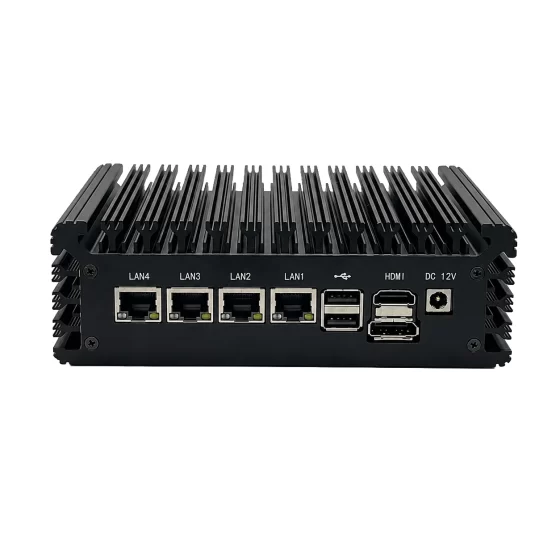
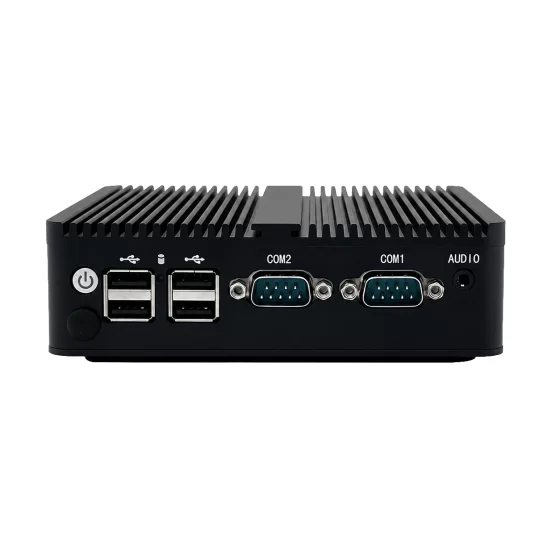
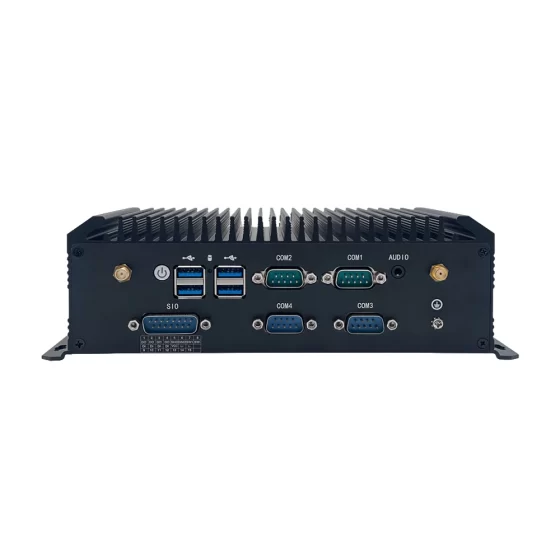
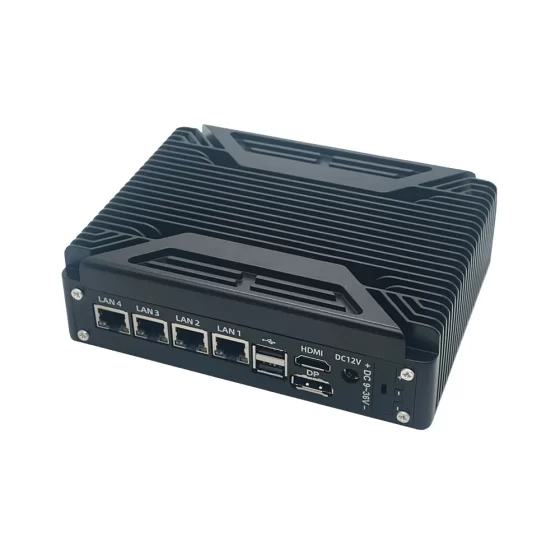
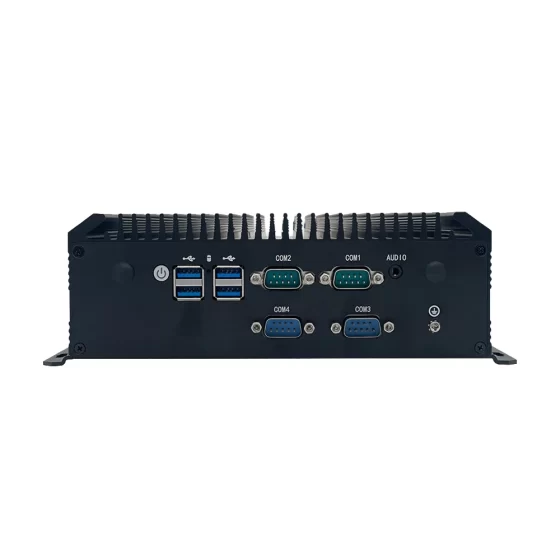
Im Gegensatz zu herkömmlichen Büro-PCs, Ein Industriecomputer ist für den Dauerbetrieb in der Nähe von Produktionsanlagen konzipiert. Es kann industrielle Kameraschnittstellen unterstützen, Hochgeschwindigkeitsspeicher, mehrere LAN-Ports, USB-Konnektivität, Triggersignale, SPS-Kommunikation, robuste Installation, und Bereitstellung über einen langen Lebenszyklus.
Ein eingebetteter Computer kann auch verwendet werden, wenn das Kamerasystem in Geräten installiert werden muss, kompakte Inspektionsmaschinen, Schaltschränke, oder OEM-Vision-Plattformen.
Die Auswahl des richtigen Industriecomputers für Hochgeschwindigkeitskameras ist aufgrund der Kameraauflösung wichtig, Bildrate, Belichtungszeitpunkt, Bildverarbeitungsaufwand, Datenbandbreite, und Lageranforderungen können sich direkt auf die Inspektionszuverlässigkeit auswirken.
In diesem Artikel wird erläutert, wie Hochgeschwindigkeitskameracomputer industrielle Bildverarbeitungssysteme unterstützen, vor welchen Bereitstellungsherausforderungen Hersteller stehen, wie die Lösungsarchitektur funktioniert, und welche Hardwarefunktionen für eine zuverlässige Bilderfassung und -verarbeitung mit hoher Geschwindigkeit am wichtigsten sind.
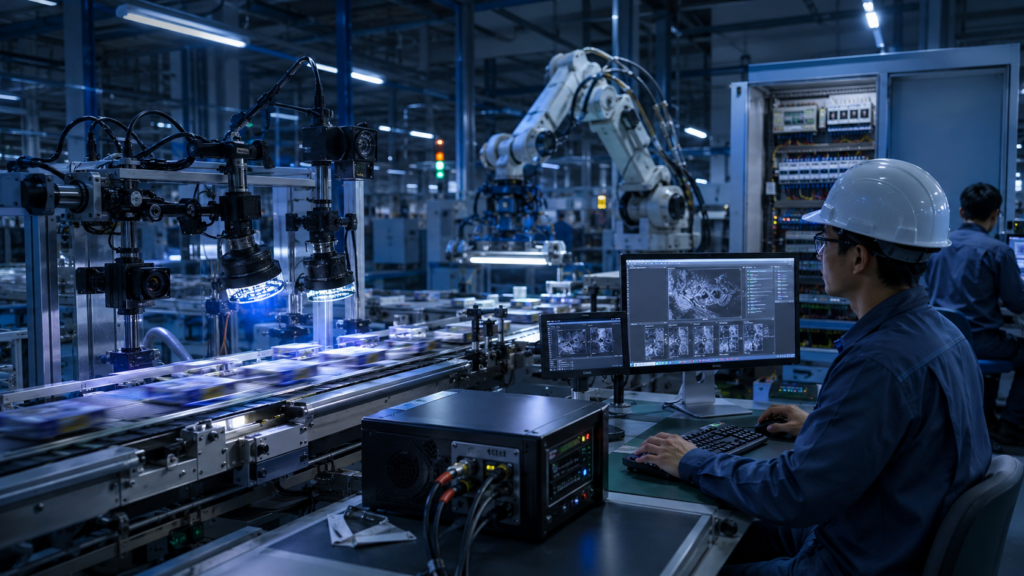
Industriecomputer verarbeiten Kameradaten mit hoher Bildrate für die Produktionskontrolle, Bewegungsanalyse, und Qualitätskontrolle.
Branchenüberblick
Hochgeschwindigkeitskameras sind in der industriellen Inspektion auf dem Vormarsch
Hochgeschwindigkeitskameras werden verwendet, wenn Standardkameras keine schnellen Bewegungen erfassen können, schnelle Produktionsereignisse, oder kurzfristige Prozessänderungen.
In industriellen Umgebungen, Sie helfen Herstellern bei der Analyse, überprüfen, und Kontrollprozesse, die für eine manuelle Beobachtung zu schnell ablaufen.
Zu den gängigen Anwendungen gehören::
- Hochgeschwindigkeits-Produktionsinspektion
- Bewegungsanalyse
- Fehlererkennung
- Überwachung der Verpackungslinie
- Roboterbewegungsanalyse
- SMT- und Elektronikinspektion
- Inspektion von Halbleiterprozessen
- Inspektion von Bahnmaterial
- Füll- und Verschlusskontrolle
- Mechanische Prüfung und Fehleranalyse
Diese Anwendungen erzeugen oft in kurzer Zeit große Mengen an Bilddaten.
Ein Hochgeschwindigkeitskamera-Computer muss erfassen, Verfahren, speichern, und diese Daten zuverlässig übertragen.
Warum Computerhardware wichtig ist
Eine Hochgeschwindigkeitskamera ist nur ein Teil des Bildverarbeitungssystems.
Die Kamera kann Hunderte oder Tausende Bilder pro Sekunde aufnehmen, Das System benötigt aber auch einen Computer, der die Daten verlustfrei empfangen kann, es schnell bearbeiten, und Senden nützlicher Ergebnisse an Produktionssysteme.
Wenn der Computer nicht richtig ausgewählt ist, Es kann zu Frame-Drops im System kommen, verspätete Inspektion, Lagerengpässe, instabile Softwareleistung, oder Kommunikationsfehler.
Dies ist besonders wichtig, wenn das Bildverarbeitungssystem zur Echtzeitprüfung oder Automatisierungssteuerung eingesetzt wird.
Industriecomputer für den realen Fabrikeinsatz
Hochgeschwindigkeitskamerasysteme werden häufig in der Nähe von Maschinen installiert, Förderer, Roboter, Prüfgeräte, Inspektionsstationen, oder Produktionslinien.
In diesen Umgebungen kann es zu Vibrationen kommen, Staub, Hitze, elektrisches Rauschen, begrenzter Installationsraum, und lange Betriebsstunden.
Industriecomputer und Embedded Computer sind für diese Bedingungen besser geeignet als handelsübliche PCs.
Sie bieten ein robustes Design, flexible I/O, stabile Montage, lüfterlose Optionen, Hochgeschwindigkeitsschnittstellen, und lange Lebenszyklusverfügbarkeit für Bildverarbeitungssysteme.

Bewegungsgeschwindigkeit, Trigger-Timing, Beleuchtung, Bandbreite, Speichergeschwindigkeit, und industrielle Stabilität beeinträchtigen die Zuverlässigkeit von Hochgeschwindigkeitskameras.
Wichtigste Herausforderungen
Große Bilddatenbandbreite
Hochgeschwindigkeitskameras können sehr große Datenströme erzeugen.
Die erforderliche Bandbreite hängt von der Kameraauflösung ab, Bildrate, Bittiefe, Anzahl der Kameras, Bildformat, und Übertragungsschnittstelle.
Ein System mit mehreren Hochgeschwindigkeitskameras erfordert möglicherweise eine sorgfältige Planung:
- Bandbreite der Kameraschnittstelle
- CPU-Verarbeitungslast
- Speicherkapazität
- Speichergeschwindigkeit
- Netzwerkverkehr
- Stabilität der Datenübertragung
- Softwareoptimierung
- Anforderungen an die Echtzeitverarbeitung
Wenn der Computer nicht den gesamten Datenfluss verarbeiten kann, Es kann zu Frame-Verlusten kommen.
Für Inspektionssysteme, Ein Frame-Verlust kann auf übersehene Fehler oder eine unvollständige Prozessanalyse hinweisen.
Bildverarbeitung in Echtzeit
Hochgeschwindigkeitskamerasysteme erfordern häufig eine schnelle Bildverarbeitung.
Möglicherweise muss der Computer Fehler erkennen, Bewegung messen, Objektposition berechnen, Identifizieren Sie ungewöhnliche Ereignisse, oder innerhalb kürzester Zeit Automatisierungsreaktionen auslösen.
Die Echtzeitverarbeitung hängt sowohl vom Hardware- als auch vom Softwaredesign ab.
Wichtige Faktoren sind unter anderem:
- Prozessorleistung
- Speicherbandbreite
- Speichergeschwindigkeit
- GPU- oder Beschleunigeranforderungen
- Kamera-SDK-Kompatibilität
- Bildverarbeitungsalgorithmen
- Stabilität des Betriebssystems
- Latenz der Automatisierungskommunikation
Ein Hochgeschwindigkeitskameracomputer muss eine stabile und dauerhafte Leistung bieten, nicht nur kurze Spitzenleistungen.
Kompatibilität der Kameraschnittstelle
Je nach Anwendung können Hochgeschwindigkeitskameras unterschiedliche Schnittstellen nutzen.
Zu den gängigen Schnittstellen kann USB gehören 3.0, GigE-Vision, 2.5Tragen, 10Tragen, Kamera-Link, CoaXPress, oder andere spezielle Vision-Schnittstellen.
Der Industrierechner muss die erforderliche Schnittstelle über Onboard-Ports unterstützen, Erweiterungskarten, oder passende Module.
Eine schlechte Schnittstellenplanung kann das gesamte System einschränken.
Zum Beispiel, Eine leistungsstarke CPU kann das Bandbreitenproblem einer Kamera nicht lösen, wenn dem System die richtige Hochgeschwindigkeits-Eingangsschnittstelle fehlt.
Speicherengpässe
Eine Hochgeschwindigkeits-Bilderfassung erfordert möglicherweise einen schnellen lokalen Speicher.
Einige Anwendungen verarbeiten Bilder nur in Echtzeit und speichern die Ergebnisse. Andere müssen Rohbilder speichern, Videoclips, Defekte Rahmen, Protokolle, oder Beweismittel verarbeiten.
Die Speicheranforderungen können davon abhängen:
- Aufnahmedauer
- Bildrate
- Bildauflösung
- Komprimierungsmethode
- Anzahl der Kameras
- Richtlinie zur Aufbewahrung von Inspektionsbildern
- Häufigkeit des Hochladens der Datenbank
- Lokaler Pufferbedarf
SSD- oder NVMe-Speicher werden häufig bevorzugt, da sie eine schnellere Schreibleistung und eine bessere Stoßfestigkeit als mechanische Laufwerke bieten.
Stabilität der industriellen Umwelt
Hochgeschwindigkeitskameracomputer werden häufig in Produktionsumgebungen installiert, in denen Zuverlässigkeit von entscheidender Bedeutung ist.
Eine Anlage kann im Dauerbetrieb über mehrere Schichten laufen. Es kann in einem Schrank montiert werden, im Inneren einer Maschine, unter einem Arbeitsplatz, oder in der Nähe von beweglichen Geräten.
Der Computer muss unter realen Bedingungen wie Vibrationen stabil bleiben, Hitze, Staub, Leistungsvariation, Kabelspannung, und elektrisches Rauschen.
Aus diesem Grund ist ein industrietaugliches Design für Hochgeschwindigkeitskameraanwendungen wichtig.

Industriecomputer verbinden Hochgeschwindigkeitskameras, Erfassungshardware, Automatisierungssysteme, und Fabrikdatenbanken.
Hochgeschwindigkeitskamera-Computerlösungsarchitektur
Kamera- und Bilderfassungsebene
Die Bilderfassungsschicht umfasst Hochgeschwindigkeitskameras, Linsen, Beleuchtungsmodule, Triggersensoren, Framegrabber, und Montagekonstruktionen.
Diese Ebene erfasst Bilder oder Videosequenzen von sich schnell bewegenden Produkten, Werkzeuge, Prozesse, oder mechanische Ereignisse.
Abhängig von der Anwendung, Das System erfasst möglicherweise:
- Produktbewegung
- Oberflächenfehler
- Mechanische Bewegung
- Prozesszeitpunkt
- Verpackungsaktionen
- Komponentenplatzierung
- Flüssigkeitsfüllverhalten
- Materialverformung
- Roboterbewegung
- Hochgeschwindigkeits-Produktionsveranstaltungen
Damit der Computer die Daten zuverlässig verarbeiten kann, sind ein stabiles Kamera-Timing und eine stabile Bildqualität unerlässlich.
Industrielle Computerschicht
In der Industrial-Computing-Schicht empfängt und verarbeitet der Industriecomputer oder Embedded-Computer Kameradaten.
Auf dieser Ebene, Der Computer kann mehrere Aufgaben ausführen:
- Bildaufnahme
- Frame-Pufferung
- Bildverarbeitung in Echtzeit
- Fehlererkennung
- Bewegungsanalyse
- Maßberechnung
- Handhabung von Triggersignalen
- Lokaler Videospeicher
- SPS-Kommunikation
- Daten-Upload in Fabriksysteme
Diese Ebene muss sorgfältig auf die Arbeitsbelastung der Kamera abgestimmt werden.
Ein Missverhältnis zwischen Kamerageschwindigkeit und Computerleistung kann die Systemzuverlässigkeit beeinträchtigen.
Ebene der Automatisierungssteuerung
Hochgeschwindigkeitskamerasysteme sind häufig mit Automatisierungsgeräten verbunden.
Eine SPS, Motion-Controller, Robotersteuerung, Fördersystem, oder die Maschinensteuerung kann Triggersignale an den Computer senden. Nach der Bearbeitung, Der Computer sendet möglicherweise Pass, scheitern, Position, Timing, oder Alarmergebnisse zurück an das Leitsystem.
Zum Beispiel, wenn die Kamera in einer schnellen Verpackungslinie ein fehlerhaftes Produkt erkennt, Der Industriecomputer kann ein Signal senden, um einen Auswurfmechanismus zu aktivieren.
Diese geschlossene Kommunikation trägt dazu bei, Hochgeschwindigkeits-Bilddaten in eine praktische Produktionssteuerung umzuwandeln.
Datenverwaltungsschicht
Hochgeschwindigkeitskamerasysteme können wichtige Inspektions- und Prozessdaten generieren.
Der Computer kann Daten an MES senden, SCADA, Qualitätsmanagementsysteme, Fabrikdatenbanken, oder Überwachungs-Dashboards.
Daten können Folgendes umfassen::
- Produkt-ID
- Inspektionsergebnis
- Defektbild
- Videoaufnahme
- Messwert
- Zeitstempel
- Stations-ID
- Trigger-Ereignis
- Maschinenstatus
- Ergebnis ablehnen
Dies unterstützt die Rückverfolgbarkeit, Qualitätsanalyse, Prozessverbesserung, und Fehlerbehebung bei Geräten.
Benutzeroberfläche und Engineering-Ebene
Betreiber und Ingenieure benötigen eine praktische lokale Schnittstelle.
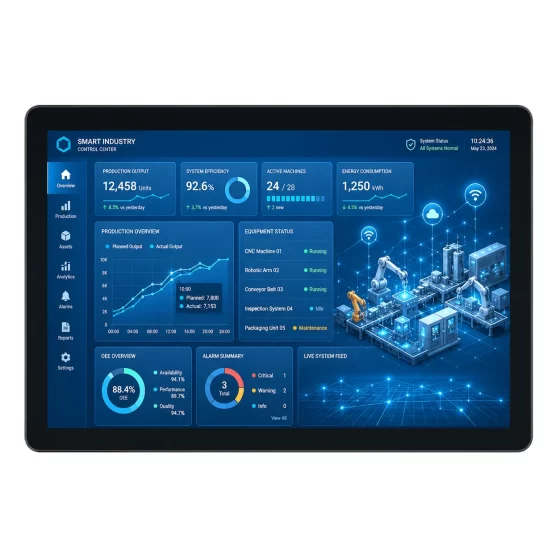
Der Industriecomputer kann an einen Monitor angeschlossen werden, Touch-Screen, Tastatur, oder HMI-Panel. Die Schnittstelle kann Live-Kamerabilder anzeigen, aufgezeichnete Clips, Rahmenstatus, Inspektionsergebnisse, Alarm, Systemprotokolle, und Kameraeinstellungen.
Eine übersichtliche Benutzeroberfläche hilft Ingenieuren bei der Anpassung der Belichtung, Beleuchtung, Trigger-Timing, Bildverarbeitungsparameter, und Speichereinstellungen.

Robuste Industriecomputer unterstützen den zuverlässigen Einsatz von Hochgeschwindigkeitskameras in Schaltschränken der industriellen Bildverarbeitung.
Hauptmerkmale eines Hochgeschwindigkeitskameracomputers
Hochgeschwindigkeits-Datenverarbeitung
Ein Hochgeschwindigkeitskameracomputer muss eine stabile Verarbeitungsleistung für die tatsächliche Bildauslastung bieten.
Die erforderliche Konfiguration hängt davon ab:
- Kameraauflösung
- Bildrate
- Anzahl der Kameras
- Bildbittiefe
- Echtzeit-Verarbeitungsalgorithmen
- Lokaler Speicherbedarf
- Anzeigeanforderungen
- Reaktionszeit der Automatisierung
- Software-Framework
Zur einfachen Einzelkameraüberwachung, Ein kompakter eingebetteter Computer kann ausreichen.
Für die Hochgeschwindigkeitsinspektion mit mehreren Kameras, Möglicherweise ist ein leistungsstärkerer Industrie-PC mit Hochgeschwindigkeitserweiterung und Speicher erforderlich.
Unterstützung der Kameraschnittstelle
Die Unterstützung der Kameraschnittstelle ist einer der wichtigsten Auswahlfaktoren.
Der Industrierechner sollte die von der Anwendung benötigte Kameraschnittstelle unterstützen. Dies kann Onboard-Ports oder Erweiterungsmöglichkeiten umfassen.
Zu den nützlichen Hardwareoptionen können gehören:
- USB 3.0 Häfen
- Mehrere LAN-Ports
- 2.5GbE- oder 10GbE-Optionen
- PCIe-Erweiterung
- M.2-Erweiterung
- Framegrabber-Unterstützung
- Hochgeschwindigkeits-Speicherschnittstelle
- Stabiles Power-Design
Für Mehrkamerasysteme, Die Bandbreitenplanung sollte vor der Hardwareauswahl erfolgen.
Zuverlässige Speicherarchitektur
Hochgeschwindigkeitskamerasysteme müssen möglicherweise große Bilddateien oder Videoclips speichern.
SSD- oder NVMe-Speicher können eine hohe Schreibgeschwindigkeit und einen schnellen Datenzugriff unterstützen. Für bildlastige Anwendungen, Beim Speicherdesign sollten sowohl Kapazität als auch Ausdauer berücksichtigt werden.
Wichtige Fragen zur Lagerung sind::
- Wie lange müssen Bilder gespeichert werden??
- Sind Rohbilder erforderlich??
- Es werden nur Mängelnachweise gespeichert?
- Ist eine lokale Pufferung erforderlich??
- Werden Daten auf einen Server hochgeladen??
- Wie viel Schreibausdauer ist erforderlich??
Ein zuverlässiges Speicherdesign verringert das Risiko des Verlusts von Inspektionsdaten.
Industrielle I/O für Trigger und Steuerung
Bei Anwendungen mit Hochgeschwindigkeitskameras kommt es oft auf präzises Timing an.
Der Computer muss möglicherweise Triggersignale empfangen, Beleuchtung steuern, mit SPS kommunizieren, und Ergebnisse an Automatisierungsgeräte senden.
Zu den nützlichen E/A-Optionen können gehören:
- LAN
- USB
- RS232
- RS485
- GPIO
- Digitaler Eingang
- Digitaler Ausgang
- HDMI
- DisplayPort
Flexible I/O reduzieren den Einsatz externer Konverter und verbessern die Bereitstellungszuverlässigkeit.
Lüfterloses und robustes Design
Lüfterlose Industriecomputer sind in vielen Produktionsumgebungen nützlich.
Sie reduzieren die Staubaufnahme und beseitigen eine häufige mechanische Fehlerquelle. Dadurch kann die Zuverlässigkeit von Prüfstationen langfristig verbessert werden, Schränke, und maschinenseitige Installationen.
Jedoch, Bei der Arbeit mit Hochgeschwindigkeitskameras kann es zu erheblicher Hitzeentwicklung kommen.
Das thermische Design sollte sorgfältig geprüft werden, insbesondere für Hochleistungsprozessoren, mehrere Kameras, Framegrabber, oder GPU-Beschleunigung.
Lange Lebensdauer und Wartbarkeit
Bildverarbeitungssysteme können viele Jahre lang in Produktion bleiben.
Häufige Änderungen bei Computermodellen, Häfen, Fahrer, oder Erweiterungsoptionen können zu Validierungs- und Wartungsproblemen führen.
Industrielle Computerplattformen mit Lebenszyklusplanung helfen Herstellern und OEM-Gerätebauern, konsistente Hochgeschwindigkeitskamerasysteme über mehrere Maschinen hinweg aufrechtzuerhalten, Linien, und Kundenprojekte.

Hochgeschwindigkeitskamerasysteme verbessern die Inspektion, Bewegungsanalyse, Rückverfolgbarkeit, Fehlererkennung, und Produktionsüberwachung.
Bereitstellungsszenarien
Hochgeschwindigkeits-Produktionsinspektion
Hochgeschwindigkeitskameras können sich schnell bewegende Produkte auf Förderbändern oder Produktionslinien prüfen.
Der Industriecomputer verarbeitet Bilder, um fehlende Teile zu erkennen, Oberflächenfehler, falsche Position, Verpackungsprobleme, oder abnormale Bewegung.
Dies hilft Herstellern, Produkte zu prüfen, ohne die Produktionslinie zu verlangsamen.
Bewegungsanalyse
Hochgeschwindigkeitskameras werden häufig zur Analyse mechanischer Bewegungen eingesetzt.
Das System kann schnelle Bewegungen in Maschinen erfassen, Werkzeuge, Roboterarme, Aktoren, oder bewegliche Teile. Ingenieure können aufgezeichnete Frames überprüfen, um das Timing zu verstehen, Vibration, Auswirkungen, oder Prozessverhalten.
Ein Industriecomputer sorgt für die Bilderfassung, lokaler Speicher, Wiedergabe, und Analyseunterstützung.
Inspektion der Verpackungslinie
Verpackungslinien bewegen sich oft schnell.
Ein Hochgeschwindigkeitskamera-Computer kann die Inspektion von Etiketten unterstützen, Siegel, Kappen, Füllstände, gedruckte Codes, und Paketposition.
Das System kann Pass- oder Fail-Ergebnisse an SPS oder Ablehnungsmechanismen senden.
Dies trägt dazu bei, Verpackungsfehler zu reduzieren und die Qualitätskontrolle zu verbessern.
SMT- und Elektronikinspektion
In der Elektronikfertigung ist möglicherweise eine Hochgeschwindigkeits-Bilderfassung für die Komponentenplatzierung erforderlich, Überprüfung des Lötprozesses, Barcode-Erkennung, und Fehlererkennung.
Ein eingebetteter Computer kann in der Nähe von SMT-Linien installiert werden, Inspektionsmaschinen, oder Teststationen.
Das System kann Inspektionsergebnisse mit PCB-Seriennummern und MES-Datensätzen verknüpfen.
Halbleiterprozessinspektion
Die Halbleiterinspektion erfordert möglicherweise eine hochauflösende und schnelle Bildgebung für Wafer, stirbt, Pakete, Markierungen, und Prozessereignisse.
Ein Industrie-PC kann Kameradaten verarbeiten, Defektbilder speichern, und mit Gerätesteuerungssystemen kommunizieren.
Dies unterstützt die Qualitätskontrolle und Rückverfolgbarkeit in Präzisionsfertigungsumgebungen.
Robotik und Bewegungssteuerung
Robotersysteme können Hochgeschwindigkeitskameras zur Bewegungsverfolgung verwenden, Teilelokalisierung, Prozessüberwachung, oder Flugbahnanalyse.
Der Industriecomputer kann Bilder verarbeiten und mit Robotersteuerungen oder SPS kommunizieren.
Dies trägt zur Verbesserung der Automatisierungsgenauigkeit bei und liefert nützliche Daten für die Systemoptimierung.
Materialprüfung und Fehleranalyse
Hochgeschwindigkeitskameras eignen sich zum Testen von Materialien, mechanische Komponenten, Auswirkungen, Verformung, Bruch, oder schnelles Prozessverhalten.
Der Computer speichert Bildsequenzen und unterstützt Ingenieure dabei, Ereignisse Bild für Bild zu überprüfen.
Das ist wertvoll für R&D-Labore, Produktionstechnik, und Qualitätsuntersuchung.
Integration von OEM-Bildverarbeitungsgeräten
Maschinenbauer können Industriecomputer oder eingebettete Platinen in Hochgeschwindigkeitskamerageräte integrieren.
Die Computerplattform kann eine Kameraerfassung ermöglichen, Bildverarbeitung, HMI-Anzeige, Automatisierungskommunikation, lokaler Speicher, und Datenausgabe.
Dies hilft OEMs dabei, Bildverarbeitungssysteme bereitzustellen, die für den industriellen Einsatz bereit sind.
Geschäftsvorteile
Schnellere Ereignisse besser erfassen
Hochgeschwindigkeitskamerasysteme helfen Herstellern, Ereignisse zu erkennen, die für die manuelle Beobachtung oder Standardkameras zu schnell sind.
Mit dem passenden Industriecomputer, Bildsequenzen können erfasst werden, verarbeitet, und zuverlässig gespeichert.
Dies hilft Produktionsteams, Prozessprobleme zu erkennen und die Kontrolle zu verbessern.
Verbesserte Inspektionszuverlässigkeit
Ein richtig ausgewählter Hochgeschwindigkeitskamera-Computer verringert das Risiko von Bildausfällen, verzögerte Bearbeitung, und instabile Kommunikation.
Zuverlässige Computerhardware trägt dazu bei, dass Inspektionssysteme über Produktionsschichten hinweg konsistent funktionieren.
Dies unterstützt eine bessere Qualitätskontrolle und Produktionssicherheit.
Schnellere Fehlererkennung
Durch die lokale Bildverarbeitung können Defekte oder ungewöhnliche Ereignisse schnell erkannt werden.
Der Industriecomputer kann Ergebnisse an SPS senden, Alarm, oder lehnen Sie Mechanismen rechtzeitig für den Produktionseinsatz ab.
Dies trägt dazu bei, nachgelagerte Qualitätsrisiken zu reduzieren.
Stärkere Rückverfolgbarkeit
Hochgeschwindigkeitskamera-Inspektionsdaten können mit Produkt-IDs verknüpft werden, Zeitstempel, Informationen zum Sender, Defektbilder, und Produktionsaufzeichnungen.
Dies schafft eine bessere Rückverfolgbarkeit für die Qualitätsanalyse, Kundenaudits, Prozessverbesserung, und Fehleruntersuchung.
Reduzierte manuelle Analyse
Die Bilderfassung mit hoher Geschwindigkeit trägt dazu bei, die Abhängigkeit von der manuellen Beobachtung zu verringern.
Ingenieure können aufgezeichnete Daten nutzen, automatische Erkennung, und Messergebnisse, um schnelle Prozesse genauer zu analysieren.
Dies verbessert die Fehlerbehebung und unterstützt eine datengesteuerte Prozessverbesserung.
Skalierbare Bereitstellung maschineller Bildverarbeitung
Eine standardisierte industrielle Computerplattform hilft Herstellern, Hochgeschwindigkeitskamerasysteme über mehrere Linien hinweg einzusetzen, Maschinen, und Fabriken.
Konsistente Hardware vereinfacht Software-Images, Fahrerverwaltung, Ersatzteilplanung, Wartungsschulung, und langfristigen technischen Support.
Dies unterstützt eine skalierbare intelligente Fertigung und die Entwicklung maschineller Bildverarbeitung.
Warum CoreIPC
CoreIPC bietet industrielle Computerplattformen für die maschinelle Bildverarbeitung, Hochgeschwindigkeits-Bildaufnahme, Fabrikautomation, und eingebettete Systemintegration. Für Hochgeschwindigkeitskamera-Computeranwendungen, CoreIPC konzentriert sich auf zuverlässige industrielle Computerhardware, Embedded-Computer-Lösungen, flexible I/O-Konfigurationen, kompaktes Systemdesign, und OEM/ODM-Anpassungsunterstützung. CoreIPC hilft Systemintegratoren, Maschinenbauer, und Fertigungsteams wählen Computerplattformen aus, die den tatsächlichen Bereitstellungsanforderungen entsprechen, einschließlich Kameraschnittstellen, Bearbeitungsaufwand, Speicherdesign, Automatisierungskommunikation, Montagemethoden, Leistungsaufnahme, thermische Bedingungen, und Lebenszyklusplanung.
Häufig gestellte Fragen
1. Was ist ein Hochgeschwindigkeitskamera-Computer??
Ein Hochgeschwindigkeitskameracomputer ist ein Industriecomputer, der zur Aufnahme verwendet wird, Verfahren, speichern, und Bilddaten von Hochgeschwindigkeitskameras übertragen.
Es kann die Inspektion durch maschinelles Sehen unterstützen, Bewegungsanalyse, Verpackungsinspektion, Robotik, Halbleiterinspektion, oder Materialprüfung. Der Computer muss eine hohe Datenbandbreite bewältigen, Kameraschnittstellen, Speichergeschwindigkeit, und Echtzeitverarbeitungsanforderungen.
2. Warum einen Industriecomputer für Hochgeschwindigkeitskameras verwenden??
Hochgeschwindigkeitskamerasysteme werden häufig in der Nähe von Maschinen eingesetzt, Förderer, Roboter, Inspektionsstationen, oder Produktionslinien.
Ein Industriecomputer eignet sich besser als ein Büro-PC, da er den Dauerbetrieb unterstützt, industrielle I/O, robuste Installation, stabile Vernetzung, Hochgeschwindigkeitsschnittstellen, und Bereitstellung über einen langen Lebenszyklus. Diese Funktionen tragen dazu bei, dass das System in Fabrikumgebungen zuverlässig bleibt.
3. Wie wird ein eingebetteter Computer mit Hochgeschwindigkeitskameras verwendet??
Ein eingebetteter Computer kann in Maschinen eingebaut werden, Inspektionssysteme, Schaltschränke, oder kompakte Vision-Geräte.
Es kann Kameradaten erfassen, Bildverarbeitungssoftware ausführen, mit SPS kommunizieren, Prüfprotokolle aufbewahren, und Ergebnisse in Fabriksysteme hochladen. Sein kompaktes Design macht es nützlich für OEM-Bildverarbeitungsgeräte und Installationen mit begrenztem Platzangebot.
4. Welche Schnittstellen sind für Hochgeschwindigkeits-Kameracomputer wichtig??
Wichtige Schnittstellen können USB sein 3.0, Gigabit-Ethernet, 2.5Tragen, 10Tragen, PCIe, M.2, RS232, RS485, GPIO, HDMI, und DisplayPort.
Die beste Schnittstelle hängt vom Kameratyp ab, Bildrate, Auflösung, und Anzahl der Kameras. Für Spezialkameras, Möglicherweise ist auch eine Framegrabber-Unterstützung erforderlich.
5. Können lüfterlose Industriecomputer Hochgeschwindigkeitskameras unterstützen??
Lüfterlose Industriecomputer können einige Hochgeschwindigkeitskameraanwendungen unterstützen, insbesondere wenn die Arbeitsbelastung und die thermischen Bedingungen moderat sind.
Jedoch, hohe Bildraten, mehrere Kameras, Framegrabber, oder starke Bildverarbeitung kann erhebliche Hitze erzeugen. Bei der endgültigen Auswahl sollte die CPU-Auslastung berücksichtigt werden, Speichergeschwindigkeit, Gehäusedesign, Umgebungstemperatur, und Luftstrom.
6. Wie können Bildausfälle bei Hochgeschwindigkeitskamerasystemen reduziert werden??
Frame-Drops können durch Anpassung der Kamerabandbreite reduziert werden, Computerschnittstelle, Speicherkapazität, Speichergeschwindigkeit, und Bearbeitungsaufwand.
Das System sollte mit echten Kameras getestet werden, echte Bildraten, tatsächliche Bildauflösung, und Produktionssoftware. Netzwerktrennung, Treiberkompatibilität, und die Speicherschreibgeschwindigkeit sollten ebenfalls überprüft werden.
7. Welcher Speicher wird für Hochgeschwindigkeitskameraanwendungen benötigt??
Die Speicherung hängt davon ab, ob das System Rohvideos speichert, ausgewählte Frames, Defektbilder, oder nur Prüfergebnisse.
Für große Bilddaten wird häufig NVMe- oder Hochgeschwindigkeits-SSD-Speicher bevorzugt. Für kontinuierliche Aufnahme, Kapazität, anhaltende Schreibgeschwindigkeit, schreibe Ausdauer, Die Richtlinien zur Datenaufbewahrung sollten sorgfältig geprüft werden.
8. Können Hochgeschwindigkeitskameracomputer an SPS- und MES-Systeme angeschlossen werden??
Ja. Industriecomputer können mit SPS kommunizieren, Motion-Controller, Ablehnungsmechanismen, MES-Systeme, Qualitätsdatenbanken, und Überwachungs-Dashboards.
Sie können Triggersignale empfangen, Senden Sie Pass- oder Fail-Ergebnisse, Prüfprotokolle aufbewahren, und produktbezogene Daten hochladen. Dies trägt dazu bei, Hochgeschwindigkeits-Bildinspektion mit Fabrikautomatisierung und Rückverfolgbarkeit zu verbinden.
9. Was sollte vor der Bereitstellung getestet werden??
Vor der Bereitstellung, Das System sollte mit echten Kameras getestet werden, tatsächliche Bildraten, Bildauflösung, Verarbeitungssoftware, Triggersignale, SPS-Kommunikation, Speicherauslastung, und Netzwerkbedingungen.
Auch die Langzeitstabilität und die thermische Leistung sollten getestet werden. Dies hilft zu bestätigen, dass der Computer den Produktionsbetrieb ohne Frameverlust oder unerwartete Ausfallzeiten unterstützen kann.
10. Welche Anwendungen benötigen einen Hochgeschwindigkeitskamera-Computer??
Zu den Anwendungen gehört die Hochgeschwindigkeits-Produktionsinspektion, Verpackungsinspektion, Bewegungsanalyse, Robotik, SMT-Inspektion, Halbleiterinspektion, Überwachung von Webmaterial, Füllkontrolle, mechanische Prüfung, und Fehleranalyse.
Jede Anwendung, die schnelle Ereignisse erfassen oder Bilddaten mit hoher Bildrate verarbeiten muss, kann von einem richtig ausgewählten Industriecomputer profitieren.
Abschluss
Ein Hochgeschwindigkeitskameracomputer ist eine wichtige Hardwaregrundlage für industrielle Bildverarbeitungssysteme, die eine schnelle Bilderfassung erfordern, Echtzeitverarbeitung, zuverlässige Lagerung, und Automatisierungsintegration.
Durch die Platzierung industrieller Computerhardware in der Nähe von Kameras, Sensoren, SPS, Förderer, Roboter, und Inspektionsausrüstung, Hersteller können schnelle Produktionsereignisse erfassen, Mängel erkennen, Bewegung analysieren, und Ergebnisse mit Fabriksystemen verknüpfen.
Der richtige Industriecomputer oder Embedded Computer sollte entsprechend den tatsächlichen Anwendungsanforderungen ausgewählt werden, inklusive Kameraschnittstelle, Bildrate, Auflösung, Bearbeitungsaufwand, Speichergeschwindigkeit, I/O-Konfiguration, Netzwerkdesign, Montagemethode, Leistungsaufnahme, thermische Bedingungen, Betriebssystemunterstützung, und Lebenszyklusplanung.
CoreIPC unterstützt Hochgeschwindigkeitskamera-Computerprojekte mit industriellen Computerplattformen, die für den praktischen Einsatz in Fabriken und Geräten konzipiert sind. Mit der richtigen Hardware-Grundlage, Hersteller und Maschinenbauer können die Inspektionszuverlässigkeit verbessern, Reduzieren Sie den Frame-Verlust, Stärkung der Rückverfolgbarkeit, und skalierbare Bildverarbeitungssysteme aufzubauen.
Kontaktieren Sie uns
Auf der Suche nach einem Industriecomputer, eingebetteter Computer, oder Industrie-Motherboard für Hochgeschwindigkeitskameras?
Kontaktieren Sie CoreIPC, um Ihre Projektanforderungen zu besprechen, inklusive Kameraschnittstelle, Bildrate, Bildauflösung, Bearbeitungsaufwand, Speicherdesign, I/O-Konfiguration, Automatisierungskommunikation, Montagemethode, Leistungsaufnahme, Betriebsumgebung, Lebenszyklusanforderungen, und OEM/ODM-Anpassungsoptionen.