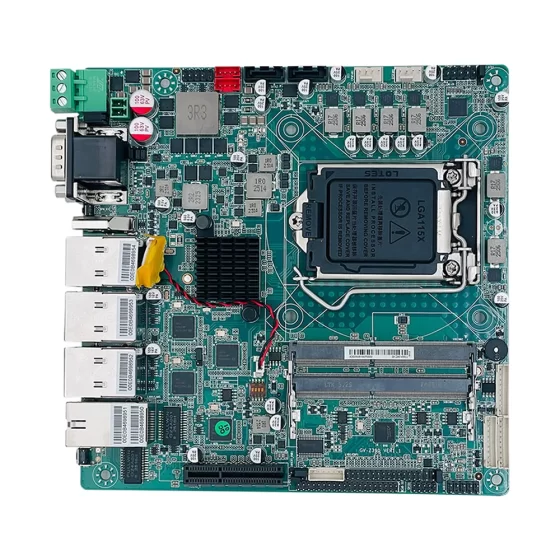
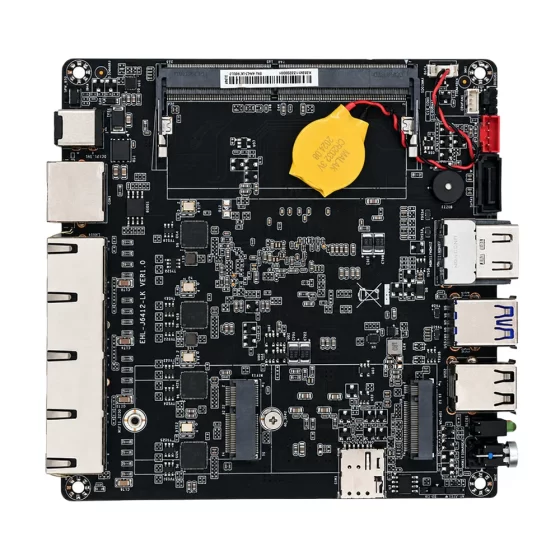
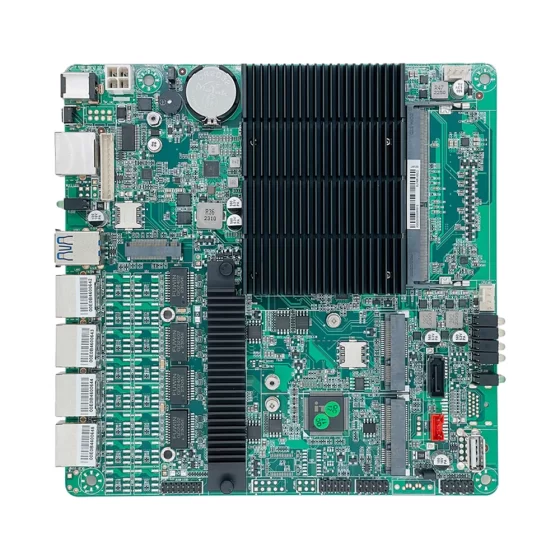
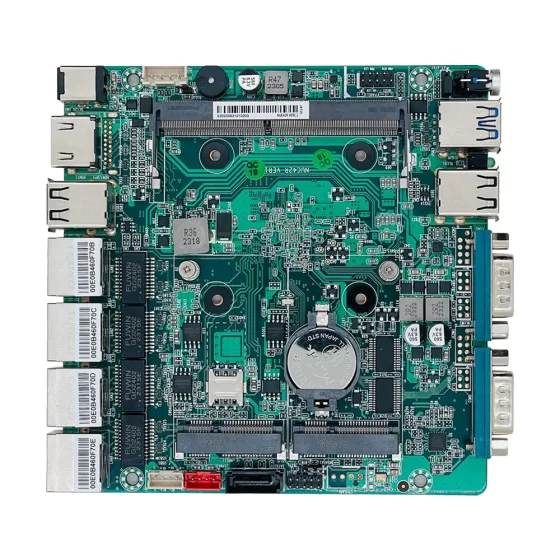
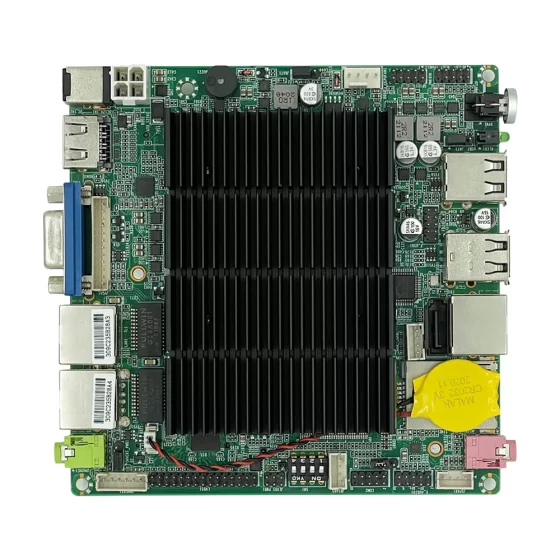
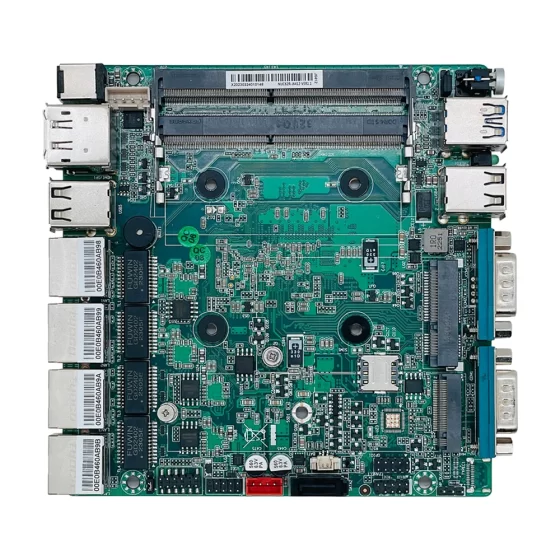
Soluciones de informática industrial CoreIPC

Computadora industrial para aplicaciones de redes inteligentes
Resumen ejecutivo
El sector energético mundial está experimentando una transformación fundamental a medida que las empresas de servicios públicos, gobiernos, y las organizaciones industriales modernizan la infraestructura energética obsoleta para satisfacer la creciente demanda de electricidad, Requisitos de integración de energías renovables., y objetivos de sostenibilidad. Las redes eléctricas tradicionales están evolucionando hacia las inteligentes, Sistemas interconectados capaces de monitorear en tiempo real., control automatizado, mantenimiento predictivo, y optimización dinámica de la energía. Estas redes energéticas de próxima generación se conocen colectivamente como Smart Grids..
Un Computadora industrial para aplicaciones de redes inteligentes desempeña un papel fundamental para permitir esta transformación. Las computadoras industriales sirven como capa de inteligencia de borde que conecta dispositivos de campo, subestaciones, activos de energía renovable, redes de comunicacion, y plataformas de gestión centralizada. Al recolectar, tratamiento, y analizar datos operativos en tiempo real, Las computadoras industriales ayudan a las empresas de servicios públicos a mejorar la confiabilidad de la red., aumentar la eficiencia operativa, apoyar la integración de energías renovables, y mejorar la ciberseguridad en toda la infraestructura crítica.
A diferencia de las plataformas informáticas comerciales, Las computadoras industriales están diseñadas específicamente para entornos de servicios públicos exigentes.. Proporcionan confiabilidad de grado industrial, operación sin ventilador, disponibilidad de ciclo de vida largo, soporte de amplia temperatura, conectividad robusta, y comunicaciones seguras. Estas capacidades los hacen ideales para su implementación en subestaciones., gabinetes de control, instalaciones de energías renovables, sistemas de automatización de distribución, y aplicaciones de gestión de energía.
A medida que la infraestructura de Smart Grid continúa expandiéndose en todo el mundo, Los ordenadores industriales se están convirtiendo en componentes indispensables para la gestión inteligente de la energía., modernización de la red, y transformación de servicios públicos digitales.
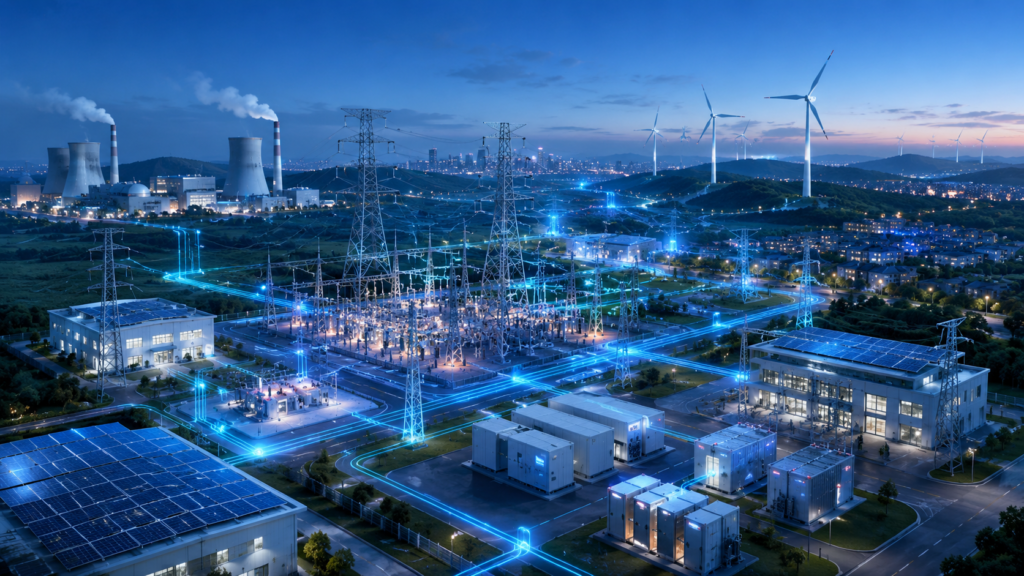
La moderna infraestructura Smart Grid conecta la generación de energía convencional, sistemas de energía renovable, subestaciones, y activos de almacenamiento de energía a través de tecnologías de monitoreo inteligente y computación industrial.
Descripción general de la industria
Durante décadas, Sistemas de energía eléctrica operados usando modelos de generación centralizada y distribución de energía unidireccional.. La electricidad se generaba en grandes centrales eléctricas y se transmitía a través de redes de distribución a viviendas., comercial, y consumidores industriales.
Si bien este modelo sirvió bien a la industria durante muchos años, Varios desafíos emergentes han aumentado la necesidad de una gestión de red más inteligente.:
- Aumento de la demanda de electricidad
- Infraestructura de servicios públicos envejecida
- Integración de energías renovables
- Sistemas de generación distribuida
- Adopción de vehículos eléctricos
- Requisitos de confiabilidad de la red
- Iniciativas de eficiencia energética
- Objetivos de descarbonización
- Preocupaciones de ciberseguridad
Para abordar estos desafíos, Las empresas de servicios públicos están invirtiendo fuertemente en tecnologías Smart Grid..
Una Smart Grid combina infraestructura eléctrica con informática avanzada, comunicaciones, automatización, y tecnologías analíticas para crear un ecosistema energético inteligente y receptivo.
Los entornos modernos de Smart Grid suelen incluir:
- Subestaciones inteligentes
- Transformadores inteligentes
- Sistemas de automatización de distribución.
- Instalaciones de energías renovables
- Sistemas de almacenamiento de energía
- Medidores inteligentes
- Plataformas SCADA
- Sistemas de gestión de energía (EMS)
- Sistemas de gestión de distribución (DMS)
- Sistemas de gestión de interrupciones (OMS)
- Sistemas de gestión de recursos energéticos distribuidos (INTESTINOS)
Estos sistemas generan continuamente cantidades masivas de datos operativos que deben procesarse y analizarse en tiempo real..
Las computadoras industriales proporcionan la base informática necesaria para respaldar estas aplicaciones al permitir el procesamiento local., análisis de borde, gestión de comunicación, y una integración segura entre la tecnología operativa (Antiguo Testamento) y tecnología de la información (ÉL) entornos.
A medida que las redes inteligentes se vuelven más sofisticadas, La demanda de plataformas informáticas industriales fiables sigue aumentando en todo el sector energético mundial..
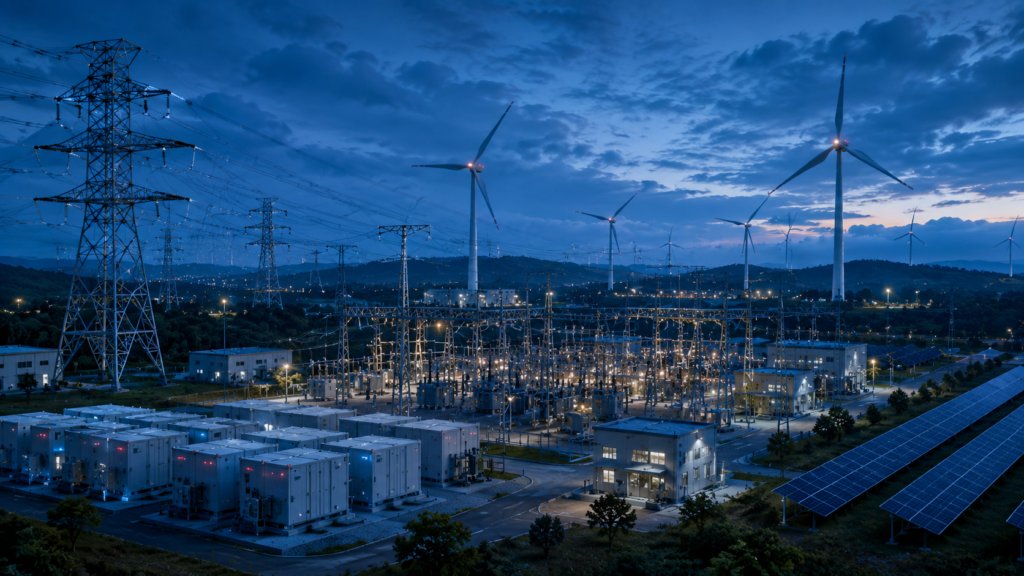
Los entornos modernos de Smart Grid deben coordinar las subestaciones, activos de energía renovable, sistemas de almacenamiento de energía, y redes de comunicación manteniendo la confiabilidad, eficiencia, y estabilidad de la red.
Desafíos clave
Gestión de recursos energéticos distribuidos
Las redes inteligentes modernas deben soportar un número creciente de activos de energía distribuida, incluido:
- Sistemas de energía solar
- Parques eólicos
- Sistemas de almacenamiento de baterías
- Microrredes
- Sistemas combinados de calor y energía.
- Infraestructura de carga de vehículos eléctricos
La gestión de estos recursos distribuidos requiere coordinación en tiempo real y control inteligente..
Las computadoras industriales ayudan a las empresas de servicios públicos a recopilar datos, monitorear el desempeño de los activos, y ejecutar estrategias de control automatizadas.
Procesamiento de grandes volúmenes de datos operativos
Los entornos Smart Grid generan datos de miles de dispositivos conectados.
Las fuentes de datos incluyen:
- Medidores inteligentes
- Relés de protección
- Sensores
- Transformadores
- Disyuntores
- Activos de energías renovables
- Equipos de monitorización de red.
Esta información debe procesarse rápidamente para respaldar la toma de decisiones operativas y mantener la estabilidad de la red..
Mantener la confiabilidad en entornos hostiles
La infraestructura de servicios públicos a menudo se implementa en entornos desafiantes como:
- Subestaciones exteriores
- Gabinetes de control de servicios públicos
- Instalaciones remotas
- Regiones de alta temperatura
- Ambientes de alta humedad
- Lugares con interferencias electromagnéticas
Las computadoras comerciales generalmente no están diseñadas para estas condiciones..
Las computadoras industriales deben funcionar continuamente manteniendo la confiabilidad en condiciones ambientales adversas..
Garantizar la ciberseguridad
La infraestructura eléctrica se considera infraestructura crítica en todo el mundo..
Las ciberamenazas dirigidas a los sistemas energéticos siguen aumentando.
Las empresas de servicios públicos deben proteger:
- Sistemas de control
- Datos operativos
- Redes de comunicación
- Activos de la red
- Información del cliente
Las computadoras industriales juegan un papel importante en el apoyo a las estrategias de ciberseguridad a través de comunicaciones seguras., control de acceso, y segmentación de red.
Apoyando la integración de energías renovables
Las fuentes de energía renovables introducen variabilidad en las redes eléctricas.
A diferencia de la generación de energía convencional, Los recursos renovables dependen de las condiciones ambientales..
Los ordenadores industriales ayudan a las empresas de servicios públicos:
- Supervisar la producción de generación
- Previsión de producción de energía.
- Administrar activos de almacenamiento
- Equilibrar la oferta y la demanda
- Mejorar la estabilidad de la red
Estas capacidades son esenciales para una integración exitosa de las energías renovables..
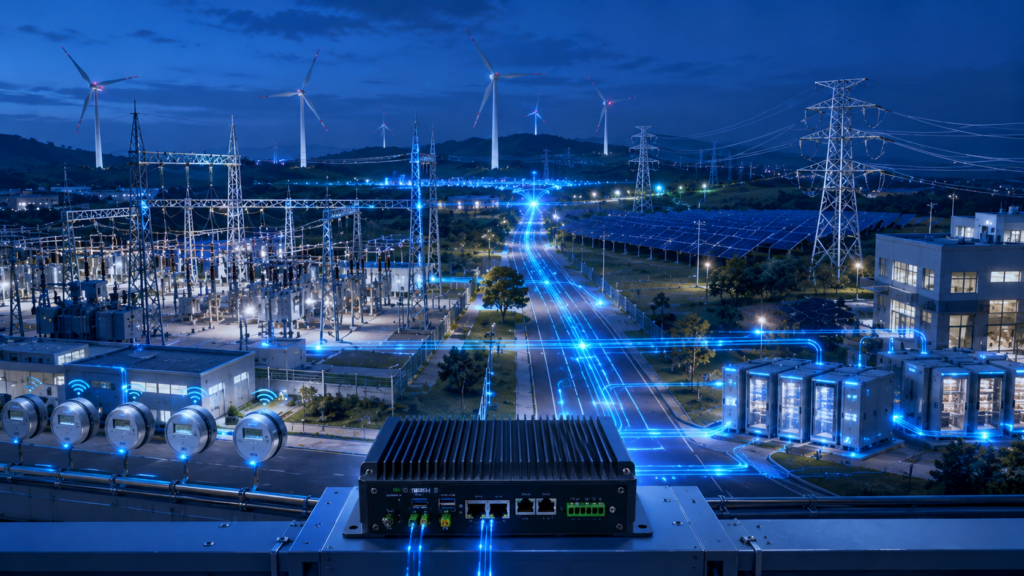
Las computadoras industriales sirven como plataforma de inteligencia perimetral que conecta las subestaciones, medidores inteligentes, activos de energía renovable, y sistemas de monitoreo de servicios públicos en entornos modernos de redes inteligentes.
Arquitectura de la solución
Una implementación típica de Smart Grid consta de varias capas interconectadas.
Capa 1: Capa de dispositivo de campo
La capa de campo contiene activos operativos que incluyen:
- Medidores inteligentes
- Relés de protección
- Sensores
- Transformadores
- Disyuntores
- Equipos de energía renovable.
- Sistemas de almacenamiento de baterías
Estos dispositivos generan datos operativos y ejecutan acciones de control..
Capa 2: Capa de comunicación
Las redes de comunicación conectan dispositivos de campo con sistemas de gestión locales y centralizados..
Las tecnologías comunes incluyen:
- Ethernet industrial
- Redes de fibra óptica
- Comunicaciones inalámbricas
- Redes celulares
- Pasarelas industriales de IoT
- Infraestructura de comunicación de servicios públicos
Las comunicaciones confiables son esenciales para las operaciones de Smart Grid.
Capa 3: Capa informática industrial
La computadora industrial sirve como plataforma de inteligencia local.
Las responsabilidades clave incluyen:
- Adquisición de datos
- Conversión de protocolo
- Análisis de borde
- Gestión de alarmas
- Procesamiento de eventos
- Monitoreo de dispositivos
- Funciones de ciberseguridad
- Toma de decisiones locales
Esta capa permite una respuesta rápida a eventos operativos..
Capa 4: Capa de gestión de red
Las aplicaciones en este nivel incluyen:
- Sistemas SCADA
- Sistemas de gestión de energía
- Sistemas de gestión de distribución
- Sistemas de gestión de interrupciones
- Plataformas de gestión de activos
- Software de mantenimiento predictivo
Las computadoras industriales respaldan estas aplicaciones a través de servicios locales de procesamiento y comunicación..
Capa 5: Capa empresarial y de nube
La capa empresarial permite:
- Centros de operaciones de servicios públicos
- Plataformas de inteligencia empresarial
- Análisis de la nube
- Previsión basada en IA
- Sistemas de informes
- Entornos de gemelos digitales
Esta capa transforma los datos operativos en información procesable..
Características clave
Confiabilidad de grado industrial
La infraestructura Smart Grid requiere un funcionamiento continuo.
Las computadoras industriales proporcionan:
- Construcción robusta
- Componentes de grado industrial
- Fiabilidad a largo plazo
- Soporte de operación continua
- Disponibilidad de ciclo de vida extendido
Estas características ayudan a minimizar el tiempo de inactividad y los requisitos de mantenimiento..
Diseño sin ventilador
Muchas implementaciones de Smart Grid utilizan computadoras industriales sin ventilador.
Los beneficios incluyen:
- Fiabilidad mejorada
- Mantenimiento reducido
- Resistencia al polvo
- Funcionamiento silencioso
- Vida útil más larga
Los sistemas sin ventilador son particularmente valiosos en instalaciones remotas de servicios públicos..
Amplio rango de temperatura de funcionamiento
Los entornos de servicios públicos pueden experimentar fluctuaciones de temperatura significativas.
Soporte a computadores industriales:
- Operación a alta temperatura
- Operación a baja temperatura
- Despliegue al aire libre
- Estabilidad térmica
Esto garantiza un funcionamiento fiable en diversas condiciones ambientales..
Rica conectividad industrial
Las aplicaciones Smart Grid requieren amplias capacidades de comunicación.
Las computadoras industriales comúnmente soportan:
- GigabitEthernet
- Comunicaciones en serie
- RS232
- RS422
- RS485
- Autobús CAN
- E/S digitales
- interfaces USB
Estas interfaces simplifican la integración con equipos de servicios públicos..
Capacidades de computación de borde
La computación perimetral permite el procesamiento de datos cerca de la fuente.
Los beneficios incluyen:
- Latencia reducida
- Tiempos de respuesta más rápidos
- Menor consumo de ancho de banda
- Fiabilidad mejorada
- Visibilidad operativa mejorada
Las computadoras industriales proporcionan la potencia informática necesaria para el análisis de borde y la toma de decisiones local..
Soporte de ciberseguridad
Las computadoras industriales modernas admiten capacidades de seguridad avanzadas como:
- Arranque seguro
- módulos TPM
- Conectividad VPN
- control de acceso
- Aplicaciones de cortafuegos
- Comunicaciones seguras
Estas características ayudan a proteger la infraestructura crítica de servicios públicos..
Largo ciclo de vida del producto
Los proyectos de servicios públicos a menudo permanecen operativos durante muchos años..
Oferta de ordenadores industriales:
- Disponibilidad a largo plazo
- Plataformas de hardware estables
- Programas de soporte extendido
- Requisitos de rediseño reducidos
Estas características simplifican la gestión del ciclo de vida y reducen los costos totales de propiedad..
Escenarios de implementación
Automatización de subestaciones inteligentes
Las computadoras industriales se utilizan ampliamente en subestaciones inteligentes para respaldar:
- Monitoreo de equipos
- Grabación de eventos
- Sistemas de protección
- Adquisición de datos
- Diagnóstico remoto
- Análisis operativo
Estas capacidades mejoran la visibilidad y la confiabilidad en toda la infraestructura de servicios públicos..
Gestión de energías renovables
Los ordenadores industriales ayudan a gestionar:
- Plantas de energía solar
- Instalaciones de energía eólica
- Sistemas de almacenamiento de baterías
- Sistemas de energía híbridos
Procesando datos operativos localmente, Las empresas de servicios públicos pueden optimizar la producción de energía y mejorar la integración de la red..
Automatización de Distribución
Las empresas de servicios públicos implementan computadoras industriales para respaldar:
- Detección de fallos
- Aislamiento de fallos
- Restauración del servicio
- Regulación de voltaje
- Equilibrio de carga
La automatización de la distribución mejora la calidad del servicio y reduce la duración de las interrupciones.
Recopilación de datos de medidores inteligentes
Las computadoras industriales agregan y procesan información de una gran cantidad de medidores inteligentes.
Las aplicaciones incluyen:
- Seguimiento del consumo
- Sistemas de facturación
- Programas de respuesta a la demanda
- Análisis energético
Esto respalda operaciones de servicios públicos más eficientes y la participación del cliente..
Infraestructura de carga de vehículos eléctricos
A medida que aumenta la adopción de vehículos eléctricos, Las empresas de servicios públicos deben gestionar las crecientes redes de carga..
Soporte a computadores industriales:
- Monitoreo de estaciones de carga
- Optimización energética
- Análisis de uso
- Gestión de carga
- Administración remota
Estas funciones ayudan a las empresas de servicios públicos a mantener la estabilidad de la red y al mismo tiempo respaldan la electrificación del transporte..
Gestión de microrredes
Los ordenadores industriales permiten el control inteligente de:
- Activos de generación local
- Sistemas de almacenamiento de energía
- Cargas distribuidas
- Interconexiones de red
Las microrredes mejoran la resiliencia, fiabilidad, e independencia energética.
Beneficios comerciales
Confiabilidad de la red mejorada
La automatización y el monitoreo en tiempo real ayudan a las empresas de servicios públicos a detectar y resolver problemas antes de que afecten la disponibilidad del servicio..
Eficiencia operativa mejorada
Los ordenadores industriales automatizan la recopilación de datos, análisis, y procesos de presentación de informes, Reducir la carga de trabajo manual y mejorar la productividad..
Mejor utilización de los activos
La visibilidad operativa permite a las empresas de servicios públicos optimizar el rendimiento de los activos y extender la vida útil de los equipos..
Detección y recuperación de fallos más rápida
El análisis de borde respalda la identificación rápida de condiciones operativas anormales y acelera los tiempos de respuesta..
Costos operativos reducidos
Automatización, mantenimiento predictivo, y una visibilidad operativa mejorada ayudan a reducir los gastos de mantenimiento y las ineficiencias operativas..
Integración mejorada de energías renovables
Las computadoras industriales proporcionan la inteligencia necesaria para gestionar la variabilidad de las energías renovables y mantener la estabilidad de la red..
Base para una futura expansión
Las plataformas informáticas industriales escalables respaldan futuras iniciativas de modernización de redes inteligentes y proyectos de transformación digital.
Por qué CoreIPC
CoreIPC proporciona plataformas informáticas industriales diseñadas para aplicaciones de redes inteligentes, Sistemas de gestión de energía, automatización de servicios públicos, infraestructura de energía renovable, y entornos informáticos de vanguardia. Nuestras computadoras industriales ofrecen un rendimiento confiable, durabilidad de grado industrial, Conectividad de E/S flexible, disponibilidad de ciclo de vida largo, y capacidades de personalización OEM/ODM. Ya sea implementado en subestaciones, instalaciones de energías renovables, sistemas de automatización de distribución, o redes de servicios inteligentes, Las soluciones CoreIPC ayudan a los proveedores de energía a construir soluciones escalables, seguro, e infraestructuras Smart Grid preparadas para el futuro.
Preguntas frecuentes
1. ¿Qué es un ordenador industrial para aplicaciones Smart Grid??
Una computadora industrial es una plataforma informática robusta diseñada para soportar el monitoreo, control, comunicaciones, analítica, y automatización dentro de la infraestructura Smart Grid. Opera de manera confiable en entornos de servicios públicos mientras procesa datos operativos en tiempo real..
2. ¿Por qué son importantes los ordenadores industriales para las Smart Grids??
Los ordenadores industriales proporcionan la potencia de procesamiento, conectividad, fiabilidad, y capacidades de ciberseguridad necesarias para respaldar la gestión inteligente de la energía y las iniciativas de modernización de la red..
3. ¿Pueden las computadoras industriales soportar sistemas de energía renovable??
Sí. Los ordenadores industriales se utilizan ampliamente en los parques solares, parques eólicos, sistemas de almacenamiento de baterías, e instalaciones de energía híbrida para monitorización, analítica, y controlar.
4. ¿Qué protocolos de comunicación se utilizan habitualmente en los despliegues de Smart Grid??
Los protocolos comunes incluyen Modbus, DNP3, CEI 61850, CEI 60870-5-104, OPC-UA, MQTT, y estándares de Ethernet industrial.
5. ¿Son las computadoras industriales sin ventilador adecuadas para aplicaciones de servicios públicos??
Sí. Los sistemas sin ventilador mejoran la confiabilidad, reducir los requisitos de mantenimiento, y funciona bien en ambientes polvorientos o remotos.
6. ¿Cómo apoyan las computadoras industriales la informática de punta??
Procesan datos localmente, reducir la latencia y permitir una toma de decisiones operativas más rápida sin depender de la conectividad en la nube.
7. ¿Pueden las computadoras industriales mejorar la confiabilidad de la red??
Sí. Permiten seguimiento en tiempo real, mantenimiento predictivo, detección de fallas, y funciones de control automatizadas que mejoran la continuidad del servicio.
8. ¿Cómo apoyan los ordenadores industriales la ciberseguridad??
Los ordenadores industriales apoyan las comunicaciones seguras, VPN, cortafuegos, módulos TPM, y sistemas de control de acceso para proteger la infraestructura crítica.
9. ¿Qué industrias utilizan plataformas informáticas Smart Grid??
Utilidades, proveedores de energía renovable, operadores de transporte, instalaciones industriales, y las organizaciones de gestión de energía comúnmente implementan soluciones informáticas Smart Grid.
10. Qué se debe considerar al seleccionar una computadora industrial para aplicaciones Smart Grid?
Las consideraciones clave incluyen la confiabilidad, especificaciones ambientales, opciones de conectividad, capacidades de ciberseguridad, rendimiento de procesamiento, y disponibilidad del producto a largo plazo.
Conclusión
Un Computadora industrial para aplicaciones de redes inteligentes es una tecnología fundamental para la infraestructura energética inteligente moderna. Al permitir el monitoreo en tiempo real, automatización, análisis de borde, integración de energías renovables, y comunicaciones seguras, Las computadoras industriales ayudan a las empresas de servicios públicos a mejorar la confiabilidad de la red., eficiencia operativa, y sostenibilidad. A medida que las implementaciones de Smart Grid continúan expandiéndose en todo el mundo, Las plataformas informáticas industriales seguirán siendo esenciales para respaldar la transformación digital., gestión inteligente de la energía, y el futuro de las redes eléctricas conectadas.
Contáctenos
Buscando una plataforma informática industrial confiable para aplicaciones Smart Grid, Sistemas de gestión de energía, o proyectos de automatización de servicios públicos.?
CoreIPC proporciona computadoras industriales, computadoras integradas, placas base industriales, y soluciones informáticas personalizadas diseñadas para infraestructura Smart Grid, integración de energías renovables, automatización de subestaciones, e implementaciones de computación de borde.
Póngase en contacto con nuestro equipo de ingeniería hoy para analizar los requisitos de su proyecto y descubrir la plataforma informática industrial ideal para su aplicación Smart Grid..