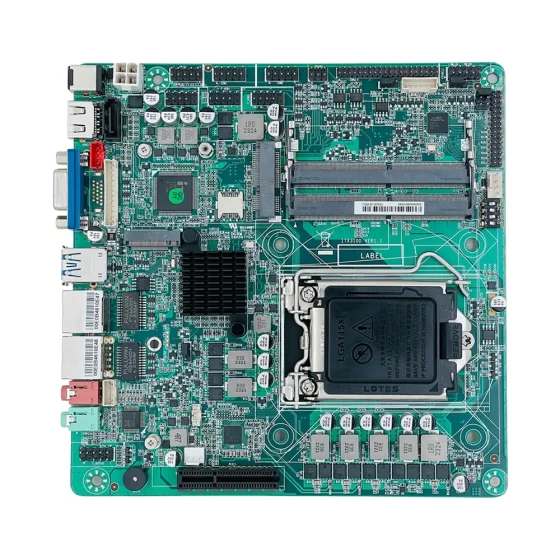
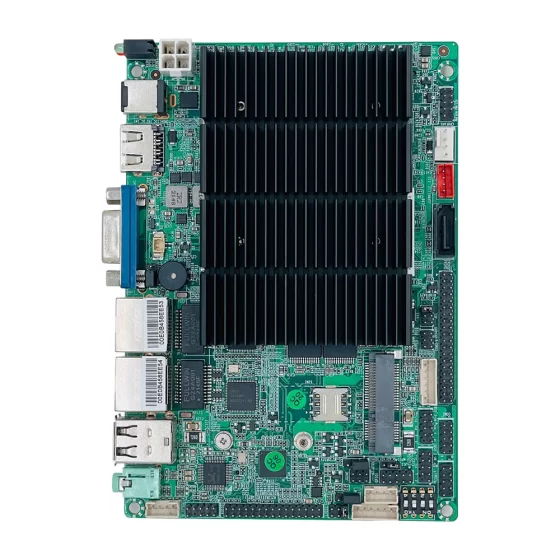
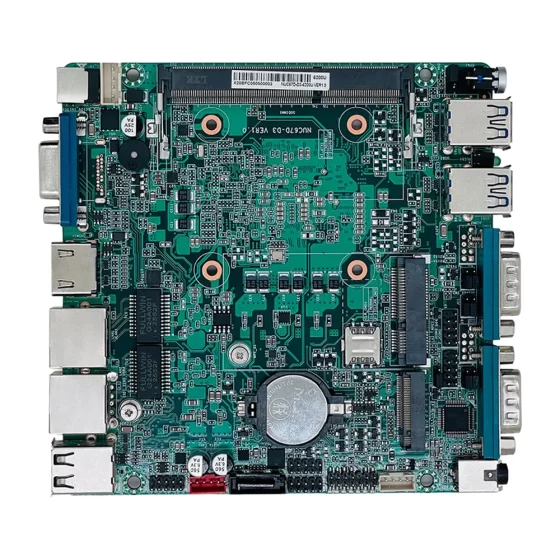
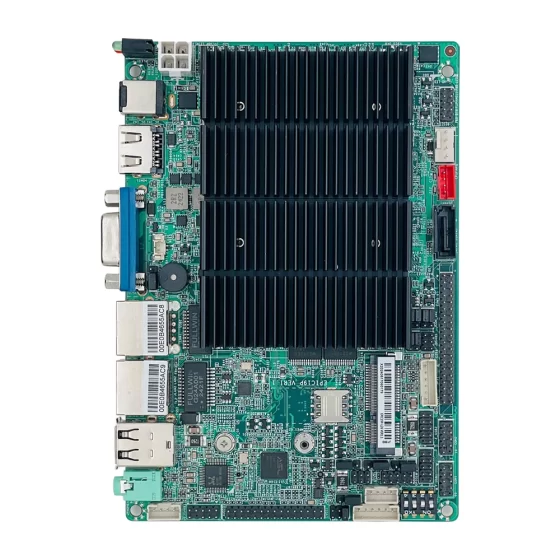
CoreIPC 産業用コンピューティング ソリューション

産業用データ集約プラットフォーム: スマート製造のための産業データ集約
エグゼクティブサマリー
産業データ集約は、収集のためのコンピューティング基盤を提供します。, 正規化する, バッファリング, 処理, マシンからのデータの転送, PLC, センサー, メートル, ロボット, カメラ, 検査システム, および工場出荷時のソフトウェアプラットフォーム.
現代の工場はさまざまなソースからデータを生成します. 生産ラインには従来の機械が含まれる場合があります, イーサネットベースの PLC, シリアルセンサー, 工業用メーター, バーコードリーダー, ビジョンシステム, 試験装置, SCADAシステム, MESプラットフォーム, およびクラウド接続された産業用 IoT アプリケーション.
信頼できるアグリゲーション層がない場合, データはマシン間で断片化されたままになる可能性があります, スプレッドシート, ローカルコントローラー, 分離されたデータベース, または切断されたシステム.
産業用コンピュータまたは組み込みコンピュータ上に構築された産業用データ集約プラットフォームは、複数のデバイスからデータを収集できます, タイムスタンプを揃える, 不要なレコードをフィルタリングする, 情報をローカルにバッファリングする, エッジ処理タスクを実行する, 構造化データを SCADA に送信します, MES, ERP, クラウドプラットフォーム, 歴史家, または分析システム.
基本コンバータやオフィスPCとの比較, 産業用コンピュータは、製造現場での展開のためのより信頼性の高いハードウェア基盤を提供します. 頑丈な筐体をサポートします, 複数のLANポート, シリアルインターフェース, ローカルストレージ, ファンレス設計オプション, 産業用電力入力, 柔軟な I/O, 長いライフサイクルの可用性.
この記事では、産業データ集約プラットフォームがスマート製造をどのようにサポートするかについて説明します, 実際の工場ではどのような導入上の課題が発生するか, ソリューション アーキテクチャの仕組み, 工場データ集約アプリケーション用の産業用コンピューターまたは組み込みコンピューターを選択する際にどのハードウェア機能が重要になるか.
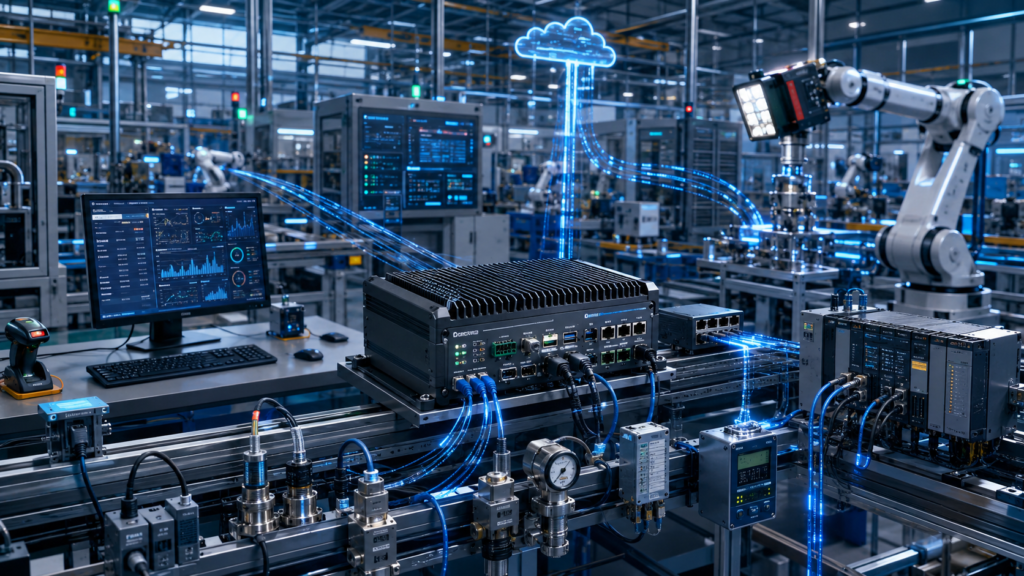
産業データ集約プラットフォームは機械を収集して整理します, センサー, 品質, 生産, とエネルギーデータ.
業界の概要
工場には統合されたデータの可視性が必要
スマートな製造は信頼できるデータに依存します.
生産チームは機械の状態を理解する必要がある, ダウンタイムの理由, 生産数, アラーム履歴, エネルギー使用量, 質の高い結果, プロセス値, メンテナンス条件, そして設備の性能も.
しかし, 多くの場合、工場データは多くのシステムに分散されます。.
一部のマシンはデータをローカルに保存します. 一部の PLC は近くの HMI とのみ通信します. 一部のメーターはシリアル通信を使用します. 一部の検査機はファイルをエクスポートします. 一部のシステムはデータを SCADA に送信します, 他の人は MES またはクラウド ダッシュボードにレポートします.
これにより、切断された情報が作成されます.
産業用データ集約プラットフォームは、これらのデータソースを統合するのに役立ちます.
データ集約は単純なデータ収集とは異なります
基本的なデータ収集はデバイスから値を取得します.
産業データの集約がさらに進化.
実用的な集約プラットフォームはサポートする必要がある場合があります。:
- マルチデバイスのデータ取得
- プロトコルブリッジング
- データの正規化
- タイムスタンプの調整
- ローカルバッファリング
- データのフィルタリング
- エッジ処理
- 品質データの統合
- アラームとイベントの収集
- エネルギーデータの集約
- リモートアクセスログ
- プラットフォームの統合
目標は、構造化された使用可能な産業データを作成することです, 生の値だけではなく.
インダストリアル コンピューティングはハードウェアの基盤です
産業用データ集約プラットフォームは、多くの場合、生産装置の近くに導入されます。.
制御盤内に設置可能, マシンエンクロージャ, 生産ラインパネル, ユーティリティルーム, 倉庫システム, またはエッジコンピューティングステーション.
これらの環境には粉塵が含まれる可能性があります, 振動, 温度変化, 不安定な電力, 電気ノイズ, 限られた空気の流れ, ケーブルストレス, そして連続運転.
産業用コンピュータと組み込みコンピュータは、これらの条件に必要なハードウェア基盤を提供します.
マルチLANネットワークをサポートします, シリアル通信, ローカルストレージ, ファンレス設計, 工業用取り付け, 柔軟な拡張性, 安定した長期展開.

混合インターフェース, レガシーデバイス, プロトコルの多様性, データ量, バッファリング, およびネットワークのセグメンテーションはアグリゲーションの展開に影響します.
主要な課題
混合機器からのデータ収集
工場には、さまざまなベンダーや世代の機器が含まれていることがよくあります。.
単一の生産ラインには PLC が含まれる場合があります, メートル, センサー, ロボット, バーコードリーダー, テストシステム, カメラ, HMI, およびレガシーマシン.
これらのデバイスは異なるインターフェイスを使用する可能性があります, データ形式, とコミュニケーション方法.
データ集約プラットフォームは実用的な接続をサポートする必要があります, 含む:
- イーサネットベースのデバイス
- シリアルデバイス
- PLCネットワーク
- センサーシステム
- メーターネットワーク
- USB接続機器
- ローカルファイルまたはデータベース
- 産業用ゲートウェイ
- マシンコントローラー
- 検査装置
工場の現場はそれぞれ異なるため、柔軟な I/O が重要です.
データを使用可能な形式に正規化する
工場出荷時の生データは矛盾していることが多い.
マシンごとに異なるタグ名が使用される場合があります, 単位, タイムスタンプ, アラームコード, サンプリングレート, とレコード構造.
産業用データ集約プラットフォームは、この生データをより一貫した構造に変換するのに役立ちます。.
これには以下が含まれる場合があります:
- タグマッピング
- 単位換算
- タイムスタンプの調整
- データのフィルタリング
- イベントの分類
- アラームのグループ化
- 生産数のフォーマット
- 機械状態の標準化
- ローカルデータ検証
MES では構造化データが使いやすくなりました, スカダ, 歴史家, 雲, および分析システム.
ネットワーク中断時のデータ損失の回避
工場のネットワークは常に安定しているとは限りません.
MESへの接続, スカダ, クラウドダッシュボード, またはリモートサーバーが中断される可能性があります.
アグリゲーション プラットフォームがローカル バッファリングを行わずにライブ データのみを転送する場合, 重要な記録が失われる可能性があります.
ローカルストレージとバッファリングは次の場合に重要です:
- アラーム履歴
- 生産数
- 高品質の結果
- エネルギー記録
- メンテナンスログ
- センサーのトレンド
- マシンステータスの変化
- バッチまたはプロセスのレコード
信頼性の高い産業用コンピュータはデータをローカルに保存し、ネットワーク接続が回復したときにデータを転送できます。.
大量のデバイス数とデータ量の管理
産業用データ集約のワークロードは、接続されているデバイスの数と更新速度によって異なります。.
小型マシンのゲートウェイはいくつかの信号を収集する可能性があります. ファクトリレベルの集約プラットフォームは、多くのマシンからのデータを処理できます。, センサー, メートル, カメラ, およびソフトウェアシステム.
システムのサイズは次のように設定する必要があります。:
- デバイス数
- データポイント数
- サンプリング周波数
- プロトコルのワークロード
- ローカルデータベースのサイズ
- アップロード頻度
- エッジ処理のニーズ
- 保管期間
- ダッシュボードの要件
- ネットワーク帯域幅
ハードウェアの選択は、実際のデータ ワークロードを反映する必要があります.
ネットワークのセグメンテーションの維持
産業用データ集約プラットフォームは、多くの場合、マシン ネットワークと上位システムの間に位置します。.
これによりセキュリティ境界が作成されます.
フラットなネットワークではマシンが公開される可能性がある, PLC, カメラ, およびローカルシステムが不必要に.
集約プラットフォームを分離する必要がある場合があります:
- マシンネットワーク
- PLCネットワーク
- センサーネットワーク
- カメラネットワーク
- 工場ITネットワーク
- 産業用IoTネットワーク
- リモートメンテナンスネットワーク
- 管理ネットワーク
複数の LAN ポートにより、より明確なセグメンテーションと制御されたデータ フローの作成が可能になります。.
長期的な工場展開をサポート
多くの場合、工場のデータ システムは長年にわたって使用され続けます。.
ハードウェアを頻繁に変更すると、ソフトウェア検証の問題が発生する可能性があります, ドライバーの問題, スペアパーツの課題, メンテナンスの複雑さ.
ライフサイクル プランニングを備えた産業用コンピューティング プラットフォームは、メーカーやシステム インテグレーターが生産ライン全体で一貫した集約システムを維持するのに役立ちます, 植物, と機器の世代.

産業用データ集約プラットフォームは、作業現場のデバイスをローカル データベースに接続します, 工場出荷時のソフトウェア, IIoT システム, およびクラウドプラットフォーム.
産業用データ集約ソリューションのアーキテクチャ
デバイスおよびマシン層
デバイスおよびマシン層には、データを生成する機器が含まれます.
この層には以下が含まれる場合があります:
- PLCコントローラー
- センサー
- エネルギーメーター
- ロボット
- バーコードリーダー
- 産業用カメラ
- 試験装置
- HMI
- ドライブ
- モーションコントローラー
- リモートI/Oモジュール
- レガシーシリアルデバイス
これらのシステムは生の生産を提供します, 品質, エネルギー, メンテナンス, およびプロセスデータ.
産業データ集約プラットフォームはこれらのソースに接続し、選択された情報を収集します.
エッジアグリゲーションレイヤー
エッジアグリゲーションレイヤーはソリューションの中核です.
この層では, 産業用コンピュータまたは組み込みコンピュータは、:
- 複数のデバイスからデータを収集する
- プロトコルの変換
- タグ値を正規化する
- タイムスタンプを揃える
- ローカルレコードを保存する
- ネットワークの問題時のデータのバッファリング
- 不要な値をフィルタリングする
- アラームとイベントを集約する
- ローカル処理ロジックを実行する
- 構造化データを上位システムに転送する
このレイヤーは、切断された製造現場のデータを使用可能な産業情報に変換します。.
ローカル処理層
ローカル処理層により、アップロード前のデータ品質が向上します.
プラットフォームが処理する場合があります:
- マシンステータスの変化
- アラームイベント
- 生産数
- サイクルタイム記録
- エネルギー消費値
- 品質検査結果
- 環境データ
- メンテナンスインジケーター
- 機器の健全性信号
- ダウンタイムイベント
データをローカルで処理することで, プラットフォームにより帯域幅の使用量が削減され、応答時間が短縮されます。.
プラットフォーム統合層
アグリゲーション プラットフォームはローカル データを工場およびエンタープライズ システムに接続します.
選択された情報を次の宛先へ送信する場合があります。:
- スカダ
- MES
- ERP
- 産業用IoTプラットフォーム
- クラウドダッシュボード
- 郷土史家データベース
- メンテナンス体制
- 高品質のデータベース
- エネルギー管理システム
- 遠隔監視プラットフォーム
すべての生の値を送信する代わりに, プラットフォームは構造化データを配信できます, イベント記録, 要約, トレンド, アラート, および選択されたログ.
セキュリティおよび管理層
産業用データの集約は制御され、保守可能である必要があります.
セキュリティ層と管理層には以下が含まれる場合があります。:
- ネットワークのセグメンテーション
- ファイアウォールポリシー
- 安全なリモートアクセス
- ユーザー権限
- ローカルロギング
- 構成のバックアップ
- デバイスの健全性監視
- ストレージ状態の監視
- リモート診断
- アップデート管理
このレイヤーは、システムのライフサイクル全体にわたってデータ収集の信頼性と安全性を維持するのに役立ちます。.
主な特長
マルチデバイス接続
産業用データ集約プラットフォームは、さまざまな種類の工場デバイスと接続する必要があります.
便利なインターフェースには次のものがあります。:
- LAN
- USB
- RS232
- RS485
- GPIO
- デジタル入力
- デジタル出力
- HDMI
- ディスプレイポート
- M.2
- PCIe
- SATA または NVMe ストレージ
ネイティブ産業用インターフェイスにより、外部コンバータの必要性が減り、キャビネットの配線が簡素化されます。.
これにより信頼性が向上し、プラットフォームをさまざまなマシンに展開しやすくなります。.
マルチLANネットワーク設計
複数の LAN ポートは、異なるネットワークを分離するのに役立ちます.
有用な構成には次のものがあります。:
- PLCネットワーク
- マシンネットワーク
- センサーネットワーク
- カメラネットワーク
- 工場ITネットワーク
- 産業用IoTネットワーク
- リモートメンテナンスネットワーク
- 管理ネットワーク
マルチLAN設計によりセキュリティが向上, ルーティングの明確さ, と交通組織.
また、マシンネットワークを上位システムに直接公開せずにデータを集約することもできます。.
信頼性の高いローカルストレージ
ローカル ストレージは集約システムにとって重要です.
プラットフォームには、:
- マシンデータ
- アラームログ
- イベント記録
- 生産数
- 高品質の結果
- エネルギー動向
- ローカルデータベース
- アップロードバッファ
- 設定ファイル
- セキュリティログ
SSD または NVMe ストレージは、機械式ドライブよりも高速アクセスと優れた耐衝撃性を備えているため、一般的に好まれます。.
ストレージ設計は保持時間を考慮する必要があります, 書き込み耐久性, バックアップワークフロー, データ復旧のニーズ.
データバッファリングとストアアンドフォワード
強力な集約プラットフォームは、ネットワーク接続が中断された場合でもデータを収集し続ける必要があります。.
ストアアンドフォワード機能は工場の記録を保護するのに役立ちます.
接続が回復したら, バッファリングされたデータを MES にアップロード可能, スカダ, 雲, または歴史家システム.
これは生産レポートに役立ちます, 品質トレーサビリティ, エネルギー監視, および遠隔施設の運営.
エッジ処理パフォーマンス
プラットフォームは収集する必要がある場合があります, ノーマライズ, プロセス, 店, 同時にデータを転送します.
ハードウェアの選択は次の点を考慮する必要があります:
- CPU性能
- メモリ容量
- デバイス数
- データポイント数
- ポーリング頻度
- ローカルデータベースのワークロード
- ストレージ速度
- プロトコル変換ワークロード
- ダッシュボードの要件
- オペレーティング システムのサポート
大規模な導入の場合, システムは実際のデータ速度とデバイス接続でテストする必要があります.
堅牢なファンレス設計
ファンレス産業用コンピューターは工場のデータ集約に最適です.
粉塵の侵入を減らし、一般的な機械的故障点を 1 つ除去します。.
頑丈なエンクロージャが振動から保護します, キャビネット設置ストレス, ケーブルのひずみ, そして連続運転.
熱設計は依然として慎重に検討する必要があります, 特にプラットフォームが多くのデバイスを処理する場合, ローカルストレージへの書き込み, 継続的なデータ処理.
安全なリモート管理
分散型アグリゲーション プラットフォームには実際的なメンテナンスが必要です.
安全なリモート管理はエンジニアが構成を更新するのに役立ちます, ログを確認する, システムの健全性を監視する, データの問題のトラブルシューティングを行う.
リモート管理は認証を通じて制御する必要があります, アクセス許可, ロギング, およびネットワークのセグメンテーション.
これにより、工場のシステムを保護しながら、現場の保守作業の負担を軽減できます。.
長いライフサイクルの可用性
産業用集約システムは、多くの場合、長期的な生産インフラストラクチャの一部になります。.
一貫したハードウェアはソフトウェア イメージの維持に役立ちます, データ収集テンプレート, ドライバー, スペアパーツ, および検証手順.
長いライフサイクルの可用性は機械製造業者にとって特に重要です, システムインテグレーター, 複数のサイトにアグリゲーション プラットフォームを展開するメーカー.
導入シナリオ
生産ラインのデータ集約
生産ラインには PLC が含まれる場合があります, センサー, バーコードリーダー, 検査システム, ロボット, およびローカル HMI.
産業用データ集約プラットフォームは、これらのデバイスから選択されたデータを収集し、MES 用の構造化された記録を作成できます。, スカダ, またはローカルダッシュボード.
これにより、ラインの可視性と生産レポートが向上します。.
マルチマシンのデータ収集
工場では、多くの場合、1 つのエリアにある多数の機械からデータを収集する必要があります。.
組み込みコンピュータはマシンのステータスを集約できます, サイクル数, アラーム, 複数のデバイスからの値を処理します.
既存機器を置き換えることなく集中監視をサポートします。.
高品質のデータ集約
品質システムには検査機からのデータが必要な場合があります, バーコードリーダー, テストステーション, ビジョンシステム, および生産設備.
集約プラットフォームは、これらの記録をローカルで結合し、構造化データを高品質データベースまたはトレーサビリティ プラットフォームに転送できます。.
これにより、より優れた生産品質分析がサポートされます.
エネルギーデータの集約
工場はメーターからエネルギー使用量を監視できる, コンプレッサー, HVAC システム, 公共事業, および生産設備.
データ集約プラットフォームはエネルギー記録を収集できます, タイムスタンプを揃える, 店舗のトレンド, 選択した値をエネルギー管理システムに転送します.
効率向上と異常消費検知をサポートします.
産業用IoTデータハブ
産業用データ集約プラットフォームは、ローカル IIoT データ ハブとして機能できます。.
マシンとセンサーのデータを収集できます, レコードをローカルで処理する, バッファ情報, 選択したデータをクラウド ダッシュボードまたはローカルの産業用 IoT システムに送信します.
これにより、コネクテッドファクトリー展開がサポートされます.
SCADA と MES の統合
SCADA および MES システムは多くの場合、生産装置からの信頼できるデータを必要とします。.
アグリゲーションプラットフォームはローカルデバイスデータを収集できます, それを正規化する, 構造化レコードをこれらのシステムに転送します.
これにより、作業現場と工場管理プラットフォーム間の統合が向上します。.
遠隔設備監視
遠隔施設にはユーティリティルームが含まれる場合があります, ポンプ場, エネルギーシステム, 環境監視ステーション, または小規模な生産現場.
組み込みコンピュータはローカルでデータを収集できます, バッファレコード, ネットワークが利用可能な場合は中央プラットフォームに情報を送信します.
これにより、分散操作の可視性が向上します。.
OEM データ集約アプライアンス
機械製造業者とシステム インテグレーターは、産業用コンピューターをカスタム集約アプライアンスに統合できます。.
プラットフォームはデバイス接続を提供できます, プロトコルの処理, ローカルストレージ, エッジ処理, リモートアクセス, 顧客対応システム向けの安全なデータ転送.
ビジネス上のメリット
統合された工場データ
産業用データの集約は機械の実現に役立ちます, センサー, 品質, エネルギー, と生産データをより統合された構造に統合.
これにより、生産ライン全体の可視性が向上し、情報のサイロ化が軽減されます。.
統合されたデータはより適切な意思決定をサポートします.
手動レポートの削減
多くの工場は依然として手動のデータ入力または接続されていない機械記録に依存しています。.
データ集約プラットフォームは収集と転送を自動化できます.
これにより手動の作業負荷が軽減されます, データの一貫性を向上させる, より信頼性の高いレポートをサポートします.
生産トレーサビリティの向上
集約されたデータはマシン間のトレーサビリティをサポートできます, 演算子, バッチ, プロセス, 検査, とタイムスタンプ.
これは品質管理にとって重要です, トラブルシューティング, コンプライアンスワークフロー, そして継続的な改善.
設備監視の改善
集約されたマシンデータは、チームが機器の状態を理解するのに役立ちます, アラーム, ダウンタイム, および動作条件.
これにより、メンテナンス計画と迅速な問題診断がサポートされます。.
データが一貫して収集される場合, 異常なパターンを特定しやすくなる.
より強力なシステム統合
工場では多くの場合、共有データを必要とする複数のシステムが使用されます。.
産業用データの集約により、マシンと SCADA の接続が容易になります, MES, ERP, クラウドダッシュボード, 高品質のデータベース, およびエネルギー管理プラットフォーム.
これにより、既存の工場出荷時のソフトウェアの価値が向上します.
スケーラブルなスマート マニュファクチャリングの導入
標準化された産業用データ集約プラットフォームにより、多くのマシンへの展開が容易になります, 生産ライン, そして工場.
一貫したハードウェアによりソフトウェア イメージが簡素化されます, 構成テンプレート, スペアパーツの計画, トレーニング, およびライフサイクル管理.
これにより、スケーラブルなスマート製造および産業用 IoT プログラムがサポートされます。.
CoreIPC を選ぶ理由
CoreIPC は産業用 IoT 向け産業用コンピューティング プラットフォームを提供します, ファクトリーオートメーション, マシンビジョン, エッジAI, ネットワークセキュリティ, および組み込みシステムの統合. 産業用データ集約アプリケーション向け, CoreIPC は信頼性の高い産業用コンピューター ハードウェアに重点を置いています, 組み込みコンピュータソリューション, マルチLAN構成, シリアル通信, 柔軟な I/O, コンパクトなシステム設計, ファンレス導入オプション, ローカルストレージ機能, OEM/ODMカスタマイズサポート. CoreIPC はシステム インテグレーターを支援します, 機械製造業者, そしてメーカーは実際の導入要件に適合するコンピューティング プラットフォームを選択します, デバイスインターフェースを含む, データワークロード, LANポート数, ストレージのニーズ, 取り付け方法, 電源入力, 熱条件, およびライフサイクル計画.
よくある質問
1. 産業データ集約とは何ですか?
産業データ集約は、複数の工場のデバイスやシステムからデータを収集するプロセスです, 次に、それをより使いやすい構造に整理します.
PLC からのデータが含まれる場合があります, センサー, メートル, 機械, ロボット, カメラ, 検査装置, SCADAシステム, および産業用IoTゲートウェイ. 目標は、工場のデータを保存しやすくすることです。, 分析する, そして共有する.
2. データ集約に産業用コンピューターを使用する理由?
産業用コンピュータは、工場での展開に堅牢なハードウェアと柔軟な接続を提供します。.
複数のLANポートをサポートできます, シリアル通信, USB, GPIO, 信頼できるストレージ, ファンレス動作, 工業用取り付け, 長いライフサイクルの可用性. これらの機能により、生産装置近くでのデータの収集と処理に適しています。.
3. 組み込みコンピュータはデータ集約プラットフォームとしてどのように使用されますか?
組み込みコンピュータを制御盤内に設置可能, 機械の筐体, またはファクトリーエッジノード.
ローカルデバイスからデータを収集できます, 値を正規化する, 記録を保存する, バッファデータ, ゲートウェイ ソフトウェアを実行する, 構造化された情報を MES に送信します, スカダ, クラウドプラットフォーム, またはローカルデータベース.
4. 産業用データ集約プラットフォームが接続できるデバイス?
PLCを接続できるプラットフォーム, センサー, メートル, HMI, ロボット, バーコードリーダー, 産業用カメラ, テストシステム, ドライブ, リモートI/Oモジュール, レガシーシリアルデバイス, およびローカルゲートウェイ.
正確なデバイスのサポートはハードウェア インターフェイスによって異なります, ソフトウェアドライバー, 通信プロトコル, および統合要件.
5. データ集約にとってローカル ストレージが重要な理由?
ローカル ストレージは、ネットワーク中断時のデータ損失を防ぐのに役立ちます.
プラットフォームはマシンレコードを収集し続けることができます, アラーム, 品質データ, エネルギー値, 生産は現地で行われます. MES接続時, スカダ, あるいはクラウドプラットフォームが回復する, バッファされたデータをアップロードできる.
6. アグリゲーション プラットフォームにとって複数の LAN ポートが重要な理由?
複数の LAN ポートによりマシン ネットワークを分離できます, PLCネットワーク, 工場のITネットワーク, カメラネットワーク, 産業用IoTシステム, およびリモートメンテナンスネットワーク.
これによりセキュリティが向上します, 不必要なトラフィックの露出を軽減する, よりクリーンなネットワーク組織をサポートします.
7. 産業用データ集約はレガシー機器をサポートできますか?
はい. 多くのアグリゲーション プラットフォームは RS232 を通じてレガシー機器をサポートしています, RS485, USB, デジタルI/O, またはプロトコル変換ソフト.
これにより、すぐに機器を交換することなく、古い機械やデバイスが最新の工場システムにデータを提供できるようになります。.
8. データ集約プラットフォームは産業用IoTをサポートできるか?
はい. 産業用データ集約プラットフォームは、ローカルの産業用 IoT データ ハブとして一般的に使用されています。.
機械やセンサーからデータを収集できる, レコードをローカルで処理する, バッファデータ, 選択した情報をクラウド ダッシュボードに転送します, ローカル IIoT システム, スカダ, または MES プラットフォーム.
9. 産業データ集約にとって重要なハードウェア機能は何ですか?
重要な機能には複数の LAN ポートが含まれます, RS232, RS485, USB, GPIO, デジタルI/O, 信頼できる記憶力, SSDまたはNVMeストレージ, 頑丈な筐体, ファンレス設計, 産業用電力入力, ディスプレイ出力, M.2, PCIe, および拡張オプション.
最終的な構成はデバイス数と一致する必要があります, データワークロード, ストレージのニーズ, および設置環境.
10. 導入前にテストすべきこと?
導入前, プラットフォームは実際のデバイスでテストする必要があります, ネットワークトポロジー, データレート, プロトコルのワークロード, ローカルストレージの動作, バッファリングロジック, アップロード動作, 長時間にわたる運用.
熱安定性, 回復手順, リモート管理, データの精度, MESとの統合, スカダ, またはクラウド システムも検証する必要があります.
結論
産業データの集約はスマート製造の実用的な基盤です, 工場の可視性, 産業用IoTの導入, 生産トレーサビリティ, エネルギー監視, 品質データの統合, とマシンデータの統合.
産業用コンピュータまたは組み込みコンピュータを生産装置の近くに配置することによって, メーカー, 機械製造業者, システム インテグレータは PLC からデータを収集できます, センサー, メートル, ロボット, カメラ, 検査装置, レガシーデバイス, SCADAシステム, MESプラットフォーム, 制御された信頼性の高い通信パスを介したクラウド ダッシュボード.
実際の導入要件に応じて、適切な産業用データ集約プラットフォームを選択する必要があります, デバイスインターフェースを含む, データポイント数, ポーリング頻度, LANポート数, シリアル通信, ストレージデザイン, バッファリング要件, 取付方法, 電源入力, 熱条件, オペレーティング システムのサポート, およびライフサイクル計画.
CoreIPC は、実際の作業現場向けに設計された産業用コンピューティング プラットフォームを使用して産業データ集約プロジェクトをサポートします。, マシン側, キャビネット, およびOEM展開. 適切なハードウェア基盤があれば, 産業オペレーターと機器ビルダーは信頼性の高いシステムを構築できます。, スケーラブルな, データ駆動型の工場集計システム.
お問い合わせ
産業用コンピュータを探しています, 組み込みコンピュータ, または産業用データ集約展開用のマルチ LAN プラットフォーム?
プロジェクトの要件については、CoreIPC にお問い合わせください。, デバイスインターフェースを含む, LANポート数, シリアル通信, データワークロード, ストレージ構成, 取付方法, 電源入力, 動作環境, ライフサイクルのニーズ, および OEM/ODM カスタマイズ オプション.