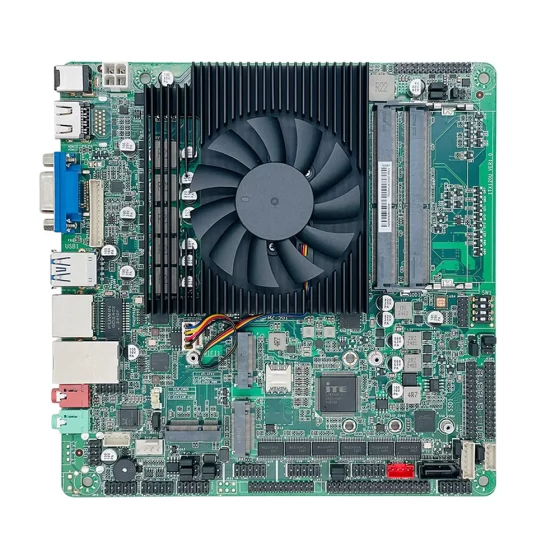
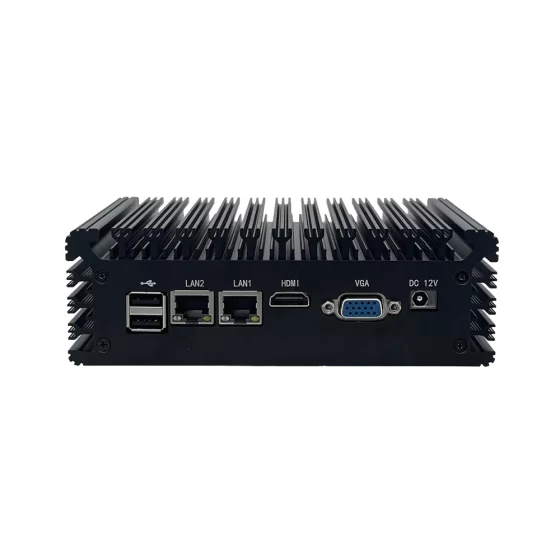
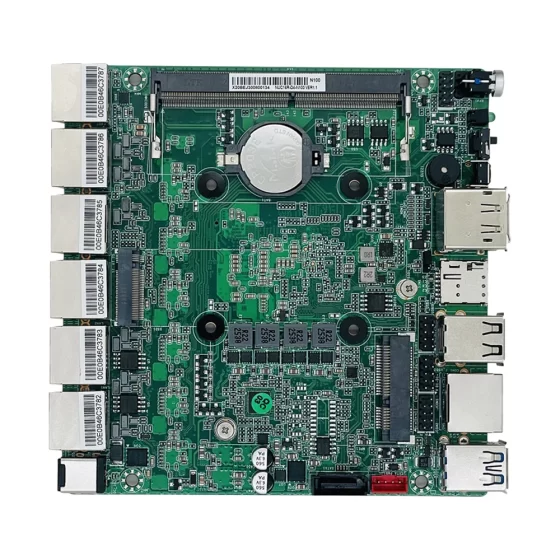
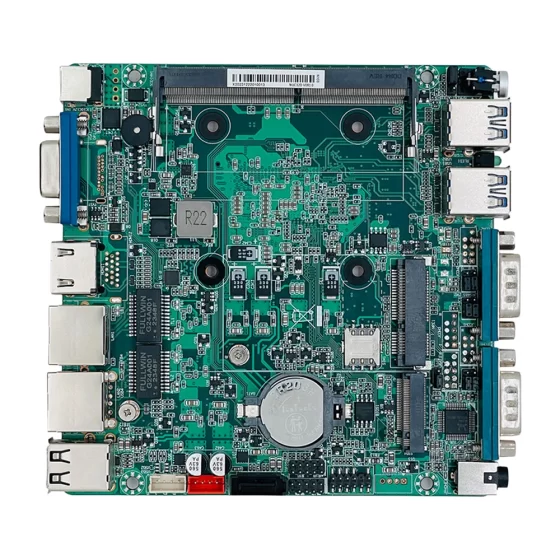
CoreIPC 産業用コンピューティング ソリューション

スマート倉庫向けの産業用IoT: コネクテッド物流業務のための産業用IoT倉庫プラットフォーム
エグゼクティブサマリー
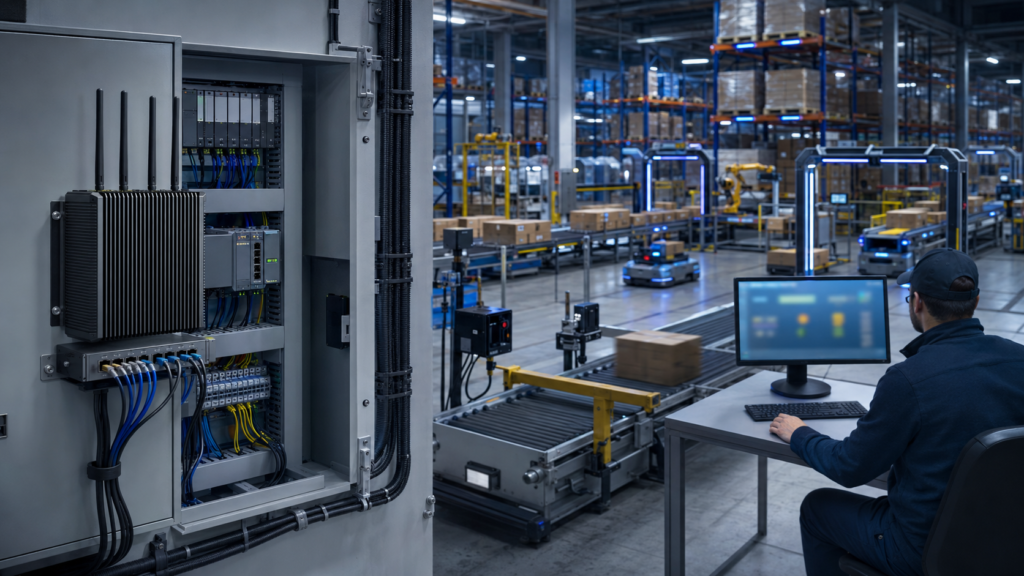
産業用 IoT 倉庫システムは、コネクテッド ストレージのコンピューティング基盤を提供します, 自動マテリアルハンドリング, 在庫の可視性, 機器の監視, バーコードスキャン, RFID追跡, 環境センシング, AGVとAMRの連携, リアルタイム倉庫稼働管理.
現代の倉庫はもはや単なる保管スペースではありません. 多くの場合、コンベアシステムが含まれます, 行を並べ替える, バーコードリーダー, RFIDデバイス, 視力検査ポイント, 計量ステーション, AGV, AMR, フォークリフト, センサー, アクセス制御デバイス, 産業用スイッチ, WMS プラットフォーム, WCS ソフトウェア, クラウドダッシュボード, およびローカル監視システム.
これらのシステムを連携させるには, 倉庫には信頼性の高いエッジ コンピューティングとデータ接続が必要です.
産業用コンピュータまたは組み込みコンピュータは、ローカルの産業用 IoT ゲートウェイまたは倉庫エッジ プラットフォームとして機能できます。. 倉庫設備からデータを収集できます, さまざまなデバイスを接続する, レコードをローカルで処理する, ネットワーク中断時のデータのバッファリング, 安全なリモートアクセスをサポート, 構造化された情報を WMS に送信します, WCS, ERP, クラウドプラットフォーム, またはローカルダッシュボード.
オフィスの PC やコンシューマ ゲートウェイとの比較, 産業用コンピュータは頑丈な設置をサポートしているため、倉庫環境に適しています。, 複数のLANポート, シリアル通信, GPIO, ローカルストレージ, ファンレス設計オプション, 安定した電力入力, 長いライフサイクルの可用性.
この記事では、産業用 IoT がスマートな倉庫運営をどのようにサポートするかについて説明します, 実際の物流環境ではどのような導入上の課題が発生するか, ソリューション アーキテクチャの仕組み, スマート ウェアハウス IoT アプリケーション用の産業用コンピューターまたは組み込みコンピューターを選択する際にどのハードウェア機能が重要になるか.
スマート倉庫データ収集
業界の概要
倉庫の自動化が進んでいる
倉庫は商品をより速く移動する必要に迫られています, ピッキングミスを減らす, 在庫精度の向上, リアルタイムの注文処理をサポートします.
これを達成するには, 多くの施設がコネクテッドオートメーションシステムを採用しています.
一般的なスマート ウェアハウス テクノロジーには次のものがあります。:
- バーコードスキャン
- RFID追跡
- コンベア制御
- 仕分けシステム
- AGV および AMR ロボット
- 自動保管システム
- 視力検査
- 計量と寸法測定
- 環境モニタリング
- 倉庫管理システム
- 倉庫管理システム
- クラウド運用ダッシュボード
これらのシステムは大量の運用データを生成します.
信頼性の高い産業用 IoT レイヤーがない場合, このデータはデバイス間で断片化されたままになる可能性があります, 機械, およびソフトウェアプラットフォーム.
インダストリアルIoTが倉庫機器を接続
インダストリアル IoT は、物理的な倉庫機器とソフトウェア システムの接続を支援します.
倉庫オペレーターがコンベアからデータを収集して使用できるようにします。, スキャナー, ロボット, センサー, メートル, カメラ, ゲート, 計量システム, およびローカルコントローラー.
目標は、可視性を向上させることです。:
- 在庫の移動
- 設備の状態
- 選別性能
- ピッキング精度
- ロボットの操作
- コンベヤ条件
- エネルギー使用量
- 環境条件
- アラームイベント
- メンテナンスの必要性
- 注文処理の流れ
産業用 IoT 倉庫プラットフォームは、切り離された機器をより調整された物流業務に変えます.
産業用コンピューティングはエッジ基盤です
スマート倉庫システムには機器の近くに信頼性の高いコンピューティングが必要です.
産業用コンピュータおよび組み込みコンピュータを制御盤に設置可能, 仕分けシステム, コンベアゾーン, 倉庫ラック, 充電エリア, 積み込みドック, コールドチェーン施設, および遠隔物流ノード.
これらの環境には粉塵が含まれる可能性があります, 振動, 温度変化, ケーブルストレス, 不安定な電力, そして長い営業時間.
産業用コンピューティング プラットフォームは、安定した倉庫 IoT 導入のためのハードウェア基盤を提供します.
柔軟な I/O をサポートします, ネットワークのセグメンテーション, ローカルストレージ, エッジ処理, そして長期運用.

スマート ウェアハウス IoT 導入の課題
主要な課題
多数の倉庫デバイスの接続
スマート ウェアハウスには、さまざまなベンダーのさまざまなデバイスが含まれる場合があります.
単一の施設でバーコード リーダーを使用する場合があります, RFIDリーダー, センサー, コンベア, ロボットコントローラー, 計量ステーション, カメラ, アクセス制御デバイス, および産業用スイッチ.
これらのシステムは異なるインターフェイスとプロトコルを使用する場合があります.
倉庫 IoT プラットフォームは実用的な接続をサポートする必要があります, 含む:
- イーサネット
- USB
- RS232
- RS485
- GPIO
- デジタル入力
- デジタル出力
- 無線モジュール
- カメラインターフェース
- ローカルディスプレイ出力
- ストレージの拡張
柔軟なデバイス接続により、統合の複雑さが軽減されます.
WMS と WCS システムの統合
倉庫管理システムと倉庫制御システムは多くの場合、リアルタイムの機器データを必要とします。.
WMS には在庫ステータスが必要な場合があります, 結果の選択, 受信記録, および出荷データ. WCS にはコンベアのステータスが必要な場合があります, 仕分け作業, ロボットタスク, スキャナーイベント, および機器のアラーム.
産業用 IoT プラットフォームは、物理デバイスからデータを収集し、構造化された情報をソフトウェア システムに転送する必要があります.
これには必要な場合があります:
- データの正規化
- タイムスタンプの調整
- イベントフィルタリング
- 機器ステータスマッピング
- バーコードおよびRFIDレコードの処理
- ローカルバッファリング
- APIまたはデータベースの統合
- プラットフォーム通信管理
信頼性の高い組み込みコンピュータは、倉庫機器とソフトウェア プラットフォーム間のローカル ブリッジとして機能します。.
大量のデータの処理
スマートウェアハウスは大量のデータを生成できる.
バーコード スキャナは 1 時間あたり数千のアイテムを処理する可能性があります. カメラは連続的に画像をキャプチャする場合があります. センサーは機器のステータスをリアルタイムで報告する可能性があります. AMR は位置およびタスク データを送信する場合があります. コンベヤーはステータス イベントを頻繁に生成する可能性があります.
コンピューティング プラットフォームのサイズは次のように設定する必要があります。:
- デバイス数
- データポイント数
- スキャン頻度
- カメラのワークロード
- ロボットのデータ速度
- ローカルデータベースのサイズ
- ネットワーク帯域幅
- アップロード頻度
- エッジ処理のワークロード
- ストレージ保持要件
電力不足のシステムでは遅延が発生する可能性があります, データ損失, または不安定な統合.
ネットワーク中断時の運用維持
クラウド接続またはエンタープライズリンクが不安定になったために倉庫業務を停止できない.
スマート ウェアハウス IoT プラットフォームは、ローカル バッファリングとストア アンド フォワード動作をサポートする必要があります。.
これは保存に役立ちます:
- スキャン記録
- イベントの並べ替え
- 在庫移動ログ
- ロボットタスクの記録
- 機器のアラーム
- 環境データ
- アクセス記録
- メンテナンスログ
ネットワーク接続が回復したら, バッファされたデータは WMS にアップロード可能, WCS, ERP, クラウドプラットフォーム, またはローカルデータベース.
リアルタイム応答をサポート
倉庫業務によっては、現地での迅速な対応が必要になる場合があります.
例にはスキャナーの検証が含まれます, コンベア停止信号, ソーターステータスアラート, ロボットゾーン監視, コールドチェーンの温度に関する警告, および機器の故障検出.
アクションの前にすべてのデータをクラウドに移動する必要がある場合, 返信が遅くなる可能性があります.
エッジ コンピューティングにより、重要なロジックをローカルで実行できるようになります.
産業用コンピュータは、機器の近くで倉庫のイベントを処理し、選択された結果のみを上位システムに送信できます。.
倉庫ネットワークの保護
スマート倉庫システムは、多くの場合、運用デバイスをエンタープライズ ソフトウェアやクラウド プラットフォームに接続します。.
これによりセキュリティ要件が作成されます.
IoT プラットフォームを分離する必要がある場合があります:
- 倉庫設備ネットワーク
- オフィスITネットワーク
- カメラネットワーク
- ロボットネットワーク
- スキャナーネットワーク
- WMS または WCS ネットワーク
- リモートメンテナンスネットワーク
- クラウドアップリンク
- 管理ネットワーク
複数の LAN ポートと制御された通信ポリシーにより、不必要な暴露を軽減します.

産業用 IoT 倉庫アーキテクチャ
産業用IoT倉庫ソリューションのアーキテクチャ
倉庫デバイス層
ウェアハウスデバイス層には、データを生成する、または制御を必要とする物理機器が含まれます。.
この層には以下が含まれる場合があります:
- バーコードリーダー
- RFIDリーダー
- コンベヤ
- ソート
- 計量システム
- 寸法記入システム
- AGV
- AMR
- フォークリフトターミナル
- 産業用カメラ
- 環境センサー
- アクセス制御デバイス
- PLCコントローラー
- ローカル HMI
これらのデバイスは、倉庫の可視化と自動化のためのリアルタイムの運用データを提供します。.
インダストリアルIoTエッジレイヤー
産業用 IoT エッジ層はローカル コンピューティング層です.
この層では, 産業用コンピュータまたは組み込みコンピュータは、:
- スキャナー記録を収集する
- センサーデータの受信
- ロボットシステムを接続する
- コンベアの状態を監視する
- ローカルイベントの処理
- バッファデータ
- プロトコルの変換
- ログを保存する
- セキュリティルールを適用する
- 選択した情報をソフトウェア システムに転送する
このレイヤーは、物理的な倉庫業務とデジタル プラットフォームを接続します。.
データ処理層
データ処理層は、生データが上位システムに到達する前に改善します。.
プラットフォームが処理する場合があります:
- バーコードイベント
- RFID読み取り
- 在庫移動記録
- コンベヤアラーム
- 仕分けイベント
- ロボットタスクのステータス
- 環境記録
- エネルギー使用量
- 機器の健全性データ
- ドックイベントのロード
データをローカルで処理することで, プラットフォームにより帯域幅の使用量が削減され、応答時間が短縮されます。.
ウェアハウス ソフトウェア統合レイヤー
産業用 IoT プラットフォームは倉庫機器とソフトウェア システムを接続します.
構造化データを送信する可能性があります:
- WMS
- WCS
- ERP
- MES
- クラウドダッシュボード
- ローカルデータベース
- メンテナンスプラットフォーム
- フリート管理システム
- エネルギー管理プラットフォーム
- セキュリティ監視システム
この統合により、倉庫管理者は何が起こっているかをリアルタイムで確認し、より効果的に業務を調整できるようになります。.
セキュリティおよび管理層
セキュリティおよび管理レイヤーは、倉庫の接続の信頼性と制御性を維持するのに役立ちます.
含まれる場合があります:
- ネットワークのセグメンテーション
- ファイアウォールポリシー
- 安全なリモートアクセス
- ユーザー権限
- ローカルロギング
- 構成のバックアップ
- デバイスの健全性監視
- ストレージ状態の監視
- リモート診断
- アップデート管理
この層はリスクを軽減し、長期的なメンテナンスを簡素化するのに役立ちます。.
主な特長
マルチデバイス接続
産業用 IoT 倉庫プラットフォームはさまざまな種類の機器を接続する必要があります.
重要な I/O オプションには次のものがあります。:
- LAN
- USB
- RS232
- RS485
- GPIO
- デジタル入力
- デジタル出力
- HDMI
- ディスプレイポート
- M.2
- PCIe
- SATA または NVMe ストレージ
ネイティブ産業用インターフェイスにより、外部コンバータの必要性が軽減されます。.
これにより信頼性が向上し、倉庫の制御キャビネット内での設置がより簡単になります。.
マルチLANネットワーク設計
複数の LAN ポートは倉庫の IoT 導入に役立ちます.
異なるネットワークを分離したままにすることができます.
有用な構成には次のものがあります。:
- 機器ネットワーク
- スキャナーネットワーク
- カメラネットワーク
- ロボットネットワーク
- WMS または WCS ネットワーク
- 工場や倉庫のITネットワーク
- リモートメンテナンスネットワーク
- 管理ネットワーク
マルチ LAN 設計によりトラフィック構成が改善され、より強力なセキュリティ境界がサポートされます。.
ローカルストレージとデータバッファリング
ローカル ストレージはスマート ウェアハウスのデータ継続にとって重要です.
プラットフォームには、:
- スキャン記録
- RFIDイベント
- ログのソート
- ロボットタスクデータ
- コンベヤアラーム
- 環境記録
- ローカルデータベース
- アップロードバッファ
- リモートアクセスログ
- 診断ファイル
SSD または NVMe ストレージは、機械式ドライブよりも高速アクセスと優れた耐衝撃性を備えているため、一般的に好まれます。.
ストレージ設計は保存期間を考慮する必要があります, 書き込み耐久性, バックアップワークフロー, およびネットワーク中断動作.
エッジ処理パフォーマンス
プラットフォームは収集する可能性があります, プロセス, 店, 同時にデータを転送します.
ハードウェアの選択は次の点を考慮する必要があります:
- CPU性能
- メモリ容量
- デバイス数
- データポイント数
- スキャナーイベントレート
- カメラのワークロード
- ロボットのデータ量
- ローカルデータベースのワークロード
- ストレージ速度
- オペレーティング システムのサポート
大型倉庫の場合, システムは実際のデバイス接続とトラフィック量でテストする必要があります.
堅牢なファンレス設計
倉庫環境はほこりや振動が発生しやすい環境です.
ファンレス産業用コンピューターは粉塵の侵入を減らし、一般的な機械的故障点を 1 つ除去します。.
頑丈なエンクロージャがシステムを振動から保護します, ケーブルストレス, インストールの影響, そして連続運転.
熱設計は依然として慎重に検討する必要があります, 特にシステムが継続的なデータ収集を処理する場合, ローカル処理, およびストレージへの書き込み.
安全なリモートアクセス
スマート倉庫システムは多くの場合、リモート サポートを必要とします.
システムインテグレータ, 機器サプライヤー, 倉庫の IT チームはゲートウェイへのアクセスが必要になる場合があります, スキャナー, コンベア, ロボット, またはローカルダッシュボード.
リモート アクセスは次の方法で制御する必要があります。:
- ユーザー認証
- VPN または安全なトンネルのサポート
- アクセス権限
- セッションログ
- メンテナンス期間
- ネットワークのセグメンテーション
- 構成のバックアップ
- 緊急アクセス規則
これにより、倉庫ネットワーク全体を公開することなく、メンテナンスの効率化をサポートします。.
ワイヤレスおよび拡張オプション
一部の倉庫システムにはワイヤレス接続または拡張が必要です.
M.2 および PCIe インターフェイスはワイヤレス モジュールをサポートできます, 追加のネットワークカード, ストレージの拡張, またはカスタムモジュール.
これは分散倉庫エリアに役立ちます, モバイル機器の統合, およびOEMゲートウェイ製品.
拡張機能により、同じプラットフォームでさまざまな倉庫アプリケーションに対応できるようになります.
長いライフサイクルと保守性
倉庫IoTシステムは何年も稼働し続ける可能性がある.
一貫したハードウェアはソフトウェア イメージの維持に役立ちます, ドライバー, スペアパーツ, 構成テンプレート, および検証手順.
ライフサイクル プランニングを備えた産業用コンピューティング プラットフォームは、システム インテグレーターや倉庫オペレーターが多くの施設に安定したソリューションを展開するのに役立ちます.

スマート倉庫のIoT運用
導入シナリオ
バーコードおよびRFIDデータ収集
スマート倉庫では、受け取り全体でバーコードと RFID デバイスを使用する場合があります。, ストレージ, ピッキング, パッキング, と配送エリア.
産業用 IoT プラットフォームはこれらの記録を収集できます, タイムスタンプイベント, データをローカルにバッファリングする, 構造化された情報を WMS または ERP システムに転送します.
これにより、在庫の精度とトレーサビリティが向上します.
コンベアおよび仕分けシステムの監視
コンベアと仕分けシステムは継続的なステータスとアラームデータを生成します.
組み込みコンピューターはコントローラーからの信号を収集できます, センサー, スキャナー, およびローカルデバイス.
ローカル監視を提供し、選択したイベントを WCS またはメンテナンス プラットフォームに送信できます。.
これにより、機器の視認性が向上します.
AGVとAMRの運用サポート
AGV と AMR はタスク システムとの信頼できる通信を必要とします, フリートプラットフォーム, 充電ステーション, および倉庫インフラストラクチャ.
産業用コンピュータはローカル IoT 接続をサポートできます, ネットワークのセグメンテーション, ロボットシステムと倉庫プラットフォーム間のデータ交換.
より安全・安心なロボット物流をサポートします.
コールドチェーン倉庫の監視
コールドチェーン倉庫には温度と湿度の継続的な監視が必要です.
組み込みコンピューターは環境センサーデータを収集できます, ローカルレコードを保存する, ローカルアラートを生成する, データをクラウドまたは施設管理システムに送信します.
ローカルバッファリングは、ネットワーク中断時の記録の保存に役立ちます.
スマート荷積みドック監視
積み込みドックの操作にはカメラが含まれる場合があります, センサー, アクセス制御, バーコードスキャナ, およびトラックスケジュールシステム.
倉庫IoTゲートウェイはドック機器からデータを収集し、選択したイベントを操作ダッシュボードに転送できます.
これにより、インバウンドおよびアウトバウンドの物流の可視性が向上します。.
倉庫エネルギー監視
倉庫は照明を使用しています, 空調設備, コンベア, 充電器, コンプレッサー, および自動化システム.
産業用 IoT プラットフォームはメーターや機器からエネルギー データを収集できます.
エネルギー分析をサポートします, 異常消耗検知, と業務改善.
視覚による選別・検査
一部の倉庫では荷物検査にカメラを使用しています, ラベルの読み取り, 寸法記入, または仕分け検証.
産業用コンピュータはローカルカメラデータ処理をサポートできます, イベント処理, WMS または WCS システムとの統合.
AI ベースのワークロードの場合, より高性能なエッジ プラットフォームが必要になる場合があります.
複数サイトの倉庫監視
大手物流事業者は多くの倉庫サイトを管理している場合があります.
標準化された産業用 IoT 倉庫プラットフォームは、各サイトでローカル データを収集し、選択された情報を一元的なダッシュボードに送信できます。.
これにより、マルチサイトの可視性と一貫した運用管理がサポートされます。.
ビジネス上のメリット
在庫の可視性の向上
インダストリアルIoTにより、倉庫は商品の動きをより正確に追跡できるようになります.
バーコード, RFID, スキャナー, 機器データは自動的に収集され、WMS または ERP システムと共有できます。.
これにより死角が減り、在庫管理が改善されます。.
より優れた機器監視
接続されたコンベア, ある種の, ロボット, センサー, スキャナーは有用なメンテナンス データを提供します.
産業用IoTプラットフォームは、機器のステータスとアラーム記録をリアルタイムで収集できます.
これにより、メンテナンス チームがより迅速に対応し、予期しないダウンタイムを削減できます。.
手動データ入力の削減
自動化されたデータ収集により、手動記録への依存が軽減されます。.
これにより受信精度が向上します, ピッキング, 並べ替え, パッキング, 配送, そして在庫の更新.
また、動きの速い倉庫業務における人的エラーも削減します。.
より迅速なローカル応答
エッジ コンピューティングにより、倉庫システムがローカルで応答できるようになります.
アラート, 装備ステータスの変化, 環境に関する警告, スキャナ イベントはソースの近くで処理できます。.
これにより遅延が軽減され、操作の応答性が向上します。.
ネットワーク組織の強化
マルチ LAN 産業用 IoT プラットフォームはロボット ネットワークの分離に役立ちます, スキャナーネットワーク, カメラネットワーク, オフィスIT, 倉庫設備, およびリモート メンテナンス アクセス.
これによりセキュリティが向上し、不必要なトラフィックの危険が軽減されます。.
より優れたネットワーク構造がスケーラブルな倉庫自動化をサポート.
スケーラブルなスマート ウェアハウスの導入
標準化された産業用 IoT ウェアハウス プラットフォームにより、複数のゾーンへの展開が容易になります, 倉庫, および物流現場.
一貫したハードウェアによりソフトウェア イメージが簡素化されます, 構成テンプレート, メンテナンストレーニング, スペアパーツの計画, およびライフサイクル管理.
長期的なスマート倉庫の拡張をサポートします.
CoreIPC を選ぶ理由
CoreIPC は産業用 IoT 向け産業用コンピューティング プラットフォームを提供します, ファクトリーオートメーション, ロボット工学, マシンビジョン, ネットワークセキュリティ, および組み込みシステムの統合. スマート倉庫アプリケーション向け, CoreIPC は信頼性の高い産業用コンピューター ハードウェアに重点を置いています, 組み込みコンピュータソリューション, マルチLAN構成, シリアル通信, 柔軟な I/O, コンパクトなシステム設計, ファンレス導入オプション, ローカルストレージ機能, OEM/ODMカスタマイズサポート. CoreIPC はシステム インテグレーターを支援します, 倉庫自動化プロバイダー, 物流事業者は実際の導入要件に適合するコンピューティング プラットフォームを選択します, デバイスインターフェースを含む, データワークロード, LANポート数, ストレージのニーズ, 取り付け方法, 電源入力, 熱条件, およびライフサイクル計画.
よくある質問
1. スマート倉庫向けの産業用IoTとは?
倉庫機器を接続するスマート倉庫向けの産業用 IoT, センサー, スキャナー, ロボット, カメラ, エッジコンピューティングとデータネットワークを介したソフトウェアシステム.
運用データの収集に役立ちます, モニター機器, 在庫の移動を追跡する, 自動化をサポート, 構造化された情報を WMS に送信します, WCS, ERP, クラウドプラットフォーム, またはローカルダッシュボード.
2. スマート倉庫で産業用コンピューターを使用する理由?
産業用コンピュータは、倉庫環境に堅牢なハードウェアと柔軟な接続を提供します.
複数のLANポートをサポートできます, シリアル通信, USB, GPIO, ローカルストレージ, ファンレス動作, 工業用取り付け, 安定した電力入力, 長いライフサイクルの可用性. これらの特徴により、制御盤に適しています。, 行を並べ替える, 積み込みドック, および倉庫エッジシステム.
3. 組み込みコンピューターは倉庫IoTでどのように使用されますか?
組み込みコンピューターはコンパクトな倉庫 IoT ゲートウェイとして機能します.
スキャナーイベントを収集できます, センサーデータ, コンベアのステータス, ロボット情報, 環境記録, および機器のアラーム. データをローカルで処理し、選択したレコードを WMS に転送できます。, WCS, ERP, またはクラウドシステム.
4. 接続できる倉庫デバイス?
倉庫IoTプラットフォームはバーコードリーダーを接続可能, RFIDリーダー, センサー, メートル, コンベア, ある種の, AGV, AMR, 産業用カメラ, 計量システム, 寸法記入システム, PLC, HMI, およびアクセス制御デバイス.
正確なデバイスのサポートはインターフェイスによって異なります, ソフトウェアドライバー, 通信プロトコル, および統合要件.
5. 倉庫IoTにおいてローカルストレージが重要な理由?
ローカル ストレージは、ネットワーク中断時のデータ損失を防ぐのに役立ちます.
プラットフォームはスキャン記録を引き続き保存できます, イベントの並べ替え, ロボットタスクログ, 環境記録, ローカルでの機器アラーム. 接続が回復したら, バッファされたデータは倉庫ソフトウェア システムにアップロード可能.
6. 複数の LAN ポートがスマート倉庫システムにとって重要な理由?
複数の LAN ポートが異なるネットワークを分離するのに役立ちます.
1 つのポートがスキャナに接続可能, もう一つはカメラへ, もう一つはロボットへ, 別の WMS または WCS へ, もう 1 つはリモートのメンテナンスまたは管理ネットワークに接続します. これにより、ネットワークの構成とセキュリティが向上します.
7. 産業用 IoT は AGV および AMR 倉庫システムをサポートできますか?
はい. 産業用 IoT プラットフォームは、AGV 間のデータ交換に役立ちます, AMR, フリート管理システム, 充電ステーション, 倉庫ソフトウェア, およびローカルセンサー.
ネットワークのセグメンテーションもサポートできます, ローカルデータの処理, ロボット支援倉庫作業のための設備監視.
8. 倉庫IoTプラットフォームはコールドチェーン監視をサポートできますか?
はい. 組み込みコンピュータは温度を収集できる, 湿度, コールドチェーン倉庫エリアからの環境センサーデータ.
ローカル記録を保存できる, アラートを生成する, データを施設管理にアップロードします, クラウドダッシュボード, またはコンプライアンスシステム.
9. 産業用 IoT 倉庫プラットフォームにとって重要なハードウェア機能は何ですか?
重要な機能には複数の LAN ポートが含まれます, RS232, RS485, USB, GPIO, デジタルI/O, 信頼できる記憶力, SSDまたはNVMeストレージ, 頑丈な筐体, ファンレス設計, 産業用電力入力, ディスプレイ出力, M.2, PCIe, および拡張オプション.
最終的な構成はデバイス数と一致する必要があります, データワークロード, ネットワーク設計, および設置環境.
10. 導入前にテストすべきこと?
導入前, プラットフォームは実際のスキャナーでテストする必要があります, センサー, ロボット, コンベア, カメラ, ネットワークトポロジー, 倉庫ソフトウェア, データレート, 保管動作, 長時間にわたる運用.
熱安定性, データバッファリング, アップロード動作, リモートアクセスワークフロー, 回復手順も検証する必要があります.
結論
産業用 IoT 倉庫システムは、接続された物流業務の実用的な基盤を提供します, 在庫の可視性, 機器の監視, AGVとAMRの連携, バーコードとRFIDデータの収集, 環境センシング, スマート倉庫自動化.
産業用コンピューターまたは組み込みコンピューターを倉庫設備の近くに配置する, システムインテグレーターと物流オペレーターはスキャナーを接続できます, センサー, コンベア, ロボット, カメラ, PLC, WMS プラットフォーム, WCS システム, クラウドダッシュボード, 信頼性が高く制御された通信パスを介したメンテナンス ツール.
実際の導入要件に応じて、適切な産業用 IoT 倉庫プラットフォームを選択する必要があります, デバイスインターフェースを含む, データ量, LANポート数, シリアル通信, ストレージデザイン, バッファリング要件, 取付方法, 電源入力, 熱条件, オペレーティング システムのサポート, およびライフサイクル計画.
CoreIPC は、実用的な倉庫向けに設計された産業用コンピューティング プラットフォームでスマート ウェアハウス IoT プロジェクトをサポートします, ロジスティクス, 角, およびOEM展開. 適切なハードウェア基盤があれば, 倉庫オペレーターとオートメーションプロバイダーは信頼性の高いシステムを構築できます, スケーラブルな, データドリブンな物流システム.
お問い合わせ
産業用コンピュータを探しています, 組み込みコンピュータ, または産業用 IoT 倉庫展開用のマルチ LAN プラットフォーム?
プロジェクトの要件については、CoreIPC にお問い合わせください。, デバイスインターフェースを含む, LANポート数, スキャナーとセンサーの統合, ロボットの接続性, データワークロード, ストレージ構成, 取付方法, 電源入力, 動作環境, ライフサイクルのニーズ, および OEM/ODM カスタマイズ オプション.