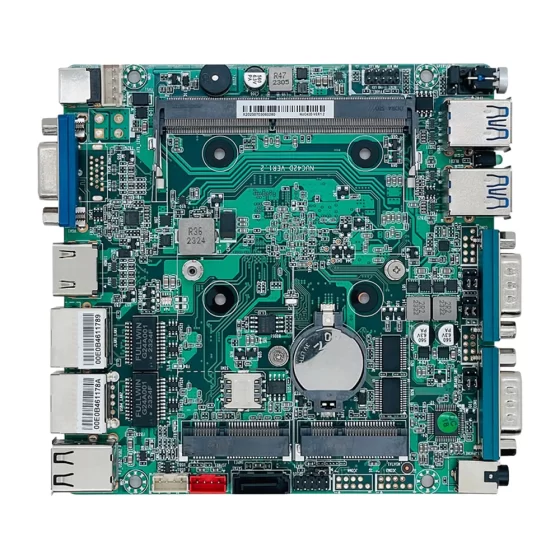
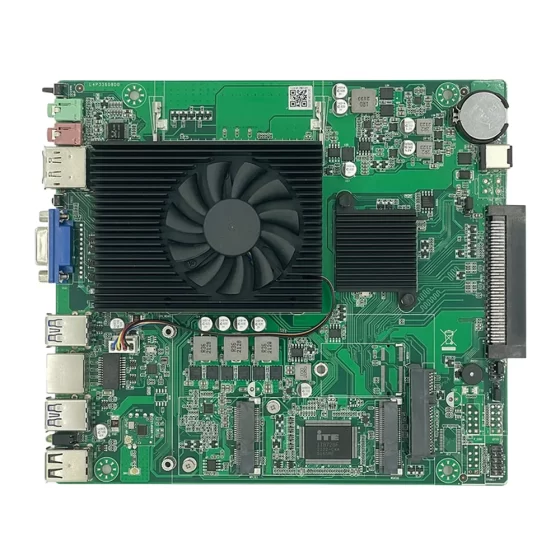
CoreIPC 産業用コンピューティング ソリューション

トラフィック監視エッジプラットフォーム
エグゼクティブサマリー
最新の交通システムは路側カメラから膨大な量のデータを生成します, 交通センサー, レーダーシステム, 自動ナンバープレート認識 (ANPR) デバイス, インテリジェント交通信号機, 接続されたインフラストラクチャ. 都市が拡大し続け、車両の量が増加するにつれて, 運輸当局は収集機能を備えたインテリジェントなシステムを必要としています, 処理, リアルタイムで交通データを分析する. 従来の集中処理アーキテクチャでは、遅延に悩まされることがよくあります。, 帯域幅の制限, スケーラビリティの課題, インテリジェントな交通機関の展開においてエッジ コンピューティングの重要性がますます高まっている.
あ トラフィック監視エッジプラットフォーム リアルタイムのトラフィック監視をサポートするために必要なコンピューティング インフラストラクチャを提供します, ビデオ分析, インシデント検出, 車両分類, 交通流分析, インテリジェントな輸送管理. ソースに近いデータを処理することにより, エッジプラットフォームでレイテンシーを削減, 応答時間を改善する, 帯域幅の消費を最小限に抑える, システム全体の信頼性を向上させます.
産業用コンピュータと組み込みコンピュータは、堅牢性を備えているため、一般にトラフィック監視エッジ プラットフォームとして導入されます。, 信頼性, 接続性, 輸送環境に必要な長期可用性. これらのシステムは道路脇のキャビネット内で継続的に動作します, 交通管制センター, 料金システム, 交差点, 高速道路, トンネル, ミッションクリティカルな交通アプリケーションをサポートしながら、スマートシティインフラストラクチャを実現.
高度道路交通システムとして (その), スマートシティ, 自動運転モビリティへの取り組み, AI を活用した交通管理は進化し続けます, 交通監視エッジ プラットフォームは、より安全な通信を可能にする基盤テクノロジーになりつつあります。, より効率的な, そしてよりインテリジェントな交通ネットワーク.
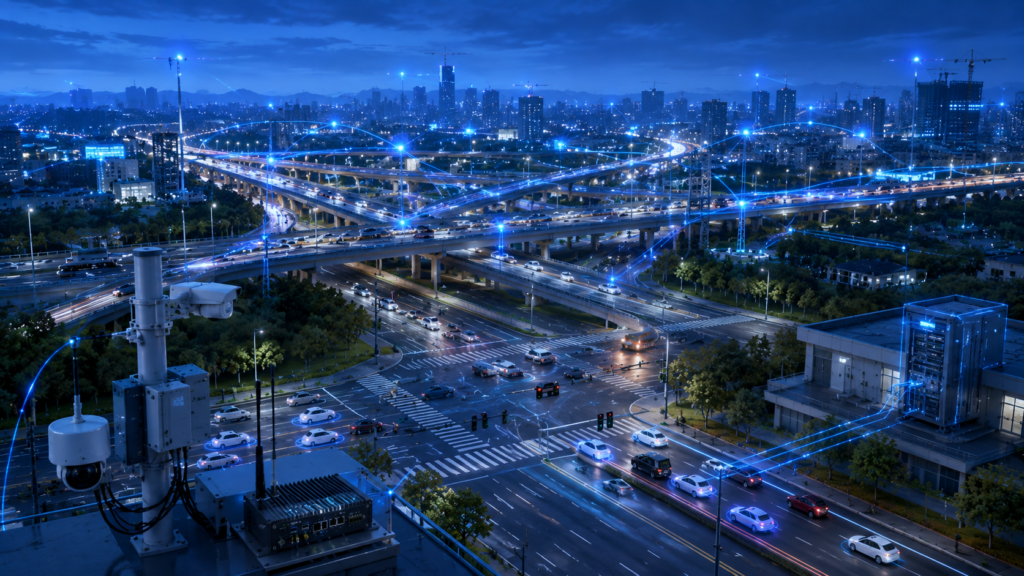
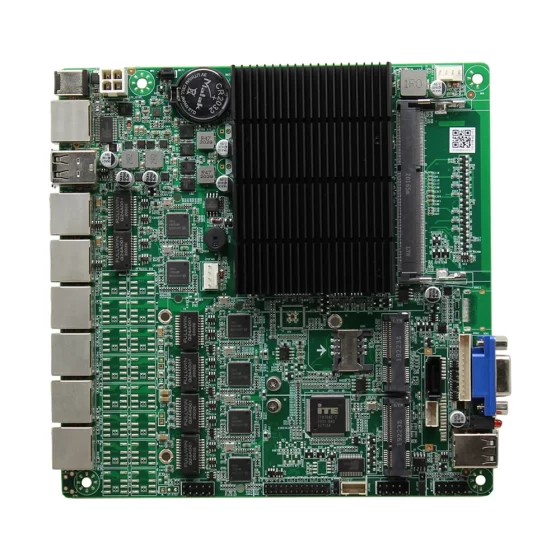
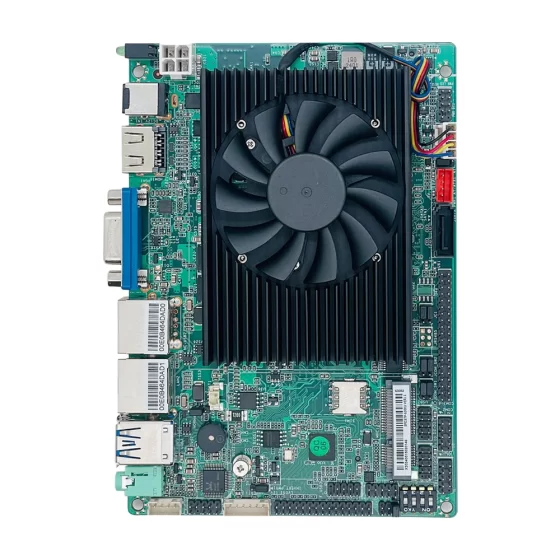
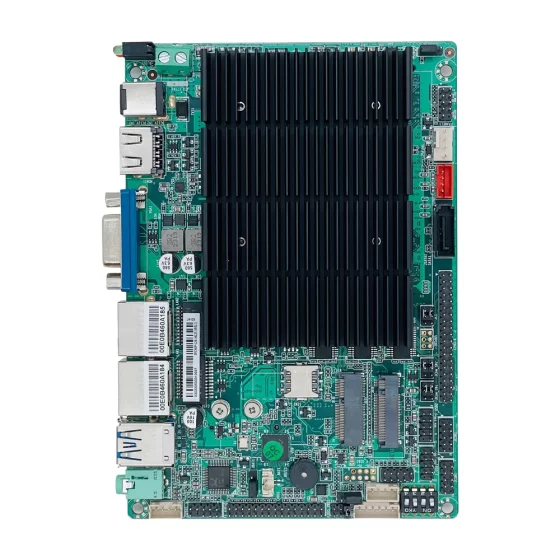
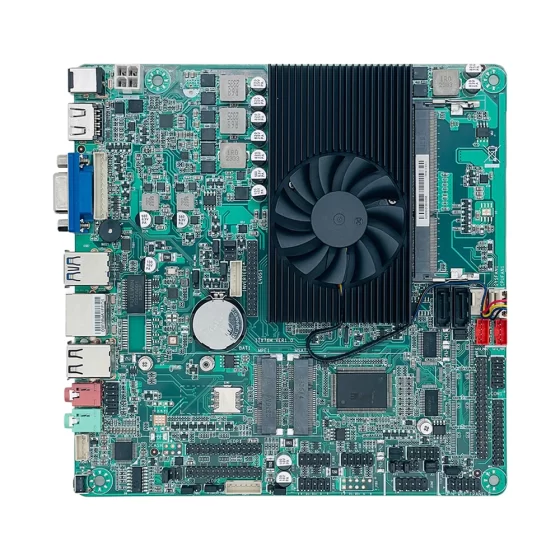
リアルタイムのトラフィック監視を可能にするエッジ コンピューティング プラットフォーム, 車両検知, インテリジェントな輸送管理.
業界の概要
交通渋滞, 交通安全上の懸念, 環境持続可能性への取り組み, 都市化の進行により、世界中でインテリジェント交通技術の導入が推進されています.
交通当局や地方自治体は、交通ネットワーク全体の可視性を向上させ、交通運営を最適化するために、高度な監視システムへの依存を高めています。.
最新のトラフィック監視環境には通常、次のものが含まれます。:
- 路側カメラ
- ANPRシステム
- 交通センサー
- レーダー探知システム
- 可変メッセージサイン
- 交通信号制御装置
- 高速道路監視システム
- 料金収受システム
- スマート交差点
- コネクテッドカーインフラストラクチャ
これらのシステムは、輸送業務をサポートするためにリアルタイムで処理する必要がある大量のデータを継続的に生成します。.
従来のクラウドのみのアーキテクチャにはいくつかの課題があります:
- ネットワーク遅延が大きい
- 帯域幅コストの増加
- 接続の依存関係
- 限られたスケーラビリティ
- インシデント対応の遅れ
結果として, エッジ コンピューティングは現代の交通管理システムの重要なコンポーネントとなっています.
交通監視エッジ プラットフォームにより、交通データのローカル処理が可能になります, 代理店によるパフォーマンスの許可:
- リアルタイムビデオ分析
- 車両検知
- トラフィックカウント
- 事件の特定
- 交通流解析
- 速度監視
- 車線占有率測定
- AI を活用した交通分析
エッジに導入された産業用コンピュータは、過酷な沿道環境でも信頼性の高い動作を維持しながら、これらのワークロードの実行に必要な処理能力を提供します。.
スマートシティの成長, 接続されたインフラストラクチャ, インテリジェント交通システムにより、世界の交通ネットワーク全体の交通監視エッジ プラットフォームの需要がさらに高まることが予想されます.
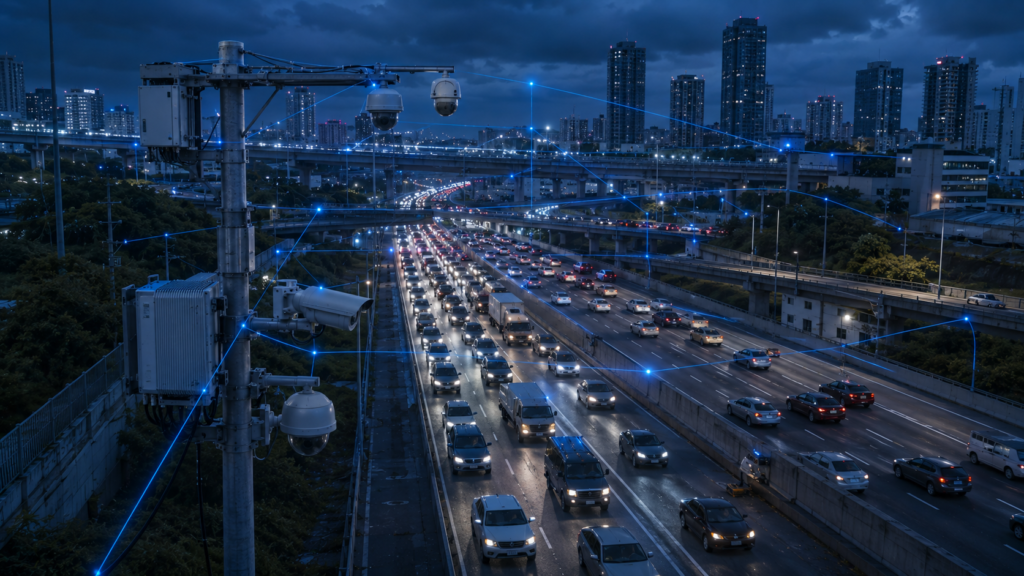
最新のトラフィック監視システムは大量のトラフィックを管理する必要がある, 複数のカメラフィード, リアルタイムの交通分析.
主要な課題
リアルタイムのトラフィック分析
交通管理システムは、運用上の意思決定をサポートするために情報を即時に処理する必要があります。.
低遅延処理を必要とするアプリケーションには次のものがあります。:
- インシデントの検出
- 混雑監視
- 交通信号の最適化
- 緊急対応調整
- 逆走車両検知
クラウドのみのアーキテクチャでは遅延が発生し、運用効率に影響を与える可能性があります.
エッジ プラットフォームはデータをローカルで処理することで遅延を削減します。.
大量の映像データ
最新の交通システムは多数の高解像度カメラを利用しています.
ビデオ ストリームはかなりの帯域幅要件を生成します.
課題としては以下が挙げられます。:
- 連続録画
- リアルタイム分析
- マルチカメラ処理
- 長期保管
- ネットワーク利用率
トラフィック監視エッジ プラットフォームは、送信前にデータを処理することで帯域幅の消費を削減します。.
過酷な輸送環境
路上展開は次のような危険にさらされています:
- 極端な温度
- ほこり
- 湿度
- 振動
- 電気ノイズ
- 気象条件
コンピューティング プラットフォームは、継続的な稼働を維持しながら、これらの環境上の課題に耐える必要があります。.
分散インフラストラクチャ管理
交通システムは複数にまたがる場合が多い:
- 都市
- 高速道路
- トンネル
- 橋
- 交通通路
分散インフラストラクチャの管理には、信頼性の高いリモート監視と一元的な可視性が必要です.
サイバーセキュリティ要件
交通インフラの接続がますます進んでいる.
システムは保護する必要があります:
- 交通データ
- 運用システム
- ビデオフィード
- 通信ネットワーク
- 公共インフラ
サイバーセキュリティは輸送展開に不可欠な要素となっている.
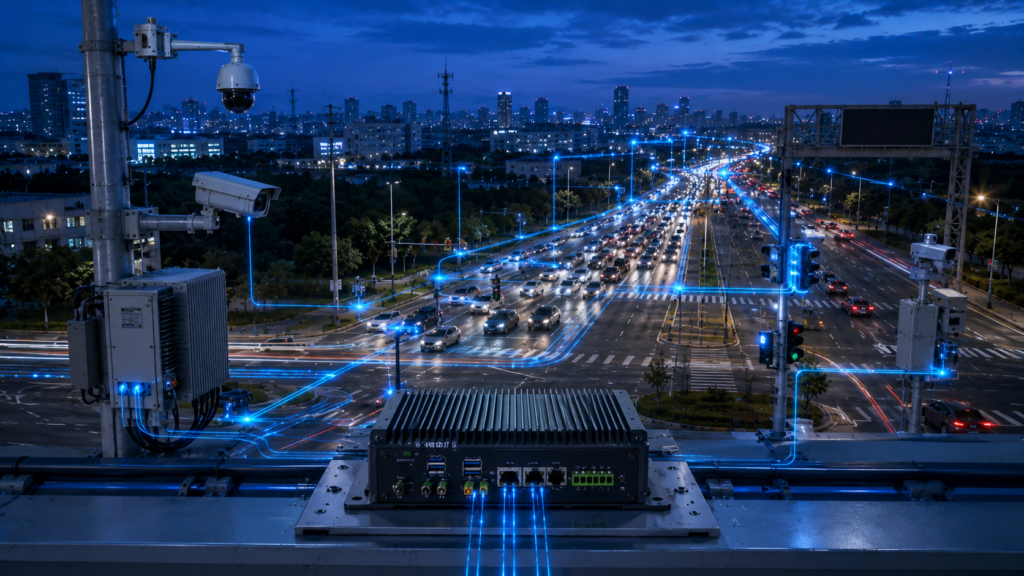
産業用コンピュータによりリアルタイムのトラフィック監視が可能になります, エッジ分析, インテリジェント交通システムの接続性.
ソリューションアーキテクチャ
最新のトラフィック監視エッジ プラットフォームは通常、複数の相互接続されたレイヤーで構成されています.
層 1: データ取得層
フィールド層には以下が含まれます:
- 交通カメラ
- ANPRカメラ
- レーダーセンサー
- 交通検知器
- 環境センサー
- 信号制御装置
これらのデバイスは運用トラフィック情報を収集します.
層 2: 接続層
通信インフラストラクチャには次のものがあります。:
- 産業用イーサネット
- ファイバーネットワーク
- 無線通信
- 携帯電話ネットワーク
- 専用交通ネットワーク
この層により、安全で信頼性の高いデータ送信が可能になります.
層 3: エッジコンピューティング層
トラフィック監視エッジ プラットフォームはローカル処理エンジンとして機能します.
機能には以下が含まれます:
- ビデオ分析
- AI推論
- 車両検知
- イベント処理
- データの集約
- ローカルストレージ
- プロトコル変換
この層により、ネットワーク エッジでのリアルタイムの意思決定が可能になります。.
層 4: アプリケーション層
輸送用途には以下が含まれます:
- 交通管理システム
- ビデオ管理システム
- インシデント検出プラットフォーム
- ANPRソフトウェア
- トラフィック分析エンジン
- スマート交差点システム
エッジ プラットフォームはこれらのアプリケーションをホストし、サポートします。.
層 5: 中央管理層
エンタープライズ統合のサポート:
- 交通管制センター
- スマートシティプラットフォーム
- クラウド分析
- 報告システム
- 交通機関のダッシュボード
このレイヤーは一元的な可視性と運用監視を提供します。.
主な特長
産業グレードの信頼性
交通監視システムは継続的に稼働します.
産業用コンピュータが提供する:
- 頑丈な構造
- 工業グレードのコンポーネント
- 長期的な信頼性
- 継続運用サポート
- 輸送グレードの耐久性
これらの機能は、システムの可用性を確保するのに役立ちます.
ファンレス設計
多くの交通機関の導入ではファンレス システムが利用されています.
メリットとしては以下が挙げられます:
- メンテナンスの軽減
- 信頼性の向上
- 防塵性の向上
- サイレント動作
ファンレス設計は道路脇のキャビネットにとって特に価値があります.
エッジAI処理
現代の交通システムでは人工知能の活用が進んでいます.
アプリケーションには以下が含まれます:
- 車両の分類
- インシデントの検出
- 交通流解析
- 歩行者検知
- ナンバープレートの認識
エッジ プラットフォームは AI ワークロードをローカルでサポートします.
高速ネットワーク
交通システムには広範な接続が必要です.
一般的なインターフェイスには次のものがあります。:
- ギガビットイーサネット
- ファイバー接続
- 携帯電話通信
- ワイヤレスネットワーク
- シリアル通信
これらの機能により、輸送インフラとの統合が簡素化されます。.
幅広い温度のサポート
交通機関の展開は屋外環境で行われることがよくあります.
産業用コンピュータは幅広い温度範囲での動作をサポートし、信頼性の高いパフォーマンスを保証します.
柔軟な拡張オプション
エッジ プラットフォームがサポートする可能性がある:
- 追加のネットワーキング
- ストレージの拡張
- AIアクセラレータ
- 通信モジュール
この柔軟性により、進化する輸送要件をサポートします.
長い製品ライフサイクル
交通インフラは長年にわたり稼働し続けることが多い.
産業用プラットフォームが提供するのは、:
- 長期的な可用性
- 安定したハードウェア プラットフォーム
- 延長サポートプログラム
これらの特性により、ライフサイクル管理の複雑さが軽減されます。.
導入シナリオ
高速道路交通監視
トラフィック監視エッジプラットフォームのサポート:
- 車両カウント
- 交通流解析
- 混雑監視
- 速度の取り締まり
- インシデントの検出
これらの機能により高速道路の管理が向上します.
スマート交差点
エッジコンピューティングが可能にする:
- 適応型交通信号機
- 車両検知
- 歩行者監視
- 交差点分析
- トラフィックの最適化
スマート交差点は都市のモビリティを向上させる.
料金収受システム
トラフィック監視プラットフォームのサポート:
- 車両識別
- ANPR処理
- トランザクション管理
- トラフィック分析
これらの機能により料金徴収効率が向上します.
トンネル監視
交通当局はエッジ プラットフォームを利用して、:
- インシデントの検出
- 環境モニタリング
- 交通管理
- 安全分析
信頼性の高い監視によりトンネルの安全性が向上.
スマートシティ交通
エッジプラットフォームとの統合:
- スマートシティシステム
- 都市モビリティプラットフォーム
- 公共交通インフラ
- コネクテッドカー環境
これらの導入はインテリジェントな交通エコシステムをサポートします.
輸送オペレーションセンター
産業用コンピュータはローカル処理を提供することで集中輸送管理をサポートします, 分析, データ集約機能.
ビジネス上のメリット
より迅速なインシデント対応
リアルタイム分析により、運輸当局は事故をより迅速に特定し、対応活動を調整することができます。.
交通の流れの改善
交通監視データにより信号タイミングの最適化が可能, ルーティング戦略, および渋滞管理プログラム.
ネットワーク帯域幅の減少
ローカル処理により、集中システムに送信されるデータ量が最小限に抑えられます。.
治安の強化
交通監視プラットフォームが事故検知をサポート, 緊急対応の調整, 交通安全への取り組み.
運用コストの削減
自動化とエッジ分析により、手動による監視要件が軽減され、運用効率が向上します。.
スケーラブルな交通インフラ
エッジ プラットフォームは、将来の ITS およびスマート シティの取り組みに柔軟な基盤を提供します.
CoreIPC を選ぶ理由
CoreIPC は、インテリジェント交通システム向けに設計された産業用コンピューティング プラットフォームを提供します, トラフィック監視, 沿道展開, スマートシティインフラストラクチャ. 当社の産業用コンピュータと組み込みコンピュータは信頼性の高いパフォーマンスを提供します, ファンレス動作, 工業グレードの耐久性, 豊富な接続性, 輸送アプリケーションの長期ライフサイクルのサポート. 交通監視システムに導入されているかどうか, スマート交差点, 輸送用制御キャビネット, またはインテリジェントな道路インフラストラクチャ, CoreIPC ソリューションは、最新のトラフィック管理およびエッジ分析環境に必要なコンピューティング基盤を提供します.
よくある質問
1. トラフィック監視エッジ プラットフォームとは?
交通監視エッジ プラットフォームは、交通インフラの近くに配置され、交通データをローカルで処理するコンピューティング システムです。. ビデオ分析をサポートします, 車両検知, トラフィック監視, 遅延と帯域幅の要件を削減しながら、インテリジェントな交通アプリケーションを実現します。.
2. エッジコンピューティングがトラフィック監視に重要な理由?
エッジ コンピューティングにより、ソースに近い輸送データのリアルタイム処理が可能になります. これによりネットワーク遅延が軽減されます, インシデント対応時間を改善する, 帯域幅の使用量を最小限に抑える, 輸送システム全体の信頼性を向上させます.
3. トラフィック監視エッジ プラットフォームに接続するデバイス?
代表的なデバイスには交通カメラなどがあります。, ANPRカメラ, レーダーセンサー, 交通検知器, 環境センサー, 交通信号制御装置, 路側通信設備.
4. トラフィック監視エッジ プラットフォームは AI アプリケーションをサポートできますか?
はい. 最新のプラットフォームが AI を活用した車両分類をサポート, インシデント検出, 歩行者の監視, トラフィック分析, およびナンバープレート認識アプリケーション.
5. 産業用コンピュータが輸送環境で使用される理由?
産業用コンピューターは頑丈な構造を実現, 幅広い温度サポート, 長いライフサイクルの可用性, 過酷な沿道や輸送環境でも信頼性の高い動作を実現.
6. ファンレス システムは路側での導入に適していますか?
はい. ファンレスシステムによりメンテナンスの必要性が軽減されます, 信頼性の向上, ほこりや環境汚染物質に対する耐性が向上します。.
7. エッジ プラットフォームは帯域幅要件をどのように軽減するか?
データをローカルで処理し、関連する情報のみを送信することにより、, エッジ プラットフォームは、集中システムに送信される生のビデオとセンサー データの量を削減します。.
8. これらのプラットフォームは交通管理システムと統合できますか?
はい. トラフィック監視エッジ プラットフォームは通常、トラフィック管理システムと統合されています, ビデオ管理ソフトウェア, スマートシティプラットフォーム, および輸送管制センター.
9. どの交通アプリケーションがエッジ コンピューティングを使用するか?
アプリケーションには高速道路の監視が含まれます, スマート交差点, 料金システム, トンネル監視, トラフィック分析, インシデント検出, 接続された交通インフラ.
10. トラフィック監視エッジ プラットフォームを選択する際に考慮すべきこと?
重要な考慮事項には処理パフォーマンスが含まれます, 環境仕様, ネットワーキング機能, AIサポート, 拡張オプション, ライフサイクルの可用性, ソフトウェアの互換性.
結論
あ トラフィック監視エッジプラットフォーム 知性を提供する, 処理能力, 現代の交通インフラに求められる信頼性. リアルタイム分析を有効にすることで, AIを活用した交通監視, ローカルデータ処理, インテリジェントな輸送管理, エッジプラットフォームは交通当局の安全性向上に貢献, 効率, 運用上の可視性. スマートシティとインテリジェント交通システムが拡大し続ける中, 産業用コンピュータと組み込みコンピュータは、今後もコネクテッド モビリティの未来を支える不可欠な技術であり続ける.
お問い合わせ
インテリジェント交通アプリケーション向けの信頼性の高い交通監視エッジ プラットフォームを探しています?
CoreIPC は産業用コンピュータを提供します, 組み込みコンピュータ, 産業用マザーボード, トラフィック監視用に設計されたカスタマイズされたコンピューティング ソリューション, インテリジェント交通システム, スマートシティインフラストラクチャ, およびエッジ AI の導入.
当社のエンジニアリング チームに連絡して、プロジェクトの要件について話し合い、輸送アプリケーションに最適なコンピューティング プラットフォームを見つけてください。.