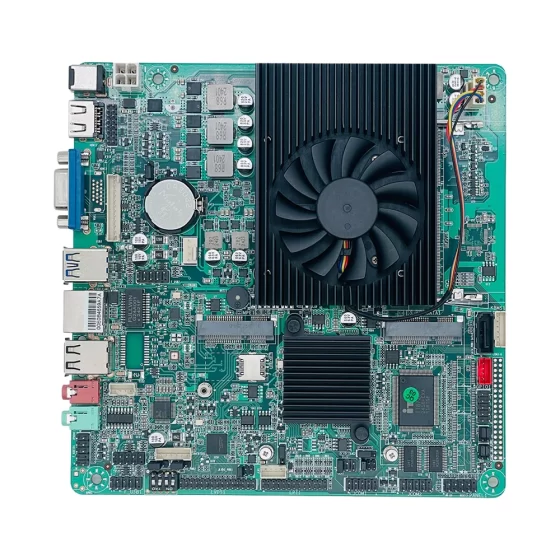
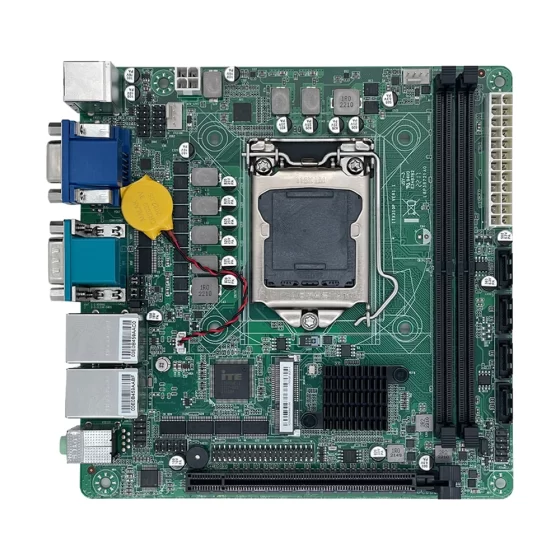
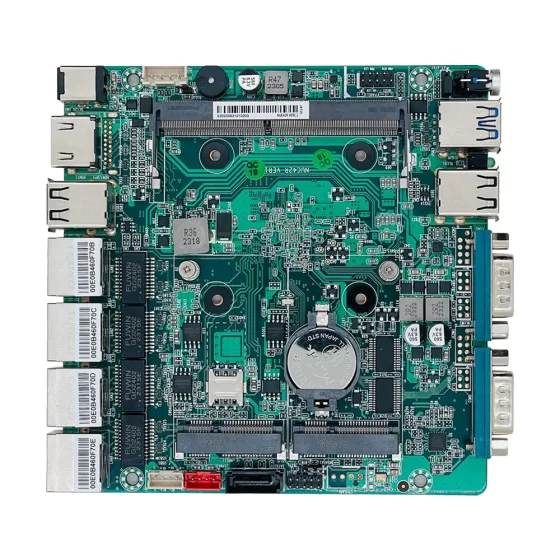
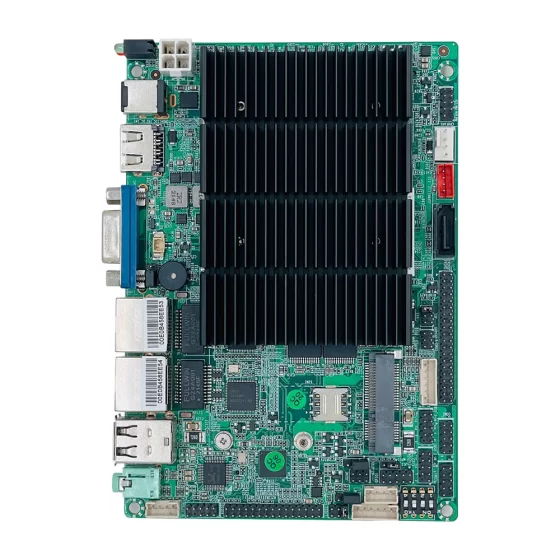
CoreIPC 産業用コンピューティング ソリューション

車載産業用コンピュータ
エグゼクティブサマリー
現代の交通機関, ロジスティクス, 公安, 採掘, 工事, 鉄道, フリート管理業務はリアルタイムのデータ収集にますます依存しています。, コミュニケーション, ナビゲーション, インテリジェントな意思決定. 車両はもはや独立した輸送資産ではありません; それらは継続的に生成するモバイルデータセンターとなっています。, プロセス, 集中管理プラットフォームとの情報交換.
あ 車載産業用コンピュータ 商用車に搭載されたインテリジェント コンピューティング プラットフォームとして機能します, 緊急対応車両, 公共交通機関, 鉱山トラック, 建設機械, 鉄道車両, および特殊なモバイル機器. これらの堅牢なコンピューティング システムにより、リアルタイムの車両監視が可能になります。, フリート管理, GPS追跡, ビデオ監視, AI を活用した分析, テレマティクス, 予知保全, およびエッジ コンピューティング アプリケーション.
従来の商用コンピュータとは異なり、, 車載産業用コンピュータは、振動を含む過酷な動作条件に耐えるように特別に設計されています。, ショック, ほこり, 温度変動, 不安定な電源環境, および継続的な動作要件. 頑丈なデザイン, 工業グレードのコンポーネント, 幅広い入力電源のサポート, 広範な通信機能により、ミッションクリティカルなモバイル導入に最適です。.
知的交通システムとして, 自動運転車技術, フリートのデジタル化への取り組み, 産業オートメーションは進化し続けます, 車載産業用コンピュータは、より安全な環境を実現するための必須技術となりつつあります。, より効率的な, 幅広い業界にわたる、より接続されたモバイル運用.
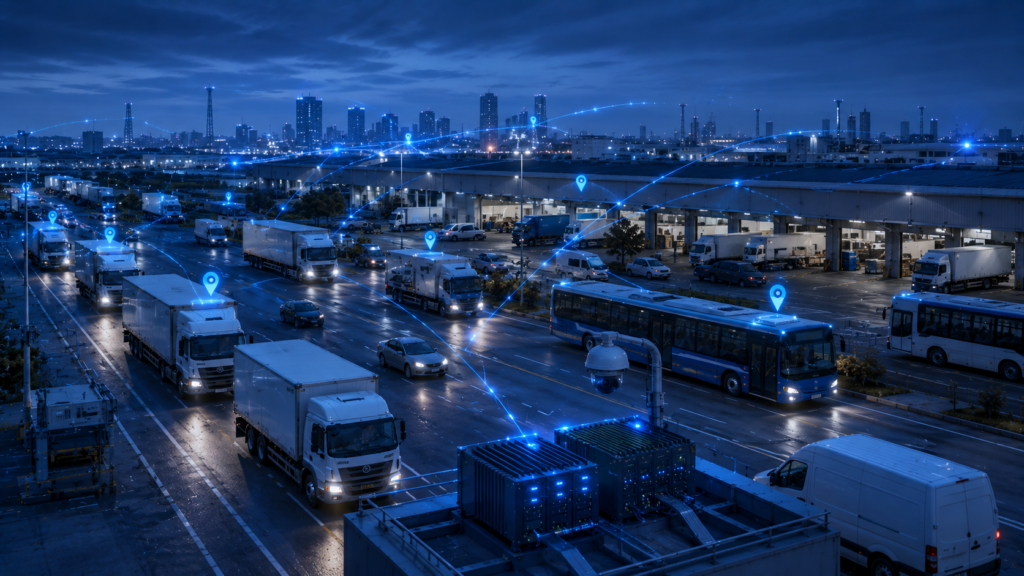
堅牢な車載コンピュータにより車両のリアルタイム監視が可能, GPS追跡, インテリジェントなモバイル運用.
業界の概要
コネクテッドカーの急速な成長, テレマティクスシステム, インテリジェントな交通インフラ, モバイル オートメーション テクノロジーにより、組織が車両の運行を管理する方法が変わりました。.
今日の車両は以下のサポートを期待されています:
- リアルタイム通信
- GPS測位
- フリート監視
- ドライバーの行動分析
- ビデオ監視
- 貨物追跡
- ルートの最適化
- 車両診断
- AI を活用した分析
- エッジコンピューティングのワークロード
複数の業界の組織が、運用の可視性と意思決定を向上させるために車両コンピューティング プラットフォームに依存しています。.
一般的な導入分野には次のものがあります。:
- 公共交通機関
- 物流と輸送
- 緊急対応サービス
- 採掘作業
- 建設機械
- 鉄道システム
- 実用車
- 農業機械
- 港湾業務
- 自律移動システム
最新の車両環境では、次から大量の運用データが生成されます。:
- GPS受信機
- カメラ
- センサー
- CANバスネットワーク
- 車両制御システム
- テレマティクス機器
- 運転支援システム
この情報を一元化されたクラウド環境のみで処理すると、遅延が発生する可能性があります, 帯域幅, 接続性の課題.
車載産業用コンピュータは、車両内で直接ローカル処理とインテリジェントな意思決定を可能にすることで、これらの課題に対処します。.
フリートのデジタル化への取り組みが世界的に拡大し続ける中, 堅牢なモバイル コンピューティング プラットフォームに対する需要は増加し続けています.

車載産業用コンピュータは振動に耐えるように設計されています, ショック, ほこり, 水分, および極端な動作条件.
主要な課題
過酷なモバイル動作条件
車両環境ではコンピューティング システムが危険にさらされます。:
- 一定の振動
- 機械的衝撃
- ほこり
- 水分
- 温度変動
- 道路への影響
商用コンピューティング プラットフォームは、このような状況では苦戦することがよくあります.
車載産業用コンピュータは、過酷な環境に継続的にさらされても信頼性の高い動作を維持する必要がある.
不安定な電力状態
車両は、次の原因による頻繁な出力変動を経験します。:
- エンジン始動
- バッテリーの切り替え
- 電圧スパイク
- 電圧降下
- 電気ノイズ
コンピューティング システムは、広範囲の電力入力と電力保護機能をサポートする必要があります.
継続的な接続要件
現代の車両運用は継続的なコミュニケーションに依存しています.
車両は多くの場合、次のような同時接続を必要とします。:
- 携帯電話ネットワーク
- Wi-Fi
- GPS
- ブルートゥース
- 車両通信ネットワーク
複数の通信チャネルを管理するには、堅牢なコンピューティング プラットフォームが必要です.
リアルタイムデータ処理
モバイル操作では大量のデータが生成されます.
例としては次のものが挙げられます。:
- ビデオストリーム
- GPS data
- 車両診断
- Sensor information
- ドライバー監視システム
この情報をリアルタイムで処理することは、運用の効率化に不可欠です.
サイバーセキュリティの懸念
コネクテッドカーは企業システムや公共ネットワークとますます連携しています.
組織は保護しなければなりません:
- Vehicle data
- Operational information
- 通信システム
- フリート管理プラットフォーム
サイバーセキュリティは車両コンピューティング システムにとって重要な要件となっています.
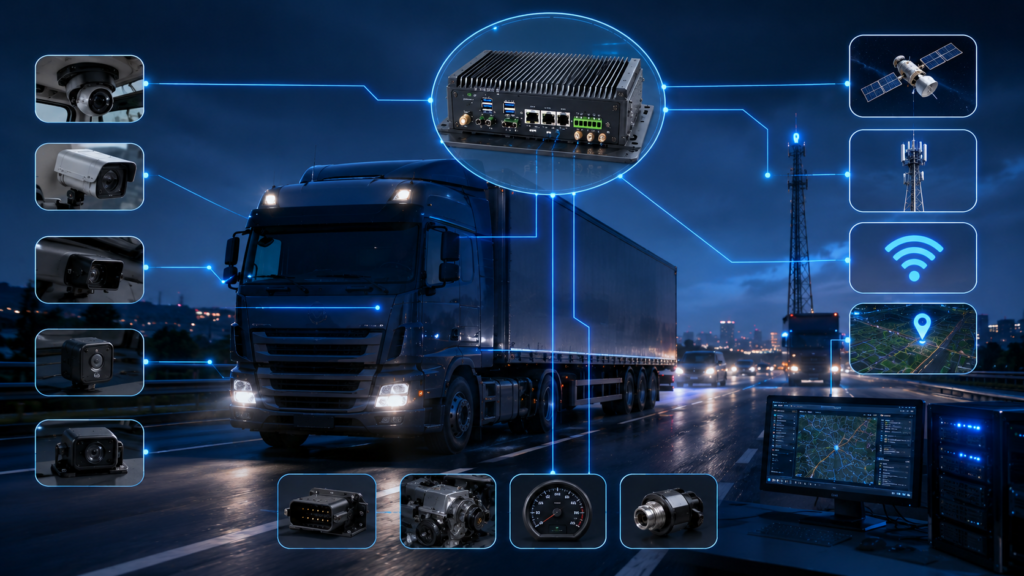
車載産業用コンピュータにカメラを統合, GPS, センサー, インテリジェントな車両管理のためのワイヤレス通信.
ソリューションアーキテクチャ
一般的な車載コンピューティングの導入は複数のレイヤーで構成されています.
層 1: Vehicle Device Layer
この層には以下が含まれます:
- カメラ
- センサー
- GPSモジュール
- CAN Bus interfaces
- 車両制御システム
- 運転支援システム
これらのデバイスは運用データを生成します.
層 2: 通信層
車両通信インフラストラクチャには以下が含まれる場合があります。:
- 4GLTE
- 5G
- Wi-Fi
- ブルートゥース
- GPS
- Vehicle communication protocols
この層により、車両と外部システム間の接続が可能になります。.
層 3: Vehicle Mounted Industrial Computer Layer
産業用コンピュータはローカル エッジ コンピューティング プラットフォームとして機能します.
機能には以下が含まれます:
- データ取得
- エッジ分析
- ビデオ処理
- AI推論
- コミュニケーション管理
- ローカルストレージ
- システム制御
この層は車両内にリアルタイムのインテリジェンスを提供します.
層 4: アプリケーション層
アプリケーションには以下が含まれる場合があります:
- フリート管理システム
- テレマティクスプラットフォーム
- Video management software
- ドライバー監視システム
- Predictive maintenance applications
- Route optimization software
The vehicle computer supports these applications.
層 5: 中央管理層
エンタープライズ統合が可能にする:
- フリートオペレーションセンター
- クラウド分析プラットフォーム
- 報告システム
- 派遣管理
- 資産追跡プラットフォーム
このレイヤーは一元的な可視性と制御を提供します.
主な特長
頑丈な工業デザイン
車載産業用コンピュータは、要求の厳しいモバイル環境に耐えられるように設計されています.
主な特徴は次のとおりです。:
- 耐衝撃性
- 耐振動性
- 頑丈な構造
- 工業グレードのコンポーネント
- 確実な動作
これらの機能により、長期的な展開の信頼性が向上します。.
ファンレスアーキテクチャ
ファンレスシステムにはいくつかの利点があります:
- メンテナンスの軽減
- 信頼性の向上
- Better dust protection
- サイレント動作
ファンレス設計は車両環境において特に価値があります.
幅広い電圧入力のサポート
車両の電源システムは大きく異なります.
産業用コンピュータが一般的にサポートしている:
- 9DCV~36V
- 12ワシントンDCで
- 24ワシントンDCで
- Ignition control
この柔軟性により、さまざまな車両プラットフォームへの展開が簡素化されます。.
豊富な通信インターフェース
車両アプリケーションには広範な接続が必要です.
一般的なインターフェイスには次のものがあります。:
- ギガビットイーサネット
- USB
- RS232
- RS485
- CANバス
- デジタル I/O
- 無線通信
これらのインターフェースは車両システムとの統合をサポートします.
エッジ AI 機能
最新の導入の多くは人工知能を利用しています.
アプリケーションには以下が含まれます:
- ドライバーの監視
- ビデオ分析
- 物体検出
- ルートの最適化
- Fleet intelligence
車載コンピュータがローカル AI 処理機能を提供.
GPS とワイヤレス接続
統合された通信オプションには次のものがあります。:
- GPS
- GNSS
- 4GLTE
- 5G
- Wi-Fi
- ブルートゥース
これらの機能はモバイル運用とフリート接続をサポートします.
長い製品ライフサイクル
車両の配備は多くの場合、長年にわたって運用され続けます.
産業用プラットフォームが提供するのは、:
- 長期的な可用性
- 安定したハードウェア プラットフォーム
- 延長サポートプログラム
これによりライフサイクル管理コストが削減されます.
導入シナリオ
フリート管理
車載産業用コンピュータのサポート:
- 車両追跡
- ルートの最適化
- ドライバーの行動分析
- フリート監視
これらの機能により業務効率が向上します.
公共交通機関
交通機関は産業用コンピュータを次の目的で活用しています。:
- 旅客情報システム
- フリート管理
- ビデオ監視
- 車両診断
これらのシステムは、運用の可視性と乗客の安全性を強化します。.
緊急対応車両
警察, 火, および救急医療サービスは車両コンピュータを配備します。:
- Dispatch communications
- ナビゲーション
- Video management
- インシデントの報告
信頼性の高いモバイル コンピューティングが緊急時の運用をサポート.
鉱山および建設機械
重機オペレーターは産業用コンピューターを次の目的で使用します。:
- 設備監視
- テレマティクス
- 予知保全
- 運用分析
これらの機能により、生産性と機器の使用率が向上します.
鉄道システム
車載コンピュータのサポート:
- 列車監視
- コミュニケーション
- 旅客情報システム
- 安全監視
これらの機能により鉄道運営が強化されます.
自動運転車とインテリジェント車
先進的な車両システムは産業用コンピュータを活用して、:
- AI処理
- センサーフュージョン
- エッジコンピューティング
- リアルタイムの意思決定
これらの機能は次世代モビリティ ソリューションをサポートします.
ビジネス上のメリット
運用上の可視性の向上
リアルタイムの車両データにより、組織は車両のパフォーマンスをより効果的に監視できるようになります.
効率の向上
自動化とインテリジェントな分析によりルートの最適化が可能, 燃料消費量を減らす, リソース利用率を向上させる.
安全性の強化
車両監視システムはドライバー支援を通じて安全な運行をサポートします, ビデオ分析, およびリアルタイムのアラート.
ダウンタイムの削減
予知メンテナンス機能は、障害が発生する前に問題を特定するのに役立ちます.
より良い意思決定
運用情報へのリアルタイムのアクセスにより、応答性と管理効率が向上します。.
スケーラブルなデジタル変革
車載産業用コンピュータは、将来のコネクテッド ビークルとインテリジェント モビリティの取り組みの基盤を提供します.
CoreIPC を選ぶ理由
CoreIPC は、車載展開向けに設計された堅牢な産業用コンピューティング プラットフォームを提供します, フリート管理システム, 輸送用途, 公安車両, 鉱山機械, インテリジェントなモバイル インフラストラクチャ. 当社の産業用コンピュータはファンレス動作を実現します, 幅広い電圧入力をサポート, 産業グレードの信頼性, 豊富な接続性, 長いライフサイクルの可用性. 柔軟な OEM/ODM カスタマイズ機能と組み込みコンピューティングにおける豊富な経験を備えています, CoreIPC は、最新のモバイル運用をサポートする信頼性の高い車両コンピューティング ソリューションの導入を顧客が支援します。, エッジコンピューティング, およびインテリジェント輸送アプリケーション.
よくある質問
1. 車載産業用コンピュータとは?
車載産業用コンピュータは、車両に搭載するために設計された堅牢なコンピューティング プラットフォームです。, モバイル機器, および交通システム. データ処理をサポートします, コミュニケーション, 監視, およびエッジ コンピューティング アプリケーション.
2. 産業用コンピュータが自動車に使用される理由?
産業用コンピュータは信頼性を提供します, 耐衝撃性, 耐振動性, 幅広い電圧入力をサポート, 車両環境に必要な長いライフサイクルの可用性.
3. 車載コンピュータを使用している業界は何ですか?
一般的な産業には運輸業が含まれます, ロジスティクス, 採掘, 工事, 公安, 鉄道, 公共事業, 農業, そして自動運転車の開発.
4. 車載コンピュータは AI アプリケーションをサポートできますか?
はい. 多くのプラットフォームが AI を活用したビデオ分析をサポートしています, ドライバーの監視, 物体検出, 予知保全, インテリジェントな車両管理アプリケーション.
5. 一般的にサポートされている電源入力は何ですか?
車載産業用コンピュータは通常、9V ~ 36V または 12V/24V の車両電源システムなどの広範囲の DC 入力オプションをサポートしています。.
6. ファンレス システムは車両の導入に適していますか?
はい. ファンレスシステムは信頼性を向上させ、過酷な車両環境におけるメンテナンスの必要性を軽減します。.
7. 一般的にどのような通信テクノロジーが統合されているか?
一般的なテクノロジーには GPS が含まれます, GNSS, Wi-Fi, ブルートゥース, 4GLTE, 5G, イーサネット, CANバス, およびシリアル通信.
8. 車両コンピュータは車両管理をどのようにサポートするか?
車両データを収集して処理します, 追跡を有効にする, ドライバーの動作を監視する, サポート診断, フリート管理プラットフォームと通信します.
9. 車載産業用コンピュータは極端な温度でも動作できますか?
はい. 産業グレードのプラットフォームは、モバイル環境で一般的に発生する幅広い温度範囲で動作するように設計されています.
10. 車載用産業用コンピュータを選ぶときに考慮すべきこと?
主な考慮事項には環境耐久性が含まれます, 電源入力要件, 接続オプション, 処理性能, 拡張機能, およびライフサイクルサポート.
結論
あ 車載産業用コンピュータ 最新のモバイル運用に必要な堅牢なコンピューティング基盤を提供します. リアルタイム通信を可能にすることで, エッジコンピューティング, フリート管理, 車両監視, AI分析, およびインテリジェント輸送アプリケーション, これらのプラットフォームは組織の安全性の向上に役立ちます, 効率, 信頼性, 運用上の可視性. コネクテッドカー技術が進化し続ける中, 車載産業用コンピュータは今後もインテリジェント モビリティとモバイル オートメーションの将来をサポートする重要なコンポーネントであり続ける.
お問い合わせ
フリート管理用の信頼性の高い車載産業用コンピュータを探しています, 交通機関, 公安, 採掘, またはインテリジェント車両アプリケーション?
CoreIPC は産業用コンピュータを提供します, 組み込みコンピュータ, 産業用マザーボード, 過酷なモバイル環境とエッジ コンピューティングの導入向けに設計されたカスタマイズされたコンピューティング ソリューション.
今すぐ当社のエンジニアリング チームに連絡して、プロジェクトの要件について話し合い、アプリケーションに最適な車載コンピューティング プラットフォームを見つけてください。.