CoreIPC 산업용 컴퓨팅 솔루션

요약
A diagnostic equipment computing platform serves as the intelligence core behind modern medical diagnostic systems, 데이터 수집 활성화, 이미지 처리, 장치 제어, 연결성, 실시간 분석. 초음파 시스템 및 디지털 병리학 장치부터 실험실 분석기 및 현장 진단 장비까지, 정확성을 보장하려면 안정적인 컴퓨팅 인프라가 필수적입니다., 안정, 지속적인 작동.
의료 서비스 제공자가 점점 더 디지털 진단을 채택함에 따라, AI 지원 이미징, 연결된 의료 생태계, 기존 상용 등급 컴퓨터는 의료 환경의 장기적인 안정성 및 통합 요구 사항을 충족하는 데 어려움을 겪는 경우가 많습니다.. 산업용 컴퓨터와 임베디드 컴퓨터는 더욱 견고한 기반을 제공합니다., 연장된 수명주기 지원 제공, 고성능 처리, 다양한 연결 옵션, 그리고 24/7 운영 신뢰성.
잘 설계된 진단 장비 컴퓨터 플랫폼에는 센서가 통합되어 있습니다., 이미징 장치, 제어 모듈, 의료 네트워크, 엣지 컴퓨팅 기능, 통합 아키텍처로의 클라우드 연결성. 이를 통해 의료 기관 및 의료 기기 제조업체는 진단 정확도를 향상시킬 수 있습니다., 유지 관리 비용 절감, 제품 개발 가속화, and support future digital healthcare initiatives.
산업 개요

Future Healthcare Operations Center
The Digital Transformation of Diagnostic Equipment
Healthcare is undergoing a major digital transformation driven by advanced imaging technologies, 인공지능, electronic medical records, 연결된 의료 인프라.
Modern diagnostic equipment increasingly relies on sophisticated computing platforms to process large volumes of medical data in real time. Whether analyzing medical images, controlling laboratory instruments, or managing patient diagnostic workflows, computing performance directly impacts operational efficiency and diagnostic quality.
Several industry trends are driving demand for advanced diagnostic equipment computers:
Medical Imaging Expansion
Medical imaging technologies continue evolving toward higher resolutions and faster processing speeds. Systems such as:
- Ultrasound machines
- CT scanners
- MRI systems
- X-ray imaging platforms
- Digital pathology scanners
require powerful computing resources for image acquisition, reconstruction, enhancement, and storage.
AI-Assisted Diagnostics
Artificial intelligence is becoming an important component of healthcare diagnostics. AI algorithms can assist physicians by identifying patterns, highlighting abnormalities, and improving clinical decision-making.
Edge computing platforms embedded within diagnostic devices allow AI inference to occur locally, reducing latency and enhancing data privacy.
Connected Healthcare Systems
Hospitals increasingly deploy interconnected diagnostic environments where devices communicate with:
- 병원 정보 시스템 (그의)
- Electronic Medical Records (EMR)
- Laboratory Information Systems (LIS)
- 사진 보관 및 통신 시스템 (PACS)
Reliable industrial computing platforms provide the connectivity foundation necessary for seamless integration.
Long Product Lifecycles
Medical devices typically remain in operation for many years. Manufacturers require computing platforms that offer long-term availability and stable hardware roadmaps to minimize redesign efforts and certification costs.

A Futuristic Intelligent Medical Laboratory
Key Challenges in Diagnostic Equipment Computing
Medical device manufacturers face several challenges when developing diagnostic platforms.
Reliability Requirements
Diagnostic systems often operate continuously in hospitals, 실험실, and clinics.
Challenges include:
- 마디 없는 24/7 작업
- Hardware stability
- Component longevity
- Reduced system downtime
Unexpected failures can disrupt clinical workflows and impact patient care.
High-Performance Data Processing
Diagnostic devices frequently generate large datasets.
Examples include:
- High-resolution medical images
- Multi-channel sensor data
- Laboratory analysis results
- AI diagnostic models
Computing platforms must process data efficiently while maintaining low latency.
Integration with Legacy Systems
Many healthcare facilities operate a combination of new and legacy equipment.
Challenges include:
- Multiple communication protocols
- Older interfaces
- Proprietary medical systems
- Compatibility requirements
Cybersecurity and Data Protection
Healthcare organizations must protect sensitive patient information.
Key concerns include:
- Unauthorized access
- Data breaches
- Network vulnerabilities
- Regulatory compliance requirements
Space Constraints
Diagnostic equipment often requires compact computing systems that fit within limited enclosure space.
Manufacturers need embedded computers that deliver performance while maintaining a small footprint.
Lifecycle Management
Medical equipment development cycles are lengthy.
Manufacturers seek platforms that provide:
- Long-term component availability
- Stable hardware configurations
- Reduced redesign requirements
- Simplified maintenance

Medical Data Processing Architecture Diagram
솔루션 아키텍처
Diagnostic Equipment Computing Platform Architecture
A modern diagnostic equipment computing platform integrates multiple hardware and software components into a cohesive system.
Data Acquisition Layer
This layer collects information from:
- Medical sensors
- Imaging detectors
- Laboratory instruments
- Patient monitoring devices
- Diagnostic probes
The computing platform receives and preprocesses incoming data before analysis.
Control Layer
The embedded computer manages:
- Device operation
- 모션 제어
- System coordination
- User interface functions
- Equipment diagnostics
Real-time responsiveness is critical for accurate device performance.
Processing Layer
Industrial computers perform:
- Image reconstruction
- Signal processing
- Data analytics
- AI 추론
- Pattern recognition
High-performance processors enable rapid execution of diagnostic workloads.
Connectivity Layer
Diagnostic systems communicate through:
- 기가비트 이더넷
- USB 인터페이스
- 직렬 통신
- Wireless connectivity
- Medical networking protocols
This enables integration with hospital infrastructure.
Edge Computing Layer
Edge computing capabilities allow local processing of medical data.
Benefits include:
- Reduced latency
- Improved privacy
- Lower bandwidth usage
- Faster clinical response
Cloud Integration Layer
Cloud connectivity supports:
- 원격 진단
- Fleet management
- Software updates
- Centralized data storage
- 예측 유지보수
The result is a scalable and future-ready healthcare infrastructure.

Future Medical Technology and Data Processing
Key Features of Diagnostic Equipment Computing Platforms
1. High-Performance Processing
Modern diagnostic applications require substantial computing power.
Industrial-grade platforms support:
- Multi-core processors
- Advanced graphics acceleration
- AI 워크로드
- Large memory capacities
This enables rapid medical data processing.
2. Reliable 24/7 Operation
Healthcare environments demand continuous availability.
Industrial computing platforms are designed for:
- Long-term stability
- 연속운전
- Reduced maintenance
- High system availability
3. 컴팩트한 임베디드 디자인
Many diagnostic devices have strict space limitations.
Embedded computers provide:
- Small form factors
- Flexible integration
- Efficient thermal management
- Simplified installation
4. Advanced Connectivity
Diagnostic equipment must connect with diverse peripherals.
Supported interfaces commonly include:
- 이더넷
- USB
- 직렬 포트
- Digital display outputs
- Expansion modules
This enables seamless integration across healthcare environments.
5. Edge AI Capability
AI-assisted diagnostics are increasingly common.
Edge computing platforms support:
- Medical image analysis
- Pattern recognition
- Anomaly detection
- Predictive diagnostics
Local AI processing improves responsiveness and privacy.
6. Long Lifecycle Support
Medical device manufacturers often require stable platforms for many years.
Industrial computing solutions provide:
- 장기 가용성
- Consistent hardware platforms
- Reduced redesign costs
- Improved supply chain stability
7. Enhanced Cybersecurity
Security is essential for protecting patient information.
Industrial platforms support:
- Secure boot
- Access control
- Encrypted communications
- 네트워크 세분화
These features help strengthen healthcare cybersecurity strategies.
8. Remote Monitoring and Management
Remote management capabilities allow manufacturers and healthcare organizations to:
- Monitor device health
- Perform diagnostics
- Deploy updates
- Reduce service costs
This improves operational efficiency across distributed installations.
9. Scalability for Future Expansion
Healthcare technology continues evolving.
Scalable computing platforms enable:
- Future upgrades
- AI 배포
- Additional connectivity
- New software capabilities
without requiring complete system redesign.

Showcase of Future Medical Imaging Technologies
추천 CoreIPC 제품
산업용 PC
Suitable for:
- Medical imaging systems
- 실험실 자동화
- Diagnostic workstations
장점:
- High processing capability
- Rich I/O support
- Expansion flexibility
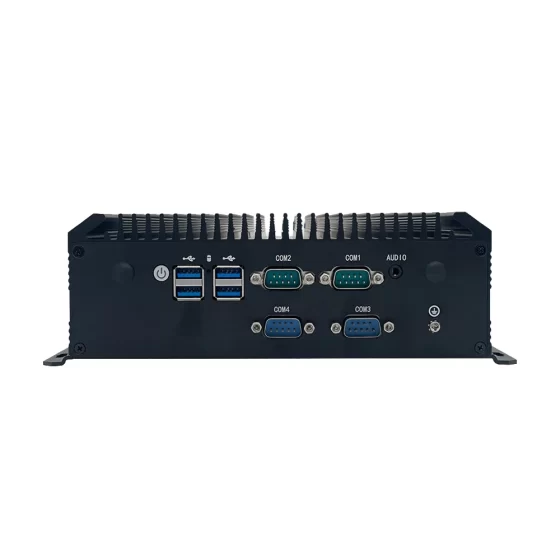
Fanless Industrial PCs
Suitable for:
- Quiet healthcare environments
- Clinical diagnostic systems
- Continuous operation applications
장점:
- Reduced maintenance
- Improved reliability
- 조용한 작동
임베디드 컴퓨터
Suitable for:
- Portable diagnostic devices
- Point-of-care systems
- Medical analyzers
장점:
- Compact design
- 낮은 전력 소비
- Easy integration
Embedded Box PCs
Suitable for:
- Diagnostic controllers
- Medical gateways
- Edge processing nodes
장점:
- Rugged construction
- Flexible deployment
- Industrial reliability
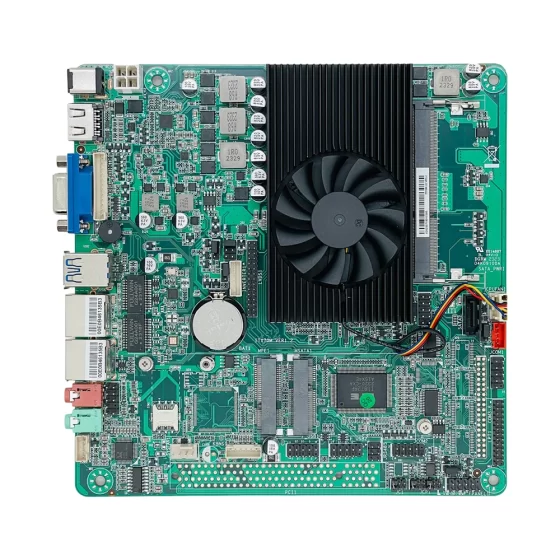
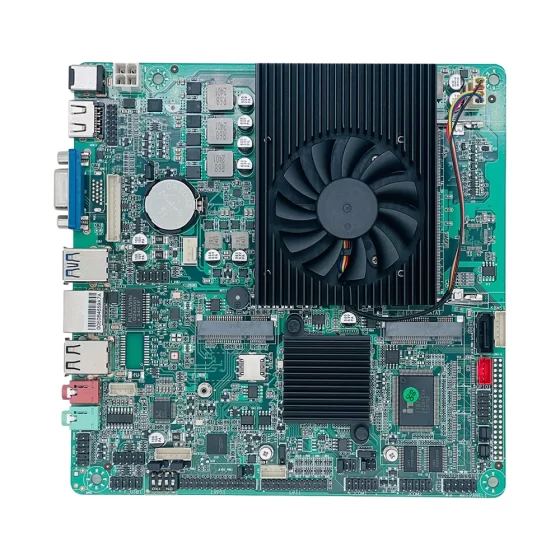
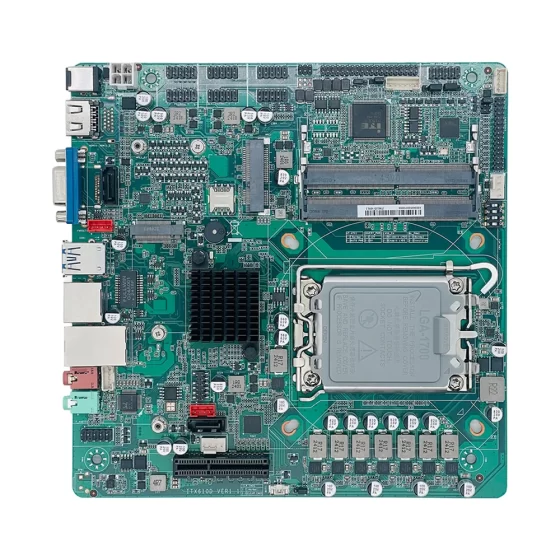
Mini-ITX 마더보드
Suitable for:
- Medical OEM equipment
- Diagnostic workstations
- Custom healthcare systems
장점:
- 유연한 맞춤화
- Rich expansion capabilities
- Long lifecycle support
3.5-인치 SBC
Suitable for:
- Compact diagnostic instruments
- Portable healthcare devices
- Embedded medical systems
장점:
- Space-efficient design
- Embedded integration
- Reliable operation
EPIC SBC
Suitable for:
- Advanced imaging systems
- Multi-interface diagnostic platforms
- High-performance medical devices
장점:
- Expanded I/O resources
- Industrial reliability
- Strong computing performance
Custom Embedded Boards
Suitable for:
- Specialized diagnostic equipment
- Medical OEM projects
- Proprietary healthcare devices
장점:
- Application-specific design
- Optimized functionality
- Competitive product differentiation
배포 시나리오
Smart Diagnostic Imaging Systems
Industrial computers perform image acquisition, enhancement, and analysis for medical imaging applications.
Digital Pathology Platforms
Embedded computers process high-resolution pathology images and support AI-assisted diagnostic workflows.
Clinical Laboratory Automation
Diagnostic analyzers utilize industrial computers for equipment control, sample processing, and data management.
Point-of-Care Diagnostic Devices
Compact embedded platforms enable portable diagnostic systems used in clinics, emergency departments, and remote healthcare facilities.
Telemedicine Infrastructure
Edge computing platforms support remote diagnostics and secure healthcare data transmission.
Medical Research Equipment
Advanced diagnostic instruments leverage industrial computing platforms for data collection, 처리, and analytics.
비즈니스 이점
Organizations deploying industrial computing platforms for diagnostic equipment can achieve measurable improvements.
Reduced Downtime
Industrial-grade reliability minimizes unexpected failures and improves equipment availability.
Increased Productivity
Faster processing accelerates diagnostic workflows and improves clinical throughput.
Lower Maintenance Costs
Fanless designs and industrial components reduce maintenance requirements.
Improved Diagnostic Accuracy
High-performance computing enables advanced analytics and AI-assisted decision support.
Enhanced Operational Visibility
Connected systems provide real-time monitoring and centralized management.
Better Scalability
Flexible architectures support future software upgrades and technology adoption.
왜 CoreIPC인가?
CoreIPC specializes in industrial computing and embedded hardware solutions for demanding applications.
CoreIPC가 제공하는:
Industrial Computing Expertise
Extensive experience in industrial computing platforms for embedded and mission-critical environments.
Flexible OEM and ODM Services
Support for customized hardware development tailored to application-specific requirements.
Embedded Hardware Development
Custom motherboard and embedded system design capabilities.
Long Lifecycle Support
Stable hardware platforms suitable for long-term deployment strategies.
Industrial-Grade Quality
Designed for reliability, 안정, 지속적인 작동.
Global Project Support
Support for medical, 산업 자동화, AI, 운송, and embedded computing projects worldwide.
자주 묻는 질문
1. What is a diagnostic equipment computer?
A diagnostic equipment computer is a computing platform integrated into medical diagnostic systems to perform device control, 데이터 처리, image analysis, 연결성, and user interface functions.
2. Why use an industrial computer in medical diagnostics?
Industrial computers provide higher reliability, longer lifecycle support, greater connectivity, and improved stability compared with consumer-grade systems.
3. Can embedded computers support medical imaging applications?
예. Embedded computers can process medical images, manage imaging devices, and support AI-assisted diagnostic workflows depending on system requirements.
4. What interfaces are commonly required in diagnostic equipment?
Common interfaces include Ethernet, USB, 직렬 포트, display outputs, and expansion interfaces for specialized peripherals.
5. Are fanless systems suitable for healthcare environments?
예. Fanless designs reduce noise, improve reliability, and minimize maintenance requirements.
6. How does edge computing benefit diagnostic systems?
Edge computing reduces latency, improves privacy, and enables local data processing for faster diagnostic responses.
7. Can industrial computers integrate with hospital information systems?
예. Industrial computing platforms can support integration with HIS, EMR, LIS, PACS, and other healthcare systems.
8. How important is lifecycle support in medical devices?
Medical equipment often remains deployed for many years, making long-term hardware availability extremely important.
9. Can AI run on embedded diagnostic platforms?
예. Modern embedded computing platforms can support AI inference for imaging analysis and diagnostic assistance.
10. What are the advantages of custom embedded boards?
Custom embedded boards allow manufacturers to optimize size, functionality, 연결성, and performance for specific diagnostic equipment.
11. Are industrial computers suitable for laboratory automation?
예. Industrial computers are widely used in laboratory analyzers, sample processing systems, and automation equipment.
12. How can remote management improve diagnostic equipment maintenance?
Remote monitoring allows proactive diagnostics, software updates, and maintenance planning, reducing service costs and downtime.
결론
Modern healthcare diagnostics increasingly depend on reliable computing infrastructure capable of supporting advanced imaging, 실시간 데이터 처리, AI 지원 분석, 연결된 의료 생태계. Industrial computers and embedded computers provide the stability, performance, 연결성, and lifecycle support required for next-generation diagnostic equipment. By adopting a scalable diagnostic equipment computing platform, medical device manufacturers and healthcare organizations can improve reliability, accelerate innovation, and build future-ready diagnostic solutions that meet evolving healthcare demands.
문의하기
Looking for the right computing platform for your diagnostic equipment project?
CoreIPC provides industrial computers, 임베디드 컴퓨터, OEM hardware development, ODM services, and custom embedded board solutions tailored to healthcare and diagnostic applications.
Contact our engineering team today for:
- Product Selection Assistance
- Solution Architecture Consultation
- OEM Medical Device Projects
- ODM Hardware Development
- Custom Embedded Computing Platforms