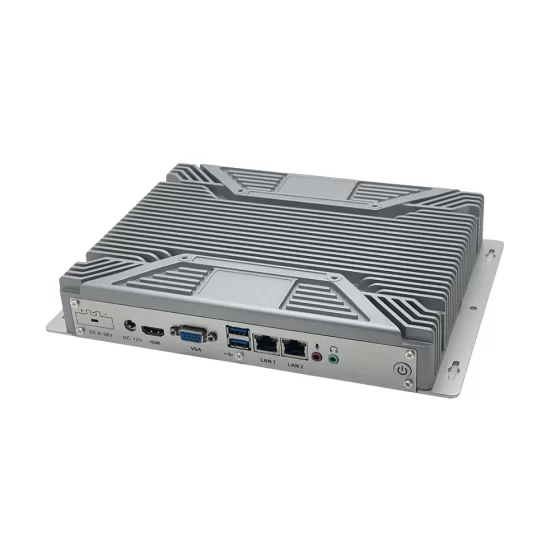
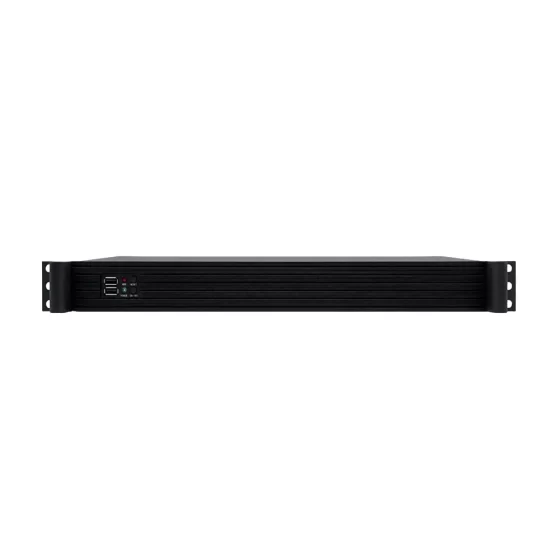
CoreIPC 산업용 컴퓨팅 솔루션

전자제품 검사용 산업용 PC: 신뢰할 수 있는 품질 관리를 위한 전자 검사 컴퓨터
요약
An electronics inspection computer provides the industrial computing foundation for automated inspection, 테스트 데이터 수집, 이미지 처리, 추적성, 전자제품 제조 분야의 품질 관리.
전자 제품 생산, 여러 공정 단계에서 품질 검사가 필요합니다., PCB 어셈블리 포함, 납땜 이음부 검사, 구성 요소 확인, 기능 테스트, 바코드 인식, 육안 검사, 최종 제품 검증. 각 검사 지점에서는 정확한 데이터를 수집하고 이를 생산 기록과 연결해야 합니다..
표준 사무용 PC는 이러한 환경에 적합하지 않은 경우가 많습니다.. 전자 검사 시스템은 일반적으로 SMT 라인 근처에 설치됩니다., AOI 장비, 테스트 설비, 컨베이어, 수리소, 포장 영역, 및 생산 워크스테이션. 이러한 시스템은 지속적인 작동이 필요할 수 있습니다., 안정적인 카메라 지원, 안정적인 I/O, 컴팩트한 설치, 장기적인 하드웨어 가용성.
산업용 컴퓨터와 임베디드 컴퓨터는 검사 제어 플랫폼으로 널리 사용됩니다.. 카메라를 연결할 수 있습니다, 스캐너, 테스트 장비, PLC, 센서, 조명 컨트롤러, 및 공장 네트워크. They can also run inspection software, 로컬 기록 저장, upload results to MES systems, and support production traceability.
This article explains how industrial PCs support electronics inspection, 제조업체가 배포 중에 직면하는 문제, 솔루션 아키텍처의 작동 방식, and which hardware features matter most for reliable electronics quality inspection.
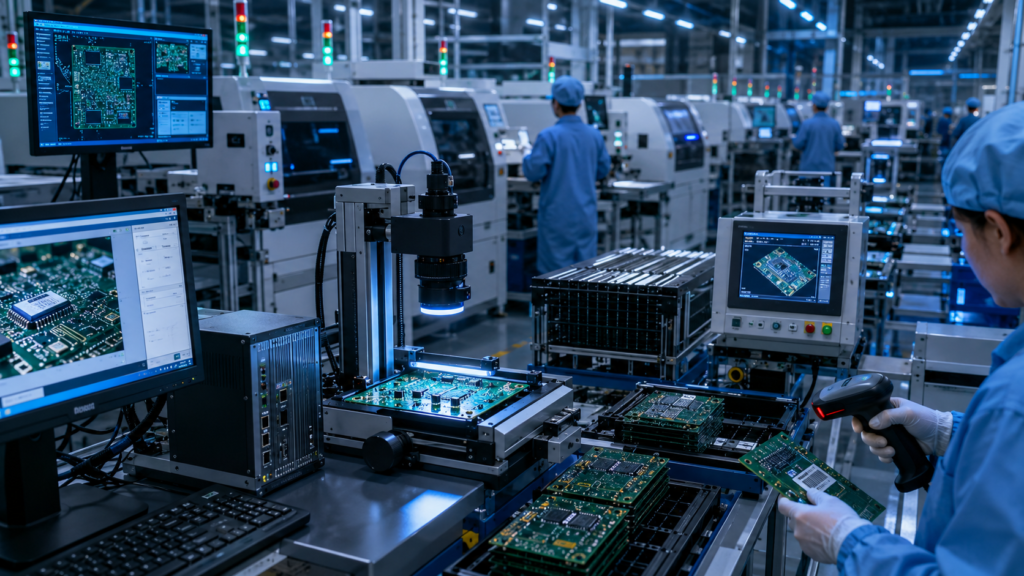
Industrial computers collect inspection and test data across electronics manufacturing processes.
산업 개요
Electronics Manufacturing Requires High Inspection Accuracy
Electronics manufacturing involves many small components, dense circuit layouts, solder joints, 커넥터, 라벨, and assembly details.
Even small defects can affect product reliability. A missing component, reversed component, poor solder joint, damaged connector, wrong label, or failed test result can cause quality problems later in the supply chain.
Because of this, electronics factories commonly use automated inspection and testing systems across production.
이러한 시스템에는 다음이 포함될 수 있습니다.:
- AOI inspection
- SPI inspection
- ICT testing
- FCT testing
- Barcode and QR code recognition
- Visual defect inspection
- Connector and assembly verification
- Label and packaging inspection
- Repair station data recording
- Final product quality validation
An electronics inspection computer helps process and manage this inspection data at the production point.
Inspection Is Becoming More Data-Driven
Modern electronics inspection is not only about pass or fail decisions.
Manufacturers also need detailed inspection records. They need to know which PCB was tested, which component was inspected, which defect was found, which operator handled repair, and which result was uploaded to the production database.
Inspection data may be used for:
- 제품 추적성
- Yield analysis
- Defect classification
- 프로세스 개선
- Supplier quality control
- Warranty investigation
- Customer audit support
- Manufacturing performance monitoring
This increases the importance of stable industrial computing hardware.
If inspection data is incomplete or delayed, quality analysis becomes less reliable.
Industrial Computing Supports Inspection Automation
Industrial computers provide the local processing layer for electronics inspection systems.
They can receive images from cameras, process inspection data, connect to testing devices, PLC와 통신, display results on local screens, and transfer records to MES or quality management systems.
Embedded computers are useful when the inspection system must be compact, integrated into equipment, or installed inside cabinets.
For system integrators and OEM machine builders, industrial computing hardware helps build inspection platforms that are stable, maintainable, and suitable for long-term production use.

PCB surfaces, small components, solder joints, and label quality affect inspection reliability.
주요 과제
High Image and Data Processing Requirements
Electronics inspection often involves high-resolution images and fast inspection cycles.
AOI, 바코드 인식, 구성 요소 확인, and visual inspection may require real-time image processing. Test systems may also generate continuous measurement data that must be collected, 분석됨, and stored.
The inspection computer must provide stable processing performance for the actual workload.
중요한 작업 부하 요소는 다음과 같습니다.:
- 카메라 해상도
- 카메라 수
- Inspection speed
- Image processing complexity
- Test data volume
- Local storage requirements
- MES or database communication
- User interface responsiveness
If the computing platform is underpowered, inspection speed and reliability may be affected.
Camera and Peripheral Integration
Electronics inspection systems often connect multiple peripherals.
These may include industrial cameras, 조명 컨트롤러, 바코드 스캐너, 센서, PLC, 테스트 장비, 디스플레이, 키보드, 프린터, 및 네트워크 장치.
A practical electronics inspection computer must provide the right interface configuration.
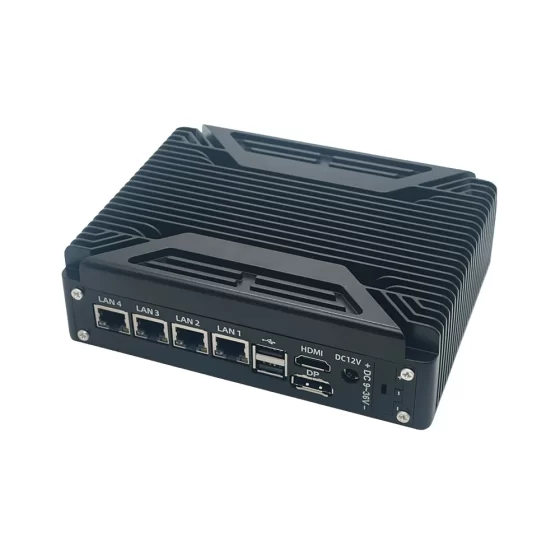
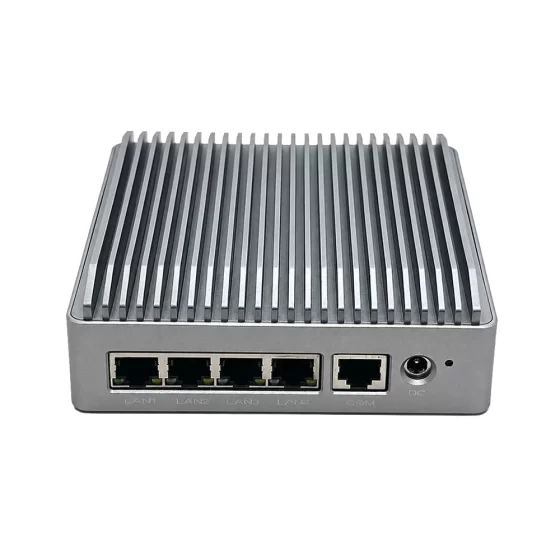
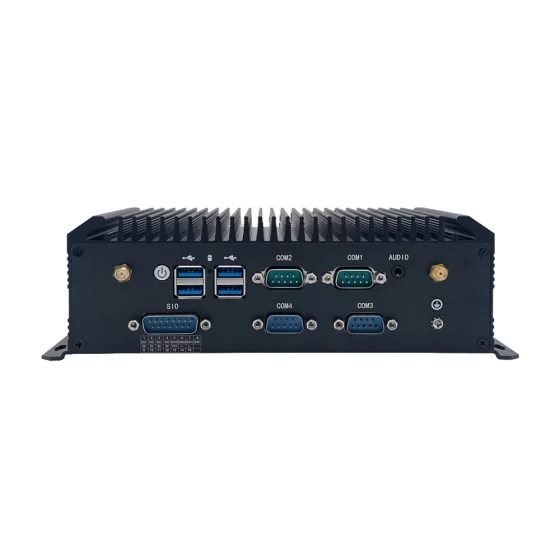
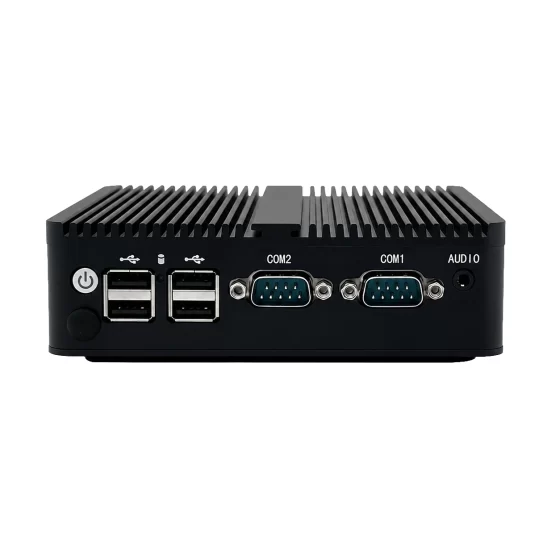
Common requirements may include USB, 랜, RS232, RS485, HDMI, 디스플레이포트, GPIO, M.2, 및 미니 PCIe 확장.
Using too many external adapters can increase complexity and reduce system reliability.
Production Line Stability
Inspection systems are usually part of continuous production.
If the inspection computer stops, the production line may need to slow down, stop, or switch to manual inspection. This can affect output, 품질 관리, and production scheduling.
Electronics factories often operate multiple shifts, and inspection stations may run for long periods.
Industrial PCs are better suited for this type of use because they are designed for stable operation in factory environments.
Data Traceability
Traceability is a major requirement in electronics manufacturing.
Inspection results must often be linked with PCB serial numbers, 제품 ID, 자재 배치, work orders, repair records, 운영자 조치, and final test results.
If the inspection computer cannot reliably collect and upload this data, the traceability chain becomes incomplete.
This can create problems during quality investigation, customer reporting, or process improvement.
Compact Installation Space
Electronics production lines often have limited installation space.
Computers may need to be installed inside equipment, 디스플레이 뒤, 워크스테이션 아래, in compact cabinets, or near conveyors.
A bulky commercial PC may not fit well into these environments.
Compact industrial computers and embedded computers provide better installation flexibility for inspection machines and production workstations.

Industrial computers process inspection data and connect results to factory quality systems.
Electronics Inspection Computer Solution Architecture
Inspection Device Layer
The inspection device layer includes the equipment that captures images, signals, and test results.
This may include cameras, 렌즈, 조명 모듈, 트리거 센서, 바코드 스캐너, 테스트 설비, 측정 도구, PLC, 및 생산 장비.
These devices generate different types of inspection data:
- PCB images
- Component position data
- Solder joint images
- Barcode values
- QR code values
- Electrical test results
- Functional test records
- Defect images
- Pass or fail results
- Operator confirmation records
The inspection computer collects and processes this data locally.
산업용 컴퓨팅 계층
The industrial computing layer is the center of the inspection system.
An industrial PC or embedded computer runs inspection software, connects devices, processes data, displays results, and communicates with factory systems.
이 레이어에서는, 컴퓨터는 여러 작업을 수행할 수 있습니다:
- 이미지 획득
- Barcode recognition
- 결함 감지
- Test data collection
- Local result storage
- HMI 디스플레이
- PLC 통신
- 조명 제어
- Database connection
- MES data upload
- Remote maintenance support
This layer must be stable because it directly affects inspection accuracy and production continuity.
자동화 제어 계층
Electronics inspection systems often need to communicate with automation equipment.
A PLC or motion controller may send trigger signals to the inspection computer. After inspection, 컴퓨터가 패스를 보낼 수도 있습니다, 실패하다, alarm, or reject signals back to the control system.
예를 들어, if a PCB fails inspection, the system may mark it for repair, stop the conveyor, or send the result to MES.
This closed-loop communication helps automate quality control and reduce manual decision-making.
데이터 관리 계층
Inspection data must often be stored, transferred, and linked with production records.
The electronics inspection computer may send data to MES, 품질 관리 시스템, production databases, repair systems, 또는 공장 대시보드.
데이터에는 다음이 포함될 수 있습니다.:
- 제품ID
- 작업 주문
- 검사결과
- 결함 유형
- Image evidence
- Test values
- 타임스탬프
- 스테이션 ID
- Operator ID
- Repair status
This information supports traceability and process improvement.
User Interface Layer
Operators and engineers need a clear interface for inspection systems.
산업용 컴퓨터가 모니터에 연결될 수 있습니다., 터치스크린, 건반, 또는 HMI 패널. The interface can show live images, 검사현황, defect locations, test results, 경보, 생산 횟수, and system logs.
A practical local interface helps engineers adjust parameters, troubleshoot errors, and monitor production quality.
주요 특징
Stable Processing Performance
The inspection computer must provide enough processing power for the inspection workload.
Simple barcode reading may require less computing power. Multi-camera AOI, high-resolution image capture, or advanced defect analysis may require a stronger industrial PC.
The platform should be selected according to real project requirements, 포함:
- 이미지 해상도
- 프레임 속도
- 카메라 수
- Inspection software
- Local database usage
- 디스플레이 요구 사항
- Data storage needs
- 네트워크 통신 부하
Stable performance is more important than peak benchmark numbers.
Flexible Camera Interface Support
Camera connectivity is one of the most important hardware considerations.
Electronics inspection systems may use USB cameras, GigE cameras, or other industrial camera interfaces depending on the application.
Useful hardware features may include:
- USB 3.0 포트
- 다중 LAN 포트
- Stable PCIe or M.2 expansion
- Reliable power design
- High-speed storage support
- Display output for local monitoring
다중 카메라 시스템용, interface bandwidth and network separation should be reviewed carefully.
Industrial I/O for Factory Integration
Inspection computers often need to communicate with external equipment.
유용한 I/O 옵션은 다음과 같습니다.:
- RS232
- RS485
- GPIO
- 랜
- USB
- 디지털 입력
- 디지털 출력
- HDMI
- 디스플레이포트
These interfaces can support PLC communication, 트리거 신호, 조명 컨트롤러, 스캐너, 프린터, 센서, and test equipment.
The right I/O configuration can reduce external converters and improve system reliability.
팬이 없고 견고한 디자인
Fanless industrial computers are often suitable for electronics inspection environments.
먼지 유입을 줄이고 일반적인 기계적 고장 지점 하나를 제거합니다.. This is useful in production areas where systems run continuously and maintenance access may be limited.
A rugged enclosure also helps protect the computer from vibration, 케이블 스트레스, and installation damage.
Thermal design should still be matched with workload and installation conditions.
Reliable Storage for Inspection Records
Electronics inspection systems may generate many files and records.
These may include inspection images, 결함 이미지, test logs, 바코드 기록, production reports, software logs, and local database files.
SSD storage is commonly preferred because it provides faster response and better shock resistance than mechanical drives.
For systems storing many images, storage capacity and write endurance should be reviewed before deployment.
긴 수명주기 및 유지 관리성
Electronics inspection platforms may stay in production for many years.
Frequent computer model changes can increase validation workload, spare parts complexity, and software image maintenance.
Industrial computers with lifecycle planning help system integrators and factory teams maintain stable inspection platforms across multiple lines and projects.
This is especially important for OEM equipment builders who need consistent hardware for machine production.
배포 시나리오
AOI Inspection Systems
Automated optical inspection is widely used in electronics manufacturing.
An industrial computer can process images from cameras installed inside AOI equipment or inspection stations. It can support component presence checking, 납땜 이음부 검사, polarity verification, and defect classification.
The system may also upload inspection results to MES or quality databases for traceability.
PCB Barcode and QR Code Recognition
PCBs often carry barcodes, QR 코드, or Data Matrix codes for traceability.
An embedded computer can process images from cameras and recognize codes on PCBs, trays, panels, or product labels.
The recognized code can be linked with work orders, test results, repair records, and packaging data.
ICT and FCT Test Stations
In-circuit testing and functional testing generate important quality data.
An industrial computer can connect to test fixtures, 악기, 스캐너, 프린터, 및 MES 소프트웨어. It can collect test values, record pass or fail results, and upload the data to production systems.
This helps manufacturers maintain complete test history for each product.
SMT Line Inspection
SMT production requires inspection at multiple points.
Industrial computers may be used near SPI equipment, AOI machines, reflow inspection points, 수리소, and final inspection areas.
They help collect inspection results, display defect information, and link data with PCB serial numbers.
Connector and Assembly Verification
Electronics products often require connector, cable, screw, label, or housing verification.
A vision-based inspection computer can process camera images to confirm correct assembly.
This helps reduce wrong assembly, missing parts, and process mistakes before products move to final testing or packaging.
Repair and Rework Stations
Repair stations need accurate defect and repair records.
An industrial computer can display defect images, record operator actions, scan repaired products, and update repair status in the production system.
This helps close the loop between inspection, repair, and final validation.
Final Product Inspection
Before shipment, electronics products may require final inspection.
Industrial computers can support label verification, appearance inspection, 바코드 스캐닝, functional test data collection, and packaging confirmation.
This helps ensure that the correct product, label, and quality records are linked before delivery.
비즈니스 이점
검사 신뢰성 향상
A stable electronics inspection computer helps inspection systems operate consistently across production shifts.
Reliable computing hardware reduces unexpected downtime, missed image capture, 처리 지연, and unstable device communication.
This supports more consistent quality control.
Stronger Production Traceability
Inspection data becomes more valuable when it is linked to product records.
Industrial computers help connect inspection results with PCB serial numbers, 자재 배치, work orders, 운영자 조치, repair status, and final test results.
This strengthens traceability and supports quality investigation.
Reduced Manual Inspection Workload
Automated electronics inspection reduces the need for manual checking.
Industrial PCs can process images, collect test data, and communicate results automatically. This helps reduce operator workload and improves consistency.
Manual inspection may still be required for some cases, but automated systems can handle repetitive inspection tasks more efficiently.
더 빠른 결함 감지
When inspection data is processed near the production line, defects can be detected earlier.
This allows operators and engineers to respond faster to solder defects, missing components, wrong labels, test failures, or assembly problems.
Early detection helps reduce rework cost and prevents defects from moving further downstream.
Better Process Improvement
Inspection data can reveal production trends.
Manufacturers can analyze defect types, station performance, process drift, test failure patterns, and repair frequency.
Reliable industrial computing hardware helps ensure that the inspection data used for analysis is complete and accurate.
Scalable Electronics Manufacturing Deployment
A standardized industrial computing platform can be deployed across multiple inspection stations, SMT 라인, test systems, 그리고 공장.
This simplifies software image management, 예비 부품 계획, 유지 보수 훈련, 및 기술 지원.
For system integrators and OEM equipment builders, scalable hardware planning reduces long-term project risk.
왜 CoreIPC인가?
CoreIPC는 머신 비전을 위한 산업용 컴퓨팅 플랫폼을 제공합니다., electronics manufacturing, 공장 자동화, 및 임베디드 시스템 통합. For electronics inspection computer applications, CoreIPC는 안정적인 산업용 PC 하드웨어에 중점을 둡니다., 임베디드 컴퓨터 솔루션, 유연한 I/O 구성, 컴팩트한 시스템 디자인, 및 OEM/ODM 맞춤형 지원. CoreIPC는 시스템 통합자를 돕습니다., 장비 제작자, and manufacturing teams select computing platforms that match real inspection requirements, 카메라 인터페이스 포함, test equipment communication, 장착 방법, 전원 입력, 열 설계, 저장 요구 사항, 및 수명주기 계획.
자주 묻는 질문
1. What is an electronics inspection computer?
An electronics inspection computer is an industrial computer used to support inspection, 테스트, 이미지 처리, and quality data collection in electronics manufacturing.
It may connect to cameras, 바코드 리더기, 테스트 설비, PLC, 조명 컨트롤러, and MES systems. It can process inspection images, collect test results, display defect information, and upload quality records to production databases.
2. Why use an industrial computer for electronics inspection?
Electronics inspection systems often operate near SMT lines, test stations, 컨베이어, 및 생산 워크스테이션.
An industrial computer is better suited than an office PC because it supports continuous operation, stable I/O, 견고한 설치, 팬리스 옵션, and factory device connectivity. These features help inspection systems remain reliable during long production shifts.
3. How is an embedded computer used in inspection equipment?
An embedded computer can be installed inside AOI machines, 테스트 설비, 검사소, or compact control cabinets.
It can process camera images, collect test data, PLC와 통신, 검사 소프트웨어 실행, and send results to MES or quality systems. Its compact size makes it useful for OEM equipment and space-limited inspection systems.
4. What interfaces are important for electronics inspection computers?
중요한 인터페이스에는 USB가 포함될 수 있습니다. 3.0, 랜, RS232, RS485, GPIO, HDMI, 디스플레이포트, M.2, 및 미니 PCIe.
USB and LAN are commonly used for cameras and peripherals. Serial ports may connect test instruments or controllers. GPIO can support trigger signals, 경보, or simple automation control. Display outputs are useful for local monitoring and operator interfaces.
5. Can industrial computers support AOI applications?
예. Industrial computers can support AOI applications when selected according to the camera resolution, 이미지 처리 워크로드, software requirements, and interface bandwidth.
Simple AOI tasks may use compact embedded computers, while multi-camera or high-resolution systems may require stronger industrial PCs. Real production testing is important before final hardware selection.
6. How does an inspection computer support traceability?
An inspection computer supports traceability by linking inspection results with product IDs, PCB serial numbers, work orders, test values, 결함 이미지, repair records, and timestamps.
This data can be uploaded to MES or quality management systems. Complete traceability helps manufacturers investigate defects, support customer audits, and improve production processes.
7. Is a fanless industrial PC suitable for electronics inspection?
A fanless industrial PC is often suitable for electronics inspection because it reduces dust intake and removes a common mechanical failure point.
This is useful for continuous production environments and inspection stations where maintenance access is limited. 하지만, the thermal design must match the processor workload, camera processing requirements, and installation conditions.
8. What should be considered when selecting storage for inspection systems?
Storage requirements depend on whether the system stores only logs or also inspection images and defect records.
SSD storage is usually preferred because it provides faster response and better shock resistance. For systems storing many images or frequent test logs, storage capacity and write endurance should be reviewed carefully before deployment.
9. Can electronics inspection computers connect to MES systems?
예. Industrial computers can connect inspection results to MES systems through factory networks, 데이터베이스, APIs, or middleware.
They can upload barcode data, pass or fail results, 결함 이미지, test records, 역 정보, and timestamps. This helps manufacturers maintain complete production and quality records.
10. What should be tested before deploying an electronics inspection computer?
배포 전, manufacturers should test the computer with real cameras, inspection software, 테스트 장비, PLC 통신, 스캐너, 디스플레이, 스토리지 워크로드, and network settings.
Testing should also include actual production speed, 이미지 해상도, 열적 조건, data upload requirements, and long-running stability. This reduces integration risk during mass deployment.
결론
An electronics inspection computer is a critical hardware foundation for reliable inspection, 테스트, 추적성, 전자제품 제조 분야의 품질 관리.
By using industrial PCs and embedded computers close to AOI systems, SMT 라인, barcode stations, 테스트 설비, 수리소, and final inspection areas, manufacturers can process inspection data more reliably and connect results with factory software systems.
The right industrial computer should be selected according to real inspection requirements, 카메라 인터페이스 포함, 작업량 처리, I/O 구성, 저장 요구 사항, 네트워크 아키텍처, 장착 방법, 전원 입력, 열적 조건, 운영 체제 호환성, 및 수명주기 계획.
CoreIPC supports electronics inspection computer projects with industrial computing platforms designed for practical factory deployment. 올바른 하드웨어 기반을 갖춘 경우, manufacturers can improve inspection reliability, 추적성 강화, reduce manual workload, and build scalable quality control systems for electronics manufacturing.
문의하기
Looking for an industrial PC, 임베디드 컴퓨터, or industrial motherboard for electronics inspection?
프로젝트 요구 사항을 논의하려면 CoreIPC에 문의하세요., 카메라 인터페이스 포함, inspection workload, test equipment communication, I/O 구성, 장착 방법, 전원 입력, 운영 환경, 수명주기 요구 사항, 및 OEM/ODM 사용자 정의 옵션.