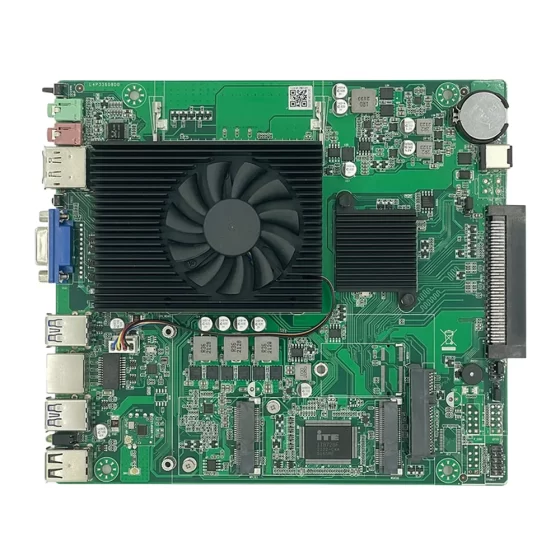
CoreIPC 산업용 컴퓨팅 솔루션

POS 시스템용 임베디드 컴퓨터
요약
The retail and hospitality industries are rapidly embracing digital transformation to improve customer experience, 운영 간소화, 거래 효율성을 높이고. 최신 POS(Point-of-Sale) (POS) 시스템은 전통적인 금전등록기보다 훨씬 발전했습니다., 결제 처리를 통합하는 지능형 비즈니스 플랫폼으로 거듭나다, 재고 관리, 고객 분석, 셀프 서비스 주문, 디지털 간판, 로열티 프로그램, 클라우드 기반 비즈니스 관리.
이러한 최신 POS 환경의 핵심에는 임베디드 컴퓨터가 있습니다., POS 단말기를 구동하는 작고 안정적인 컴퓨팅 플랫폼, 셀프 서비스 키오스크, 대화형 주문 시스템, 디지털 결제 스테이션, 소매 자동화 인프라.
기존 데스크탑 컴퓨터와는 다르게, 임베디드 컴퓨터는 지속적인 작동을 위해 특별히 설계되었습니다., 컴팩트한 배포, 긴 제품 수명주기 요구 사항, 상업 및 산업 장비로의 통합. 그들의 신뢰성, 유연성, 확장성이 뛰어나 소매점에 이상적입니다., 레스토랑, 슈퍼마켓, 편의점, 셀프 서비스 키오스크, 교통 티켓팅 시스템, 환대 환경.
This article explores how embedded computers enable modern POS systems, the challenges facing retail technology deployments, 시스템 아키텍처 고려 사항, key features, 배포 시나리오, and business benefits for organizations adopting intelligent POS and self-service technologies.
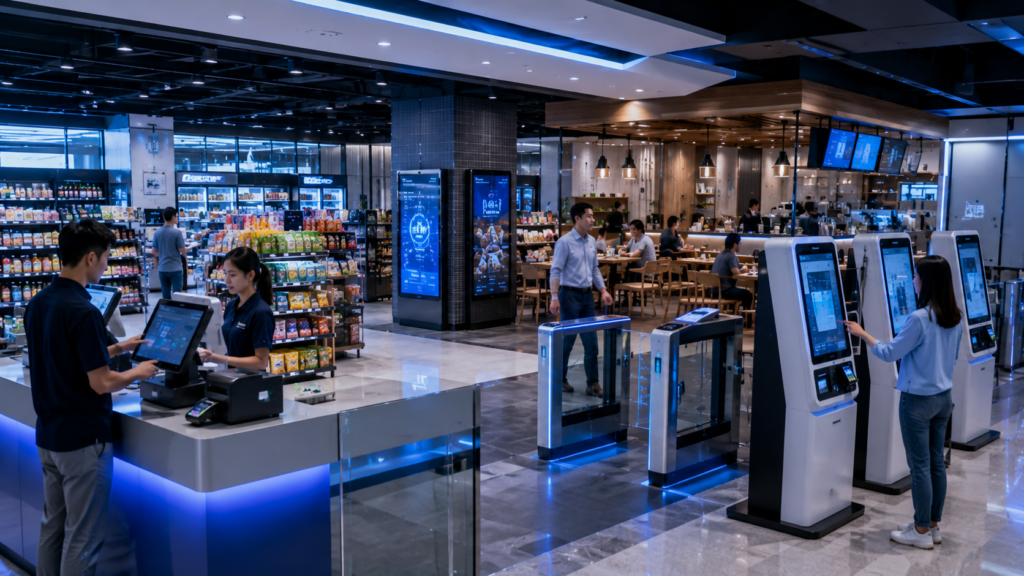
Modern retail environment combining POS terminals, 셀프 서비스 키오스크, digital payments, and intelligent customer service technologies.
산업 개요
The global retail landscape is experiencing significant changes driven by digitalization, changing consumer expectations, contactless payment adoption, and labor optimization initiatives.
Today’s POS systems have evolved into comprehensive business management platforms capable of supporting:
- Cashless payments
- Mobile payments
- Self-checkout systems
- Self-ordering kiosks
- Customer loyalty programs
- Digital receipts
- Inventory tracking
- Cloud synchronization
- Business analytics
- Multi-store management
동시에, self-service technology continues to gain adoption across various industries.
Examples include:
- Restaurant self-order kiosks
- Retail self-checkout terminals
- Hotel check-in kiosks
- Transportation ticketing machines
- Parking payment terminals
- Healthcare registration kiosks
- Banking self-service terminals
These systems require reliable computing platforms capable of operating continuously in public-facing environments.
Embedded computers provide the processing power, 연결성, and durability required to support these modern customer interaction systems while maintaining high reliability and long-term operational stability.
As retailers and service providers continue investing in automation and customer experience improvements, embedded computing platforms have become a foundational technology supporting next-generation POS and self-service infrastructures.
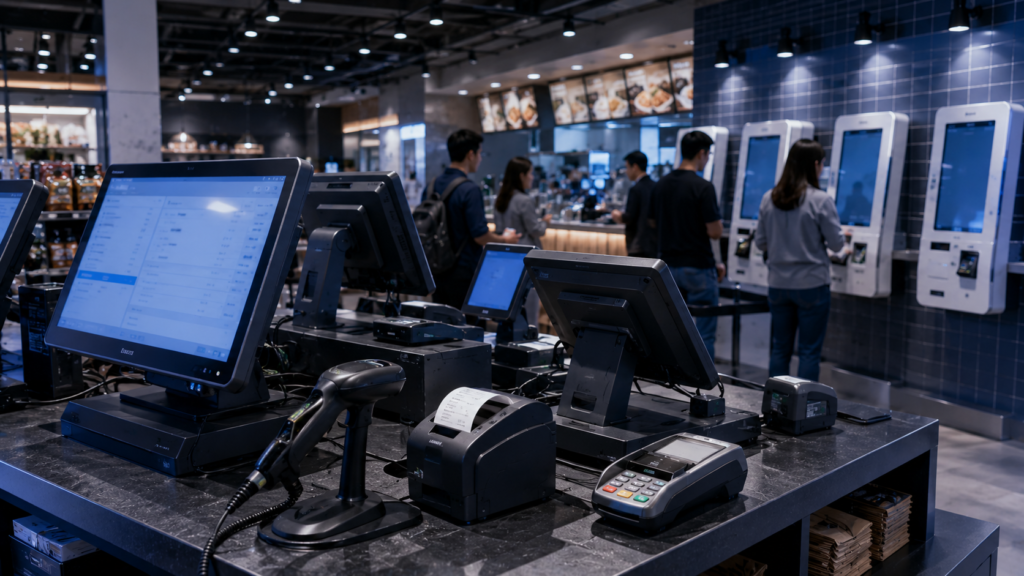
Modern POS environments require seamless integration of payment systems, 바코드 스캐너, receipt printers, customer displays, and self-service kiosks.
주요 과제
Continuous Operation Requirements
POS systems often operate throughout business hours and, in many environments, continuously.
Examples include:
- Convenience stores
- Airports
- Transportation hubs
- Hotels
- Healthcare facilities
System downtime can directly impact revenue and customer satisfaction.
Embedded computers must provide stable 24/7 operation to support business continuity.
Space Constraints
Modern POS terminals and self-service kiosks often have limited installation space.
Common deployment environments include:
- Checkout counters
- Compact kiosks
- Wall-mounted terminals
- Ticketing machines
- Interactive displays
Computing platforms must deliver sufficient performance while maintaining compact dimensions.
Multiple Peripheral Integration
POS systems commonly connect to:
- Barcode scanners
- Receipt printers
- Payment terminals
- Touch displays
- Cash drawers
- RFID 리더
- 카메라
- Customer displays
Embedded computers must support extensive peripheral connectivity and compatibility.
Security and Payment Protection
Modern POS systems process sensitive financial information.
Organizations must address:
- Payment security
- Data protection
- Access control
- Cybersecurity threats
- Regulatory compliance
Secure computing infrastructure is essential for protecting customer and business data.
Environmental Challenges
Commercial deployment environments may expose systems to:
- Dust
- Heat
- Vibration
- Frequent user interaction
- High operating hours
Consumer-grade systems may experience reliability issues under these conditions.
장기 가용성
Retail operators and kiosk manufacturers often require long product availability cycles.
Frequent hardware changes can increase:
- Development costs
- Deployment complexity
- Maintenance requirements
Embedded computing platforms provide lifecycle stability that supports long-term business planning.
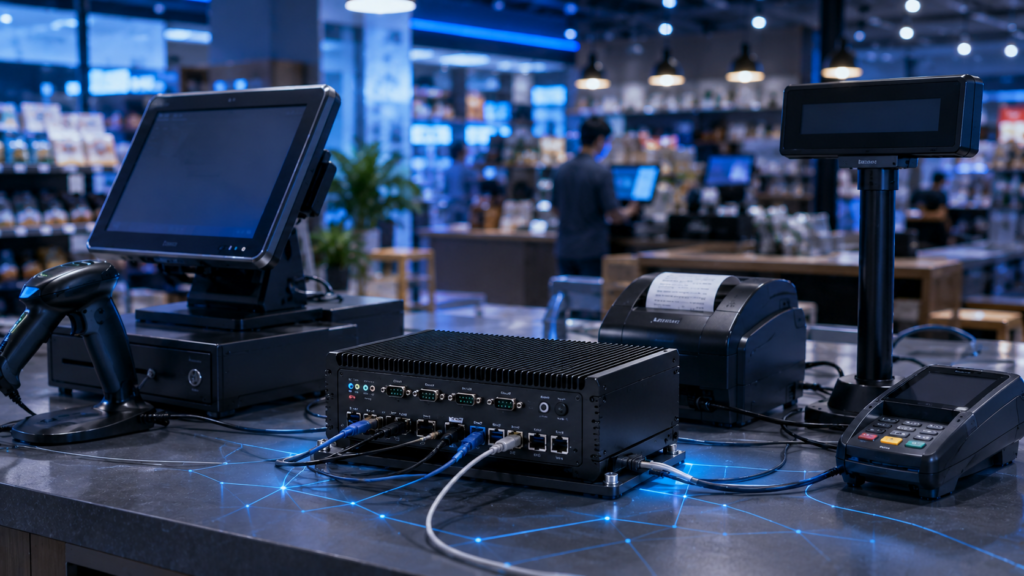
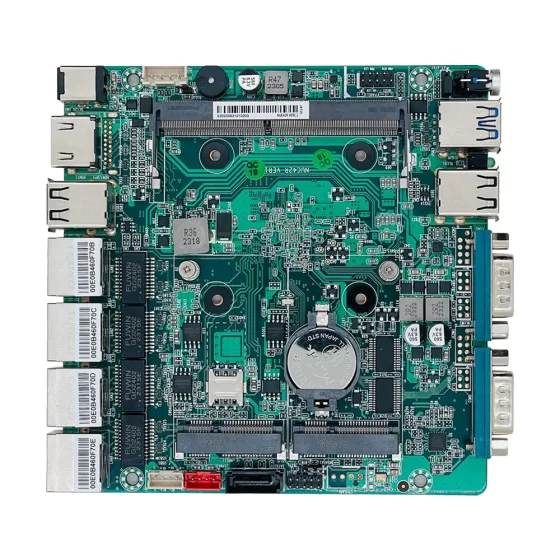
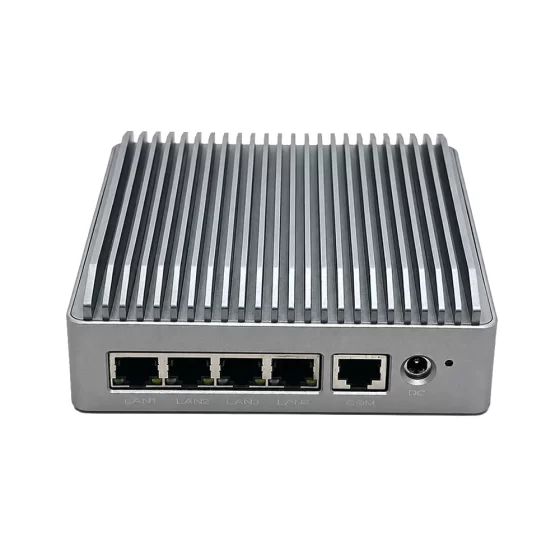
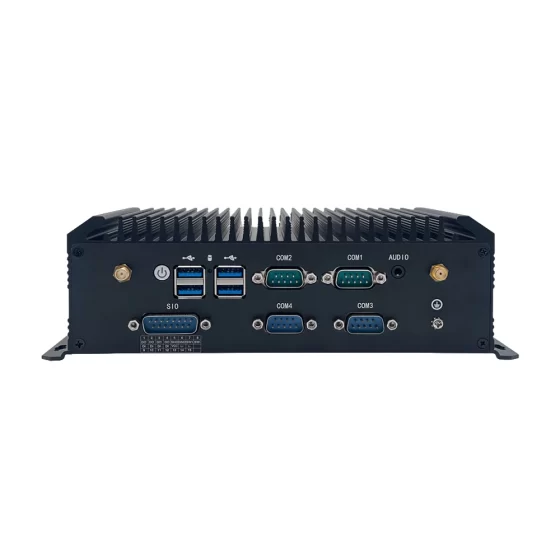
Embedded computer acting as the central processing platform for POS terminals, payment devices, 바코드 스캐너, receipt printers, and self-service retail infrastructure.
Solution Architecture
A modern POS system built around embedded computing technology typically includes multiple operational layers.
User Interaction Layer
Customers interact with:
- Touchscreen displays
- Payment interfaces
- Self-service ordering systems
- Customer-facing displays
- Barcode scanners
This layer serves as the primary user interface.
Peripheral Device Layer
POS systems integrate numerous devices, 포함:
- Receipt printers
- Cash drawers
- Payment terminals
- QR code scanners
- RFID 리더
- 카메라
- Customer displays
Reliable communication between these devices is essential.
Embedded Computer Layer
The embedded computer acts as the system controller.
Key responsibilities include:
- Transaction processing
- Device management
- 데이터 저장
- User interface control
- Inventory synchronization
- Security management
- Local analytics
This layer provides the intelligence required for POS operations.
POS Software Layer
POS software platforms typically support:
- Sales transactions
- Inventory management
- Customer management
- Reporting
- Pricing control
- Promotions
- Employee management
These applications transform hardware into a complete business management solution.
Enterprise Integration Layer
Modern POS systems frequently integrate with:
- ERP platforms
- Inventory management systems
- CRM software
- Accounting systems
- Cloud management platforms
- Business intelligence solutions
This integration enables centralized business operations and decision-making.
주요 특징
컴팩트한 임베디드 디자인
Embedded computers are designed for integration into space-constrained equipment.
Benefits include:
- Flexible installation
- Smaller system footprint
- Improved equipment design
- Easier kiosk integration
Compact form factors are particularly important for self-service terminals.
Fanless Architecture
Fanless embedded computers offer:
- Silent operation
- Reduced maintenance
- Improved reliability
- Dust resistance
- Longer service life
These characteristics make them ideal for customer-facing environments.
Rich I/O Connectivity
POS systems require support for numerous peripheral devices.
Common interfaces include:
- USB
- RS232
- RS485
- 랜
- HDMI
- 디스플레이포트
- Audio
- GPIO
Extensive connectivity simplifies integration with existing retail infrastructure.
High Reliability
Commercial environments demand stable operation.
Embedded computers provide:
- Industrial-grade components
- Long lifecycle support
- Continuous operation capability
- Reliable system performance
This helps reduce service interruptions and maintenance costs.
Multiple Display Support
Modern POS and kiosk systems often utilize multiple screens.
Applications include:
- Operator displays
- Customer-facing displays
- Digital signage
- Interactive information screens
Multi-display support enhances customer engagement and operational efficiency.
Remote Management Capability
Retail operators frequently manage multiple locations.
Embedded computers support:
- Remote monitoring
- Software updates
- Diagnostics
- Security management
- System configuration
Centralized management improves operational efficiency.
배포 시나리오
Retail Point-of-Sale Systems
Retail stores deploy embedded computers for:
- Transaction processing
- Inventory control
- Customer management
- Loyalty programs
- Payment processing
Reliable computing infrastructure supports daily business operations.
Self-Service Kiosks
Self-service kiosks are increasingly used for:
- Product ordering
- Information lookup
- Self-checkout
- Customer registration
- Ticket purchasing
Embedded computers provide the performance and reliability required for unattended operation.
Quick Service Restaurants
Restaurants utilize embedded computing platforms for:
- Self-ordering kiosks
- Kitchen display systems
- Digital menu boards
- POS terminals
- Payment stations
These technologies improve efficiency and customer experience.
Transportation Ticketing Systems
Transportation providers deploy embedded computers in:
- Ticket vending machines
- Fare collection systems
- Passenger information terminals
- Self-service ticketing kiosks
Reliable operation is essential in public environments.
Hospitality Applications
Hotels and hospitality venues use embedded computing platforms for:
- Self-check-in kiosks
- Concierge terminals
- Payment stations
- Guest information systems
These solutions improve service availability and operational efficiency.
Healthcare Registration Kiosks
Healthcare facilities increasingly deploy self-service systems for:
- Patient registration
- Appointment check-in
- Information access
- Payment processing
Embedded computing enables secure and efficient healthcare workflows.
비즈니스 이점
Improved Customer Experience
Modern POS and self-service systems provide:
- Faster transactions
- Reduced waiting times
- Improved convenience
- Enhanced service availability
These factors contribute to higher customer satisfaction.
Increased Operational Efficiency
Automation helps organizations:
- Reduce manual workloads
- Improve transaction speed
- Streamline workflows
- Optimize staffing resources
Efficiency improvements support business growth.
Reduced Downtime
Reliable embedded computing platforms help minimize service interruptions and support continuous operations.
Lower Total Cost of Ownership
Embedded computers provide:
- Longer product lifecycles
- Reduced maintenance
- Lower replacement frequency
- Improved system reliability
These factors contribute to lower operating costs.
Enhanced Business Visibility
Integrated POS platforms provide access to:
- Sales analytics
- Inventory data
- Customer insights
- Operational reporting
Organizations gain valuable business intelligence.
Future-Proof Infrastructure
Embedded computing platforms support:
- Cloud integration
- Digital payments
- Self-service expansion
- AI 기반 분석
Businesses can adapt to evolving technology requirements.
왜 CoreIPC인가?
CoreIPC provides embedded computing platforms designed for POS systems, 셀프 서비스 키오스크, retail automation, hospitality terminals, and commercial computing applications. Our portfolio includes embedded computers, fanless industrial PCs, Mini-ITX motherboards, embedded box PCs, and customized computing solutions that support continuous operation, rich peripheral connectivity, long product lifecycles, and flexible integration requirements. With industrial-grade reliability and OEM/ODM customization capabilities, CoreIPC helps equipment manufacturers and solution providers build dependable next-generation POS and self-service systems.
자주 묻는 질문
1. What is an Embedded Computer for POS Systems?
An Embedded Computer for POS Systems is a compact computing platform integrated into point-of-sale terminals, 셀프 서비스 키오스크, payment systems, and retail automation equipment to manage transactions, peripherals, and business applications.
2. Why are embedded computers used instead of standard desktop PCs?
Embedded computers provide better reliability, longer lifecycle support, compact form factors, 팬리스 작동, and easier integration into commercial equipment.
3. What peripherals can be connected to embedded POS systems?
Common peripherals include barcode scanners, receipt printers, cash drawers, RFID 리더, 결제 단말기, customer displays, 카메라, and touchscreens.
4. Are embedded computers suitable for self-service kiosks?
예. Their compact design, 신뢰할 수 있음, and fanless operation make them ideal for unattended kiosk deployments.
5. Can embedded computers support multiple displays?
예. Many embedded platforms support multiple independent displays for operator interfaces, customer-facing screens, and digital signage applications.
6. What industries use embedded POS systems?
Retail, 레스토랑, 환대, 건강 관리, 운송, 은행업, entertainment, and public service sectors commonly deploy embedded POS and kiosk solutions.
7. How do embedded computers improve reliability?
They use industrial-grade components, 팬리스 디자인, long-life hardware platforms, and stable architectures optimized for continuous operation.
8. Can embedded POS systems support cloud integration?
예. Modern POS platforms often synchronize with cloud services for inventory management, 보고, 해석학, and centralized administration.
9. Are embedded computers suitable for digital payment applications?
예. They support payment terminals, contactless payments, mobile payments, QR code payments, and integrated transaction processing systems.
10. What is the benefit of long lifecycle support?
Long lifecycle availability reduces redesign costs, simplifies maintenance, and ensures consistent deployment across multiple business locations.
결론
An Embedded Computer for POS Systems serves as the foundation of modern retail, 환대, and self-service infrastructures. By enabling reliable transaction processing, peripheral integration, customer interaction, and business management functions, embedded computing platforms help organizations improve efficiency, customer experience, 및 운영 가시성.
As self-service technology, digital payments, and retail automation continue to expand, embedded computers will remain a critical component supporting the future of intelligent POS and kiosk solutions.
문의하기
Looking for embedded computing solutions for POS terminals, 셀프 서비스 키오스크, retail automation systems, hospitality applications, or intelligent customer interaction platforms?
CoreIPC provides embedded computers, fanless industrial PCs, Mini-ITX motherboards, and customized embedded computing solutions designed for commercial and self-service environments.
Contact our engineering team today to discuss your POS system or kiosk project requirements.