CoreIPC 산업용 컴퓨팅 솔루션

Mitsubishi PLC 시스템용 임베디드 컨트롤러
요약
A reliable embedded controller for Mitsubishi PLC systems plays a critical role in modern industrial automation environments. 제조 시설이 지속적으로 더 높은 생산성을 추구함에 따라, 실시간 모니터링, 예측 유지 관리, 지능형 프로세스 제어, 기존 프로그래밍 가능 논리 컨트롤러 (PLC) 고급 데이터 처리를 제공하는 산업용 컴퓨팅 플랫폼과 점점 더 통합되고 있습니다., 연결성, 및 엣지 컴퓨팅 기능.
Mitsubishi PLC는 제조를 포함한 산업 전반에 걸쳐 널리 배포됩니다., 포장, 기호 논리학, 에너지 관리, 수처리, 기계 자동화. PLC는 결정론적 제어 작업에 탁월합니다., 많은 최신 애플리케이션에는 데이터 시각화를 위한 추가 컴퓨팅 리소스가 필요합니다., 산업 네트워킹, 머신 비전, AI 분석, MES 통합, 클라우드 연결성.
산업용 컴퓨터 또는 임베디드 컴퓨터는 운영 기술을 연결하여 Mitsubishi PLC 시스템을 보완하는 지능형 임베디드 컨트롤러 역할을 합니다. (구약) 정보 기술 (그것). 이러한 플랫폼은 향상된 컴퓨팅 성능을 제공합니다., 유연한 통신 인터페이스, 산업 등급의 신뢰성, and long-term deployment stability required in demanding industrial environments.
This article explores the role of embedded controllers in Mitsubishi PLC-based automation systems, 주요 배포 과제, 시스템 아키텍처 고려 사항, 필수 기능, and practical implementation scenarios.

Industrial automation environments increasingly combine Mitsubishi PLC systems with industrial computers to enable smart manufacturing and real-time operational visibility.
산업 개요
Industrial automation is undergoing a significant transformation driven by Industry 4.0 이니셔티브, 산업용 사물 인터넷 (IIoT) 양자, 엣지 컴퓨팅, and data-driven manufacturing strategies. Manufacturers are no longer focused solely on machine control; they are increasingly leveraging operational data to optimize production efficiency, improve product quality, 가동 중지 시간 감소, and support predictive maintenance programs.
Mitsubishi Electric has established itself as a leading supplier of industrial automation technologies. Its PLC families, including MELSEC iQ-R, iQ-F, Q Series, and FX Series, are widely deployed in industrial control systems worldwide.
Traditionally, PLCs were responsible for machine control, I/O management, sequencing, and process automation. 하지만, modern manufacturing systems require significantly more functionality than conventional control logic can provide.
Industrial facilities now demand:
- Real-time production monitoring
- SCADA 통합
- MES 연결성
- Industrial database management
- Machine vision processing
- AI 기반 분석
- Industrial cybersecurity
- Multi-site data synchronization
- Edge computing capabilities
- Cloud platform integration
As a result, industrial computers and embedded computers have become essential components in Mitsubishi PLC architectures. These systems function as embedded controllers that provide advanced computing functions while maintaining seamless communication with PLC networks.

Modern industrial automation systems require seamless integration between PLC controllers, industrial computers, 산업용 네트워크, and production equipment to achieve reliable connectivity and real-time operational visibility.
주요 과제
Increasing Data Processing Requirements
Modern production lines generate large volumes of operational data from sensors, 액추에이터, 비전 시스템, 로봇, and PLCs. Traditional controllers may struggle to handle high-volume data aggregation, 해석학, and visualization tasks.
Manufacturers require embedded controllers capable of processing large datasets locally while maintaining real-time communication with Mitsubishi PLC systems.
Integration of Multiple Industrial Protocols
Industrial environments often contain equipment from multiple vendors.
A typical automation system may involve:
- Mitsubishi PLCs
- Variable frequency drives
- HMI 시스템
- Industrial robots
- Vision inspection equipment
- SCADA 플랫폼
- MES software
- ERP 시스템
Each device may utilize different communication protocols, creating interoperability challenges.
혹독한 산업 환경
Factory deployments frequently expose equipment to:
- 고온
- 먼지 오염
- 진동
- Electromagnetic interference
- 습기
- 마디 없는 24/7 작업
Commercial computing hardware is generally not designed to withstand such conditions.
Real-Time Operational Visibility
Manufacturers require instant visibility into production status, 기계 성능, quality metrics, and equipment utilization.
Obtaining actionable insights from Mitsubishi PLC data often requires dedicated industrial computing platforms capable of collecting, 처리, and visualizing information in real time.
Cybersecurity Risks
Industrial networks are increasingly connected to enterprise systems and cloud platforms.
Without proper architecture and security controls, PLC systems may become vulnerable to:
- Unauthorized access
- Malware
- Network intrusion
- Data breaches
- Production disruption
Secure industrial computing infrastructure is therefore essential.

A modern industrial automation architecture integrates Mitsubishi PLC systems with embedded controllers, SCADA 플랫폼, 산업용 네트워크, and edge computing infrastructure to enable intelligent manufacturing operations.
솔루션 아키텍처
A modern Mitsubishi PLC automation architecture combines deterministic control with advanced edge computing capabilities.
층 1: 현장 장치
The field layer includes:
- 센서
- 인코더
- Temperature transmitters
- 압력 센서
- 안전장치
- 액추에이터
- 서보 시스템
These devices collect operational data and execute physical processes.
층 2: Mitsubishi PLC Controller Layer
Mitsubishi PLCs perform:
- Logic control
- 모션 제어
- Process control
- Equipment sequencing
- Alarm management
- Safety monitoring
The PLC serves as the primary real-time control platform.
층 3: Embedded Controller Layer
An industrial computer or embedded computer functions as the embedded controller.
Its responsibilities include:
- 데이터 수집
- 프로토콜 변환
- 엣지 컴퓨팅
- 데이터베이스 관리
- HMI hosting
- SCADA 통합
- Machine vision processing
- AI 분석
- Reporting functions
The embedded controller communicates with Mitsubishi PLCs using industrial protocols such as:
- 이더넷/IP
- 모드버스 TCP
- CC-Link IE
- OPC UA
- MQTT
- TCP/IP
층 4: Manufacturing Operations Layer
The operations layer includes:
- SCADA 시스템
- MES 플랫폼
- Quality management software
- Asset management systems
- 유지보수 플랫폼
This layer transforms production data into actionable operational intelligence.
층 5: 엔터프라이즈 및 클라우드 계층
Enterprise integration enables:
- ERP connectivity
- Cloud analytics
- Remote monitoring
- 예측 유지보수
- Centralized reporting
- Multi-site management
The embedded controller acts as a secure gateway between plant-floor automation and enterprise-level applications.
주요 특징
산업 등급 신뢰성
일반 소비자 PC와는 다르게, industrial computers designed for Mitsubishi PLC deployments offer:
- Fanless operation
- Solid-state storage
- Wide-temperature support
- Rugged construction
- Long product lifecycle
These characteristics improve system stability and reduce maintenance requirements.
Flexible Communication Interfaces
Industrial automation environments require extensive connectivity.
Typical interfaces include:
- 기가비트 이더넷
- Serial COM ports
- RS232
- RS422
- RS485
- USB
- CAN 버스
- 디지털 I/O
This flexibility simplifies integration with Mitsubishi PLCs and surrounding automation equipment.
엣지 컴퓨팅 기능
Edge computing enables data processing close to the production source.
Benefits include:
- 낮은 대기 시간
- Reduced network traffic
- Faster decision-making
- Improved reliability
- Enhanced data security
Embedded controllers can execute analytics and monitoring applications without relying solely on cloud infrastructure.
HMI and Visualization Support
Industrial computers can host:
- Web-based dashboards
- SCADA applications
- Production monitoring systems
- Maintenance interfaces
- Quality management displays
Operators gain real-time visibility into manufacturing operations.
Industrial Networking Support
Embedded controllers support modern industrial communication standards including:
- OPC UA
- MQTT
- 모드버스 TCP
- EtherNet/IP
- CC-Link
- PROFINET gateways
- REST APIs
These capabilities simplify interoperability across heterogeneous automation environments.
AI and Machine Vision Expansion
Many advanced manufacturing applications now require:
- 결함 감지
- Optical inspection
- Predictive analytics
- Production optimization
- Intelligent quality control
High-performance embedded computers can support machine vision cameras and AI workloads while maintaining communication with Mitsubishi PLC systems.
Long-Term Deployment Stability
Industrial automation projects often remain operational for 7–15 years.
Industrial embedded controllers typically offer:
- 장기 가용성
- Extended lifecycle support
- 안정적인 하드웨어 플랫폼
- Consistent software compatibility
This reduces redesign costs and supports long-term maintenance strategies.
배포 시나리오
Smart Manufacturing Systems
스마트팩토리에서는, embedded controllers collect production data from Mitsubishi PLCs and provide real-time analytics for manufacturing optimization.
Applications include:
- OEE monitoring
- Production tracking
- Quality management
- Equipment utilization analysis
Packaging Automation
Packaging machines often utilize Mitsubishi PLCs for motion control and sequencing.
Embedded controllers provide:
- 레시피 관리
- Production reporting
- Vision inspection
- 데이터 로깅
- 원격 진단
Machine Vision Inspection
Manufacturers increasingly deploy camera-based quality inspection systems.
The embedded controller performs:
- 이미지 획득
- AI 추론
- Defect classification
- Traceability data storage
Results are communicated back to Mitsubishi PLC systems for process control.
Logistics and Warehouse Automation
Automated warehouses utilize PLCs for:
- Conveyor control
- Sorting systems
- Automated storage systems
Embedded computers support:
- Warehouse management integration
- Fleet monitoring
- Data analytics
- Operational dashboards
Water and Wastewater Treatment
Treatment facilities rely on Mitsubishi PLCs for process automation.
Embedded controllers provide:
- SCADA functionality
- Historical data collection
- Remote monitoring
- Alarm notification
- Regulatory reporting
Energy Management Systems
Industrial facilities deploy embedded controllers to:
- Collect power consumption data
- Monitor utility usage
- Analyze energy efficiency
- Support sustainability initiatives
PLC-generated operational data becomes actionable business intelligence.
비즈니스 이점
향상된 운영 가시성
Manufacturers gain real-time insight into production performance, machine health, and process efficiency.
This visibility supports faster decision-making and improved operational control.
Reduced Downtime
Continuous monitoring enables early identification of equipment abnormalities and potential failures.
Maintenance teams can address issues before they cause production interruptions.
Enhanced Data Utilization
Embedded controllers transform raw PLC data into valuable operational intelligence.
Organizations can leverage analytics to improve productivity and optimize manufacturing performance.
Greater System Scalability
Industrial computers provide the flexibility required to expand automation systems as operational requirements evolve.
Additional software functions and connectivity options can often be added without modifying existing PLC programs.
Lower Total Cost of Ownership
Industrial-grade hardware reduces maintenance requirements, minimizes downtime, and extends service life.
Long-term platform stability contributes to lower lifecycle costs.
Future-Ready Infrastructure
Embedded computing platforms support emerging technologies including:
- 산업용 IoT
- Artificial Intelligence
- Digital Twins
- Predictive Maintenance
- Cloud Manufacturing
This ensures automation investments remain relevant as industrial technologies continue to evolve.
왜 CoreIPC인가?
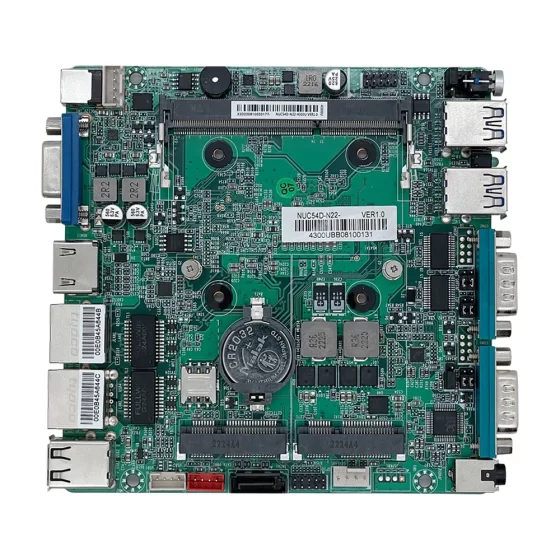
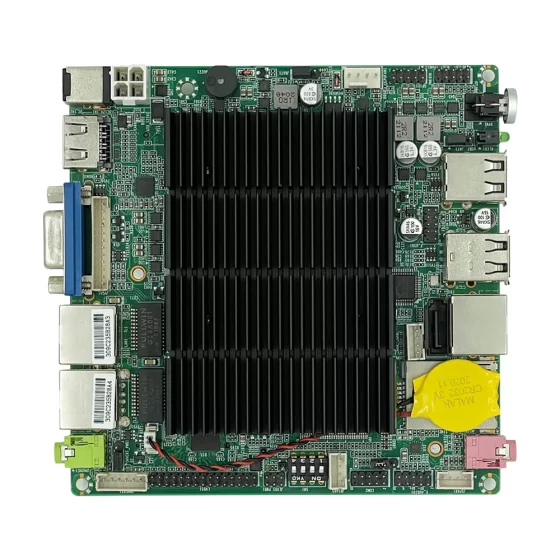
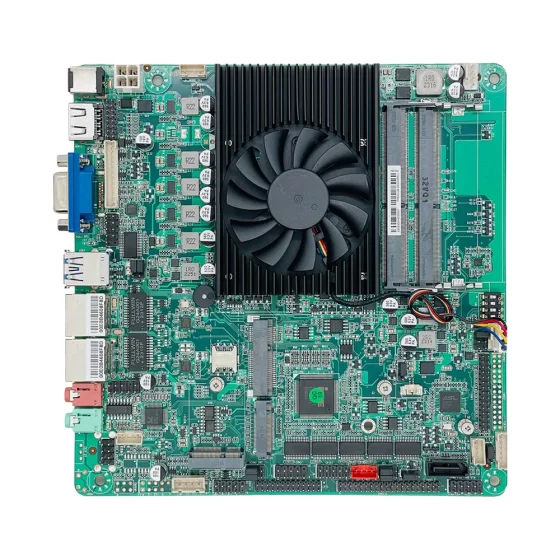
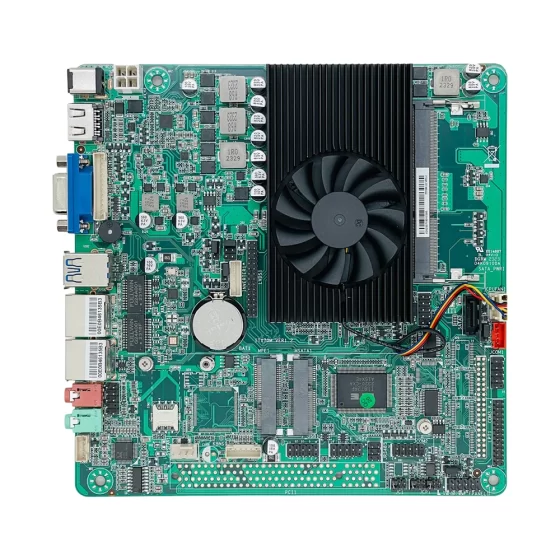
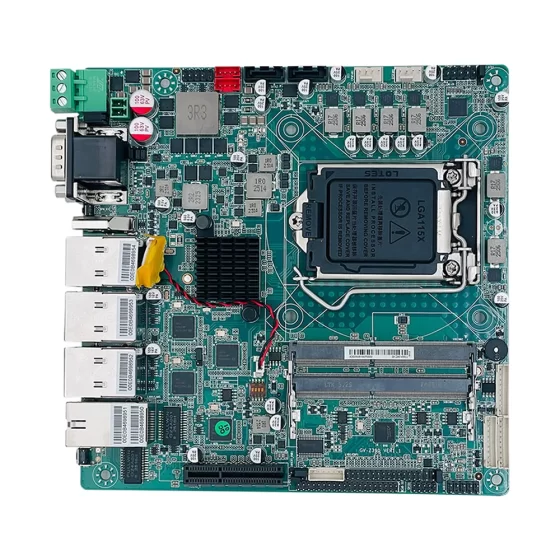
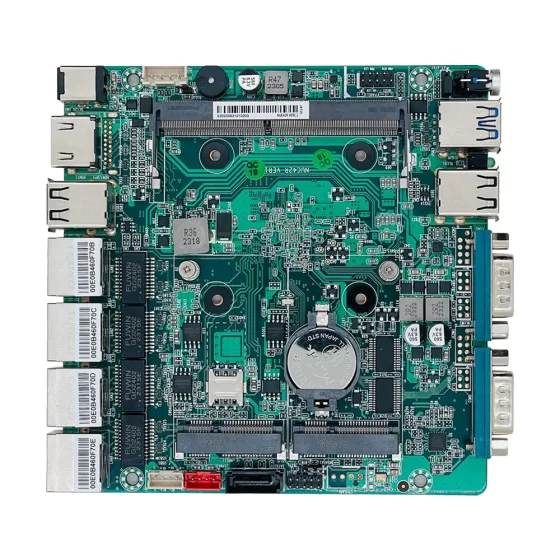
CoreIPC delivers industrial computing platforms designed for demanding automation environments. Our industrial computers, 임베디드 컴퓨터, and embedded boards support reliable integration with Mitsubishi PLC systems while providing the performance required for edge computing, 산업 네트워킹, 심상, 및 지능형 제조 애플리케이션. With industrial-grade design, 유연한 I/O 구성, long product lifecycles, and OEM/ODM customization capabilities, CoreIPC는 시스템 통합자를 돕습니다., 기계 제작자, and industrial automation providers deploy scalable and reliable control architectures for modern manufacturing operations.
자주 묻는 질문
What is the role of an embedded controller in a Mitsubishi PLC system?
An embedded controller complements the Mitsubishi PLC by handling advanced computing functions such as data processing, SCADA 통합, HMI hosting, 데이터베이스 관리, 해석학, 클라우드 연결성. The PLC continues performing deterministic control while the embedded controller manages higher-level applications.
Can an industrial computer replace a Mitsubishi PLC?
In most industrial environments, PLCs remain the preferred platform for deterministic machine control. Industrial computers are typically used alongside PLCs to provide additional computing capabilities rather than replacing the PLC entirely.
Which communication protocols are commonly used with Mitsubishi PLCs?
Common protocols include CC-Link IE, 모드버스 TCP, OPC UA, MQTT, TCP/IP, and Ethernet-based industrial communication standards. Protocol selection depends on system architecture and integration requirements.
Why are fanless industrial computers preferred in factories?
Fanless designs eliminate moving parts that can fail over time. They also prevent dust accumulation inside the system, improving reliability and reducing maintenance requirements in industrial environments.
How does edge computing improve PLC-based automation?
Edge computing enables data processing close to the production source, reducing latency, minimizing bandwidth usage, and improving response times. It also allows critical operations to continue even if cloud connectivity is unavailable.
What industries commonly use Mitsubishi PLC systems?
Mitsubishi PLCs are widely deployed in manufacturing, 포장, automotive production, 기호 논리학, 식품 가공, 수처리, 에너지 관리, and machine automation applications.
Can embedded controllers support machine vision applications?
예. High-performance embedded computers can support industrial cameras, 이미지 처리 소프트웨어, and AI inference engines used for quality inspection, 결함 감지, and process monitoring.
What environmental conditions can industrial computers withstand?
Industrial-grade systems are typically designed for wide operating temperatures, vibration resistance, electromagnetic compatibility, and continuous operation in harsh industrial environments.
How do embedded controllers support predictive maintenance?
They collect and analyze operational data from PLCs, 센서, and equipment. Analytics software can identify patterns that indicate potential failures, allowing maintenance teams to intervene proactively.
What should be considered when selecting an embedded controller for Mitsubishi PLC integration?
Key considerations include computing performance, communication interfaces, protocol support, environmental specifications, lifecycle availability, expansion capabilities, cybersecurity features, and software compatibility.
결론
As industrial automation continues to advance, the combination of a Mitsubishi PLC controller and a high-performance embedded controller creates a powerful foundation for intelligent manufacturing. While Mitsubishi PLCs provide reliable real-time control, industrial computers and embedded computers deliver the computing resources necessary for data analytics, 심상, 연결성, 머신 비전, and edge computing.
Organizations seeking to modernize their automation infrastructure can benefit significantly from deploying industrial-grade embedded computing platforms that integrate seamlessly with Mitsubishi PLC systems. By bridging operational control and information management, these solutions enable smarter, more efficient, and more scalable industrial operations.
문의하기
Looking for an embedded controller solution for Mitsubishi PLC systems?
CoreIPC provides industrial computers, 임베디드 컴퓨터, industrial motherboards, and customized embedded computing platforms designed for industrial automation, 엣지 컴퓨팅, 머신 비전, 및 지능형 제조 애플리케이션.
Contact our engineering team to discuss your automation requirements and discover the right industrial computing solution for your project.