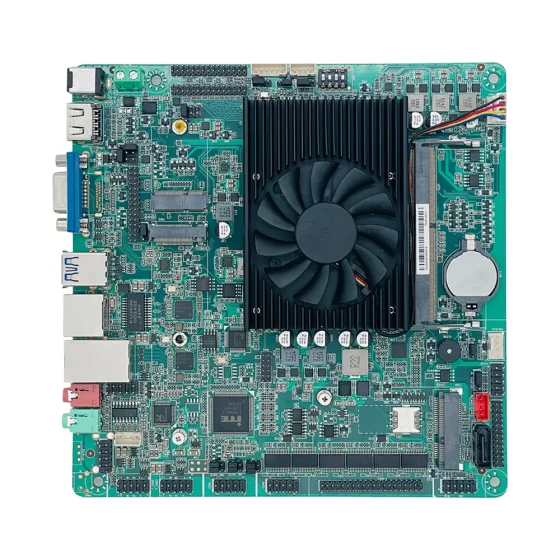
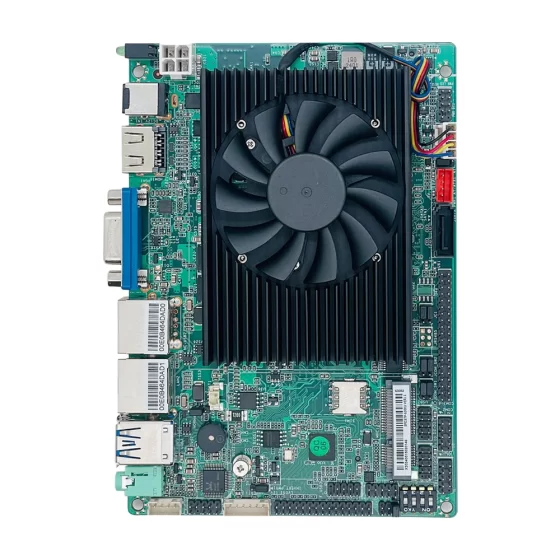
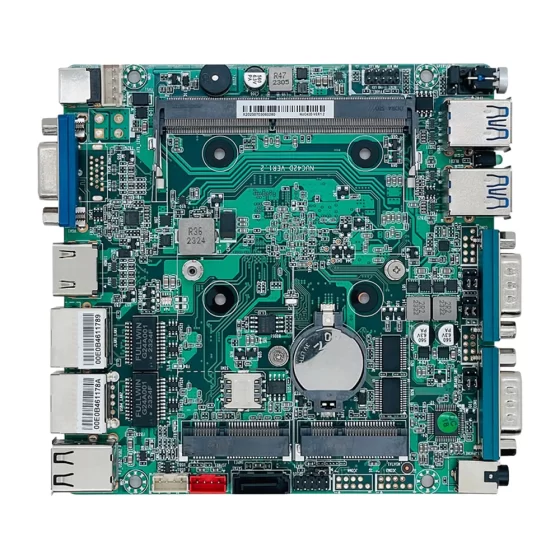
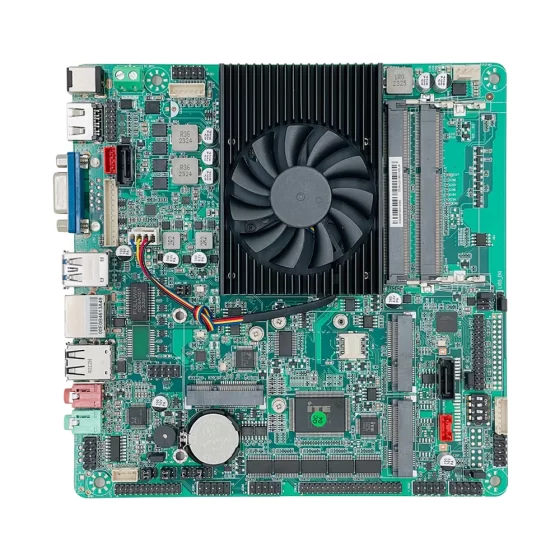
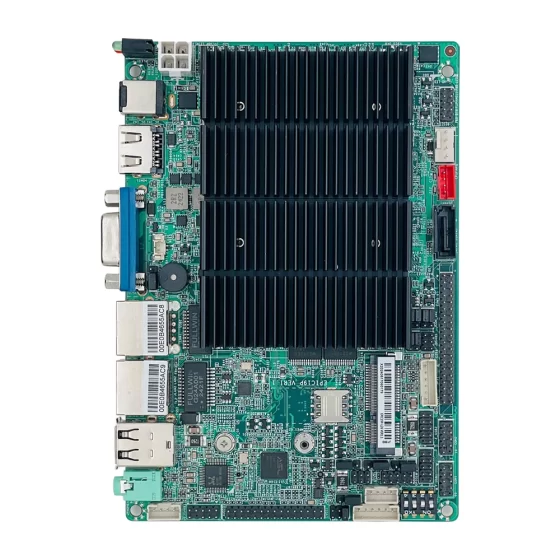
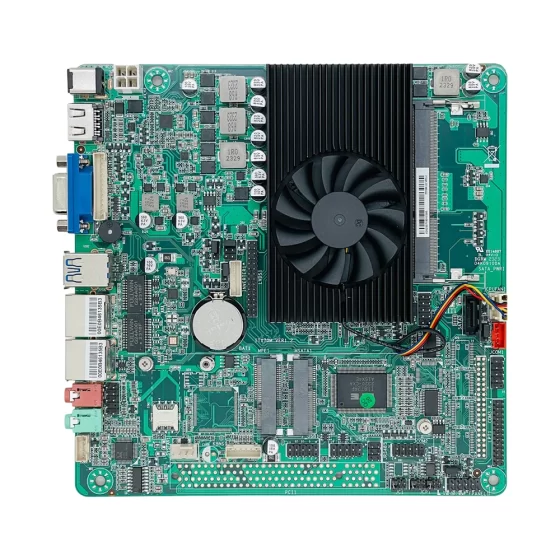
CoreIPC 산업용 컴퓨팅 솔루션

휴먼 머신 인터페이스용 임베디드 IPC: 산업용 운영자 시스템을 위한 내장형 HMI 컴퓨터
요약
An embedded hmi computer provides the industrial computing foundation for human machine interfaces, 기계 시각화, 운전자 제어, 알람 관리, 레시피 선택, 생산 모니터링, 유지 보수 액세스, 및 공장 시스템 연결성.
인간-기계 인터페이스는 현대 산업 자동화에 필수적입니다.. 운영자는 기계 상태에 대한 안정적인 액세스가 필요합니다., 프로세스 값, 생산 횟수, 경보 메시지, 조작 화면, 유지 관리 도구, 및 구성 설정. 포장 기계에 사용 여부, CNC 장비, 생산 라인, 로봇 작업셀, 유틸리티 스테이션, 또는 산업용 제어 캐비닛, HMI 컴퓨터는 연속 작동 중에도 안정적인 상태를 유지해야 합니다..
임베디드 IPC는 기계 내부 또는 근처에 설치되어 HMI 소프트웨어를 실행할 수 있습니다., PLC와 컨트롤러 연결, 실시간 장비 데이터 표시, 로컬 기록 저장, 안전한 원격 진단 지원, SCADA와 정보 교환, MES, 산업용 IoT 플랫폼, 또는 클라우드 대시보드.
표준 사무용 PC 또는 소비자 임베디드 보드와 비교, industrial computers and embedded computers are better suited for HMI applications because they support compact installation, 견고한 디자인, 팬리스 작동 옵션, 다중 I/O 인터페이스, 안정적인 스토리지, 안정적인 전원 입력, 긴 수명주기 가용성.
This article explains how embedded IPC platforms support human machine interfaces, what deployment challenges appear in real automation environments, 솔루션 아키텍처의 작동 방식, and which hardware features matter when selecting an embedded HMI computer for industrial operator systems.

Embedded HMI computers display machine status, 경보, 조리법, 생산 기록, and maintenance data for operators.
산업 개요
HMI Systems Are the Operator Gateway to Industrial Machines
Human machine interfaces connect people with machines.
They allow operators to view machine conditions, adjust settings, 알람을 확인하다, 레시피 관리, review production records, 문제 해결 지원.
Common HMI applications include:
- Machine operation panels
- Production line dashboards
- Packaging machine interfaces
- CNC operator screens
- Robot workcell displays
- Utility monitoring terminals
- SCADA display stations
- Industrial IoT dashboards
- Quality inspection interfaces
- Maintenance access terminals
- Equipment status displays
- Process monitoring panels
A reliable embedded HMI computer helps operators understand machine behavior and respond quickly to production issues.
Embedded IPCs Reduce System Complexity
Many HMI systems must fit into compact machine cabinets or control panels.
A bulky office PC may require additional mounting space, external adapters, extra cooling, and more cable routing.
An embedded IPC provides a compact computing platform that can be integrated into machine enclosures, 제어 캐비닛, 운영자 스테이션, or OEM HMI systems.
This helps reduce:
- Cabinet space
- Wiring complexity
- External components
- Service points
- Integration time
- Installation variation
For machine builders and system integrators, a compact embedded computer can make HMI deployment more repeatable.
Industrial HMIs Are Becoming More Data-Driven
Traditional HMI screens focused mainly on local machine operation.
Modern HMI systems increasingly support data logging, production visibility, alarm history, equipment health display, recipe traceability, remote support, 및 공장 통합.
An embedded HMI computer may need to connect with:
- PLC
- 센서
- 서보 드라이브
- 로봇 컨트롤러
- 바코드 판독기
- 산업용 카메라
- SCADA 시스템
- MES 플랫폼
- Industrial IoT gateways
- 로컬 데이터베이스
- 클라우드 대시보드
- 유지관리 시스템
This makes the HMI computer an important part of the connected factory architecture.

Compact cabinets, dusty environments, touch panels, PLC wiring, serial interfaces, Ethernet zones, and fanless hardware affect embedded HMI deployment.
주요 과제
Maintaining Stable Operator Access
The HMI is often the main operating interface for a machine.
If the HMI freezes, restarts, or loses communication, operators may lose access to alarms, production status, 조리법, and troubleshooting screens.
This can delay response and affect machine operation.
An embedded HMI computer should support stable long-running operation, 안정적인 스토리지, 안전한 장착, and consistent communication with automation devices.
산업 환경에서 작동
HMI computers are often installed close to machines.
먼지에 노출될 수 있음, 진동, 열, 전기적 소음, 케이블 스트레스, and limited airflow.
In these environments, standard commercial computers may not provide enough reliability.
Industrial-grade embedded computers help improve system stability through rugged enclosures, 팬리스 디자인 옵션, 안정적인 스토리지, 안정적인 전원 입력, and secure mounting.
Connecting Different Controllers and Devices
An HMI system may need to connect many industrial devices.
여기에는 다음이 포함될 수 있습니다.:
- PLC 컨트롤러
- 서보 드라이브
- 센서
- 로봇 컨트롤러
- 바코드 판독기
- I/O 모듈
- 산업용 카메라
- Meters
- 테스트 장비
- 로컬 데이터베이스
- 산업용 스위치
- MES or SCADA systems
Different machines may require Ethernet, USB, RS232, RS485, GPIO, 디지털 I/O, or expansion interfaces.
Flexible connectivity makes the embedded IPC easier to adapt across different machine types.
Supporting Responsive HMI Software
Operator interfaces must be clear and responsive.
HMI software may include dashboards, alarm pages, trend charts, recipe screens, maintenance menus, 생산 기록, and user management functions.
The embedded HMI computer must provide enough CPU performance, 메모리, graphics support, 저장 속도, and operating system compatibility for the selected software.
Slow response can reduce operator confidence and affect machine usability.
Preserving Local Data
Many HMI systems store important local records.
These records may include:
- 알람 이력
- Recipe files
- 생산 횟수
- Operator actions
- 품질 기록
- Maintenance logs
- Configuration backups
- Diagnostic files
- 버퍼 업로드
Local storage helps preserve information during network interruptions.
Reliable SSD or NVMe storage improves system responsiveness and data protection.
Supporting Remote Maintenance
Machine builders and maintenance teams often need remote access to HMI systems.
They may need to review logs, 업데이트 구성, check PLC communication, troubleshoot alarms, or inspect system status.
Remote access should be controlled and secure.
The embedded HMI computer should support proper network segmentation, access permissions, 벌채 반출, and configuration backup workflows.

Embedded HMI computers connect PLCs, 센서, 컨트롤러, touchscreens, SCADA, MES, 데이터베이스, 클라우드 시스템, 및 원격 유지 관리 도구.
Embedded HMI Computer Solution Architecture
Machine and Device Layer
The machine and device layer includes the equipment connected to the HMI platform.
이 레이어에는 다음이 포함될 수 있습니다.:
- PLC
- 센서
- 서보 드라이브
- Motor controllers
- 로봇 컨트롤러
- I/O 모듈
- 바코드 판독기
- 산업용 카메라
- Meters
- 안전장치
- 생산 기계
- 유틸리티 장비
These devices provide the real-time data operators need to view and control.
Embedded IPC Layer
The embedded IPC layer is the local computing platform for the HMI system.
이 레이어에서는, 산업용 컴퓨터나 임베디드 컴퓨터는:
- Run HMI software
- Display machine status
- Show alarm messages
- Manage recipes
- Store local records
- Support operator input
- Connect PLCs and controllers
- Display maintenance screens
- Buffer production data
- Forward records to factory systems
This layer provides local visualization, computing, and data handling.
Control Communication Layer
The communication layer connects the embedded HMI computer with industrial devices.
여기에는 다음이 포함될 수 있습니다.:
- 이더넷
- USB
- RS232
- RS485
- GPIO
- 디지털 I/O
- PLC 통신
- 산업용 이더넷
- 산업용 스위치
- Local service ports
The final communication design depends on the machine architecture, software platform, and factory network structure.
공장 시스템 통합 계층
The embedded HMI computer may connect with higher-level systems.
여기에는 다음이 포함될 수 있습니다.:
- SCADA
- MES
- ERP
- 품질 데이터베이스
- 산업용 IoT 플랫폼
- 로컬 대시보드
- 유지관리 시스템
- 클라우드 모니터링 시스템
- 추적성 플랫폼
This integration allows machine-level HMI data to become part of the broader smart factory information system.
보안 및 관리 계층
The security and management layer supports controlled operation and long-term serviceability.
여기에는 다음이 포함될 수 있습니다.:
- 사용자 권한
- 네트워크 세분화
- 안전한 원격 액세스
- 로컬 로깅
- 구성 백업
- 스토리지 모니터링
- 시스템 상태 모니터링
- 원격 진단
- 소프트웨어 업데이트 관리
This helps protect production systems and simplify maintenance.
주요 특징
컴팩트한 임베디드 디자인
Embedded HMI systems often need to fit inside limited spaces.
A compact embedded computer can be installed inside machine cabinets, behind operator panels, inside control stations, or as part of an OEM HMI product.
Compact design helps reduce machine footprint and simplifies mechanical integration.
기계 제작자용, compact hardware also makes it easier to standardize across different machine models.
Fanless Operation Options
Fanless design is valuable for many HMI applications.
It reduces dust intake and removes one common mechanical failure point.
This is useful in:
- Production lines
- Packaging machines
- CNC workshops
- Robot workcells
- Warehouse systems
- Utility rooms
- Industrial cabinets
- Machine-side operator stations
Thermal design should still be validated based on the real workload, 장착 방법, enclosure conditions, and ambient temperature.
Reliable Display Support
An embedded HMI computer must support stable display output.
Common display requirements may include:
- HDMI 출력
- 디스플레이포트 출력
- 터치스크린 지원
- Local monitor connection
- 다중 디스플레이 지원
- Panel integration
- HMI dashboard display
- Operator terminal output
The display interface should match the selected operator panel, HMI 소프트웨어, 및 설치 환경.
다중 장치 연결
An embedded HMI computer should provide practical machine interfaces.
유용한 옵션은 다음과 같습니다.:
- 랜
- USB
- RS232
- RS485
- GPIO
- 디지털 입력
- 디지털 출력
- HDMI
- 디스플레이포트
- M.2
- PCIe
- SATA 또는 NVMe 스토리지
These interfaces help connect PLCs, 센서, 바코드 리더기, 컨트롤러, 디스플레이, 서비스 도구, 및 공장 네트워크.
다중 LAN 네트워크 설계
다중 LAN 포트는 서로 다른 통신 경로를 분리하는 데 도움이 됩니다..
An HMI platform may use separate networks for:
- PLC 통신
- 기계 네트워크
- 공장 IT 네트워크
- SCADA 연결
- MES 연결
- 원격 유지보수
- 현지 관리
- 산업용 IoT 플랫폼
Network separation improves traffic organization and reduces unnecessary exposure between machine and factory networks.
Local Storage and Data Logging
Local storage supports HMI software, 조리법, alarm logs, operator records, 구성 파일, 생산 기록, 및 진단 데이터.
SSD 또는 NVMe 스토리지는 기계식 드라이브보다 빠른 액세스와 더 나은 충격 저항을 제공하기 때문에 일반적으로 선호됩니다..
스토리지 계획에서는 고려해야 할 사항:
- Recipe file size
- 알람 이력
- Local database size
- 백업 워크플로우
- 지구력 쓰기
- 복구 프로세스
- Network interruption behavior
Reliable storage improves traceability and serviceability.
HMI Software Compatibility
The hardware platform should match the selected HMI software environment.
중요한 고려 사항은 다음과 같습니다:
- 운영 체제 지원
- CPU 성능
- 메모리 용량
- Graphics requirements
- PLC driver support
- Touchscreen driver support
- Database requirements
- Remote access tools
- Long-term software image support
The final configuration should be validated with the actual HMI application.
Rugged Mounting and Industrial Reliability
Embedded HMI computers may be installed inside control cabinets, behind panels, or near production equipment.
They should support secure mounting and stable cable routing.
Rugged design helps protect against vibration, 케이블 스트레스, 캐비닛 설치 영향, and continuous production operation.
Machine builders should also consider service access, heat dissipation, and installation clearance.
긴 수명주기 가용성
HMI systems often remain in service for many years.
일관된 하드웨어는 소프트웨어 이미지 유지에 도움이 됩니다., 드라이버, touchscreen compatibility, PLC communication settings, 예비 부품, and maintenance procedures.
Long lifecycle availability is important for OEM machine builders, 시스템 통합업체, and manufacturers deploying similar HMI systems across many projects.
배포 시나리오
Machine HMI Controller
An embedded HMI computer can serve as the main operator interface controller for industrial machines.
It can display machine status, 경보, 조리법, 생산 횟수, and maintenance pages.
This improves operator access and simplifies machine control system design.
Production Line Dashboard
Production lines often require local dashboards for line status, cycle counts, downtime events, 품질 결과, and alarm history.
An embedded IPC can run the dashboard software and connect with PLCs, 센서, and MES systems.
This supports better production visibility.
Packaging Machine HMI
Packaging machines need recipe selection, line speed display, label verification status, 바코드 기록, reject counts, and alarm review.
An embedded HMI computer can combine visualization, local data storage, 및 장치 통신.
This supports smart packaging automation.
CNC Machine Operator Interface
CNC machines require program management, coordinate display, spindle status, tool data, 경보, and maintenance access.
An embedded computer can run the HMI software and connect the CNC controller with factory systems.
This improves usability and machine visibility.
Robot Workcell Interface
Robot cells need local displays for robot status, tool information, safety zone status, 검사 결과, 및 생산 기록.
An embedded HMI computer can connect robot controllers, PLC, 카메라, 및 공장 소프트웨어.
This supports connected robotic automation.
Utility Monitoring Terminal
Utility and facility systems may need local HMI screens for pumps, 미터, power equipment, 환경 센서, or remote infrastructure.
An embedded computer can display status data, 기록을 저장하다, and connect to SCADA or cloud monitoring systems.
This supports field and facility operation.
Industrial IoT Dashboard Terminal
Factories may deploy embedded HMI computers as local industrial IoT dashboard terminals.
The platform can show equipment health, production trends, 에너지 사용량, 경보, and remote site status.
This helps operators make decisions near the equipment.
OEM HMI Platform
Machine builders can integrate embedded computers into custom HMI products.
The platform can support HMI software, PLC 통신, 데이터 로깅, 원격 진단, 및 고객별 I/O.
This helps create repeatable machine systems.
비즈니스 이점
Better Operator Visibility
An embedded HMI computer gives operators clear access to machine status, 경보, 조리법, production trends, and maintenance information.
This improves awareness and helps operators respond faster to production issues.
Better visibility supports safer and more efficient machine operation.
Simplified Machine Integration
A compact embedded IPC can be integrated inside machine cabinets or operator systems with fewer external components.
This reduces wiring complexity, installation variation, and service points.
Machine builders can create cleaner and more repeatable systems.
Improved Production Traceability
The HMI platform can collect production records, alarm logs, 운영자 조치, recipe changes, and quality data.
These records can be sent to MES, SCADA, 또는 산업용 IoT 시스템.
This improves traceability and reporting.
더 빠른 문제 해결
Local logs, alarm history, maintenance screens, and remote diagnostics help maintenance teams identify problems faster.
A reliable embedded HMI computer can support structured troubleshooting and reduce downtime.
Lower Maintenance Risk
Industrial embedded computers are designed for machine-side environments.
팬리스 작동 옵션, 견고한 구조, 안정적인 스토리지, 안정적인 전원 입력, 긴 수명 주기 가용성으로 유지 관리 위험 감소.
This supports long-term HMI reliability.
Scalable HMI Deployment
A standardized embedded HMI computer platform can be deployed across many machines, 생산 라인, 및 고객 사이트.
일관된 하드웨어로 소프트웨어 이미지가 단순화됩니다., 드라이버 검증, 예비 부품 계획, operator training, 및 수명주기 관리.
This supports scalable automation deployment.
왜 CoreIPC인가?
CoreIPC provides industrial computing platforms for HMI applications, 산업 자동화, 머신 비전, 산업용 IoT, 로봇공학, 에너지 관리, 및 임베디드 시스템 통합. For embedded hmi computer applications, CoreIPC는 안정적인 산업용 컴퓨터 하드웨어에 중점을 둡니다., 임베디드 컴퓨터 솔루션, fanless system design, 유연한 I/O, 다중 LAN 구성, 로컬 저장 기능, compact form factors, 및 OEM/ODM 맞춤형 지원. CoreIPC는 기계 제작자를 돕습니다., 시스템 통합업체, 제조업체는 실제 배포 요구 사항에 맞는 컴퓨팅 플랫폼을 선택합니다., including display support, PLC 통신, 장치 인터페이스, 저장 요구 사항, 장착 방법, 전원 입력, 열적 조건, 및 수명주기 계획.
자주 묻는 질문
1. What is an embedded HMI computer?
An embedded HMI computer is a compact industrial computing platform used to run human machine interface software.
It displays machine status, 경보, 생산 데이터, 조리법, maintenance screens, and operator controls. It may also connect PLCs, 센서, 컨트롤러, 및 공장 소프트웨어 시스템.
2. Why use an embedded IPC for HMI applications?
An embedded IPC provides compact size, 견고한 디자인, industrial interfaces, 안정적인 전원 입력, 안정적인 스토리지, 긴 수명주기 가용성.
These features make it suitable for machine-side HMI systems, 제어 캐비닛, 운영자 터미널, and OEM automation equipment.
3. How does an embedded HMI computer connect to PLCs?
It may connect to PLCs through Ethernet, 직렬 통신, industrial protocols, or supported software drivers.
The exact connection method depends on the PLC brand, HMI 소프트웨어, communication protocol, and machine architecture.
4. What devices can an embedded HMI computer connect?
An embedded HMI computer may connect PLCs, 센서, 서보 드라이브, 로봇 컨트롤러, 바코드 리더기, 산업용 카메라, I/O 모듈, 미터, SCADA 시스템, MES 플랫폼, 산업용 스위치.
정확한 지원은 인터페이스에 따라 다릅니다., 드라이버, and project requirements.
5. Can embedded HMI computers support touchscreens?
예. Embedded HMI computers can support touchscreen-based operator systems when the correct display output, USB touch interface, 드라이버, 운영 체제, and HMI software are selected.
Touchscreen compatibility should be validated with the actual panel.
6. Why is fanless design useful for HMI systems?
Fanless design reduces dust intake and removes one mechanical failure point.
This is useful for factories, machine cabinets, 포장 라인, CNC workshops, 창고, and industrial control panels where continuous operation and low maintenance are important.
7. Can embedded HMI computers store production data?
예. They can store alarm logs, recipe files, 생산 기록, 운영자 조치, quality data, 구성 백업, 및 진단 파일.
SSD or NVMe storage is commonly preferred for fast access and better shock resistance.
8. Can an embedded HMI computer connect to SCADA or MES?
예. Embedded HMI computers can exchange data with SCADA, MES, 산업용 IoT 플랫폼, local dashboards, and cloud monitoring systems.
This helps connect machine-level information with factory-level management systems.
9. What hardware features matter for embedded HMI computers?
Important features include compact size, 팬리스 디자인 옵션, reliable CPU performance, 충분한 메모리, 다중 LAN 포트, USB, RS232, RS485, GPIO, 디지털 I/O, HDMI, 디스플레이포트, SSD 또는 NVMe 스토리지, 견고한 인클로저, 산업용 전원 입력, and mounting options.
The final configuration should match the HMI software and installation environment.
10. 배포 전에 테스트해야 할 사항?
배포 전, the platform should be tested with the actual HMI software, PLC communication drivers, 터치스크린, display resolution, 네트워크 토폴로지, local storage behavior, 원격 액세스 워크플로, 그리고 장기 실행 작업.
열 안정성, 통신 회복, 백업 절차, and integration with SCADA or MES should also be validated.
결론
An embedded hmi computer is a practical foundation for human machine interfaces, 기계 시각화, operator interaction, 알람 관리, 레시피 제어, 생산 모니터링, 데이터 로깅, 원격 진단, 스마트팩토리 연결성.
By placing an industrial computer or embedded computer inside the machine cabinet, behind the operator panel, or near the production line, machine builders and manufacturers can connect PLCs, 센서, 컨트롤러, 디스플레이, 바코드 리더기, 카메라, SCADA 시스템, MES 플랫폼, and industrial IoT dashboards through reliable communication paths.
The right embedded HMI computer should be selected according to real deployment requirements, including display support, touchscreen compatibility, HMI 소프트웨어, PLC 통신, 장치 인터페이스, LAN 포트 설계, 스토리지 구성, 장착 방법, 전원 입력, 열적 조건, 운영 체제 지원, 및 수명주기 계획.
CoreIPC supports embedded IPC projects for human machine interfaces with industrial computing platforms designed for practical machine-side, 내각, panel, production line, 및 OEM 배포. 올바른 하드웨어 기반을 갖춘 경우, 기계 제작자와 제조업체는 신뢰할 수 있는 제품을 만들 수 있습니다., 확장 가능, and operator-friendly HMI systems.
문의하기
Looking for an embedded HMI computer, 산업용 컴퓨터, or embedded computer platform for human machine interface applications?
프로젝트 요구 사항을 논의하려면 CoreIPC에 문의하세요., including display output, touchscreen support, PLC 통신, 장치 인터페이스, LAN 포트 구성, 스토리지 디자인, 장착 방법, 전원 입력, 운영 환경, 수명주기 요구 사항, 및 OEM/ODM 사용자 정의 옵션.