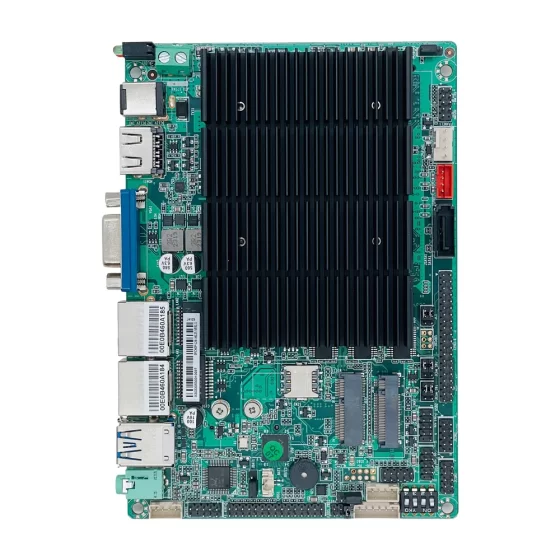
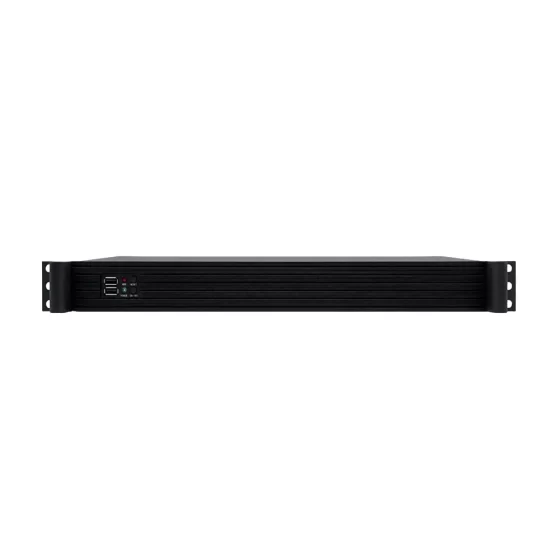
CoreIPC 산업용 컴퓨팅 솔루션

산업용 컴퓨터 MES 시스템: 제조 실행을 위한 안정적인 작업 현장 컴퓨팅
요약
An industrial computer MES deployment provides the hardware foundation for connecting production equipment, 운영자, 품질 방송국, 공장 전체에 걸쳐 소프트웨어를 제조하고 있습니다..
현대적인 제조 실행 시스템에서, 데이터는 기계와 워크스테이션에서 MES 서버로 안정적으로 이동해야 합니다., 데이터베이스, 대시보드, 및 엔터프라이즈 시스템. 이를 위해서는 표준 사무용 PC 이상이 필요합니다.. 지속적인 작업을 위해 설계된 산업용 등급 컴퓨팅 하드웨어가 필요합니다., 안정적인 연결, 실제 생산 환경과의 실질적인 통합.
산업용 컴퓨터는 일반적으로 MES 터미널로 사용됩니다., 머신 데이터 수집 노드, 품질 검사 워크스테이션, 바코드 스캐닝 스테이션, 추적성 게이트웨이, 및 생산 라인 모니터링 컴퓨터. PLC에 연결됩니다., 센서, 스캐너, RFID 리더, 프린터, 비전 시스템, 테스트 장비, 및 공장 네트워크.
제조업체의 경우, 시스템 통합업체, 및 OEM 장비 제조업체, 올바른 산업용 컴퓨터나 임베디드 컴퓨터를 선택하면 시스템 가동 시간에 영향을 미칩니다, 데이터 정확성, 추적성, 유지관리 비용, and long-term scalability.
This article explains how industrial computers support MES systems, what challenges appear during deployment, 실용적인 솔루션 아키텍처가 어떻게 구성되어 있는지, and which hardware features matter most for reliable manufacturing execution.
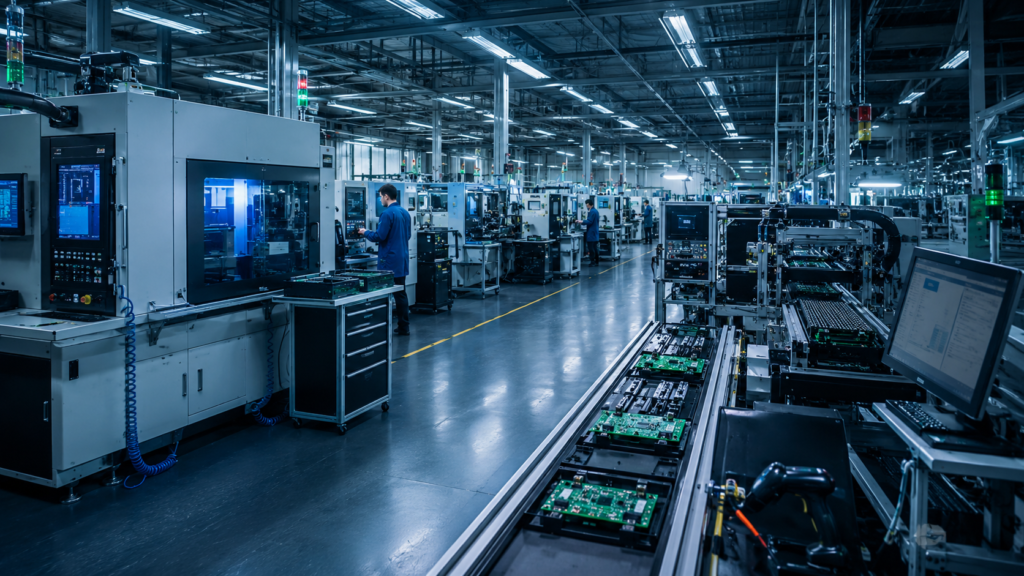
Industrial computers help collect shop-floor data for manufacturing execution systems.
산업 개요
MES Is Moving Closer to the Factory Floor
Manufacturing execution systems were traditionally viewed as software platforms for production reporting, work order tracking, and quality records.
오늘, MES systems are becoming more closely connected to machines, 생산 라인, 운영자, and real-time factory data. This shift increases the importance of reliable shop-floor computing hardware.
MES platforms often need to collect data from:
- Assembly stations
- CNC 기계
- SMT production lines
- Testing equipment
- 바코드 및 RFID 시스템
- Quality inspection workstations
- Packaging and labeling stations
- Warehouse and material handling areas
Each data point must be captured accurately and transferred to the MES system without unnecessary delay.
Why Industrial Computers Matter
A standard commercial computer may be enough for office use, but shop-floor environments are different.
Industrial computers are designed for factory conditions where systems may face vibration, 먼지, unstable power, 전기적 소음, limited space, 그리고 영업시간이 길다.
In MES projects, industrial PCs and embedded computers provide the local computing layer between physical production equipment and higher-level software systems.
They help manufacturers build a more reliable digital manufacturing environment by supporting real-time data collection, operator interaction, 장비 통신, and production traceability.
From Manual Reporting to Digital Manufacturing
Many factories still rely on paper forms, manual input, or delayed reporting for production status.
MES systems reduce this gap by collecting production data directly at the point of operation. Industrial computers make this possible by placing computing power close to the machines and operators.
This enables faster response to production issues, better quality control, and more complete manufacturing records.

Mixed factory equipment requires reliable industrial computers for MES integration.
주요 과제
Equipment Connectivity
One of the biggest MES deployment challenges is connecting different types of production equipment.
Factories often use machines from different generations, vendors, and control platforms. Some machines support modern Ethernet communication, while others still rely on serial ports or external data collection devices.
A practical MES computer may need to support:
- LAN communication
- RS232 and RS485 interfaces
- USB peripherals
- Barcode scanners
- RFID 리더
- Label printers
- Vision cameras
- Digital I/O or gateway modules
Without the right hardware interfaces, the MES system may not be able to collect complete production data.
Harsh Shop-Floor Conditions
MES terminals are often installed near machines, 컨베이어, 캐비닛, test benches, or operator workstations.
These environments may include heat, 먼지, 진동, electrical interference, and limited airflow. A computer failure at a production station can interrupt scanning, 보고, quality checks, or process confirmation.
Industrial computers are better suited for these conditions because they can offer rugged enclosures, 팬리스 열 설계, stable mounting options, and industrial power input.
Data Accuracy and Traceability
MES systems depend on accurate and complete data.
바코드 스캔이 누락된 경우, machine data is delayed, or quality results are not uploaded correctly, production traceability becomes incomplete. This can affect quality control, 고객 감사, warranty analysis, and production improvement.
Reliable industrial computers help reduce data loss by supporting stable communication, local buffering, and continuous operation at key production points.
Network Design and Security
MES computers often connect machine networks with factory IT networks.
This creates design requirements for network segmentation, secure communication, user access control, and reliable data transfer.
In some deployments, multiple LAN ports are useful because they allow separation between machine-side communication and MES server communication. This can improve network organization and reduce the risk of unnecessary interference between systems.
Long-Term Maintenance
MES projects usually expand over time.
A factory may start with one pilot line, then extend the system to multiple workshops, production buildings, or global manufacturing sites.
If the hardware platform changes frequently, maintenance becomes difficult. 소프트웨어 이미지, 예비 부품, mounting accessories, 드라이버, and validation records all become harder to manage.
Long-lifecycle industrial computing platforms can reduce these risks and support more consistent MES deployment.

Industrial computers bridge machines, peripherals, and MES software platforms.
Industrial Computer MES Solution Architecture
Machine Layer
The machine layer includes the physical equipment that generates production data.
여기에는 PLC가 포함될 수 있습니다., CNC controllers, 센서, 액추에이터, weighing devices, 테스트 장비, 바코드 스캐너, RFID 리더, 머신 비전 시스템, and industrial meters.
These devices provide information such as:
- 기계 상태
- 사이클 시간
- 생산수
- Alarm messages
- Material usage
- 프로세스 매개변수
- Test results
- Product identification data
The challenge is that this data may come from many different interfaces and formats.
Edge Computing Layer
The edge computing layer is where industrial computers play the most important role.
An industrial PC or embedded computer can be installed beside a machine, inside a control cabinet, at an operator station, or within a production workstation.
이 레이어에서는, 컴퓨터는 여러 작업을 수행할 수 있습니다:
- Collect data from local devices
- Run MES client software
- Display work instructions
- Record operator input
- Process barcode or RFID data
- Communicate with PLCs and machines
- Buffer data during temporary network issues
- Upload production records to MES servers
This local computing layer improves reliability because not every task needs to depend entirely on a remote server.
MES Server Layer
The MES server layer manages the main production software functions.
It may include work order management, process routing, 생산 추적, 품질 기록, traceability databases, reporting dashboards, and integration with ERP or warehouse systems.
Industrial computers communicate with this layer through factory networks. The MES server receives data from multiple production stations and provides instructions, status updates, and reporting functions.
Enterprise Integration Layer
MES systems are often connected with ERP, PLM, WMS, SCADA, or business intelligence platforms.
This integration helps align production activity with planning, 목록, purchasing, 품질 관리, and delivery schedules.
Industrial computers do not replace these enterprise systems. 대신에, they provide the reliable shop-floor data foundation that allows higher-level systems to make better decisions.

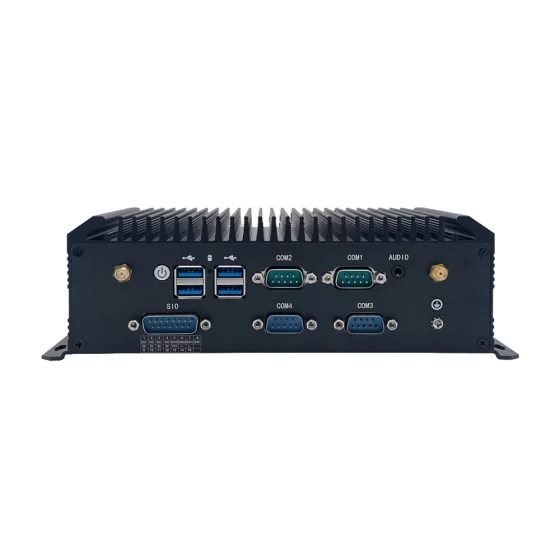
Fanless industrial PCs support reliable MES operation in production cabinets.
주요 특징
산업 등급 신뢰성
Reliability is the first requirement for MES hardware.
Production systems may run multiple shifts per day, and MES terminals are expected to stay available during active manufacturing operations.
중요한 신뢰성 요소는 다음과 같습니다.:
- Stable motherboard design
- 팬리스 시스템 옵션
- Industrial power input
- SSD 스토리지 지원
- Rugged enclosure design
- Reliable thermal performance
- Long operating lifecycle
The goal is not only high performance, but stable operation in real factory conditions.
유연한 I/O 구성
MES applications often require more I/O flexibility than office computers.
A typical MES station may need to connect a touchscreen, barcode scanner, printer, RFID reader, network cable, USB device, and sometimes serial equipment at the same time.
유용한 I/O 옵션은 다음과 같습니다.:
- 다중 LAN 포트
- USB 2.0 및 USB 3.0
- RS232 or RS485
- HDMI or DisplayPort
- GPIO or digital I/O
- M.2 확장
- 미니 PCIe 확장
- Wireless module support when required
The right I/O configuration reduces the need for external adapters and improves system stability.
팬리스 열 설계
Fanless industrial computers are widely used in MES environments because they reduce mechanical failure points and limit dust intake.
A fanless design is especially useful in production areas where dust, 입자, or maintenance limitations may affect standard computers.
하지만, fanless selection should still consider processor power, 주변 온도, enclosure space, 장착 방법, and workload.
Compact Mechanical Design
MES computers are often installed in space-limited locations.
They may be mounted behind displays, 캐비닛 내부, under workbenches, 기계 프레임에, or near production lines.
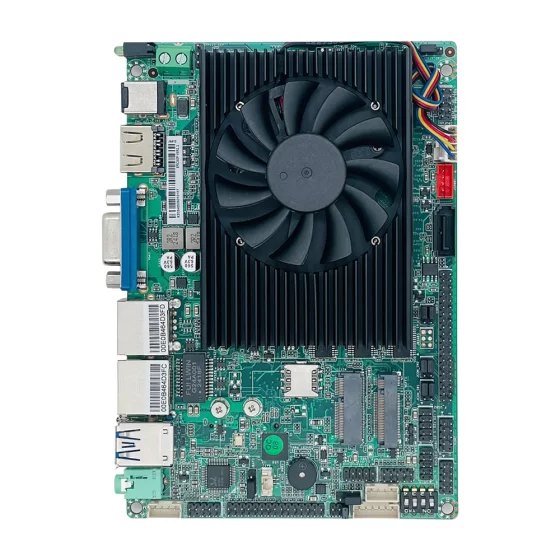
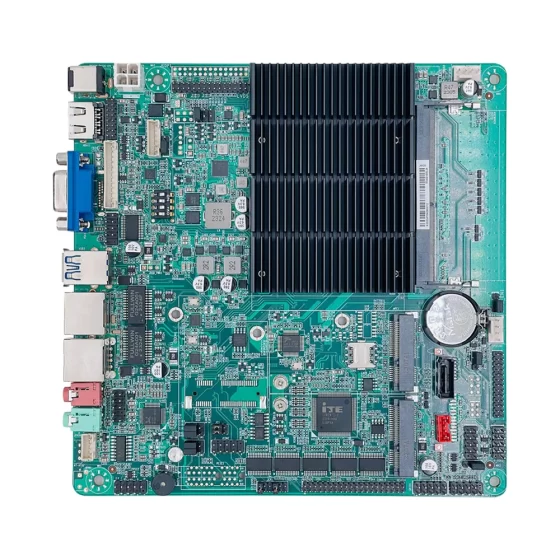
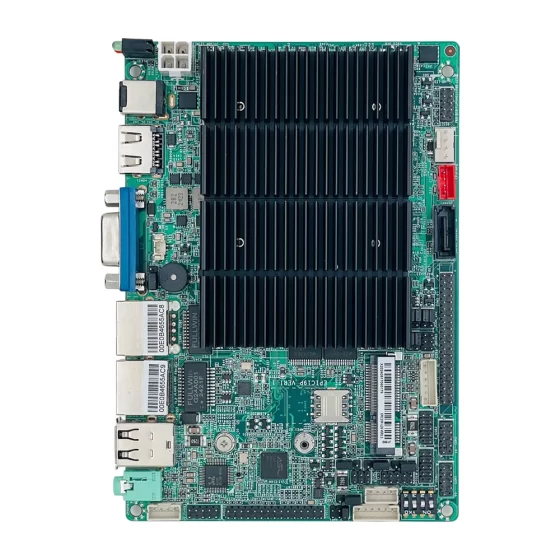
컴팩트한 임베디드 컴퓨터와 산업용 박스 PC는 유연한 설치 옵션을 제공합니다.. For OEM projects, embedded boards may be integrated directly into custom equipment enclosures.
스토리지 및 데이터 보호
MES terminals may store operating system files, application data, 로그, temporary production records, 검사 이미지, 또는 로컬 데이터베이스.
SSD storage is commonly preferred because it offers better shock resistance and faster response than mechanical drives.
For systems that write frequent logs or store large inspection files, storage capacity and endurance should be reviewed during hardware selection.
운영 체제 및 소프트웨어 호환성
MES software may run on Windows, 리눅스, or browser-based platforms.
대량 배포 전, the hardware should be validated with the target operating system, 드라이버, peripherals, security tools, remote management software, and MES client applications.
This validation helps avoid unexpected compatibility problems after deployment.
배포 시나리오
Operator MES Terminals
Operator terminals are one of the most common MES deployment scenarios.
An industrial computer may be connected to a monitor, 터치스크린, barcode scanner, 건반, RFID reader, and label printer.
The terminal can display work instructions, confirm process steps, collect operator input, and upload station-level production data to the MES system.
This helps reduce paper-based reporting and improves process control.
Machine Data Collection Stations
Industrial computers can collect data directly from production machines.
They may connect to PLCs, CNC controllers, 미터, 센서, or machine communication ports. The collected data can include machine status, 사이클 시간, 출력 개수, alarm history, and process values.
This type of deployment is useful when machines do not communicate directly with MES software.
Quality Inspection Workstations
MES systems often need to connect quality inspection results with product serial numbers or work orders.
An industrial computer at the inspection station may connect to cameras, 측정 도구, 테스트 장비, 스캐너, 그리고 프린터.
It can record inspection data, store local results, and upload quality records to the MES database.
SMT and Electronics Manufacturing
In electronics manufacturing, MES systems are often used to track PCBs, 구성 요소, process routes, test results, repair records, and final packaging information.
Industrial computers can be deployed near SMT lines, AOI machines, testing stations, rework areas, and packaging lines.
Stable data capture is important because electronics manufacturing requires accurate traceability across many process steps.
CNC and Mechanical Processing
CNC workshops may use MES systems to collect machine status, production quantities, tool information, and operator records.
Because many CNC factories use mixed equipment generations, industrial computers with serial and Ethernet communication options can help connect older and newer machines into the MES workflow.
Warehouse and Material Traceability
MES systems are often connected with warehouse and material handling processes.
Industrial computers can be used at receiving areas, material preparation stations, line-side warehouses, and finished goods areas.
바코드 스캐너를 연결하여, RFID 리더, 계량 장비, 그리고 라벨 프린터, these systems help improve material traceability and reduce manual errors.
OEM Equipment Integration
OEM equipment builders may integrate embedded computers or industrial motherboards directly into machines.
This allows equipment to support MES connectivity, data reporting, 원격 진단, and operator interface functions from the beginning.
기계 제작자용, this can improve product value and simplify customer integration.
비즈니스 이점
더 나은 생산 가시성
Industrial computers help MES systems collect real-time data from production lines.
Managers can view work order progress, machine status, 다운타임 원인, 출력량, and quality results more quickly.
This improves decision-making and reduces the delay between shop-floor events and management response.
더욱 강력한 추적성
Traceability depends on accurate data collection at each process step.
By using industrial computers at scanning, 테스트, 집회, 점검, and packaging stations, manufacturers can record product IDs, 자재 배치, 운영자 조치, process parameters, 그리고 품질 결과.
This supports quality management, audit preparation, and root cause analysis.
Reduced Manual Reporting
Manual reporting can create delays and errors.
MES terminals based on industrial computers allow operators and machines to submit data during production. 이렇게 하면 서류작업이 줄어듭니다, improves reporting accuracy, and shortens the time required to understand production status.
Improved Equipment Integration
Factories often use equipment from different vendors and different time periods.
Industrial PCs and embedded computers provide the interface flexibility needed to connect machines, 스캐너, 센서, 테스트 장비, and network systems into one MES workflow.
This helps manufacturers digitalize existing production assets without replacing all equipment.
확장 가능한 배포
A standardized industrial computer platform can be deployed across multiple lines and factories.
This simplifies installation, 소프트웨어 이미지 관리, 예비 부품 계획, 유지 보수 훈련, and long-term support.
Scalable hardware planning is especially important when MES projects grow from pilot deployment to full factory implementation.
Foundation for Smart Manufacturing
MES is often the first major step toward smart manufacturing.
Once reliable production data is available, manufacturers can develop advanced analytics, quality improvement systems, 장비 모니터링, industrial IoT applications, and factory-level optimization.
Industrial computers provide the practical edge computing foundation for this development.
왜 CoreIPC인가?
CoreIPC provides industrial computing platforms for manufacturing, 오토메이션, 임베디드 시스템, and shop-floor data applications. For MES systems, CoreIPC focuses on reliable hardware design, practical I/O configurations, compact industrial computers, 임베디드 컴퓨터, 및 OEM/ODM 맞춤형 지원. CoreIPC는 시스템 통합자를 돕습니다., 장비 제작자, 및 제조팀은 실제 생산 환경에 맞는 컴퓨팅 플랫폼을 선택합니다., including interface requirements, 장착 방법, 전원 입력, 열 설계, and long-term deployment needs.
자주 묻는 질문
1. What is an industrial computer MES system?
An industrial computer MES system uses industrial-grade computing hardware to connect production equipment, 운영자, and manufacturing execution software.
The industrial computer may work as an operator terminal, machine data collection node, quality inspection workstation, or traceability gateway. It collects production data, supports local interaction, and communicates with MES servers. Compared with office PCs, industrial computers are better suited for shop-floor environments where reliability, I/O flexibility, and continuous operation are important.
2. Why are industrial computers used for MES instead of office PCs?
Office PCs are designed mainly for clean and stable office environments. MES terminals are often installed near machines, 컨베이어, 캐비닛, 또는 생산 워크스테이션.
Industrial computers provide stronger mechanical design, 팬리스 옵션, better mounting flexibility, wider I/O support, and more stable operation in industrial conditions. These features help reduce downtime and maintenance problems during continuous production use.
3. What interfaces are important for MES computers?
Important MES computer interfaces usually include LAN, USB, RS232, RS485, HDMI, 디스플레이포트, and sometimes digital I/O or expansion slots.
USB ports are used for scanners, RFID 리더, 프린터, 키보드, and cameras. Serial ports may connect legacy equipment, 미터, weighing devices, or PLCs. Multiple LAN ports can separate machine communication from factory network communication.
4. Can an embedded computer be used for MES data collection?
예. An embedded computer is often a good choice for MES data collection because it is compact, 믿을 수 있는, and suitable for machine-side installation.
It can connect to PLCs, 센서, 스캐너, 테스트 장비, 및 공장 네트워크. It may run communication software, protocol conversion tools, local buffering services, or MES client applications. This makes it useful for both new equipment and legacy machine integration.
5. Is a fanless industrial PC suitable for MES terminals?
A fanless industrial PC is often suitable for MES terminals, especially in dusty or maintenance-sensitive production areas.
Because it does not use a mechanical fan, it reduces dust intake and removes one common failure point. 하지만, the final selection should consider CPU workload, 주변 온도, installation space, and thermal conditions around the device.
6. Do MES systems require multiple LAN ports?
Multiple LAN ports are not always required, but they are useful in many MES deployments.
One LAN port can connect to machine-side equipment or PLCs, while another connects to the MES server or factory network. 이러한 분리는 네트워크 구성을 개선할 수 있습니다., reduce communication conflicts, and support better security design in production environments.
7. How does industrial computer hardware affect traceability?
Traceability depends on reliable data capture at each process point.
If barcode scans, 머신 데이터, test results, or operator confirmations are missed, the MES record becomes incomplete. Industrial computer hardware affects traceability by providing stable operation, reliable peripheral connections, and continuous data communication between shop-floor devices and MES software.
8. What should be considered when selecting storage for MES computers?
Storage selection should consider operating system size, MES application requirements, log frequency, temporary data buffering, inspection image storage, and local database usage.
SSD storage is usually preferred because it offers better shock resistance and faster system response. For heavy logging or image-based inspection stations, capacity and write endurance should be reviewed carefully.
9. Can industrial computers connect legacy machines to MES?
예. Many factories use industrial computers to connect legacy machines that do not directly support modern MES communication.
With RS232, RS485, 이더넷, USB, 또는 게이트웨이 모듈, an industrial computer can collect data from older equipment and transfer it to MES software. This helps manufacturers digitalize existing equipment without replacing all machines.
10. When should OEMs use embedded boards for MES integration?
OEMs should consider embedded boards when computing hardware needs to be integrated directly into a machine, HMI panel, 내각, or custom enclosure.
Embedded boards provide flexibility for mechanical design, connector layout, thermal planning, and product customization. They are suitable for equipment builders who want MES connectivity, data reporting, or operator interface functions built into their own products.
결론
An industrial computer MES deployment is an essential foundation for reliable digital manufacturing.
By placing industrial-grade computing hardware close to machines, 운영자, 스캐너, 검사 시스템, 및 생산 네트워크, manufacturers can improve data accuracy, 추적성, visibility, and system uptime.
The right industrial computer or embedded computer should be selected based on real shop-floor requirements, I/O 구성 포함, 네트워크 설계, 장착 방법, 열적 조건, 전원 입력, 저장 요구 사항, 운영 체제 호환성, 및 수명주기 계획.
CoreIPC supports MES system integrators, OEM equipment builders, and manufacturing teams with industrial computing platforms designed for practical factory deployment. 올바른 하드웨어 기반을 갖춘 경우, MES systems can become more stable, 확장 가능, and valuable for long-term smart manufacturing development.
문의하기
산업용 컴퓨터를 찾고 계시다면, 임베디드 컴퓨터, or industrial motherboard for MES system integration?
프로젝트 요구 사항을 논의하려면 CoreIPC에 문의하세요., including processor platform, I/O 구성, 장착 방법, 전원 입력, 운영 환경, lifecycle expectations, and OEM/ODM customization needs.