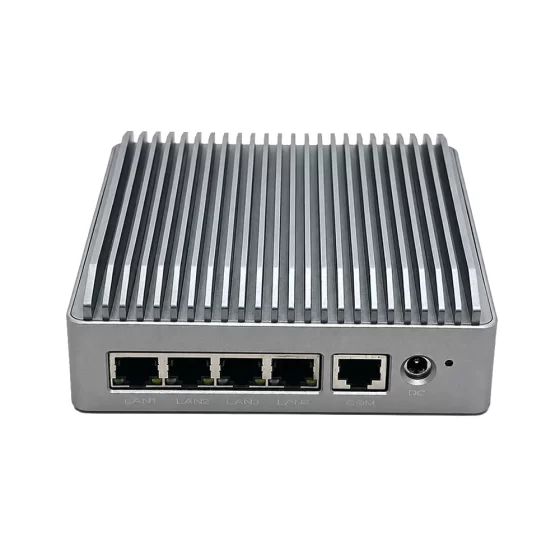
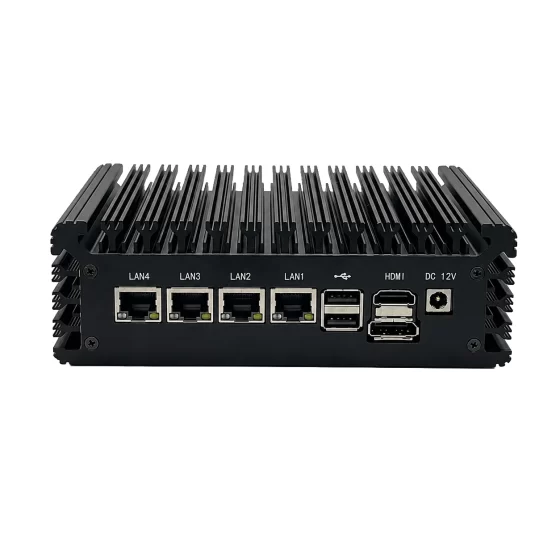
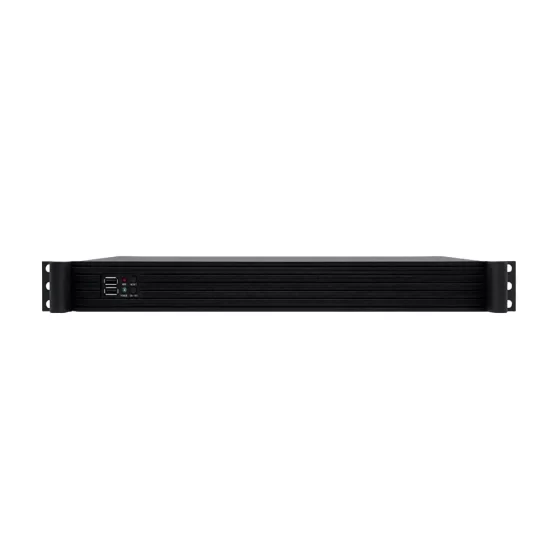
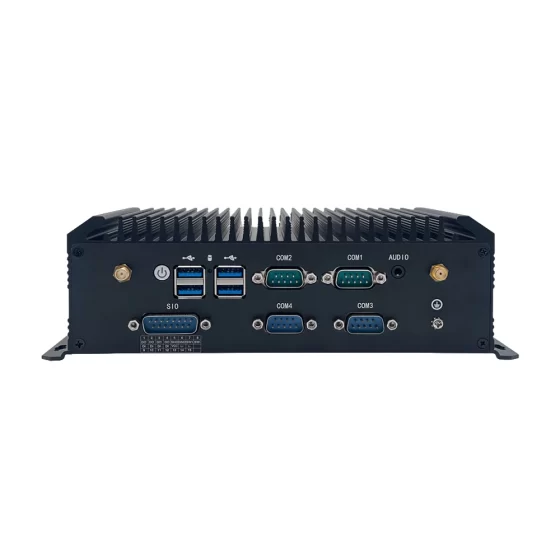
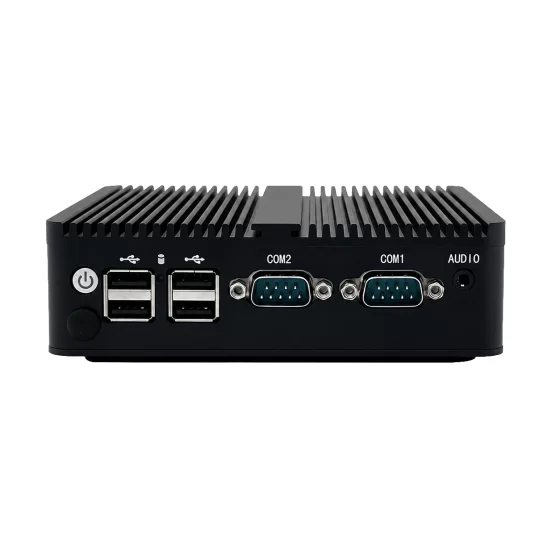
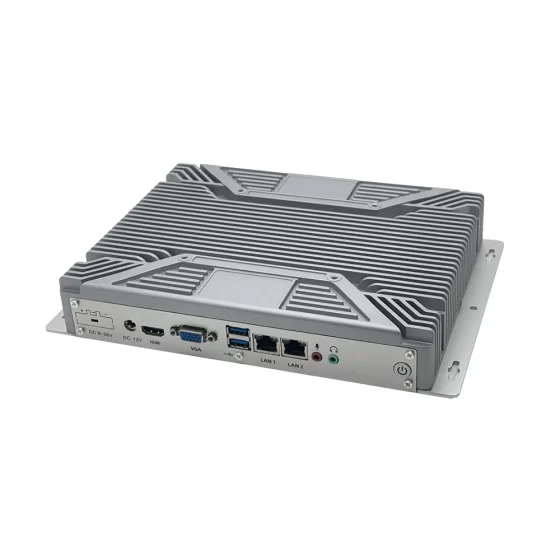
CoreIPC 산업용 컴퓨팅 솔루션

AOI 검사용 산업용 PC
요약
An AOI 검사용 산업용 PC plays a critical role in modern electronics manufacturing by providing the computing performance, 신뢰할 수 있음, 자동 광학 검사에 필요한 연결성 (AOI) 시스템. 전자 어셈블리가 점점 더 복잡해지고 품질 요구 사항이 계속 높아짐에 따라, 제조업체는 AOI 기술을 사용하여 결함을 감지합니다., 조립 품질 확인, 고속에서도 생산 일관성을 보장합니다..
AOI 시스템은 고해상도 카메라를 활용합니다., 정밀 조명, 머신 비전 알고리즘, 인쇄회로기판 검사를 위한 인공지능 기술과 (PCB) 제조과정 전반에 걸쳐. 이러한 시스템은 캡처해야 하는 상당한 양의 이미지 데이터를 생성합니다., 처리됨, 분석됨, 실시간으로 저장되며. 산업용 PC는 까다로운 생산 환경에서 안정적인 작동을 유지하면서 이러한 기능을 가능하게 하는 컴퓨팅 기반을 제공합니다..
상업용 컴퓨터와는 다르게, 산업용 PC는 공장 자동화 애플리케이션을 위해 특별히 설계되었습니다.. 산업 등급의 신뢰성을 제공합니다., 긴 수명주기 가용성, 폭넓은 작동 온도 지원, and extensive connectivity options required for AOI deployment. By integrating seamlessly with SMT production lines, Manufacturing Execution Systems (MES), quality management platforms, and factory automation networks, industrial computers help manufacturers improve product quality, increase throughput, and reduce production costs.
This article explores the role of industrial PCs in AOI inspection systems, examines deployment challenges, discusses solution architecture, and highlights the operational advantages of industrial-grade computing platforms in electronics manufacturing.

AOI inspection systems powered by industrial computers help electronics manufacturers achieve fast, accurate, and automated PCB quality inspection throughout the production process.
산업 개요
Automated Optical Inspection has become one of the most widely adopted quality control technologies in electronics manufacturing. Modern production lines rely on AOI systems to identify defects quickly and accurately before products proceed to subsequent manufacturing stages.
AOI inspection is commonly deployed in:
- Consumer electronics manufacturing
- Automotive electronics production
- Industrial control systems
- Telecommunications equipment
- Medical electronics
- Aerospace electronics
- Defense systems
- Semiconductor packaging
- Smart device manufacturing
Typical AOI applications include:
- Component presence verification
- Component placement inspection
- Polarity verification
- Solder joint inspection
- Missing component detection
- Tombstoning detection
- Short circuit identification
- 표면 결함 감지
- Label verification
- PCB assembly quality control
As PCB densities increase and component sizes continue to shrink, manual inspection methods are no longer sufficient. Modern AOI systems utilize multiple high-resolution cameras and advanced image processing algorithms to achieve inspection accuracy that exceeds human capabilities.
These systems require powerful computing platforms capable of processing large volumes of image data while maintaining production line speed. Industrial PCs provide the necessary performance and reliability to support these demanding inspection workloads.

Modern AOI systems must inspect increasingly complex PCB assemblies while processing large volumes of image data with high speed and accuracy.
주요 과제
High-Speed Image Processing
AOI systems capture thousands of images during production.
Inspection platforms must support:
- High-resolution image acquisition
- Multi-camera synchronization
- Real-time image analysis
- Defect classification
- Production reporting
Processing these workloads requires significant computing resources.
Increasing PCB Complexity
Modern electronic assemblies include:
- Fine-pitch components
- BGA packages
- Microelectronics
- High-density interconnects
- Multi-layer PCB designs
Detecting defects in these assemblies requires advanced machine vision capabilities and powerful image processing hardware.
Continuous Manufacturing Operations
Electronics production lines frequently operate:
- 24 hours per day
- Seven days per week
- High-volume manufacturing schedules
AOI computing platforms must provide uninterrupted operation with minimal maintenance requirements.
Large Data Storage Requirements
AOI systems generate:
- 검사 이미지
- Defect records
- Quality reports
- Production statistics
- Traceability data
Industrial PCs must support reliable storage and long-term data management.
Factory System Integration
AOI equipment often integrates with:
- SMT machines
- MES 플랫폼
- ERP 시스템
- Quality management software
- 프로덕션 데이터베이스
Reliable communication and interoperability are essential for successful deployment.

Industrial PCs connect AOI equipment, machine vision cameras, MES 플랫폼, and manufacturing databases to enable intelligent inspection and quality traceability.
솔루션 아키텍처
A modern AOI inspection solution consists of several integrated layers.
층 1: Production Equipment
The manufacturing layer includes:
- PCB conveyors
- SMT placement machines
- Reflow ovens
- Production handling systems
- PCB transport equipment
These systems deliver boards for inspection.
층 2: Vision Acquisition Layer
The inspection layer contains:
- 산업용 카메라
- Precision optics
- LED lighting systems
- 이미지 센서
- Motion control systems
These devices capture detailed images of PCB assemblies.
층 3: Industrial PC Layer
The industrial PC functions as the processing center.
Responsibilities include:
- 이미지 획득
- Machine vision processing
- 결함 감지
- AI 추론
- 데이터 저장
- 생산 모니터링
- System communication
This layer provides the computational resources required for inspection operations.
층 4: AOI Software Layer
Software components include:
- Inspection algorithms
- Vision analysis software
- Defect classification engines
- Quality control platforms
- Statistical process control systems
The industrial PC hosts these applications.
층 5: Enterprise Integration Layer
Enterprise connectivity supports:
- MES 통합
- ERP connectivity
- Production reporting
- Cloud analytics
- Quality traceability
This layer transforms inspection data into actionable manufacturing intelligence.
주요 특징
High-Performance Processing Platform
AOI applications demand substantial processing power.
Industrial PCs commonly support:
- 인텔® 코어™ 프로세서
- Intel® Xeon® processors
- High-speed DDR memory
- NVMe SSD storage
- GPU 가속
These resources enable real-time image analysis and defect detection.
Machine Vision Optimization
Industrial PCs designed for AOI applications provide:
- Multi-camera support
- High-bandwidth connectivity
- GPU computing capability
- Fast image processing performance
These features improve inspection accuracy and throughput.
산업 등급 신뢰성
Manufacturing environments require dependable operation.
Industrial computers offer:
- Fanless designs
- Rugged construction
- Industrial components
- 충격 저항
- 진동 저항
These characteristics support long-term deployment.
Rich I/O Connectivity
AOI systems require extensive connectivity options.
Typical interfaces include:
- 기가비트 이더넷
- USB 3.0
- USB 3.2
- 직렬 포트
- 디지털 I/O
- HDMI
- 디스플레이포트
These interfaces support integration with cameras, 디스플레이, 센서, and factory equipment.
AI Inspection Support
Modern AOI systems increasingly utilize artificial intelligence.
Industrial PCs can support:
- Deep learning algorithms
- Neural network inference
- Defect classification
- Pattern recognition
AI enhances inspection performance and reduces false detections.
긴 수명주기 가용성
Industrial platforms provide:
- Long-term hardware availability
- Stable system architecture
- Extended product support
This minimizes redesign costs and simplifies lifecycle management.
배포 시나리오
SMT Production Line Inspection
AOI systems inspect PCB assemblies immediately after component placement and soldering processes.
Industrial PCs provide real-time inspection capabilities that help identify manufacturing defects early in production.
Automotive Electronics Inspection
Automotive electronics require strict quality standards.
Industrial computers support advanced AOI systems that inspect safety-critical electronic assemblies with high accuracy.
Consumer Electronics Manufacturing
High-volume consumer electronics production requires fast and reliable inspection systems.
Industrial PCs help manufacturers maintain throughput while ensuring product quality.
Medical Device Electronics
Medical electronics demand exceptional quality control.
AOI systems supported by industrial computers help ensure compliance with stringent manufacturing standards.
AI-Based Defect Detection
Advanced AOI platforms use AI technologies to identify complex defects.
Industrial PCs provide the computing resources necessary for AI-powered inspection workflows.
Smart Factory Integration
AOI systems connect to broader manufacturing infrastructure including MES, ERP, 산업용 IoT, and cloud analytics platforms.
Industrial computers facilitate this integration.
비즈니스 이점
Improved Inspection Accuracy
AOI systems supported by industrial PCs can detect defects with high precision and consistency.
This improves product quality and customer satisfaction.
Increased Production Efficiency
Automated inspection reduces reliance on manual inspection processes and increases production throughput.
Reduced Manufacturing Costs
Early defect detection helps reduce:
- Rework costs
- Scrap rates
- Warranty claims
- Production delays
더 나은 추적성
Inspection results can be linked to production records, supporting:
- Quality audits
- Regulatory compliance
- 제품 추적성
Enhanced Process Control
Manufacturers gain valuable insights into:
- Yield performance
- Defect trends
- Process stability
- Equipment effectiveness
This supports continuous improvement initiatives.
Support for Industry 4.0
Industrial PCs provide the foundation for:
- Smart manufacturing
- 산업용 IoT
- AI inspection
- 엣지 컴퓨팅
- Digital transformation
왜 CoreIPC인가?
CoreIPC provides industrial computing platforms designed for machine vision, AOI inspection, and electronics manufacturing applications. Our industrial computers, 임베디드 컴퓨터, and industrial motherboards deliver the performance, 신뢰할 수 있음, and connectivity required for modern inspection systems. With support for high-speed image processing, AI acceleration, 산업 네트워킹, and long-term product availability, CoreIPC solutions help manufacturers build scalable and reliable AOI inspection platforms that support quality-focused smart manufacturing initiatives.
자주 묻는 질문
What is an AOI Industrial PC?
An AOI Industrial PC is an industrial-grade computing platform used to support Automated Optical Inspection systems for PCB and electronics manufacturing applications.
Why use an industrial PC for AOI inspection?
Industrial PCs provide higher reliability, better environmental tolerance, longer lifecycles, and greater connectivity than commercial computers.
Can AOI systems use AI technology?
예. Many modern AOI platforms utilize artificial intelligence and machine learning algorithms for advanced defect detection and classification.
What processor is recommended for AOI applications?
Processor selection depends on image resolution, 검사 속도, 카메라 수, and AI requirements. High-performance Intel® Core™ and Xeon® platforms are commonly used.
Do AOI systems require GPU acceleration?
Many advanced machine vision and AI inspection systems benefit from GPU acceleration for image processing and inference workloads.
What interfaces are important for AOI computers?
Common interfaces include Ethernet, USB 3.0, 디스플레이포트, HDMI, 직렬 포트, and industrial I/O.
Can AOI systems integrate with MES platforms?
예. Industrial PCs commonly connect AOI systems with MES, ERP, SPC, and quality management systems.
What industries use AOI inspection systems?
AOI systems are widely used in consumer electronics, automotive electronics, 산업 자동화, medical devices, aerospace, and telecommunications manufacturing.
How do industrial PCs improve AOI performance?
They provide the processing power, 연결성, and reliability necessary for real-time image analysis and quality control.
What should be considered when selecting an AOI Industrial PC?
Important factors include CPU performance, 메모리 용량, GPU support, connectivity requirements, environmental specifications, lifecycle availability, and software compatibility.
결론
An AOI 검사용 산업용 PC provides the computing foundation required for modern electronics manufacturing quality control systems. By supporting high-speed image processing, machine vision analytics, AI-based defect detection, and factory-wide integration, industrial computers help manufacturers achieve higher quality standards, improve production efficiency, and support smart manufacturing initiatives.
As AOI technology continues to evolve, industrial computing platforms will remain a critical component of advanced inspection systems, enabling manufacturers to meet growing quality expectations while maintaining competitive production performance.
문의하기
Looking for a reliable industrial computing platform for AOI inspection applications?
CoreIPC provides industrial computers, 임베디드 컴퓨터, industrial motherboards, and customized computing solutions designed for machine vision, AOI inspection, AI 분석, and electronics manufacturing environments.
Contact our engineering team today to discuss your AOI inspection requirements and discover the ideal computing platform for your project.