CoreIPC 산업용 컴퓨팅 솔루션

요약
A Siemens PLC industrial computer serves as a critical component in modern industrial automation systems, 데이터 처리 활성화, 심상, 의사소통, Siemens PLC 컨트롤러를 보완하는 엣지 컴퓨팅 기능. Siemens PLC는 결정론적 기계 제어 및 실시간 자동화 작업을 담당합니다., 산업용 컴퓨터는 HMI 시각화와 같은 고급 기능을 제공합니다., SCADA 통합, 데이터 로깅, 예측 유지 관리, 산업 네트워킹, 및 엣지 AI 분석.
산업으로서 4.0 계속해서 가속화되는 이니셔티브, 제조업체에서는 Siemens S7-1200과 원활하게 통합할 수 있는 산업용 컴퓨팅 플랫폼을 점점 더 요구하고 있습니다., S7-1500, 동부 표준시 200, 및 기타 Siemens 자동화 시스템. 산업용 컴퓨터와 임베디드 컴퓨터는 운영 기술을 연결하는 데 중요한 역할을 합니다. (구약) 정보 기술 (그것), 실시간 데이터 수집 가능, 산업 커뮤니케이션, 클라우드 연결, 그리고 지능적인 의사결정.
이 기사에서는 Siemens PLC 애플리케이션에서 산업용 컴퓨터의 역할을 살펴봅니다., 주요 배포 과제, 솔루션 아키텍처, 필수 기능, 배포 시나리오, and recommended CoreIPC product categories for industrial automation projects.

Industrial computers provide data processing, 심상, and edge computing capabilities for Siemens PLC-based automation systems.
산업 개요
The Growing Role of Siemens PLC Systems in Industrial Automation
Siemens PLCs are widely deployed across industries including:
- Manufacturing
- Automotive production
- Food and beverage processing
- Pharmaceutical manufacturing
- Logistics and warehousing
- Energy management
- Water treatment facilities
- Building automation
The Siemens SIMATIC platform has become one of the most widely adopted industrial automation ecosystems globally due to its reliability, 확장성, and extensive communication capabilities.
하지만, modern automation systems require more than traditional PLC control.
Industrial enterprises increasingly demand:
- Real-time production monitoring
- Data-driven decision making
- 예측 유지보수
- 원격 진단
- Industrial IoT integration
- Edge computing capabilities
- AI 기반 분석
These requirements create the need for a powerful Siemens PLC industrial computer solution.
Industry 4.0 and Edge Computing Trends
Modern factories are transitioning toward smart manufacturing environments where machines, 센서, PLC, industrial computers, and cloud platforms work together.
Key trends include:
- Industrial IoT deployment
- Smart factory initiatives
- Digital twins
- Edge AI computing
- Machine vision integration
- Real-time production analytics
- Cybersecurity enhancement
- Cloud-connected manufacturing systems
In these architectures, industrial computers serve as the computing backbone that processes and distributes operational data generated by Siemens PLC systems.
주요 과제
Deploying industrial computers alongside Siemens PLC systems presents several practical challenges.
혹독한 산업 환경
Industrial facilities often expose equipment to:
- Dust
- Oil contamination
- Shock and vibration
- High humidity
- Electromagnetic interference
- Wide temperature fluctuations
Traditional office PCs cannot reliably operate under these conditions.
Real-Time Data Processing Requirements
Modern production lines generate data from:
- PLC
- 센서
- 카메라
- Barcode scanners
- 비전 시스템
- MES 플랫폼
Industrial computers must process this information with minimal latency.
Multiple Industrial Protocols
A Siemens PLC industrial computer may need to communicate using:
- 프로피넷
- PROFIBUS
- OPC UA
- 모드버스 TCP
- EtherNet/IP
- MQTT
- TCP/IP
Managing protocol interoperability can be complex.
Legacy System Integration
Many factories operate mixed environments containing:
- Legacy Siemens PLCs
- New S7-1500 systems
- Third-party automation equipment
- Existing SCADA systems
Industrial computers often act as integration gateways.
Cybersecurity Risks
As production systems become connected, risks increase from:
- Unauthorized access
- Malware attacks
- Data breaches
- Ransomware incidents
Industrial computing platforms must support secure deployment practices.
Scalability Requirements
Manufacturers need solutions capable of growing from:
- Single machine deployments
- Production cells
- Factory-wide automation systems
- Multi-site operations
Scalable industrial computer architectures are essential.

Industrial computer architecture for Siemens PLC applications, connecting field devices, 산업용 네트워크, SCADA 시스템, 및 엔터프라이즈 플랫폼.
솔루션 아키텍처
Siemens PLC Industrial Computer Architecture
A typical Siemens PLC industrial computer solution includes multiple automation layers.
Field Layer
Devices include:
- 센서
- 인코더
- RFID 리더
- Temperature transmitters
- 압력 센서
- 유량계
- 산업용 카메라
These devices collect operational data from machines and production processes.
Control Layer
The control layer consists of Siemens automation equipment such as:
- SIMATIC S7-1200 PLC
- SIMATIC S7-1500 PLC
- 동부 표준시 200 Distributed I/O
- Variable Frequency Drives
- Servo Controllers
PLCs execute deterministic control logic and manage field devices.
Industrial Network Layer
Communication networks may include:
- 프로피넷
- 산업용 이더넷
- PROFIBUS
- Fiber Ethernet
- Wireless Industrial Networks
These networks transfer data between controllers and computing platforms.
Industrial Computer Layer
Industrial computers perform:
- 데이터 수집
- HMI 시각화
- SCADA 운영
- Production reporting
- 데이터베이스 관리
- 엣지 분석
- Local AI processing
The industrial computer collects operational data from Siemens PLCs and transforms it into actionable information.
Enterprise Layer
Industrial computers exchange information with:
- MES 시스템
- ERP 시스템
- Cloud platforms
- Data lakes
- Predictive maintenance platforms
This enables enterprise-wide visibility.
Key Features of an Industrial Computer for Siemens PLC Applications
1. High-Performance Processing
Industrial automation applications often require:
- Multi-threaded workloads
- Database processing
- Visualization rendering
- Analytics engines
Modern industrial computers provide sufficient computing resources for demanding applications.
2. Fanless Industrial Design
Fanless systems offer:
- Lower maintenance requirements
- Reduced failure points
- Improved reliability
- 조용한 작동
This makes them suitable for factory deployment.
3. 넓은 온도 작동
Industrial environments often exceed normal office operating conditions.
Industrial computers support stable operation in:
- Manufacturing plants
- Outdoor cabinets
- Transportation systems
- Energy facilities
4. 산업용 연결
Connectivity options commonly include:
- Multiple Gigabit LAN ports
- 직렬 포트
- USB 인터페이스
- 디지털 I/O
- CAN 버스
- Wireless modules
These interfaces simplify PLC integration.
5. 엣지 컴퓨팅 기능
Industrial computers can process data locally before cloud transmission.
Benefits include:
- Lower bandwidth consumption
- Reduced latency
- Faster response times
- Enhanced reliability
6. Machine Vision Integration
Industrial computers support:
- Vision inspection
- Barcode recognition
- 결함 감지
- Quality assurance systems
Machine vision frequently operates alongside Siemens PLC systems.
7. Cybersecurity Support
Industrial deployments increasingly require:
- Secure boot
- Trusted platform modules
- 네트워크 세분화
- Access control
- Data encryption
Security must be integrated into system design.
8. Remote Management
Remote management functions improve:
- Diagnostics
- Maintenance
- Firmware updates
- System monitoring
This reduces operational costs.
9. 긴 수명주기 가용성
Industrial automation projects often remain operational for many years.
Industrial-grade platforms provide:
- 안정적인 하드웨어 플랫폼
- 장기 가용성
- Controlled product lifecycle
- Simplified maintenance planning

Industrial computers enable real-time edge computing, local analytics, and data processing for Siemens PLC-based automation systems.
추천 CoreIPC 제품
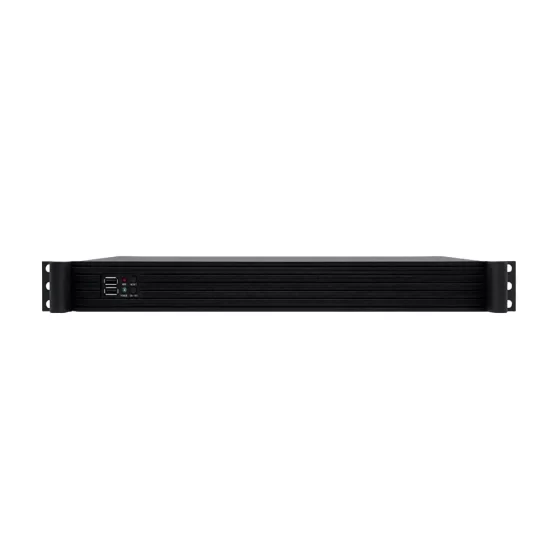
산업용 PC
Suitable for:
- Factory automation
- 생산 모니터링
- SCADA workstations
장점:
- Flexible expansion
- Strong processing performance
- Broad connectivity options
Fanless Industrial PCs
Suitable for:
- Dusty environments
- 임베디드 제어 시스템
- Equipment integration
장점:
- Maintenance-free operation
- Improved reliability
- Compact deployment
임베디드 컴퓨터
Suitable for:
- Machine controllers
- Edge computing nodes
- Data acquisition systems
장점:
- Compact size
- 낮은 전력 소비
- High integration capability
Embedded Box PCs
Suitable for:
- Automation cabinets
- AGV systems
- Smart equipment
장점:
- Rugged construction
- Flexible mounting options
- Industrial reliability
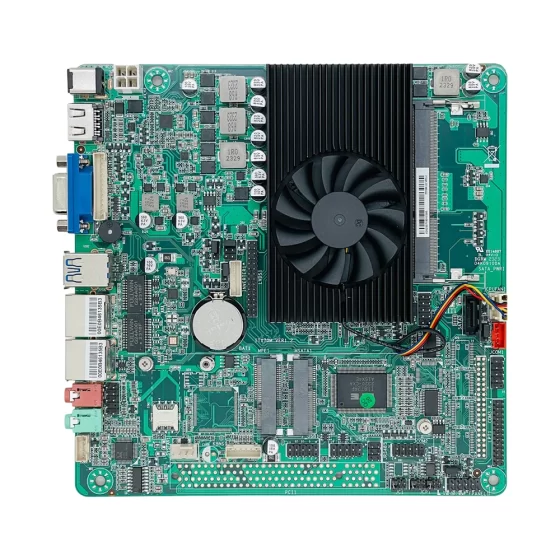
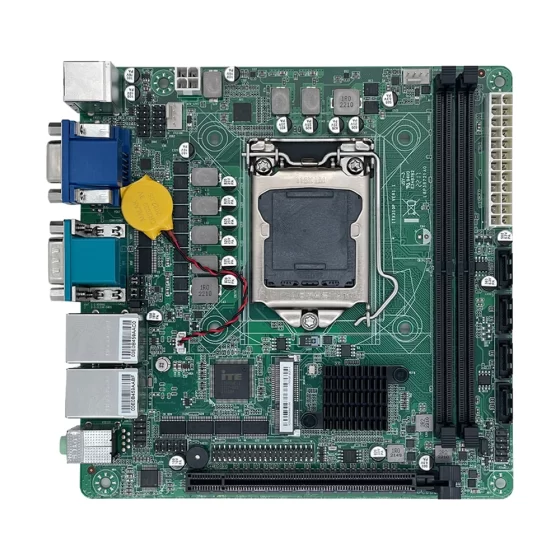
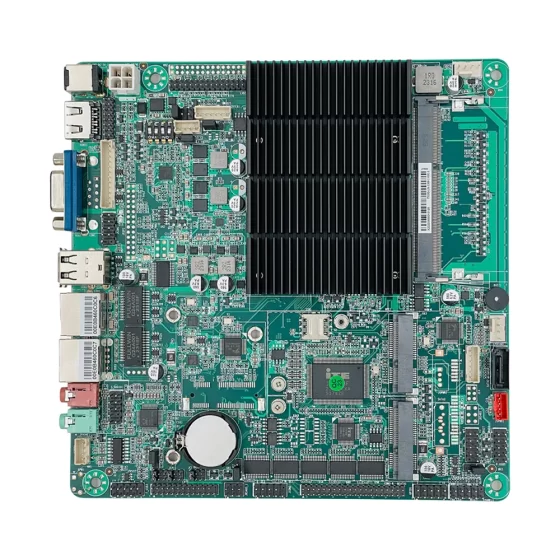
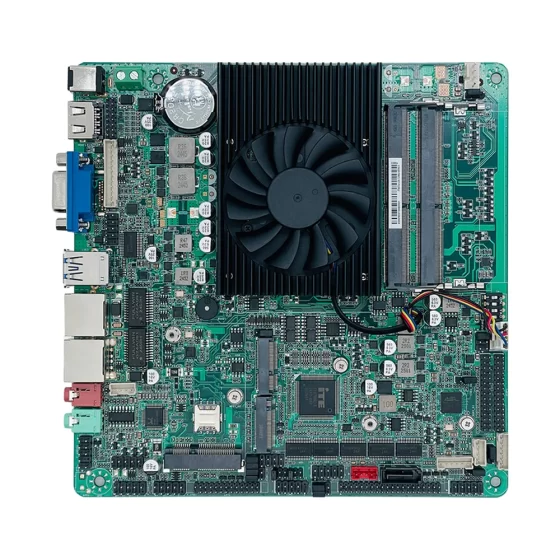
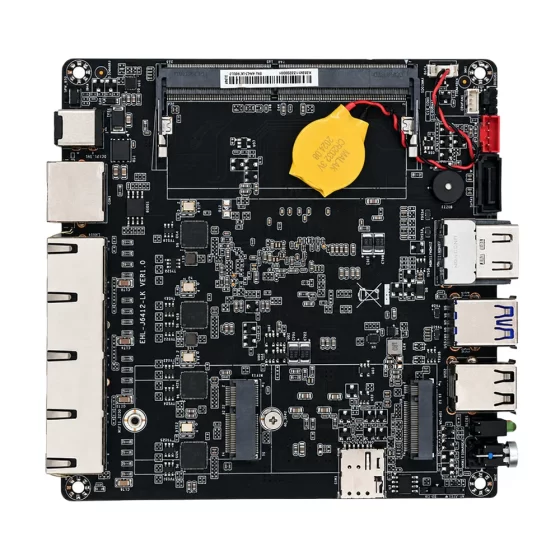
Mini-ITX 마더보드
Suitable for:
- Custom automation equipment
- Siemens PLC companion systems
- OEM projects
장점:
- Standardized form factor
- Rich I/O resources
- Flexible system design
3.5-인치 SBC
Suitable for:
- Space-constrained systems
- Embedded automation devices
- Compact industrial equipment
장점:
- Small footprint
- Industrial durability
- Cost-effective deployment
엣지 AI 컴퓨터
Suitable for:
- Intelligent manufacturing
- Machine vision
- 예측 유지보수
장점:
- AI acceleration
- 실시간 분석
- Edge inference capability
배포 시나리오
Smart Factory Monitoring
Industrial computers collect production data from Siemens PLC systems and provide real-time dashboards for operators and management.
Machine Vision Inspection
Industrial computers process images from industrial cameras while Siemens PLCs coordinate machine control actions.
AGV and Mobile Robotics
Embedded computers support navigation, 차량 관리, and communication while integrating with factory automation systems.
Warehouse Automation
Industrial computers manage:
- 컨베이어 시스템
- Sorting equipment
- Barcode scanning
- Inventory tracking
while communicating with Siemens PLC controllers.
Energy Management Systems
Industrial computers collect and analyze energy consumption data from PLC-controlled equipment.
Water Treatment Facilities
Industrial computers provide:
- SCADA visualization
- 데이터 로깅
- Alarm management
- Remote monitoring
for Siemens-based control systems.
Smart Transportation Systems
Industrial computers integrate with traffic control infrastructure and Siemens automation devices for intelligent transportation applications.
비즈니스 이점
Organizations deploying industrial computers alongside Siemens PLC systems can achieve measurable benefits.
Reduced Downtime
Real-time monitoring enables faster fault detection and troubleshooting.
Increased Productivity
Improved data visibility supports process optimization and production efficiency.
Lower Maintenance Costs
Predictive maintenance reduces unexpected equipment failures.
Enhanced Operational Visibility
Managers gain access to comprehensive production data and analytics.
Faster Decision-Making
Real-time information enables quicker operational responses.
Improved Scalability
Industrial computing platforms support future expansion without major infrastructure redesign.
왜 CoreIPC인가?
CoreIPC specializes in industrial computing and embedded hardware solutions for automation applications.
CoreIPC supports customers through:
- Industrial computing expertise
- Embedded hardware development
- OEM manufacturing services
- ODM project support
- Product customization capabilities
- Long lifecycle product strategies
- Global deployment support
- Flexible industrial platform solutions
Whether integrating with Siemens PLC systems, machine vision platforms, industrial IoT deployments, or edge computing infrastructures, CoreIPC provides scalable computing platforms designed for industrial environments.
자주 묻는 질문
1. What is a Siemens PLC industrial computer?
A Siemens PLC industrial computer is an industrial-grade computing platform that works alongside Siemens PLC controllers to provide visualization, 데이터 처리, 의사소통, SCADA functionality, 및 엣지 컴퓨팅 기능.
2. Can an industrial computer replace a Siemens PLC?
Generally, 아니요. PLCs are designed for deterministic real-time control, while industrial computers focus on data processing, 심상, and advanced computing tasks. Both systems typically complement each other.
3. Which Siemens PLC series are commonly used with industrial computers?
Common integrations include Siemens S7-1200, S7-1500, 동부 표준시 200, and legacy S7 platforms used in manufacturing and process automation environments.
4. How does an industrial computer communicate with Siemens PLCs?
Communication typically occurs through PROFINET, OPC UA, 모드버스 TCP, 산업용 이더넷, or other industrial communication protocols.
5. Why use a fanless industrial computer?
Fanless systems reduce maintenance, improve reliability, and eliminate dust-related cooling failures in industrial environments.
6. What applications benefit most from industrial computers?
Applications include SCADA, HMI, 머신 비전, 예측 유지 관리, 산업용 IoT, 엣지 분석, 및 생산 모니터링.
7. Can industrial computers support machine vision systems?
예. Industrial computers often process images from industrial cameras for inspection, 품질 관리, and AI-based vision applications.
8. What role does edge computing play in Siemens PLC applications?
Edge computing allows data to be processed locally, reducing latency, improving response times, and minimizing cloud bandwidth requirements.
9. Are industrial computers suitable for 24/7 작업?
Industrial-grade platforms are designed for continuous operation and are optimized for long-term reliability.
10. How do industrial computers improve factory productivity?
They provide real-time visibility, 해석학, 예측 유지 관리, and better integration between automation and enterprise systems.
11. What should be considered when selecting an industrial computer?
Important factors include CPU performance, 운영 환경, connectivity requirements, 확장 능력, lifecycle support, and software compatibility.
12. Can industrial computers integrate with cloud platforms?
예. Many industrial computers support cloud connectivity through MQTT, OPC UA, REST APIs, and industrial IoT frameworks.
결론
A Siemens PLC industrial computer is an essential component of modern industrial automation architecture. While Siemens PLCs provide reliable machine control, industrial computers deliver the computing power necessary for visualization, 데이터 분석, 산업 네트워킹, 엣지 컴퓨팅, and digital transformation initiatives. By combining Siemens automation systems with industrial-grade computing platforms, manufacturers can improve productivity, enhance operational visibility, support predictive maintenance, and build scalable Industry 4.0 infrastructures. Selecting the right industrial computer or embedded computer platform ensures long-term reliability and successful deployment across a wide range of industrial applications.
문의하기
Looking for the right industrial computer solution for Siemens PLC applications?
CoreIPC provides industrial computing platforms for:
- 산업 자동화
- 스마트 제조
- 머신비전
- 산업용 IoT
- 엣지 컴퓨팅
- OEM Projects
- ODM Projects
- Custom Embedded Hardware Development
Contact CoreIPC today to discuss your project requirements and identify the most suitable industrial computing platform for your Siemens automation environment.