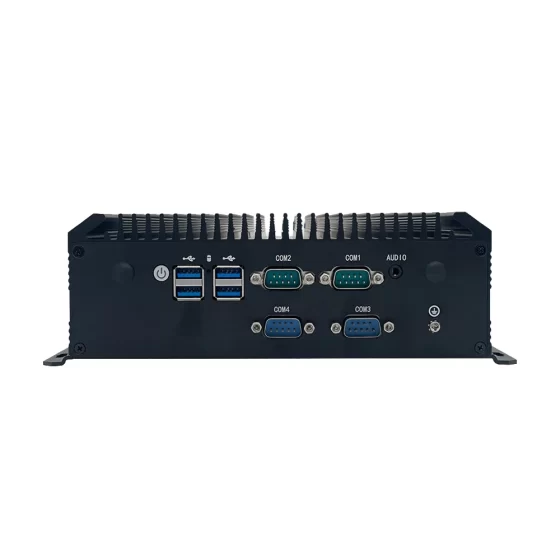
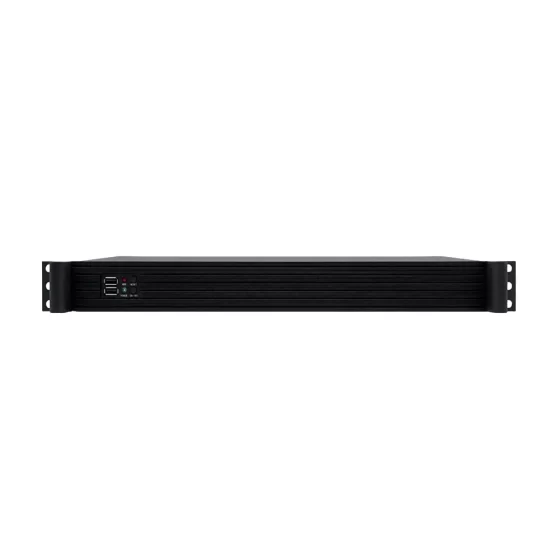
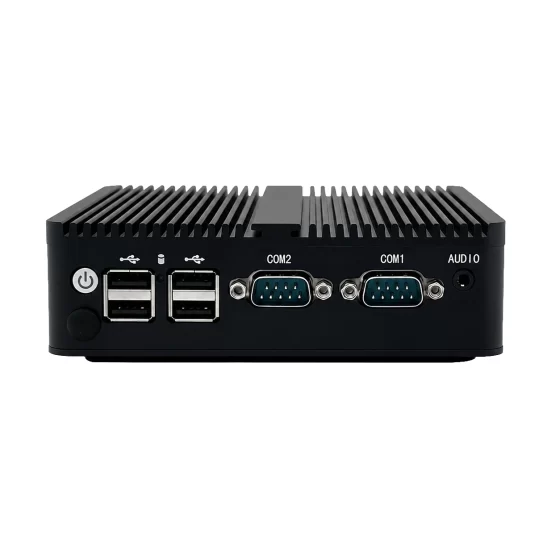
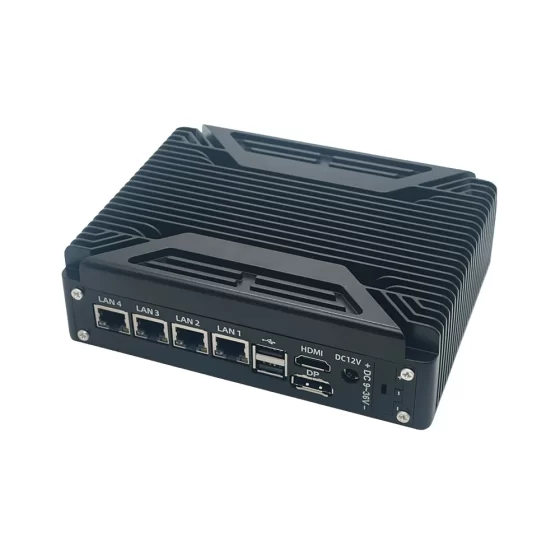
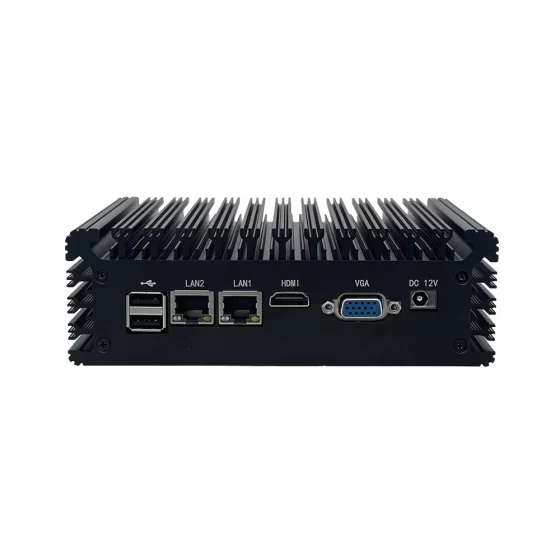
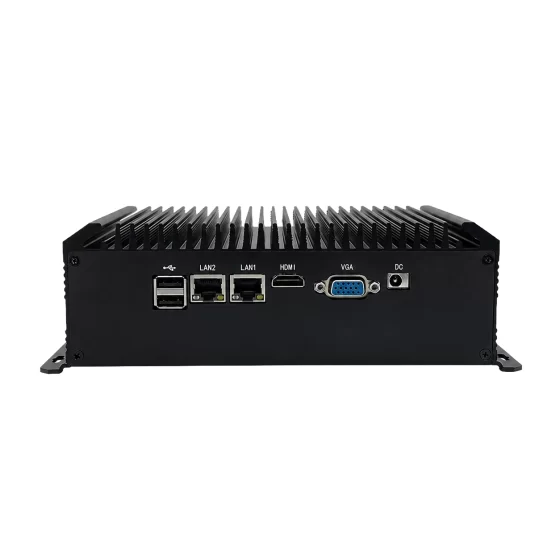
CoreIPC 산업용 컴퓨팅 솔루션

비전 가이드 피킹 컨트롤러: 지능형 로봇 피킹을 위한 산업용 컴퓨터 플랫폼
요약
Vision guided picking is becoming a core capability in modern automation systems. 로봇을 허용한다, 갠트리, 식별하는 자동화된 처리 장비, 위치하고 있다, 선택하다, 고정된 기계적 위치 지정보다는 머신 비전 데이터를 기반으로 물체를 선택합니다..
비전 가이드 피킹 컨트롤러는 일반적으로 이미지 획득을 결합합니다., 시각적 인식, 모션 조정, 데이터 통신, 및 산업 시스템 통합. 카메라로부터 데이터를 수신해야 합니다., 센서, 조명 컨트롤러, PLC, 로봇 시스템, 컨베이어, 바코드 리더기, 및 공장 네트워크, 그런 다음 이 정보를 실시간 또는 거의 실시간으로 안정적으로 처리합니다..
산업 배치용, 컨트롤러 하드웨어는 일반 사무용 컴퓨터로 취급할 수 없습니다.. 생산 라인 내부에서 작동해야 합니다., 장비 캐비닛, 로봇 셀, 물류 시스템, 식품 포장 라인, 전자 조립 스테이션, 또는 창고 자동화 장비. 이러한 환경에는 안정적인 성능이 필요합니다, 견고한 디자인, 유연한 I/O, 안정적인 네트워킹, 긴 수명주기 가용성, and compatibility with machine vision software.
A suitable industrial computer or embedded computer helps system integrators build reliable vision guided picking systems with lower integration risk and better long-term maintainability. CoreIPC provides industrial computing platforms that support machine vision, robotic control integration, 엣지 컴퓨팅, and customized embedded hardware requirements for B2B automation projects.
 산업 개요
Vision guided picking is widely used when objects are not always in the same position, 정위, 모양, or arrangement. Traditional automation depends heavily on mechanical fixtures, predefined positions, and fixed motion paths. This approach works well for repetitive tasks, but it becomes less flexible when product types change or when items arrive randomly.
Machine vision changes this workflow. Cameras capture the object or work area, software analyzes the image, and the picking controller sends useful position or classification data to the robot, PLC, or motion control system.
Typical applications include:
- 빈 따기
- Conveyor picking
- Parcel sorting
- Food and beverage handling
- Electronics component handling
- Automotive parts picking
- Pharmaceutical packaging
- Warehouse order fulfillment
- Defect-based sorting
- Robotic loading and unloading
In these systems, the industrial computer becomes the local computing node. It may run machine vision software, AI 추론 모델, 카메라 SDK, image preprocessing tools, 로봇 통신 소프트웨어, and factory data exchange services.
A vision guided picking controller must also work with the surrounding automation system. It needs to communicate with PLCs, 로봇 컨트롤러, servo systems, 안전 장치, 바코드 스캐너, 산업용 카메라, 조명 시스템, and MES or WMS platforms.
This makes the controller more than a simple image processing PC. It is a bridge between vision data and physical automation. The hardware platform must support both computing performance and industrial connectivity.
 주요 과제
Vision guided picking projects often look simple in concept, but the real deployment environment can be complex. The controller must handle both visual processing and industrial automation requirements.
| Challenge | What Happens in Real Deployment | Controller Requirement |
|---|---|---|
| Variable object position | Items may arrive randomly, overlap, tilt, rotate, or change orientation. | Stable image processing and reliable coordination with robot or motion systems. |
| Camera data load | High-resolution cameras generate large image data streams. | Sufficient CPU/GPU performance, 고속 인터페이스, and stable storage. |
| Industrial communication | The system must exchange signals with PLCs, 로봇, 센서, 및 공장 네트워크. | 다중 LAN 포트, 직렬 포트, USB, 디지털 I/O, 및 확장 옵션. |
| Harsh operating environment | Production lines may include dust, 진동, 열, 그리고 전기적 소음. | Rugged industrial computer with reliable thermal and mechanical design. |
| Real-time coordination | Picking decisions must match conveyor speed, robot motion, and process timing. | Low-latency communication and stable software execution. |
| Long-term maintenance | Systems may run for years and be deployed across many machines. | Consistent hardware platform, stable drivers, 긴 수명주기 지원. |
Image Processing Load
Vision guided picking requires more than basic image display. The system may need to process object location, 모양, 정위, 표면상태, 바코드 데이터, color features, depth information, or AI-based object recognition.
응용 프로그램에 따라, the controller may use 2D cameras, 3D 카메라, line-scan cameras, 깊이 센서, or multi-camera arrays. These image streams can place high demand on processor performance, memory bandwidth, USB or Ethernet bandwidth, and storage reliability.
Communication with Automation Systems
A picking controller must work as part of a larger automation cell. It usually does not control the entire machine alone. 대신에, it exchanges information with PLCs, 로봇 컨트롤러, 컨베이어, 센서, and safety systems.
This requires stable industrial communication. 이더넷, GigE 비전, USB3 Vision, RS-232, RS-485, 디지털 I/O, and fieldbus gateway connections may all be involved depending on the project.
산업 신뢰성
Vision guided picking systems are often installed directly on or near production equipment. The controller may be mounted inside a cabinet, beside a conveyor, near a robotic cell, or inside an automated machine.
A commercial PC may not provide the right mechanical stability, 열 신뢰성, I/O layout, or lifecycle consistency. For production equipment, an industrial computer or embedded computer is usually a better foundation.
 Solution Architecture for Vision Guided Picking
A vision guided picking controller connects visual perception with industrial automation. A typical system can be divided into five functional layers.
1. Image Acquisition Layer
This layer captures visual data from the picking area.
Common devices include:
- Area-scan cameras
- 3D vision cameras
- Depth cameras
- Line-scan cameras
- 바코드 판독기
- 조명 컨트롤러
- Photoelectric sensors
- Encoder signals
The image acquisition layer must be stable because poor image quality directly affects picking accuracy. 조명, camera position, 렌즈 선택, 트리거 타이밍, and image transfer reliability all influence system performance.
2. Edge Computing Layer
This is where the industrial computer or embedded computer operates.
The controller may run:
- Machine vision software
- AI inference applications
- Object detection algorithms
- Image preprocessing tools
- Camera SDKs
- Robot communication services
- Data logging tools
- Local HMI software
- Production traceability software
This layer converts raw image data into useful picking instructions such as object coordinates, 정위, category, pass/fail status, or picking priority.
3. Motion and Control Layer
The controller communicates with robot controllers, PLC, servo systems, or motion controllers.
It may send:
- Pick position
- Object angle
- Object type
- Pick sequence
- Conveyor tracking data
- Reject signal
- Confirmation result
The PLC or robot controller then handles motion execution, safety logic, actuator control, and machine sequencing.
4. Factory Network Layer
Modern picking systems are often connected to production management platforms.
The controller may exchange data with:
- MES 시스템
- WMS systems
- SCADA 시스템
- Quality inspection databases
- Production dashboards
- 유지보수 플랫폼
This allows operators to track production data, picking status, defect information, lot history, and equipment performance.
5. Maintenance and Optimization Layer
A practical vision guided picking system must be easy to maintain.
Engineers may need to adjust camera parameters, update vision models, review failed picks, check logs, calibrate the robot-camera relationship, or troubleshoot communication issues.
The embedded computer should support secure access, stable OS configuration, clear diagnostic tools, and predictable long-term behavior.
주요 특징
A reliable vision guided picking controller should be selected based on image processing needs, 카메라 인터페이스, 자동화 통신, installation environment, and long-term maintenance requirements.
Industrial Computing Performance
Vision guided picking may require CPU-based image processing, GPU 가속, or AI inference depending on the software architecture.
For simple 2D location tasks, 소형 임베디드 컴퓨터이면 충분할 수도 있습니다. For AI-based object detection, deep learning inspection, or 3D point cloud processing, a higher-performance industrial computer or edge AI computer may be required.
The controller should provide enough computing headroom for:
- 이미지 획득
- Image preprocessing
- 객체 인식
- Coordinate calculation
- 로봇통신
- HMI 작동
- 데이터 로깅
카메라 인터페이스 지원
Machine vision cameras commonly use USB3, GigE, PoE, or specialized frame grabber interfaces.
A picking controller should provide stable high-speed communication for cameras. It should also have enough physical ports and bandwidth for multi-camera systems.
For GigE Vision systems, multiple LAN ports can help separate camera traffic from factory network traffic. For USB3 cameras, reliable port design and cable management are important.
Multi-LAN Design
Multiple LAN ports are useful in vision guided picking systems because different networks may need to be separated.
One LAN port may connect to industrial cameras. Another may connect to the PLC or robot controller. A third may connect to the factory network or remote maintenance network.
This structure can reduce traffic conflicts and make troubleshooting easier.
Industrial I/O and Serial Ports
Some picking systems require direct signals from triggers, 센서, 조명 컨트롤러, 바코드 리더기, or older industrial devices.
유용한 인터페이스에는 다음이 포함될 수 있습니다.:
- RS-232
- RS-485
- USB
- 디지털 I/O
- GPIO
- Isolated I/O through expansion
- Internal headers for customized machine integration
Native interfaces reduce the need for external adapters and help improve machine-level reliability.
팬이 없고 견고한 디자인
Many vision guided picking controllers are installed in production areas where dust, 진동, and temperature variation are common.
Fanless design reduces moving parts and lowers maintenance needs. Rugged mechanical construction helps protect the system when installed inside equipment cabinets, 로봇 셀, or conveyor systems.
Reliable Storage
Vision guided picking systems may store images, 로그, failed-pick records, calibration files, 모델 파일, and production data.
Storage selection should consider:
- Write frequency
- Image storage volume
- Temperature conditions
- Operating system requirements
- Data retention policy
Industrial SSDs, M.2 storage, or SATA storage may be selected according to project needs.
Expansion and Customization
Many machine builders need project-specific hardware layouts. The controller may require additional camera ports, 직렬 포트, wireless modules, storage expansion, 디지털 I/O, or customized enclosure design.
Expansion through M.2, 미니 PCIe, PCIe, or custom embedded boards helps system integrators adapt the controller to different machines without redesigning the whole automation system.
Software Compatibility
A vision guided picking controller must support the selected software stack.
This may include:
- Windows or Linux operating systems
- Camera drivers
- Machine vision libraries
- AI frameworks
- Robot communication SDKs
- PLC 통신 도구
- Database or traceability software
배포 전, integrators should confirm driver stability, OS image management, software licensing requirements, and long-term update plans.
배포 시나리오
Vision guided picking controllers can be used across many industrial and logistics applications.
Robotic Bin Picking
In bin picking, objects are randomly placed inside a bin. The vision system identifies the position and orientation of each object, then sends picking coordinates to the robot.
The controller may process 3D camera data, object recognition results, collision avoidance information, and robot communication signals. Stable computing performance is important because object position changes after each pick.
Conveyor Picking
In conveyor picking, objects move continuously through the camera field of view. The controller must detect the object, calculate its position, and synchronize picking instructions with conveyor motion.
This application requires reliable trigger timing, fast image processing, and stable communication with encoders, PLC, 그리고 로봇 컨트롤러.
Parcel Sorting and Logistics
Logistics automation uses vision guided picking for parcel identification, 정렬, singulation, 그리고 주문 이행.
The controller may process barcode data, package shape, 라벨 위치, size information, and routing instructions. It may also connect to warehouse management systems or sorting control platforms.
Food and Beverage Handling
Food products may vary in size, 모양, 위치, color, and packaging condition. Vision guided picking helps robots handle products with more flexibility than fixed mechanical tooling alone.
The controller may work with cameras, 조명 시스템, conveyor tracking, and robot control software. Rugged and easy-to-maintain hardware is important in production areas.
Electronics and Precision Assembly
Electronics manufacturing may require picking small components, placing parts, checking orientation, or identifying defects before handling.
The controller needs stable image processing, precise communication, and compatibility with cameras, 조명, and motion equipment. Compact embedded computers are often preferred in space-limited machines.
Automotive Parts Handling
Automotive production lines often handle parts with different shapes, finishes, and orientations.
Vision guided picking controllers can help robots identify components, support flexible loading, and reduce the need for mechanical fixtures. Industrial-grade reliability is important because automotive production environments often run continuously.
비즈니스 이점
A well-selected vision guided picking controller can create practical value for machine builders, 시스템 통합업체, and end users.
Higher Automation Flexibility
Vision guided picking allows machines to handle products with variable position and orientation. This reduces dependence on fixed fixtures and makes the system more adaptable to product changes.
Reduced Manual Handling
Automated picking can reduce repetitive manual work in sorting, feeding, 로드 중, and packaging processes. This can improve workflow consistency and help operators focus on higher-value tasks.
Easier Machine Integration
An industrial computer with the right interfaces can connect cameras, PLC, 로봇, 센서, and factory systems in one platform. This reduces adapter use and simplifies machine wiring.
Better Production Data Visibility
The controller can store image results, picking logs, error records, and production status data. This information can support quality analysis, 프로세스 개선, and maintenance planning.
Lower Maintenance Risk
Fanless design, 견고한 구조, 안정적인 저장, and long-term platform consistency help reduce hardware-related maintenance risk in production environments.
확장 가능한 배포
Machine builders and system integrators may need to deploy similar picking systems across many production lines or customer sites. A stable embedded computer platform helps simplify software images, 예비 부품, training, and documentation.
왜 CoreIPC인가?
CoreIPC provides industrial computers, 임베디드 컴퓨터, edge computing platforms, and customized embedded hardware for machine vision and industrial automation applications. For vision guided picking systems, CoreIPC focuses on stable computing performance, flexible I/O configuration, 팬리스 디자인, compact form factors, and practical integration support. CoreIPC works with system integrators, equipment manufacturers, and automation solution providers that need reliable hardware platforms for robotic picking, vision inspection, and intelligent machine control. With ODM and OEM capability, CoreIPC can support project-specific interfaces, 인클로저 디자인, branding requirements, and long-term supply planning.
자주 묻는 질문
1. What is a vision guided picking controller?
A vision guided picking controller is an industrial computing platform that processes visual data and sends picking information to robots, PLC, or motion systems. It usually receives image data from cameras, analyzes object position or type, and provides coordinates or decision results for automated handling. It may also connect to sensors, 조명 컨트롤러, 바코드 리더기, factory networks, 및 생산 소프트웨어.
2. Why use an industrial computer for vision guided picking?
Vision guided picking systems are often installed in production environments with vibration, 먼지, 온도 변화, 전기적 소음, 그리고 영업시간이 길다. An industrial computer is better suited than a commercial PC because it can provide rugged design, fanless cooling, stable I/O, 긴 수명주기 가용성, and better integration with industrial devices. This helps reduce downtime and maintenance risk.
3. What interfaces are important for a picking controller?
Important interfaces may include Gigabit LAN, USB3, RS-232, RS-485, 디지털 I/O, GPIO, and expansion slots. LAN ports may connect cameras, PLC, 로봇, 및 공장 네트워크. USB3 may be used for industrial cameras or peripheral devices. Serial and I/O interfaces may connect sensors, 조명 컨트롤러, 바코드 리더기, or older automation equipment.
4. Does vision guided picking require AI computing?
Not every vision guided picking system requires AI. Some applications use traditional machine vision methods for object location, edge detection, shape matching, or barcode reading. 하지만, AI computing may be useful when objects vary significantly in shape, 정위, texture, or packaging. AI may also help with object classification, 결함 감지, or complex bin picking tasks.
5. Can one embedded computer control both vision and robot communication?
예, in many systems one embedded computer can run vision processing software and robot communication services at the same time. 하지만, the hardware must have enough computing performance, 메모리, camera bandwidth, and stable network interfaces. For higher-speed or AI-based applications, a more powerful industrial computer or edge AI computer may be required.
6. Why are multiple LAN ports useful in machine vision systems?
Multiple LAN ports help separate different communication networks. One LAN port may connect to industrial cameras, another to the robot or PLC, and another to the factory network. This reduces traffic conflicts, improves organization, and makes troubleshooting easier. Multi-LAN design is especially useful when GigE cameras and industrial control networks operate together.
7. What is the difference between a vision controller and a PLC?
A PLC is mainly used for machine control, sequencing, safety-related logic, and industrial I/O control. A vision controller focuses on image acquisition, 이미지 처리, 물체 감지, and data communication. In a vision guided picking system, the two often work together. The controller provides picking data, while the PLC or robot controller handles motion and machine logic.
8. How should system integrators choose a vision guided picking controller?
System integrators should evaluate camera type, 이미지 해상도, processing speed, software requirements, 로봇 통신, PLC interface, installation environment, 저장 요구 사항, and long-term platform availability. The right controller should match the real application instead of simply using the highest-performance computer. Reliability, I/O compatibility, 열 설계, and maintainability are all important factors.
9. Can a vision guided picking controller support production traceability?
예. The controller can store picking results, 이미지 기록, 바코드 데이터, error logs, 타임스탬프, and production status. This information can be used for quality analysis, troubleshooting, 및 프로세스 개선. In more advanced systems, the controller may also exchange data with MES, WMS, SCADA, or database platforms.
10. What hardware design is best for long-term machine deployment?
For long-term deployment, the controller should use an industrial-grade platform with stable thermal design, 안정적인 스토리지, suitable I/O, 안전한 장착, and consistent lifecycle support. Fanless embedded computers are often preferred for machine-level installation because they reduce moving parts and maintenance needs. For AI or 3D vision applications, higher-performance industrial or edge AI computers may be required.
결론
Vision guided picking is an important automation technology for robotic handling, 정렬, 포장, 기호 논리학, 유연한 제조. A reliable vision guided picking controller connects cameras, 센서, 로봇, PLC, 컨베이어, and factory systems into one coordinated automation workflow.
The controller must do more than process images. It must support industrial communication, stable software execution, 데이터 로깅, machine integration, and long-term operation in real production environments. This is why the choice of industrial computer or embedded computer has a direct impact on system reliability and integration success.
CoreIPC provides industrial computing platforms and customization support for machine vision, robotic picking, and intelligent automation projects. 시스템 통합업체 및 OEM용, selecting the right controller platform can help simplify deployment, reduce maintenance risk, and support scalable long-term machine development.
문의하기
If you are developing a vision guided picking system or need an industrial computer platform for machine vision and robotic control, CoreIPC can help evaluate your hardware requirements. Contact the CoreIPC team to discuss camera interfaces, computing performance, I/O 구성, 인클로저 디자인, 운영 체제 지원, ODM/OEM customization, and long-term supply planning for your next automation project.