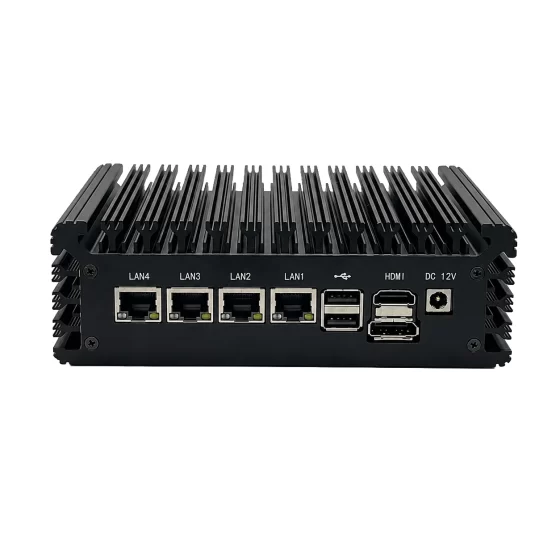
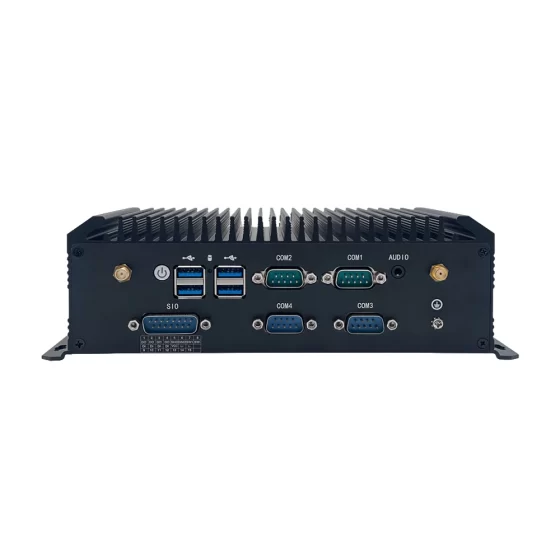
Решения CoreIPC для промышленных вычислений

Компьютер для проверки качества AI: Промышленные вычисления для надежного визуального контроля на основе искусственного интеллекта
Управляющее резюме
An AI quality inspection computer provides the industrial computing foundation for automated visual inspection, обнаружение дефектов, product verification, мониторинг процесса, and quality data integration in modern manufacturing environments.
Как заводы переходят к более разумному производству, quality inspection is becoming more data-driven, camera-based, and connected to automation systems. Traditional manual inspection can be limited by operator fatigue, непоследовательное суждение, скорость производства, and difficulty handling large volumes of inspection data.
AI-based inspection systems use industrial cameras, освещение, датчики, программное обеспечение машинного зрения, Модели вывода ИИ, и промышленное компьютерное оборудование для обнаружения дефектов, классифицировать отклонения, verify product assembly, and connect inspection results with MES or quality systems.
Промышленный компьютер или встроенный компьютер выступает в качестве локальной платформы обработки ИИ.. Он получает данные изображения, запускает алгоритмы проверки, communicates with PLCs and automation equipment, протоколы проверок магазинов, and uploads results to factory databases or production dashboards.
По сравнению со стандартными коммерческими ПК, industrial computers are better suited for factory deployment because they provide stable operation, гибкий ввод-вывод, прочная механическая конструкция, безвентиляторные варианты, надежная сеть, и поддержка длительного жизненного цикла.
This article explains how AI quality inspection computers support industrial inspection, с какими проблемами сталкиваются производители при развертывании, как работает архитектура решения, and which hardware features are important for reliable AI-based quality control.
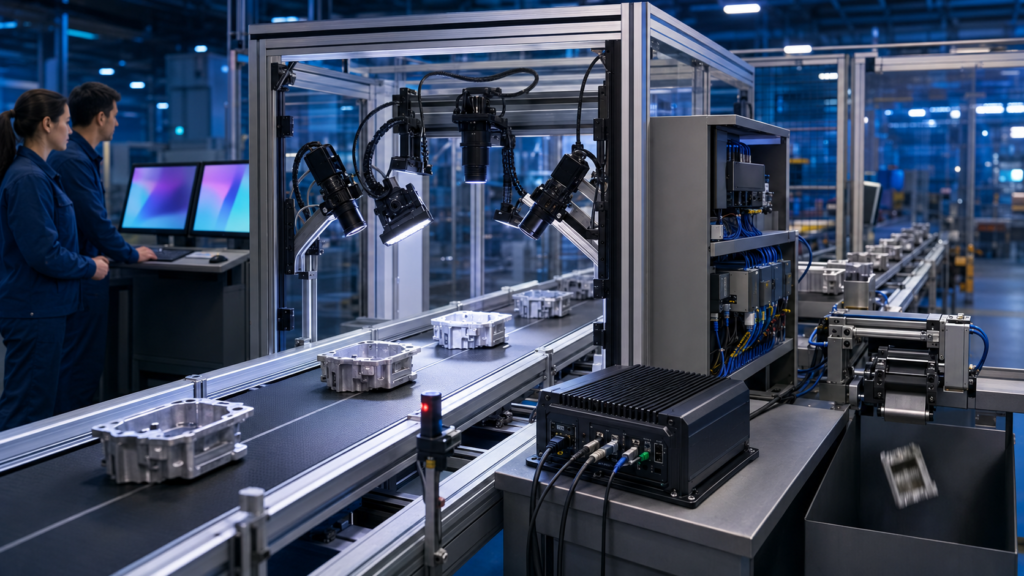
AI Quality Inspection on Production Lines
Обзор отрасли
Quality Inspection Is Moving Toward AI
Manufacturing quality control has traditionally relied on manual inspection, rule-based machine vision, sampling inspection, or offline testing.
These methods are still useful, but many modern production lines require faster, more consistent, and more data-connected inspection. Products are becoming more complex, production speeds are increasing, and factories need stronger traceability.
AI quality inspection can support:
- Обнаружение дефектов поверхности
- Проверка внешнего вида продукта
- Проверка сборки
- Missing part detection
- Label and barcode checking
- Проверка упаковки
- Dimension and position verification
- Обнаружение посторонних предметов
- Solder and component inspection
- Классификация дефектов
- Quality data collection
A reliable AI quality inspection computer provides the local computing platform required to turn camera data into production decisions.
Почему ИИ используется при контроле качества
Традиционные системы видения, основанные на правилах, работают хорошо, когда дефекты очевидны., стабильный, и легко определить.
Однако, real-world defects are often more complex. Царапины, пятна, трещины, вмятины, загрязнение, poor solder joints, недостающие компоненты, деформация, and color variation may appear in different shapes, размеры, и условия освещения.
AI inspection models can help identify visual patterns that are difficult to describe with fixed rules.
AI can be useful for:
- Variable defect shapes
- Complex product surfaces
- Mixed product models
- Subtle appearance differences
- Классификация дефектов
- Обнаружение аномалий
- Multi-stage quality analysis
ИИ не заменит правильную камеру, линза, освещение, и механическая конструкция. It depends on stable image acquisition and reliable computing hardware.
Industrial Computing Enables Real Factory Deployment
AI inspection systems are often installed directly on production lines.
Они могут работать рядом с конвейерами., роботизированные клетки, assembly machines, packaging equipment, испытательные станции, inspection benches, или шкафы управления.
Эти среды могут включать в себя вибрацию., пыль, нагревать, электрический шум, движение кабеля, ограниченное пространство, и продолжительное время работы.
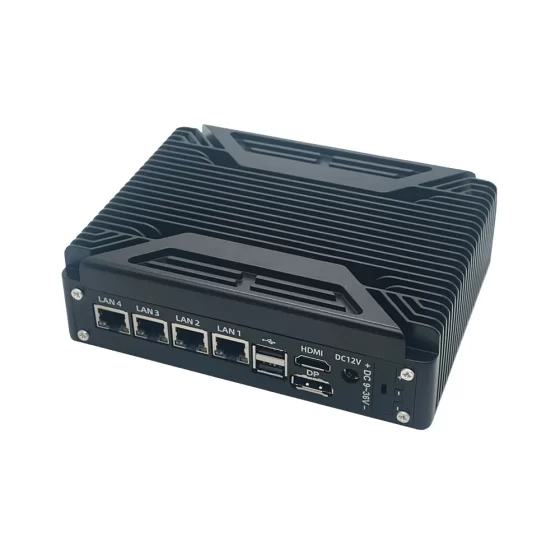
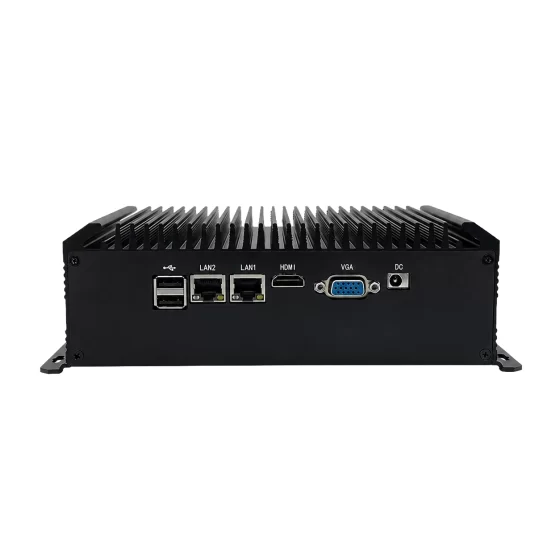
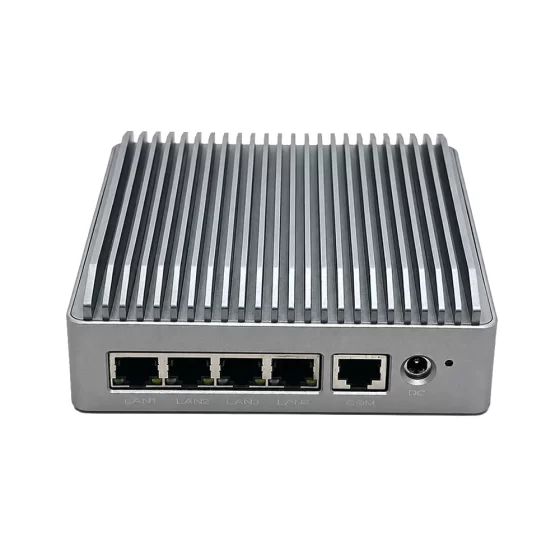
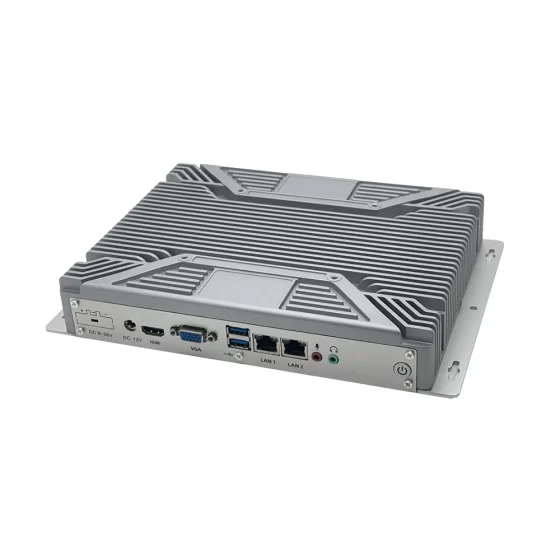
Промышленные компьютеры и встраиваемые компьютеры разработаны для таких условий развертывания.. They support stable performance, промышленный ввод-вывод, multiple camera interfaces, надежная установка, локальное хранилище, и доступность в течение длительного жизненного цикла.

AI Quality Inspection Vision Challenges
Ключевые проблемы
Вариативность дефектов
Defects are not always consistent.
The same defect type may appear differently depending on product material, угол освещения, surface texture, production process, or camera position.
Общие проблемы проверки включают в себя:
- Мелкие царапины
- Surface stains
- Cracks and dents
- Отсутствующие компоненты
- Wrong assembly
- Цветовые различия
- Загрязнение
- Посторонние предметы
- Misaligned parts
- Damaged packaging
The AI quality inspection computer must process images reliably under real production conditions.
Высокая нагрузка на обработку изображений
AI inspection often uses high-resolution cameras and deep learning models.
Вычислительная нагрузка зависит от разрешения камеры., количество камер, частота кадров, сложность модели, inspection cycle time, and storage requirements.
Если компьютер недостаточно мощный, в системе может возникнуть задержка обработки, пропущенные кадры, нестабильная скорость контроля, or reduced production throughput.
К важным факторам рабочей нагрузки относятся:
- Размер модели ИИ
- Разрешение изображения
- Количество камер
- Требуемая частота кадров
- Локальное хранилище изображений
- Defect classification logic
- Время связи ПЛК
- MES or database upload frequency
Стабильная и продолжительная производительность важнее, чем кратковременные пиковые показатели производительности..
Интеграция камеры и освещения
AI inspection accuracy depends heavily on image quality.
Poor lighting can create glare, тени, размытие изображения, низкий контраст, or unstable color. Эти проблемы могут снизить точность модели и увеличить вероятность ложного обнаружения..
A reliable system requires coordination between:
- Выбор камеры
- Дизайн линзы
- Метод освещения
- Время срабатывания триггера
- Позиционирование продукта
- Механический монтаж
- Software settings
- Вычислительное оборудование
The industrial computer must support stable image acquisition and reliable connection with lighting controllers, датчики, and camera systems.
Интеграция с производственным оборудованием
AI inspection results must be connected with production actions.
Системе может потребоваться связь с ПЛК., конвейеры, роботы, механизмы отклонения, сигналы тревоги, считыватели штрих-кодов, Программное обеспечение MES, или качественные базы данных.
A practical AI inspection computer may need:
- локальная сеть
- USB
- RS232
- RS485
- GPIO
- Цифровой вход
- Цифровой выход
- HDMI или DisplayPort
- Расширение M.2 или PCIe
Without the right I/O configuration, системная интеграция становится более сложной и менее надежной.
Непрерывная эксплуатация и техническое обслуживание
AI quality inspection systems often operate across multiple shifts.
Если диагностический компьютер вышел из строя, image processing may stop, reject control may fail, and quality data may become incomplete.
Industrial-grade hardware helps reduce this risk by supporting stable thermal design, надежная механическая установка, надежное хранение, and long-term component availability.
Long lifecycle support is also important because inspection systems often remain in production for many years.

AI Quality Inspection Computer Architecture
AI Quality Inspection Computer Solution Architecture
Уровень получения изображений и датчиков
Уровень сбора данных собирает необработанные данные, необходимые для проверки ИИ..
Этот уровень может включать промышленные камеры., линзы, осветительные модули, триггерные датчики, считыватели штрих-кодов, измерительные устройства, и производственные датчики.
В зависимости от приложения, система может захватывать:
- Product surface images
- Изображения сборки
- Изображения компонентов
- Packaging images
- Изображения штрих-кода или этикетки
- Изображения дефектов
- Данные о местоположении
- Значения измерений
- Сигналы процесса
Постоянное качество ввода имеет важное значение. AI inspection results depend on clear, повторяемый, and stable data capture.
Уровень промышленных вычислений искусственного интеллекта
The industrial AI computing layer is where the AI quality inspection computer performs local processing.
На этом слое, промышленный компьютер или встроенный компьютер может:
- Получать изображения с камер
- Запуск моделей вывода ИИ
- Detect visual defects
- Classify abnormal conditions
- Compare results with inspection rules
- Храните изображения и журналы
- Display inspection results
- Отправляйте сигналы «пройдено» или «не пройдено»
- Общайтесь с ПЛК
- Загрузка данных в системы качества
This edge computing layer allows inspection decisions to happen close to the production process.
Уровень управления автоматизацией
The automation control layer connects AI inspection results with equipment action.
ПЛК, контроллер робота, контроллер движения, конвейерная система, or reject mechanism may trigger inspection and receive results from the industrial computer.
Например, if the system detects a missing component, unreadable label, surface defect, or package damage, the computer can send a fail signal to the PLC. The equipment may then stop the line, активировать механизм отклонения, or route the product for rework.
This closed-loop communication turns AI inspection into practical quality control.
Уровень управления данными
Inspection results must be stored and connected with production records.
Промышленный компьютер может отправлять данные в МЧС, системы менеджмента качества, заводские базы данных, производственные панели, или аналитические платформы.
Данные проверки могут включать в себя:
- Идентификатор продукта
- Порядок работы
- Номер партии
- Результат проверки
- Категория дефекта
- Изображение доказательства
- Оценка уверенности
- Идентификатор станции
- Временная метка
- Действия оператора
- Recheck status
Это поддерживает отслеживаемость, анализ качества, улучшение процесса, и производственная ответственность.
Пользовательский интерфейс и инженерный уровень
Операторам и инженерам необходим локальный интерфейс для мониторинга и настройки..
The AI quality inspection computer may connect to a monitor, сенсорный экран, клавиатура, или панель ЧМИ.
Интерфейс может отображать живые изображения, места дефектов, результаты проверки, тревожные сообщения, объемы производства, Модель статуса ИИ, статус камеры, и системные журналы.
A clear interface helps engineers review defects, adjust inspection settings, and troubleshoot production problems quickly.
Ключевые особенности
Производительность вывода ИИ
AI inspection requires stable inference performance.
Различные задачи проверки требуют разных уровней вычислений.. A simple single-camera defect detection station may use a compact embedded computer. A multi-camera AI inspection line may require a more powerful industrial PC or edge AI computer.
При выборе следует учитывать:
- Сложность модели ИИ
- Разрешение камеры
- Количество камер
- Скорость проверки
- Частота кадров
- нагрузка процессора
- Нужен графический процессор или ускоритель искусственного интеллекта
- Объем памяти
- Рабочая нагрузка хранилища
- Программная среда
The best configuration should be selected according to real production data and actual inspection cycle time.
Поддержка интерфейса камеры
Возможность подключения камеры является одним из наиболее важных требований к оборудованию..
AI inspection systems commonly use USB cameras, GigE-камеры, 2.5Камеры GbE, or other industrial vision interfaces.
Полезные аппаратные функции могут включать в себя:
- USB 3.0 порты
- Несколько портов LAN
- 2.5GbE or higher-speed LAN options
- Расширение PCIe
- Расширение M.2
- Выход HDMI или DisplayPort
- Высокоскоростное хранилище
- Стабильная мощность
Для многокамерных систем, bandwidth planning should be completed before hardware selection.
Промышленный ввод-вывод для заводской интеграции
Инспекционный компьютер с искусственным интеллектом должен подключаться к реальному производственному оборудованию..
Важные параметры ввода-вывода могут включать в себя:
- локальная сеть
- USB
- RS232
- RS485
- GPIO
- Цифровой вход
- Цифровой выход
- HDMI
- ДисплейПорт
Эти интерфейсы могут поддерживать камеры, датчики, контроллеры освещения, считыватели штрих-кодов, ПЛК, конвейеры, сигналы тревоги, роботы, и отвергать механизмы.
Гибкий ввод-вывод сокращает количество внешних адаптеров и повышает надежность системы..
Безвентиляторный и прочный дизайн
Fanless industrial computers are useful in many inspection environments.
Они уменьшают попадание пыли и устраняют одну распространенную точку механического отказа.. This is valuable when systems operate continuously and maintenance access is limited.
Прочный корпус помогает защитить компьютер от вибрации., напряжение кабеля, и влияние установки.
Для высокопроизводительных рабочих нагрузок искусственного интеллекта, thermal design must be reviewed carefully. Мощность процессора, Использование графического процессора или ускорителя, поток воздуха в шкафу, температура окружающей среды, and mounting position can all affect long-term stability.
Надежное хранение записей проверок
AI inspection systems may generate large amounts of data.
Компьютер может хранить изображения дефектов, принятые образцы изображений, журналы проверок, Файлы моделей AI, отчеты, and local database records.
Обычно предпочтение отдается твердотельным накопителям или хранилищам NVMe, поскольку они обеспечивают более быстрый доступ и лучшую ударопрочность, чем механические накопители..
Для приложений с большим количеством изображений, емкость хранения, писать выносливость, метод резервного копирования, и политика хранения данных должна быть пересмотрена во время проектирования системы..
Длительный жизненный цикл и ремонтопригодность
AI inspection systems may remain in production for many years.
Frequent changes in hardware models, порты, водители, или варианты расширения могут увеличить рабочую нагрузку по проверке и стоимость обслуживания..
Промышленные вычислительные платформы с планированием жизненного цикла помогают производителям и производителям OEM-оборудования поддерживать согласованность систем на нескольких линиях., машины, и проекты клиентов.
Сценарии развертывания
Обнаружение дефектов поверхности
Surface defect detection is one of the most common AI inspection applications.
The system can inspect metal, пластик, glass, electronic parts, packaging materials, textiles, and other product surfaces.
The industrial computer processes images locally to detect scratches, пятна, вмятины, трещины, загрязнение, and other visible defects.
Проверка сборки
AI inspection can verify whether products are assembled correctly.
Система может проверять наличие компонентов, ориентация, позиция, выравнивание разъема, размещение винта, прокладка кабеля, положение метки, или недостающие детали.
An industrial computer processes camera images and sends results to the production system or PLC.
Electronics Inspection
Electronics manufacturing can use AI inspection for PCB inspection, обзор паяного соединения, проверка компонентов, распознавание штрих-кода, проверка разъема, и классификация дефектов.
Встроенный компьютер можно установить рядом с линиями SMT., АОИ оборудование, испытательные станции, или ремонтировать скамейки.
Inspection results can be connected with PCB serial numbers, заказы на работу, и записи МЧС.
Проверка упаковки
AI quality inspection can support packaging checks for labels, штрих-коды, коды дат, печати, кепки, коробки, мешочки, бутылки, и финальные пакеты.
The industrial computer processes images and sends pass or fail results to PLCs or reject mechanisms.
Это помогает уменьшить количество ошибок при доставке и улучшить отслеживаемость..
Пищевая и фармацевтическая инспекция
Пищевое и фармацевтическое производство часто требует визуального контроля продукции., этикетки, пакеты, печати, коды, и окончательная упаковка.
AI inspection computers can support appearance inspection, проверка этикетки, fill-level checks, package completeness, and traceability record creation.
These applications require stable image acquisition and reliable data handling.
Battery and New Energy Inspection
Battery manufacturing can use AI inspection for electrode surfaces, внешний вид клеток, tab welding areas, сборка модуля, проводка, этикетки, and final pack inspection.
The industrial computer processes defect images and connects results with production and quality systems.
This supports safer and more traceable battery manufacturing workflows.
Роботизированные инспекционные камеры
Инспекция с использованием искусственного интеллекта может быть интегрирована с роботизированными системами.
A robot may move a product under a camera, position a camera around the product, or sort items based on inspection results.
The AI quality inspection computer processes images and communicates with the robot controller or PLC.
OEM-инспекционное оборудование
Machine builders can integrate industrial computers, встроенные компьютеры, or industrial motherboards into AI inspection machines.
The computing platform can provide image acquisition, Вывод ИИ, Дисплей ЧМИ, автоматизация связи, локальное хранилище, и вывод заводских данных.
This helps OEMs deliver inspection equipment ready for smart manufacturing integration.

AI Quality Inspection Defect Review
Преимущества для бизнеса
Улучшенная согласованность проверки
AI quality inspection helps manufacturers inspect products more consistently across shifts.
The system processes images according to defined models and inspection logic. Это снижает зависимость от ручного принятия решений и помогает поддерживать стабильный контроль качества..
Reliable industrial computing hardware supports this consistency by keeping image acquisition and inference workloads stable.
Сокращение рабочей нагрузки при ручной проверке
Ручная проверка может быть повторяющейся, медленный, и непоследовательный.
AI inspection automates many visual checks and allows operators to focus on exception handling, process adjustment, and equipment maintenance.
This improves production efficiency and reduces the risk of missed defects caused by fatigue.
Более быстрое обнаружение дефектов
Локальная обработка ИИ позволяет принимать решения по проверке непосредственно на производственной линии..
The industrial computer can detect defects and send pass, неудача, or classification results to PLCs quickly.
Это позволяет ускорить процесс отклонения., переработать маршрутизацию, или коррекция процесса.
Более надежная отслеживаемость качества
Данные проверки AI могут быть связаны с идентификаторами продуктов., заказы на работу, категории дефектов, изображения, временные метки, информация о станции, и действия оператора.
This creates stronger quality records for production analysis, аудит клиентов, гарантийное расследование, и анализ первопричин.
Traceability becomes more useful when inspection data is collected consistently and connected with MES or quality systems.
Лучшее улучшение процесса
AI inspection platforms generate useful production data.
Производители могут анализировать повторяющиеся дефекты, производительность станции, дрейф процесса, проблемы с оборудованием, и тенденции проверок.
Надежные промышленные компьютеры помогают гарантировать сохранение этих данных., переведен, и отображается последовательно.
Масштабируемое интеллектуальное производство
A standardized industrial computing platform makes it easier to deploy AI inspection across multiple production lines and factories.
Согласованное оборудование упрощает образы программного обеспечения, управление водителем, планирование запасных частей, обучение техническому обслуживанию, и долгосрочная техническая поддержка.
Это поддерживает масштабируемый цифровой контроль качества и развитие интеллектуального производства..
Почему CoreIPC
CoreIPC предоставляет промышленные вычислительные платформы для машинного зрения, крайний ИИ, автоматизация производства, и встроенная системная интеграция. For AI quality inspection computer applications, CoreIPC специализируется на надежном промышленном компьютерном оборудовании., встроенные компьютерные решения, гибкие конфигурации ввода-вывода, компактная конструкция системы, и поддержка настройки OEM/ODM. CoreIPC помогает системным интеграторам, машиностроители, и производственные группы выбирают вычислительные платформы, соответствующие реальным требованиям развертывания, включая интерфейсы камеры, Рабочие нагрузки ИИ, автоматизация связи, способы крепления, потребляемая мощность, тепловой расчет, потребности в хранении, и планирование жизненного цикла.
Часто задаваемые вопросы
1. What is an AI quality inspection computer?
An AI quality inspection computer is an industrial computer used to run AI-based inspection software near production equipment.
It connects to cameras, контроллеры освещения, датчики, ПЛК, и заводские сети. Он получает данные изображения, запускает вывод ИИ, обнаруживает дефекты, протоколы проверок магазинов, and sends results to automation systems or quality databases.
2. Why use an industrial computer for AI quality inspection?
AI inspection systems often operate directly on production lines.
Промышленный компьютер более подходит, чем офисный ПК, поскольку он поддерживает непрерывную работу., прочный монтаж, промышленный ввод-вывод, возможность подключения камеры, стабильная тепловая конструкция, и длительный жизненный цикл развертывания. These features help inspection systems remain reliable during real factory operation.
3. How is an embedded computer used in AI inspection systems?
Встроенный компьютер может быть установлен внутри инспекционных машин., роботизированные клетки, производственные шкафы, компактные станции технического зрения, или OEM-оборудование.
Он может обрабатывать данные камеры, запускать модели ИИ, общаться с ПЛК, отображать локальные результаты, и загрузить записи проверок. Its compact design makes it useful for space-limited machine-side deployment.
4. What defects can AI quality inspection detect?
AI quality inspection can support detection of scratches, вмятины, трещины, пятна, загрязнение, недостающие части, wrong assembly, poor labels, barcode errors, дефекты герметизации, дефекты поверхности, and packaging damage.
The actual detection capability depends on camera quality, дизайн освещения, Обучение модели ИИ, вариант продукта, and real production validation.
5. What interfaces are important for AI inspection computers?
Важные интерфейсы могут включать USB 3.0, несколько портов локальной сети, 2.5Нести, RS232, RS485, GPIO, цифровой вход, цифровой выход, HDMI, ДисплейПорт, М.2, и расширение PCIe.
Интерфейсы камеры имеют решающее значение для получения изображений. Промышленный ввод-вывод важен для связи с ПЛК., триггерные сигналы, управление освещением, датчики, сигналы тревоги, конвейеры, и отвергать механизмы.
6. Does an AI quality inspection computer need a GPU?
Some AI inspection workloads may need GPU or AI accelerator support, особенно для изображений с высоким разрешением, несколько камер, or complex models.
Other applications may run on CPU-based industrial computers if the model is lightweight and the inspection speed is moderate. Hardware should be selected based on real model performance and production cycle time.
7. Is a fanless industrial computer suitable for AI inspection?
A fanless industrial computer can be suitable for many AI inspection applications because it reduces dust intake and removes one common mechanical failure point.
Однако, AI workloads can generate significant heat. Производительность процессора, Использование графического процессора или ускорителя, поток воздуха в шкафу, температура окружающей среды, and mounting method should be reviewed before final selection.
8. How does AI inspection support traceability?
AI inspection supports traceability by linking inspection results with product IDs, заказы на работу, категории дефектов, изображения, временные метки, идентификаторы станций, и действия оператора.
Эти данные можно загрузить в МЧС., системы качества, или производственные базы данных. Полные записи помогают производителям анализировать дефекты, поддержка аудитов, и совершенствовать производственные процессы.
9. Can AI inspection connect with MES systems?
Да. Промышленные компьютеры могут отправлять результаты проверки ИИ в МЧС, качественные базы данных, производственные панели, или аналитические платформы.
Загруженные данные могут включать идентификаторы продуктов., результаты проверки, категории дефектов, записи изображений, временные метки, line numbers, и информация о станции. This helps connect visual inspection with production management and quality analysis.
10. Что следует протестировать перед развертыванием?
Перед развертыванием, система должна быть протестирована на реальных продуктах, реальные дефекты, производственное освещение, фактическое разрешение камеры, скорость линии, модели искусственного интеллекта, Связь с ПЛК, рабочая нагрузка хранилища, и условия сети.
Также следует проверить долговременную стабильность и тепловые характеристики.. Это помогает подтвердить, что платформа может надежно работать в производстве..
Заключение
An AI quality inspection computer is a practical foundation for automated visual inspection, обнаружение дефектов, отслеживаемость производства, and smart manufacturing quality control.
Размещая промышленное компьютерное оборудование рядом с камерами, системы освещения, датчики, ПЛК, конвейеры, роботы, и инспекционное оборудование, производители могут обрабатывать данные проверок локально и быстрее реагировать на проблемы с качеством.
Правильный промышленный или встроенный компьютер следует выбирать в соответствии с реальными требованиями к развертыванию., включая рабочую нагрузку ИИ, интерфейс камеры, разрешение изображения, Конфигурация ввода/вывода, сетевой дизайн, потребности в хранении, метод монтажа, потребляемая мощность, термические условия, поддержка операционной системы, и планирование жизненного цикла.
CoreIPC supports AI quality inspection computer projects with industrial computing platforms designed for practical factory deployment. С правильной аппаратной основой, производители и производители оборудования могут создавать более надежные, масштабируемый, и системы контроля качества на основе данных.
Связаться с нами
Ищу промышленный компьютер, встроенный компьютер, or industrial motherboard for AI quality inspection?
Свяжитесь с CoreIPC, чтобы обсудить требования вашего проекта, включая интерфейс камеры, Рабочая нагрузка ИИ, Конфигурация ввода/вывода, автоматизация связи, метод монтажа, потребляемая мощность, операционная среда, потребности жизненного цикла, и варианты настройки OEM/ODM.