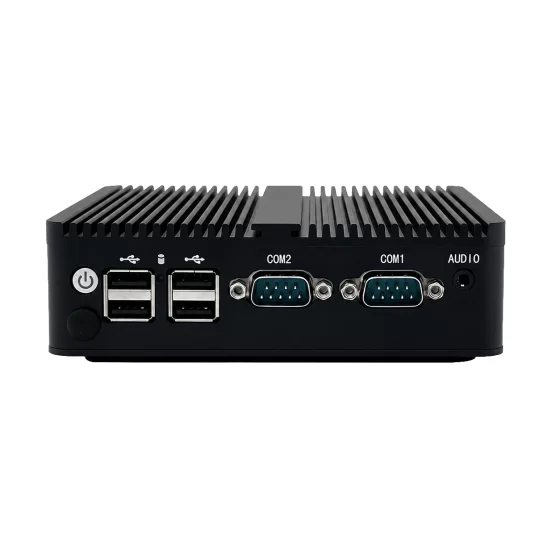
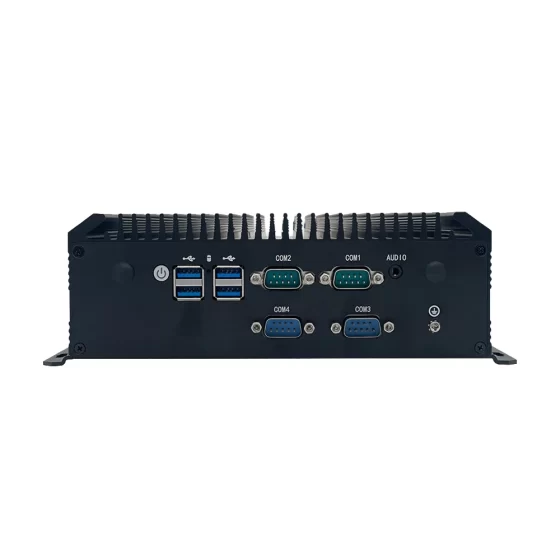
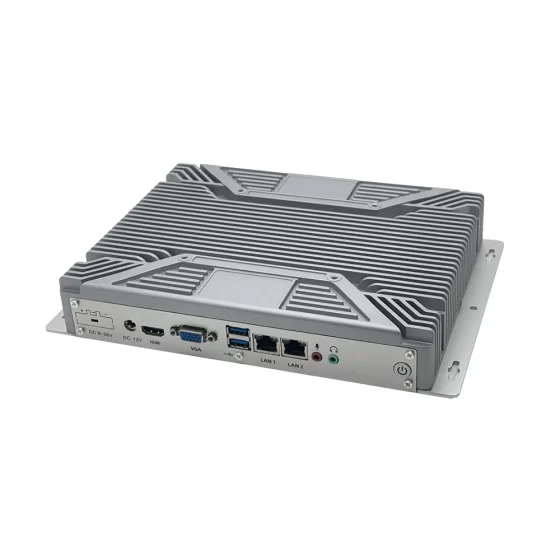
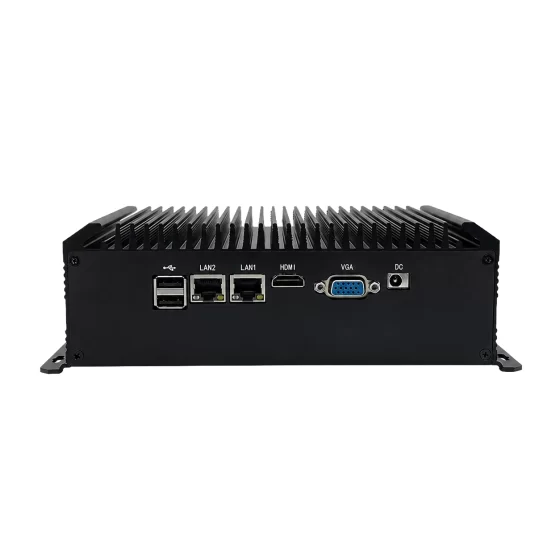
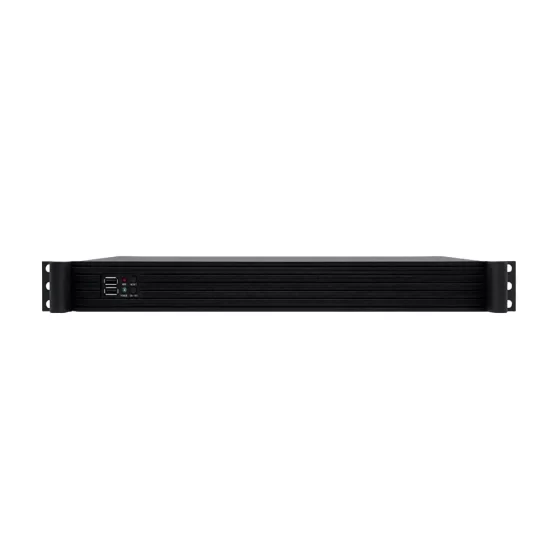
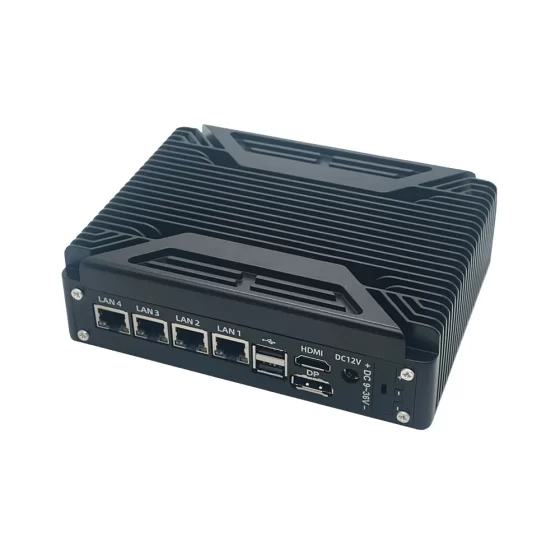
Решения CoreIPC для промышленных вычислений

Промышленный компьютер для высокоскоростных камер: Высокоскоростная камера-компьютер для машинного зрения и автоматизации
Управляющее резюме
Высокоскоростной компьютер с камерой обеспечивает основу промышленных вычислений для получения изображений., обработка в реальном времени, инспекционный контроль, анализ движения, и интеграция данных в высокоскоростных приложениях машинного зрения.
Высокоскоростные камеры широко используются в производстве., проверка электроники, упаковка, анализ движения, робототехника, проверка полупроводников, испытание материалов, и автоматизированный контроль качества. Этим приложениям требуется стабильное вычислительное оборудование, способное обрабатывать большие потоки данных изображений., общаться с промышленными камерами, быстро обрабатывать кадры, и связывайте результаты с системами автоматизации.
В отличие от стандартных офисных ПК, промышленный компьютер предназначен для непрерывной работы вблизи производственного оборудования. Он может поддерживать интерфейсы промышленных камер., высокоскоростное хранилище, несколько портов локальной сети, USB-подключение, триггерные сигналы, Связь с ПЛК, надежная установка, и длительный жизненный цикл развертывания.
Встроенный компьютер также можно использовать, когда систему камер необходимо установить внутри оборудования., компактные инспекционные машины, шкафы управления, или OEM-платформы машинного зрения.
Выбор правильного промышленного компьютера для высокоскоростных камер важен, поскольку разрешение камеры, частота кадров, время экспозиции, рабочая нагрузка по обработке изображений, пропускная способность данных, требования к хранению могут напрямую влиять на надежность проверки.
В этой статье объясняется, как компьютеры с высокоскоростными камерами поддерживают системы промышленного зрения., с какими проблемами внедрения сталкиваются производители, как работает архитектура решения, и какие аппаратные функции наиболее важны для надежного высокоскоростного получения и обработки изображений.
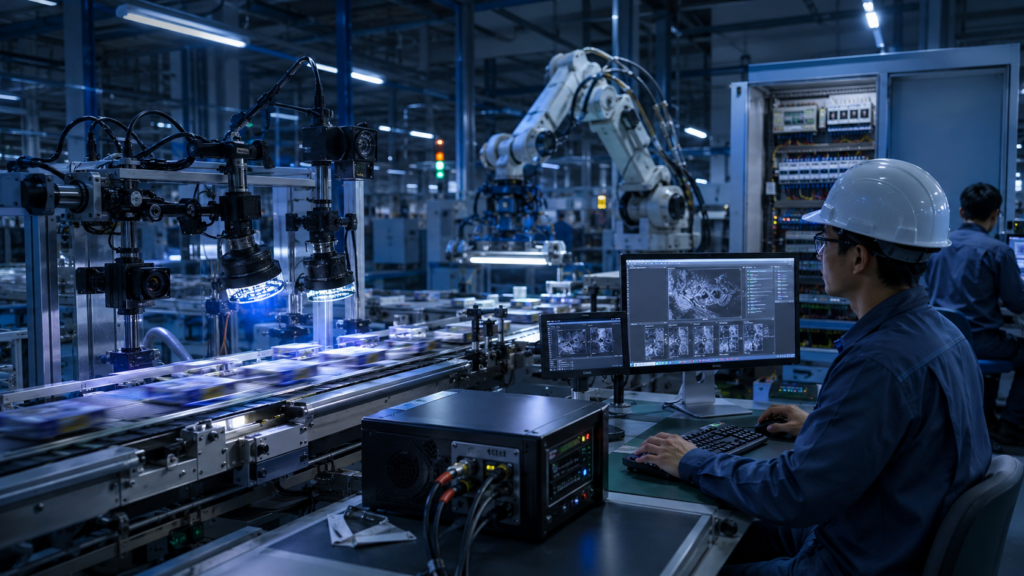
Промышленные компьютеры обрабатывают данные с камер с высокой частотой кадров для контроля производства., анализ движения, и контроль качества.
Обзор отрасли
Высокоскоростные камеры расширяются в промышленном контроле
Высокоскоростные камеры используются, когда стандартные камеры не могут снимать быстрое движение., быстрые производственные мероприятия, или кратковременные изменения процесса.
В промышленных условиях, они помогают производителям анализировать, проверять, и контролировать процессы, которые происходят слишком быстро для ручного наблюдения.
Общие приложения включают в себя:
- Высокоскоростной контроль производства
- Анализ движения
- Обнаружение дефектов
- Мониторинг упаковочной линии
- Роботизированный анализ движения
- SMT и проверка электроники
- Проверка процесса полупроводников
- Проверка веб-материалов
- Проверка наполнения и герметизации
- Механические испытания и анализ отказов
Эти приложения часто генерируют большие объемы данных изображения за короткое время..
Компьютер с высокоскоростной камерой должен снимать, процесс, магазин, и надежно передавать эти данные.
Почему вычислительное оборудование имеет значение
Высокоскоростная камера — это лишь часть системы технического зрения..
Камера может снимать сотни или тысячи кадров в секунду., но системе также нужен компьютер, способный принимать данные без потерь, обрабатываю это быстро, и отправка полезных результатов в производственные системы.
Если компьютер выбран неправильно, в системе могут наблюдаться пропадания кадров, отсроченная проверка, узкие места хранения, нестабильная работа программного обеспечения, или сбои связи.
Это особенно важно, когда система технического зрения используется для проверки в реальном времени или автоматического управления..
Промышленные компьютеры для реального применения на заводе
Системы высокоскоростных камер часто устанавливаются рядом с машинами., конвейеры, роботы, испытательное оборудование, инспекционные станции, или производственные линии.
Эти среды могут включать в себя вибрацию., пыль, нагревать, электрический шум, ограниченное пространство для установки, и продолжительное время работы.
Промышленные компьютеры и встраиваемые компьютеры лучше подходят для этих условий, чем стандартные коммерческие ПК..
Они обеспечивают прочную конструкцию, гибкий ввод-вывод, стабильное крепление, безвентиляторные варианты, высокоскоростные интерфейсы, и доступность систем машинного зрения в течение длительного жизненного цикла.

Скорость движения, время срабатывания триггера, освещение, пропускная способность, скорость хранения, и промышленная стабильность влияют на надежность высокоскоростной камеры.
Ключевые проблемы
Пропускная способность больших изображений
Высокоскоростные камеры могут генерировать очень большие потоки данных..
Требуемая полоса пропускания зависит от разрешения камеры., частота кадров, разрядность, количество камер, формат изображения, и интерфейс передачи.
Система, использующая несколько высокоскоростных камер, может потребовать тщательного планирования.:
- Пропускная способность интерфейса камеры
- Загрузка процессора
- Объем памяти
- Скорость хранения
- Сетевой трафик
- Стабильность передачи данных
- Оптимизация программного обеспечения
- Требования к обработке в реальном времени
Если компьютер не может обработать полный поток данных, может произойти потеря кадров.
Для систем контроля, потеря кадров может означать пропущенные дефекты или неполный анализ процесса..
Обработка изображений в реальном времени
Системы высокоскоростных камер часто требуют быстрой обработки изображений..
Компьютеру может потребоваться обнаружить дефекты, измерить движение, рассчитать положение объекта, выявлять аномальные события, или вызвать реакцию автоматизации в течение очень короткого времени.
Обработка в реальном времени зависит как от аппаратного, так и от программного обеспечения..
Важные факторы включают в себя:
- Производительность процессора
- Пропускная способность памяти
- Скорость хранения
- Требования к графическому процессору или ускорителю
- Совместимость с SDK камеры
- Алгоритмы обработки изображений
- Стабильность операционной системы
- Задержка связи автоматизации
Компьютер с высокоскоростной камерой должен обеспечивать стабильную и продолжительную работу., не только кратковременная пиковая производительность.
Совместимость интерфейса камеры
Высокоскоростные камеры могут использовать разные интерфейсы в зависимости от приложения..
Общие интерфейсы могут включать USB 3.0, ГигЭ Видение, 2.5Нести, 10Нести, Ссылка на камеру, КоаXPress, или другие специализированные интерфейсы машинного зрения.
Промышленный компьютер должен поддерживать необходимый интерфейс через встроенные порты., карты расширения, или подходящие модули.
Плохое планирование интерфейса может ограничить работу всей системы..
Например, мощный процессор не может решить проблему с пропускной способностью камеры, если в системе отсутствует правильный высокоскоростной входной интерфейс.
Узкие места хранилища
Для высокоскоростного захвата изображений может потребоваться быстрое локальное хранилище..
Некоторые приложения обрабатывают изображения только в режиме реального времени и сохраняют результаты.. Другие должны хранить необработанные изображения, видеоклипы, дефектные кадры, журналы, или обработать доказательства.
Требования к хранению могут зависеть от:
- Продолжительность записи
- Частота кадров
- Разрешение изображения
- Метод сжатия
- Количество камер
- Политика хранения изображений проверок
- Частота загрузки базы данных
- Потребности в локальной буферизации
Обычно предпочтение отдается твердотельным накопителям или хранилищам NVMe, поскольку они обеспечивают более высокую производительность записи и лучшую ударопрочность, чем механические накопители..
Стабильность промышленной среды
Компьютеры с высокоскоростными камерами часто устанавливаются в производственных средах, где надежность имеет решающее значение..
Система может работать непрерывно в несколько смен.. Возможна установка в шкафу, внутри машины, под рабочей станцией, или рядом с движущимся оборудованием.
Компьютер должен оставаться стабильным в реальных условиях, таких как вибрация., нагревать, пыль, изменение мощности, напряжение кабеля, и электрический шум.
Вот почему дизайн промышленного уровня важен для высокоскоростных камер..

Промышленные компьютеры соединяют высокоскоростные камеры, оборудование для сбора данных, системы автоматизации, и заводские базы данных.
Архитектура компьютерного решения высокоскоростной камеры
Уровень камеры и получения изображений
Уровень получения изображений включает в себя высокоскоростные камеры., линзы, осветительные модули, триггерные датчики, захваты кадров, и монтажные конструкции.
Этот слой захватывает изображения или видеопоследовательности быстро продаваемых продуктов., инструменты, процессы, или механические события.
В зависимости от приложения, система может захватывать:
- Движение продукта
- Дефекты поверхности
- Механическое движение
- Сроки процесса
- Действия по упаковке
- Размещение компонентов
- Поведение при заполнении жидкостью
- Деформация материала
- Роботизированное движение
- Высокоскоростные производственные мероприятия
Стабильная синхронизация камеры и качество изображения необходимы для того, чтобы компьютер мог надежно обрабатывать данные..
Уровень промышленных вычислений
Уровень промышленных вычислений — это место, где промышленный компьютер или встроенный компьютер получает и обрабатывает данные камеры..
На этом слое, компьютер может выполнять несколько задач:
- Получение изображения
- Буферизация кадров
- Обработка изображений в реальном времени
- Обнаружение дефектов
- Анализ движения
- Расчет измерений
- Обработка триггерного сигнала
- Локальное хранилище видео
- Связь с ПЛК
- Загрузка данных в заводские системы
Этот слой должен быть тщательно согласован с рабочей нагрузкой камеры..
Несоответствие скорости камеры и производительности компьютера может снизить надежность системы..
Уровень управления автоматизацией
Системы высокоскоростных камер часто подключаются к оборудованию автоматизации..
ПЛК, контроллер движения, контроллер робота, конвейерная система, или контроллер машины может отправлять триггерные сигналы на компьютер. После обработки, компьютер может отправить пропуск, неудача, позиция, время, или результаты тревоги возвращаются в систему управления.
Например, если камера обнаруживает бракованный продукт на линии быстрой упаковки, промышленный компьютер может послать сигнал на активацию механизма отбраковки.
Эта замкнутая связь помогает превратить высокоскоростные данные изображений в практический контроль производства..
Уровень управления данными
Системы высокоскоростных камер могут генерировать важные данные проверки и обработки..
Компьютер может отправлять данные в МЧС, СКАДА, системы менеджмента качества, заводские базы данных, или мониторинг панелей мониторинга.
Данные могут включать в себя:
- Идентификатор продукта
- Результат проверки
- Изображение дефекта
- Видеозапись
- Значение измерения
- Временная метка
- Идентификатор станции
- Триггерное событие
- Статус машины
- Отклонить результат
Это поддерживает отслеживаемость, анализ качества, улучшение процесса, и устранение неисправностей оборудования.
Пользовательский интерфейс и инженерный уровень
Операторам и инженерам нужен практичный локальный интерфейс..
Промышленный компьютер можно подключить к монитору, сенсорный экран, клавиатура, или панель ЧМИ. Интерфейс может отображать изображения с камеры в реальном времени., записанные клипы, статус кадра, результаты проверки, сигналы тревоги, системные журналы, и настройки камеры.
Понятный интерфейс помогает инженерам регулировать экспозицию, освещение, время срабатывания триггера, параметры обработки изображений, и настройки хранилища.

Прочные промышленные компьютеры обеспечивают надежное высокоскоростное размещение камер в шкафах управления машинным зрением..
Основные характеристики компьютера с высокоскоростной камерой
Высокоскоростная обработка данных
Высокоскоростной компьютер камеры должен обеспечивать стабильную производительность обработки изображений при реальной рабочей нагрузке..
Требуемая конфигурация зависит от:
- Разрешение камеры
- Частота кадров
- Количество камер
- Битовая глубина изображения
- Алгоритмы обработки в реальном времени
- Потребности в локальном хранилище
- Требования к отображению
- Время реакции автоматики
- Программная среда
Для простого наблюдения с помощью одной камеры, компактного встроенного компьютера может быть достаточно.
Для многокамерного высокоскоростного контроля, может потребоваться более мощный промышленный ПК с высокоскоростным расширением и хранилищем.
Поддержка интерфейса камеры
Поддержка интерфейса камеры — один из важнейших факторов выбора..
Промышленный компьютер должен поддерживать интерфейс камеры, необходимый для приложения.. Это может включать встроенные порты или возможности расширения..
Полезные аппаратные опции могут включать в себя:
- USB 3.0 порты
- Несколько портов LAN
- 2.5Варианты GbE или 10GbE
- Расширение PCIe
- Расширение M.2
- Поддержка захвата кадров
- Высокоскоростной интерфейс хранилища
- Стабильная мощность
Для многокамерных систем, планирование пропускной способности должно быть выполнено до выбора оборудования.
Надежная архитектура хранения данных
Системам высокоскоростных камер может потребоваться хранение больших файлов изображений или видеоклипов..
SSD-накопитель или хранилище NVMe могут помочь поддерживать высокую скорость записи и быстрый доступ к данным.. Для приложений с большим количеством изображений, При проектировании хранилища следует учитывать как емкость, так и долговечность..
Важные вопросы хранения включают в себя:
- Как долго должны храниться изображения?
- Требуются ли необработанные изображения?
- Сохраняются ли только свидетельства дефекта?
- Нужна ли локальная буферизация?
- Будут ли данные загружены на сервер?
- Какая выносливость при записи требуется?
Надежная конструкция хранилища снижает риск потери данных проверки..
Промышленный ввод-вывод для запуска и управления
Применение высокоскоростных камер часто зависит от точного времени..
Компьютеру может потребоваться получение триггерных сигналов., управлять освещением, общаться с ПЛК, и отправить результаты на средства автоматизации.
Полезные параметры ввода-вывода могут включать в себя:
- локальная сеть
- USB
- RS232
- RS485
- GPIO
- Цифровой вход
- Цифровой выход
- HDMI
- ДисплейПорт
Гибкий ввод-вывод сокращает использование внешних преобразователей и повышает надежность развертывания..
Безвентиляторный и прочный дизайн
Безвентиляторные промышленные компьютеры полезны во многих производственных средах..
Они уменьшают попадание пыли и устраняют одну распространенную точку механического отказа.. Это может повысить долгосрочную надежность инспекционных станций., шкафы, и установки на стороне машины.
Однако, работа высокоскоростной камеры может привести к значительному нагреву.
Тепловой расчет следует тщательно проанализировать., особенно для высокопроизводительных процессоров, несколько камер, захваты кадров, или ускорение графического процессора.
Длительный жизненный цикл и ремонтопригодность
Системы машинного зрения могут оставаться в производстве в течение многих лет.
Частые изменения в моделях компьютеров, порты, водители, или варианты расширения могут создать проблемы с проверкой и обслуживанием.
Промышленные вычислительные платформы с возможностью планирования жизненного цикла помогают производителям и производителям OEM-оборудования поддерживать согласованные системы высокоскоростных камер на нескольких машинах., линии, и проекты клиентов.

Системы высокоскоростных камер улучшают контроль, анализ движения, прослеживаемость, обнаружение дефектов, и мониторинг производства.
Сценарии развертывания
Высокоскоростная проверка производства
Высокоскоростные камеры могут проверять быстродвижущиеся продукты на конвейерах или производственных линиях..
Промышленный компьютер обрабатывает изображения, чтобы обнаружить недостающие детали., дефекты поверхности, неправильное положение, проблемы с упаковкой, или ненормальное движение.
Это помогает производителям проверять продукцию, не замедляя работу линии..
Анализ движения
Высокоскоростные камеры часто используются для анализа механического движения..
Система может фиксировать быстрое движение в машинах., инструменты, роботизированное оружие, приводы, или движущиеся части. Инженеры могут просматривать записанные кадры, чтобы понять время, вибрация, влияние, или поведение процесса.
Промышленный компьютер обеспечивает захват изображения, локальное хранилище, воспроизведение, и аналитическая поддержка.
Проверка упаковочной линии
Упаковочные линии часто перемещаются быстро.
Компьютер с высокоскоростной камерой может поддерживать проверку этикеток., печати, кепки, уровни заполнения, печатные коды, и положение упаковки.
Система может отправлять результаты «пройдено» или «не пройдено» в ПЛК или отклонять механизмы..
Это помогает уменьшить количество ошибок при упаковке и улучшить контроль качества..
SMT и проверка электроники
Производство электроники может потребовать высокоскоростного захвата изображений для размещения компонентов., обзор процесса пайки, распознавание штрих-кода, и обнаружение дефектов.
Встроенный компьютер можно установить рядом с линиями SMT., инспекционные машины, или испытательные станции.
Система может связывать результаты проверки с серийными номерами печатных плат и записями MES..
Проверка полупроводникового процесса
Проверка полупроводников может потребовать высокоскоростной визуализации пластин с высоким разрешением., умирает, пакеты, знаки, и обрабатывать события.
Промышленный ПК может обрабатывать данные камеры, хранить изображения дефектов, и общаться с системами управления оборудованием.
Это поддерживает контроль качества и отслеживаемость в прецизионном производстве..
Робототехника и управление движением
Роботизированные системы могут использовать высокоскоростные камеры для отслеживания движения, локализация детали, мониторинг процесса, или анализ траектории.
Промышленный компьютер может обрабатывать изображения и взаимодействовать с контроллерами роботов или ПЛК..
Это помогает повысить точность автоматизации и предоставляет полезные данные для настройки системы..
Испытание материалов и анализ отказов
Высокоскоростные камеры полезны для тестирования материалов., механические компоненты, воздействия, деформация, поломка, или быстрое поведение процесса.
Компьютер сохраняет последовательности изображений и помогает инженерам просматривать события кадр за кадром..
Это ценно для Р.&Д лаборатории, технология производства, и качественное расследование.
Интеграция OEM-оборудования машинного зрения
Производители машин могут интегрировать промышленные компьютеры или встроенные платы в оборудование для высокоскоростных камер..
Вычислительная платформа может обеспечить съемку с камеры., обработка изображений, Дисплей ЧМИ, автоматизация связи, локальное хранилище, и вывод данных.
Это помогает OEM-производителям поставлять системы машинного зрения, готовые к промышленному развертыванию..
Преимущества для бизнеса
Улучшенный захват быстрых событий
Системы высокоскоростных камер помогают производителям видеть события, которые происходят слишком быстро для ручного наблюдения или стандартных камер..
С подходящим промышленным компьютером, можно захватывать последовательности изображений, обработано, и надежно хранится.
Это помогает производственным группам выявлять проблемы процесса и улучшать контроль..
Повышенная надежность контроля
Правильно выбранный компьютер с высокоскоростной камерой снижает риск потери кадров., отложенная обработка, и нестабильная связь.
Надежное вычислительное оборудование помогает системам контроля работать стабильно во время производственных смен..
Это способствует лучшему контролю качества и уверенности в производстве..
Более быстрое обнаружение дефектов
Локальная обработка изображений позволяет быстро обнаруживать дефекты или аномальные события..
Промышленный компьютер может отправлять результаты в ПЛК., сигналы тревоги, или вовремя отбраковать механизмы для производственного действия.
Это помогает снизить риск качества на последующих этапах.
Более надежная отслеживаемость
Данные проверки высокоскоростной камеры могут быть связаны с идентификаторами продуктов., временные метки, информация о станции, изображения дефектов, и производственные записи.
Это обеспечивает более надежную прослеживаемость для анализа качества., аудит клиентов, улучшение процесса, и расследование отказов.
Сокращение ручного анализа
Высокоскоростной захват изображений помогает снизить зависимость от ручного наблюдения.
Инженеры могут использовать записанные данные, автоматическое обнаружение, и результаты измерений для более точного анализа быстрых процессов.
Это улучшает процесс устранения неполадок и поддерживает улучшение процессов на основе данных..
Масштабируемое развертывание машинного зрения
Стандартизированная промышленная вычислительная платформа помогает производителям развертывать системы высокоскоростных камер на нескольких линиях., машины, и заводы.
Согласованное оборудование упрощает образы программного обеспечения, управление водителем, планирование запасных частей, обучение техническому обслуживанию, и долгосрочная техническая поддержка.
Это поддерживает масштабируемое интеллектуальное производство и разработку машинного зрения..
Почему CoreIPC
CoreIPC предоставляет промышленные вычислительные платформы для машинного зрения, высокоскоростное получение изображений, автоматизация производства, и встроенная системная интеграция. Для компьютерных приложений с высокоскоростными камерами, CoreIPC специализируется на надежном промышленном компьютерном оборудовании., встроенные компьютерные решения, гибкие конфигурации ввода-вывода, компактная конструкция системы, и поддержка настройки OEM/ODM. CoreIPC помогает системным интеграторам, машиностроители, и производственные группы выбирают вычислительные платформы, соответствующие реальным требованиям развертывания, включая интерфейсы камеры, рабочая нагрузка по обработке, дизайн хранилища, автоматизация связи, способы крепления, потребляемая мощность, термические условия, и планирование жизненного цикла.
Часто задаваемые вопросы
1. Что такое компьютер с высокоскоростной камерой?
Компьютер с высокоскоростной камерой — это промышленный компьютер, используемый для захвата, процесс, магазин, и передавать данные изображений с высокоскоростных камер.
Он может поддерживать проверку машинного зрения., анализ движения, проверка упаковки, робототехника, проверка полупроводников, или испытания материалов. Компьютер должен поддерживать высокую пропускную способность данных., интерфейсы камеры, скорость хранения, и требования к обработке в реальном времени.
2. Зачем использовать промышленный компьютер для высокоскоростных камер?
Системы высокоскоростных камер часто размещаются рядом с машинами., конвейеры, роботы, инспекционные станции, или производственные линии.
Промышленный компьютер более подходит, чем офисный ПК, поскольку он поддерживает непрерывную работу., промышленный ввод-вывод, надежная установка, стабильная сеть, высокоскоростные интерфейсы, и длительный жизненный цикл развертывания. Эти функции помогают системе оставаться надежной в заводских условиях..
3. Как встроенный компьютер используется с высокоскоростными камерами?
Встроенный компьютер может быть установлен внутри машины., системы контроля, шкафы управления, или компактное видеооборудование.
Он может получать данные камеры, запустить программу обработки изображений, общаться с ПЛК, отчеты о проверках магазинов, и загрузить результаты в заводские системы. Компактный дизайн делает его полезным для OEM-оборудования машинного зрения и установок в ограниченном пространстве..
4. Какие интерфейсы важны для компьютеров с высокоскоростными камерами?
Важные интерфейсы могут включать USB 3.0, Гигабитный Ethernet, 2.5Нести, 10Нести, PCIe, М.2, RS232, RS485, GPIO, HDMI, и DisplayPort.
Лучший интерфейс зависит от типа камеры, частота кадров, разрешение, и количество камер. Для специализированных камер, также может потребоваться поддержка захвата кадров.
5. Могут ли безвентиляторные промышленные компьютеры поддерживать высокоскоростные камеры??
Безвентиляторные промышленные компьютеры могут поддерживать некоторые приложения высокоскоростных камер., особенно при умеренной нагрузке и температурном режиме.
Однако, высокая частота кадров, несколько камер, захваты кадров, или тяжелая обработка изображений может привести к значительному выделению тепла. Окончательный выбор должен учитывать нагрузку на процессор., скорость хранения, конструкция корпуса, температура окружающей среды, и воздушный поток.
6. Как можно уменьшить потерю кадров в системах высокоскоростных камер??
Пропуски кадров можно уменьшить за счет согласования полосы пропускания камеры., компьютерный интерфейс, объем памяти, скорость хранения, и рабочая нагрузка по обработке.
Систему необходимо протестировать на реальных камерах., реальная частота кадров, фактическое разрешение изображения, и производственное программное обеспечение. Разделение сети, совместимость драйверов, и скорость записи в хранилище также следует пересмотреть.
7. Какой объем памяти необходим для приложений высокоскоростной камеры?
Хранение зависит от того, сохраняет ли система необработанное видео., выбранные кадры, изображения дефектов, или только результаты проверки.
NVMe или высокоскоростной SSD-накопитель часто предпочтительнее для больших данных изображений.. Для непрерывной записи, емкость, устойчивая скорость записи, писать выносливость, и политику хранения данных следует тщательно пересмотреть..
8. Могут ли компьютеры с высокоскоростными камерами подключаться к ПЛК и системам MES??
Да. Промышленные компьютеры могут взаимодействовать с ПЛК, контроллеры движения, механизмы отклонения, MES-системы, качественные базы данных, и мониторинг дашбордов.
Они могут получать триггерные сигналы, отправить результаты пройдено или не пройдено, отчеты о проверках магазинов, и загрузите данные о продукте. Это помогает связать высокоскоростной контроль изображений с автоматизацией производства и отслеживаемостью..
9. Что следует протестировать перед развертыванием?
Перед развертыванием, систему следует протестировать на реальных камерах, фактическая частота кадров, разрешение изображения, программное обеспечение для обработки, триггерные сигналы, Связь с ПЛК, рабочая нагрузка хранилища, и условия сети.
Также следует проверить долговременную стабильность и тепловые характеристики.. Это помогает подтвердить, что компьютер может поддерживать производственную работу без потери кадров или непредвиденных простоев..
10. Для каких приложений нужен компьютер с высокоскоростной камерой?
Приложения включают высокоскоростной контроль производства., проверка упаковки, анализ движения, робототехника, СМТ-инспекция, проверка полупроводников, мониторинг веб-материалов, проверка наполнения, механические испытания, и анализ отказов.
Любое приложение, которое должно фиксировать быстрые события или обрабатывать данные изображений с высокой частотой кадров, может извлечь выгоду из правильно подобранного промышленного компьютера..
Заключение
Высокоскоростной компьютер с камерой является важной аппаратной основой для систем промышленного машинного зрения, требующих быстрого получения изображений., обработка в реальном времени, надежное хранение, и интеграция автоматизации.
Размещая промышленное компьютерное оборудование рядом с камерами, датчики, ПЛК, конвейеры, роботы, и инспекционное оборудование, производители могут снимать быстрые производственные события, обнаруживать дефекты, анализировать движение, и свяжите результаты с заводскими системами.
Правильный промышленный компьютер или встроенный компьютер следует выбирать в соответствии с реальными требованиями приложения., включая интерфейс камеры, частота кадров, разрешение, рабочая нагрузка по обработке, скорость хранения, Конфигурация ввода/вывода, сетевой дизайн, метод монтажа, потребляемая мощность, термические условия, поддержка операционной системы, и планирование жизненного цикла.
CoreIPC поддерживает проекты высокоскоростных компьютеров с камерами и промышленными вычислительными платформами, предназначенными для практического развертывания предприятий и оборудования.. С правильной аппаратной основой, производители и производители машин могут повысить надежность контроля, уменьшить потерю кадров, усилить отслеживаемость, и создавать масштабируемые системы машинного зрения.
Связаться с нами
Ищу промышленный компьютер, встроенный компьютер, или промышленная материнская плата для высокоскоростных камер?
Свяжитесь с CoreIPC, чтобы обсудить требования вашего проекта, включая интерфейс камеры, частота кадров, разрешение изображения, рабочая нагрузка по обработке, дизайн хранилища, Конфигурация ввода/вывода, автоматизация связи, метод монтажа, потребляемая мощность, операционная среда, потребности жизненного цикла, и варианты настройки OEM/ODM.