Решения CoreIPC для промышленных вычислений

Управляющее резюме
Промышленный Интернет вещей (IIoT) технологии меняют то, как производители собирают, процесс, and utilize operational data. As industrial facilities become increasingly connected, organizations face growing challenges related to latency, потребление полосы пропускания, cybersecurity, и принятие решений в режиме реального времени. Traditional cloud-centric architectures often struggle to meet the performance requirements of modern industrial environments where milliseconds can significantly impact productivity, качество, и операционная эффективность.
An IIoT Edge Computing Platform addresses these challenges by bringing data processing, аналитика, and intelligent decision-making closer to industrial equipment and data sources. Instead of transmitting all data to remote cloud servers, edge computing platforms perform local processing, фильтрация, и анализ, enabling real-time responses while reducing network traffic and cloud dependency.
Modern IIoT edge computing platforms combine industrial computers, embedded computing systems, industrial networking technologies, and intelligent analytics capabilities into a unified infrastructure. These platforms serve as the foundation for smart manufacturing, профилактическое обслуживание, промышленная автоматизация, машинное зрение, энергетический менеджмент, and Industrial IoT deployments.
В этой статье рассматривается архитектура, benefits, сценарии развертывания, and key considerations of IIoT edge computing platforms in Industry 4.0 окружающая среда.
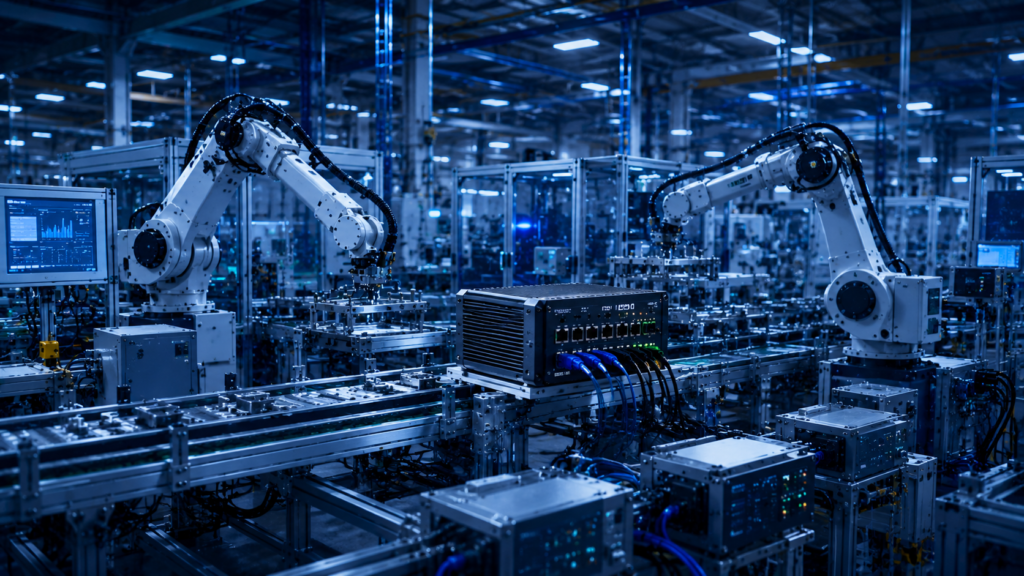
Industrial IIoT edge computing platform enabling real-time connectivity, периферийная аналитика, промышленная автоматизация, and smart manufacturing operations.
Обзор отрасли
The Evolution of Industrial IoT
Industrial operations have traditionally relied on isolated automation systems designed for local control and monitoring. While these systems provided reliability and stability, they often lacked connectivity and enterprise-level visibility.
Today’s industrial organizations seek to achieve:
- Real-time equipment visibility
- Интеллектуальная автоматизация
- Прогностическое обслуживание
- Production optimization
- Energy efficiency
- Мониторинг активов
- Цифровая трансформация
These goals require continuous access to operational data and intelligent processing capabilities.
The Data Explosion Challenge
Modern industrial environments generate massive volumes of data from:
- ПЛК
- Промышленные датчики
- Системы машинного зрения
- Робототехника
- СКАДА-системы
- Счетчики энергии
- Производственное оборудование
A single manufacturing facility may generate millions of data points every day.
Without efficient processing architectures, organizations face:
- High bandwidth costs
- Data overload
- Delayed analytics
- Increased cloud expenses
This has accelerated the adoption of edge computing architectures.
Why Edge Computing Matters
Edge computing processes data closer to the source rather than relying entirely on centralized cloud platforms.
Ключевые преимущества включают в себя:
- Меньшая задержка
- Более быстрое время ответа
- Повышенная надежность
- Уменьшение сетевого трафика
- Повышенная безопасность
- Better scalability
These benefits make edge computing a critical component of modern IIoT infrastructures.
Ключевые проблемы
Real-Time Decision Requirements
Industrial processes often require immediate responses.
Примеры включают в себя:
- Production line control
- Обнаружение дефектов
- Мониторинг безопасности
- Equipment protection
- Robotics navigation
Cloud-based processing alone may introduce unacceptable delays.
Industrial Network Complexity
Modern facilities frequently contain:
- Устаревшие ПЛК
- Несколько протоколов связи
- Distributed equipment
- Diverse automation vendors
Connecting these systems requires flexible edge computing platforms.
Проблемы кибербезопасности
As industrial systems become more connected, cybersecurity risks increase.
Организации должны защищать:
- Эксплуатационные данные
- Equipment configurations
- Production systems
- Enterprise networks
Secure edge computing architectures help reduce exposure.
Bandwidth Limitations
Transmitting raw industrial data continuously to cloud platforms can be costly and inefficient.
Общие источники данных включают в себя:
- Камеры высокого разрешения
- Датчики вибрации
- Датчики окружающей среды
- Производственное оборудование
Local processing reduces unnecessary data transmission.
Требования к надежности
Industrial environments demand:
- Непрерывная работа
- Высокая доступность системы
- Стабильная производительность
- Long-term support
Industrial-grade edge computing platforms are designed to meet these requirements.
Архитектура решения
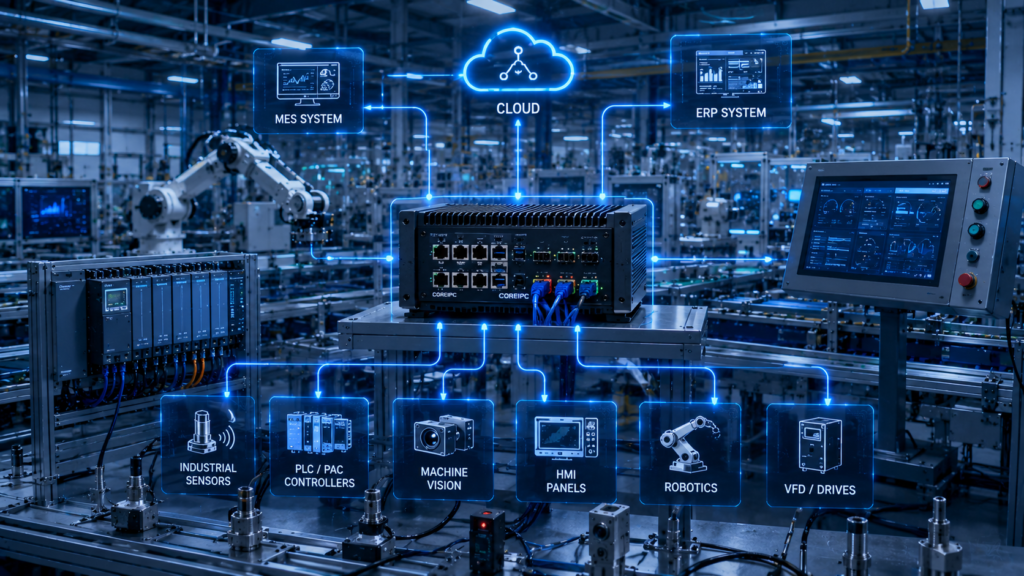
IIoT edge computing architecture enabling real-time data acquisition, промышленная связь, периферийная аналитика, and integration between factory equipment and enterprise systems.
Typical IIoT Edge Computing Architecture
An IIoT edge computing platform typically consists of several layers.
Device Layer
Подключенные устройства включают в себя:
- Промышленные датчики
- ПЛК-контроллеры
- Промышленные камеры
- RFID systems
- Умные счетчики
- Робототехнические системы
Эти устройства генерируют оперативные данные.
Уровень подключения
Industrial networks may include:
- Модбус TCP
- ПРОФИНЕТ
- ЭтерНет/IP
- ОПЦ ЮА
- MQTT
- CAN-шина
The edge platform serves as the communication hub.
Уровень периферийных вычислений
The edge computing platform performs:
- Сбор данных
- Фильтрация данных
- Преобразование протокола
- Обработка событий
- Локальная аналитика
- Вывод ИИ
This reduces cloud dependency while improving responsiveness.
Корпоративный уровень
Processed data is integrated with:
- MES-системы
- ERP-платформы
- СКАДА-системы
- Платформы цифровых двойников
- Analytics applications
This provides enterprise-wide visibility.
Облачный слой
Cloud platforms support:
- Длительное хранение
- Historical analytics
- Advanced reporting
- Управление автопарком
- Централизованный мониторинг
The edge platform determines which data should be transmitted.
Ключевые особенности
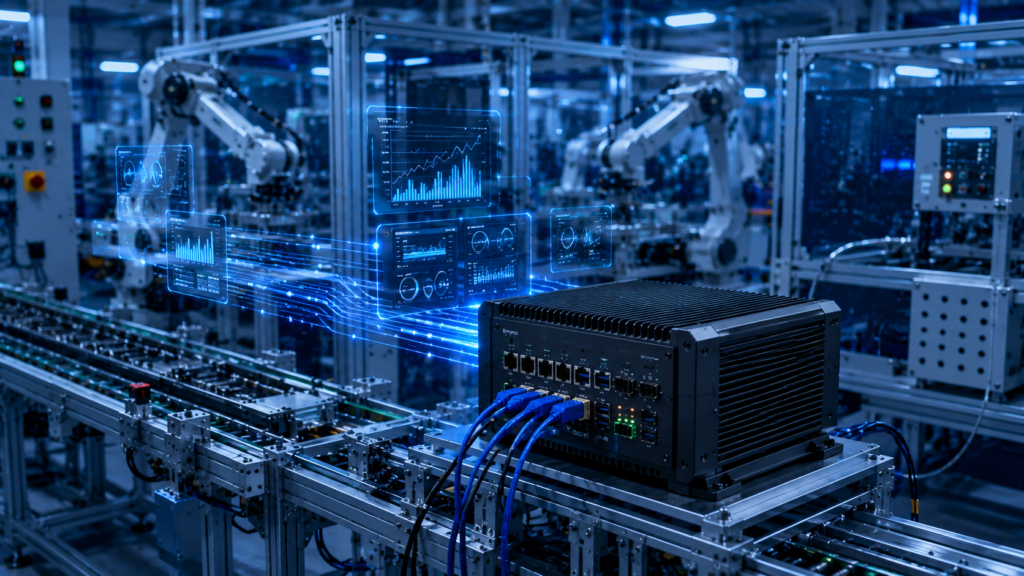
Industrial IIoT edge computing platform enabling real-time analytics, локальная обработка, профилактическое обслуживание, and intelligent manufacturing operations.
1. Обработка данных в реальном времени
IIoT edge computing platforms analyze operational data locally to support immediate decision-making.
2. Protocol Integration
Industrial environments often contain devices using multiple communication standards.
Edge platforms simplify interoperability through protocol conversion and integration.
3. Промышленная связь
Поддержка:
- Ethernet
- Последовательная связь
- Беспроводная сеть
- Industrial fieldbus systems
enables flexible deployment.
4. Edge Analytics
Local analytics capabilities provide:
- Мониторинг оборудования
- Production optimization
- Process visibility
- Operational intelligence
without cloud latency.
5. Predictive Maintenance Support
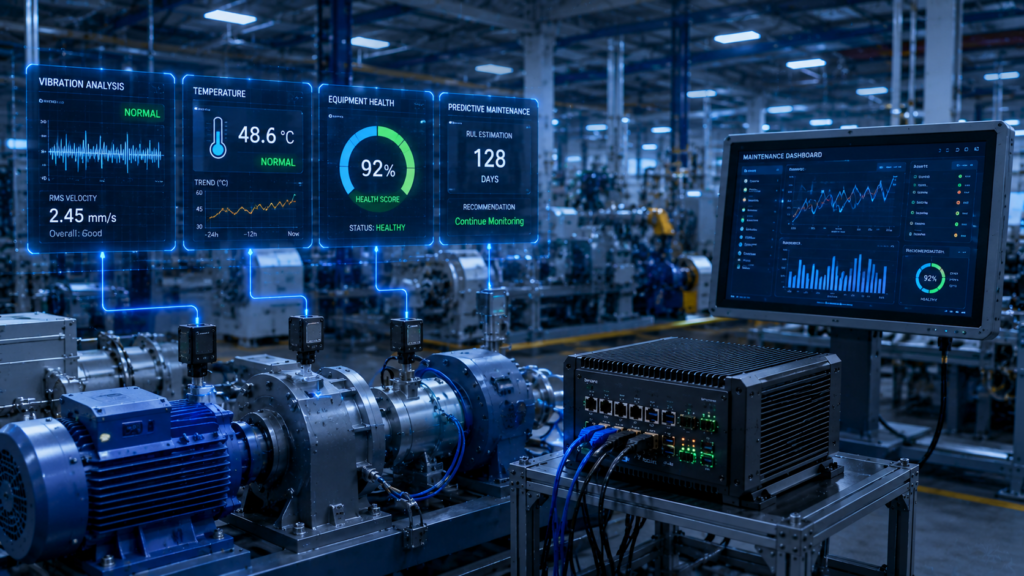
IIoT edge computing platform enabling predictive maintenance through real-time equipment monitoring, периферийная аналитика, and intelligent health assessment.
Edge platforms collect and analyze equipment condition data to identify potential failures before they occur.
6. AI and Machine Vision Integration
Modern IIoT platforms support:
- Вывод ИИ
- OCR-инспекция
- Обнаружение дефектов
- Приложения машинного зрения
for intelligent automation.
7. Удаленный мониторинг
Operators can remotely monitor:
- Статус оборудования
- Production metrics
- Потребление энергии
- System performance
from centralized locations.
8. Industrial Security
Advanced security features may include:
- Безопасная связь
- Аутентификация пользователя
- Шифрование данных
- Сегментация сети
to protect critical infrastructure.
9. Масштабируемая архитектура
Organizations can expand deployments as business requirements evolve.
Рекомендуемые продукты CoreIPC
Встроенные компьютеры
Идеально подходит для:
- IIoT-шлюзы
- Обработка кромок
- Удаленный мониторинг
Преимущества:
- Компактный дизайн
- Низкое энергопотребление
- Гибкая установка
Безвентиляторные промышленные ПК
Идеально подходит для:
- Суровые условия
- Непрерывная работа
- Установки, требующие технического обслуживания
Преимущества:
- Безвентиляторное охлаждение
- Повышенная надежность
- Тихая работа
Промышленные ПК
Идеально подходит для:
- Centralized edge processing
- Large-scale IIoT deployments
- Интеграция нескольких устройств
Преимущества:
- Высокая производительность
- Возможность расширения
- Богатые возможности подключения
Периферийные компьютеры с искусственным интеллектом
Идеально подходит для:
- Интеллектуальная аналитика
- Машинное зрение
- Прогностическое обслуживание
Преимущества:
- ИИ-ускорение
- Вывод в реальном времени
- Принятие решений на местном уровне
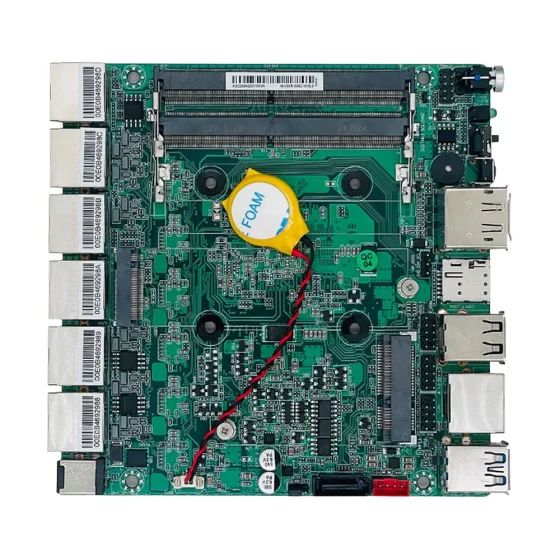
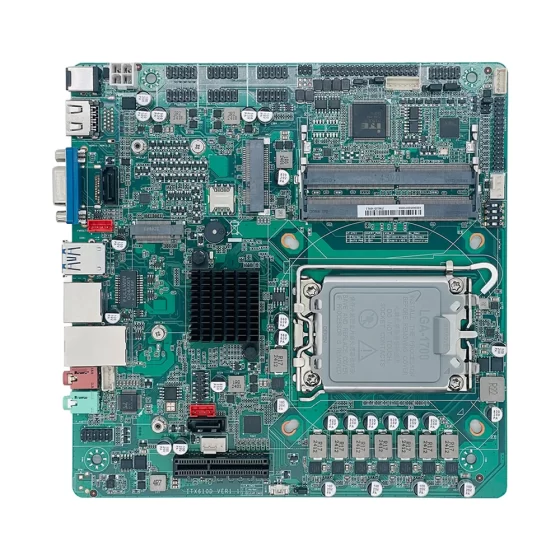
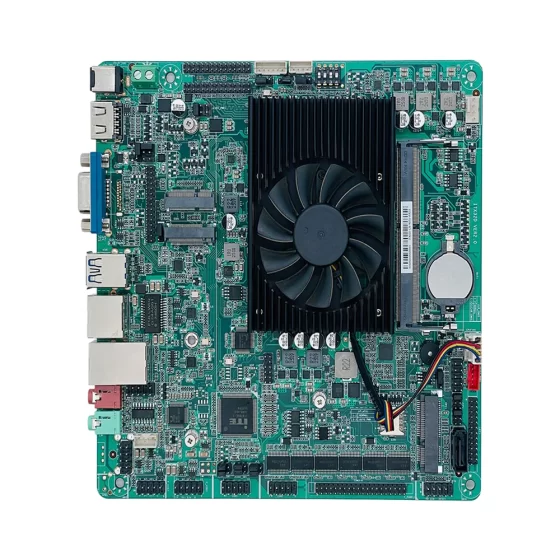
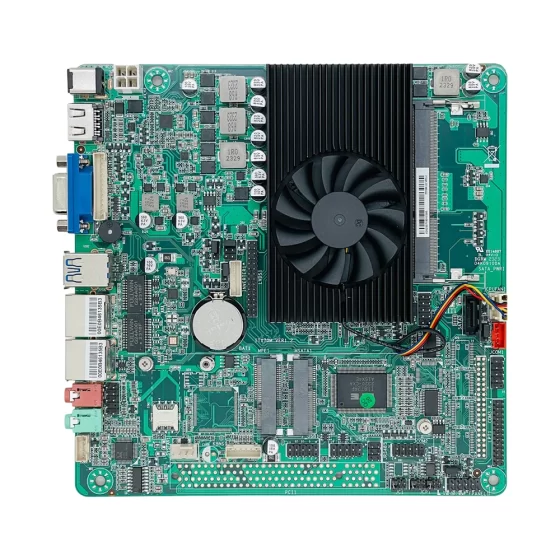
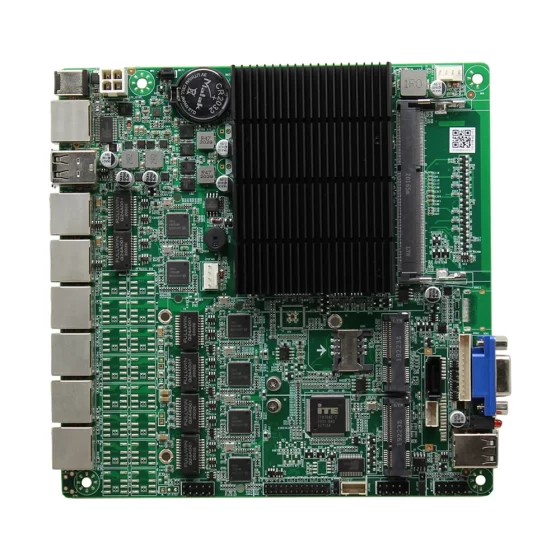
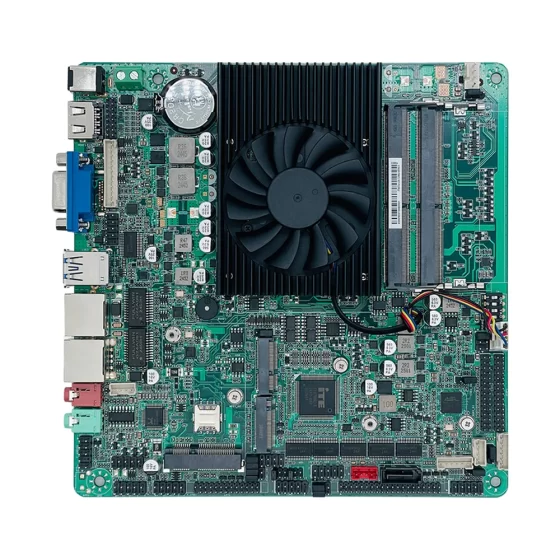
Материнские платы Mini-ITX
Идеально подходит для:
- Custom edge appliances
- OEM-проекты
- Embedded industrial systems
Преимущества:
- Гибкая интеграция
- Поддержка длительного жизненного цикла
- Rich I/O interfaces
Сценарии развертывания
Умное производство
IIoT edge computing platforms connect production equipment, датчики, and enterprise systems to improve operational visibility and efficiency.
Прогнозируемое обслуживание
Edge analytics continuously monitor equipment health indicators such as:
- Вибрация
- Температура
- Current consumption
- Давление
to identify anomalies early.
Машинное зрение
Industrial cameras and AI algorithms perform:
- Обнаружение дефектов
- Распознавание OCR
- Проверка штрих-кода
- Проверка качества
directly at the edge.
Энергетический менеджмент
Organizations monitor and optimize:
- Потребление энергии
- Эффективность оборудования
- Utility utilization
through real-time analytics.
Промышленная автоматизация
Edge platforms support communication between:
- ПЛК
- СКАДА-системы
- HMI devices
- Корпоративные приложения
for intelligent automation.
Удаленный мониторинг активов
Distributed industrial assets can be monitored and managed from centralized locations.
Умный транспорт
Приложения включают в себя:
- Мониторинг автопарка
- Управление трафиком
- Диагностика автомобиля
- Мониторинг инфраструктуры
Преимущества для бизнеса
Faster Response Times
Local processing enables immediate responses to operational events.
Reduced Bandwidth Costs
Only relevant information is transmitted to cloud platforms.
Improved Equipment Reliability
Continuous monitoring helps prevent unexpected failures.
Лучшая операционная видимость
Organizations gain access to real-time insights across operations.
Повышенная безопасность
Local processing reduces exposure of sensitive operational data.
Ускоренная цифровая трансформация
Edge computing enables organizations to implement Industry 4.0 initiatives more effectively.
Почему CoreIPC
CoreIPC provides industrial computing platforms designed for IIoT, периферийные вычисления, промышленная автоматизация, и интеллектуальные приложения для подключения.
Возможности CoreIPC включают в себя:
- Industrial computer design
- Embedded computing expertise
- OEM-производство
- ODM development
- Настройка продукта
- Поддержка длительного жизненного цикла
- Качество промышленного уровня
- Глобальный опыт развертывания
Whether building an IIoT gateway, deploying edge analytics, integrating machine vision systems, or implementing Industry 4.0 infrastructure, CoreIPC delivers reliable computing platforms for demanding industrial environments.
Часто задаваемые вопросы
1. What is IIoT edge computing?
IIoT edge computing processes industrial data locally near equipment and devices rather than relying entirely on cloud infrastructure.
2. Why is edge computing important in Industry 4.0?
Это уменьшает задержку, повышает надежность, lowers bandwidth costs, and enables real-time decision-making.
3. What is an IIoT edge computing platform?
It is a computing system that combines data acquisition, локальная обработка, промышленные сети, аналитика, и корпоративная интеграция.
4. What industries use IIoT edge computing?
Производство, энергия, транспорт, здравоохранение, логистика, and utilities commonly deploy edge computing solutions.
5. Can edge computing reduce cloud costs?
Да. Local processing reduces the amount of data transmitted and stored in cloud environments.
6. Какие протоколы связи обычно поддерживаются?
Модбус, ОПЦ ЮА, MQTT, ПРОФИНЕТ, ЭтерНет/IP, and CAN Bus are widely used.
7. Can IIoT edge platforms support AI applications?
Да. Many platforms support AI inference, машинное зрение, OCR-инспекция, and predictive analytics.
8. How does edge computing improve security?
Sensitive operational data can be processed locally, reducing exposure to external networks.
9. What is the difference between an IIoT gateway and an edge computing platform?
An IIoT gateway primarily focuses on connectivity and protocol conversion, while an edge platform adds local analytics, обработка, и разумное принятие решений.
10. Can edge platforms integrate with MES and ERP systems?
Да. Enterprise integration is a key feature of modern IIoT architectures.
11. Are industrial computers suitable for edge computing?
Да. Промышленные компьютеры обеспечивают надежность, возможность подключения, and lifecycle support required for edge deployments.
12. How does edge computing support predictive maintenance?
By continuously analyzing equipment condition data locally and identifying potential failures before downtime occurs.
Заключение
IIoT edge computing platforms have become a cornerstone of Industry 4.0 digital transformation. By bringing intelligence closer to industrial equipment, these platforms enable real-time analytics, improved operational visibility, профилактическое обслуживание, и интеллектуальная автоматизация. From smart manufacturing and machine vision to energy management and remote monitoring, edge computing delivers the performance, надежность, and scalability required by modern industrial environments. Selecting the right industrial computing platform is essential for building secure, efficient, and future-ready IIoT infrastructures.
Связаться с нами
Looking for an IIoT Edge Computing Platform?
CoreIPC предоставляет промышленные вычислительные решения для:
- IIoT Applications
- Периферийные вычисления
- Умное производство
- Промышленная автоматизация
- Машинное зрение
- Прогнозируемое обслуживание
- OEM-проекты
- ОДМ-проекты
- Разработка встраиваемого оборудования на заказ
Contact CoreIPC today to discuss your edge computing requirements and identify the ideal platform for your Industrial IoT deployment.