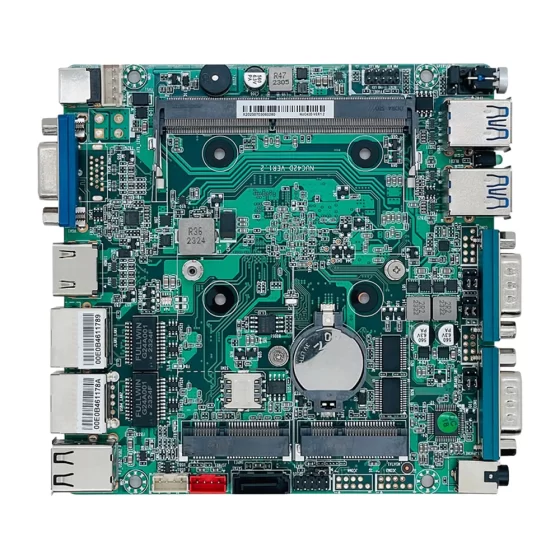
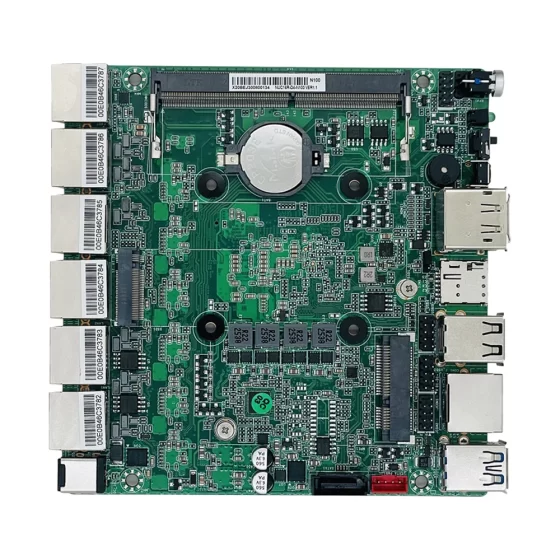
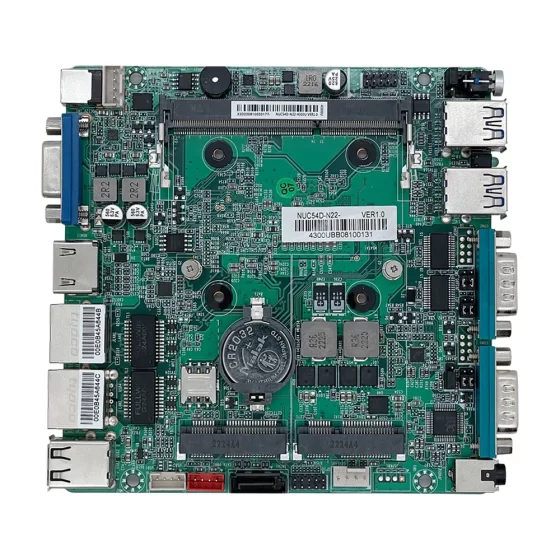
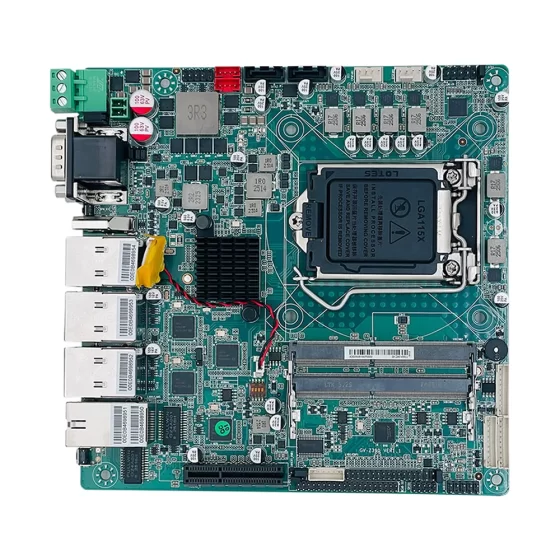
Решения CoreIPC для промышленных вычислений

Платформа агрегации промышленных данных: Агрегация промышленных данных для интеллектуального производства
Управляющее резюме
Агрегация промышленных данных обеспечивает вычислительную основу для сбора, нормализация, буферизация, обработка, и пересылка данных с машин, ПЛК, датчики, метры, роботы, камеры, системы контроля, и заводские программные платформы.
Современные заводы генерируют данные из множества разных источников.. Производственные линии могут включать устаревшие машины., ПЛК на базе Ethernet, последовательные датчики, промышленные счетчики, считыватели штрих-кодов, системы технического зрения, испытательное оборудование, СКАДА-системы, MES-платформы, и промышленные приложения Интернета вещей, подключенные к облаку.
Без надежного уровня агрегации, данные могут оставаться фрагментированными на разных машинах, электронные таблицы, местные контролеры, изолированные базы данных, или отключенные системы.
Платформа агрегации промышленных данных, построенная на промышленном компьютере или встроенном компьютере, может собирать данные с нескольких устройств., выровнять временные метки, фильтровать ненужные записи, буферизовать информацию локально, запускать задачи пограничной обработки, и отправлять структурированные данные в SCADA, МЧС, ERP-система, облачные платформы, историки, или системы аналитики.
По сравнению с базовыми преобразователями или офисными ПК, промышленные компьютеры обеспечивают более надежную аппаратную основу для развертывания в цехах. Они поддерживают прочные корпуса, несколько портов локальной сети, последовательные интерфейсы, локальное хранилище, варианты безвентиляторного дизайна, промышленная потребляемая мощность, гибкий ввод-вывод, и доступность в течение длительного жизненного цикла.
В этой статье объясняется, как платформы агрегации промышленных данных поддерживают интеллектуальное производство., какие проблемы с внедрением возникают на реальных заводах, как работает архитектура решения, и какие аппаратные характеристики имеют значение при выборе промышленного компьютера или встроенного компьютера для приложений агрегирования заводских данных..
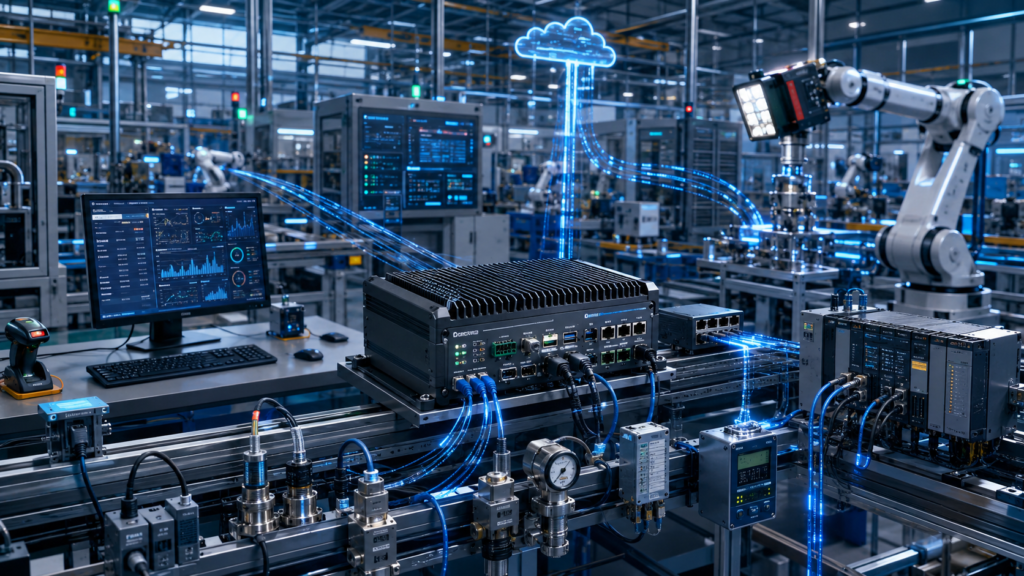
Платформы агрегации промышленных данных собирают и систематизируют машинные, датчик, качество, производство, и энергетические данные.
Обзор отрасли
Фабрикам нужна унифицированная видимость данных
Умное производство зависит от надежных данных.
Производственные группы должны понимать состояние машины, причины простоя, объемы производства, история тревог, потребление энергии, качественные результаты, значения процесса, условия обслуживания, и производительность оборудования.
Однако, заводские данные часто распределяются по многим системам.
Некоторые машины хранят данные локально. Некоторые ПЛК обмениваются данными только с близлежащими HMI.. Некоторые счетчики используют последовательную связь.. Некоторые инспекционные машины экспортируют файлы. Некоторые системы отправляют данные в SCADA, в то время как другие отчитываются в MES или облачных панелях мониторинга..
Это создает несвязанную информацию.
Платформа агрегации промышленных данных помогает объединить эти источники данных..
Агрегация данных отличается от простого сбора данных
Базовый сбор данных фиксирует значения с устройств..
Агрегация промышленных данных идет дальше.
Практическая платформа агрегирования может нуждаться в поддержке:
- Сбор данных с нескольких устройств
- Соединение протоколов
- Нормализация данных
- Выравнивание временной метки
- Локальная буферизация
- Фильтрация данных
- Обработка кромок
- Консолидация качественных данных
- Сбор сигналов тревоги и событий
- Агрегация энергетических данных
- Ведение журнала удаленного доступа
- Интеграция платформы
Цель — создать структурированные и полезные промышленные данные., не только сырые значения.
Промышленные вычисления — это основа аппаратного обеспечения
Платформы агрегации промышленных данных часто размещаются рядом с производственным оборудованием..
Их можно устанавливать внутри шкафов управления., машинные корпуса, панели производственной линии, подсобные помещения, складские системы, или периферийные вычислительные станции.
Эти среды могут включать пыль, вибрация, изменение температуры, нестабильная мощность, электрический шум, ограниченный поток воздуха, напряжение кабеля, и непрерывная работа.
Промышленные компьютеры и встроенные компьютеры обеспечивают аппаратную основу, необходимую для этих условий..
Они поддерживают сети с несколькими локальными сетями., последовательная связь, локальное хранилище, безвентиляторный дизайн, промышленный монтаж, гибкое расширение, и стабильное долгосрочное развертывание.

Смешанные интерфейсы, устаревшие устройства, разнообразие протоколов, объем данных, буферизация, и сегментация сети влияют на развертывание агрегации.
Ключевые проблемы
Сбор данных со смешанного оборудования
На заводах часто имеется оборудование разных производителей и поколений..
Одна производственная линия может включать в себя ПЛК., метры, датчики, роботы, считыватели штрих-кодов, тестовые системы, камеры, HMI, и устаревшие машины.
Эти устройства могут использовать разные интерфейсы, форматы данных, и методы связи.
Платформа агрегации данных должна поддерживать практическую возможность подключения., включая:
- Устройства на базе Ethernet
- Последовательные устройства
- ПЛК-сети
- Сенсорные системы
- Сети счетчиков
- USB-подключаемое оборудование
- Локальные файлы или базы данных
- Промышленные шлюзы
- Контроллеры станков
- Инспекционное оборудование
Гибкий ввод-вывод важен, поскольку все заводские площадки уникальны..
Нормализация данных в удобные форматы
Необработанные заводские данные часто противоречивы..
Разные машины могут использовать разные имена тегов., единицы, временные метки, коды сигнализации, частота дискретизации, и записи структур.
Платформа агрегации промышленных данных должна помочь преобразовать эти необработанные данные в более последовательную структуру..
Это может включать в себя:
- Сопоставление тегов
- Преобразование единиц измерения
- Выравнивание временной метки
- Фильтрация данных
- Классификация событий
- Группировка сигналов тревоги
- Форматирование подсчета продукции
- Стандартизация состояния машины
- Проверка локальных данных
Структурированные данные проще использовать в MES, СКАДА, историк, облако, и системы аналитики.
Как избежать потери данных во время сбоев в сети
Заводские сети не всегда стабильны.
Подключения к МЧС, СКАДА, облачные информационные панели, или удаленные серверы могут быть прерваны.
Если платформа агрегации пересылает только живые данные без локальной буферизации, важные записи могут быть потеряны.
Локальное хранилище и буферизация важны для:
- История тревог
- Производство имеет значение
- Качественные результаты
- Энергетические рекорды
- Журналы обслуживания
- Сенсорные тенденции
- Изменения статуса машины
- Записи о пакетах или процессах
Надежный промышленный компьютер может хранить данные локально и пересылать их при восстановлении сетевого подключения..
Управление большим количеством устройств и объемом данных
Рабочая нагрузка по агрегированию промышленных данных зависит от количества подключенных устройств и скорости обновления..
Небольшой машинный шлюз может собирать несколько сигналов.. Платформа агрегации на уровне завода может обрабатывать данные со многих машин., датчики, метры, камеры, и программные системы.
Размер системы должен соответствовать:
- Количество устройств
- Количество точек данных
- Частота дискретизации
- Рабочая нагрузка протокола
- Размер локальной базы данных
- Частота загрузки
- Требования к обработке кромок
- Срок хранения
- Требования к информационной панели
- Пропускная способность сети
Выбор оборудования должен отражать фактическую рабочую нагрузку по обработке данных..
Поддержание сегментации сети
Платформы агрегации промышленных данных часто располагаются между машинными сетями и системами более высокого уровня..
Это создает границу безопасности.
Плоская сеть может подвергать машины риску, ПЛК, камеры, и локальные системы без необходимости.
Платформе агрегации, возможно, придется отделить:
- Машинная сеть
- Сеть ПЛК
- Сенсорная сеть
- Сеть камер
- Заводская ИТ-сеть
- Промышленная сеть Интернета вещей
- Сеть удаленного обслуживания
- Сеть управления
Несколько портов LAN помогают обеспечить более четкую сегментацию и контролируемый поток данных..
Поддержка долгосрочного заводского развертывания
Системы заводских данных часто используются в течение многих лет..
Частые изменения оборудования могут создать проблемы с проверкой программного обеспечения., проблемы с драйверами, проблемы с запчастями, и сложность обслуживания.
Промышленные вычислительные платформы с планированием жизненного цикла помогают производителям и системным интеграторам поддерживать согласованные системы агрегации на всех производственных линиях., растения, и поколения оборудования.

Платформы агрегации промышленных данных соединяют устройства цеха с локальными базами данных, заводское программное обеспечение, IIoT-системы, и облачные платформы.
Архитектура решения для промышленной агрегации данных
Уровень устройства и машины
Уровень устройств и машин включает в себя оборудование, генерирующее данные..
Этот слой может включать в себя:
- ПЛК-контроллеры
- Датчики
- Счетчики энергии
- Роботы
- Считыватели штрих-кодов
- Промышленные камеры
- Испытательное оборудование
- HMI
- Диски
- Контроллеры движения
- Модули удаленного ввода-вывода
- Устаревшие последовательные устройства
Эти системы обеспечивают производство сырья, качество, энергия, обслуживание, и обрабатывать данные.
Платформа агрегации промышленных данных подключается к этим источникам и собирает выбранную информацию..
Уровень граничной агрегации
Уровень агрегации границ — это ядро решения..
На этом слое, промышленный компьютер или встроенный компьютер может:
- Собирайте данные с нескольких устройств
- Преобразование протоколов
- Нормализовать значения тегов
- Выровнять временные метки
- Хранить локальные записи
- Буферизация данных во время проблем с сетью
- Фильтровать ненужные значения
- Объединение сигналов тревоги и событий
- Запустить локальную логику обработки
- Пересылать структурированные данные в системы более высокого уровня.
Этот уровень превращает разрозненные данные цехов в полезную промышленную информацию..
Уровень локальной обработки
Уровень локальной обработки улучшает качество данных перед загрузкой..
Платформа может обрабатывать:
- Изменения статуса машины
- Тревожные события
- Производство имеет значение
- Рекорды времени цикла
- Значения энергопотребления
- Результаты проверки качества
- Экологические данные
- Индикаторы обслуживания
- Сигналы о состоянии оборудования
- События простоя
Обрабатывая данные локально, платформа может сократить использование полосы пропускания и улучшить время отклика.
Уровень интеграции платформы
Платформа агрегации соединяет локальные данные с заводскими и корпоративными системами..
Он может отправлять выбранную информацию:
- СКАДА
- МЧС
- ERP-система
- Промышленные IoT-платформы
- Облачные панели мониторинга
- Базы данных краеведов
- Системы технического обслуживания
- Качественные базы данных
- Системы энергоменеджмента
- Платформы удаленного мониторинга
Вместо отправки каждого необработанного значения, платформа может доставлять структурированные данные, записи событий, резюме, тенденции, оповещения, и выбранные журналы.
Уровень безопасности и управления
Агрегация промышленных данных должна контролироваться и поддерживаться..
Уровень безопасности и управления может включать в себя:
- Сегментация сети
- Политики брандмауэра
- Безопасный удаленный доступ
- Разрешения пользователя
- Локальное ведение журнала
- Резервное копирование конфигурации
- Мониторинг состояния устройства
- Мониторинг состояния хранилища
- Удаленная диагностика
- Управление обновлениями
Этот уровень помогает обеспечить надежность и безопасность сбора данных на протяжении всего жизненного цикла системы..
Ключевые особенности
Возможность подключения нескольких устройств
Платформа промышленной агрегации данных должна подключаться ко многим типам заводских устройств..
Полезные интерфейсы могут включать в себя:
- локальная сеть
- USB
- RS232
- RS485
- GPIO
- Цифровой вход
- Цифровой выход
- HDMI
- ДисплейПорт
- М.2
- PCIe
- SATA или NVMe хранилище
Собственные промышленные интерфейсы уменьшают необходимость во внешних преобразователях и упрощают монтаж шкафа..
Это повышает надежность и упрощает развертывание платформы на разных машинах..
Проектирование сети с несколькими локальными сетями
Несколько портов LAN полезны для разделения разных сетей..
Полезные конфигурации могут включать в себя:
- Сеть ПЛК
- Машинная сеть
- Сенсорная сеть
- Сеть камер
- Заводская ИТ-сеть
- Промышленная сеть Интернета вещей
- Сеть удаленного обслуживания
- Сеть управления
Конструкция с несколькими локальными сетями повышает безопасность, ясность маршрутизации, и организация дорожного движения.
Это также позволяет агрегировать данные, не подвергая машинные сети непосредственно системам более высокого уровня..
Надежное локальное хранилище
Локальное хранилище имеет решающее значение для систем агрегации.
Платформа может хранить:
- Машинные данные
- Журналы тревог
- Записи событий
- Производство имеет значение
- Качественные результаты
- Энергетические тенденции
- Локальные базы данных
- Загрузить буферы
- Конфигурационные файлы
- Журналы безопасности
Обычно предпочтение отдается твердотельным накопителям или хранилищам NVMe, поскольку они обеспечивают быстрый доступ и лучшую ударопрочность, чем механические накопители..
При проектировании хранилища следует учитывать время хранения., писать выносливость, рабочий процесс резервного копирования, и потребности в восстановлении данных.
Буферизация данных и промежуточное хранение
Сильная платформа агрегации должна продолжать сбор данных даже при прерывании сетевого соединения..
Возможность хранения и пересылки помогает защитить заводские записи.
Когда соединение восстановится, буферизованные данные можно загрузить в MES, СКАДА, облако, или исторические системы.
Это полезно для производственной отчетности., отслеживаемость качества, энергетический мониторинг, и удаленная эксплуатация объектов.
Производительность периферийной обработки
Возможно, платформе потребуется собрать, нормализовать, процесс, магазин, и пересылать данные одновременно.
При выборе оборудования следует учитывать:
- Производительность процессора
- Объем памяти
- Количество устройств
- Количество точек данных
- Частота опроса
- Рабочая нагрузка локальной базы данных
- Скорость хранения
- Рабочая нагрузка по преобразованию протоколов
- Требования к информационной панели
- Поддержка операционной системы
Для более крупных развертываний, система должна быть протестирована с реальными скоростями передачи данных и подключениями устройств..
Прочная и безвентиляторная конструкция
Безвентиляторные промышленные компьютеры хорошо подходят для агрегирования заводских данных..
Они уменьшают попадание пыли и устраняют одну распространенную точку механического отказа..
Прочные корпуса защищают от вибрации, стресс при установке шкафа, напряжение кабеля, и непрерывная работа.
Тепловой расчет по-прежнему требует тщательного анализа., особенно когда платформа обслуживает множество устройств, локальное хранилище пишет, и непрерывная обработка данных.
Безопасное удаленное управление
Платформы распределенной агрегации нуждаются в практическом обслуживании..
Безопасное удаленное управление может помочь инженерам обновлять конфигурации., просмотр журналов, следить за состоянием системы, и устранять проблемы с данными.
Удаленное управление должно контролироваться посредством аутентификации., права доступа, регистрация, и сегментация сети.
Это помогает снизить нагрузку на техническое обслуживание на месте и одновременно защитить заводские системы..
Доступность в течение длительного жизненного цикла
Системы промышленной агрегации часто становятся частью долгосрочной производственной инфраструктуры..
Согласованное оборудование помогает поддерживать образы программного обеспечения, шаблоны сбора данных, водители, запчасти, и процедуры валидации.
Доступность в течение длительного жизненного цикла особенно важна для машиностроителей., системные интеграторы, и производители развертывают платформы агрегации на нескольких площадках.
Сценарии развертывания
Агрегация данных производственной линии
Производственная линия может включать ПЛК., датчики, считыватели штрих-кодов, системы контроля, роботы, и местные HMI.
Платформа агрегации промышленных данных может собирать выбранные данные с этих устройств и создавать структурированные записи для MES., СКАДА, или локальные информационные панели.
Это улучшает видимость линии и отчетность о производстве..
Сбор данных на нескольких машинах
Заводам часто приходится собирать данные со многих машин на одном участке..
Встроенный компьютер может агрегировать состояние машины, количество циклов, сигналы тревоги, и обрабатывать значения с нескольких устройств.
Это поддерживает централизованный мониторинг без замены существующего оборудования..
Агрегация данных о качестве
Системам качества могут потребоваться данные от инспекционных машин., считыватели штрих-кодов, испытательные станции, системы технического зрения, и производственное оборудование.
Платформа агрегации может объединять эти записи локально и пересылать структурированные данные в базы данных качества или платформы отслеживания..
Это способствует лучшему анализу качества продукции..
Агрегация энергетических данных
Заводы могут контролировать потребление энергии по счетчикам, компрессоры, системы отопления, вентиляции и кондиционирования, коммунальные услуги, и производственное оборудование.
Платформа агрегирования данных может собирать данные об энергопотреблении, выровнять временные метки, тенденции магазина, и пересылать выбранные значения в системы энергоменеджмента.
Это способствует повышению эффективности и обнаружению аномального потребления..
Центр данных промышленного Интернета вещей
Платформа агрегации промышленных данных может выступать в качестве локального центра данных IIoT..
Он может собирать данные машины и датчиков., обрабатывать записи локально, информация о буфере, и отправлять выбранные данные на облачные информационные панели или в локальные промышленные системы Интернета вещей..
Это поддерживает развертывание подключенной фабрики..
Интеграция SCADA и MES
Системы SCADA и MES часто требуют достоверных данных от производственного оборудования..
Платформа агрегации может собирать данные о локальных устройствах., нормализовать это, и пересылать структурированные записи в эти системы.
Это улучшает интеграцию между цехом и платформами управления заводом..
Удаленный мониторинг объектов
Удаленные объекты могут включать в себя подсобные помещения., насосные станции, энергетические системы, станции экологического мониторинга, или небольшие производственные площадки.
Встроенный компьютер может собирать данные локально, буферные записи, и отправлять информацию на центральные платформы, когда сеть доступна.
Это улучшает видимость распределенных операций..
OEM-устройство агрегирования данных
Производители машин и системные интеграторы могут интегрировать промышленные компьютеры в специальные устройства агрегирования..
Платформа может обеспечить подключение устройств, обработка протокола, локальное хранилище, обработка кромок, удаленный доступ, и безопасная пересылка данных для систем, готовых к работе с клиентами.
Преимущества для бизнеса
Единые заводские данные
Агрегация промышленных данных помогает вывести машины, датчик, качество, энергия, и производственные данные в более унифицированную структуру.
Это улучшает прозрачность производственных линий и уменьшает разрозненность информации..
Унифицированные данные помогают лучше принимать решения.
Сокращенная отчетность вручную
Многие заводы по-прежнему полагаются на ручной ввод данных или на несвязанные машинные записи..
Платформа агрегации данных может автоматизировать сбор и пересылку..
Это снижает нагрузку на ручной труд, улучшает согласованность данных, и поддерживает более надежную отчетность.
Улучшение отслеживания производства
Агрегированные данные могут поддерживать отслеживание между машинами., операторы, партии, процессы, инспекции, и временные метки.
Это ценно для управления качеством, Поиск неисправностей, рабочие процессы соответствия, и постоянное улучшение.
Улучшенный мониторинг оборудования
Агрегированные данные о машинах помогают командам понять состояние оборудования, сигналы тревоги, время простоя, и условия эксплуатации.
Это помогает планировать техническое обслуживание и ускоряет диагностику проблем..
Когда данные собираются последовательно, аномальные закономерности легче идентифицировать.
Более надежная системная интеграция
Заводы часто используют несколько систем, которым необходимы общие данные..
Агрегация промышленных данных помогает соединить машины с SCADA, МЧС, ERP-система, облачные информационные панели, качественные базы данных, и платформы управления энергопотреблением.
Это повышает ценность существующего заводского программного обеспечения..
Масштабируемое интеллектуальное производство
Стандартизированная платформа агрегации промышленных данных упрощает развертывание на многих машинах., производственные линии, и заводы.
Согласованное оборудование упрощает образы программного обеспечения, шаблоны конфигурации, планирование запасных частей, обучение, и управление жизненным циклом.
Это поддерживает масштабируемые программы интеллектуального производства и промышленного Интернета вещей..
Почему CoreIPC
CoreIPC предоставляет промышленные вычислительные платформы для промышленного Интернета вещей, автоматизация производства, машинное зрение, крайний ИИ, сетевая безопасность, и встроенная системная интеграция. Для приложений агрегирования промышленных данных, CoreIPC специализируется на надежном промышленном компьютерном оборудовании., встроенные компьютерные решения, конфигурации с несколькими локальными сетями, последовательная связь, гибкий ввод-вывод, компактная конструкция системы, варианты безвентиляторного развертывания, возможность локального хранения, и поддержка настройки OEM/ODM. CoreIPC помогает системным интеграторам, машиностроители, и производители выбирают вычислительные платформы, соответствующие реальным требованиям развертывания, включая интерфейсы устройств, нагрузка на данные, Количество портов локальной сети, потребности в хранении, способы крепления, потребляемая мощность, термические условия, и планирование жизненного цикла.
Часто задаваемые вопросы
1. Что такое агрегирование промышленных данных?
Агрегация промышленных данных — это процесс сбора данных с нескольких заводских устройств и систем., затем организуем его в более удобную структуру.
Он может включать данные из ПЛК., датчики, метры, машины, роботы, камеры, инспекционное оборудование, СКАДА-системы, и промышленные шлюзы Интернета вещей. Цель — упростить хранение заводских данных., анализировать, и поделиться.
2. Зачем использовать промышленный компьютер для агрегирования данных?
Промышленный компьютер обеспечивает надежное оборудование и гибкие возможности подключения для развертывания на заводе..
Он может поддерживать несколько портов LAN., последовательная связь, USB, GPIO, надежное хранение, безвентиляторный режим, промышленный монтаж, и доступность в течение длительного жизненного цикла. Эти особенности делают его пригодным для сбора и обработки данных вблизи производственного оборудования..
3. Как встроенный компьютер используется в качестве платформы агрегации данных?
Встроенный компьютер может быть установлен внутри шкафа управления., корпус машины, или заводской краевой узел.
Он может собирать данные с локальных устройств, нормализовать значения, хранить записи, данные буфера, запустить программное обеспечение шлюза, и отправить структурированную информацию в МЧС, СКАДА, облачные платформы, или локальные базы данных.
4. Какие устройства можно подключить к промышленной платформе агрегации данных?
Платформа может соединять ПЛК, датчики, метры, HMI, роботы, считыватели штрих-кодов, промышленные камеры, тестовые системы, диски, модули удаленного ввода-вывода, устаревшие последовательные устройства, и локальные шлюзы.
Точная поддержка устройства зависит от аппаратных интерфейсов., драйверы программного обеспечения, протоколы связи, и требования к интеграции.
5. Почему локальное хранилище важно для агрегации данных?
Локальное хранилище помогает предотвратить потерю данных во время сбоев в сети..
Платформа может продолжать собирать данные о машинах, сигналы тревоги, данные о качестве, энергетические ценности, и производство учитывается на местном уровне. При подключении к МЧС, СКАДА, или облачные платформы восстанавливаются, буферизованные данные могут быть загружены.
6. Почему несколько портов LAN важны для платформ агрегации?
Несколько портов LAN помогают разделить сети машин., ПЛК-сети, заводские ИТ-сети, сети камер, промышленные системы Интернета вещей, и сети удаленного обслуживания.
Это повышает безопасность, уменьшает ненужное воздействие трафика, и поддерживает более чистую организацию сети.
7. Может ли агрегация промышленных данных поддерживать устаревшее оборудование??
Да. Многие платформы агрегации поддерживают устаревшее оборудование через RS232., RS485, USB, цифровой ввод/вывод, или программное обеспечение для преобразования протоколов.
Это позволяет старым машинам и устройствам передавать данные в современные заводские системы без немедленной замены оборудования..
8. Могут ли платформы агрегации данных поддерживать промышленный Интернет вещей??
Да. Платформы агрегации промышленных данных обычно используются в качестве локальных промышленных центров данных Интернета вещей..
Они могут собирать данные с машин и датчиков., обрабатывать записи локально, данные буфера, и пересылать выбранную информацию на облачные панели мониторинга, локальные системы IIoT, СКАДА, или MES-платформы.
9. Какие аппаратные функции важны для промышленной агрегации данных?
Важные функции включают несколько портов LAN., RS232, RS485, USB, GPIO, цифровой ввод/вывод, надежная память, SSD или NVMe-хранилище, прочный корпус, безвентиляторный дизайн, промышленная потребляемая мощность, вывод дисплея, М.2, PCIe, и возможности расширения.
Окончательная конфигурация должна соответствовать количеству устройств., нагрузка на данные, потребности в хранении, и среда установки.
10. Что следует протестировать перед развертыванием?
Перед развертыванием, платформу следует протестировать на реальных устройствах, топология сети, скорость передачи данных, рабочая нагрузка протокола, поведение локального хранилища, логика буферизации, загрузить поведение, и длительная эксплуатация.
Термическая стабильность, процедуры восстановления, удаленное управление, точность данных, и интеграция с МЧС, СКАДА, или облачные системы также должны быть проверены.
Заключение
Агрегация промышленных данных — практическая основа для интеллектуального производства, видимость завода, промышленное внедрение Интернета вещей, отслеживаемость производства, энергетический мониторинг, консолидация качественных данных, и интеграция машинных данных.
Разместив промышленный компьютер или встроенный компьютер рядом с производственным оборудованием., производители, машиностроители, и системные интеграторы могут собирать данные с ПЛК, датчики, метры, роботы, камеры, инспекционное оборудование, устаревшие устройства, СКАДА-системы, MES-платформы, и облачные информационные панели через контролируемые и надежные каналы связи..
Правильную платформу агрегации промышленных данных следует выбирать в соответствии с реальными требованиями развертывания., включая интерфейсы устройств, количество точек данных, частота опроса, Количество портов локальной сети, последовательная связь, дизайн хранилища, требования к буферизации, метод монтажа, потребляемая мощность, термические условия, поддержка операционной системы, и планирование жизненного цикла.
CoreIPC поддерживает проекты агрегирования промышленных данных с помощью промышленных вычислительных платформ, предназначенных для практических цехов., машинная сторона, кабинет, и OEM-развертывание. С правильной аппаратной основой, промышленные операторы и производители оборудования могут создавать надежные, масштабируемый, и заводские системы агрегирования на основе данных.
Связаться с нами
Ищу промышленный компьютер, встроенный компьютер, или платформа с несколькими локальными сетями для развертывания промышленной агрегации данных?
Свяжитесь с CoreIPC, чтобы обсудить требования вашего проекта, включая интерфейсы устройств, Количество портов локальной сети, последовательная связь, нагрузка на данные, конфигурация хранилища, метод монтажа, потребляемая мощность, операционная среда, потребности жизненного цикла, и варианты настройки OEM/ODM.