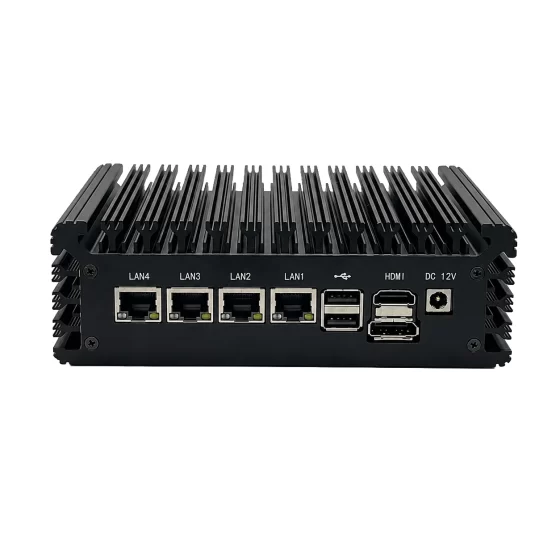
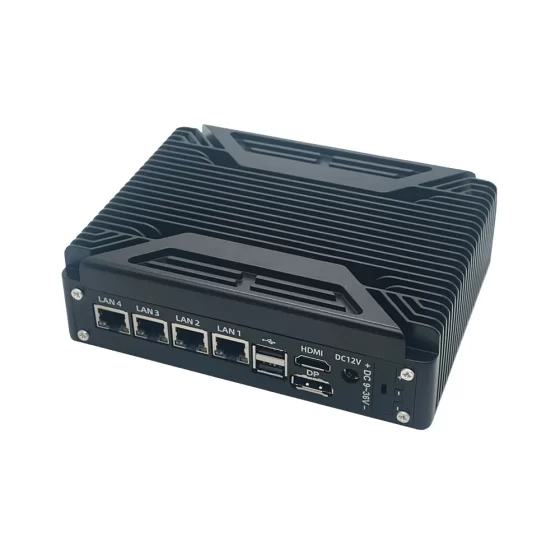
CoreIPC Industrial Computing Solutions

Edge AI Gateway for IIoT: Edge AI Gateway for Industrial IoT Data Intelligence
Executive Summary
An edge AI gateway provides the local computing foundation for industrial IoT data collection, protocol integration, AI inference, machine monitoring, predictive maintenance, and factory data connectivity.
In modern industrial environments, machines, sensors, PLCs, robots, meters, cameras, and production systems generate large amounts of data. If all data is sent directly to the cloud or centralized servers, factories may face latency, bandwidth pressure, unstable network dependency, and limited real-time response.
An edge AI gateway solves this by placing industrial computing power close to machines and devices. It can collect data from industrial equipment, process it locally, run AI models, detect abnormal patterns, buffer records, and send selected data to MES, SCADA, cloud platforms, or industrial IoT systems.
An industrial computer or embedded computer can act as the edge AI gateway. It may connect to PLCs, sensors, cameras, robots, meters, barcode readers, industrial switches, and factory networks. It can also support local dashboards, alarm logic, protocol conversion, data filtering, and secure edge-to-cloud communication.
Compared with standard commercial PCs, industrial computers are better suited for IIoT gateway deployment because they provide rugged design, flexible I/O, stable networking, fanless options, reliable storage, industrial mounting, and long lifecycle support.
This article explains how edge AI gateways support IIoT deployment, what challenges appear in real industrial environments, how the solution architecture works, and which hardware features are important when selecting an industrial computer or embedded computer for edge AI gateway applications.
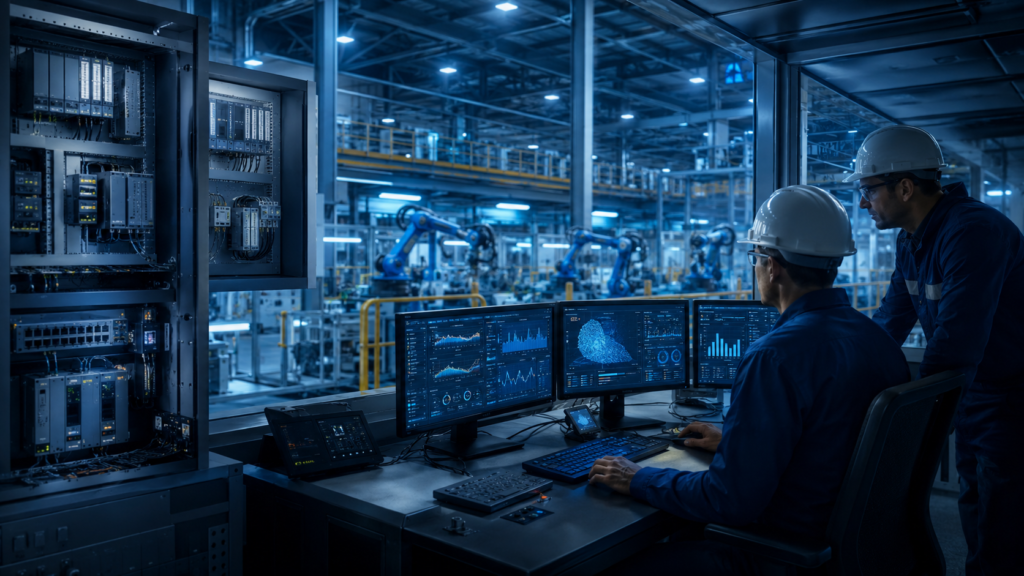
Edge AI gateways collect machine data, process IIoT analytics, and support local intelligence near production equipment.
Industry Overview
IIoT Requires More Than Device Connectivity
Industrial IoT connects machines, sensors, production equipment, and software systems.
However, simply connecting devices is not enough. Factories need to collect useful data, process it reliably, detect abnormal conditions, and deliver the right information to the right system.
A practical IIoT deployment may need to support:
- PLC data collection
- Sensor data acquisition
- Machine condition monitoring
- Camera-based inspection data
- Energy meter integration
- Protocol conversion
- Local data buffering
- AI anomaly detection
- Edge-to-cloud transfer
- MES and SCADA integration
An edge AI gateway helps bridge the gap between industrial equipment and digital manufacturing platforms.
Why AI Is Moving to the Gateway Layer
Traditional gateways usually focus on data collection and protocol conversion.
Modern factories increasingly need more intelligence at the edge. Instead of forwarding all raw data, an edge AI gateway can analyze data locally and send only useful results.
AI at the gateway layer can support:
- Predictive maintenance
- Sensor anomaly detection
- Visual inspection support
- Energy consumption analysis
- Equipment status classification
- Production flow monitoring
- Alarm filtering
- Process deviation detection
- Local decision support
This improves response time and reduces unnecessary cloud or server workload.
Industrial Computing Is the Gateway Foundation
An edge AI gateway must operate in real factory environments.
It may be installed inside a control cabinet, near a production line, beside a machine, in an energy monitoring system, or inside OEM equipment.
These locations may include vibration, dust, temperature variation, electrical noise, limited airflow, and continuous operating schedules.
Industrial computers and embedded computers provide the hardware foundation for these conditions. They support industrial I/O, multiple LAN ports, serial communication, local storage, reliable power design, and rugged mounting.

Mixed devices, serial networks, sensor data, LAN traffic, camera streams, data buffering, and network segmentation affect IIoT gateway deployment.
Key Challenges
Diverse Industrial Device Connections
IIoT systems must connect many types of industrial devices.
A single gateway may need to communicate with PLCs, sensors, meters, cameras, robots, barcode readers, motion controllers, and legacy machines.
Different devices may use different interfaces and protocols.
Common connection requirements include:
- Ethernet
- RS232
- RS485
- USB
- GPIO
- Digital input
- Digital output
- Multiple LAN ports
- Wireless expansion
- Local display output
The edge AI gateway must provide enough flexibility to support both modern and legacy equipment.
Protocol and Data Format Complexity
Industrial devices often use different communication methods and data formats.
A factory may include newer Ethernet-based equipment and older serial-based machines in the same production area. Some systems may output structured data, while others may require protocol conversion or custom parsing.
The gateway may need to collect and normalize data before sending it to MES, SCADA, cloud platforms, or databases.
This creates requirements for software compatibility, stable connectivity, and local processing power.
Local AI Processing Requirements
AI workloads vary widely in IIoT systems.
Some gateways only run lightweight anomaly detection on sensor data. Others process camera images, video streams, vibration signals, machine logs, or multi-source industrial data.
Workload factors may include:
- Number of connected devices
- Sensor update frequency
- AI model complexity
- Camera resolution
- Video stream count
- Local database workload
- Data buffering requirements
- Cloud upload frequency
The hardware must be selected according to real edge AI workload, not only basic gateway specifications.
Network Reliability and Data Buffering
Factory network conditions are not always perfect.
A gateway may need to continue collecting data even when the connection to cloud platforms, MES, or enterprise systems is temporarily unavailable.
Local buffering is important because it helps prevent data loss during network interruptions.
The edge AI gateway should support reliable storage, local queueing, and controlled data upload when the connection recovers.
Cybersecurity and Network Segmentation
IIoT gateways often sit between machine networks and IT networks.
This makes network design important.
Factories may need to separate:
- Machine network
- Camera network
- PLC network
- Factory IT network
- Remote maintenance network
- Cloud connection
Multiple LAN ports and careful network architecture can help organize traffic and reduce unnecessary exposure between systems.

Edge AI gateways connect industrial devices, local analytics, factory software, cloud monitoring systems, and IIoT dashboards.
Edge AI Gateway Solution Architecture
Device and Sensor Layer
The device and sensor layer includes all connected industrial equipment.
This layer may include:
- PLCs
- Sensors
- Motors
- Robots
- Cameras
- Energy meters
- Barcode readers
- Test instruments
- Motion controllers
- Machine controllers
- Industrial switches
- Legacy serial devices
These devices generate raw data for monitoring, analysis, automation, and reporting.
A reliable gateway must collect data from this layer consistently.
Industrial Edge Gateway Layer
The industrial edge gateway layer is where the edge AI gateway performs local data handling.
At this layer, the industrial computer or embedded computer may:
- Collect PLC and sensor data
- Convert industrial protocols
- Process local data streams
- Run AI inference models
- Store temporary records
- Buffer data during network issues
- Filter abnormal events
- Generate alarms
- Display local status
- Send selected data to factory systems
This layer helps transform raw device data into useful industrial intelligence.
AI Analytics Layer
The AI analytics layer contains the local intelligence running on the gateway.
Depending on the application, it may include:
- Anomaly detection models
- Predictive maintenance models
- Image analysis tools
- Video analytics software
- Sensor fusion logic
- Energy usage analysis
- Production flow monitoring
- Rule-based event filtering
- AI inference runtime
The industrial computer must support the required operating system, drivers, AI software, industrial communication tools, and database functions.
Factory Software Integration Layer
The edge AI gateway connects machine-side data with factory software systems.
It may send selected data to:
- MES
- SCADA
- ERP
- Cloud platforms
- Quality databases
- Maintenance systems
- Industrial IoT dashboards
- Local historian systems
- Production monitoring platforms
Instead of sending all raw data, the gateway can upload alarms, summaries, processed values, trends, and exception records.
This makes IIoT deployment more efficient and manageable.
Local Interface and Maintenance Layer
Operators and engineers often need local access to the gateway.
The system may connect to a monitor, touchscreen, HMI panel, or service laptop.
The local interface can show:
- Device connection status
- Data collection status
- AI alarm status
- Network status
- Storage status
- Gateway health
- Upload status
- Error logs
- Local dashboard views
A practical interface helps engineers maintain the system and troubleshoot problems faster.
Key Features
Multi-Protocol Connectivity
An edge AI gateway must connect with different industrial devices.
Hardware flexibility is important because factories often contain mixed equipment generations.
Useful I/O options may include:
- Multiple LAN ports
- RS232
- RS485
- USB
- GPIO
- Digital input
- Digital output
- M.2 expansion
- PCIe expansion
- HDMI or DisplayPort
- Wireless module support
These interfaces help the gateway communicate with PLCs, sensors, meters, cameras, barcode readers, and industrial networks.
Local AI Computing Performance
The gateway should provide enough computing power for local AI workloads.
Selection should consider:
- CPU performance
- Memory capacity
- GPU or AI accelerator needs
- Sensor data volume
- Camera workload
- AI model complexity
- Local database requirements
- Storage speed
- Operating system support
For lightweight sensor analytics, a compact embedded computer may be enough. For camera-based AI or multi-source analytics, a stronger edge AI computer may be required.
Multiple LAN Ports for Network Separation
Multiple LAN ports are especially valuable in IIoT gateway applications.
They allow the system to separate different traffic types.
For example:
- One LAN port for PLCs
- One LAN port for sensors or gateways
- One LAN port for factory IT network
- One LAN port for cloud or remote access
- One LAN port for camera systems
This improves network organization, reduces traffic conflicts, and supports better security planning.
Reliable Local Storage
Edge AI gateways often need local storage.
The gateway may store sensor records, alarm logs, AI model files, local databases, temporary buffers, images, video clips, and upload queues.
SSD or NVMe storage is commonly preferred because it provides faster access and better shock resistance than mechanical drives.
Storage design should consider:
- Data retention period
- Buffer size
- Write endurance
- Backup method
- Local database workload
- Network interruption behavior
- Upload frequency
Reliable storage helps prevent data loss and supports traceability.
Rugged and Fanless Design
Edge AI gateways are often deployed near machines or inside control cabinets.
Fanless design can reduce dust intake and remove one common mechanical failure point. Rugged enclosures help protect the system from vibration, cable stress, and installation impact.
However, AI workloads may generate heat.
Thermal design should be reviewed based on processor power, AI accelerator use, ambient temperature, cabinet airflow, and mounting position.
Long Lifecycle and Maintainability
IIoT gateway systems may stay in production for many years.
Frequent hardware changes can create software validation issues, driver compatibility problems, and spare parts difficulties.
Industrial computing platforms with lifecycle planning help manufacturers and system integrators maintain consistent IIoT deployments across multiple machines, lines, and factory sites.
This is especially important for scalable digital transformation projects.

Edge AI gateways improve machine monitoring, predictive maintenance, energy analysis, production resilience, and smart factory visibility.
Deployment Scenarios
Machine Data Collection
Machine data collection is one of the most common edge AI gateway applications.
The gateway collects data from PLCs, machine controllers, sensors, and meters.
It can process data locally, store records, and send selected information to MES, SCADA, or industrial IoT platforms.
This helps factories understand machine status and production performance.
Predictive Maintenance
Edge AI gateways can support predictive maintenance by analyzing data from vibration sensors, temperature sensors, motors, pumps, compressors, and machine controllers.
The gateway can run local anomaly detection and generate alerts when abnormal patterns appear.
This helps maintenance teams respond before equipment failure becomes serious.
Energy Monitoring
Factories can use edge AI gateways to collect and analyze energy meter data.
The gateway may connect to power meters, utility systems, compressors, HVAC equipment, and production machines.
AI analysis can help detect unusual energy consumption, equipment inefficiency, or abnormal operating patterns.
This supports energy management and cost optimization.
Machine Vision Data Integration
Some IIoT deployments include camera-based data.
The gateway can connect industrial cameras or receive results from machine vision systems. It can process selected images, store inspection data, and upload quality records to factory systems.
This supports visual inspection traceability and production data integration.
Remote Equipment Monitoring
OEM machine builders can use edge AI gateways to monitor machine status at customer sites.
The gateway can collect machine data, process alarms locally, and send selected status information to maintenance platforms.
This helps equipment builders support customers more efficiently while reducing unnecessary raw data transfer.
Smart Production Line Monitoring
An edge AI gateway can collect data from multiple devices across a production line.
It can combine sensor values, machine status, camera events, and PLC records to detect abnormal production conditions.
This supports better line visibility and faster troubleshooting.
Environmental Monitoring
Industrial environments may require monitoring of temperature, humidity, pressure, air quality, vibration, or other environmental conditions.
An embedded computer can collect sensor data, run local analysis, and send alerts when values move outside expected ranges.
This helps protect equipment, materials, and production quality.
OEM IIoT Gateway Integration
Machine builders and system integrators can embed industrial computers or custom embedded boards into IIoT gateway products.
The platform can provide protocol conversion, AI inference, data buffering, local dashboards, remote monitoring, and factory system connectivity.
This helps OEMs deliver connected equipment ready for smart manufacturing.
Business Benefits
Faster Local Intelligence
An edge AI gateway processes data close to machines.
This reduces the delay between data collection and decision output. Fast local analysis is important for alarms, predictive maintenance, machine monitoring, and production response.
Factories can react faster without relying fully on remote servers.
Reduced Cloud Bandwidth Usage
Industrial equipment can generate large volumes of raw data.
Sending all data to the cloud can increase bandwidth load and storage cost.
An edge AI gateway can filter, compress, analyze, and summarize data locally. It can upload only useful records, alarms, trends, and exception data.
This makes IIoT deployment more efficient.
Better Production Resilience
Local processing improves operational resilience.
Even if network communication with cloud or enterprise systems is interrupted, the gateway can continue collecting data, running AI logic, generating alarms, and buffering records.
This helps keep monitoring and data collection active during temporary network issues.
Improved Equipment Visibility
Edge AI gateways give factories better visibility into machine status, energy usage, sensor trends, and production conditions.
Operators and engineers can access local dashboards and receive faster alerts.
Better visibility helps improve maintenance planning, process control, and production management.
Stronger Data Traceability
Gateway data can be linked with machine IDs, timestamps, production events, alarm records, sensor values, and inspection results.
This creates stronger traceability for maintenance, quality analysis, energy management, and process improvement.
Reliable local storage helps protect important records.
Scalable IIoT Deployment
A standardized edge AI gateway platform makes it easier to deploy industrial IoT across multiple machines, lines, and factories.
Consistent hardware simplifies software images, driver management, spare parts planning, maintenance training, and long-term technical support.
This helps manufacturers scale from pilot IIoT projects to broader smart factory deployment.
Why CoreIPC
CoreIPC provides industrial computing platforms for edge AI, industrial IoT, machine vision, factory automation, and embedded system integration. For edge AI gateway applications, CoreIPC focuses on reliable industrial computer hardware, embedded computer solutions, flexible I/O configurations, compact system design, and OEM/ODM customization support. CoreIPC helps system integrators, machine builders, and manufacturers select computing platforms that match real deployment requirements, including AI workload, sensor interfaces, camera connectivity, network design, protocol integration, storage needs, mounting methods, power input, thermal conditions, and lifecycle planning.
Frequently Asked Questions
1. What is an edge AI gateway?
An edge AI gateway is an industrial computing device that collects data from machines, sensors, PLCs, cameras, and industrial networks, then processes part of that data locally using AI or analytics software.
It can detect abnormal patterns, generate alarms, buffer records, convert protocols, and send selected data to MES, SCADA, cloud platforms, or industrial IoT dashboards.
2. Why use an industrial computer as an edge AI gateway?
An industrial computer is designed for factory deployment.
It supports rugged installation, continuous operation, flexible I/O, multiple network ports, reliable storage, and long lifecycle availability. These features make it suitable for IIoT gateway systems installed near machines, inside control cabinets, or within OEM equipment.
3. How is an embedded computer used in IIoT gateway applications?
An embedded computer can act as a compact edge AI gateway for distributed machine-side deployment.
It can collect sensor data, connect to PLCs, run local AI analysis, store records, and upload selected information to factory systems. Its compact size makes it suitable for cabinets, smart gateways, machine enclosures, and OEM platforms.
4. What interfaces are important for an edge AI gateway?
Important interfaces may include multiple LAN ports, USB, RS232, RS485, GPIO, digital input, digital output, HDMI, DisplayPort, M.2, PCIe, SATA, and NVMe storage support.
These interfaces help connect PLCs, sensors, cameras, meters, barcode readers, industrial switches, local displays, and factory networks.
5. Does an edge AI gateway need a GPU?
Some edge AI gateway applications may need GPU or AI accelerator support, especially for camera-based AI, video analytics, or complex deep learning models.
Other applications, such as sensor anomaly detection or protocol conversion, may run on CPU-based embedded computers. Hardware should be selected according to real AI workload and response-time requirements.
6. Can an edge AI gateway connect with cloud platforms?
Yes. An edge AI gateway can process data locally and send selected information to cloud platforms.
It may upload alarms, summaries, trends, inspection results, sensor records, or compressed data instead of all raw machine data. This reduces bandwidth usage while still supporting centralized monitoring and analytics.
7. How does an edge AI gateway support predictive maintenance?
The gateway collects data from vibration sensors, temperature sensors, motors, pumps, compressors, or machine controllers.
AI models can analyze this data locally to detect abnormal patterns. The gateway can then generate alerts and upload maintenance records to dashboards or maintenance systems.
8. Can edge AI gateways connect to MES and SCADA systems?
Yes. Edge AI gateways can send processed data, machine status, alarms, trends, and production records to MES, SCADA, quality systems, or industrial IoT platforms.
This helps connect shop-floor equipment with higher-level manufacturing software and supports better production visibility.
9. Why are multiple LAN ports useful in edge AI gateways?
Multiple LAN ports allow network separation.
One port can connect to PLCs, another to cameras, another to factory IT systems, and another to cloud or remote maintenance networks. This improves traffic organization, reduces interference, and supports better cybersecurity planning.
10. What should be tested before deploying an edge AI gateway?
Before deployment, the gateway should be tested with real PLCs, sensors, cameras, AI models, network architecture, storage workload, data upload, and long-running operation.
Thermal stability, local buffering, protocol communication, alarm timing, and network interruption behavior should also be validated. This reduces risk during production rollout.
Conclusion
An edge AI gateway is a practical foundation for industrial IoT data collection, local AI inference, predictive maintenance, energy monitoring, machine vision data integration, and smart factory connectivity.
By placing an industrial computer or embedded computer close to PLCs, sensors, cameras, meters, robots, and production equipment, manufacturers can process data locally, reduce cloud dependency, improve response time, and strengthen operational visibility.
The right edge AI gateway should be selected according to real deployment requirements, including AI workload, device interfaces, network architecture, protocol integration, storage needs, I/O configuration, mounting method, power input, thermal conditions, operating system support, and lifecycle planning.
CoreIPC supports edge AI gateway projects with industrial computing platforms designed for practical IIoT and factory deployment. With the right hardware foundation, manufacturers and machine builders can build reliable, scalable, and data-driven industrial IoT systems.
Contact Us
Looking for an industrial computer, embedded computer, or edge AI platform for an edge AI gateway project?
Contact CoreIPC to discuss your project requirements, including AI workload, sensor interface, PLC communication, camera connection, network architecture, storage design, mounting method, power input, operating environment, lifecycle needs, and OEM/ODM customization options.