CoreIPC Industrial Computing Solutions

Medical Embedded Computer for Modern Healthcare Systems
Executive Summary
The healthcare industry is undergoing rapid digital transformation driven by advances in medical imaging, diagnostic equipment, patient monitoring, telemedicine, artificial intelligence, and connected healthcare infrastructure. As medical devices become increasingly intelligent and data-driven, the need for reliable, compact, and long-life computing platforms has become critical.
A Medical Embedded Computer serves as the computing foundation for modern healthcare systems, enabling real-time data processing, medical imaging, patient monitoring, clinical diagnostics, laboratory automation, and healthcare information management. Unlike conventional commercial computing platforms, medical embedded computers are designed to deliver stable performance, long-term availability, compact integration, and dependable operation in demanding healthcare environments.
By supporting medical devices, imaging systems, healthcare workstations, edge AI applications, and hospital infrastructure, embedded computing platforms help healthcare providers improve diagnostic accuracy, operational efficiency, patient outcomes, and regulatory compliance.
This article explores the role of Medical Embedded Computers in modern healthcare environments, key deployment challenges, system architecture considerations, essential features, and the business benefits they provide across healthcare and medical technology applications.
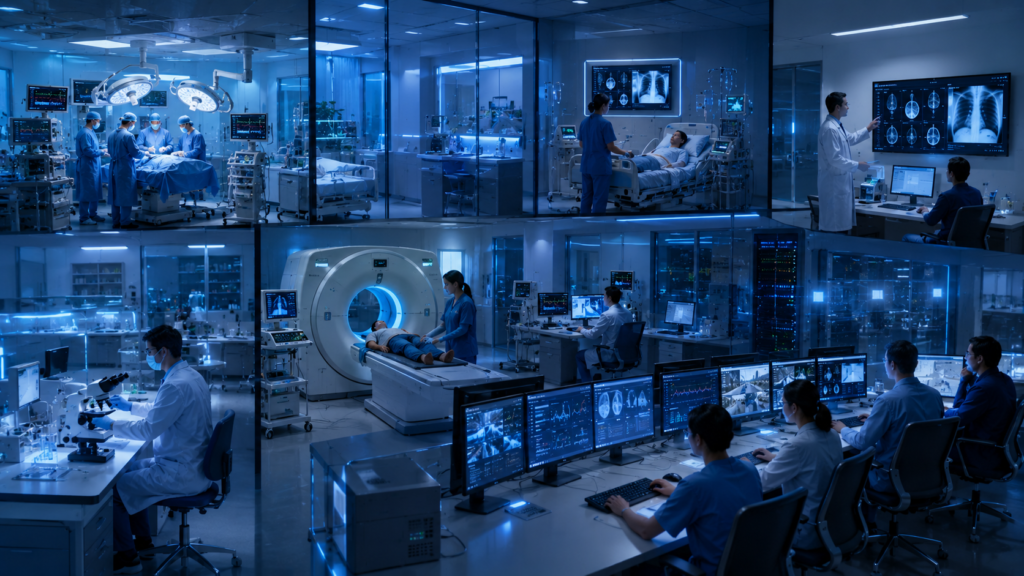
Modern healthcare ecosystem connecting medical imaging, diagnostics, patient monitoring, laboratory systems, and intelligent healthcare technologies.
Industry Overview
Healthcare organizations worldwide are investing heavily in digital healthcare technologies to improve patient care, optimize clinical workflows, and enhance operational efficiency.
Modern healthcare environments rely on a wide range of technology-driven systems, including:
- Medical imaging equipment
- Patient monitoring systems
- Clinical diagnostic devices
- Laboratory automation systems
- Electronic Health Records (EHR)
- Telemedicine platforms
- Healthcare IoT devices
- AI-assisted diagnostics
- Surgical systems
- Medical information systems
These applications generate significant volumes of clinical and operational data that must be processed reliably and securely.
Medical device manufacturers increasingly require embedded computing platforms that provide:
- Long lifecycle support
- Compact form factors
- Reliable operation
- High-performance processing
- Medical-grade stability
- Flexible connectivity
Medical embedded computers have become a critical component in healthcare technology infrastructure, enabling intelligent healthcare systems that support modern clinical environments.
As healthcare facilities continue to adopt digital transformation strategies, embedded computing technologies will play an increasingly important role in supporting connected healthcare ecosystems.
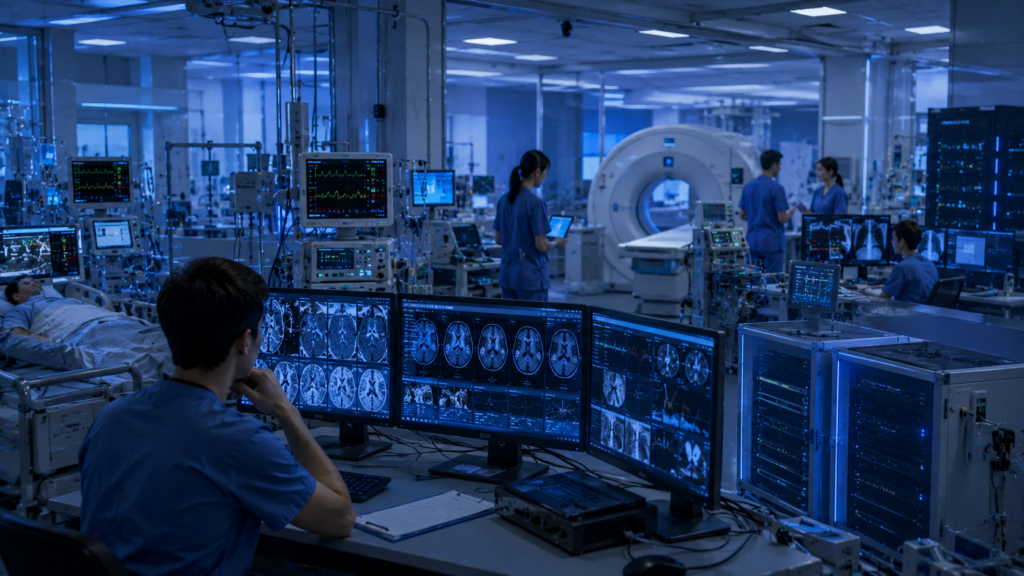
Modern healthcare environments must integrate medical imaging, patient monitoring, diagnostics, and healthcare data systems into a unified clinical infrastructure.
Key Challenges
Reliability Requirements
Healthcare systems often support mission-critical applications where reliability is essential.
System failures can impact:
- Patient care
- Clinical workflows
- Diagnostic accuracy
- Healthcare operations
Medical embedded computers must provide stable and dependable performance throughout extended operating periods.
Long Product Lifecycle Demands
Medical equipment typically remains deployed for many years.
Healthcare equipment manufacturers require:
- Long-term hardware availability
- Stable platform designs
- Consistent component sourcing
- Extended support periods
Frequent hardware changes can increase validation costs and regulatory complexity.
Space Constraints
Medical devices often have compact mechanical designs.
Examples include:
- Diagnostic instruments
- Portable imaging systems
- Patient monitoring equipment
- Mobile healthcare carts
Embedded computers must deliver high performance while occupying minimal space.
Data Security and Privacy
Healthcare systems process sensitive patient information.
Organizations must address:
- Patient data protection
- Secure communications
- Access control
- Regulatory compliance
- Cybersecurity risks
Computing platforms must support secure healthcare infrastructure architectures.
Real-Time Processing Requirements
Many healthcare applications require immediate data processing.
Examples include:
- Medical imaging
- Vital sign monitoring
- Surgical systems
- Diagnostic equipment
- AI-assisted analysis
Low-latency computing capabilities are essential in these environments.
Integration Complexity
Healthcare environments include equipment from multiple vendors.
Systems often need to integrate with:
- Hospital Information Systems
- Electronic Health Records
- PACS platforms
- Laboratory Information Systems
- Medical imaging devices
Interoperability remains a significant challenge.
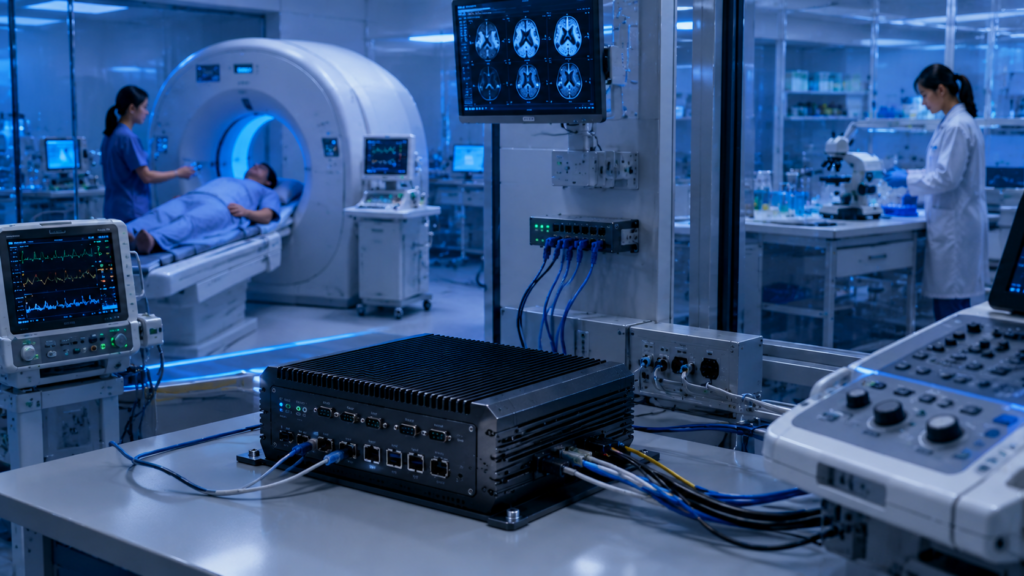
Medical embedded computer serving as the central computing platform for healthcare devices, imaging systems, patient monitoring equipment, and hospital information infrastructure.
Solution Architecture
A typical Medical Embedded Computer deployment consists of several integrated layers.
Medical Device Layer
This layer includes:
- Ultrasound systems
- X-ray equipment
- CT scanners
- MRI systems
- Patient monitors
- Diagnostic instruments
- Laboratory analyzers
- Surgical devices
These systems generate clinical and operational data.
Data Acquisition Layer
Medical embedded computers collect information from:
- Medical sensors
- Imaging devices
- Monitoring equipment
- Laboratory systems
- Clinical instruments
Real-time acquisition enables continuous healthcare operations.
Embedded Computing Layer
The Medical Embedded Computer serves as the central processing platform.
Key functions include:
- Data processing
- Image processing
- Device control
- Local analytics
- Database management
- AI inference
- Connectivity management
This layer provides the intelligence required for modern healthcare systems.
Healthcare Software Layer
Healthcare applications may include:
- Diagnostic software
- Clinical dashboards
- Medical imaging applications
- Patient monitoring platforms
- Laboratory management systems
- Healthcare analytics tools
These applications transform raw data into actionable clinical information.
Hospital Information Integration Layer
Medical systems often connect with:
- HIS platforms
- EHR systems
- PACS infrastructure
- Cloud healthcare applications
- Telemedicine platforms
This integration enables coordinated healthcare delivery.
Key Features
Compact Embedded Design
Medical embedded computers are designed for integration into space-constrained medical equipment.
Benefits include:
- Reduced footprint
- Flexible installation
- Device integration
- Improved system design
Compact computing platforms simplify medical equipment development.
High Reliability
Healthcare environments require dependable operation.
Industrial-grade embedded computers provide:
- Stable performance
- Long lifecycle support
- High system availability
- Continuous operation capability
These characteristics support critical healthcare applications.
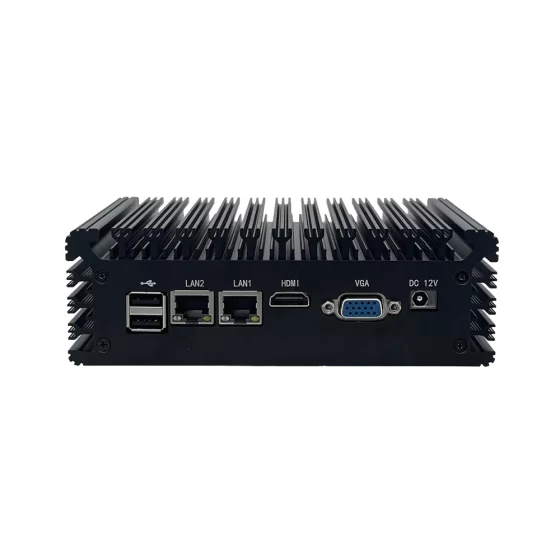
Fanless Architecture
Fanless systems offer advantages including:
- Reduced maintenance
- Silent operation
- Improved reliability
- Lower contamination risks
This makes them suitable for healthcare environments.
Advanced Connectivity
Medical applications often require multiple communication interfaces.
Common options include:
- Gigabit Ethernet
- USB
- Serial interfaces
- Digital I/O
- Wireless connectivity
- Medical device interfaces
Flexible connectivity simplifies healthcare system integration.
Edge AI Support
Healthcare providers increasingly use AI technologies for:
- Medical image analysis
- Diagnostic assistance
- Patient monitoring
- Clinical decision support
- Workflow optimization
Medical embedded computers can provide local AI processing capabilities.
Long Lifecycle Availability
Medical device manufacturers benefit from:
- Consistent hardware platforms
- Long-term supply availability
- Reduced redesign costs
- Simplified certification processes
Lifecycle stability is a major advantage in healthcare applications.
Deployment Scenarios
Medical Imaging Systems
Medical embedded computers support:
- Ultrasound systems
- X-ray equipment
- CT scanners
- MRI systems
- Digital pathology platforms
These applications require high-performance image processing and reliable operation.
Patient Monitoring Systems
Healthcare providers use embedded computing platforms to support:
- Bedside monitoring
- Intensive care monitoring
- Remote patient monitoring
- Wearable healthcare systems
Real-time data processing enables continuous patient observation.
Clinical Diagnostic Equipment
Diagnostic systems rely on embedded computers for:
- Data acquisition
- Analysis
- Reporting
- Workflow automation
These capabilities improve clinical efficiency and diagnostic accuracy.
Laboratory Automation
Modern laboratories use embedded computing platforms for:
- Sample processing
- Instrument control
- Data management
- Automated workflows
Automation improves laboratory productivity and consistency.
Telemedicine Infrastructure
Embedded healthcare platforms support:
- Remote consultations
- Video communications
- Healthcare data access
- Patient monitoring
These systems enable expanded healthcare access.
AI-Assisted Healthcare
Healthcare organizations increasingly deploy AI solutions for:
- Medical image interpretation
- Predictive analytics
- Clinical decision support
- Workflow optimization
Embedded computing platforms provide the processing foundation for these applications.
Business Benefits
Improved Clinical Efficiency
Healthcare providers can streamline workflows through:
- Automation
- Faster data processing
- Improved system integration
- Enhanced operational visibility
These improvements support better patient care delivery.
Enhanced Diagnostic Accuracy
High-performance embedded computing enables:
- Advanced imaging analysis
- AI-assisted diagnostics
- Real-time data processing
- Clinical decision support
Improved data analysis can support healthcare professionals in making informed decisions.
Reduced Equipment Downtime
Reliable embedded computing platforms help minimize disruptions and support continuous healthcare operations.
Lower Development Costs
Medical device manufacturers benefit from:
- Standardized platforms
- Long lifecycle availability
- Reduced redesign requirements
- Simplified maintenance
These factors contribute to lower total ownership costs.
Improved Patient Experience
Healthcare technologies supported by embedded computing can help improve:
- Diagnostic turnaround times
- Monitoring capabilities
- Care coordination
- Treatment efficiency
These improvements contribute to better patient outcomes.
Future-Ready Healthcare Infrastructure
Embedded computing platforms support:
- AI adoption
- Connected healthcare systems
- Telemedicine expansion
- Digital healthcare transformation
Organizations can adapt to future healthcare technology requirements.
Why CoreIPC
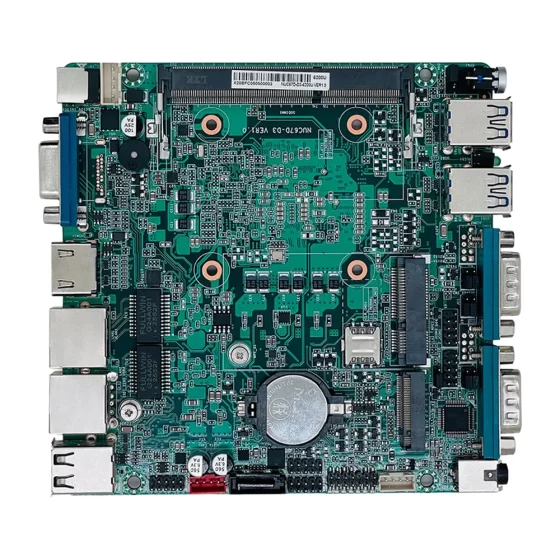
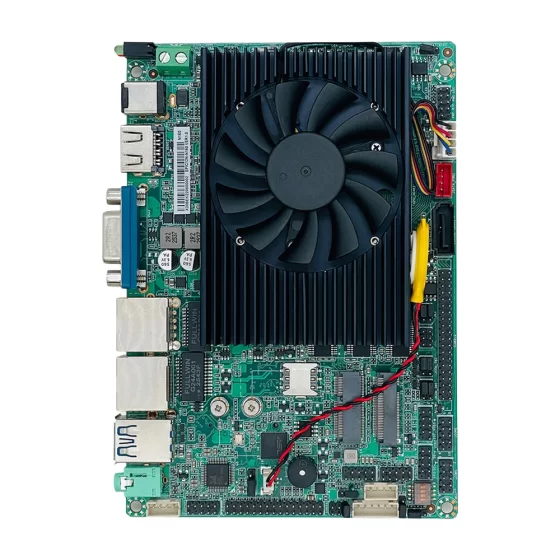
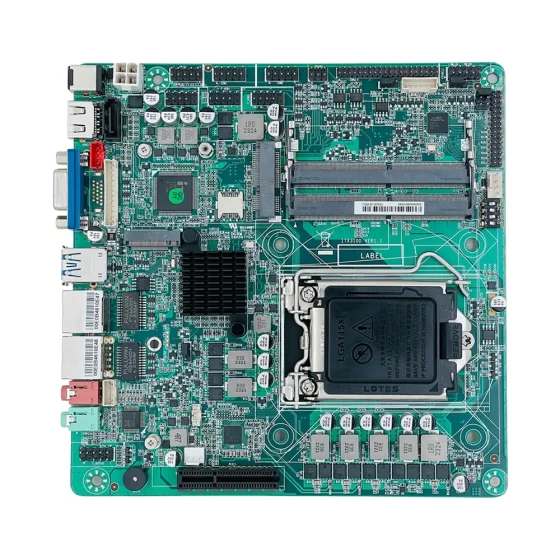
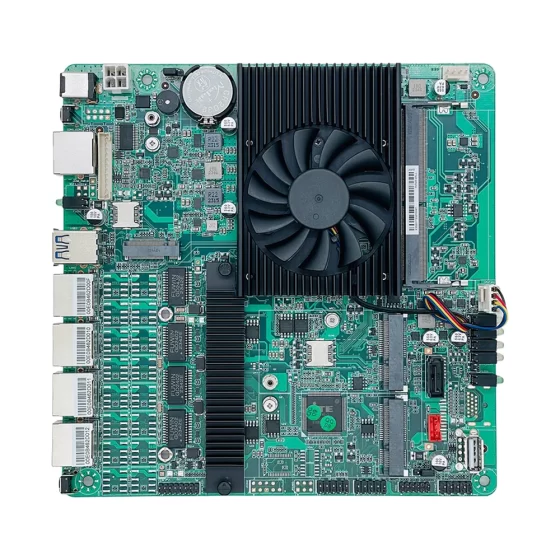
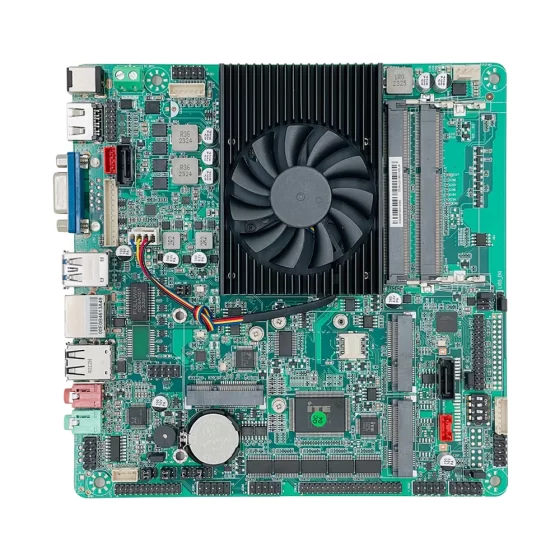
CoreIPC provides embedded computing platforms designed for demanding healthcare and medical technology applications. Our portfolio includes embedded computers, industrial motherboards, Mini-ITX platforms, fanless systems, and customized embedded solutions that support medical imaging, diagnostic equipment, patient monitoring systems, laboratory automation, and healthcare edge computing applications. With long product lifecycles, reliable performance, flexible customization capabilities, and industrial-grade stability, CoreIPC helps medical device manufacturers and healthcare solution providers build dependable next-generation healthcare systems.
Frequently Asked Questions
1. What is a Medical Embedded Computer?
A Medical Embedded Computer is a compact computing platform integrated into healthcare equipment and medical systems to perform data processing, device control, analytics, imaging, and communication functions.
2. How is a medical embedded computer different from a standard PC?
Medical embedded computers are designed for long lifecycle support, compact integration, reliable operation, industrial-grade stability, and healthcare equipment deployment requirements.
3. What healthcare applications use embedded computers?
Common applications include medical imaging, patient monitoring, laboratory automation, diagnostic equipment, telemedicine systems, and healthcare information platforms.
4. Why is fanless design important in healthcare systems?
Fanless systems reduce maintenance requirements, improve reliability, minimize noise, and help support cleaner operating environments.
5. Can embedded computers support AI healthcare applications?
Yes. Many modern embedded platforms support AI workloads such as medical image analysis, patient monitoring analytics, and clinical decision support systems.
6. Are medical embedded computers suitable for imaging equipment?
Yes. Embedded computers are widely used in ultrasound, X-ray, CT, MRI, and digital pathology systems requiring image processing and system control.
7. How do embedded computers support telemedicine?
They enable video communications, remote monitoring, healthcare data access, and edge processing required for telemedicine services.
8. What security features are important in healthcare computing?
Secure communications, access control, encryption, cybersecurity monitoring, and regulatory compliance support are critical considerations.
9. Why is long lifecycle availability important for healthcare equipment?
Medical devices often remain deployed for many years. Long lifecycle support reduces redesign costs, validation requirements, and supply chain disruptions.
10. Can medical embedded computers integrate with hospital information systems?
Yes. Modern embedded platforms can connect with EHR, PACS, HIS, laboratory systems, and cloud healthcare applications through standard communication technologies.
Conclusion
A Medical Embedded Computer serves as a critical computing foundation for modern healthcare systems. By enabling reliable data processing, medical imaging, patient monitoring, AI-assisted diagnostics, and healthcare system integration, embedded computing platforms help healthcare organizations improve efficiency, clinical performance, and patient care.
As healthcare technology continues to evolve, embedded computing solutions will remain essential for supporting the next generation of connected, intelligent, and data-driven healthcare systems.
Contact Us
Looking for embedded computing solutions for healthcare, medical imaging, diagnostic equipment, laboratory automation, or healthcare AI applications?
CoreIPC provides embedded computers, industrial motherboards, Mini-ITX platforms, fanless systems, and customized embedded computing solutions designed for modern healthcare environments.
Contact our engineering team today to discuss your healthcare technology project requirements.