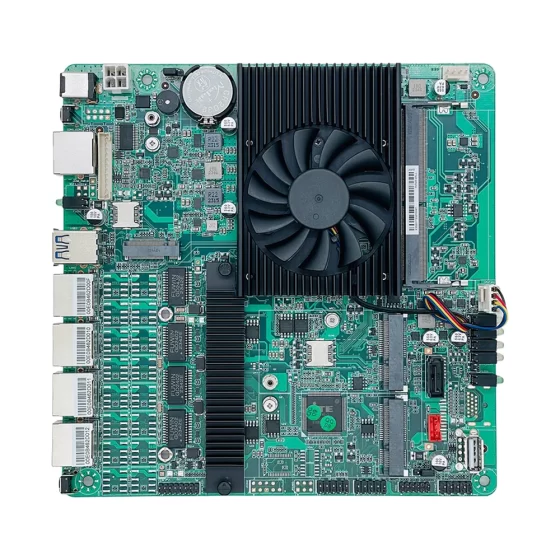
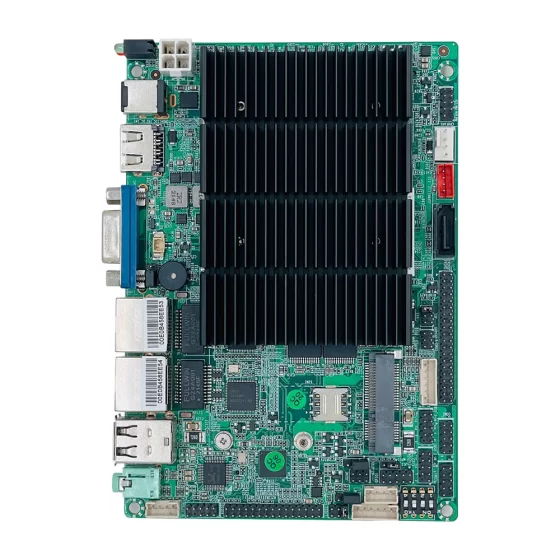
CoreIPC Industrial Computing Solutions

Secure Communications Appliance: Secure Communications Appliance for Industrial Network Connectivity
Executive Summary
A secure communications appliance provides the industrial computing foundation for encrypted data transfer, secure remote access, site-to-site connectivity, industrial IoT communication, network segmentation, and protected communication between machines, field devices, users, and higher-level platforms.
Modern industrial environments are increasingly connected. Factories, warehouses, energy sites, transportation systems, remote facilities, and smart infrastructure networks now depend on PLCs, sensors, cameras, industrial PCs, embedded computers, SCADA systems, IIoT gateways, cloud platforms, and remote engineering tools.
This connectivity improves visibility and efficiency, but it also creates security risks.
Industrial systems may need to exchange data across different networks, remote sites, cloud platforms, and service teams. If communication is not protected, sensitive operational data, remote access paths, and machine networks may become exposed.
A secure communications appliance built on an industrial computer or embedded computer can provide a controlled hardware platform for secure tunnels, VPN connectivity, encrypted data transfer, firewall policies, local logging, certificate storage, access control, and reliable field deployment.
Compared with standard routers or office communication devices, industrial communication appliances must operate reliably inside cabinets, machines, remote facilities, transportation infrastructure, and harsh field environments.
This article explains how secure communications appliances support industrial connectivity, what deployment challenges appear in real applications, how the solution architecture works, and which hardware features matter when selecting an industrial computer or embedded computer for secure communications appliance deployment.
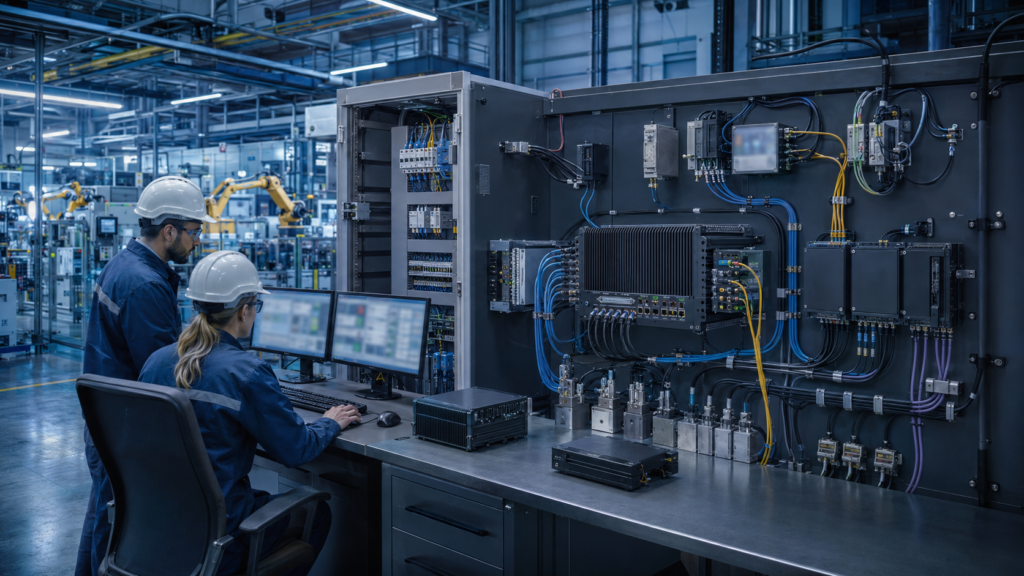
Secure Industrial Factory Connectivity
Industry Overview
Industrial Communication Is Becoming More Distributed
Industrial networks are no longer limited to one local control room.
Machines, controllers, sensors, gateways, remote support tools, cloud dashboards, and enterprise platforms now need to communicate across multiple locations.
Common communication needs include:
- Machine-to-platform data transfer
- Site-to-site industrial connectivity
- Remote maintenance access
- SCADA remote monitoring
- Industrial IoT data upload
- Secure cloud communication
- Factory-to-data-center connection
- Remote facility monitoring
- Energy and utility data transfer
- Transportation infrastructure communication
- OEM equipment service connectivity
These communication paths must be protected because they often connect critical industrial assets with external systems.
Secure Communication Requires More Than Basic Routing
A basic router can move traffic between networks.
A secure communications appliance must do more.
Depending on software configuration, it may support:
- Encrypted tunnels
- VPN connectivity
- Firewall policies
- Network segmentation
- Device authentication
- Certificate management
- Local logging
- Secure remote access
- Data buffering
- Link monitoring
- Access control
- Communication policy enforcement
This is important because industrial communication often includes operational data, machine status, alarms, remote service sessions, and production-related information.
Industrial Hardware Is the Reliable Foundation
Secure communications appliances may be deployed in production cabinets, machine enclosures, substations, roadside boxes, warehouse racks, remote monitoring stations, and utility rooms.
These sites may include dust, vibration, temperature variation, unstable power, limited airflow, cable stress, and limited maintenance access.
Industrial computers and embedded computers provide a stronger platform for these conditions.
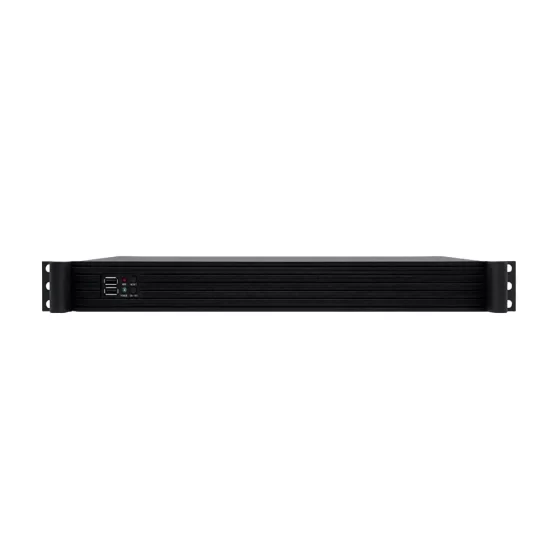
They support rugged enclosures, fanless operation options, multi-LAN networking, local storage, flexible I/O, industrial mounting, and long lifecycle availability.

Secure Communications Deployment Challenges
Key Challenges
Protecting Data Moving Across Networks
Industrial data may move between machines, gateways, SCADA systems, cloud dashboards, enterprise platforms, and remote service teams.
If this communication is not protected, sensitive information may be exposed.
A secure communications appliance should help protect:
- Machine data
- Sensor records
- Alarm messages
- Remote maintenance sessions
- SCADA communication
- Industrial IoT data
- Configuration files
- System logs
- Monitoring records
- Site-to-site data transfer
The appliance should support secure communication paths while keeping unnecessary access blocked.
Connecting Remote Sites Reliably
Many industrial systems are distributed across multiple sites.
A company may operate factories, warehouses, pump stations, energy facilities, transportation nodes, or customer-installed machines in different locations.
Each site may have different network quality and different maintenance conditions.
A secure communications appliance may need to support:
- Primary WAN uplink
- Backup WAN connection
- Cellular router integration
- Site-to-site VPN
- Secure tunnel recovery
- Local data buffering
- Link health monitoring
- Remote diagnostics
Reliable communication is important when operators depend on remote visibility.
Separating Local Network Zones
Industrial communication appliances often sit between different networks.
They may need to separate machine networks, factory IT networks, industrial IoT networks, remote service networks, and management networks.
A flat network increases risk.
A secure communications appliance may need to separate:
- WAN uplink
- Factory IT network
- PLC network
- Machine network
- SCADA network
- Camera network
- Industrial IoT network
- Remote maintenance network
- Management network
Multiple LAN ports and clear policies help create controlled communication paths.
Supporting Legacy and Modern Systems
Industrial environments often include both modern and legacy equipment.
A secure communications appliance may need to connect Ethernet devices, serial devices, industrial gateways, sensors, local computers, remote platforms, and cloud services.
Some devices may not support encryption or authentication directly.
The appliance can help provide protection at the network boundary.
It can secure communication paths without requiring every legacy device to be replaced immediately.
Maintaining Continuous Operation
Communication appliances can become critical infrastructure.
If the appliance fails, remote monitoring, data upload, site-to-site communication, or remote maintenance may stop.
Industrial deployment requires stable hardware.
Important reliability factors include:
- Fanless design
- Rugged enclosure
- Reliable storage
- Industrial power input
- Stable thermal performance
- Secure mounting
- Cable organization
- Remote management
- Configuration backup
- Long lifecycle support
The appliance must remain stable during continuous operation.

Secure Communications Appliance Architecture
Secure Communications Appliance Solution Architecture
Field Device Layer
The field device layer includes the local systems that generate or receive data.
This layer may include:
- PLCs
- HMIs
- SCADA devices
- Sensors
- Energy meters
- Industrial cameras
- Robots
- Machine controllers
- Embedded controllers
- IIoT gateways
- Local servers
- Remote I/O modules
These devices may not all communicate directly with external platforms.
The secure communications appliance provides the controlled connection point.
Secure Communications Appliance Layer
The secure communications appliance layer is the core of the deployment.
At this layer, the industrial computer or embedded computer may:
- Establish encrypted tunnels
- Route approved traffic
- Apply firewall rules
- Segment local networks
- Store certificates
- Buffer data locally
- Log communication events
- Support remote access
- Monitor uplink status
- Connect to management platforms
This layer protects communication between local industrial assets and remote systems.
Security Policy Layer
The security policy layer defines which communication is allowed, restricted, encrypted, logged, or blocked.
Policies may be based on:
- Network zone
- Device group
- User role
- Site location
- Application type
- Remote access purpose
- Industrial protocol
- Time window
- Security level
- Data type
For industrial environments, policies should be designed with both IT security teams and OT engineering teams.
This helps protect systems while maintaining required production communication.
Remote and Multi-Site Communication Layer
The remote communication layer connects field systems with external users and platforms.
It may include:
- Site-to-site VPN
- Remote engineer access
- OEM service tunnel
- Factory-to-cloud communication
- SCADA remote monitoring
- Industrial IoT data transfer
- Branch-to-headquarters connection
- Remote facility access
- Maintenance platform connection
This layer allows distributed assets to communicate through controlled and secure channels.
Monitoring and Management Layer
Secure communication requires visibility.
The appliance may provide local dashboards, remote monitoring, logs, link status, tunnel status, and device health data.
Useful monitoring information may include:
- Tunnel status
- WAN link health
- Remote access records
- Blocked traffic logs
- Data transfer history
- Certificate status
- CPU and memory usage
- Storage status
- Device temperature
- Configuration changes
This information supports troubleshooting, audit review, and long-term communication reliability.
Key Features
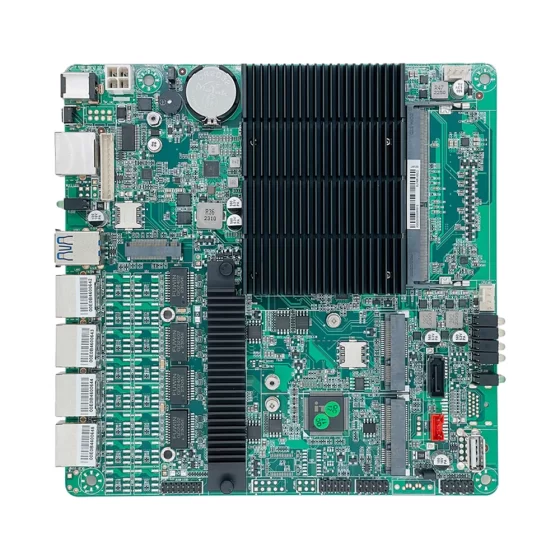
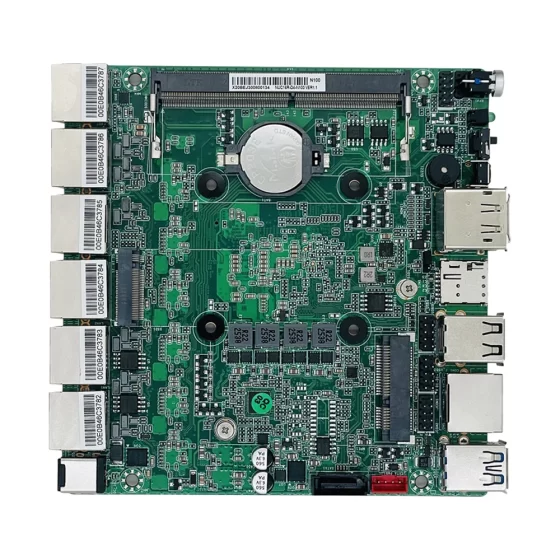
Multi-LAN Network Segmentation
Multiple LAN ports are important for secure communications appliances.
They allow the platform to separate local networks and define controlled traffic paths.
Useful configurations may include:
- WAN uplink
- Backup WAN uplink
- Factory IT LAN
- PLC network
- Machine network
- SCADA network
- Camera network
- Industrial IoT network
- Remote service network
Multi-LAN design improves security, routing clarity, and deployment flexibility.
Encrypted Communication Performance
A secure communications appliance may process encrypted tunnels, VPN traffic, routing rules, firewall policies, and data transfer workloads.
Hardware selection should consider:
- CPU performance
- Memory capacity
- LAN port count
- Port speed
- Tunnel count
- Encrypted throughput
- Firewall workload
- Logging volume
- Storage speed
- Operating system support
For larger multi-site deployments, the system should be tested with realistic traffic.
VPN and Secure Tunnel Support
Secure tunnel capability is a key function.
The appliance may support remote maintenance, site-to-site communication, cloud connection, or private industrial network links.
Tunnel design should consider:
- Number of remote sites
- User count
- Encryption workload
- Authentication method
- Certificate storage
- Failover behavior
- Logging requirements
- Recovery procedures
Secure tunnel design helps protect communication between distributed industrial systems.
Reliable Local Storage
Local storage supports system files, certificates, configuration backups, logs, event records, diagnostic files, and data buffers.
SSD or NVMe storage is commonly preferred because it provides fast access and better shock resistance than mechanical drives.
Storage planning should consider:
- Log retention
- Certificate storage
- Configuration backup
- Local data buffering
- System recovery
- Security event records
- Write endurance
- Backup workflow
Reliable storage improves communication continuity and auditability.
Data Buffering and Store-and-Forward
Some remote sites may experience unstable network connectivity.
A secure communications appliance can buffer data locally and forward it when the connection recovers.
This is useful for:
- Remote monitoring sites
- Energy facilities
- Transportation infrastructure
- Industrial IoT systems
- Environmental monitoring
- SCADA data collection
- Machine status reporting
Store-and-forward capability helps reduce data loss during temporary network interruptions.
Rugged and Fanless Design
Fanless industrial computers are useful for communication appliances deployed in dusty cabinets and remote environments.
They reduce dust intake and remove one common mechanical failure point.
Rugged enclosures help protect against vibration, mounting stress, cable strain, and continuous operation.
Thermal design should still be reviewed carefully because encryption, routing, and logging can create sustained workload.
Flexible Industrial I/O
Secure communication platforms may need to connect more than Ethernet devices.
Useful I/O options may include:
- LAN
- USB
- RS232
- RS485
- GPIO
- Digital input
- Digital output
- HDMI
- DisplayPort
- M.2
- PCIe
- SATA or NVMe
Serial ports can support legacy industrial equipment. GPIO can support alarm signals. Expansion options can support wireless modules, additional LAN ports, or storage devices.
Long Lifecycle and Maintainability
Secure communications appliances may remain in service for many years.
Consistent hardware helps maintain software images, security configurations, driver compatibility, spare parts planning, and validation.
Industrial computing platforms with lifecycle planning help system integrators and operators deploy stable communication appliances across multiple sites and equipment generations.

Secure Industrial Communications Operations
Deployment Scenarios
Remote Machine Communication
Machine builders can use secure communications appliances to connect equipment at customer sites with remote service platforms.
The appliance can establish secure tunnels, control access, store logs, and support diagnostics.
This helps OEMs provide service while reducing broad network exposure.
Factory-to-Cloud Communication
Factories may need to send selected data to cloud dashboards or industrial IoT platforms.
A secure communications appliance can encrypt communication, filter data, segment machine networks, and log data transfer events.
This supports safer connected manufacturing.
Site-to-Site Industrial Connectivity
Multi-site industrial operators may need secure communication between factories, warehouses, remote facilities, and data centers.
The appliance can support site-to-site VPN tunnels, traffic policies, and local monitoring.
This improves connectivity across distributed operations.
SCADA Remote Communication
SCADA systems often connect control rooms, remote devices, field equipment, and monitoring centers.
A secure communications appliance can protect remote SCADA communication and provide controlled access paths.
This is useful for energy, water, transportation, and facility infrastructure.
Industrial IoT Data Transfer
Industrial IoT systems depend on reliable data transfer between machines, sensors, gateways, and platforms.
A secure communications appliance can support encrypted data upload, local buffering, gateway protection, and network segmentation.
This improves IIoT communication reliability and security.
Warehouse and Logistics Connectivity
Warehouses may include automation systems, barcode stations, cameras, conveyors, industrial computers, and WMS platforms.
A secure communications appliance can connect local systems with enterprise or cloud platforms while maintaining local network separation.
This supports secure logistics operations.
Transportation Infrastructure Communication
Transportation systems may include roadside equipment, traffic controllers, parking systems, stations, and monitoring centers.
A secure communications appliance can support protected communication between distributed infrastructure nodes and central management platforms.
OEM Secure Communication Appliance Development
System integrators and equipment builders can build custom secure communication appliances using industrial computers or embedded boards.
The platform can support secure tunnels, multi-LAN networking, routing, local storage, logging, remote management, and rugged deployment.
Business Benefits
Protected Industrial Data Transfer
A secure communications appliance helps protect data moving between machines, sites, users, and platforms.
Encrypted communication, access policies, and logging reduce the risk of uncontrolled data exposure.
This is important for connected factories and distributed infrastructure.
More Secure Remote Maintenance
Remote service can reduce downtime and support costs.
A secure communications appliance helps control remote access through approved tunnels, access policies, and logs.
Authorized engineers can connect to required systems without exposing the full industrial network.
Better Network Segmentation
Multi-LAN appliances help separate factory IT, OT, machine, camera, IIoT, remote service, and management networks.
This reduces unnecessary exposure and improves network clarity.
Segmentation is especially important when communication paths connect local systems with external platforms.
Improved Communication Reliability
Local buffering, link monitoring, and rugged hardware help keep communication stable.
Remote sites can continue collecting data during temporary network interruptions and forward records later.
This improves operational continuity for distributed industrial systems.
Stronger Auditability
Secure communications appliances can store access records, tunnel logs, blocked traffic events, configuration changes, and system health records.
These logs support troubleshooting, audit review, security investigation, and long-term maintenance.
Reliable local storage improves traceability.
Scalable Secure Connectivity
A standardized secure communications appliance platform makes it easier to deploy across many machines, facilities, branches, and remote sites.
Consistent hardware simplifies software images, security templates, spare parts planning, remote maintenance, and lifecycle management.
This supports scalable industrial connectivity programs.
Why CoreIPC
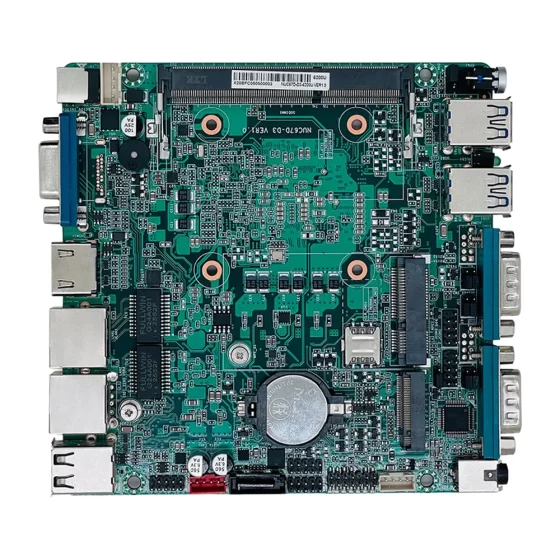
CoreIPC provides industrial computing platforms for network security, industrial IoT, remote monitoring, smart transportation, energy management, and embedded system integration. For secure communications appliance applications, CoreIPC focuses on reliable industrial computer hardware, embedded computer solutions, multi-LAN configurations, flexible I/O, compact system design, fanless deployment options, local storage capability, and OEM/ODM customization support. CoreIPC helps system integrators, equipment builders, and industrial operators select computing platforms that match real deployment requirements, including LAN port count, tunnel workload, encryption performance, network segmentation, storage needs, mounting methods, power input, thermal conditions, and lifecycle planning.
Frequently Asked Questions
1. What is a secure communications appliance?
A secure communications appliance is a hardware platform used to protect communication between local industrial devices, remote users, sites, cloud platforms, and enterprise systems.
It may support encrypted tunnels, VPN, firewall policies, access control, logging, local data buffering, network segmentation, and secure remote maintenance.
2. Why use an industrial computer for a secure communications appliance?
An industrial computer provides rugged hardware and flexible connectivity for factory and field deployment.
It can support multiple LAN ports, reliable storage, fanless operation, industrial mounting, stable power input, and long lifecycle availability. These features make it suitable for communication appliances installed in cabinets, machines, remote facilities, and infrastructure sites.
3. How is an embedded computer used as a secure communication platform?
An embedded computer can act as a compact secure communication gateway inside a machine enclosure, control cabinet, remote facility, or OEM appliance.
It can run VPN, routing, logging, tunnel management, data buffering, and network segmentation software while providing a compact footprint.
4. What is the difference between a secure communications appliance and a router?
A router mainly forwards traffic between networks.
A secure communications appliance adds protection functions such as encryption, VPN, firewall policies, access control, logging, certificate storage, data buffering, and controlled remote access. This makes it more suitable for connected industrial systems.
5. Why are multiple LAN ports important for secure communications appliances?
Multiple LAN ports allow the appliance to separate different network zones.
One port may connect to WAN, another to factory IT, another to PLC networks, another to machine networks, and another to remote maintenance or industrial IoT systems. This supports controlled communication and stronger segmentation.
6. Can fanless industrial computers support secure communication workloads?
Yes. Fanless industrial computers can support many secure communications appliance deployments because they reduce dust intake and remove one mechanical failure point.
However, encrypted tunnels, VPN traffic, routing, logging, and local buffering can create sustained workload. CPU performance, enclosure design, ambient temperature, and cabinet airflow should be reviewed before deployment.
7. What hardware features matter for secure communications appliances?
Important features include multiple LAN ports, sufficient CPU performance, reliable memory, SSD or NVMe storage, rugged enclosure, fanless design, industrial power input, USB, serial ports, GPIO, display output, and expansion options.
The final configuration should match tunnel count, traffic volume, storage needs, network zones, and installation environment.
8. Can secure communications appliances support industrial IoT?
Yes. Secure communications appliances can support industrial IoT by protecting data transfer between machines, sensors, gateways, cloud platforms, and monitoring systems.
They can also buffer data, segment local networks, and control external communication paths.
9. Can a secure communications appliance support remote maintenance?
Yes. It can support remote maintenance through VPN or secure tunnels, access control policies, session logging, and network segmentation.
This allows authorized engineers to connect to required systems while limiting unnecessary exposure to other industrial assets.
10. What should be tested before deployment?
Before deployment, the system should be tested with real network topology, tunnel count, VPN workload, traffic volume, firewall policies, data buffering behavior, logging workload, and long-running operation.
Thermal stability, link recovery, configuration backup, remote access workflow, and production communication should also be validated.
Conclusion
A secure communications appliance is a practical foundation for encrypted industrial data transfer, secure remote access, site-to-site connectivity, industrial IoT communication, network segmentation, and protected communication across distributed systems.
By placing an industrial computer or embedded computer at key communication boundaries, manufacturers, machine builders, system integrators, and infrastructure operators can connect PLCs, sensors, machines, SCADA systems, cloud platforms, remote facilities, and service teams through controlled and secure paths.
The right secure communications appliance should be selected according to real deployment requirements, including LAN port count, tunnel workload, encrypted throughput, traffic volume, storage needs, data buffering requirements, mounting method, power input, thermal conditions, operating system support, security policy, and lifecycle planning.
CoreIPC supports secure communications appliance projects with industrial computing platforms designed for practical factory, machine-side, branch, and field deployment. With the right hardware foundation, industrial operators and equipment builders can build reliable, scalable, and secure communication systems.
Contact Us
Looking for an industrial computer, embedded computer, or multi-LAN platform for secure communications appliance deployment?
Contact CoreIPC to discuss your project requirements, including LAN port count, secure tunnel workload, encryption performance, network segmentation, storage configuration, mounting method, power input, operating environment, lifecycle needs, and OEM/ODM customization options.