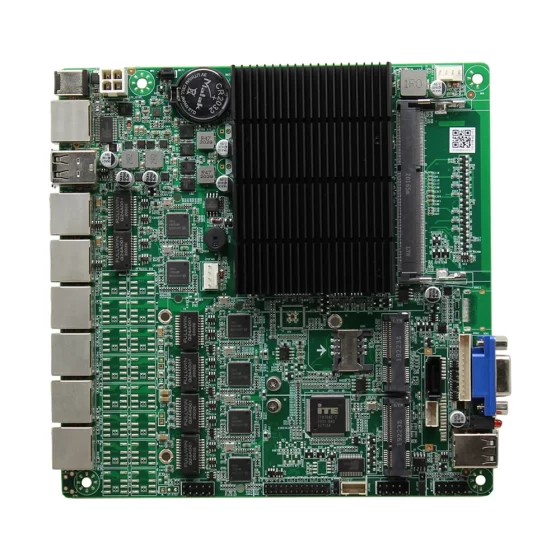
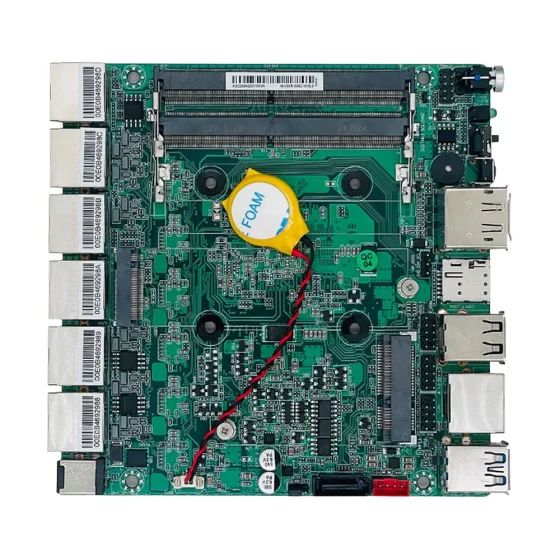
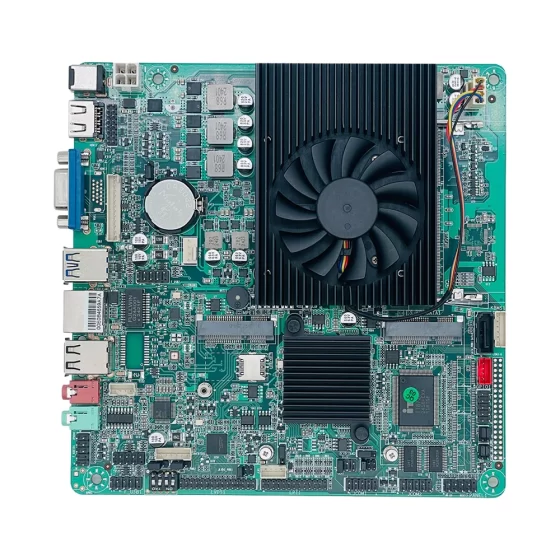
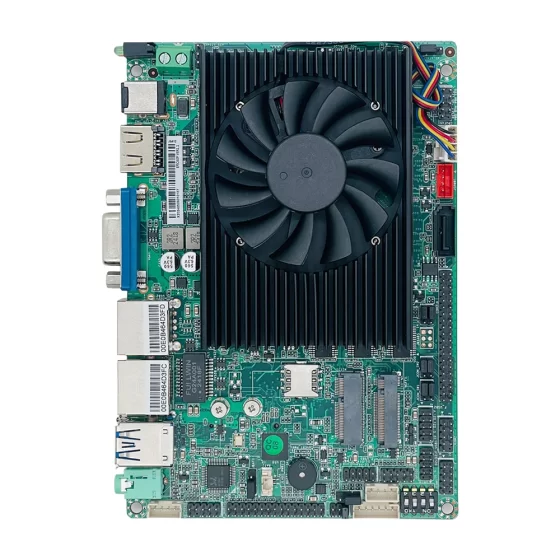
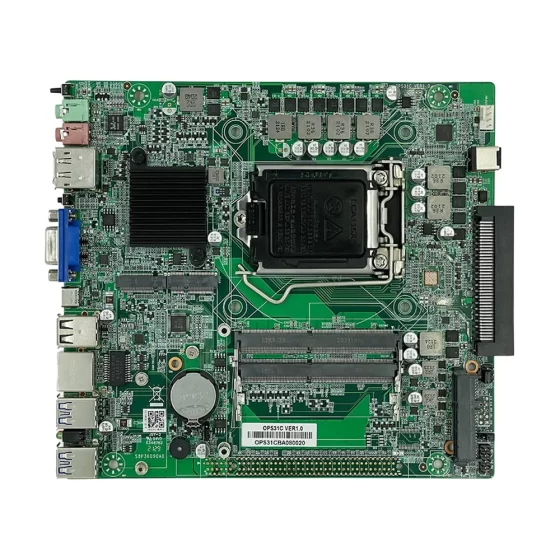
CNC设备工业控制器: 用于精密机器自动化的 CNC 控制器计算机
执行摘要
A cnc controller computer provides the industrial computing foundation for CNC machine control, motion coordination, 伺服通讯, spindle management, 人机界面操作, machine data logging, 远程诊断, and smart factory integration.
CNC equipment requires precise and repeatable movement. Milling machines, turning centers, drilling machines, grinding machines, 激光切割系统, engraving machines, routing equipment, and multi-axis machining centers all depend on stable control and accurate motion execution.
A CNC controller platform built on an industrial computer or embedded computer can run machine control software, 与伺服驱动器通讯, connect encoders and I/O modules, manage tool and spindle data, support operator interfaces, store machining records, 并与MES交换信息, 监控与数据采集系统, 质量体系, 或工业物联网平台.
与标准办公 PC 或消费类嵌入式板相比, industrial computers are better suited for CNC equipment because they support rugged construction, 稳定的电源输入, 扩展能力, 可靠的存储, 多个 LAN 端口, 串行通讯, 通用输入输出接口, 无风扇设计选项, 和长生命周期可用性.
This article explains how CNC controller computer platforms support precision machine automation, what challenges appear in CNC equipment deployment, 解决方案架构如何运作, and which hardware features matter when selecting an industrial computer or embedded computer for CNC machine control applications.

CNC Controller Computer Machine Deployment
行业概况
CNC Equipment Requires Stable Industrial Control
CNC equipment is used in manufacturing environments where precision, 重复性, and productivity are critical.
These machines may process metal, plastic, wood, composite materials, electronic components, molds, 工具, mechanical parts, medical components, automotive parts, and aerospace components.
Common CNC equipment includes:
- CNC milling machines
- CNC turning centers
- CNC drilling machines
- CNC grinding machines
- CNC routers
- CNC laser cutting machines
- CNC engraving systems
- CNC plasma cutting machines
- Multi-axis machining centers
- Automated tool-changing machines
- CNC inspection and measurement systems
- Hybrid machining equipment
Each machine depends on coordinated motion, accurate feedback, stable computing, and reliable operator interaction.
A CNC controller computer provides the computing layer that supports these requirements.
CNC Control Is Becoming More Connected
Traditional CNC machines focused mainly on motion execution and operator control.
Modern CNC equipment must do more.
Manufacturers increasingly need CNC machines to connect with production systems, collect machining data, support remote diagnostics, store process records, monitor tool condition, and provide real-time machine visibility.
A modern CNC controller platform may support:
- 多轴运动控制
- 伺服驱动器通讯
- Spindle monitoring
- Tool management
- 人机界面操作
- Program storage
- 报警记录
- Machine data collection
- 远程维护
- Machine vision integration
- MES and SCADA connectivity
- 工业物联网数据传输
This requires a reliable industrial computing platform rather than a basic PC.
Industrial Computers Support Machine Builder Requirements
CNC machine builders need hardware that can be deployed repeatedly across machine models and customer sites.
The computing platform must support stable software images, compatible drivers, industrial interfaces, long lifecycle supply, and serviceable hardware design.
Industrial computers and embedded computers help machine builders create CNC controller systems that are easier to integrate, 支持, and maintain.
They also support OEM customization when machines require special I/O, 多个 LAN 端口, additional serial ports, 扩展模块, compact enclosures, or specific mounting designs.

CNC Controller Computer Deployment Challenges
主要挑战
Maintaining Precision Motion Control
CNC equipment depends on accurate motion.
If the controller is unstable, 机器可能会出现位置错误, poor surface finish, tool path deviation, 振动, or inconsistent machining quality.
Important motion-related requirements include:
- 轴数
- 控制周期时间
- 伺服更新率
- 编码器反馈
- Spindle control
- 运动软件支持
- 现场总线通讯
- 输入/输出响应时间
- CPU工作负载
- 操作系统配置
The CNC controller computer must be selected and validated according to real machine control requirements.
Coordinating Multiple Axes and Spindles
CNC machines may use multiple axes and coordinated movement.
A basic CNC machine may use three axes. More advanced systems may use four-axis, five-axis, gantry, dual-spindle, tool-changing, or synchronized rotary-axis configurations.
The controller may need to coordinate:
- X-axis movement
- Y-axis movement
- Z-axis movement
- 旋转轴
- Spindle control
- Tool changers
- Coolant systems
- Workholding devices
- 输送机
- Probing systems
- 安全装置
- Machine vision triggers
As machine complexity increases, 计算性能, 通讯稳定性, 和扩展能力变得更加重要.
集成驱动器, 输入/输出, and Machine Devices
A CNC controller platform must connect many machine components.
这些可能包括:
- 伺服驱动器
- 步进驱动器
- 编码器
- Spindle drives
- PLC
- 输入/输出模块
- 限位开关
- Tool changers
- Probing sensors
- 人机界面
- 安全装置
- 工业相机
- Network switches
- Data collection systems
Different machine architectures may require Ethernet, USB, RS232, RS485, 通用输入输出接口, 数字输入/输出, PCIe扩展, or industrial Ethernet interfaces.
Flexible industrial connectivity reduces integration complexity.
Managing Electrical Noise and Machine Vibration
CNC equipment often contains motors, 驱动器, 电源, 继电器, spindle systems, and high-current components.
These can generate electrical noise and mechanical vibration.
The controller computer must remain stable in this environment.
Industrial-grade hardware helps improve reliability through rugged enclosure design, 安全安装, 可靠的存储, 稳定的电源输入, 无风扇运行选项, and long-term thermal stability.
The final cabinet design should also consider grounding, cable routing, airflow, and separation between signal wiring and power wiring.
Supporting Operator Interface and Machine Usability
CNC machines require clear operator interaction.
Operators may need to load programs, 调整参数, monitor tool status, review alarms, view coordinates, 管理食谱, and inspect machine status.
The controller computer may run or support HMI software.
Stable display output, responsive operation, 可靠的存储, and consistent software performance are important for operator confidence and machine usability.
Connecting CNC Machines with Factory Systems
CNC machines should not remain isolated.
Manufacturers may need to collect machine status, machining records, tool usage, 警报, cycle times, part counts, 能源数据, 和维护信息.
A CNC controller computer can help connect the machine with:
- 制造执行系统
- 监控与数据采集系统
- 企业资源计划
- 质量数据库
- 工业物联网平台
- 本地仪表板
- 维护系统
- Cloud monitoring platforms
- Traceability systems
This connectivity improves production visibility and supports smart manufacturing.

CNC Controller Computer Solution Architecture
CNC Machine Device Layer
The machine device layer includes the physical components of the CNC equipment.
该层可能包括:
- 伺服电机
- 伺服驱动器
- 步进电机
- Spindle drives
- 编码器
- Linear guides
- Rotary tables
- Tool changers
- Coolant systems
- Probing sensors
- 限位开关
- 安全装置
- 工业相机
这些设备产生运动, 反馈, status signals, and process information.
CNC Controller Computer Layer
The CNC controller computer layer is the core computing platform.
在这一层, 工业计算机或嵌入式计算机可以:
- Run CNC control software
- Coordinate axis movement
- 与伺服驱动器通讯
- Manage spindle control
- 处理反馈数据
- Handle machine I/O
- Support HMI operation
- Store CNC programs
- Log machine events
- 将数据发送到工厂系统
This layer provides the computing foundation for precise machine operation.
Motion and Communication Layer
The motion and communication layer connects the controller with drives, 输入/输出模块, 传感器, 和机器网络.
它可能包括:
- EtherCAT
- 工业以太网
- 以太网/IP
- CANopen
- MODBUS
- RS232
- RS485
- 数字输入/输出
- 模拟输入/输出
- PCIe 运动卡
- 工业以太网交换机
The exact communication design depends on the CNC control software, drive system, axis count, and machine architecture.
HMI and Operator Layer
The HMI layer supports operator interaction.
它可能包括:
- Touchscreen panel
- Local monitor
- Keyboard and mouse
- Machine operation panel
- Alarm display
- Program management screen
- Tool management interface
- Maintenance interface
- Production status dashboard
The CNC controller computer may directly drive the HMI or communicate with a separate operator panel.
Data Integration Layer
The data integration layer connects CNC equipment with factory software.
The controller may send structured data to:
- 制造执行系统
- 监控与数据采集系统
- 企业资源计划
- 质量数据库
- 工业物联网平台
- Local production dashboards
- 维护系统
- Tool management systems
- 云监控系统
This layer helps CNC machines become part of the connected factory data environment.
安全和管理层
The security and management layer supports long-term system stability.
它可能包括:
- 用户权限
- 网络分段
- 安全的远程访问
- 本地日志记录
- 配置备份
- 存储监控
- 设备健康监测
- 远程诊断
- 软件更新管理
These functions help machine builders and end users maintain CNC equipment efficiently.
主要特点
Real-Time CNC Control Support
A CNC controller computer must support stable machine control.
硬件选型应考虑:
- CPU性能
- 内存容量
- Motion control software support
- 工业以太网性能
- 现场总线兼容性
- 输入/输出响应时间
- PCIe扩展
- 操作系统支持
- 热稳定性
- 长时间运行
The system should be validated with real servo drives, 实轴数, real machine cycles, and real machining programs.
Multi-Axis Motion Capability
CNC equipment may require coordinated movement across multiple axes.
The controller platform should support the required axis count and motion complexity.
It may need to coordinate linear axes, rotary axes, 锭子, tool changers, probes, and auxiliary systems.
For advanced CNC machines, expansion capability may be required for motion cards, additional network ports, 现场总线模块, or specialized I/O.
灵活的工业I/O
CNC machines require practical industrial interfaces.
有用的选项可能包括:
- 局域网
- USB
- RS232
- RS485
- 通用输入输出接口
- 数字输入
- 数字输出
- HDMI
- 显示端口
- M.2
- PCIe
- SATA 或 NVMe 存储
GPIO 和数字 I/O 可支持触发器, 警报, 限位开关, 和机器状态信号. Serial ports can support legacy equipment. PCIe and M.2 can support expansion modules.
多LAN网络设计
多个 LAN 端口有助于分隔通信路径.
A CNC controller computer may use separate networks for:
- 运动网络
- 伺服驱动网络
- PLC网络
- HMI network
- 工厂IT网络
- Machine vision network
- 远程维护网络
- 工业物联网网络
Network separation improves stability and helps prevent non-control traffic from affecting CNC communication.
HMI and Display Support
Operator interface is important for CNC usability.
The computer should support stable display output, responsive operation, and compatibility with machine software.
Display outputs such as HDMI or DisplayPort can support operator screens.
对于机器制造商, consistent HMI behavior helps reduce training time and service issues.
Local Storage and Program Management
CNC machines require reliable storage for programs, parameters, 日志, machine settings, 工具数据, 警报, diagnostic files, and backup records.
SSD 或 NVMe 存储通常是首选,因为它比机械驱动器提供快速访问和更好的抗震性.
Storage design should consider:
- CNC program files
- Machine parameters
- Tool data
- 报警历史记录
- 维护日志
- Production records
- 配置备份
- Software recovery workflow
Reliable storage improves maintainability and production continuity.
Machine Vision and Probing Integration
Some CNC equipment uses cameras or probing systems for alignment, 检查, tool measurement, and process verification.
The CNC controller computer may connect cameras, probes, 传感器, 照明控制器, 和触发信号.
It may process local inspection data or send results to quality systems.
This improves machining accuracy, setup efficiency, 和生产可追溯性.
坚固耐用的无风扇设计
CNC machine environments can be dusty, 容易振动的, 和电噪声.
Fanless industrial computers reduce dust intake and remove one common mechanical failure point.
坚固的外壳有助于防止振动, 电缆应力, 机柜安装影响, 并连续运行.
Thermal design should be validated under real machine workloads, especially when the controller runs HMI software, 数据记录, 机器视觉, and remote diagnostics.
长生命周期可用性
CNC machines are long-life equipment.
The controller platform may remain in service for many years.
长生命周期可用性有助于维护软件映像, 运动驱动器, 现场总线兼容性, 备件, 和验证程序.
This is important for CNC machine builders, retrofit providers, and manufacturers with multiple machines.

CNC Machine Monitoring Operations
部署场景
CNC Milling Machine Control
CNC milling machines require precise axis movement, 主轴控制, tool management, and operator interface.
A CNC controller computer can run control software, 与驱动器通信, 存储程序, display HMI screens, and connect to factory systems.
This supports stable and connected machining operations.
CNC Turning Center Control
Turning centers require stable spindle coordination, axis control, tool turret management, and process monitoring.
An embedded computer can support controller software, machine data logging, alarm review, and remote diagnostics.
This improves serviceability and production visibility.
Multi-Axis Machining Center
Advanced machining centers may require four-axis or five-axis coordination.
The controller computer must support precise motion control, 反馈处理, 人机界面功能, 和机器通讯.
Reliable hardware helps support complex machining cycles.
CNC Router and Engraving Equipment
Routers and engraving systems are used for wood, plastic, metal, composites, and signage materials.
A compact embedded computer can provide machine control, program storage, 操作员界面, and remote support.
This supports OEM equipment design and repeatable deployment.
CNC Laser Cutting and Marking
Laser cutting and marking systems require synchronized motion, process control, 安全监控, 和数据记录.
The controller computer can coordinate axes, 收集传感器数据, support HMI operation, and store production records.
This improves process visibility.
CNC Retrofit Controller
Older CNC machines may need updated control systems.
An industrial computer can support retrofit projects by providing modern computing, 人机界面软件, data collection, 远程诊断, 和工厂连接.
The final retrofit design should be matched to the machine hardware and safety requirements.
CNC Machine Data Collection
Manufacturers may deploy industrial computers to collect data from existing CNC machines.
The platform can gather machine status, 警报, 周期计数, program information, 和维护数据.
This supports smart factory upgrades without replacing every machine.
OEM CNC Controller Platform
CNC equipment builders can integrate industrial computers or embedded boards into custom controller products.
The platform can support CNC software, motion communication, 人机界面, 数据记录, 远程诊断, 和客户特定的 I/O.
This helps create scalable and repeatable CNC equipment platforms.
商业效益
Improved Machine Control Reliability
A CNC controller computer provides stable computing for machine control, 人机界面操作, 驱动通讯, and data handling.
Industrial-grade hardware helps reduce instability in demanding machine environments.
This supports reliable machining operations.
更好的生产可见性
The controller can collect machine status, program records, 警报, cycle data, tool information, and maintenance logs.
This data can be sent to MES, 监控与数据采集系统, 仪表板, 或工业物联网平台.
Better visibility helps production teams improve scheduling, troubleshooting, and utilization.
Stronger Machine Traceability
CNC production may require records for programs, 工具, 运营商, parts, batches, 检查结果, and machine conditions.
A controller computer can help store and forward these records.
This supports quality management and process improvement.
Easier Remote Diagnostics
Machine builders and maintenance teams often need to troubleshoot CNC equipment remotely.
The controller computer can support secure remote access, 日志审核, 配置备份, and machine health monitoring.
This reduces service time and improves customer support.
降低停机风险
Industrial computers provide rugged hardware for continuous CNC operation.
无风扇设计选项, 可靠的存储, 安全安装, 稳定的电源输入, and long lifecycle availability help reduce failure risk.
This supports long-term machine uptime.
Scalable CNC Equipment Development
A standardized CNC controller computer platform helps machine builders deploy similar systems across multiple machine models.
一致的硬件简化了软件映像, 驱动程序验证, 备件计划, remote service workflow, 和生命周期管理.
This supports scalable CNC equipment development.
为什么选择CoreIPC
CoreIPC为工业自动化提供工业计算平台, 运动控制, 机器视觉, 工业物联网, 边缘人工智能, 和嵌入式系统集成. For cnc controller computer applications, CoreIPC专注于可靠的工业计算机硬件, 嵌入式计算机解决方案, 灵活的输入/输出, 多 LAN 配置, 扩展能力, 紧凑的系统设计, 无风扇部署选项, 本地存储能力, 和OEM/ODM定制支持. CoreIPC helps CNC equipment builders, 系统集成商, 制造商选择符合实际部署需求的计算平台, 包括轴数, 运动软件, 现场总线支持, HMI workload, 存储需求, 安装方法, 电源输入, 热条件, 和生命周期规划.
常见问题解答
1. What is a CNC controller computer?
A CNC controller computer is an industrial computing platform used to support CNC machine control, motion coordination, 人机界面操作, program storage, machine data logging, 和工厂系统连接.
It may communicate with servo drives, 编码器, PLC, 输入/输出模块, spindle drives, 传感器, 和机器软件.
2. Why use an industrial computer for CNC equipment?
工业计算机为机器环境提供坚固的硬件和灵活的连接.
可支持多个LAN口, USB, 串行通讯, 通用输入输出接口, PCIe扩展, 可靠的存储, 无风扇运行, 工业安装, 稳定的电源输入, 和长生命周期可用性.
These features make it suitable for CNC controller deployment.
3. How is an embedded computer used in CNC machines?
An embedded computer can be installed inside a CNC machine cabinet or compact controller enclosure.
可运行控制软件, support HMI functions, connect drives and I/O modules, store CNC programs, collect machine data, and send structured information to MES, 监控与数据采集系统, 或工业物联网平台.
4. What CNC equipment can use an industrial controller?
Industrial controller platforms can be used in CNC milling machines, turning centers, routers, engraving machines, laser cutting machines, plasma cutters, grinding machines, drilling machines, and multi-axis machining centers.
最终平台取决于轴数, motion requirements, 软件, and communication interfaces.
5. What hardware features matter for CNC controller computers?
重要功能包括足够的 CPU 性能, 可靠的记忆, 多个 LAN 端口, USB, RS232, RS485, 通用输入输出接口, 数字输入/输出, PCIe扩展, SSD 或 NVMe 存储, 坚固的外壳, 无风扇设计选项, 工业电源输入, 和显示输出.
The configuration should match the CNC machine architecture.
6. Why are multiple LAN ports useful in CNC controllers?
多个 LAN 端口有助于分离运动通信, 伺服驱动网络, HMI traffic, machine vision networks, 工厂IT, 工业物联网, 和远程维护访问.
This improves traffic organization and reduces the chance that non-control traffic affects machine operation.
7. Can CNC controller computers support machine vision?
是的. CNC controller computers can support cameras, probes, 照明控制器, 传感器, 和检查系统.
They can help with alignment, tool measurement, process verification, 质量检验, and traceability depending on software and hardware requirements.
8. Can fanless industrial computers support CNC applications?
是的. Fanless industrial computers can support many CNC applications because they reduce dust intake and remove one mechanical failure point.
然而, thermal design should be validated when the system handles motion control, 人机界面操作, 数据记录, 机器视觉, and continuous production workloads.
9. Can CNC controller computers connect to MES or SCADA?
是的. A CNC controller computer can send machine status, 警报, 循环记录, program data, tool information, 生产数量, and maintenance logs to MES, 监控与数据采集系统, 本地仪表板, 或工业物联网平台.
This supports smart manufacturing and machine visibility.
10. 部署前应该测试什么?
部署前, the platform should be tested with real CNC control software, 伺服驱动器, 编码器, spindle systems, 输入/输出模块, HMI screens, machine programs, 网络拓扑, 存储行为, 和长时间运行的操作.
热稳定性, 通讯延迟, 恢复行为, 远程诊断, 备份程序, and factory system integration should also be validated.
结论
A cnc controller computer is a practical foundation for CNC equipment control, precision motion automation, 人机界面操作, program management, 伺服通讯, spindle monitoring, 机器数据采集, 远程诊断, 和工厂系统连接.
By placing an industrial computer or embedded computer inside the CNC machine platform, machine builders and manufacturers can connect servo drives, 编码器, spindle systems, PLC, 输入/输出模块, 传感器, 人机界面, machine vision devices, 制造执行系统平台, 监控与数据采集系统, 通过可靠且受控的通信路径实现工业物联网仪表板.
The right CNC controller computer should be selected according to real deployment requirements, 包括轴数, 运动软件, 现场总线通讯, 主轴控制, 输入/输出要求, HMI workload, 存储配置, LAN口设计, 安装方法, 电源输入, 热条件, 操作系统支持, 和生命周期规划.
CoreIPC supports CNC controller computer projects with industrial computing platforms designed for practical machine-side, 内阁, 工厂, retrofit, 和 OEM 部署. 拥有正确的硬件基础, CNC equipment builders and manufacturers can build reliable, 可扩展, and connected precision machine platforms.
联系我们
寻找工业计算机, 嵌入式计算机, or compact IPC platform for CNC equipment deployment?
联系 CoreIPC 讨论您的项目需求, 包括轴数, CNC software, 伺服通讯, 现场总线支持, HMI workload, 输入/输出接口, LAN口配置, 存储设计, 安装方法, 电源输入, 运行环境, 生命周期需求, 和 OEM/ODM 定制选项.
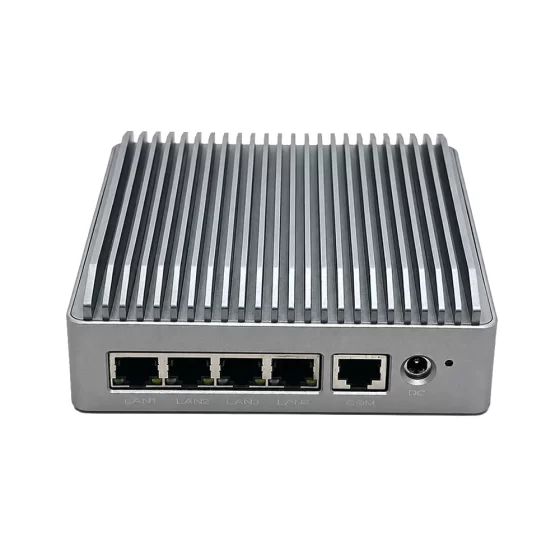
CoreIPC工业计算解决方案