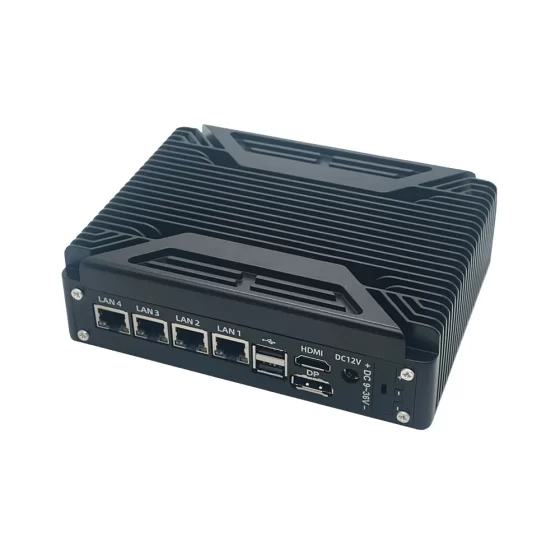
حلول الحوسبة الصناعية CoreIPC

وحدة تحكم مدمجة لأنظمة Mitsubishi PLC
ملخص تنفيذي
موثوقة embedded controller for Mitsubishi PLC systems plays a critical role in modern industrial automation environments. مع استمرار مرافق التصنيع في تحقيق إنتاجية أعلى, مراقبة في الوقت الحقيقي, الصيانة التنبؤية, والتحكم الذكي في العمليات, وحدات التحكم المنطقية التقليدية القابلة للبرمجة (الشركات المحدودة العامة) يتم دمجها بشكل متزايد مع منصات الحوسبة الصناعية التي توفر معالجة متقدمة للبيانات, الاتصال, وقدرات الحوسبة الحافة.
يتم نشر شركة Mitsubishi PLC على نطاق واسع في مختلف الصناعات بما في ذلك التصنيع, التعبئة والتغليف, اللوجستية, إدارة الطاقة, معالجة المياه, وأتمتة الآلة. بينما تتفوق PLCs في مهام التحكم الحتمية, تتطلب العديد من التطبيقات الحديثة موارد حاسوبية إضافية لتصور البيانات, الشبكات الصناعية, رؤية الآلة, تحليلات الذكاء الاصطناعي, تكامل MES, والاتصال السحابي.
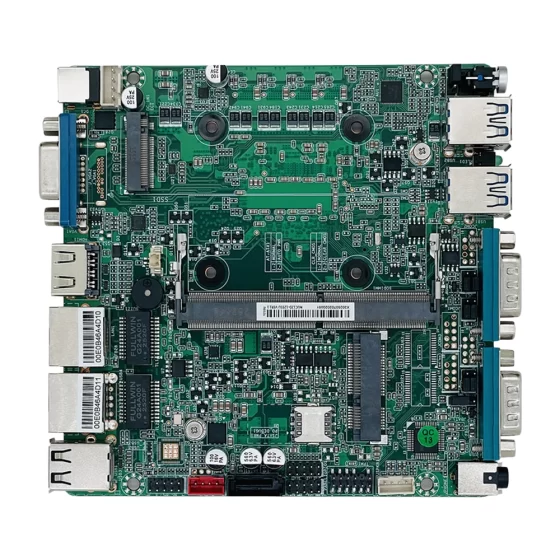
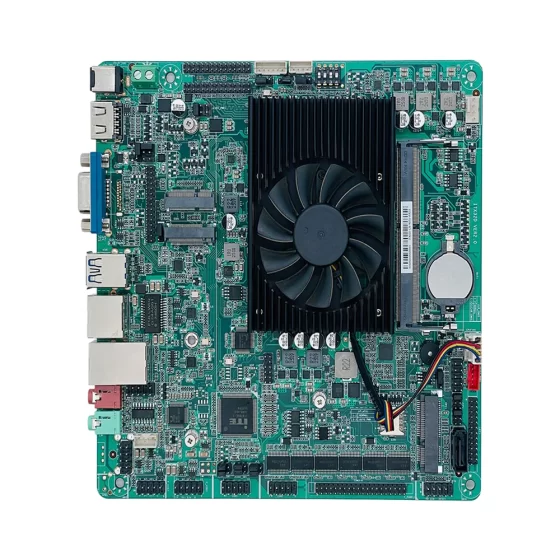
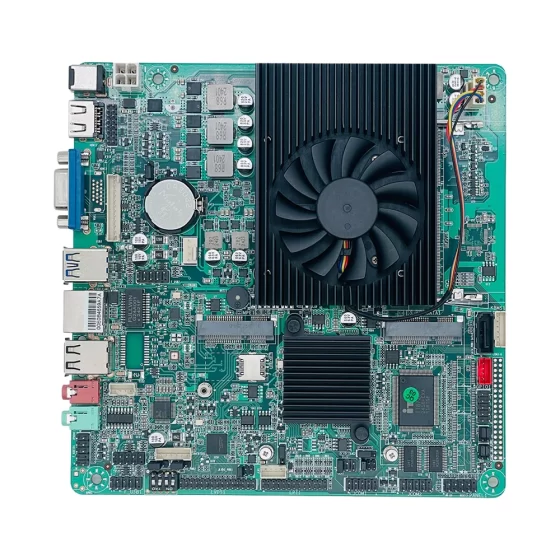
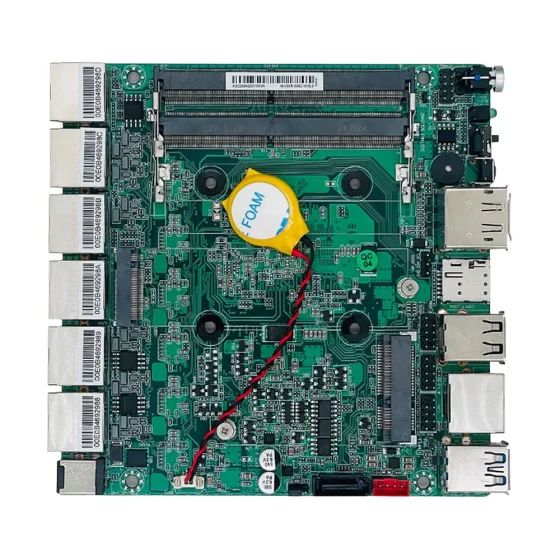
يعمل الكمبيوتر الصناعي أو الكمبيوتر المدمج كوحدة تحكم مدمجة ذكية تكمل أنظمة Mitsubishi PLC من خلال ربط التكنولوجيا التشغيلية (بعد ذلك) وتكنولوجيا المعلومات (هو - هي). توفر هذه المنصات أداءً محسنًا للحوسبة, واجهات اتصال مرنة, موثوقية من الدرجة الصناعية, and long-term deployment stability required in demanding industrial environments.
This article explores the role of embedded controllers in Mitsubishi PLC-based automation systems, تحديات النشر الرئيسية, اعتبارات بنية النظام, الميزات الأساسية, and practical implementation scenarios.

Industrial automation environments increasingly combine Mitsubishi PLC systems with industrial computers to enable smart manufacturing and real-time operational visibility.
نظرة عامة على الصناعة
Industrial automation is undergoing a significant transformation driven by Industry 4.0 المبادرات, إنترنت الأشياء الصناعية (إنترنت الأشياء) التبني, حوسبة الحافة, and data-driven manufacturing strategies. Manufacturers are no longer focused solely on machine control; they are increasingly leveraging operational data to optimize production efficiency, improve product quality, تقليل وقت التوقف عن العمل, and support predictive maintenance programs.
Mitsubishi Electric has established itself as a leading supplier of industrial automation technologies. Its PLC families, including MELSEC iQ-R, iQ-F, Q Series, and FX Series, are widely deployed in industrial control systems worldwide.
Traditionally, PLCs were responsible for machine control, I/O management, sequencing, and process automation. لكن, modern manufacturing systems require significantly more functionality than conventional control logic can provide.
Industrial facilities now demand:
- مراقبة الإنتاج في الوقت الحقيقي
- تكامل SCADA
- اتصال MES
- Industrial database management
- معالجة رؤية الآلة
- تحليلات مدعومة بالذكاء الاصطناعي
- Industrial cybersecurity
- Multi-site data synchronization
- قدرات الحوسبة الحافة
- Cloud platform integration
نتيجة ل, industrial computers and embedded computers have become essential components in Mitsubishi PLC architectures. These systems function as embedded controllers that provide advanced computing functions while maintaining seamless communication with PLC networks.

Modern industrial automation systems require seamless integration between PLC controllers, أجهزة الكمبيوتر الصناعية, الشبكات الصناعية, and production equipment to achieve reliable connectivity and real-time operational visibility.
التحديات الرئيسية
Increasing Data Processing Requirements
Modern production lines generate large volumes of operational data from sensors, المحركات, أنظمة الرؤية, الروبوتات, and PLCs. Traditional controllers may struggle to handle high-volume data aggregation, تحليلات, and visualization tasks.
Manufacturers require embedded controllers capable of processing large datasets locally while maintaining real-time communication with Mitsubishi PLC systems.
Integration of Multiple Industrial Protocols
غالبًا ما تحتوي البيئات الصناعية على معدات من بائعين متعددين.
A typical automation system may involve:
- Mitsubishi PLCs
- Variable frequency drives
- أنظمة HMI
- الروبوتات الصناعية
- Vision inspection equipment
- منصات سكادا
- برنامج مس
- أنظمة تخطيط موارد المؤسسات
Each device may utilize different communication protocols, creating interoperability challenges.
البيئات الصناعية القاسية
Factory deployments frequently expose equipment to:
- High temperatures
- Dust contamination
- اهتزاز
- التداخل الكهرومغناطيسي
- رطوبة
- مستمر 24/7 عملية
Commercial computing hardware is generally not designed to withstand such conditions.
Real-Time Operational Visibility
Manufacturers require instant visibility into production status, أداء الآلة, quality metrics, and equipment utilization.
Obtaining actionable insights from Mitsubishi PLC data often requires dedicated industrial computing platforms capable of collecting, يعالج, and visualizing information in real time.
مخاطر الأمن السيبراني
Industrial networks are increasingly connected to enterprise systems and cloud platforms.
Without proper architecture and security controls, PLC systems may become vulnerable to:
- الوصول غير المصرح به
- Malware
- Network intrusion
- انتهاكات البيانات
- Production disruption
Secure industrial computing infrastructure is therefore essential.

A modern industrial automation architecture integrates Mitsubishi PLC systems with embedded controllers, منصات سكادا, الشبكات الصناعية, and edge computing infrastructure to enable intelligent manufacturing operations.
هندسة الحلول
A modern Mitsubishi PLC automation architecture combines deterministic control with advanced edge computing capabilities.
طبقة 1: Field Devices
تتضمن طبقة الحقل:
- أجهزة الاستشعار
- التشفير
- أجهزة إرسال درجة الحرارة
- أجهزة استشعار الضغط
- أجهزة السلامة
- المحركات
- أنظمة المؤازرة
These devices collect operational data and execute physical processes.
طبقة 2: Mitsubishi PLC Controller Layer
Mitsubishi PLCs perform:
- Logic control
- التحكم في الحركة
- التحكم في العملية
- Equipment sequencing
- إدارة الإنذار
- مراقبة السلامة
The PLC serves as the primary real-time control platform.
طبقة 3: طبقة التحكم المضمنة
An industrial computer or embedded computer functions as the embedded controller.
وتشمل مسؤولياتها:
- الحصول على البيانات
- تحويل البروتوكول
- الحوسبة الحافة
- إدارة قواعد البيانات
- HMI hosting
- تكامل SCADA
- معالجة رؤية الآلة
- تحليلات الذكاء الاصطناعي
- Reporting functions
The embedded controller communicates with Mitsubishi PLCs using industrial protocols such as:
- إيثرنت/IP
- مودبوس تكب
- CC-Link IE
- OPC تعميم الوصول إلى الخدمات
- إم كيو تي تي
- تكب / إب
طبقة 4: Manufacturing Operations Layer
The operations layer includes:
- أنظمة سكادا
- منصات MES
- برامج إدارة الجودة
- Asset management systems
- منصات الصيانة
This layer transforms production data into actionable operational intelligence.
طبقة 5: طبقة المؤسسة والسحابة
Enterprise integration enables:
- اتصال تخطيط موارد المؤسسات
- تحليلات السحابة
- المراقبة عن بعد
- الصيانة التنبؤية
- Centralized reporting
- Multi-site management
The embedded controller acts as a secure gateway between plant-floor automation and enterprise-level applications.
الميزات الرئيسية
موثوقية من الدرجة الصناعية
على عكس أجهزة الكمبيوتر الاستهلاكية, industrial computers designed for Mitsubishi PLC deployments offer:
- عملية بدون مروحة
- تخزين الحالة الصلبة
- Wide-temperature support
- البناء وعرة
- Long product lifecycle
These characteristics improve system stability and reduce maintenance requirements.
Flexible Communication Interfaces
Industrial automation environments require extensive connectivity.
تتضمن الواجهات النموذجية:
- جيجابت إيثرنت
- Serial COM ports
- RS232
- RS422
- RS485
- USB
- يمكن الحافلة
- الإدخال/الإخراج الرقمي
This flexibility simplifies integration with Mitsubishi PLCs and surrounding automation equipment.
القدرة على الحوسبة الحافة
Edge computing enables data processing close to the production source.
تشمل الفوائد:
- الكمون أقل
- انخفاض حركة مرور الشبكة
- Faster decision-making
- تحسين الموثوقية
- تعزيز أمن البيانات
Embedded controllers can execute analytics and monitoring applications without relying solely on cloud infrastructure.
HMI and Visualization Support
Industrial computers can host:
- Web-based dashboards
- SCADA applications
- Production monitoring systems
- Maintenance interfaces
- Quality management displays
Operators gain real-time visibility into manufacturing operations.
Industrial Networking Support
Embedded controllers support modern industrial communication standards including:
- OPC تعميم الوصول إلى الخدمات
- إم كيو تي تي
- مودبوس تكب
- إيثرنت/IP
- CC-Link
- PROFINET gateways
- واجهات برمجة تطبيقات REST
These capabilities simplify interoperability across heterogeneous automation environments.
AI and Machine Vision Expansion
Many advanced manufacturing applications now require:
- كشف الخلل
- Optical inspection
- التحليلات التنبؤية
- تحسين الإنتاج
- مراقبة الجودة الذكية
High-performance embedded computers can support machine vision cameras and AI workloads while maintaining communication with Mitsubishi PLC systems.
Long-Term Deployment Stability
Industrial automation projects often remain operational for 7–15 years.
Industrial embedded controllers typically offer:
- توافر على المدى الطويل
- Extended lifecycle support
- منصات الأجهزة مستقرة
- Consistent software compatibility
This reduces redesign costs and supports long-term maintenance strategies.
سيناريوهات النشر
Smart Manufacturing Systems
في المصانع الذكية, embedded controllers collect production data from Mitsubishi PLCs and provide real-time analytics for manufacturing optimization.
تشمل التطبيقات:
- OEE monitoring
- Production tracking
- Quality management
- Equipment utilization analysis
Packaging Automation
Packaging machines often utilize Mitsubishi PLCs for motion control and sequencing.
Embedded controllers provide:
- إدارة الوصفة
- تقارير الإنتاج
- فحص الرؤية
- تسجيل البيانات
- التشخيص عن بعد
فحص رؤية الآلة
Manufacturers increasingly deploy camera-based quality inspection systems.
The embedded controller performs:
- الحصول على الصور
- استنتاج الذكاء الاصطناعي
- تصنيف العيوب
- Traceability data storage
Results are communicated back to Mitsubishi PLC systems for process control.
Logistics and Warehouse Automation
Automated warehouses utilize PLCs for:
- Conveyor control
- Sorting systems
- Automated storage systems
Embedded computers support:
- Warehouse management integration
- مراقبة الأسطول
- تحليلات البيانات
- Operational dashboards
Water and Wastewater Treatment
Treatment facilities rely on Mitsubishi PLCs for process automation.
Embedded controllers provide:
- وظيفة سكادا
- Historical data collection
- المراقبة عن بعد
- Alarm notification
- Regulatory reporting
أنظمة إدارة الطاقة
Industrial facilities deploy embedded controllers to:
- Collect power consumption data
- Monitor utility usage
- Analyze energy efficiency
- Support sustainability initiatives
PLC-generated operational data becomes actionable business intelligence.
فوائد الأعمال
تحسين الرؤية التشغيلية
Manufacturers gain real-time insight into production performance, صحة الآلة, and process efficiency.
This visibility supports faster decision-making and improved operational control.
تقليل وقت التوقف عن العمل
Continuous monitoring enables early identification of equipment abnormalities and potential failures.
Maintenance teams can address issues before they cause production interruptions.
Enhanced Data Utilization
Embedded controllers transform raw PLC data into valuable operational intelligence.
Organizations can leverage analytics to improve productivity and optimize manufacturing performance.
Greater System Scalability
Industrial computers provide the flexibility required to expand automation systems as operational requirements evolve.
Additional software functions and connectivity options can often be added without modifying existing PLC programs.
انخفاض التكلفة الإجمالية للملكية
Industrial-grade hardware reduces maintenance requirements, minimizes downtime, and extends service life.
Long-term platform stability contributes to lower lifecycle costs.
Future-Ready Infrastructure
Embedded computing platforms support emerging technologies including:
- إنترنت الأشياء الصناعية
- Artificial Intelligence
- Digital Twins
- الصيانة التنبؤية
- Cloud Manufacturing
This ensures automation investments remain relevant as industrial technologies continue to evolve.
لماذا كورIPC
CoreIPC delivers industrial computing platforms designed for demanding automation environments. أجهزة الكمبيوتر الصناعية لدينا, أجهزة الكمبيوتر المدمجة, and embedded boards support reliable integration with Mitsubishi PLC systems while providing the performance required for edge computing, الشبكات الصناعية, التصور, and intelligent manufacturing applications. With industrial-grade design, تكوينات الإدخال/الإخراج المرنة, دورات حياة طويلة للمنتج, وقدرات التخصيص OEM/ODM, CoreIPC يساعد تكامل النظام, بناة الآلة, and industrial automation providers deploy scalable and reliable control architectures for modern manufacturing operations.
الأسئلة المتداولة
What is the role of an embedded controller in a Mitsubishi PLC system?
An embedded controller complements the Mitsubishi PLC by handling advanced computing functions such as data processing, تكامل SCADA, HMI hosting, إدارة قاعدة البيانات, تحليلات, والاتصال السحابي. The PLC continues performing deterministic control while the embedded controller manages higher-level applications.
Can an industrial computer replace a Mitsubishi PLC?
In most industrial environments, PLCs remain the preferred platform for deterministic machine control. Industrial computers are typically used alongside PLCs to provide additional computing capabilities rather than replacing the PLC entirely.
Which communication protocols are commonly used with Mitsubishi PLCs?
Common protocols include CC-Link IE, مودبوس تكب, OPC تعميم الوصول إلى الخدمات, إم كيو تي تي, تكب / إب, and Ethernet-based industrial communication standards. Protocol selection depends on system architecture and integration requirements.
Why are fanless industrial computers preferred in factories?
Fanless designs eliminate moving parts that can fail over time. They also prevent dust accumulation inside the system, improving reliability and reducing maintenance requirements in industrial environments.
How does edge computing improve PLC-based automation?
Edge computing enables data processing close to the production source, تقليل الكمون, minimizing bandwidth usage, and improving response times. It also allows critical operations to continue even if cloud connectivity is unavailable.
What industries commonly use Mitsubishi PLC systems?
Mitsubishi PLCs are widely deployed in manufacturing, التعبئة والتغليف, automotive production, اللوجستية, تجهيز الأغذية, معالجة المياه, إدارة الطاقة, and machine automation applications.
Can embedded controllers support machine vision applications?
نعم. High-performance embedded computers can support industrial cameras, برامج معالجة الصور, and AI inference engines used for quality inspection, كشف العيب, ومراقبة العملية.
What environmental conditions can industrial computers withstand?
Industrial-grade systems are typically designed for wide operating temperatures, مقاومة الاهتزاز, electromagnetic compatibility, and continuous operation in harsh industrial environments.
How do embedded controllers support predictive maintenance?
They collect and analyze operational data from PLCs, أجهزة الاستشعار, والمعدات. Analytics software can identify patterns that indicate potential failures, allowing maintenance teams to intervene proactively.
What should be considered when selecting an embedded controller for Mitsubishi PLC integration?
وتشمل الاعتبارات الرئيسية أداء الحوسبة, واجهات الاتصالات, دعم البروتوكول, المواصفات البيئية, توافر دورة الحياة, expansion capabilities, cybersecurity features, وتوافق البرامج.
خاتمة
As industrial automation continues to advance, the combination of a Mitsubishi PLC controller and a high-performance embedded controller creates a powerful foundation for intelligent manufacturing. While Mitsubishi PLCs provide reliable real-time control, industrial computers and embedded computers deliver the computing resources necessary for data analytics, التصور, الاتصال, رؤية الآلة, والحوسبة الحافة.
Organizations seeking to modernize their automation infrastructure can benefit significantly from deploying industrial-grade embedded computing platforms that integrate seamlessly with Mitsubishi PLC systems. By bridging operational control and information management, these solutions enable smarter, أكثر كفاءة, and more scalable industrial operations.
اتصل بنا
Looking for an embedded controller solution for Mitsubishi PLC systems?
يوفر CoreIPC أجهزة الكمبيوتر الصناعية, أجهزة الكمبيوتر المدمجة, اللوحات الأم الصناعية, and customized embedded computing platforms designed for industrial automation, حوسبة الحافة, رؤية الآلة, and intelligent manufacturing applications.
Contact our engineering team to discuss your automation requirements and discover the right industrial computing solution for your project.