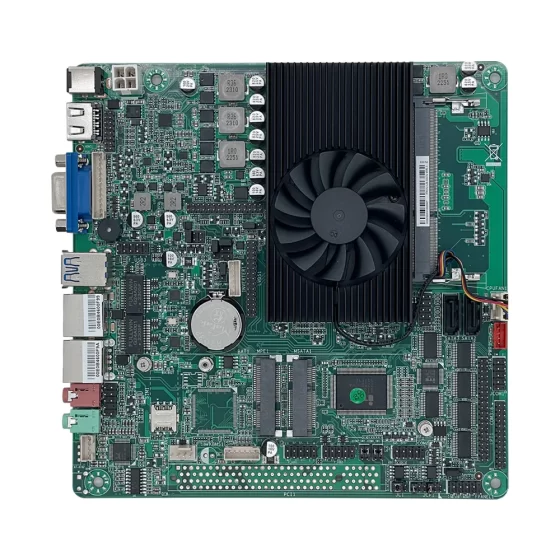
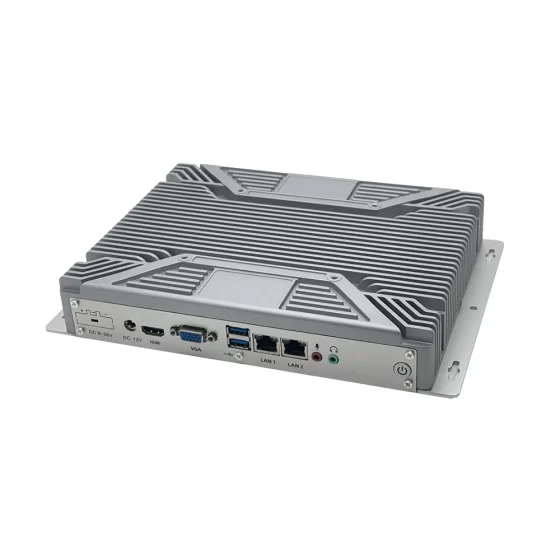
حلول الحوسبة الصناعية CoreIPC

كمبيوتر صناعي بدون مروحة لخزائن التحكم PLC
ملخص تنفيذي
أ fanless industrial computer for PLC control cabinets has become a critical component in modern industrial automation systems. مع استمرار مرافق التصنيع في اعتماد الصناعة 4.0 التقنيات, إنترنت الأشياء الصناعية (إنترنت الأشياء) المنصات, حوسبة الحافة, ومراقبة الإنتاج الذكي, تتطلب أنظمة التحكم التقليدية المعتمدة على PLC بشكل متزايد موارد حاسوبية إضافية تتجاوز التحكم الحتمي في الماكينة.
بينما تظل الشركات المحدودة العامة أساس الأتمتة الصناعية, تتطلب المصانع الحديثة قدرات متقدمة مثل تصور البيانات في الوقت الفعلي, الشبكات الصناعية, تحويل البروتوكول, تكامل رؤية الآلة, الصيانة التنبؤية, اتصال MES, والاتصالات السحابية. يوفر الكمبيوتر الصناعي بدون مروحة المثبت داخل خزانة التحكم PLC قوة الحوسبة اللازمة لدعم هذه الوظائف مع الحفاظ على الموثوقية الصناعية.
على عكس أجهزة الكمبيوتر التجارية, تم تصميم أجهزة الكمبيوتر الصناعية بدون مروحة خصيصًا لتحمل البيئات الصناعية القاسية, بما في ذلك ارتفاع درجات الحرارة, اهتزاز, تراب, رطوبة, ومستمرة 24/7 عملية. عامل الشكل المضغوط, واجهات الإدخال/الإخراج المرنة, and maintenance-free design make them ideal for installation inside control cabinets where space, مصداقية, and thermal performance are critical considerations.
This article explores the role of fanless industrial computers in PLC control cabinet applications, discusses key deployment challenges, examines system architecture, and highlights the business benefits of implementing industrial-grade embedded computing platforms in modern automation systems.
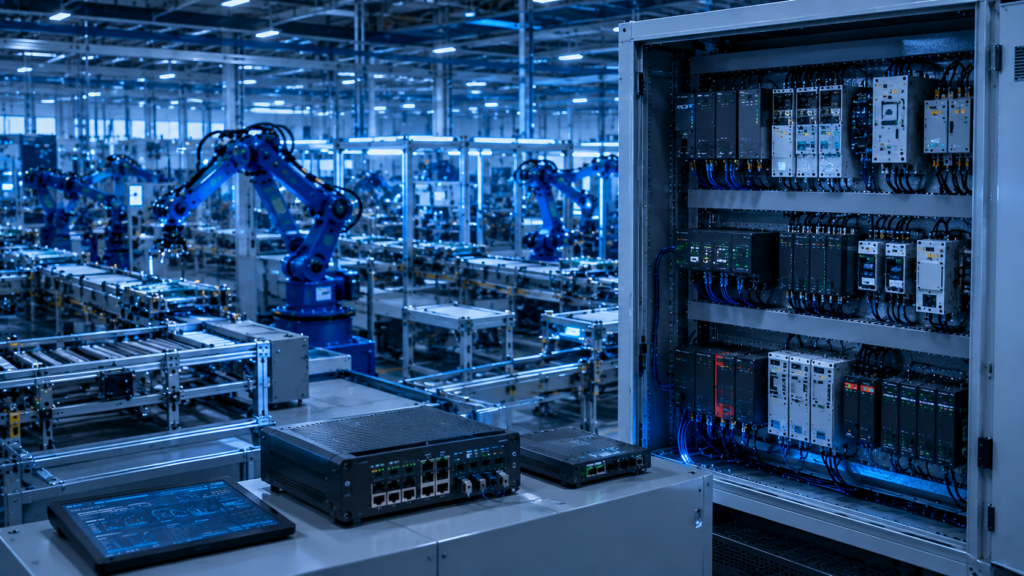
Modern smart factories combine PLC control cabinets, أجهزة الكمبيوتر الصناعية, الروبوتات, and automated production systems to achieve efficient and intelligent manufacturing.
نظرة عامة على الصناعة
Industrial automation has evolved significantly over the past decade. Traditional PLC control systems were originally designed primarily for machine control, process automation, safety management, and I/O handling. اليوم, manufacturers face increasing pressure to improve productivity, تقليل وقت التوقف عن العمل, optimize energy consumption, and gain deeper insights into production operations.
The rise of Industry 4.0 has accelerated demand for:
- Industrial IoT connectivity
- الحوسبة الحافة
- الصيانة التنبؤية
- فحص رؤية الآلة
- Manufacturing execution systems (زارة التربية والعلم)
- Cloud integration
- تحليلات الإنتاج في الوقت الحقيقي
- المراقبة عن بعد
- Industrial cybersecurity
Modern factories generate vast amounts of operational data from:
- الشركات المحدودة العامة
- أجهزة الاستشعار
- محركات الأقراص
- الروبوتات
- أنظمة الرؤية
- واجهات التفاعل البشري
- منصات سكادا
To leverage this data effectively, manufacturers require computing platforms capable of collecting, يعالج, تحليل, and transmitting information across multiple systems.
A fanless industrial computer installed inside a PLC control cabinet serves as an intelligent edge computing node that bridges operational technology (بعد ذلك) وتكنولوجيا المعلومات (هو - هي). تدعم هذه الأنظمة الحصول على البيانات, الاتصالات الصناعية, التصور, تحليلات, and enterprise integration while maintaining reliable operation in challenging industrial environments.
نتيجة ل, fanless industrial computers have become an essential component of modern control cabinet architectures across industries such as manufacturing, اللوجستية, التعبئة والتغليف, تجهيز الأغذية, إدارة الطاقة, معالجة المياه, مواصلات, والبنية التحتية الذكية.
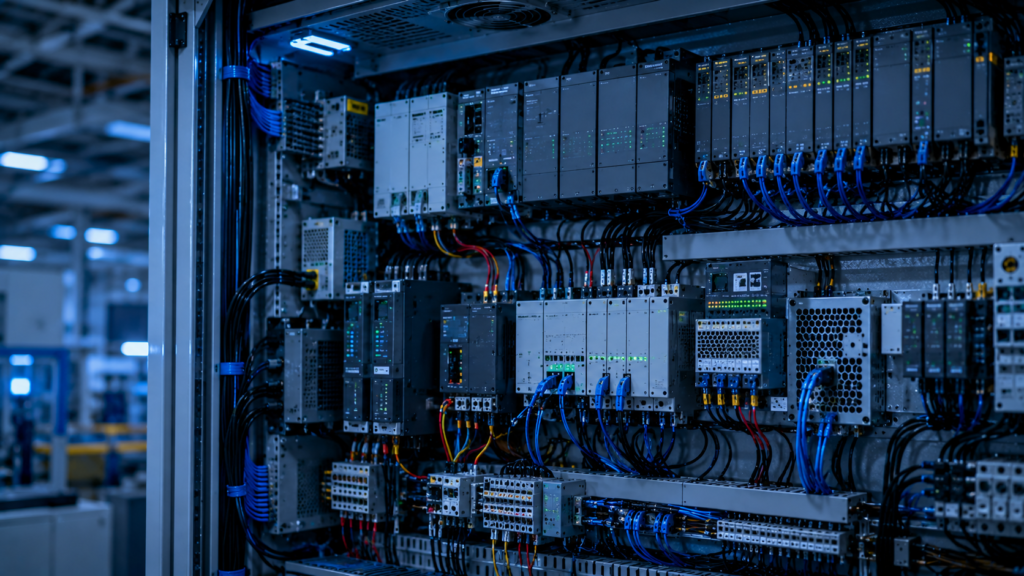
Modern PLC control cabinets must accommodate controllers, networking devices, أنظمة الطاقة, and extensive wiring within limited installation space.
التحديات الرئيسية
Limited Space Inside Control Cabinets
PLC control cabinets often have limited installation space.
Typical cabinet components include:
- وحدات تحكم PLC
- Power supplies
- قواطع دوائر
- Relays
- مفاتيح صناعية
- محركات الأقراص
- Safety controllers
- Terminal blocks
Any computing platform deployed inside the cabinet must provide high performance while maintaining a compact footprint.
Thermal Management Constraints
Control cabinets frequently operate in environments with elevated temperatures.
Additional challenges include:
- تدفق هواء محدود
- High equipment density
- Heat generated by drives and power supplies
- Enclosed cabinet structures
Traditional computers with active cooling fans may suffer reduced reliability under these conditions.
Dust and Contamination
Industrial environments expose equipment to:
- تراب
- Metal particles
- Oil mist
- رُطُوبَة
- Chemical contaminants
Fan-based systems can draw contaminants into the enclosure, increasing maintenance requirements and reducing operational reliability.
Increasing Data Processing Requirements
Modern automation systems generate large volumes of operational data.
Manufacturers require computing platforms capable of supporting:
- SCADA applications
- إدارة قواعد البيانات
- تحويل البروتوكول
- تحليلات الإنتاج
- الحوسبة الحافة
- بوابات إنترنت الأشياء الصناعية
PLCs alone may not provide sufficient processing resources for these workloads.
Long-Term Reliability Expectations
Industrial control systems often operate continuously for years.
Manufacturers expect:
- 24/7 عملية
- Minimal maintenance
- توافر النظام العالي
- Long product lifecycle support
Commercial computing hardware is generally not designed for these requirements.
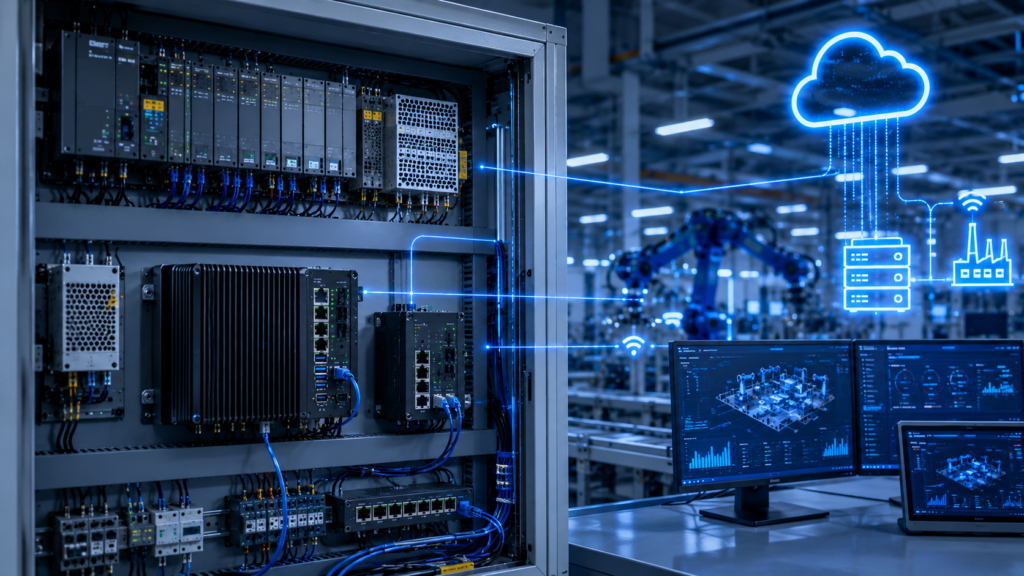
A fanless industrial computer extends PLC control cabinet capabilities by enabling SCADA integration, حوسبة الحافة, الشبكات الصناعية, والاتصال السحابي.
هندسة الحلول
A modern PLC control cabinet architecture combines deterministic control with advanced industrial computing capabilities.
طبقة 1: Field Devices
تتضمن طبقة الحقل:
- أجهزة الاستشعار
- التشفير
- المحركات
- Variable frequency drives
- أجهزة السلامة
- أنظمة المؤازرة
- Vision sensors
تقوم هذه الأجهزة بإنشاء بيانات تشغيلية وتنفيذ إجراءات التحكم.
طبقة 2: PLC Control Layer
The PLC layer performs:
- Machine control
- التحكم في الحركة
- أتمتة العملية
- Alarm handling
- Safety functions
- Equipment sequencing
The PLC remains the primary deterministic control platform.
طبقة 3: Fanless Industrial Computer Layer
The fanless industrial computer functions as an intelligent edge computing platform.
Typical responsibilities include:
- جمع البيانات
- تحويل البروتوكول
- Industrial networking
- HMI hosting
- تكامل SCADA
- إدارة قواعد البيانات
- Analytics processing
- الحوسبة الحافة
- Machine vision support
قد تشمل بروتوكولات الاتصال:
- مودبوس تكب
- إيثرنت/IP
- بروفينت
- OPC تعميم الوصول إلى الخدمات
- إم كيو تي تي
- BACnet
- واجهات برمجة تطبيقات REST
طبقة 4: Manufacturing Operations Layer
تتضمن هذه الطبقة:
- أنظمة سكادا
- منصات MES
- برامج إدارة الجودة
- أنظمة الصيانة
- Production reporting tools
The industrial computer aggregates and processes data from the PLC layer.
طبقة 5: طبقة المؤسسة والسحابة
Enterprise integration enables:
- اتصال تخطيط موارد المؤسسات
- تحليلات السحابة
- الصيانة التنبؤية
- Multi-site monitoring
- Centralized reporting
The industrial computer acts as a secure gateway connecting plant-floor systems to enterprise applications.
الميزات الرئيسية
تصميم تبريد بدون مروحة
The most important feature of a fanless industrial computer is its passive cooling architecture.
تشمل الفوائد:
- No moving parts
- انخفاض الصيانة
- تحسين الموثوقية
- عملية صامتة
- Better resistance to dust contamination
This makes fanless systems ideal for control cabinet installations.
عامل الشكل المضغوط
Control cabinet space is often limited.
Fanless industrial computers are available in compact designs that support:
- DIN-rail mounting
- تركيب على الحائط
- VESA mounting
- Cabinet integration
Compact systems maximize available cabinet space while maintaining functionality.
عملية درجة حرارة واسعة
Industrial environments may experience significant temperature variations.
Industrial-grade fanless computers typically support:
- Wide operating temperatures
- الاستقرار الحراري
- Continuous operation under demanding conditions
This ensures reliable performance in challenging deployment environments.
اتصال صناعي غني
Industrial applications require extensive connectivity options.
تتضمن الواجهات النموذجية:
- Multiple Ethernet ports
- منافذ يو اس بي
- RS232
- RS422
- RS485
- الإدخال/الإخراج الرقمي
- يمكن الحافلة
- Wi-Fi and cellular options
These interfaces simplify integration with PLCs and industrial equipment.
القدرة على الحوسبة الحافة
Edge computing allows data processing close to the production source.
تشمل الفوائد:
- انخفاض الكمون
- أوقات استجابة أسرع
- Lower network traffic
- تعزيز الموثوقية
This supports real-time industrial decision-making.
Industrial IoT Support
Modern fanless industrial computers support Industrial IoT deployments through:
- MQTT communication
- الاتصال السحابي
- تجميع البيانات
- الإدارة عن بعد
These capabilities help organizations implement digital transformation initiatives.
توافر دورة حياة طويلة
غالبًا ما تظل مشاريع الأتمتة الصناعية قيد التشغيل لسنوات عديدة.
Industrial computers typically offer:
- توافر على المدى الطويل
- منصات الأجهزة مستقرة
- Consistent software support
- Extended product lifecycles
This minimizes redesign and maintenance costs.
سيناريوهات النشر
Machine Automation
Fanless industrial computers are commonly deployed inside machine control cabinets.
تشمل التطبيقات:
- تسجيل البيانات
- إدارة الوصفة
- Operator interfaces
- مراقبة الإنتاج
التصنيع الذكي
Manufacturers use industrial computers to collect and analyze production data from PLC systems.
تشمل التطبيقات:
- OEE monitoring
- تحليلات الإنتاج
- Quality tracking
- Equipment utilization analysis
SCADA Systems
Fanless industrial computers can host SCADA applications directly within control cabinets.
تشمل الفوائد:
- Local visualization
- مراقبة في الوقت الحقيقي
- إدارة الإنذار
- تخزين البيانات التاريخية
بوابات إنترنت الأشياء الصناعية
Control cabinet computers often serve as Industrial IoT gateways.
تشمل الوظائف:
- الحصول على البيانات
- الاتصال السحابي
- تحويل البروتوكول
- المراقبة عن بعد
فحص رؤية الآلة
Industrial computers support machine vision workloads such as:
- كشف الخلل
- Barcode reading
- فحص التعرف الضوئي على الحروف
- Quality verification
Inspection results can be communicated directly to PLC systems.
أنظمة إدارة الطاقة
Industrial computers help organizations monitor and optimize energy consumption through:
- Utility monitoring
- Power quality analysis
- تقارير الطاقة
- Sustainability initiatives
فوائد الأعمال
Increased System Reliability
Fanless designs eliminate cooling fans, which are among the most common failure points in conventional computers.
This improves overall system reliability and uptime.
Reduced Maintenance Costs
Without fans or air filters, maintenance requirements are significantly reduced.
Organizations benefit from lower operational costs and fewer service interruptions.
تحسين الرؤية التشغيلية
Industrial computers provide real-time access to production and equipment data.
This supports informed decision-making and process optimization.
قابلية التوسع المحسنة
Additional software applications and communication protocols can be deployed without major hardware changes.
This enables future expansion and modernization.
انخفاض التكلفة الإجمالية للملكية
Industrial-grade hardware, دعم دورة حياة طويلة, and reduced maintenance requirements contribute to lower overall ownership costs.
دعم الصناعة 4.0 Initiatives
Fanless industrial computers provide the foundation for:
- إنترنت الأشياء الصناعية
- الحوسبة الحافة
- الصيانة التنبؤية
- تحليلات الذكاء الاصطناعي
- التحول الرقمي
These technologies help manufacturers remain competitive in evolving industrial markets.
لماذا كورIPC
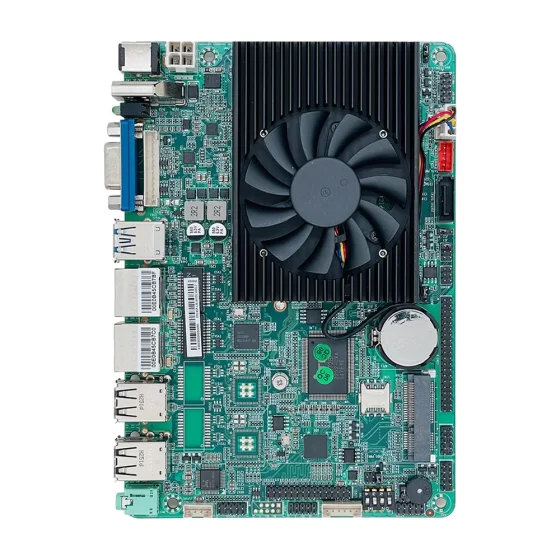
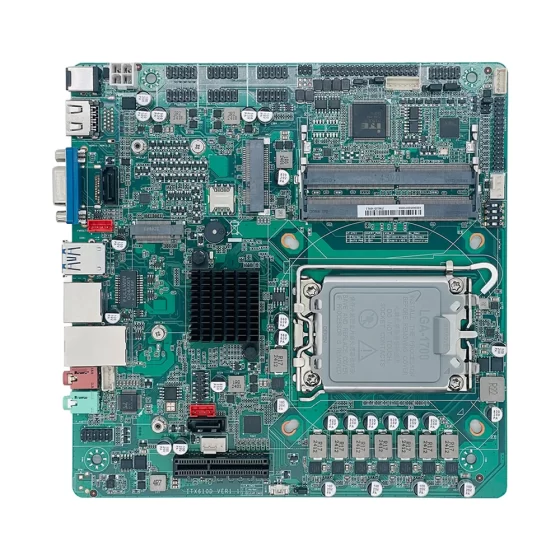
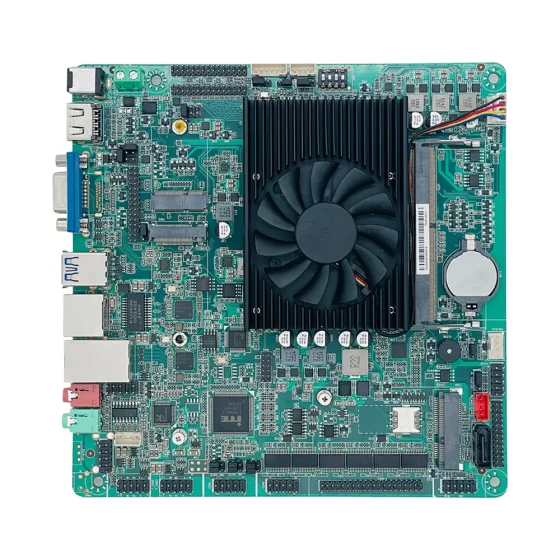
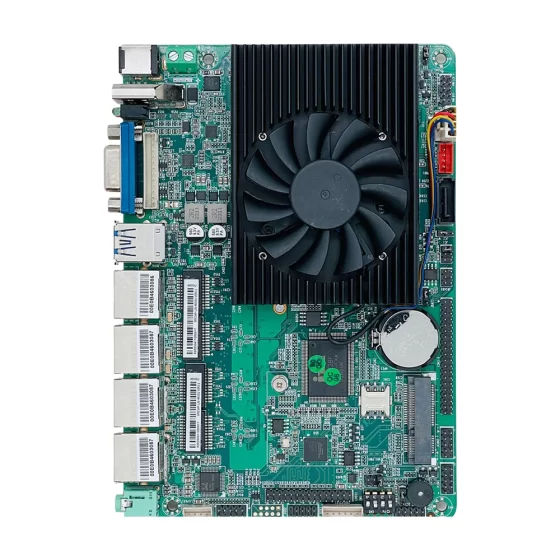
CoreIPC provides industrial computing platforms specifically designed for PLC control cabinet deployments. Our fanless industrial computers, أجهزة الكمبيوتر المدمجة, and industrial motherboards deliver reliable performance, تكوينات الإدخال/الإخراج المرنة, دورات حياة طويلة للمنتج, and industrial-grade durability. Whether supporting machine automation, إنترنت الأشياء الصناعية, أنظمة سكادا, حوسبة الحافة, or intelligent manufacturing applications, CoreIPC solutions help system integrators and equipment manufacturers build reliable, قابلة للتطوير, and future-ready automation systems.
الأسئلة المتداولة
What is a fanless PLC computer?
A fanless PLC computer is an industrial computer designed to operate inside PLC control cabinets without using cooling fans. It relies on passive heat dissipation and is optimized for industrial environments requiring high reliability and minimal maintenance.
Why are fanless computers preferred in control cabinets?
Fanless systems eliminate moving parts and prevent dust from entering the enclosure. This improves reliability, reduces maintenance, and supports continuous operation in harsh industrial environments.
Can a fanless industrial computer replace a PLC?
عمومًا, لا. PLCs remain the preferred platform for deterministic machine control. Fanless industrial computers are typically used alongside PLCs to provide data processing, التصور, networking, وقدرات الحوسبة الحافة.
What operating temperatures can fanless industrial computers support?
Industrial-grade fanless computers commonly support wide operating temperature ranges and are designed for reliable operation in demanding industrial environments.
Which communication protocols are supported?
Most industrial computers support protocols such as Modbus TCP, إيثرنت/IP, بروفينت, OPC تعميم الوصول إلى الخدمات, إم كيو تي تي, وغيرها من معايير الاتصالات الصناعية.
Can fanless industrial computers run SCADA software?
نعم. Many fanless industrial computers are deployed as SCADA servers, منصات HMI, or local visualization systems within industrial control cabinets.
Are fanless industrial computers suitable for Industrial IoT applications?
نعم. They are widely used as Industrial IoT gateways, supporting cloud connectivity, data aggregation, تحويل البروتوكول, and remote monitoring applications.
Can these systems support machine vision?
نعم. High-performance fanless industrial computers can support image acquisition, استنتاج الذكاء الاصطناعي, قراءة الباركود, فحص التعرف الضوئي على الحروف, and defect detection applications.
How long do industrial computers typically remain available?
Industrial computing platforms often provide significantly longer product lifecycles than consumer PCs, helping reduce redesign costs and simplify long-term maintenance.
What should be considered when selecting a control cabinet computer?
Key factors include processing performance, درجة حرارة التشغيل, خيارات التركيب, واجهات الاتصالات, المواصفات البيئية, توافر دورة الحياة, and application requirements.
خاتمة
أ fanless industrial computer for PLC control cabinets provides the computing foundation necessary for modern industrial automation systems. While PLCs continue to perform deterministic control functions, industrial computers enable advanced capabilities such as edge computing, Industrial IoT connectivity, تكامل SCADA, معالجة الرؤية الآلية, والتحليلات في الوقت الحقيقي.
By combining reliable PLC control with industrial-grade embedded computing platforms, manufacturers can improve operational visibility, تقليل متطلبات الصيانة, support Industry 4.0 المبادرات, and build scalable automation systems that are ready for future technological advancements.
اتصل بنا
Looking for a fanless industrial computer for your PLC control cabinet project?
يوفر CoreIPC أجهزة الكمبيوتر الصناعية, أجهزة الكمبيوتر المدمجة, اللوحات الأم الصناعية, and customized embedded computing solutions designed for industrial automation, إنترنت الأشياء الصناعية, رؤية الآلة, أنظمة سكادا, and intelligent manufacturing environments.
Contact our engineering team to discuss your application requirements and identify the ideal industrial computing platform for your deployment.