حلول الحوسبة الصناعية CoreIPC

أنظمة MES للكمبيوتر الصناعي: حوسبة موثوقة في ورشة العمل لتنفيذ عمليات التصنيع
ملخص تنفيذي
يوفر نشر MES للكمبيوتر الصناعي أساس الأجهزة لتوصيل معدات الإنتاج, مشغلي, محطات الجودة, وبرامج التصنيع في جميع أنحاء المصنع.
في نظام تنفيذ التصنيع الحديث, يجب أن تنتقل البيانات بشكل موثوق من الأجهزة ومحطات العمل إلى خوادم MES, قواعد البيانات, لوحات المعلومات, وأنظمة المؤسسات. وهذا يتطلب أكثر من جهاز كمبيوتر مكتبي قياسي. فهو يتطلب أجهزة حاسوبية من الدرجة الصناعية مصممة للتشغيل المستمر, اتصال مستقر, والتكامل العملي مع بيئات الإنتاج الحقيقية.
تُستخدم أجهزة الكمبيوتر الصناعية بشكل شائع كمحطات MES, عقد جمع بيانات الآلة, محطات عمل فحص الجودة, محطات مسح الباركود, بوابات التتبع, وأجهزة كمبيوتر لمراقبة خط الإنتاج. إنهم يتصلون بـ PLCs, أجهزة الاستشعار, الماسحات الضوئية, قارئات RFID, الطابعات, أنظمة الرؤية, أدوات الاختبار, وشبكات المصانع.
للمصنعين, تكامل النظام, وبناة معدات OEM, يؤثر اختيار الكمبيوتر الصناعي المناسب أو الكمبيوتر المدمج على وقت تشغيل النظام, دقة البيانات, إمكانية التتبع, تكلفة الصيانة, وقابلية التوسع على المدى الطويل.
تشرح هذه المقالة كيفية دعم أجهزة الكمبيوتر الصناعية لأنظمة MES, ما هي التحديات التي تظهر أثناء النشر, كيف يتم تنظيم بنية الحل العملي, وما هي ميزات الأجهزة الأكثر أهمية لتنفيذ التصنيع الموثوق.
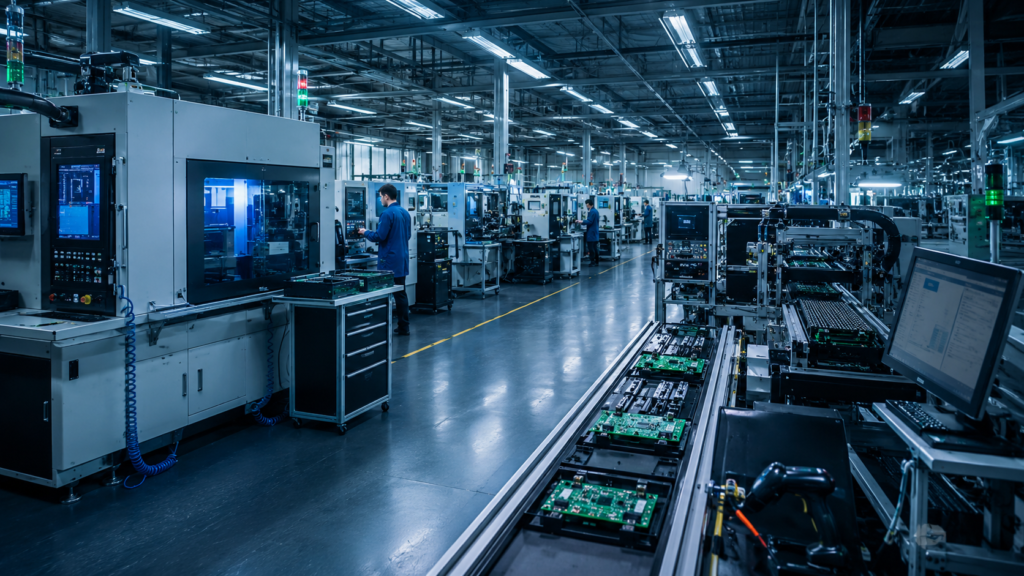
تساعد أجهزة الكمبيوتر الصناعية في جمع بيانات أرضية المتجر لأنظمة تنفيذ التصنيع.
نظرة عامة على الصناعة
MES تقترب من أرضية المصنع
كان يُنظر إلى أنظمة تنفيذ التصنيع تقليديًا على أنها منصات برمجية لإعداد تقارير الإنتاج, تتبع أمر العمل, وسجلات الجودة.
اليوم, أصبحت أنظمة MES أكثر ارتباطًا بالآلات, خطوط الإنتاج, مشغلي, وبيانات المصنع في الوقت الحقيقي. يزيد هذا التحول من أهمية أجهزة الحوسبة الموثوقة في المتجر.
غالبًا ما تحتاج منصات MES إلى جمع البيانات منها:
- محطات التجميع
- آلات التصنيع باستخدام الحاسب الآلي
- خطوط إنتاج SMT
- معدات الاختبار
- أنظمة الباركود وRFID
- محطات عمل فحص الجودة
- محطات التعبئة والتغليف ووضع العلامات
- مناطق المستودعات ومناولة المواد
يجب التقاط كل نقطة بيانات بدقة ونقلها إلى نظام MES دون تأخير غير ضروري.
لماذا تعتبر أجهزة الكمبيوتر الصناعية مهمة
قد يكون الكمبيوتر التجاري القياسي كافيًا للاستخدام المكتبي, لكن بيئات أرضية المتجر مختلفة.
تم تصميم أجهزة الكمبيوتر الصناعية لظروف المصنع حيث قد تتعرض الأنظمة للاهتزاز, تراب, قوة غير مستقرة, الضوضاء الكهربائية, مساحة محدودة, وساعات العمل الطويلة.
في مشاريع MES, توفر أجهزة الكمبيوتر الصناعية وأجهزة الكمبيوتر المدمجة طبقة الحوسبة المحلية بين معدات الإنتاج المادية وأنظمة البرامج ذات المستوى الأعلى.
إنها تساعد الشركات المصنعة على بناء بيئة تصنيع رقمية أكثر موثوقية من خلال دعم جمع البيانات في الوقت الفعلي, تفاعل المشغل, اتصالات المعدات, وتتبع الإنتاج.
من التقارير اليدوية إلى التصنيع الرقمي
لا تزال العديد من المصانع تعتمد على النماذج الورقية, الإدخال اليدوي, أو تأخر الإبلاغ عن حالة الإنتاج.
تعمل أنظمة MES على تقليل هذه الفجوة من خلال جمع بيانات الإنتاج مباشرة في نقطة التشغيل. تجعل أجهزة الكمبيوتر الصناعية هذا ممكنًا من خلال وضع قوة الحوسبة بالقرب من الآلات والمشغلين.
وهذا يتيح استجابة أسرع لقضايا الإنتاج, مراقبة الجودة بشكل أفضل, وسجلات تصنيع أكثر اكتمالا.

تتطلب معدات المصانع المختلطة أجهزة كمبيوتر صناعية موثوقة لتكامل MES.
التحديات الرئيسية
اتصال المعدات
أحد أكبر تحديات نشر MES هو توصيل أنواع مختلفة من معدات الإنتاج.
غالبًا ما تستخدم المصانع آلات من أجيال مختلفة, البائعين, ومنصات التحكم. تدعم بعض الأجهزة اتصالات Ethernet الحديثة, بينما لا يزال البعض الآخر يعتمد على المنافذ التسلسلية أو أجهزة جمع البيانات الخارجية.
قد يحتاج كمبيوتر MES العملي إلى الدعم:
- اتصالات الشبكة المحلية
- واجهات RS232 وRS485
- الأجهزة الطرفية USB
- ماسحات الباركود
- قارئات RFID
- طابعات الملصقات
- كاميرات الرؤية
- وحدات الإدخال/الإخراج الرقمية أو البوابة
بدون واجهات الأجهزة الصحيحة, قد لا يتمكن نظام MES من جمع بيانات الإنتاج الكاملة.
ظروف أرضية المتجر القاسية
غالبًا ما يتم تثبيت محطات MES بالقرب من الآلات, الناقلات, خزائن, مقاعد الاختبار, أو محطات عمل المشغل.
قد تشمل هذه البيئات الحرارة, تراب, اهتزاز, التداخل الكهربائي, وتدفق الهواء محدود. يمكن أن يؤدي عطل الكمبيوتر في محطة الإنتاج إلى مقاطعة عملية المسح, إعداد التقارير, فحوصات الجودة, أو تأكيد العملية.
تعد أجهزة الكمبيوتر الصناعية أكثر ملاءمة لهذه الظروف لأنها يمكن أن توفر حاويات متينة, تصاميم حرارية بدون مروحة, خيارات تركيب مستقرة, ومدخلات الطاقة الصناعية.
دقة البيانات وإمكانية التتبع
تعتمد أنظمة MES على بيانات دقيقة وكاملة.
إذا تم تفويت عمليات مسح الباركود, تأخرت بيانات الجهاز, أو لم يتم تحميل نتائج الجودة بشكل صحيح, يصبح تتبع الإنتاج غير مكتمل. وهذا يمكن أن يؤثر على مراقبة الجودة, عمليات تدقيق العملاء, تحليل الضمان, وتحسين الإنتاج.
تساعد أجهزة الكمبيوتر الصناعية الموثوقة على تقليل فقدان البيانات من خلال دعم الاتصال المستقر, التخزين المؤقت المحلي, والتشغيل المستمر في نقاط الإنتاج الرئيسية.
تصميم الشبكات والأمن
غالبًا ما تقوم أجهزة كمبيوتر MES بتوصيل شبكات الأجهزة بشبكات تكنولوجيا المعلومات في المصنع.
يؤدي هذا إلى إنشاء متطلبات التصميم لتجزئة الشبكة, التواصل الآمن, التحكم في وصول المستخدم, ونقل البيانات بشكل موثوق.
في بعض عمليات النشر, تعد منافذ LAN المتعددة مفيدة لأنها تسمح بالفصل بين الاتصال من جانب الجهاز واتصال خادم MES. يمكن أن يؤدي ذلك إلى تحسين تنظيم الشبكة وتقليل مخاطر التداخل غير الضروري بين الأنظمة.
صيانة طويلة الأمد
عادةً ما تتوسع مشاريع MES بمرور الوقت.
قد يبدأ المصنع بخط تجريبي واحد, ثم قم بتوسيع النظام ليشمل ورش عمل متعددة, مباني الإنتاج, أو مواقع التصنيع العالمية.
إذا كان النظام الأساسي للأجهزة يتغير بشكل متكرر, تصبح الصيانة صعبة. صور البرمجيات, قطع غيار, ملحقات التركيب, السائقين, وتصبح إدارة سجلات التحقق من الصحة أكثر صعوبة.
يمكن لمنصات الحوسبة الصناعية ذات دورة الحياة الطويلة أن تقلل من هذه المخاطر وتدعم نشر MES بشكل أكثر اتساقًا.

آلات جسر الكمبيوتر الصناعية, الأجهزة الطرفية, ومنصات البرمجيات MES.
هندسة حلول MES للكمبيوتر الصناعي
طبقة الآلة
تشتمل طبقة الآلة على المعدات المادية التي تولد بيانات الإنتاج.
قد يشمل ذلك الشركات المحدودة العامة, وحدات تحكم CNC, أجهزة الاستشعار, المحركات, أجهزة الوزن, أدوات الاختبار, ماسحات الباركود, قارئات RFID, أنظمة رؤية الآلة, والعدادات الصناعية.
توفر هذه الأجهزة معلومات مثل:
- حالة الآلة
- وقت الدورة
- عدد الإنتاج
- رسائل التنبيه
- استخدام المواد
- معلمات العملية
- نتائج الاختبار
- بيانات تعريف المنتج
ويكمن التحدي في أن هذه البيانات قد تأتي من العديد من الواجهات والتنسيقات المختلفة.
طبقة الحوسبة الحافة
طبقة الحوسبة الطرفية هي المكان الذي تلعب فيه أجهزة الكمبيوتر الصناعية الدور الأكثر أهمية.
يمكن تركيب جهاز كمبيوتر صناعي أو كمبيوتر مدمج بجانب الجهاز, داخل خزانة التحكم, في محطة المشغل, أو داخل محطة عمل الإنتاج.
عند هذه الطبقة, قد يقوم الكمبيوتر بعدة مهام:
- جمع البيانات من الأجهزة المحلية
- تشغيل برنامج العميل MES
- عرض تعليمات العمل
- تسجيل مدخلات المشغل
- معالجة الباركود أو بيانات RFID
- التواصل مع PLCs والآلات
- تخزين البيانات أثناء مشكلات الشبكة المؤقتة
- تحميل سجلات الإنتاج إلى خوادم MES
تعمل طبقة الحوسبة المحلية هذه على تحسين الموثوقية لأنه لا تحتاج كل مهمة إلى الاعتماد بشكل كامل على خادم بعيد.
طبقة خادم MES
تدير طبقة خادم MES وظائف برنامج الإنتاج الرئيسية.
وقد يشمل إدارة أمر العمل, توجيه العملية, تتبع الإنتاج, سجلات الجودة, قواعد بيانات التتبع, لوحات التقارير, والتكامل مع تخطيط موارد المؤسسات (ERP) أو أنظمة المستودعات.
تتواصل أجهزة الكمبيوتر الصناعية مع هذه الطبقة من خلال شبكات المصنع. يتلقى خادم MES البيانات من محطات إنتاج متعددة ويقدم التعليمات, تحديثات الحالة, ووظائف إعداد التقارير.
طبقة التكامل المؤسسي
غالبًا ما ترتبط أنظمة MES بـ ERP, الحركة الشعبية لتحرير السودان, WMS, سكادا, أو منصات ذكاء الأعمال.
يساعد هذا التكامل على مواءمة نشاط الإنتاج مع التخطيط, جرد, شراء, ضبط الجودة, ومواعيد التسليم.
لا تحل أجهزة الكمبيوتر الصناعية محل أنظمة المؤسسات هذه. بدلاً من, فهي توفر أساسًا موثوقًا لبيانات المتجر الذي يسمح للأنظمة ذات المستوى الأعلى باتخاذ قرارات أفضل.

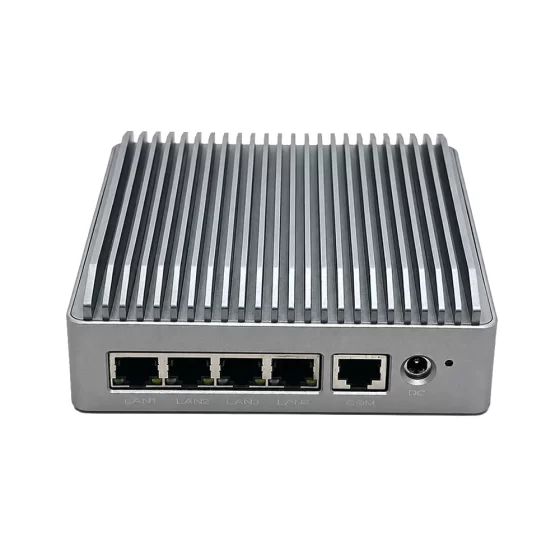
تدعم أجهزة الكمبيوتر الصناعية بدون مروحة تشغيل MES الموثوق به في خزانات الإنتاج.
الميزات الرئيسية
موثوقية من الدرجة الصناعية
الموثوقية هي الشرط الأول لأجهزة MES.
قد تعمل أنظمة الإنتاج على تشغيل نوبات متعددة يوميًا, ومن المتوقع أن تظل محطات MES متاحة أثناء عمليات التصنيع النشطة.
وتشمل عوامل الموثوقية الهامة:
- تصميم اللوحة الأم مستقرة
- خيارات النظام بدون مروحة
- مدخلات الطاقة الصناعية
- دعم تخزين SSD
- تصميم العلبة وعرة
- أداء حراري موثوق
- دورة حياة تشغيلية طويلة
الهدف ليس فقط الأداء العالي, ولكن عملية مستقرة في ظروف المصنع الحقيقية.
تكوين الإدخال/الإخراج المرن
غالبًا ما تتطلب تطبيقات MES مرونة أكبر في الإدخال/الإخراج مقارنة بأجهزة الكمبيوتر المكتبية.
قد تحتاج محطة MES النموذجية إلى توصيل شاشة تعمل باللمس, ماسح الباركود, طابعة, قارئ رفيد, كابل الشبكة, جهاز يو اس بي, وأحيانا المعدات التسلسلية في نفس الوقت.
قد تتضمن خيارات الإدخال/الإخراج المفيدة:
- منافذ LAN متعددة
- USB 2.0 و يو اس بي 3.0
- RS232 أو RS485
- HDMI أو DisplayPort
- GPIO أو الإدخال/الإخراج الرقمي
- توسعة M.2
- توسيع PCIe صغير
- دعم الوحدة اللاسلكية عند الحاجة
يؤدي تكوين الإدخال/الإخراج الصحيح إلى تقليل الحاجة إلى المحولات الخارجية وتحسين استقرار النظام.
تصميم حراري بدون مروحة
تُستخدم أجهزة الكمبيوتر الصناعية بدون مروحة على نطاق واسع في بيئات MES لأنها تقلل من نقاط الفشل الميكانيكي وتحد من امتصاص الغبار.
يعد التصميم بدون مروحة مفيدًا بشكل خاص في مناطق الإنتاج حيث الغبار, جزيئات, أو قد تؤثر قيود الصيانة على أجهزة الكمبيوتر القياسية.
لكن, يجب أن يظل الاختيار بدون مروحة في الاعتبار قوة المعالج, درجة الحرارة المحيطة, مساحة الضميمة, طريقة التركيب, وعبء العمل.
تصميم ميكانيكي مدمج
غالبًا ما يتم تثبيت أجهزة كمبيوتر MES في مواقع محدودة المساحة.
قد يتم تركيبها خلف شاشات العرض, داخل الخزانات, تحت مناضد العمل, على إطارات الآلة, أو بالقرب من خطوط الإنتاج.
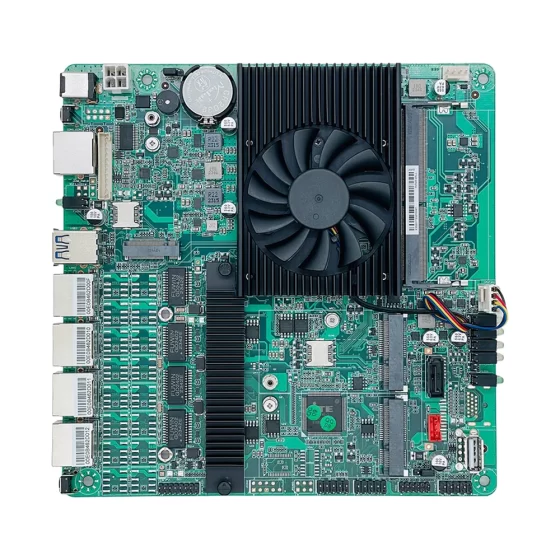
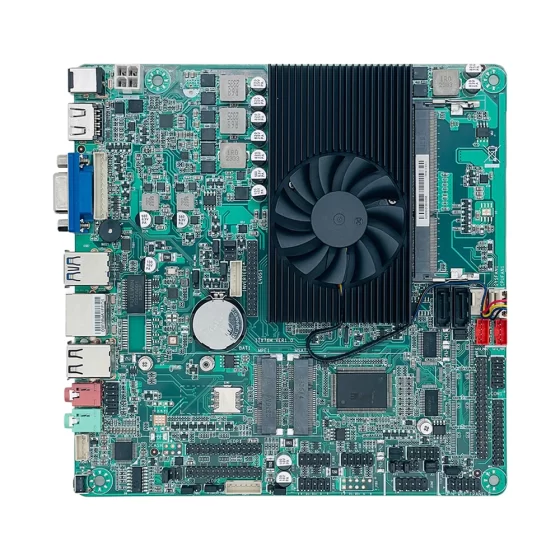
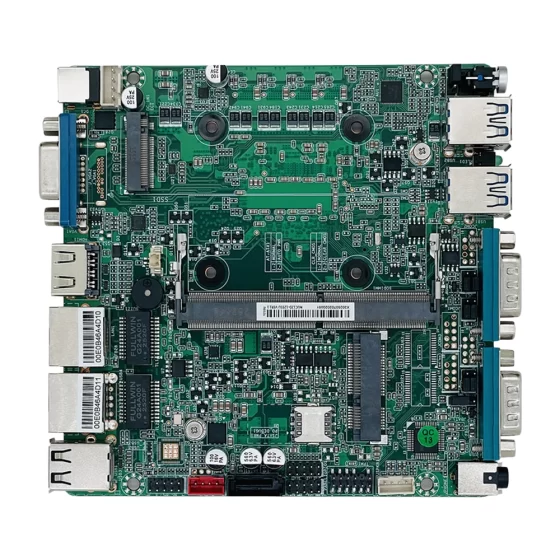
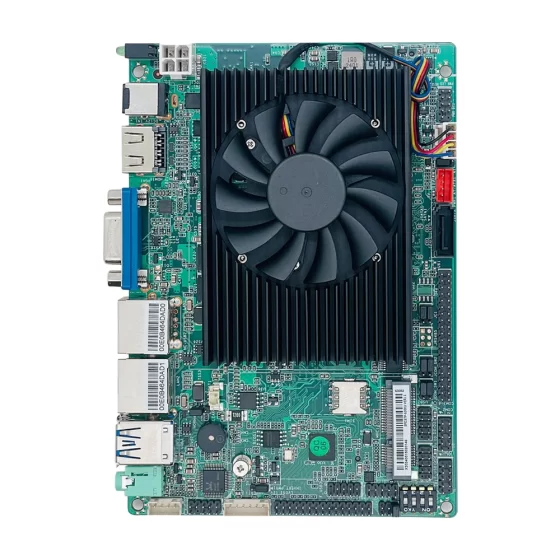
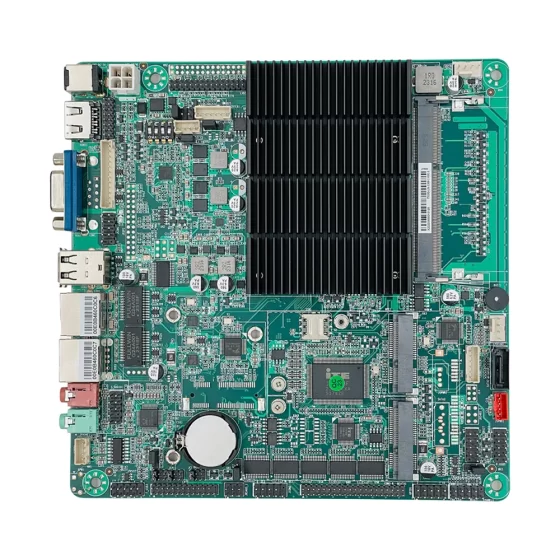
توفر أجهزة الكمبيوتر المدمجة المدمجة وأجهزة الكمبيوتر الصندوقية الصناعية خيارات تثبيت مرنة. لمشاريع تصنيع المعدات الأصلية, يمكن دمج اللوحات المدمجة مباشرة في حاويات المعدات المخصصة.
التخزين وحماية البيانات
قد تقوم محطات MES بتخزين ملفات نظام التشغيل, بيانات التطبيق, سجلات, سجلات الإنتاج المؤقتة, صور التفتيش, أو قواعد البيانات المحلية.
يُفضل عادةً تخزين SSD لأنه يوفر مقاومة أفضل للصدمات واستجابة أسرع من محركات الأقراص الميكانيكية.
للأنظمة التي تكتب سجلات متكررة أو تخزن ملفات فحص كبيرة, وينبغي مراجعة سعة التخزين والقدرة على التحمل أثناء اختيار الأجهزة.
توافق نظام التشغيل والبرامج
قد يتم تشغيل برنامج MES على نظام التشغيل Windows, لينكس, أو المنصات القائمة على المتصفح.
قبل النشر الجماعي, يجب التحقق من صحة الأجهزة مع نظام التشغيل المستهدف, السائقين, الأجهزة الطرفية, أدوات الأمن, برامج الإدارة عن بعد, وتطبيقات العميل MES.
يساعد التحقق من الصحة هذا على تجنب مشكلات التوافق غير المتوقعة بعد النشر.
سيناريوهات النشر
محطات المشغل MES
تعد مطاريف المشغل أحد سيناريوهات نشر المحطة MES الأكثر شيوعاً.
يمكن توصيل جهاز كمبيوتر صناعي بشاشة, شاشة تعمل باللمس, ماسح الباركود, لوحة المفاتيح, قارئ رفيد, وطابعة التسمية.
يمكن للمحطة عرض تعليمات العمل, تأكيد خطوات العملية, جمع مدخلات المشغل, وتحميل بيانات الإنتاج على مستوى المحطة إلى نظام MES.
ويساعد ذلك في تقليل التقارير الورقية وتحسين التحكم في العمليات.
محطات جمع البيانات الآلية
يمكن لأجهزة الكمبيوتر الصناعية جمع البيانات مباشرة من آلات الإنتاج.
يمكنهم الاتصال بـ PLCs, وحدات تحكم CNC, متر, أجهزة الاستشعار, أو منافذ اتصال الآلة. يمكن أن تتضمن البيانات المجمعة حالة الجهاز, وقت الدورة, عدد المخرجات, تاريخ التنبيه, وقيم العملية.
يكون هذا النوع من النشر مفيدًا عندما لا تتصل الأجهزة مباشرة ببرنامج MES.
محطات عمل فحص الجودة
غالبًا ما تحتاج أنظمة MES إلى ربط نتائج فحص الجودة بالأرقام التسلسلية للمنتج أو أوامر العمل.
قد يتصل الكمبيوتر الصناعي في محطة التفتيش بالكاميرات, أدوات القياس, معدات الاختبار, الماسحات الضوئية, والطابعات.
يمكنه تسجيل بيانات الفحص, تخزين النتائج المحلية, وتحميل سجلات الجودة إلى قاعدة بيانات MES.
SMT وتصنيع الإلكترونيات
في تصنيع الالكترونيات, غالبًا ما تستخدم أنظمة MES لتتبع مركبات ثنائي الفينيل متعدد الكلور, عناصر, طرق العملية, نتائج الاختبار, سجلات الإصلاح, ومعلومات التغليف النهائية.
يمكن نشر أجهزة الكمبيوتر الصناعية بالقرب من خطوط SMT, آلات الهيئة العربية للتصنيع, محطات الاختبار, مجالات إعادة العمل, وخطوط التعبئة والتغليف.
يعد التقاط البيانات المستقر أمرًا مهمًا لأن تصنيع الإلكترونيات يتطلب تتبعًا دقيقًا عبر العديد من خطوات العملية.
التصنيع باستخدام الحاسب الآلي والمعالجة الميكانيكية
قد تستخدم ورش CNC أنظمة MES لجمع حالة الماكينة, كميات الإنتاج, معلومات الأداة, وسجلات المشغل.
لأن العديد من مصانع CNC تستخدم أجيالًا من المعدات المختلطة, يمكن لأجهزة الكمبيوتر الصناعية المزودة بخيارات اتصال تسلسلية وإيثرنت أن تساعد في توصيل الأجهزة الأقدم والأحدث بسير عمل MES.
إمكانية تتبع المستودعات والمواد
غالبًا ما ترتبط أنظمة MES بعمليات المستودعات ومناولة المواد.
يمكن استخدام أجهزة الكمبيوتر الصناعية في مناطق الاستقبال, محطات تحضير المواد, مستودعات على جانب الخط, ومناطق السلع تامة الصنع.
عن طريق ربط ماسحات الباركود, قارئات RFID, معدات الوزن, وطابعات الملصقات, تساعد هذه الأنظمة على تحسين إمكانية تتبع المواد وتقليل الأخطاء اليدوية.
تكامل معدات OEM
يمكن لمصنعي معدات OEM دمج أجهزة الكمبيوتر المدمجة أو اللوحات الأم الصناعية مباشرة في الأجهزة.
وهذا يسمح للمعدات بدعم اتصال MES, الإبلاغ عن البيانات, التشخيص عن بعد, ووظائف واجهة المشغل من البداية.
لبناة الآلات, وهذا يمكن أن يحسن قيمة المنتج ويبسط تكامل العملاء.
فوائد الأعمال
رؤية أفضل للإنتاج
تساعد أجهزة الكمبيوتر الصناعية أنظمة MES على جمع البيانات في الوقت الفعلي من خطوط الإنتاج.
يمكن للمديرين عرض تقدم أمر العمل, حالة الآلة, أسباب التوقف, كمية الإخراج, ونتائج الجودة بسرعة أكبر.
يؤدي ذلك إلى تحسين عملية صنع القرار وتقليل التأخير بين أحداث المتجر واستجابة الإدارة.
تتبع أقوى
تعتمد إمكانية التتبع على جمع البيانات الدقيقة في كل خطوة من خطوات العملية.
باستخدام أجهزة الكمبيوتر الصناعية في المسح الضوئي, اختبار, حَشد, تقتيش, ومحطات التعبئة والتغليف, يمكن للمصنعين تسجيل معرفات المنتج, دفعات مادية, إجراءات المشغل, معلمات العملية, ونتائج الجودة.
وهذا يدعم إدارة الجودة, إعداد التدقيق, وتحليل السبب الجذري.
تقليل التقارير اليدوية
يمكن أن يؤدي الإبلاغ اليدوي إلى حدوث تأخيرات وأخطاء.
تسمح محطات MES المعتمدة على أجهزة الكمبيوتر الصناعية للمشغلين والآلات بإرسال البيانات أثناء الإنتاج. وهذا يقلل من الأعمال الورقية, يحسن دقة التقارير, ويختصر الوقت اللازم لفهم حالة الإنتاج.
تحسين تكامل المعدات
غالبًا ما تستخدم المصانع معدات من بائعين مختلفين وفترات زمنية مختلفة.
توفر أجهزة الكمبيوتر الصناعية وأجهزة الكمبيوتر المدمجة مرونة الواجهة اللازمة لتوصيل الأجهزة, الماسحات الضوئية, أجهزة الاستشعار, أدوات الاختبار, وأنظمة الشبكات في سير عمل MES واحد.
وهذا يساعد الشركات المصنعة على رقمنة أصول الإنتاج الحالية دون استبدال جميع المعدات.
نشر قابل للتطوير
يمكن نشر منصة كمبيوتر صناعية موحدة عبر خطوط ومصانع متعددة.
وهذا يبسط عملية التثبيت, إدارة الصور البرمجية, تخطيط قطع الغيار, التدريب على الصيانة, والدعم طويل الأمد.
يعد تخطيط الأجهزة القابلة للتطوير أمرًا مهمًا بشكل خاص عندما تنمو مشاريع MES من النشر التجريبي إلى التنفيذ الكامل للمصنع.
مؤسسة التصنيع الذكي
غالبًا ما تكون MES هي الخطوة الرئيسية الأولى نحو التصنيع الذكي.
بمجرد توفر بيانات الإنتاج الموثوقة, يمكن للمصنعين تطوير تحليلات متقدمة, أنظمة تحسين الجودة, مراقبة المعدات, تطبيقات إنترنت الأشياء الصناعية, والتحسين على مستوى المصنع.
توفر أجهزة الكمبيوتر الصناعية الأساس العملي للحوسبة المتطورة لهذا التطور.
لماذا كورIPC
توفر CoreIPC منصات الحوسبة الصناعية للتصنيع, الأتمتة, الأنظمة المدمجة, وتطبيقات بيانات أرضية المتجر. لأنظمة MES, يركز CoreIPC على تصميم الأجهزة الموثوق به, تكوينات الإدخال/الإخراج العملية, أجهزة الكمبيوتر الصناعية المدمجة, أجهزة الكمبيوتر المدمجة, ودعم التخصيص OEM/ODM. CoreIPC يساعد تكامل النظام, بناة المعدات, وتقوم فرق التصنيع باختيار منصات الحوسبة التي تتوافق مع بيئات الإنتاج الحقيقية, بما في ذلك متطلبات الواجهة, طرق التركيب, مدخلات الطاقة, التصميم الحراري, واحتياجات النشر على المدى الطويل.
الأسئلة المتداولة
1. ما هو نظام MES للكمبيوتر الصناعي?
يستخدم نظام MES للكمبيوتر الصناعي أجهزة حوسبة صناعية لتوصيل معدات الإنتاج, مشغلي, وبرامج تنفيذ التصنيع.
قد يعمل الكمبيوتر الصناعي كمحطة مشغل, عقدة جمع بيانات الجهاز, محطة عمل فحص الجودة, أو بوابة التتبع. يقوم بجمع بيانات الإنتاج, يدعم التفاعل المحلي, ويتواصل مع خوادم MES. بالمقارنة مع أجهزة الكمبيوتر المكتبية, تعد أجهزة الكمبيوتر الصناعية أكثر ملاءمة لبيئات المتاجر حيث الموثوقية, مرونة الإدخال/الإخراج, والتشغيل المستمر مهم.
2. لماذا يتم استخدام أجهزة الكمبيوتر الصناعية في MES بدلاً من أجهزة الكمبيوتر المكتبية؟?
تم تصميم أجهزة الكمبيوتر المكتبية بشكل أساسي لبيئات مكتبية نظيفة ومستقرة. غالبًا ما يتم تثبيت محطات MES بالقرب من الآلات, الناقلات, خزائن, أو محطات عمل الإنتاج.
توفر أجهزة الكمبيوتر الصناعية تصميمًا ميكانيكيًا أقوى, خيارات بدون مروحة, مرونة تركيب أفضل, دعم الإدخال/الإخراج الأوسع, وتشغيل أكثر استقرارا في الظروف الصناعية. تساعد هذه الميزات على تقليل وقت التوقف عن العمل ومشكلات الصيانة أثناء الاستخدام المستمر للإنتاج.
3. ما هي الواجهات المهمة لأجهزة الكمبيوتر MES؟?
تشتمل واجهات الكمبيوتر الهامة MES عادةً على شبكة LAN, USB, RS232, RS485, اتش دي ام اي, منفذ العرض, وأحيانًا فتحات الإدخال / الإخراج الرقمية أو فتحات التوسعة.
يتم استخدام منافذ USB للماسحات الضوئية, قارئات RFID, الطابعات, لوحات المفاتيح, والكاميرات. قد تقوم المنافذ التسلسلية بتوصيل المعدات القديمة, متر, أجهزة الوزن, أو الشركات المحدودة العامة. يمكن لمنافذ LAN المتعددة فصل اتصال الجهاز عن اتصال شبكة المصنع.
4. هل يمكن استخدام جهاز كمبيوتر مدمج لجمع بيانات MES؟?
نعم. غالبًا ما يكون الكمبيوتر المدمج خيارًا جيدًا لجمع بيانات MES نظرًا لصغر حجمه, موثوق, ومناسبة للتركيب على جانب الآلة.
يمكنه الاتصال بـ PLCs, أجهزة الاستشعار, الماسحات الضوئية, معدات الاختبار, وشبكات المصانع. قد يقوم بتشغيل برامج الاتصالات, أدوات تحويل البروتوكول, خدمات التخزين المؤقت المحلية, أو تطبيقات العميل MES. وهذا يجعلها مفيدة لكل من المعدات الجديدة وتكامل الماكينات القديمة.
5. هو جهاز كمبيوتر صناعي بدون مروحة مناسب لمحطات MES?
غالبًا ما يكون الكمبيوتر الصناعي بدون مروحة مناسبًا لمحطات MES, وخاصة في مناطق الإنتاج المتربة أو الحساسة للصيانة.
لأنه لا يستخدم مروحة ميكانيكية, فهو يقلل من دخول الغبار ويزيل نقطة فشل شائعة. لكن, يجب أن يأخذ الاختيار النهائي في الاعتبار عبء عمل وحدة المعالجة المركزية, درجة الحرارة المحيطة, مساحة التثبيت, والظروف الحرارية المحيطة بالجهاز.
6. هل تتطلب أنظمة MES منافذ LAN متعددة؟?
ليست هناك حاجة دائمًا إلى منافذ LAN متعددة, ولكنها مفيدة في العديد من عمليات نشر MES.
يمكن لمنفذ LAN واحد الاتصال بالمعدات الموجودة على جانب الآلة أو PLCs, بينما يتصل آخر بخادم MES أو شبكة المصنع. يمكن أن يؤدي هذا الفصل إلى تحسين تنظيم الشبكة, تقليل تضارب الاتصالات, ودعم تصميم أمني أفضل في بيئات الإنتاج.
7. كيف تؤثر أجهزة الكمبيوتر الصناعية على إمكانية التتبع?
تعتمد إمكانية التتبع على التقاط البيانات الموثوقة في كل نقطة عملية.
إذا قام بمسح الباركود, بيانات الآلة, نتائج الاختبار, أو فاتت تأكيدات المشغل, يصبح سجل MES غير مكتمل. تؤثر أجهزة الكمبيوتر الصناعية على إمكانية التتبع من خلال توفير التشغيل المستقر, اتصالات طرفية موثوقة, واتصال البيانات المستمر بين أجهزة أرضية المتجر وبرامج MES.
8. ما الذي يجب مراعاته عند اختيار التخزين لأجهزة كمبيوتر MES?
يجب أن يأخذ اختيار التخزين في الاعتبار حجم نظام التشغيل, متطلبات تطبيق MES, تردد السجل, التخزين المؤقت للبيانات, تخزين صورة التفتيش, واستخدام قاعدة البيانات المحلية.
عادةً ما يُفضل تخزين SSD لأنه يوفر مقاومة أفضل للصدمات واستجابة أسرع للنظام. لمحطات قطع الأشجار الثقيلة أو التفتيش القائم على الصور, يجب مراجعة القدرة وتحمل الكتابة بعناية.
9. هل تستطيع أجهزة الكمبيوتر الصناعية توصيل الأجهزة القديمة بـ MES؟?
نعم. تستخدم العديد من المصانع أجهزة الكمبيوتر الصناعية لتوصيل الأجهزة القديمة التي لا تدعم اتصالات MES الحديثة بشكل مباشر.
مع RS232, RS485, إيثرنت, USB, أو وحدات البوابة, يمكن للكمبيوتر الصناعي جمع البيانات من المعدات القديمة ونقلها إلى برنامج MES. وهذا يساعد الشركات المصنعة على رقمنة المعدات الموجودة دون استبدال جميع الآلات.
10. متى يجب على مصنعي المعدات الأصلية استخدام اللوحات المدمجة لتكامل MES?
يجب على مصنعي المعدات الأصلية أن يأخذوا بعين الاعتبار اللوحات المدمجة عندما يلزم دمج أجهزة الكمبيوتر مباشرة في الجهاز, لوحة اتش ام اي, مجلس الوزراء, أو الضميمة المخصصة.
توفر اللوحات المدمجة المرونة للتصميم الميكانيكي, تخطيط الموصل, التخطيط الحراري, وتخصيص المنتج. إنها مناسبة لمصنعي المعدات الذين يريدون اتصال MES, الإبلاغ عن البيانات, أو وظائف واجهة المشغل المضمنة في منتجاتهم.
خاتمة
يعد نشر MES للكمبيوتر الصناعي أساسًا أساسيًا للتصنيع الرقمي الموثوق.
من خلال وضع أجهزة الحوسبة الصناعية بالقرب من الآلات, مشغلي, الماسحات الضوئية, أنظمة التفتيش, وشبكات الإنتاج, يمكن للمصنعين تحسين دقة البيانات, إمكانية التتبع, الرؤية, ووقت تشغيل النظام.
يجب اختيار الكمبيوتر الصناعي المناسب أو الكمبيوتر المدمج بناءً على متطلبات المتجر الحقيقية, بما في ذلك تكوين الإدخال/الإخراج, تصميم الشبكة, طريقة التركيب, الظروف الحرارية, مدخلات الطاقة, احتياجات التخزين, توافق نظام التشغيل, وتخطيط دورة الحياة.
يدعم CoreIPC تكامل أنظمة MES, بناة معدات OEM, وفرق التصنيع مع منصات الحوسبة الصناعية المصممة للنشر العملي في المصنع. مع أساس الأجهزة الصحيح, يمكن أن تصبح أنظمة MES أكثر استقرارًا, قابلة للتطوير, وقيمة لتطوير التصنيع الذكي على المدى الطويل.
اتصل بنا
أبحث عن جهاز كمبيوتر صناعي, الكمبيوتر المدمج, أو اللوحة الأم الصناعية لتكامل نظام MES?
تواصل مع CoreIPC لمناقشة متطلبات مشروعك, بما في ذلك منصة المعالج, تكوين الإدخال/الإخراج, طريقة التركيب, مدخلات الطاقة, بيئة التشغيل, توقعات دورة الحياة, واحتياجات التخصيص OEM/ODM.