حلول الحوسبة الصناعية CoreIPC

منصة تجميع البيانات الصناعية: تجميع البيانات الصناعية للتصنيع الذكي
ملخص تنفيذي
Industrial data aggregation provides the computing foundation for collecting, التطبيع, التخزين المؤقت, يعالج, وإعادة توجيه البيانات من الأجهزة, الشركات المحدودة العامة, أجهزة الاستشعار, متر, الروبوتات, الكاميرات, أنظمة التفتيش, ومنصات برمجيات المصنع.
تولد المصانع الحديثة البيانات من العديد من المصادر المختلفة. قد تشمل خطوط الإنتاج الآلات القديمة, PLCs المعتمدة على الإيثرنت, أجهزة الاستشعار التسلسلية, عدادات صناعية, قارئات الباركود, أنظمة الرؤية, معدات الاختبار, أنظمة سكادا, منصات MES, وتطبيقات إنترنت الأشياء الصناعية المتصلة بالسحابة.
بدون طبقة تجميع موثوقة, قد تظل البيانات مجزأة عبر الأجهزة, جداول البيانات, وحدات التحكم المحلية, قواعد البيانات المعزولة, أو الأنظمة المنفصلة.
يمكن لمنصة تجميع البيانات الصناعية المبنية على كمبيوتر صناعي أو كمبيوتر مضمن جمع البيانات من أجهزة متعددة, محاذاة الطوابع الزمنية, تصفية السجلات غير الضرورية, معلومات المخزن المؤقت محليا, تشغيل مهام معالجة الحافة, وإرسال البيانات المنظمة إلى SCADA, زارة التربية والعلم, تخطيط موارد المؤسسات, المنصات السحابية, المؤرخون, أو أنظمة التحليل.
بالمقارنة مع المحولات الأساسية أو أجهزة الكمبيوتر المكتبية, industrial computers provide a more reliable hardware foundation for shop floor deployment. أنها تدعم العبوات الوعرة, منافذ LAN متعددة, واجهات تسلسلية, التخزين المحلي, خيارات التصميم بدون مروحة, مدخلات الطاقة الصناعية, الإدخال/الإخراج المرن, وتوافر دورة حياة طويلة.
This article explains how industrial data aggregation platforms support smart manufacturing, ما هي تحديات النشر التي تظهر في المصانع الحقيقية, كيف تعمل بنية الحل, and which hardware features matter when selecting an industrial computer or embedded computer for factory data aggregation applications.
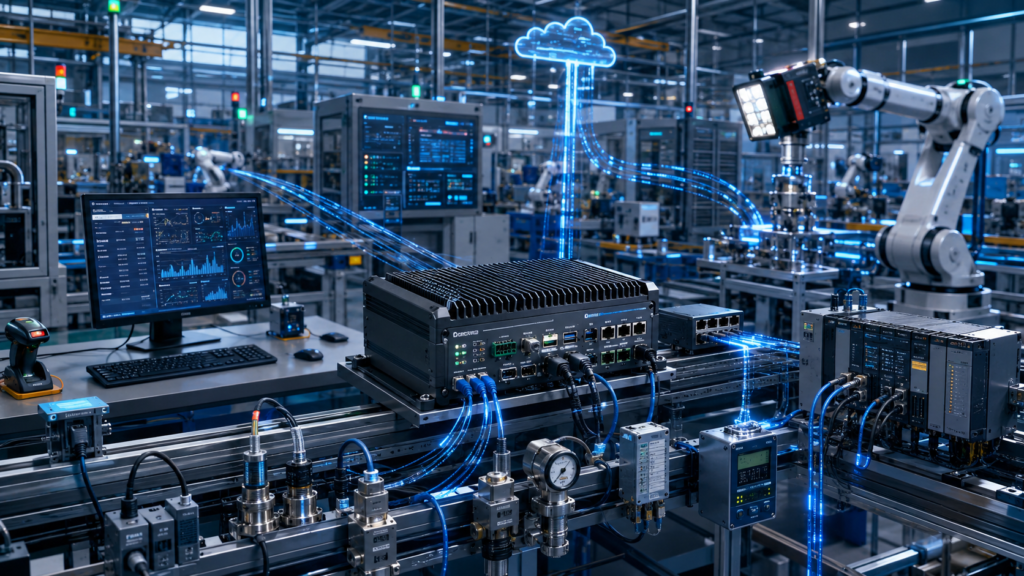
Industrial data aggregation platforms collect and organize machine, الاستشعار, جودة, production, and energy data.
نظرة عامة على الصناعة
Factories Need Unified Data Visibility
Smart manufacturing depends on reliable data.
تحتاج فرق الإنتاج إلى فهم حالة الماكينة, أسباب التوقف, التهم الإنتاج, تاريخ التنبيه, استخدام الطاقة, نتائج الجودة, قيم العملية, maintenance conditions, and equipment performance.
لكن, factory data is often distributed across many systems.
Some machines store data locally. Some PLCs only communicate with nearby HMIs. Some meters use serial communication. Some inspection machines export files. Some systems send data to SCADA, while others report to MES or cloud dashboards.
This creates disconnected information.
An industrial data aggregation platform helps bring these data sources together.
Data Aggregation Is Different from Simple Data Collection
Basic data collection captures values from devices.
Industrial data aggregation goes further.
A practical aggregation platform may need to support:
- Multi-device data acquisition
- Protocol bridging
- Data normalization
- Timestamp alignment
- التخزين المؤقت المحلي
- تصفية البيانات
- معالجة الحافة
- Quality data consolidation
- Alarm and event collection
- Energy data aggregation
- Remote access logging
- Platform integration
The goal is to create structured and usable industrial data, not only raw values.
الحوسبة الصناعية هي مؤسسة الأجهزة
Industrial data aggregation platforms are often deployed near production equipment.
ويمكن تركيبها داخل خزائن التحكم, مرفقات الآلة, production line panels, غرف المرافق, أنظمة المستودعات, or edge computing stations.
قد تحتوي هذه البيئات على الغبار, اهتزاز, اختلاف درجة الحرارة, قوة غير مستقرة, الضوضاء الكهربائية, تدفق هواء محدود, إجهاد الكابل, والتشغيل المستمر.
توفر أجهزة الكمبيوتر الصناعية وأجهزة الكمبيوتر المدمجة أساس الأجهزة المطلوبة لهذه الظروف.
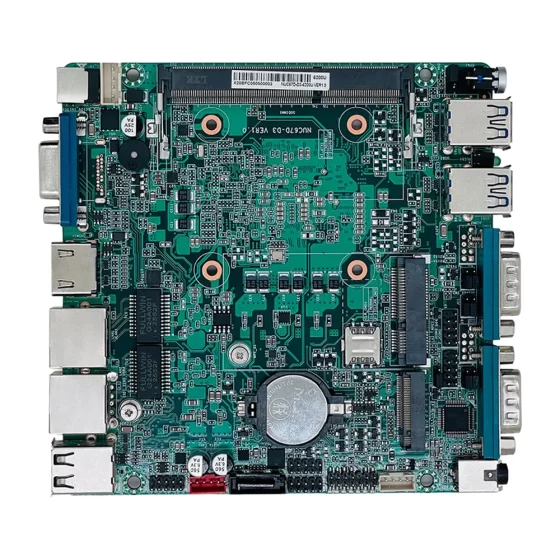
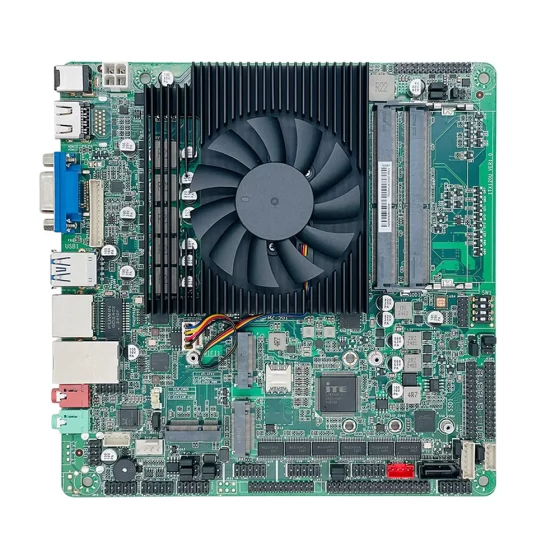
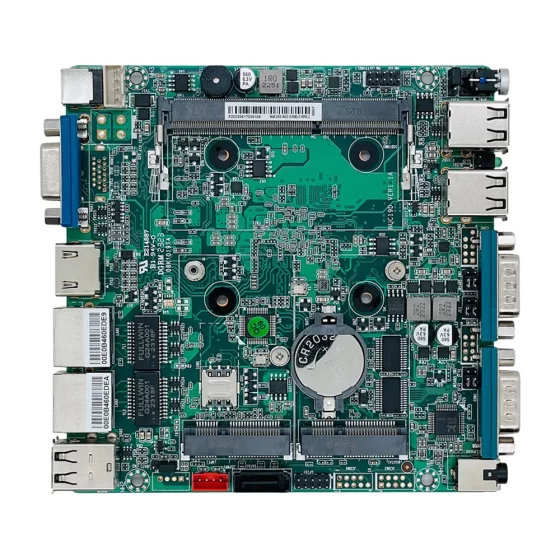
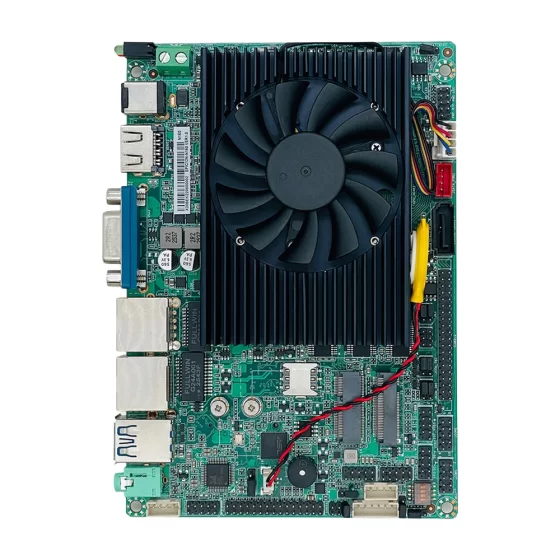
أنها تدعم شبكات LAN متعددة, الاتصال التسلسلي, التخزين المحلي, تصميم بدون مروحة, التركيب الصناعي, flexible expansion, ونشر مستقر على المدى الطويل.

واجهات مختلطة, الأجهزة التراثية, protocol diversity, حجم البيانات, التخزين المؤقت, and network segmentation affect aggregation deployment.
التحديات الرئيسية
Collecting Data from Mixed Equipment
Factories often contain equipment from different vendors and generations.
قد يشتمل خط الإنتاج الواحد على PLCs, متر, أجهزة الاستشعار, الروبوتات, قارئات الباركود, أنظمة الاختبار, الكاميرات, واجهات التفاعل البشري, والآلات التراثية.
These devices may use different interfaces, تنسيقات البيانات, and communication methods.
A data aggregation platform must support practical connectivity, مشتمل:
- Ethernet-based devices
- Serial devices
- شبكات PLC
- Sensor systems
- Meter networks
- USB-connected equipment
- Local files or databases
- البوابات الصناعية
- وحدات تحكم الآلة
- Inspection equipment
Flexible I/O is important because every factory site is different.
Normalizing Data into Usable Formats
Raw factory data is often inconsistent.
Different machines may use different tag names, units, الطوابع الزمنية, alarm codes, sampling rates, and record structures.
An industrial data aggregation platform should help convert this raw data into a more consistent structure.
قد يشمل هذا:
- Tag mapping
- Unit conversion
- Timestamp alignment
- تصفية البيانات
- تصنيف الحدث
- Alarm grouping
- Production count formatting
- Machine status standardization
- Local data validation
Structured data is easier to use in MES, سكادا, مؤرخ, سحاب, وأنظمة التحليلات.
Avoiding Data Loss During Network Interruptions
شبكات المصانع ليست مستقرة دائمًا.
Connections to MES, سكادا, لوحات المعلومات السحابية, or remote servers may be interrupted.
If the aggregation platform only forwards live data without local buffering, important records may be lost.
Local storage and buffering are important for:
- تاريخ التنبيه
- تهم الإنتاج
- نتائج الجودة
- Energy records
- سجلات الصيانة
- Sensor trends
- Machine status changes
- Batch or process records
A reliable industrial computer can store data locally and forward it when the network connection recovers.
Managing High Device Count and Data Volume
Industrial data aggregation workload depends on the number of connected devices and the update rate.
A small machine gateway may collect a few signals. A factory-level aggregation platform may process data from many machines, أجهزة الاستشعار, متر, الكاميرات, والأنظمة البرمجية.
The system must be sized according to:
- عدد الأجهزة
- Data point count
- Sampling frequency
- عبء عمل البروتوكول
- حجم قاعدة البيانات المحلية
- تردد التحميل
- Edge processing needs
- Storage retention period
- Dashboard requirements
- عرض النطاق الترددي للشبكة
Hardware selection should reflect the actual data workload.
Maintaining Network Segmentation
Industrial data aggregation platforms often sit between machine networks and higher-level systems.
This creates a security boundary.
A flat network can expose machines, الشركات المحدودة العامة, الكاميرات, and local systems unnecessarily.
The aggregation platform may need to separate:
- شبكة الآلة
- شبكة PLC
- شبكة الاستشعار
- شبكة الكاميرا
- شبكة تكنولوجيا المعلومات في المصنع
- شبكة إنترنت الأشياء الصناعية
- شبكة الصيانة عن بعد
- شبكة الإدارة
Multiple LAN ports help create cleaner segmentation and controlled data flow.
Supporting Long-Term Factory Deployment
Factory data systems often remain in use for many years.
يمكن أن تؤدي التغييرات المتكررة في الأجهزة إلى حدوث مشكلات في التحقق من صحة البرامج, مشاكل السائق, تحديات قطع الغيار, وتعقيد الصيانة.
Industrial computing platforms with lifecycle planning help manufacturers and system integrators maintain consistent aggregation systems across production lines, plants, and equipment generations.

Industrial data aggregation platforms connect shop-floor devices with local databases, برنامج المصنع, IIoT systems, والمنصات السحابية.
Industrial Data Aggregation Solution Architecture
Device and Machine Layer
The device and machine layer includes the equipment that generates data.
قد تشمل هذه الطبقة:
- وحدات تحكم PLC
- أجهزة الاستشعار
- عدادات الطاقة
- الروبوتات
- قارئات الباركود
- الكاميرات الصناعية
- معدات الاختبار
- واجهات التفاعل البشري
- محركات الأقراص
- وحدات تحكم الحركة
- وحدات الإدخال/الإخراج عن بعد
- الأجهزة التسلسلية القديمة
These systems provide raw production, جودة, طاقة, صيانة, ومعالجة البيانات.
The industrial data aggregation platform connects to these sources and collects selected information.
Edge Aggregation Layer
The edge aggregation layer is the core of the solution.
عند هذه الطبقة, قد يكون الكمبيوتر الصناعي أو الكمبيوتر المدمج:
- Collect data from multiple devices
- تحويل البروتوكولات
- Normalize tag values
- Align timestamps
- تخزين السجلات المحلية
- تخزين البيانات أثناء مشكلات الشبكة
- Filter unnecessary values
- Aggregate alarms and events
- Run local processing logic
- Forward structured data to higher-level systems
This layer turns disconnected shop floor data into usable industrial information.
Local Processing Layer
The local processing layer improves data quality before upload.
The platform may process:
- Machine status changes
- أحداث التنبيه
- تهم الإنتاج
- Cycle time records
- Energy consumption values
- Quality inspection results
- البيانات البيئية
- مؤشرات الصيانة
- Equipment health signals
- أحداث التوقف
من خلال معالجة البيانات محليا, the platform can reduce bandwidth usage and improve response time.
طبقة تكامل النظام الأساسي
The aggregation platform connects local data with factory and enterprise systems.
It may send selected information to:
- سكادا
- زارة التربية والعلم
- تخطيط موارد المؤسسات
- منصات إنترنت الأشياء الصناعية
- لوحات المعلومات السحابية
- Local historian databases
- أنظمة الصيانة
- قواعد بيانات الجودة
- أنظمة إدارة الطاقة
- منصات المراقبة عن بعد
Instead of sending every raw value, the platform can deliver structured data, سجلات الأحداث, ملخصات, الاتجاهات, التنبيهات, والسجلات المختارة.
طبقة الأمن والإدارة
Industrial data aggregation must be controlled and maintainable.
قد تشمل طبقة الأمن والإدارة:
- تجزئة الشبكة
- سياسات جدار الحماية
- تأمين الوصول عن بعد
- أذونات المستخدم
- التسجيل المحلي
- النسخ الاحتياطي التكوين
- مراقبة صحة الجهاز
- Storage status monitoring
- التشخيص عن بعد
- إدارة التحديث
This layer helps keep data collection reliable and secure over the full system lifecycle.
الميزات الرئيسية
اتصال متعدد الأجهزة
An industrial data aggregation platform must connect with many types of factory devices.
قد تشمل واجهات مفيدة:
- لان
- USB
- RS232
- RS485
- جيبيو
- الإدخال الرقمي
- الإخراج الرقمي
- اتش دي ام اي
- منفذ العرض
- م.2
- بكيي
- تخزين SATA أو NVMe
Native industrial interfaces reduce the need for external converters and simplify cabinet wiring.
This improves reliability and makes the platform easier to deploy across different machines.
تصميم شبكات LAN متعددة
Multiple LAN ports are valuable for separating different networks.
قد تشمل التكوينات المفيدة:
- شبكة PLC
- شبكة الآلة
- شبكة الاستشعار
- شبكة الكاميرا
- شبكة تكنولوجيا المعلومات في المصنع
- شبكة إنترنت الأشياء الصناعية
- شبكة الصيانة عن بعد
- شبكة الإدارة
يعمل تصميم الشبكة المحلية المتعددة على تحسين الأمان, وضوح التوجيه, and traffic organization.
It also allows data aggregation without exposing machine networks directly to higher-level systems.
تخزين محلي موثوق
Local storage is critical for aggregation systems.
The platform may store:
- بيانات الآلة
- سجلات الإنذار
- سجلات الأحداث
- تهم الإنتاج
- نتائج الجودة
- Energy trends
- قواعد البيانات المحلية
- تحميل المخازن المؤقتة
- ملفات التكوين
- Security logs
يُفضل عادةً تخزين SSD أو NVMe لأنه يوفر وصولاً سريعًا ومقاومة أفضل للصدمات مقارنة بمحركات الأقراص الميكانيكية.
Storage design should consider retention time, اكتب التحمل, سير العمل الاحتياطي, and data recovery needs.
التخزين المؤقت للبيانات وتخزينها وإعادة توجيهها
A strong aggregation platform should continue collecting data even when the network connection is interrupted.
Store-and-forward capability helps protect factory records.
عندما يتعافى الاتصال, buffered data can be uploaded to MES, سكادا, سحاب, or historian systems.
This is useful for production reporting, quality traceability, مراقبة الطاقة, and remote facility operations.
Edge Processing Performance
The platform may need to collect, normalize, عملية, محل, and forward data at the same time.
ينبغي النظر في اختيار الأجهزة:
- أداء وحدة المعالجة المركزية
- سعة الذاكرة
- عدد الأجهزة
- Data point count
- Polling frequency
- عبء عمل قاعدة البيانات المحلية
- سرعة التخزين
- Protocol conversion workload
- Dashboard requirements
- دعم نظام التشغيل
لعمليات نشر أكبر, the system should be tested with real data rates and device connections.
تصميم متين وبدون مروحة
Fanless industrial computers are well suited for factory data aggregation.
إنها تقلل من دخول الغبار وتزيل نقطة عطل ميكانيكية شائعة.
تساعد العبوات القوية على الحماية من الاهتزاز, cabinet installation stress, سلالة الكابل, والتشغيل المستمر.
لا يزال ينبغي مراجعة التصميم الحراري بعناية, especially when the platform handles many devices, local storage writes, and continuous data processing.
Secure Remote Management
Distributed aggregation platforms need practical maintenance.
Secure remote management can help engineers update configurations, review logs, monitor system health, and troubleshoot data issues.
Remote management should be controlled through authentication, أذونات الوصول, تسجيل, وتجزئة الشبكة.
This helps reduce on-site maintenance workload while protecting factory systems.
توافر دورة حياة طويلة
Industrial aggregation systems often become part of long-term production infrastructure.
تساعد الأجهزة المتسقة في الحفاظ على صور البرامج, data collection templates, السائقين, قطع غيار, وإجراءات التحقق من الصحة.
Long lifecycle availability is especially important for machine builders, تكامل النظام, and manufacturers deploying aggregation platforms across multiple sites.
سيناريوهات النشر
Production Line Data Aggregation
A production line may include PLCs, أجهزة الاستشعار, قارئات الباركود, أنظمة التفتيش, الروبوتات, and local HMIs.
An industrial data aggregation platform can collect selected data from these devices and create structured records for MES, سكادا, أو لوحات المعلومات المحلية.
This improves line visibility and production reporting.
Multi-Machine Data Collection
Factories often need to collect data from many machines in one area.
An embedded computer can aggregate machine status, تعداد الدورة, إنذار, and process values from multiple devices.
This supports centralized monitoring without replacing existing equipment.
Quality Data Aggregation
Quality systems may need data from inspection machines, قارئات الباركود, محطات الاختبار, أنظمة الرؤية, ومعدات الإنتاج.
An aggregation platform can combine these records locally and forward structured data to quality databases or traceability platforms.
This supports better production quality analysis.
Energy Data Aggregation
Factories may monitor energy usage from meters, الضواغط, أنظمة التدفئة والتهوية وتكييف الهواء, المرافق, ومعدات الإنتاج.
A data aggregation platform can collect energy records, محاذاة الطوابع الزمنية, store trends, and forward selected values to energy management systems.
This supports efficiency improvement and abnormal consumption detection.
Industrial IoT Data Hub
An industrial data aggregation platform can act as a local IIoT data hub.
It can collect machine and sensor data, معالجة السجلات محليا, buffer information, and send selected data to cloud dashboards or local industrial IoT systems.
This supports connected factory deployment.
SCADA and MES Integration
SCADA and MES systems often require reliable data from production equipment.
The aggregation platform can collect local device data, normalize it, and forward structured records to these systems.
This improves integration between the shop floor and factory management platforms.
مراقبة المرافق عن بعد
Remote facilities may include utility rooms, محطات الضخ, أنظمة الطاقة, محطات الرصد البيئي, or small production sites.
An embedded computer can collect data locally, سجلات المخزن المؤقت, and send information to central platforms when the network is available.
This improves visibility for distributed operations.
OEM Data Aggregation Appliance
Machine builders and system integrators can integrate industrial computers into custom aggregation appliances.
The platform can provide device connectivity, protocol handling, التخزين المحلي, معالجة الحافة, الوصول عن بعد, and secure data forwarding for customer-ready systems.
فوائد الأعمال
Unified Factory Data
Industrial data aggregation helps bring machine, الاستشعار, جودة, طاقة, and production data into a more unified structure.
This improves visibility across production lines and reduces information silos.
Unified data supports better decision-making.
تقليل التقارير اليدوية
Many factories still rely on manual data entry or disconnected machine records.
A data aggregation platform can automate collection and forwarding.
This reduces manual workload, improves data consistency, and supports more reliable reporting.
إمكانية تتبع الإنتاج بشكل أفضل
Aggregated data can support traceability across machines, مشغلي, دفعات, العمليات, inspections, والطوابع الزمنية.
This is valuable for quality management, استكشاف الأخطاء وإصلاحها, compliance workflows, والتحسين المستمر.
Improved Equipment Monitoring
Aggregated machine data helps teams understand equipment status, إنذار, التوقف, and operating conditions.
This supports maintenance planning and faster problem diagnosis.
When data is collected consistently, abnormal patterns are easier to identify.
Stronger System Integration
Factories often use multiple systems that need shared data.
Industrial data aggregation helps connect machines with SCADA, زارة التربية والعلم, تخطيط موارد المؤسسات, لوحات المعلومات السحابية, قواعد بيانات الجودة, ومنصات إدارة الطاقة.
This improves the value of existing factory software.
نشر التصنيع الذكي القابل للتطوير
A standardized industrial data aggregation platform makes it easier to deploy across many machines, خطوط الإنتاج, والمصانع.
تعمل الأجهزة المتسقة على تبسيط صور البرامج, قوالب التكوين, تخطيط قطع الغيار, تمرين, وإدارة دورة الحياة.
This supports scalable smart manufacturing and industrial IoT programs.
لماذا كورIPC
توفر CoreIPC منصات الحوسبة الصناعية لإنترنت الأشياء الصناعية, أتمتة المصنع, رؤية الآلة, حافة الذكاء الاصطناعي, أمن الشبكة, وتكامل النظام المدمج. For industrial data aggregation applications, يركز CoreIPC على أجهزة الكمبيوتر الصناعية الموثوقة, حلول الكمبيوتر المدمجة, تكوينات متعددة LAN, الاتصال التسلسلي, الإدخال/الإخراج المرن, تصميم نظام مدمج, خيارات النشر بدون مروحة, القدرة على التخزين المحلي, ودعم التخصيص OEM/ODM. CoreIPC يساعد تكامل النظام, بناة الآلة, ويختار المصنعون منصات الحوسبة التي تتوافق مع متطلبات النشر الحقيقية, بما في ذلك واجهات الجهاز, data workload, عدد منافذ LAN, احتياجات التخزين, طرق التركيب, مدخلات الطاقة, الظروف الحرارية, وتخطيط دورة الحياة.
الأسئلة المتداولة
1. What is industrial data aggregation?
Industrial data aggregation is the process of collecting data from multiple factory devices and systems, then organizing it into a more usable structure.
It may include data from PLCs, أجهزة الاستشعار, متر, آلات, الروبوتات, الكاميرات, معدات التفتيش, أنظمة سكادا, وبوابات إنترنت الأشياء الصناعية. The goal is to make factory data easier to store, تحليل, and share.
2. Why use an industrial computer for data aggregation?
يوفر الكمبيوتر الصناعي أجهزة قوية واتصالاً مرنًا للنشر في المصنع.
يمكنه دعم منافذ LAN المتعددة, الاتصال التسلسلي, USB, جيبيو, تخزين موثوق, عملية بدون مروحة, التركيب الصناعي, وتوافر دورة حياة طويلة. These features make it suitable for collecting and processing data near production equipment.
3. How is an embedded computer used as a data aggregation platform?
An embedded computer can be installed inside a control cabinet, الضميمة الآلة, or factory edge node.
يمكنه جمع البيانات من الأجهزة المحلية, normalize values, تخزين السجلات, بيانات المخزن المؤقت, تشغيل برنامج البوابة, وإرسال معلومات منظمة إلى MES, سكادا, المنصات السحابية, أو قواعد البيانات المحلية.
4. What devices can an industrial data aggregation platform connect?
A platform can connect PLCs, أجهزة الاستشعار, متر, واجهات التفاعل البشري, الروبوتات, قارئات الباركود, الكاميرات الصناعية, أنظمة الاختبار, محركات الأقراص, وحدات الإدخال/الإخراج عن بعد, legacy serial devices, and local gateways.
يعتمد الدعم الدقيق للجهاز على واجهات الأجهزة, برامج تشغيل البرامج, بروتوكولات الاتصال, and integration requirements.
5. Why is local storage important for data aggregation?
Local storage helps prevent data loss during network interruptions.
The platform can continue collecting machine records, إنذار, بيانات الجودة, energy values, and production counts locally. When the connection to MES, سكادا, or cloud platforms recovers, buffered data can be uploaded.
6. Why are multiple LAN ports important for aggregation platforms?
Multiple LAN ports help separate machine networks, شبكات PLC, شبكات تكنولوجيا المعلومات في المصانع, شبكات الكاميرا, أنظمة إنترنت الأشياء الصناعية, and remote maintenance networks.
This improves security, reduces unnecessary traffic exposure, and supports cleaner network organization.
7. Can industrial data aggregation support legacy equipment?
نعم. Many aggregation platforms support legacy equipment through RS232, RS485, USB, الإدخال/الإخراج الرقمي, أو برنامج تحويل البروتوكول.
This allows older machines and devices to contribute data to modern factory systems without immediate equipment replacement.
8. Can data aggregation platforms support industrial IoT?
نعم. Industrial data aggregation platforms are commonly used as local industrial IoT data hubs.
They can collect data from machines and sensors, معالجة السجلات محليا, بيانات المخزن المؤقت, and forward selected information to cloud dashboards, local IIoT systems, سكادا, or MES platforms.
9. What hardware features matter for industrial data aggregation?
تتضمن الميزات الهامة منافذ LAN متعددة, RS232, RS485, USB, جيبيو, الإدخال/الإخراج الرقمي, ذاكرة موثوقة, تخزين SSD أو NVMe, الضميمة وعرة, تصميم بدون مروحة, مدخلات الطاقة الصناعية, عرض الإخراج, م.2, بكيي, وخيارات التوسع.
يجب أن يتطابق التكوين النهائي مع عدد الأجهزة, data workload, احتياجات التخزين, وبيئة التثبيت.
10. ما الذي يجب اختباره قبل النشر?
قبل النشر, the platform should be tested with real devices, طوبولوجيا الشبكة, data rates, عبء عمل البروتوكول, سلوك التخزين المحلي, buffering logic, سلوك التحميل, وتشغيل طويل الأمد.
الاستقرار الحراري, إجراءات الاسترداد, الإدارة عن بعد, دقة البيانات, والتكامل مع MES, سكادا, or cloud systems should also be validated.
خاتمة
Industrial data aggregation is a practical foundation for smart manufacturing, factory visibility, نشر إنترنت الأشياء الصناعية, إمكانية تتبع الإنتاج, مراقبة الطاقة, quality data consolidation, and machine data integration.
By placing an industrial computer or embedded computer near production equipment, الشركات المصنعة, بناة الآلة, and system integrators can collect data from PLCs, أجهزة الاستشعار, متر, الروبوتات, الكاميرات, معدات التفتيش, الأجهزة التراثية, أنظمة سكادا, منصات MES, and cloud dashboards through controlled and reliable communication paths.
The right industrial data aggregation platform should be selected according to real deployment requirements, بما في ذلك واجهات الجهاز, data point count, polling frequency, عدد منافذ LAN, الاتصال التسلسلي, تصميم التخزين, buffering requirements, طريقة التركيب, مدخلات الطاقة, الظروف الحرارية, دعم نظام التشغيل, وتخطيط دورة الحياة.
CoreIPC supports industrial data aggregation projects with industrial computing platforms designed for practical shop floor, جانب الآلة, مجلس الوزراء, ونشر OEM. مع أساس الأجهزة الصحيح, يمكن للمشغلين الصناعيين وبناة المعدات بناء موثوقة, قابلة للتطوير, and data-driven factory aggregation systems.
اتصل بنا
أبحث عن جهاز كمبيوتر صناعي, الكمبيوتر المدمج, or multi-LAN platform for industrial data aggregation deployment?
تواصل مع CoreIPC لمناقشة متطلبات مشروعك, بما في ذلك واجهات الجهاز, عدد منافذ LAN, الاتصال التسلسلي, data workload, تكوين التخزين, طريقة التركيب, مدخلات الطاقة, بيئة التشغيل, احتياجات دورة الحياة, وخيارات التخصيص OEM/ODM.