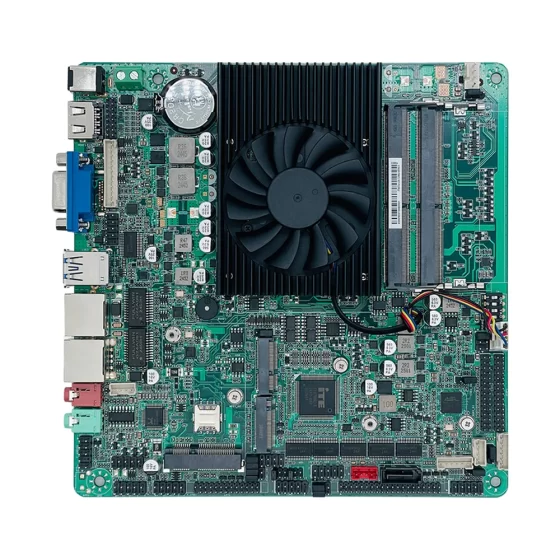
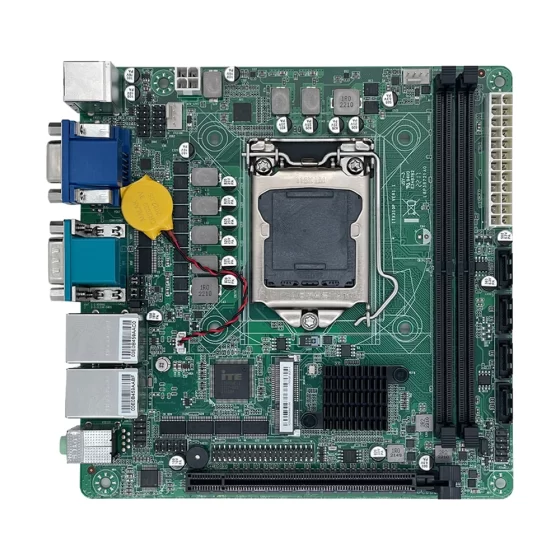
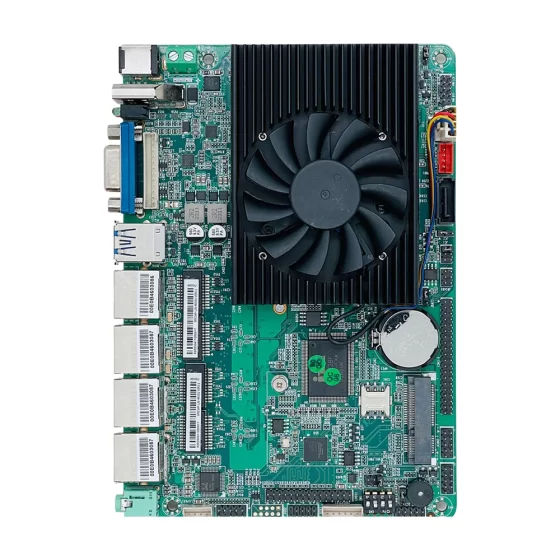
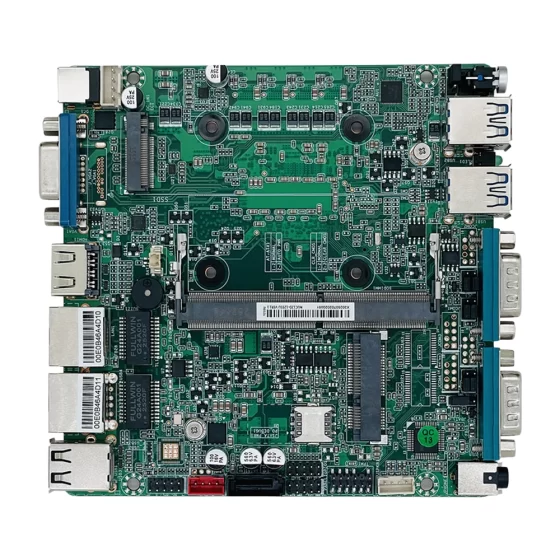
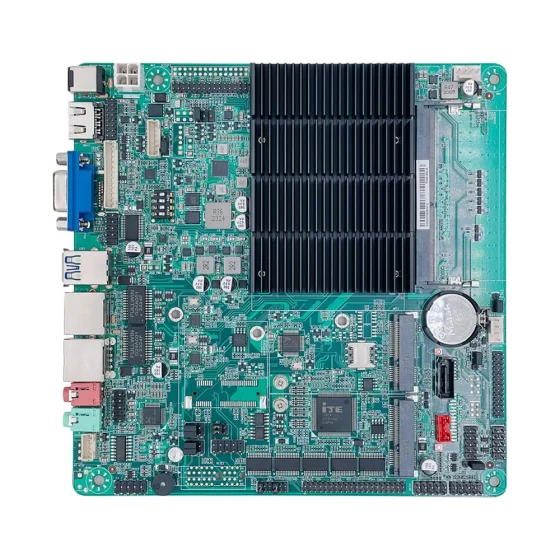
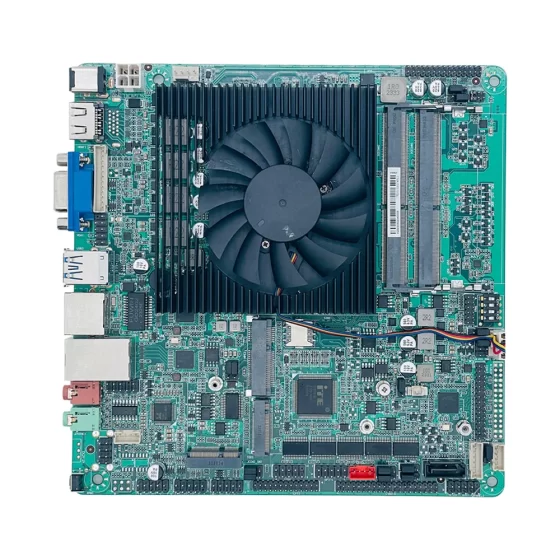
حلول الحوسبة الصناعية CoreIPC

مراقبة البنية التحتية للمرافق: منصة مراقبة المرافق لعمليات البنية التحتية الحيوية
ملخص تنفيذي
A utility monitoring platform provides the industrial computing foundation for monitoring power, ماء, غاز, مياه الصرف الصحي, الطاقة المتجددة, محطات الضخ, المحطات الفرعية, المعدات الميدانية الموزعة, وأصول البنية التحتية النائية.
أصبحت البنية التحتية للمرافق أكثر ارتباطًا واعتمادًا على البيانات. يحتاج المشغلون إلى رؤية في الوقت الحقيقي لحالة المعدات, تدفق الطاقة, ضغط الماء, تشغيل المضخة, قراءات العدادات, الظروف البيئية, إنذار, الأحداث الأمنية, وتوافر الموقع البعيد.
لكن, غالبًا ما يتم توزيع بيئات المرافق عبر العديد من المواقع. وتقع بعض المواقع في المحطات الفرعية, محطات الضخ, خزائن على جانب الطريق, غرف المرافق, مزارع الطاقة الشمسية, مرافق معالجة المياه, أو العبوات الميدانية البعيدة. قد تعمل هذه المواقع بشكل مستمر مع عدد محدود من الموظفين في الموقع وظروف بيئية صعبة.
يمكن لمنصة مراقبة المرافق المبنية على كمبيوتر صناعي أو كمبيوتر مدمج جمع البيانات من أجهزة الاستشعار, متر, الشركات المحدودة العامة, وحدات RTU, أنظمة سكادا, الكاميرات, بوابات, وأجهزة الاتصالات. يمكنه معالجة البيانات محليًا, سجلات المخزن المؤقت أثناء انقطاع الشبكة, دعم الوصول الآمن عن بعد, وإرسال المعلومات المنظمة إلى SCADA, لوحات المعلومات السحابية, maintenance systems, or utility operation centers.
Compared with office PCs or consumer gateways, industrial computers provide better reliability for utility deployment. أنها تدعم العبوات الوعرة, منافذ LAN متعددة, الاتصال التسلسلي, جيبيو, التخزين المحلي, خيارات التصميم بدون مروحة, مدخلات الطاقة مستقرة, وتوافر دورة حياة طويلة.
This article explains how utility infrastructure monitoring works, what challenges appear in distributed utility environments, كيف يتم تنظيم بنية الحل, and which hardware features matter when selecting an industrial computer or embedded computer for utility monitoring platform deployment.
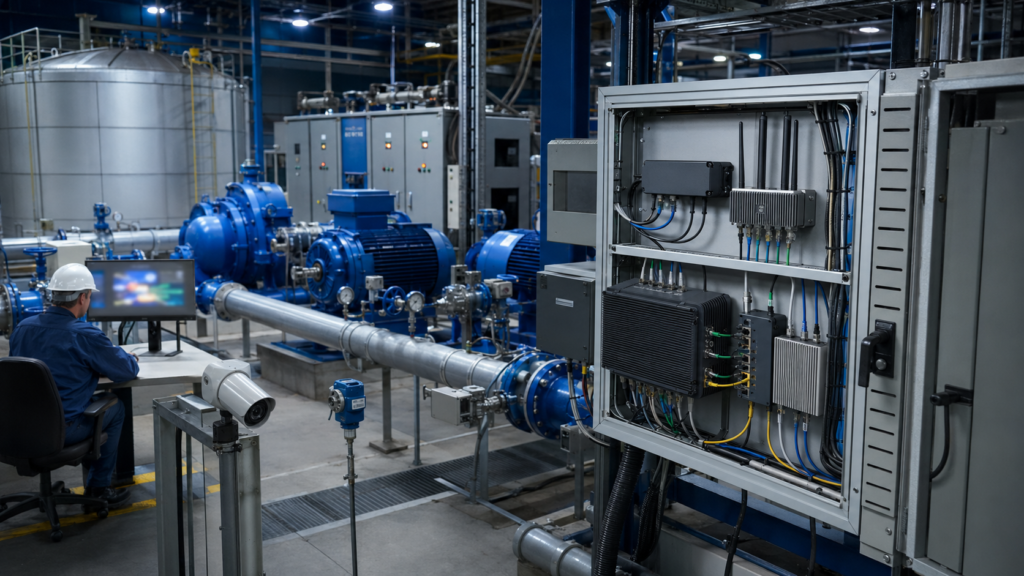
Utility Field Data Monitoring
نظرة عامة على الصناعة
Utility Systems Need Continuous Visibility
Utility infrastructure must operate reliably.
Power distribution, water supply, wastewater treatment, gas networks, أنظمة الطاقة المتجددة, and pumping stations all require continuous monitoring.
Operators need to know:
- Is the site online?
- Are meters reporting normally?
- Are pumps running correctly?
- Are power systems stable?
- Are alarms active?
- Are temperatures within limits?
- Are doors or cabinets secure?
- Are communication links healthy?
- Are remote assets performing as expected?
Without reliable monitoring, problems may remain hidden until service quality is affected.
A utility monitoring platform helps operators detect issues earlier and manage distributed infrastructure more efficiently.
Field Assets Are Becoming More Connected
Traditional utility infrastructure often used local control systems and periodic manual inspection.
اليوم, more assets are connected to SCADA systems, منصات إنترنت الأشياء الصناعية, لوحات المعلومات السحابية, and centralized operation centers.
Connected assets may include:
- العدادات الذكية
- Pump controllers
- وحدات RTU
- الشركات المحدودة العامة
- Power meters
- Water meters
- أجهزة استشعار التدفق
- أجهزة استشعار الضغط
- أجهزة استشعار درجة الحرارة
- أجهزة الاستشعار البيئية
- Security cameras
- Battery systems
- Solar inverters
- بوابات الاتصالات
This connectivity improves visibility, but it also creates requirements for reliable edge computing and secure communication.
Industrial Computing Supports Remote Utility Deployment
Utility monitoring equipment is often installed outside clean office environments.
It may be deployed in control cabinets, المحطات الفرعية, محطات الضخ, equipment shelters, العبوات على جانب الطريق, remote utility rooms, مواقع الطاقة المتجددة, and water treatment facilities.
قد تحتوي هذه البيئات على الغبار, اهتزاز, اختلاف درجة الحرارة, رطوبة, قوة غير مستقرة, electromagnetic interference, تدفق هواء محدود, ومحدودية الوصول إلى الصيانة.
توفر أجهزة الكمبيوتر الصناعية وأجهزة الكمبيوتر المدمجة أساس الأجهزة لهذه الظروف.
They support rugged deployment, الإدخال/الإخراج المرن, التخزين المحلي, اتصالات متعددة الشبكات, عملية بدون مروحة, وتوافر المنصة على المدى الطويل.

Remote Utility Monitoring Challenges
التحديات الرئيسية
Monitoring Distributed Remote Sites
Utility systems are often spread across wide geographic areas.
A single operator may manage many substations, محطات الضخ, tanks, pipelines, solar sites, أنظمة التخزين, or field cabinets.
Each site may have different equipment, network quality, power conditions, and maintenance schedules.
A utility monitoring platform must support distributed operation.
It should collect local data, report status to central systems, and continue operating even when network conditions are unstable.
Connecting Mixed Utility Devices
Utility sites often contain equipment from different vendors and generations.
A monitoring platform may need to connect:
- الشركات المحدودة العامة
- وحدات RTU
- العدادات الذكية
- Power meters
- عدادات التدفق
- Pump controllers
- Inverters
- Battery systems
- أجهزة الاستشعار البيئية
- Security devices
- الكاميرات
- Legacy serial equipment
These devices may use different interfaces and communication methods.
Flexible hardware is important for practical integration.
Supporting Serial and Ethernet Communication
Many utility systems still use serial communication.
RS232 and RS485 may be used for meters, وحدات RTU, أجهزة الاستشعار, وحدات تحكم, and legacy field devices.
Modern systems may use Ethernet, المفاتيح الصناعية, cellular routers, or fiber uplinks.
A utility monitoring platform should support both serial and Ethernet communication to reduce the need for external converters.
Native interface support improves reliability and simplifies field wiring.
Maintaining Operation During Network Interruptions
Remote utility sites may experience unstable communication links.
Cellular connections, long-distance Ethernet, wireless links, or field networks may fail temporarily.
The monitoring platform should continue collecting data locally during these interruptions.
Local buffering helps preserve:
- Meter readings
- سجلات الإنذار
- Pump status
- البيانات البيئية
- Security events
- Power quality records
- Flow and pressure trends
- سجلات الصيانة
عندما يتعافى الاتصال, buffered records can be forwarded to SCADA, لوحات المعلومات السحابية, or central databases.
Securing Remote Access and Data Transfer
Utility monitoring platforms often connect critical infrastructure with remote systems.
This creates security requirements.
The platform may need to support:
- تجزئة الشبكة
- سياسات جدار الحماية
- تأمين الوصول عن بعد
- VPN or encrypted tunnels
- أذونات المستخدم
- التسجيل المحلي
- النسخ الاحتياطي التكوين
- Controlled cloud communication
Security must be designed carefully because utility systems are operationally important.
Remote access should help maintenance teams without exposing critical field assets unnecessarily.
Operating Reliably for Many Years
Utility infrastructure systems may remain in service for years.
يمكن أن تؤدي التغييرات المتكررة في الأجهزة إلى حدوث مشكلات في التحقق من صحة البرامج, spare parts issues, مشاكل توافق السائق, وتعقيد الصيانة.
Industrial computing platforms with long lifecycle availability help operators and system integrators maintain consistent monitoring systems across many sites.

Utility Monitoring Architecture
Utility Monitoring Platform Solution Architecture
طبقة الجهاز الميداني
The field device layer includes the equipment being monitored.
قد تشمل هذه الطبقة:
- العدادات الذكية
- Power meters
- Water meters
- أجهزة استشعار التدفق
- أجهزة استشعار الضغط
- أجهزة استشعار درجة الحرارة
- Pump controllers
- الشركات المحدودة العامة
- وحدات RTU
- Solar inverters
- Battery systems
- Security cameras
- أجهزة الاستشعار البيئية
- أجهزة التحكم في الوصول
These devices generate operational data that helps utility operators understand site conditions.
Edge Monitoring Layer
The edge monitoring layer is the local computing layer.
عند هذه الطبقة, قد يكون الكمبيوتر الصناعي أو الكمبيوتر المدمج:
- Collect meter data
- Monitor pump status
- Receive sensor readings
- Connect PLCs and RTUs
- تخزين السجلات المحلية
- تخزين البيانات أثناء مشكلات الشبكة
- Apply alarm logic
- Process local events
- Control data forwarding
- دعم التشخيص عن بعد
This layer provides local intelligence at the utility site.
طبقة الاتصالات
The communication layer connects the remote site with central systems.
قد تشمل:
- Ethernet uplink
- Cellular router
- Fiber network
- Industrial switch
- VPN tunnel
- تأمين الوصول عن بعد
- الاتصالات SCADA
- اتصال النظام الأساسي السحابي
- Site-to-site network link
The utility monitoring platform should support stable communication and clear network separation.
Data Processing Layer
The data processing layer improves data usability before upload.
The platform may process:
- Meter readings
- أحداث التنبيه
- Pump runtime
- Flow trends
- Pressure values
- استهلاك الطاقة
- حالة البطارية
- الظروف البيئية
- صحة المعدات
- Communication status
Local processing reduces unnecessary bandwidth and helps operators focus on meaningful events.
طبقة تكامل النظام الأساسي
The monitoring platform connects field data with higher-level systems.
It may send structured information to:
- سكادا
- Utility operation centers
- لوحات المعلومات السحابية
- منصات الصيانة
- أنظمة إدارة الطاقة
- Water management systems
- Alarm management systems
- Local historian databases
- منصات المراقبة عن بعد
- Asset management systems
This integration helps utility operators manage distributed infrastructure more efficiently.
طبقة الأمن والإدارة
The security and management layer helps protect utility communication and simplify operation.
قد تشمل:
- تجزئة الشبكة
- سياسات جدار الحماية
- تأمين الوصول عن بعد
- مصادقة المستخدم
- التسجيل المحلي
- النسخ الاحتياطي التكوين
- مراقبة صحة الجهاز
- مراقبة التخزين
- Remote update management
- Access record management
This layer helps maintain long-term system reliability and controlled access.
الميزات الرئيسية
اتصال متعدد الأجهزة
A utility monitoring platform must connect with many types of field equipment.
قد تشمل واجهات مفيدة:
- لان
- USB
- RS232
- RS485
- جيبيو
- الإدخال الرقمي
- الإخراج الرقمي
- اتش دي ام اي
- منفذ العرض
- م.2
- بكيي
- تخزين SATA أو NVMe
Native industrial interfaces reduce the need for external converters and improve field installation reliability.
دعم الاتصالات التسلسلية
Serial communication remains important in utility infrastructure.
عدة أمتار, وحدات RTU, وحدات تحكم, and sensors use RS232 or RS485.
An embedded computer with native serial ports can connect directly to these devices.
This simplifies cabinet wiring and improves system maintainability.
تصميم شبكات LAN متعددة
Multiple LAN ports are useful for separating different networks.
A utility monitoring platform may use separate connections for:
- Field device network
- شبكة سكادا
- شبكة الكاميرا
- شبكة الصيانة عن بعد
- شبكة الإدارة المحلية
- شبكة WAN أو الوصلة الصاعدة السحابية
- شبكة إنترنت الأشياء الصناعية
- Security network
Multi-LAN design improves network clarity and supports stronger security boundaries.
التخزين المحلي والتخزين المؤقت للبيانات
Local storage is critical for utility monitoring.
The platform may store:
- Meter readings
- سجلات الإنذار
- سجلات الأحداث
- Pump status history
- Sensor trends
- قواعد البيانات المحلية
- تحميل المخازن المؤقتة
- ملفات التكوين
- سجلات الوصول عن بعد
- السجلات التشخيصية
يُفضل عادةً تخزين SSD أو NVMe لأنه يوفر وصولاً سريعًا ومقاومة أفضل للصدمات مقارنة بمحركات الأقراص الميكانيكية.
Storage design should consider retention time, اكتب التحمل, سير العمل الاحتياطي, وسلوك انقطاع الشبكة.
Edge Processing Performance
A utility monitoring platform may collect, عملية, محل, and forward data continuously.
ينبغي النظر في اختيار الأجهزة:
- أداء وحدة المعالجة المركزية
- سعة الذاكرة
- عدد الأجهزة
- Sensor update rate
- عبء عمل البروتوكول
- حجم قاعدة البيانات المحلية
- سرعة التخزين
- عرض النطاق الترددي للشبكة
- Security workload
- دعم نظام التشغيل
للمواقع الأكبر, the platform should be tested with real data rates and field devices.
تصميم متين وبدون مروحة
Utility monitoring systems may be installed in harsh environments.
تعمل أجهزة الكمبيوتر الصناعية بدون مروحة على تقليل دخول الغبار وإزالة نقطة عطل ميكانيكية شائعة.
تساعد العبوات القوية على الحماية من الاهتزاز, cabinet installation stress, سلالة الكابل, والتشغيل المستمر.
لا يزال ينبغي مراجعة التصميم الحراري بعناية, especially in outdoor cabinets or poorly ventilated utility rooms.
الوصول الآمن عن بعد
Remote access is important for utility maintenance.
Engineers may need to review logs, adjust configurations, diagnose communication issues, أو فحص حالة النظام.
Remote access should be controlled through:
- مصادقة المستخدم
- VPN أو دعم النفق الآمن
- أذونات الوصول
- تسجيل الجلسة
- نوافذ الصيانة
- تجزئة الشبكة
- النسخ الاحتياطي التكوين
- Emergency access procedures
This supports efficient maintenance without broad network exposure.
توافر دورة حياة طويلة
Utility monitoring platforms often become part of long-term infrastructure.
تساعد الأجهزة المتسقة في الحفاظ على صور البرامج, field wiring designs, السائقين, قطع غيار, قوالب التكوين, وإجراءات التحقق من الصحة.
Long lifecycle availability is especially important for utilities, تكامل النظام, and OEM monitoring appliance providers.

Utility Infrastructure Operations
سيناريوهات النشر
Power Distribution Monitoring
Power distribution sites may include meters, transformers, switchgear, أجهزة الحماية, ومعدات الاتصالات.
A utility monitoring platform can collect electrical data, monitor site status, سجلات المخزن المؤقت, and forward events to operation centers or SCADA systems.
This supports better visibility across distributed electrical infrastructure.
Water Pump Station Monitoring
Pump stations need continuous monitoring of pump status, ضغط, تدفق, tank level, power usage, وأجهزة الإنذار.
An embedded computer can collect data from PLCs, متر, أجهزة الاستشعار, وأجهزة التحكم.
It can store local records and report structured information to central water management systems.
Wastewater Facility Monitoring
Wastewater facilities may require monitoring of pumps, المحركات, أجهزة قياس التدفق, chemical systems, tanks, والظروف البيئية.
A monitoring platform can collect and process data locally, توليد الإنذارات, and support remote maintenance.
This improves operational visibility and maintenance planning.
Renewable Energy Site Monitoring
Solar farms, wind sites, and battery storage systems require monitoring of inverters, متر, أجهزة الاستشعار البيئية, and power equipment.
يمكن للكمبيوتر الصناعي جمع البيانات محليًا, connect to cloud dashboards, and support remote diagnostics.
This helps operators manage distributed renewable energy assets.
Utility Meter Data Collection
Smart meters and industrial meters may report power, ماء, غاز, or energy usage.
A utility monitoring platform can aggregate meter data, محاذاة الطوابع الزمنية, سجلات المخزن المؤقت, and forward information to energy or utility management systems.
This supports accurate reporting and analysis.
Remote Cabinet and Field Equipment Monitoring
Remote cabinets may contain communication equipment, إمدادات الطاقة, أجهزة الاستشعار, أجهزة التحكم في الوصول, and field controllers.
An embedded computer can monitor cabinet temperature, door status, power status, communication health, and security events.
This helps reduce blind spots in distributed infrastructure.
SCADA Edge Monitoring
SCADA systems often rely on remote data from utility assets.
A monitoring platform can collect local data, إدارة الاتصالات, تخزين السجلات, and forward selected information to SCADA platforms.
This improves site visibility and supports more reliable remote operations.
OEM Utility Monitoring Appliance
System integrators and equipment builders can build custom utility monitoring appliances using industrial computers or embedded boards.
The platform can support field data collection, التخزين المحلي, التواصل الآمن, الوصول عن بعد, والانتشار الوعرة.
فوائد الأعمال
Better Infrastructure Visibility
A utility monitoring platform helps operators see what is happening across distributed sites.
It can collect data from meters, أجهزة الاستشعار, الشركات المحدودة العامة, وحدات RTU, مضخات, العاكسون, والأجهزة الميدانية.
This improves visibility into asset status and operating conditions.
Faster Fault Detection
Local monitoring helps detect abnormal conditions earlier.
Examples include pump faults, pressure changes, temperature alarms, power issues, communication failures, cabinet access events, and equipment status changes.
Early detection helps reduce downtime and service disruption.
Reduced Manual Inspection
Remote monitoring can reduce dependence on manual site visits.
Operators can review status, سجلات, إنذار, and trends from central systems.
This improves maintenance efficiency and lowers field service workload.
Improved Data Continuity
Local storage and buffering help prevent data loss during network interruptions.
The platform can continue collecting records and upload them when communication recovers.
This improves reporting accuracy and long-term traceability.
Stronger Remote Maintenance
Secure remote access helps engineers troubleshoot field systems more efficiently.
With proper access control and logging, remote maintenance can reduce travel and improve response time while protecting critical infrastructure networks.
Scalable Utility Monitoring Deployment
A standardized utility monitoring platform makes it easier to deploy across many sites.
تعمل الأجهزة المتسقة على تبسيط صور البرامج, field wiring, قوالب التكوين, تخطيط قطع الغيار, التدريب على الصيانة, وإدارة دورة الحياة.
This supports scalable infrastructure monitoring programs.
لماذا كورIPC
CoreIPC provides industrial computing platforms for energy management, إنترنت الأشياء الصناعية, المراقبة عن بعد, أمن الشبكة, النقل الذكي, وتكامل النظام المدمج. For utility monitoring platform applications, يركز CoreIPC على أجهزة الكمبيوتر الصناعية الموثوقة, حلول الكمبيوتر المدمجة, تكوينات متعددة LAN, الاتصال التسلسلي, الإدخال/الإخراج المرن, تصميم نظام مدمج, خيارات النشر بدون مروحة, القدرة على التخزين المحلي, ودعم التخصيص OEM/ODM. CoreIPC يساعد تكامل النظام, utility operators, ويختار صانعو المعدات منصات الحوسبة التي تتوافق مع متطلبات النشر الحقيقية, بما في ذلك واجهات الجهاز, data workload, عدد منافذ LAN, احتياجات التخزين, طرق التركيب, مدخلات الطاقة, الظروف الحرارية, وتخطيط دورة الحياة.
الأسئلة المتداولة
1. What is a utility monitoring platform?
A utility monitoring platform is an industrial computing system used to collect, عملية, محل, and forward data from utility infrastructure.
It may monitor power, ماء, غاز, مياه الصرف الصحي, الطاقة المتجددة, محطات الضخ, المحطات الفرعية, field cabinets, متر, أجهزة الاستشعار, الشركات المحدودة العامة, وحدات RTU, and remote equipment.
2. Why use an industrial computer for utility monitoring?
An industrial computer provides rugged hardware and flexible connectivity for field deployment.
يمكنه دعم منافذ LAN المتعددة, الاتصال التسلسلي, USB, جيبيو, تخزين موثوق, عملية بدون مروحة, التركيب الصناعي, مدخلات الطاقة مستقرة, وتوافر دورة حياة طويلة. These features make it suitable for substations, محطات الضخ, غرف المرافق, خزائن, والمواقع النائية.
3. How is an embedded computer used in utility infrastructure monitoring?
An embedded computer can be installed inside a control cabinet or field enclosure.
It can collect data from meters, أجهزة الاستشعار, الشركات المحدودة العامة, وحدات RTU, الكاميرات, وأجهزة الاتصالات. It can process records locally, بيانات المخزن المؤقت, دعم الوصول عن بعد, and forward information to SCADA, لوحات المعلومات السحابية, or operation centers.
4. What utility systems can be monitored?
A utility monitoring platform can monitor power distribution systems, water pump stations, wastewater systems, gas infrastructure, مواقع الطاقة المتجددة, field cabinets, meter networks, أنظمة البطارية, أجهزة الاستشعار البيئية, ومعدات الاتصالات.
يعتمد الدعم الدقيق على الواجهات, برمجة, البروتوكولات, and integration requirements.
5. Why is local storage important for utility monitoring?
Local storage helps prevent data loss during network interruptions.
The platform can continue recording meter readings, إنذار, pump status, البيانات البيئية, and event logs locally. When communication recovers, buffered data can be uploaded to SCADA, المنصات السحابية, or central databases.
6. Why are multiple LAN ports important for utility platforms?
Multiple LAN ports help separate field devices, أنظمة سكادا, الكاميرات, الصيانة عن بعد, cloud uplinks, وشبكات الإدارة.
وهذا يحسن تنظيم الشبكة, حماية, and communication reliability.
7. Can utility monitoring platforms support legacy equipment?
نعم. Many utility sites use legacy meters, وحدات RTU, وحدات تحكم, وأجهزة الاستشعار.
Industrial computers with RS232, RS485, USB, جيبيو, and digital I/O can connect these systems and bring their data into modern monitoring platforms.
8. Can utility monitoring platforms support remote maintenance?
نعم. A utility monitoring platform can support remote maintenance through VPN or secure tunnels, التحكم في الوصول, تسجيل, وتجزئة الشبكة.
This allows authorized engineers to review system status, تكوينات التحديث, and troubleshoot field equipment remotely.
9. What hardware features matter for utility monitoring?
تتضمن الميزات الهامة منافذ LAN متعددة, RS232, RS485, USB, جيبيو, الإدخال/الإخراج الرقمي, ذاكرة موثوقة, تخزين SSD أو NVMe, الضميمة وعرة, تصميم بدون مروحة, مدخلات الطاقة الصناعية, عرض الإخراج, م.2, بكيي, وخيارات التوسع.
يجب أن يتطابق التكوين النهائي مع عدد الأجهزة, واجهات الاتصالات, data workload, والظروف البيئية.
10. ما الذي يجب اختباره قبل النشر?
قبل النشر, the system should be tested with real meters, أجهزة الاستشعار, الشركات المحدودة العامة, وحدات RTU, طوبولوجيا الشبكة, data rates, سلوك التخزين, buffering logic, سير عمل الوصول عن بعد, وتشغيل طويل الأمد.
الاستقرار الحراري, power conditions, استعادة الاتصالات, تسجيل, النسخ الاحتياطي التكوين, and integration with SCADA or cloud platforms should also be validated.
خاتمة
A utility monitoring platform is a practical foundation for critical infrastructure visibility, مراقبة الموقع عن بعد, meter data collection, مراقبة محطة الضخ, power distribution supervision, renewable energy monitoring, تكامل SCADA, and secure field communication.
By placing an industrial computer or embedded computer near utility equipment, operators and system integrators can collect data from meters, أجهزة الاستشعار, الشركات المحدودة العامة, وحدات RTU, مضخات, العاكسون, field cabinets, الكاميرات, and communication systems through reliable and controlled communication paths.
The right utility monitoring platform should be selected according to real deployment requirements, بما في ذلك واجهات الجهاز, data workload, عدد منافذ LAN, الاتصال التسلسلي, تصميم التخزين, buffering requirements, طريقة التركيب, مدخلات الطاقة, الظروف الحرارية, دعم نظام التشغيل, السياسة الأمنية, وتخطيط دورة الحياة.
CoreIPC supports utility monitoring platform projects with industrial computing platforms designed for practical field, مجلس الوزراء, remote site, ونشر OEM. مع أساس الأجهزة الصحيح, utility operators and equipment builders can build reliable, قابلة للتطوير, and data-driven infrastructure monitoring systems.
اتصل بنا
أبحث عن جهاز كمبيوتر صناعي, الكمبيوتر المدمج, or multi-LAN platform for utility monitoring platform deployment?
تواصل مع CoreIPC لمناقشة متطلبات مشروعك, بما في ذلك واجهات الجهاز, عدد منافذ LAN, الاتصال التسلسلي, meter integration, data workload, تكوين التخزين, طريقة التركيب, مدخلات الطاقة, بيئة التشغيل, احتياجات دورة الحياة, وخيارات التخصيص OEM/ODM.