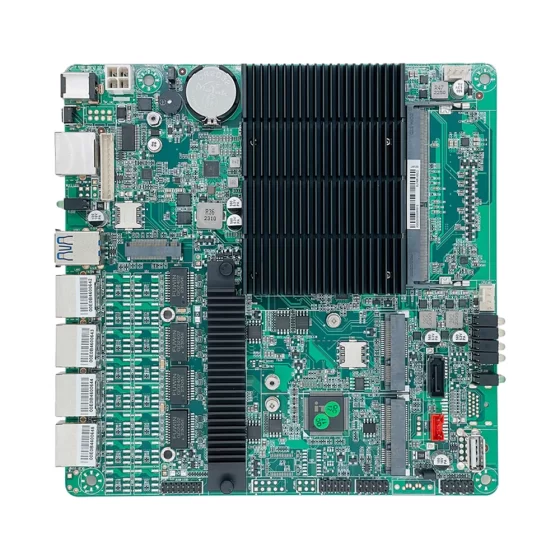
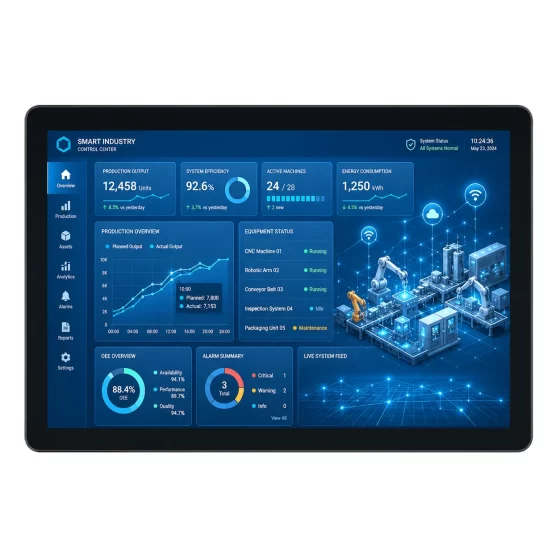
حلول الحوسبة الصناعية CoreIPC

إنترنت الأشياء الصناعي للمستودعات الذكية: منصة مستودعات إنترنت الأشياء الصناعية للعمليات اللوجستية المتصلة
ملخص تنفيذي
Industrial iot warehouse systems provide the computing foundation for connected storage, التعامل الآلي مع المواد, رؤية المخزون, مراقبة المعدات, مسح الباركود, تتبع RFID, الاستشعار البيئي, تنسيق AGV وAMR, وإدارة عمليات المستودعات في الوقت الحقيقي.
لم تعد المستودعات الحديثة مجرد مساحات تخزين بسيطة. غالبًا ما تتضمن أنظمة النقل, خطوط الفرز, قارئات الباركود, أجهزة رفيد, نقاط فحص الرؤية, محطات الوزن, AGVs, مضادات مضادات الميكروبات, الرافعات الشوكية, أجهزة الاستشعار, أجهزة التحكم في الوصول, المفاتيح الصناعية, منصات WMS, برنامج دبليو سي إس, لوحات المعلومات السحابية, وأنظمة المراقبة المحلية.
لجعل هذه الأنظمة تعمل معًا, تحتاج المستودعات إلى حوسبة حافة موثوقة واتصال بيانات.
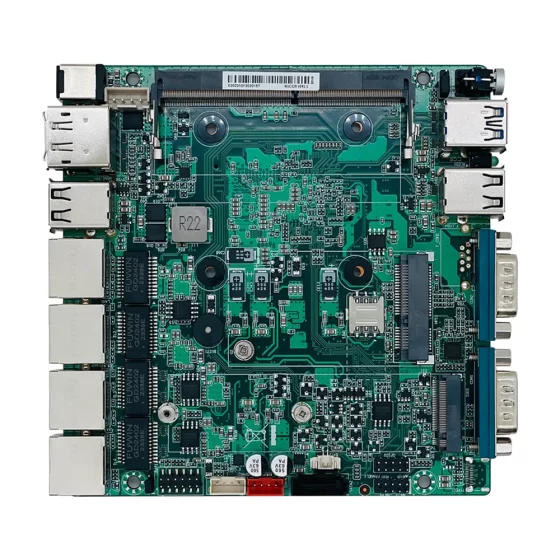
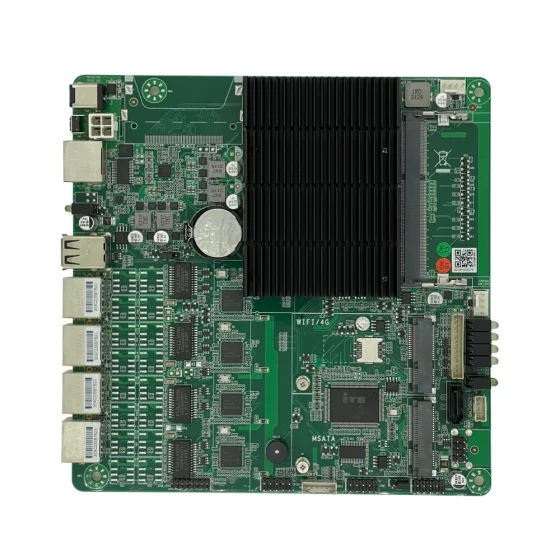
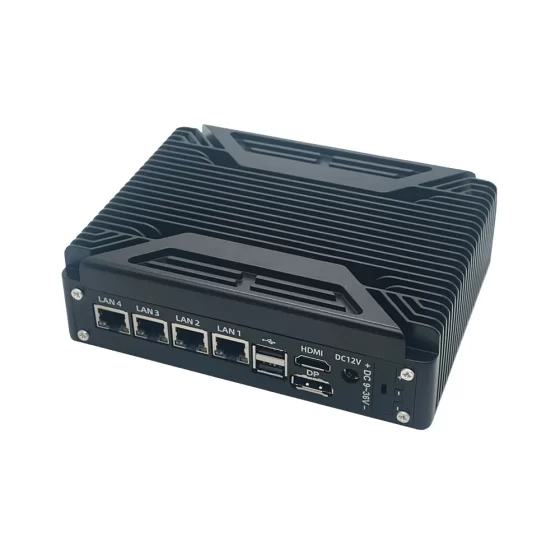
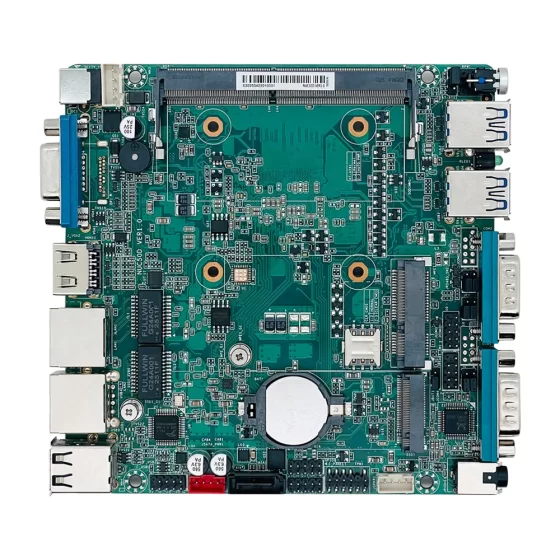
يمكن للكمبيوتر الصناعي أو الكمبيوتر المدمج أن يعمل كبوابة إنترنت الأشياء الصناعية المحلية أو منصة حافة المستودع. يمكنه جمع البيانات من معدات المستودعات, توصيل أجهزة مختلفة, معالجة السجلات محليا, تخزين البيانات أثناء انقطاع الشبكة, دعم الوصول الآمن عن بعد, and send structured information to WMS, WCS, تخطيط موارد المؤسسات, المنصات السحابية, أو لوحات المعلومات المحلية.
Compared with office PCs or consumer gateways, industrial computers are better suited for warehouse environments because they support rugged installation, منافذ LAN متعددة, الاتصال التسلسلي, جيبيو, التخزين المحلي, خيارات التصميم بدون مروحة, مدخلات الطاقة مستقرة, وتوافر دورة حياة طويلة.
This article explains how industrial IoT supports smart warehouse operations, what deployment challenges appear in real logistics environments, كيف تعمل بنية الحل, and which hardware features matter when selecting an industrial computer or embedded computer for smart warehouse IoT applications.
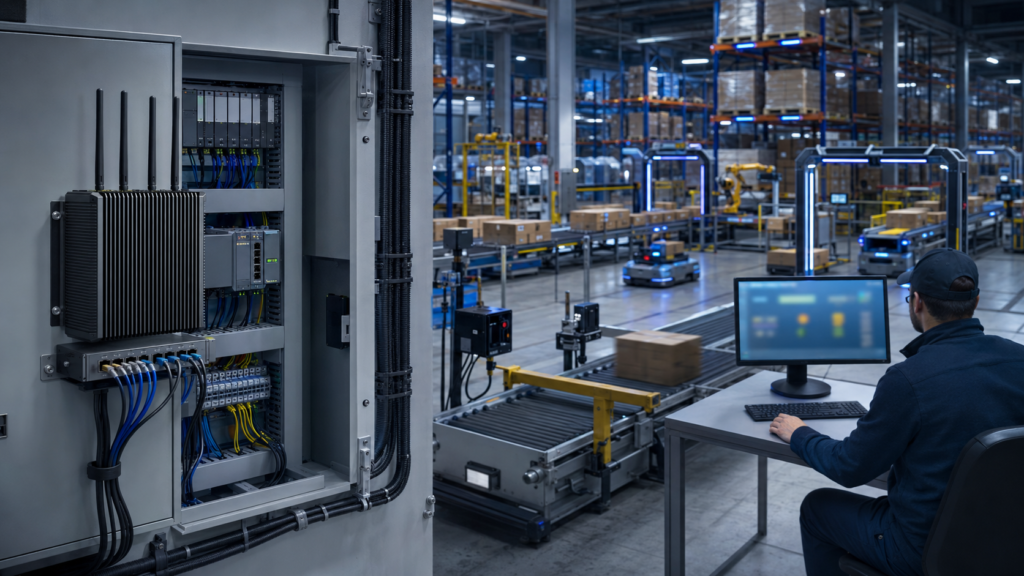
Smart Warehouse Data Collection
نظرة عامة على الصناعة
Warehouses Are Becoming More Automated
Warehouses are under pressure to move goods faster, reduce picking errors, improve inventory accuracy, and support real-time order fulfillment.
To achieve this, many facilities are adopting connected automation systems.
Common smart warehouse technologies include:
- مسح الباركود
- تتبع RFID
- Conveyor control
- Sorting systems
- AGV and AMR robots
- Automated storage systems
- فحص الرؤية
- Weighing and dimensioning
- المراقبة البيئية
- أنظمة إدارة المستودعات
- أنظمة مراقبة المستودعات
- Cloud operation dashboards
These systems generate large amounts of operational data.
Without a reliable industrial IoT layer, this data may remain fragmented across devices, آلات, and software platforms.
Industrial IoT Connects Warehouse Equipment
Industrial IoT helps connect physical warehouse equipment with software systems.
It allows warehouse operators to collect and use data from conveyors, الماسحات الضوئية, الروبوتات, أجهزة الاستشعار, متر, الكاميرات, gates, أنظمة الوزن, and local controllers.
The goal is to improve visibility into:
- حركة المخزون
- حالة المعدات
- Sorting performance
- Picking accuracy
- Robot operation
- Conveyor conditions
- استخدام الطاقة
- الظروف البيئية
- أحداث التنبيه
- Maintenance needs
- Order processing flow
An industrial iot warehouse platform turns disconnected equipment into a more coordinated logistics operation.
Industrial Computing Is the Edge Foundation
Smart warehouse systems need reliable computing near the equipment.
Industrial computers and embedded computers can be installed in control cabinets, sorting systems, conveyor zones, رفوف المستودعات, charging areas, أرصفة التحميل, cold chain facilities, and remote logistics nodes.
قد تحتوي هذه البيئات على الغبار, اهتزاز, اختلاف درجة الحرارة, إجهاد الكابل, قوة غير مستقرة, وساعات العمل الطويلة.
Industrial computing platforms provide the hardware foundation for stable warehouse IoT deployment.
They support flexible I/O, تجزئة الشبكة, التخزين المحلي, معالجة الحافة, and long-term operation.

Smart Warehouse IoT Deployment Challenges
التحديات الرئيسية
Connecting Many Warehouse Devices
A smart warehouse may include many different devices from different vendors.
A single facility may use barcode readers, قارئات RFID, أجهزة الاستشعار, الناقلات, وحدات تحكم الروبوت, محطات الوزن, الكاميرات, أجهزة التحكم في الوصول, والمفاتيح الصناعية.
These systems may use different interfaces and protocols.
A warehouse IoT platform must support practical connectivity, مشتمل:
- إيثرنت
- USB
- RS232
- RS485
- جيبيو
- الإدخال الرقمي
- الإخراج الرقمي
- وحدات لاسلكية
- واجهات الكاميرا
- إخراج العرض المحلي
- توسيع التخزين
Flexible device connectivity helps reduce integration complexity.
Integrating WMS and WCS Systems
Warehouse management systems and warehouse control systems often need real-time equipment data.
A WMS may need inventory status, picking results, receiving records, and shipment data. A WCS may need conveyor status, sorter activity, robot tasks, scanner events, and equipment alarms.
The industrial IoT platform must collect data from physical devices and forward structured information to software systems.
This may require:
- Data normalization
- Timestamp alignment
- Event filtering
- Equipment status mapping
- Barcode and RFID record handling
- التخزين المؤقت المحلي
- API or database integration
- Platform communication management
A reliable embedded computer can serve as the local bridge between warehouse equipment and software platforms.
Handling High Data Volume
Smart warehouses can generate high data volume.
Barcode scanners may process thousands of items per hour. Cameras may capture images continuously. Sensors may report equipment status in real time. AMRs may send position and task data. Conveyors may generate frequent status events.
The computing platform must be sized according to:
- عدد الأجهزة
- Data point count
- تردد المسح
- عبء عمل الكاميرا
- Robot data rate
- حجم قاعدة البيانات المحلية
- عرض النطاق الترددي للشبكة
- تردد التحميل
- Edge processing workload
- Storage retention requirements
Underpowered systems can create delays, data loss, or unstable integration.
Maintaining Operation During Network Interruptions
Warehouse operations cannot stop because a cloud connection or enterprise link becomes unstable.
A smart warehouse IoT platform should support local buffering and store-and-forward behavior.
This helps preserve:
- Scan records
- Sorting events
- Inventory movement logs
- Robot task records
- إنذارات المعدات
- البيانات البيئية
- Access records
- سجلات الصيانة
When the network connection recovers, buffered data can be uploaded to WMS, WCS, تخطيط موارد المؤسسات, المنصات السحابية, أو قواعد البيانات المحلية.
Supporting Real-Time Response
Some warehouse operations need fast local response.
Examples include scanner validation, conveyor stop signals, sorter status alerts, robot zone monitoring, cold chain temperature warnings, and equipment fault detection.
If all data must go to the cloud before action, قد تتأخر الاستجابة.
Edge computing allows important logic to run locally.
An industrial computer can process warehouse events near the equipment and send only selected results to higher-level systems.
Protecting Warehouse Networks
Smart warehouse systems often connect operational devices with enterprise software and cloud platforms.
This creates security requirements.
The IoT platform may need to separate:
- Warehouse equipment network
- Office IT network
- شبكة الكاميرا
- Robot network
- Scanner network
- WMS or WCS network
- شبكة الصيانة عن بعد
- Cloud uplink
- شبكة الإدارة
Multiple LAN ports and controlled communication policies help reduce unnecessary exposure.

Industrial IoT Warehouse Architecture
Industrial IoT Warehouse Solution Architecture
Warehouse Device Layer
The warehouse device layer includes the physical equipment that generates data or requires control.
قد تشمل هذه الطبقة:
- قارئات الباركود
- قارئات RFID
- الناقلون
- Sorters
- أنظمة الوزن
- Dimensioning systems
- AGVs
- مضادات مضادات الميكروبات
- Forklift terminals
- الكاميرات الصناعية
- أجهزة الاستشعار البيئية
- أجهزة التحكم في الوصول
- وحدات تحكم PLC
- Local HMIs
These devices provide real-time operational data for warehouse visibility and automation.
Industrial IoT Edge Layer
The industrial IoT edge layer is the local computing layer.
عند هذه الطبقة, قد يكون الكمبيوتر الصناعي أو الكمبيوتر المدمج:
- Collect scanner records
- Receive sensor data
- Connect robot systems
- Monitor conveyor status
- Process local events
- Buffer data
- تحويل البروتوكولات
- سجلات المتجر
- Apply security rules
- Forward selected information to software systems
This layer connects physical warehouse operations with digital platforms.
Data Processing Layer
The data processing layer improves raw data before it reaches higher-level systems.
The platform may process:
- Barcode events
- RFID reads
- Inventory movement records
- Conveyor alarms
- Sortation events
- Robot task status
- Environmental records
- استخدام الطاقة
- Equipment health data
- Loading dock events
من خلال معالجة البيانات محليا, the platform reduces bandwidth usage and improves response time.
Warehouse Software Integration Layer
The industrial IoT platform connects warehouse equipment with software systems.
It may send structured data to:
- WMS
- WCS
- تخطيط موارد المؤسسات
- زارة التربية والعلم
- لوحات المعلومات السحابية
- قواعد البيانات المحلية
- منصات الصيانة
- أنظمة إدارة الأسطول
- منصات إدارة الطاقة
- Security monitoring systems
This integration helps warehouse managers see what is happening in real time and coordinate operations more effectively.
طبقة الأمن والإدارة
The security and management layer helps keep warehouse connectivity reliable and controlled.
قد تشمل:
- تجزئة الشبكة
- سياسات جدار الحماية
- تأمين الوصول عن بعد
- أذونات المستخدم
- التسجيل المحلي
- النسخ الاحتياطي التكوين
- مراقبة صحة الجهاز
- Storage status monitoring
- التشخيص عن بعد
- إدارة التحديث
This layer helps reduce risk and simplify long-term maintenance.
الميزات الرئيسية
اتصال متعدد الأجهزة
Industrial IoT warehouse platforms must connect many types of equipment.
قد تتضمن خيارات الإدخال/الإخراج المهمة:
- لان
- USB
- RS232
- RS485
- جيبيو
- الإدخال الرقمي
- الإخراج الرقمي
- اتش دي ام اي
- منفذ العرض
- م.2
- بكيي
- تخزين SATA أو NVMe
Native industrial interfaces reduce the need for external converters.
This improves reliability and makes installation cleaner in warehouse control cabinets.
تصميم شبكات LAN متعددة
Multiple LAN ports are valuable for warehouse IoT deployment.
They allow different networks to remain separated.
قد تشمل التكوينات المفيدة:
- Equipment network
- Scanner network
- شبكة الكاميرا
- Robot network
- WMS or WCS network
- Factory or warehouse IT network
- شبكة الصيانة عن بعد
- شبكة الإدارة
يعمل تصميم الشبكات المحلية المتعددة (Multi-LAN) على تحسين تنظيم حركة المرور ويدعم حدود أمنية أقوى.
التخزين المحلي والتخزين المؤقت للبيانات
Local storage is important for smart warehouse data continuity.
The platform may store:
- Scan records
- RFID events
- Sorting logs
- Robot task data
- Conveyor alarms
- Environmental records
- قواعد البيانات المحلية
- تحميل المخازن المؤقتة
- سجلات الوصول عن بعد
- ملفات التشخيص
يُفضل عادةً تخزين SSD أو NVMe لأنه يوفر وصولاً سريعًا ومقاومة أفضل للصدمات مقارنة بمحركات الأقراص الميكانيكية.
يجب أن يأخذ تصميم التخزين في الاعتبار فترة الاحتفاظ, اكتب التحمل, سير العمل الاحتياطي, وسلوك انقطاع الشبكة.
Edge Processing Performance
The platform may collect, عملية, محل, and forward data at the same time.
ينبغي النظر في اختيار الأجهزة:
- أداء وحدة المعالجة المركزية
- سعة الذاكرة
- عدد الأجهزة
- Data point count
- Scanner event rate
- عبء عمل الكاميرا
- Robot data volume
- عبء عمل قاعدة البيانات المحلية
- سرعة التخزين
- دعم نظام التشغيل
For larger warehouses, the system should be tested with real device connections and traffic volume.
تصميم متين وبدون مروحة
Warehouse environments can be dusty and vibration-prone.
تعمل أجهزة الكمبيوتر الصناعية بدون مروحة على تقليل دخول الغبار وإزالة نقطة عطل ميكانيكية شائعة.
تساعد العبوات القوية على حماية النظام من الاهتزاز, إجهاد الكابل, تأثير التثبيت, والتشغيل المستمر.
لا يزال ينبغي مراجعة التصميم الحراري بعناية, especially when the system handles continuous data collection, المعالجة المحلية, ويكتب التخزين.
الوصول الآمن عن بعد
Smart warehouse systems often need remote support.
System integrators, equipment suppliers, and warehouse IT teams may need access to gateways, الماسحات الضوئية, الناقلات, الروبوتات, أو لوحات المعلومات المحلية.
Remote access should be controlled through:
- مصادقة المستخدم
- VPN أو دعم النفق الآمن
- أذونات الوصول
- تسجيل الجلسة
- نوافذ الصيانة
- تجزئة الشبكة
- النسخ الاحتياطي التكوين
- قواعد الوصول في حالات الطوارئ
This supports maintenance efficiency without exposing the full warehouse network.
خيارات الاتصال اللاسلكي والتوسيع
Some warehouse systems require wireless connectivity or expansion.
M.2 and PCIe interfaces can support wireless modules, additional network cards, storage expansion, أو وحدات مخصصة.
This is useful for distributed warehouse areas, mobile equipment integration, and OEM gateway products.
Expansion capability helps the same platform serve different warehouse applications.
دورة حياة طويلة وقابلية الصيانة
Warehouse IoT systems may remain in service for years.
تساعد الأجهزة المتسقة في الحفاظ على صور البرامج, السائقين, قطع غيار, قوالب التكوين, وإجراءات التحقق من الصحة.
Industrial computing platforms with lifecycle planning help system integrators and warehouse operators deploy stable solutions across many facilities.

Smart Warehouse IoT Operations
سيناريوهات النشر
جمع بيانات الباركود وتتفاعل
A smart warehouse may use barcode and RFID devices across receiving, تخزين, picking, packing, and shipping areas.
An industrial IoT platform can collect these records, timestamp events, buffer data locally, and forward structured information to WMS or ERP systems.
This improves inventory accuracy and traceability.
Conveyor and Sorting System Monitoring
Conveyors and sorting systems generate continuous status and alarm data.
An embedded computer can collect signals from controllers, أجهزة الاستشعار, الماسحات الضوئية, والأجهزة المحلية.
It can provide local monitoring and send selected events to WCS or maintenance platforms.
This helps improve equipment visibility.
AGV and AMR Operation Support
AGVs and AMRs need reliable communication with task systems, منصات الأسطول, محطات الشحن, and warehouse infrastructure.
An industrial computer can support local IoT connectivity, تجزئة الشبكة, and data exchange between robot systems and warehouse platforms.
This supports safer and more reliable robot-assisted logistics.
Cold Chain Warehouse Monitoring
Cold chain warehouses need continuous temperature and humidity monitoring.
An embedded computer can collect environmental sensor data, تخزين السجلات المحلية, توليد التنبيهات المحلية, and send data to cloud or facility management systems.
Local buffering helps preserve records during network interruptions.
Smart Loading Dock Monitoring
Loading dock operations may include cameras, أجهزة الاستشعار, التحكم في الوصول, ماسحات الباركود, and truck scheduling systems.
A warehouse IoT gateway can collect data from dock equipment and forward selected events to operation dashboards.
This improves visibility into inbound and outbound logistics.
Warehouse Energy Monitoring
Warehouses use lighting, HVAC, الناقلات, chargers, الضواغط, and automation systems.
An industrial IoT platform can collect energy data from meters and equipment.
This supports energy analysis, abnormal consumption detection, والتحسين التشغيلي.
Vision-Based Sorting and Inspection
Some warehouses use cameras for package inspection, قراءة التسمية, dimensioning, or sorting verification.
An industrial computer can support local camera data handling, event processing, and integration with WMS or WCS systems.
For AI-based workloads, higher-performance edge platforms may be required.
Multi-Site Warehouse Monitoring
Large logistics operators may manage many warehouse sites.
A standardized industrial IoT warehouse platform can collect local data at each site and send selected information to centralized dashboards.
This supports multi-site visibility and consistent operations management.
فوائد الأعمال
Improved Inventory Visibility
Industrial IoT helps warehouses track goods movement more accurately.
الباركود, تتفاعل, scanner, and equipment data can be collected automatically and shared with WMS or ERP systems.
This reduces blind spots and improves inventory control.
Better Equipment Monitoring
Connected conveyors, نوع من, الروبوتات, أجهزة الاستشعار, and scanners provide useful maintenance data.
Industrial IoT platforms can collect equipment status and alarm records in real time.
This helps maintenance teams respond faster and reduce unexpected downtime.
Reduced Manual Data Entry
Automated data collection reduces dependence on manual records.
This improves accuracy for receiving, picking, فرز, packing, shipping, and inventory updates.
It also reduces human error in fast-moving warehouse operations.
Faster Local Response
Edge computing allows warehouse systems to respond locally.
Alerts, equipment status changes, environmental warnings, and scanner events can be processed near the source.
This reduces delay and improves operational responsiveness.
Stronger Network Organization
Multi-LAN industrial IoT platforms help separate robot networks, scanner networks, شبكات الكاميرا, office IT, warehouse equipment, والوصول إلى الصيانة عن بعد.
This improves security and reduces unnecessary traffic exposure.
A better network structure supports scalable warehouse automation.
Scalable Smart Warehouse Deployment
A standardized industrial iot warehouse platform makes it easier to deploy across multiple zones, المستودعات, and logistics sites.
تعمل الأجهزة المتسقة على تبسيط صور البرامج, قوالب التكوين, التدريب على الصيانة, تخطيط قطع الغيار, وإدارة دورة الحياة.
This supports long-term smart warehouse expansion.
لماذا كورIPC
توفر CoreIPC منصات الحوسبة الصناعية لإنترنت الأشياء الصناعية, أتمتة المصنع, الروبوتات, رؤية الآلة, أمن الشبكة, وتكامل النظام المدمج. For smart warehouse applications, يركز CoreIPC على أجهزة الكمبيوتر الصناعية الموثوقة, حلول الكمبيوتر المدمجة, تكوينات متعددة LAN, الاتصال التسلسلي, الإدخال/الإخراج المرن, تصميم نظام مدمج, خيارات النشر بدون مروحة, القدرة على التخزين المحلي, ودعم التخصيص OEM/ODM. CoreIPC يساعد تكامل النظام, warehouse automation providers, and logistics operators select computing platforms that match real deployment requirements, بما في ذلك واجهات الجهاز, data workload, عدد منافذ LAN, احتياجات التخزين, طرق التركيب, مدخلات الطاقة, الظروف الحرارية, وتخطيط دورة الحياة.
الأسئلة المتداولة
1. What is industrial IoT for smart warehouses?
Industrial IoT for smart warehouses connects warehouse equipment, أجهزة الاستشعار, الماسحات الضوئية, الروبوتات, الكاميرات, and software systems through edge computing and data networks.
It helps collect operational data, معدات المراقبة, track inventory movement, support automation, and send structured information to WMS, WCS, تخطيط موارد المؤسسات, المنصات السحابية, أو لوحات المعلومات المحلية.
2. Why use an industrial computer in a smart warehouse?
An industrial computer provides rugged hardware and flexible connectivity for warehouse environments.
يمكنه دعم منافذ LAN المتعددة, الاتصال التسلسلي, USB, جيبيو, التخزين المحلي, عملية بدون مروحة, التركيب الصناعي, مدخلات الطاقة مستقرة, وتوافر دورة حياة طويلة. These features make it suitable for control cabinets, خطوط الفرز, أرصفة التحميل, and warehouse edge systems.
3. How is an embedded computer used in warehouse IoT?
An embedded computer can act as a compact warehouse IoT gateway.
It can collect scanner events, بيانات الاستشعار, conveyor status, robot information, environmental records, and equipment alarms. It can process data locally and forward selected records to WMS, WCS, تخطيط موارد المؤسسات, أو الأنظمة السحابية.
4. What warehouse devices can be connected?
A warehouse IoT platform can connect barcode readers, قارئات RFID, أجهزة الاستشعار, متر, الناقلات, نوع من, AGVs, مضادات مضادات الميكروبات, الكاميرات الصناعية, أنظمة الوزن, dimensioning systems, الشركات المحدودة العامة, واجهات التفاعل البشري, and access control devices.
The exact device support depends on interfaces, برامج تشغيل البرامج, بروتوكولات الاتصال, and integration requirements.
5. Why is local storage important in warehouse IoT?
Local storage helps prevent data loss during network interruptions.
The platform can continue storing scan records, sorting events, robot task logs, environmental records, and equipment alarms locally. عندما يتعافى الاتصال, buffered data can be uploaded to warehouse software systems.
6. Why are multiple LAN ports important for smart warehouse systems?
Multiple LAN ports help separate different networks.
One port may connect to scanners, آخر للكاميرات, another to robots, another to WMS or WCS, وآخر لشبكات الصيانة أو الإدارة عن بعد. This improves network organization and security.
7. Can industrial IoT support AGV and AMR warehouse systems?
نعم. Industrial IoT platforms can help exchange data between AGVs, مضادات مضادات الميكروبات, fleet management systems, محطات الشحن, برامج المستودعات, and local sensors.
They can also support network segmentation, local data handling, and equipment monitoring for robot-assisted warehouse operations.
8. Can warehouse IoT platforms support cold chain monitoring?
نعم. Embedded computers can collect temperature, رطوبة, and environmental sensor data from cold chain warehouse areas.
They can store local records, توليد التنبيهات, and upload data to facility management, لوحات المعلومات السحابية, or compliance systems.
9. What hardware features matter for industrial IoT warehouse platforms?
تتضمن الميزات الهامة منافذ LAN متعددة, RS232, RS485, USB, جيبيو, الإدخال/الإخراج الرقمي, ذاكرة موثوقة, تخزين SSD أو NVMe, الضميمة وعرة, تصميم بدون مروحة, مدخلات الطاقة الصناعية, عرض الإخراج, م.2, بكيي, وخيارات التوسع.
يجب أن يتطابق التكوين النهائي مع عدد الأجهزة, data workload, تصميم الشبكة, وبيئة التثبيت.
10. ما الذي يجب اختباره قبل النشر?
قبل النشر, the platform should be tested with real scanners, أجهزة الاستشعار, الروبوتات, الناقلات, الكاميرات, طوبولوجيا الشبكة, برامج المستودعات, data rates, سلوك التخزين, وتشغيل طويل الأمد.
الاستقرار الحراري, التخزين المؤقت للبيانات, سلوك التحميل, سير عمل الوصول عن بعد, ويجب أيضًا التحقق من صحة إجراءات الاسترداد.
خاتمة
Industrial iot warehouse systems provide a practical foundation for connected logistics operations, رؤية المخزون, مراقبة المعدات, تنسيق AGV وAMR, barcode and RFID data collection, الاستشعار البيئي, and smart warehouse automation.
By placing an industrial computer or embedded computer near warehouse equipment, system integrators and logistics operators can connect scanners, أجهزة الاستشعار, الناقلات, الروبوتات, الكاميرات, الشركات المحدودة العامة, منصات WMS, أنظمة WCS, لوحات المعلومات السحابية, and maintenance tools through reliable and controlled communication paths.
The right industrial IoT warehouse platform should be selected according to real deployment requirements, بما في ذلك واجهات الجهاز, حجم البيانات, عدد منافذ LAN, الاتصال التسلسلي, تصميم التخزين, buffering requirements, طريقة التركيب, مدخلات الطاقة, الظروف الحرارية, دعم نظام التشغيل, وتخطيط دورة الحياة.
CoreIPC supports smart warehouse IoT projects with industrial computing platforms designed for practical warehouse, اللوجستية, edge, ونشر OEM. مع أساس الأجهزة الصحيح, warehouse operators and automation providers can build reliable, قابلة للتطوير, and data-driven logistics systems.
اتصل بنا
أبحث عن جهاز كمبيوتر صناعي, الكمبيوتر المدمج, or multi-LAN platform for industrial IoT warehouse deployment?
تواصل مع CoreIPC لمناقشة متطلبات مشروعك, بما في ذلك واجهات الجهاز, عدد منافذ LAN, scanner and sensor integration, robot connectivity, data workload, تكوين التخزين, طريقة التركيب, مدخلات الطاقة, بيئة التشغيل, احتياجات دورة الحياة, وخيارات التخصيص OEM/ODM.