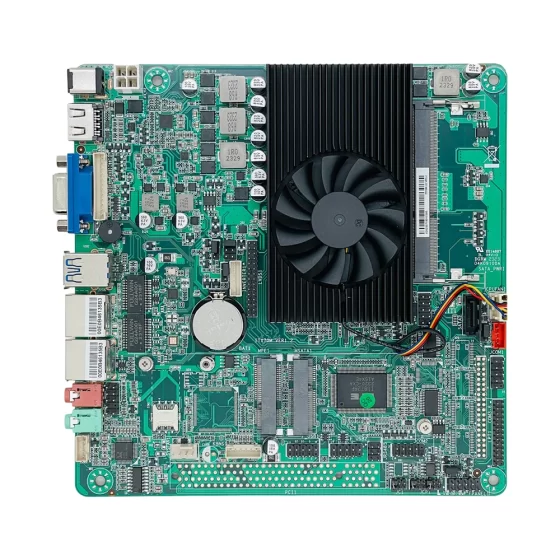
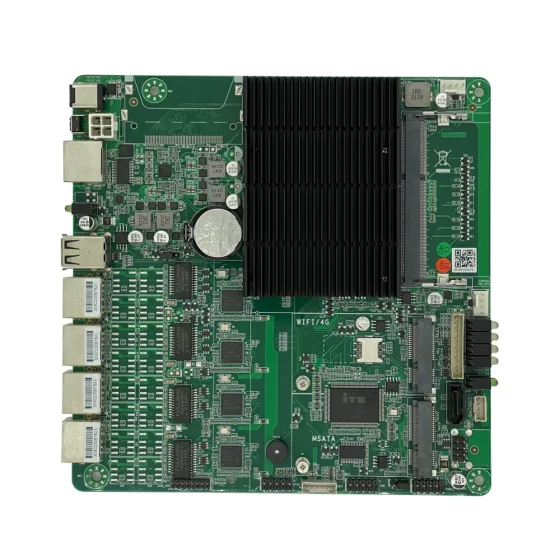
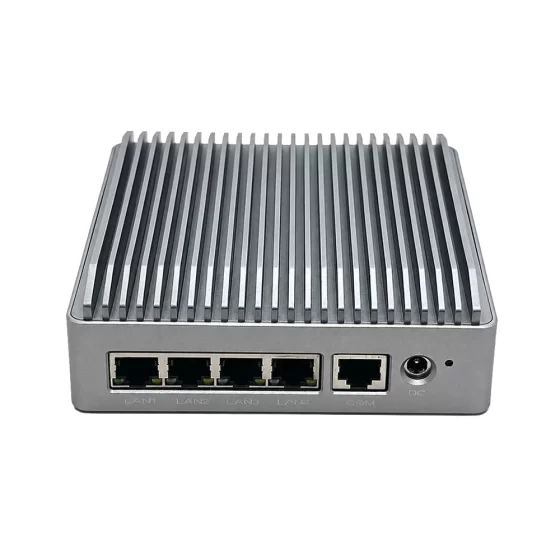
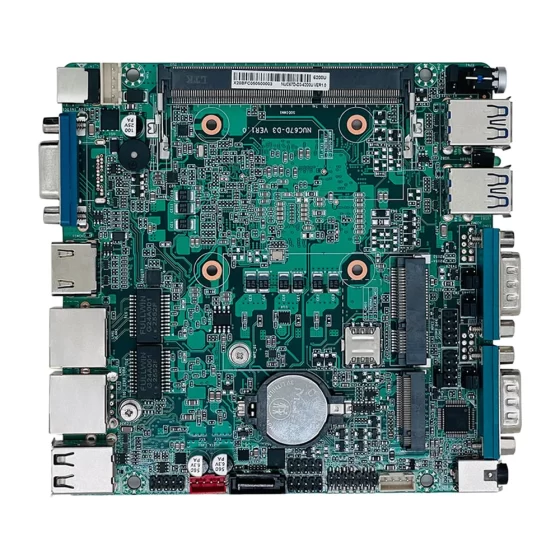
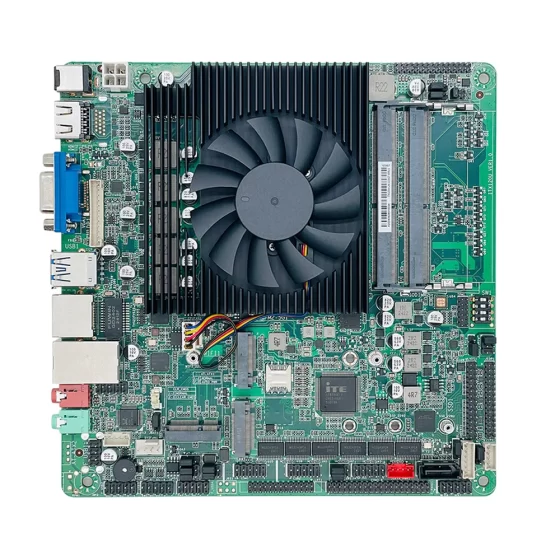
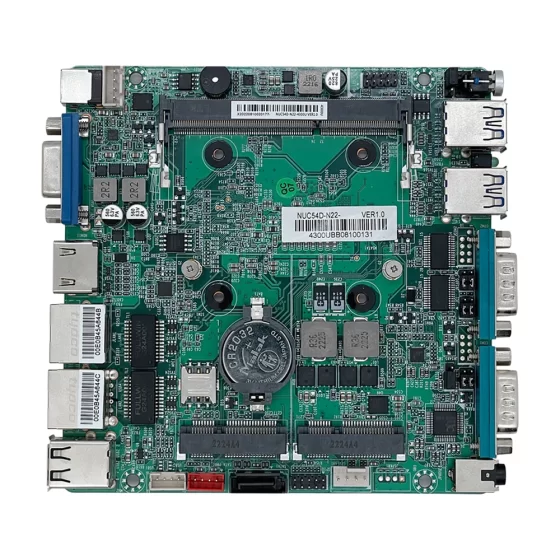
حلول الحوسبة الصناعية CoreIPC

منصة تكامل MES للتصنيع الذكي: الحوسبة الصناعية لعمليات المصانع المتصلة
ملخص تنفيذي
A MES integration platform is the digital bridge between production equipment, shop-floor operators, manufacturing execution software, and enterprise business systems.
In smart manufacturing environments, factories need more than isolated machines and manual reporting. They need reliable data flow from PLCs, أجهزة الاستشعار, ماسحات الباركود, قارئات RFID, أنظمة التفتيش, production terminals, and industrial networks into the MES system.
This is where industrial computer and embedded computer platforms become essential. They provide the local computing layer required to connect machines, جمع بيانات الإنتاج, process information near the equipment, and synchronize manufacturing records with MES software.
A well-designed MES integration platform helps manufacturers improve production visibility, تقليل التقارير اليدوية, تعزيز التتبع, and connect legacy equipment with modern digital systems.
لكن, MES integration is not only a software challenge. It also depends on stable industrial hardware, الإدخال/الإخراج المرن, توافر دورة حياة طويلة, شبكات موثوقة, and practical deployment across real factory environments.
This article explains how industrial computers support MES integration platforms, ما هي التحديات التي يواجهها المصنعون, how the system architecture works, and which hardware features matter most for smart manufacturing deployment.
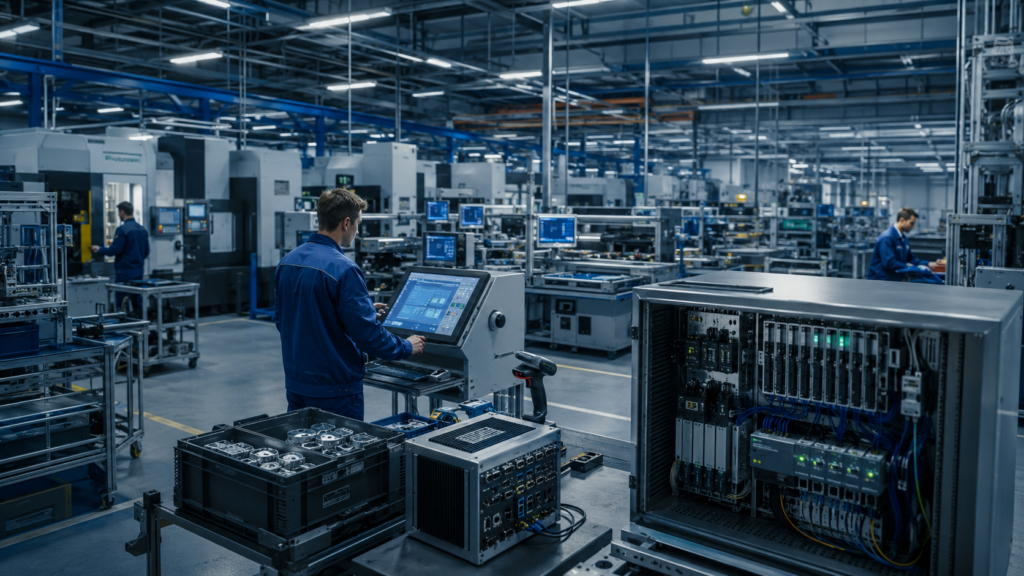
Industrial computers collect shop-floor data from machines, الماسحات الضوئية, الشركات المحدودة العامة, ومحطات التشغيل.
نظرة عامة على الصناعة
Smart Manufacturing Requires Connected Production Data
Smart manufacturing depends on accurate and timely production data.
Factories need to know what is happening on each line, آلة, محطة العمل, inspection area, and material flow process. Without reliable data collection, MES software cannot provide accurate work order tracking, حالة الإنتاج, سجلات الجودة, or traceability.
A MES integration platform connects these production activities into one digital workflow.
It collects data from equipment and operators, then transfers that data to MES software, قواعد البيانات, لوحات المعلومات, وأنظمة المؤسسات. This allows manufacturers to move from manual reporting to real-time production visibility.
MES Is Becoming a Shop-Floor Integration System
Traditional MES systems were often treated as production management software.
اليوم, MES is increasingly connected to factory equipment, أنظمة الأتمتة, فحص الجودة, warehouse operations, and operator terminals. This makes the hardware integration layer more important than before.
Typical MES-connected devices may include:
- وحدات تحكم PLC
- آلات التصنيع باستخدام الحاسب الآلي
- محطات التجميع
- ماسحات الباركود
- قارئات RFID
- طابعات الملصقات
- كاميرات رؤية الآلة
- أدوات الاختبار
- Industrial displays
- لوحات الإنتاج
- Local servers and databases
To connect these devices reliably, factories need industrial-grade computing platforms deployed close to the production process.
Why Industrial Computers Are Important
قد تعمل أجهزة الكمبيوتر التجارية في البيئات المكتبية, but MES integration usually happens near machines and production lines.
Industrial computers are designed for continuous operation, الإدخال/الإخراج الصناعي, تركيب مجلس الوزراء, تبريد بدون مروحة, شبكات مستقرة, والنشر على المدى الطويل.
An industrial computer can work as a MES terminal, machine data gateway, edge computing node, محطة عمل فحص الجودة, or protocol integration platform.
An embedded computer can be installed inside cabinets, آلات, production workstations, أو معدات تصنيع المعدات الأصلية. This makes it suitable for compact MES integration tasks where space, مصداقية, and interface flexibility are important.

Industrial PCs help connect mixed factory equipment to MES platforms.
التحديات الرئيسية
Mixed Equipment and Legacy Machines
Many factories use equipment from different vendors and different generations.
Some machines support modern Ethernet-based communication. Others may only provide RS232, RS485, USB, إشارات الاتصال الجافة, or no direct digital interface at all.
This creates a common MES integration challenge: the system must connect both new and old equipment without disrupting production.
A practical MES integration platform must support different communication methods and allow gradual digitalization of existing production assets.
Unstable Shop-Floor Environments
MES integration hardware is often installed in demanding environments.
A computer may be mounted inside a control cabinet, near a conveyor, beside a CNC machine, or at an operator workstation. These locations may expose the device to dust, اهتزاز, حرارة, الضوضاء الكهربائية, حركة الكابل, and unstable power.
If the integration computer fails, قد يتوقف جمع البيانات. Operators may lose access to work instructions. قد تصبح سجلات الجودة غير مكتملة.
This is why industrial-grade reliability is important for MES deployment.
Data Accuracy and Real-Time Visibility
MES systems depend on complete and accurate production data.
إذا تم تفويت عمليات مسح الباركود, machine status updates are delayed, or test results are not uploaded correctly, the MES system cannot provide reliable visibility.
Manufacturers may face problems such as:
- Incomplete traceability records
- Delayed production reporting
- Incorrect work order status
- Missing quality inspection data
- Manual correction workload
- Difficulty finding root causes
A reliable industrial computer helps reduce these risks by keeping data acquisition stable at the production point.
Network Segmentation and Security
MES integration platforms often connect machine networks with factory IT networks.
This creates security and network design requirements. A machine network may need to remain isolated from office systems, while MES data still needs to reach servers and enterprise platforms.
Multiple LAN ports can be useful in this situation.
One LAN port can connect to PLCs or machines, بينما يتصل آخر بخادم MES أو شبكة المصنع. This separation improves network organization and can support more controlled data flow.
Scaling from Pilot Line to Full Factory
Many MES projects begin with a small pilot line.
After successful testing, the same system may need to expand to multiple production lines, ورش العمل, plants, or customer sites.
If the hardware platform is not stable or long-term available, scaling becomes difficult. صور البرمجيات, السائقين, ملحقات التركيب, قطع غيار, and support procedures may need to be rebuilt repeatedly.
A standardized industrial computing platform helps simplify this expansion.
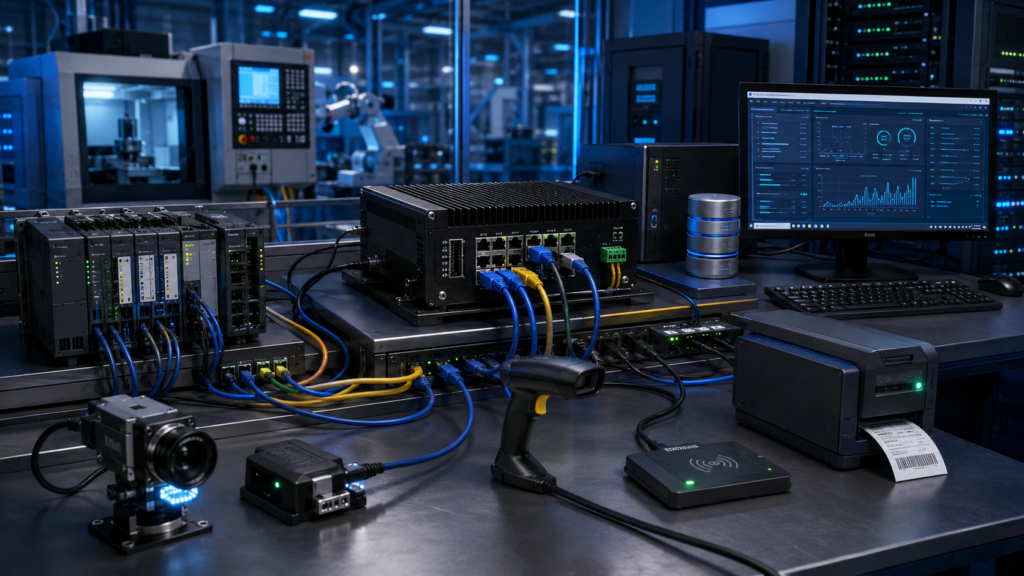
Industrial computers act as edge nodes between factory devices and MES software.
MES Integration Platform Solution Architecture
طبقة الآلة والجهاز
The machine and device layer includes the physical equipment that generates production data.
قد يشمل ذلك الشركات المحدودة العامة, وحدات تحكم, CNC systems, أجهزة الاستشعار, ماسحات الباركود, قارئات RFID, أجهزة الوزن, أدوات الاختبار, الكاميرات, متر, and production tools.
These devices generate many types of data, مشتمل:
- حالة الآلة
- وقت الدورة
- Production quantity
- Alarm information
- تأكيد المشغل
- معرف المنتج
- رقم دفعة المادة
- نتيجة الاختبار
- صورة التفتيش
- معلمة العملية
The MES integration platform must collect this information from different interfaces and convert it into usable production data.
طبقة حوسبة الحافة الصناعية
The industrial edge computing layer is where industrial computers and embedded computers are deployed.
This layer is usually located close to machines, خطوط الإنتاج, خزائن, محطات التفتيش, or operator terminals.
عند هذه الطبقة, قد يقوم الكمبيوتر الصناعي بمهام مثل:
- Running MES client applications
- Collecting data from machines
- Connecting barcode and RFID devices
- Communicating with PLCs
- Managing local peripherals
- Buffering data during network interruption
- Converting protocols
- Uploading records to MES software
- Displaying work instructions
- Supporting operator interaction
This layer improves reliability because production data does not depend entirely on remote servers.
MES Application Layer
The MES application layer manages production workflows.
It may include work order execution, التحكم في التوجيه, تتبع الإنتاج, إدارة الجودة, إمكانية التتبع, operator management, حالة المعدات, إعداد التقارير, وتصور لوحة القيادة.
Industrial computers send shop-floor data to this layer and receive instructions from MES software.
على سبيل المثال, the MES system may send work instructions to an operator terminal. The industrial computer displays the instructions, نتائج مسح السجلات, and sends completion data back to the MES server.
Enterprise System Layer
MES platforms are often connected with ERP, WMS, الحركة الشعبية لتحرير السودان, سكادا, أو أنظمة ذكاء الأعمال.
This connection allows production data to support business planning, مراقبة المخزون, تحليل الجودة, maintenance planning, وإدارة التسليم.
The MES integration platform does not replace enterprise software. بدلاً من, it provides the accurate shop-floor data foundation required for these systems to work effectively.
Local Resilience and Data Buffering
In real factories, network interruptions may happen.
A strong MES integration platform should support local resilience. The industrial computer can temporarily store data, continue collecting production records, and synchronize with the MES server after the connection is restored.
This is especially useful for factories where production cannot stop because of temporary network instability.
الميزات الرئيسية
موثوقية من الدرجة الصناعية
The most important requirement for MES integration hardware is stable operation.
A MES integration computer may run continuously across multiple shifts. It may be installed near production equipment where downtime can affect reporting, إمكانية التتبع, and process control.
وتشمل ميزات الموثوقية الهامة:
- خيارات النظام بدون مروحة
- تصميم اللوحة الأم الصناعية
- دعم تخزين SSD
- هيكل العلبة وعرة
- تصميم حراري مستقر
- خيارات إدخال الجهد العريض
- طرق التركيب الآمنة
- تخطيط دورة حياة طويلة
The goal is not only computing performance. The goal is dependable operation in real factory conditions.
Flexible I/O for Factory Devices
MES integration often requires many types of I/O.
A single workstation may need to connect a touchscreen, scanner, قارئ رفيد, طابعة الملصقات, serial device, Ethernet cable, جهاز يو اس بي, and sometimes digital I/O.
قد تشمل واجهات مفيدة:
- منافذ LAN متعددة
- USB 2.0 و يو اس بي 3.0
- RS232
- RS485
- اتش دي ام اي
- منفذ العرض
- جيبيو
- توسعة M.2
- توسيع PCIe صغير
- دعم الوحدة اللاسلكية
The right I/O configuration reduces the need for external adapters and improves system reliability.
Multiple Network Ports
Multiple LAN ports are valuable in many MES integration platforms.
They allow one computer to connect different network zones. على سبيل المثال, one port may connect to machine controllers, while another connects to the MES server network.
This helps support:
- Machine network separation
- Factory IT network connection
- تطبيقات البوابة
- Data acquisition from isolated equipment
- More controlled communication paths
For smart manufacturing systems, network design is just as important as software configuration.
Fanless and Compact System Design
A fanless industrial computer is often suitable for MES integration because it reduces dust intake and removes one mechanical failure point.
Compact embedded computers are useful when installation space is limited.
They can be mounted inside control cabinets, خلف شاشات العرض, تحت محطات العمل, or directly inside equipment.
This makes them suitable for both factory retrofits and OEM machine integration.
التخزين وحماية البيانات
MES integration platforms may store operating system files, MES client software, سجلات, سجلات الإنتاج المؤقتة, صور التفتيش, وقواعد البيانات المحلية.
SSD storage is commonly used because it offers better shock resistance and faster response than traditional mechanical drives.
For applications with frequent logging or image storage, storage endurance and capacity should be reviewed carefully.
Operating System and Peripheral Compatibility
قد يتم تشغيل برنامج MES على نظام التشغيل Windows, لينكس, browser-based systems, or custom industrial software environments.
Before large deployment, يجب اختبار الأجهزة مع نظام التشغيل المستهدف, برامج تشغيل الأجهزة, الماسحات الضوئية, الطابعات, الكاميرات, برامج الأمن, remote access tools, and MES applications.
This helps avoid compatibility problems during rollout.
سيناريوهات النشر
MES Operator Terminals
Operator terminals are one of the most common MES integration scenarios.
An industrial computer can be connected to a touchscreen, ماسح الباركود, لوحة المفاتيح, قارئ رفيد, وطابعة التسمية.
At the station, operators can view work instructions, scan materials, confirm production steps, سجل العيوب, وتقديم نتائج الإنتاج.
This reduces paper-based workflows and improves data accuracy.
Machine Data Collection Gateways
An industrial computer can work as a machine data collection gateway.
قد يتصل بـ PLCs, آلات التصنيع باستخدام الحاسب الآلي, أجهزة الاستشعار, متر, أو وحدات التحكم. The system can collect machine status, كمية الإخراج, بيانات التنبيه, وقت الدورة, وقيم العملية.
This is especially useful when machines cannot communicate directly with MES software.
محطات فحص الجودة
Quality inspection is a key part of MES integration.
An embedded computer or industrial PC can connect to cameras, أدوات القياس, أدوات الاختبار, ماسحات الباركود, والطابعات.
It can associate inspection results with product IDs, تخزين السجلات المؤقتة, and upload quality data to the MES system.
This helps manufacturers improve traceability and quality analysis.
SMT وتصنيع الإلكترونيات
Electronics manufacturing often requires detailed traceability.
MES integration may track PCB serial numbers, دفعات المكونات, نتائج التفتيش, سجلات الاختبار, rework status, ومعلومات التعبئة والتغليف.
يمكن نشر أجهزة الكمبيوتر الصناعية بالقرب من خطوط SMT, معدات المنظمة العربية للتصنيع, ICT testers, functional test stations, مقاعد الإصلاح, and packing areas.
Stable computing hardware is important because each process step may generate critical traceability data.
CNC and Machinery Workshops
CNC workshops often include machines from different generations.
Some machines may support Ethernet communication, while others require serial communication or external monitoring devices.
An industrial computer with flexible I/O can help collect machine status, التهم الإنتاج, operator input, and alarm records.
This allows mechanical processing workshops to connect existing machines into the MES workflow.
Warehouse and Material Management
MES integration also extends to material flow.
Industrial computers can be used in receiving areas, مستودعات على جانب الخط, material preparation zones, and finished goods stations.
By connecting scanners, قارئات RFID, معدات الوزن, وطابعات الملصقات, the system can improve material traceability and reduce manual entry errors.
تكامل معدات OEM
Machine builders can integrate embedded computers or industrial motherboards directly into their equipment.
This allows machines to support MES connectivity, الإبلاغ عن البيانات, واجهة المشغل, التشخيص عن بعد, and production tracking functions.
لمصنعي المعدات الأصلية, this creates more value for customers who need equipment ready for smart manufacturing environments.
فوائد الأعمال
تحسين رؤية الإنتاج
A MES integration platform helps manufacturers understand what is happening on the factory floor.
Industrial computers collect data from machines and operators, then send this information to MES dashboards and databases.
Production teams can see work order progress, حالة الآلة, كمية الإخراج, أسباب التوقف, ونتائج الجودة بسرعة أكبر.
This improves decision-making and reduces response time.
Stronger Product Traceability
Traceability depends on accurate data collection at each process point.
Industrial computers help collect product IDs, دفعات مادية, إجراءات المشغل, معلمات العملية, نتائج الاختبار, وسجلات التفتيش.
وهذا يدعم مراقبة الجودة, عمليات تدقيق العملاء, تحليل الضمان, والتحقيق في السبب الجذري.
For industries with strict quality requirements, traceability is one of the most important benefits of MES integration.
تقليل التقارير اليدوية
Manual reporting is slow and error-prone.
A MES integration platform allows production data to be captured directly from machines, الماسحات الضوئية, مشغلي, ومعدات التفتيش.
وهذا يقلل من الأعمال الورقية, improves data consistency, ويختصر الوقت اللازم لفهم حالة الإنتاج.
الاستخدام الأفضل للمعدات الموجودة
Factories do not always need to replace existing machines to build smart manufacturing systems.
يمكن لأجهزة الكمبيوتر الصناعية توصيل المعدات القديمة من خلال المنافذ التسلسلية, إيثرنت, USB, أو البوابات الخارجية.
This allows manufacturers to digitalize existing production assets step by step.
نشر المصنع الذكي القابل للتطوير
A standardized industrial computing platform supports scalable MES deployment.
When the same hardware platform is used across multiple lines or factories, it becomes easier to manage software images, قطع غيار, maintenance procedures, تمرين, والدعم الفني.
This is important for manufacturers expanding from pilot projects to full production rollout.
Foundation for Industrial IoT and Analytics
MES integration creates the data foundation for more advanced smart manufacturing applications.
Once machines and production processes are connected, manufacturers can build equipment monitoring, تحليلات الجودة, الصيانة التنبؤية, لوحات معلومات إنترنت الأشياء الصناعية, and process optimization systems.
Industrial computers provide the edge computing layer required for this long-term development.
لماذا كورIPC
توفر CoreIPC منصات الحوسبة الصناعية للتصنيع, الأتمتة, اتصال الآلة, وتكامل النظام المدمج. For MES integration platforms, يركز CoreIPC على أجهزة الكمبيوتر الصناعية الموثوقة, حلول الكمبيوتر المدمجة, تكوينات الإدخال/الإخراج المرنة, تصميم نظام مدمج, ودعم التخصيص OEM/ODM. CoreIPC يساعد تكامل النظام, بناة المعدات, وتقوم فرق التصنيع باختيار منصات الحوسبة التي تتوافق مع المتطلبات الحقيقية للمتجر, بما في ذلك واجهات الآلة, طرق التركيب, مدخلات الطاقة, الظروف الحرارية, تخطيط دورة الحياة, and deployment scalability.
الأسئلة المتداولة
1. What is a MES integration platform?
A MES integration platform connects production equipment, مشغلي, أجهزة الكمبيوتر الصناعية, and MES software into one manufacturing data workflow.
It collects data from machines, الماسحات الضوئية, أجهزة الاستشعار, الشركات المحدودة العامة, محطات التفتيش, and operator terminals. Then it transfers this data to MES databases, لوحات المعلومات, وأنظمة المؤسسات. The goal is to improve production visibility, إمكانية التتبع, ضبط الجودة, and manufacturing execution.
2. Why does a MES integration platform need industrial computers?
Industrial computers provide the reliable shop-floor hardware layer required for MES integration.
They can connect factory devices, run MES client software, جمع بيانات الإنتاج, display work instructions, and communicate with MES servers. بالمقارنة مع أجهزة الكمبيوتر المكتبية, industrial computers are better suited for factory environments where dust, اهتزاز, حرارة, long operating hours, and industrial interfaces are common.
3. How is an embedded computer used in MES integration?
يمكن تثبيت جهاز كمبيوتر مضمن بالقرب من الأجهزة, داخل الخزانات, خلف شاشات العرض, أو داخل معدات تصنيع المعدات الأصلية.
It may collect PLC data, connect barcode scanners, communicate with sensors, buffer production records, or run local MES applications. Because embedded computers are compact and reliable, they are useful for machine-side integration and space-limited smart manufacturing systems.
4. What interfaces are commonly needed for MES integration?
Common MES integration interfaces include LAN, USB, RS232, RS485, اتش دي ام اي, منفذ العرض, جيبيو, م.2, وميني PCIe.
USB is often used for barcode scanners, قارئات RFID, الكاميرات, الطابعات, and keyboards. Serial ports may connect older machines, متر, أو الشركات المحدودة العامة. Multiple LAN ports can separate machine communication from MES server communication.
5. Can MES integration connect legacy factory equipment?
نعم. Many MES integration projects focus on connecting legacy machines.
Industrial computers can collect data through RS232, RS485, إيثرنت, USB, أجهزة الاستشعار, أو وحدات البوابة الخارجية. وهذا يسمح للمصانع برقمنة المعدات القديمة دون استبدال جميع الآلات. It also helps manufacturers gradually build smart manufacturing capabilities.
6. Why are multiple LAN ports useful in MES integration?
Multiple LAN ports allow one industrial computer to connect different network zones.
على سبيل المثال, one LAN port may connect to PLCs or machine controllers, بينما يتصل آخر بخادم MES أو شبكة المصنع. يمكن أن يؤدي هذا الفصل إلى تحسين تنظيم الشبكة, دعم التصميم الأمني, and reduce unnecessary interference between machine traffic and business system traffic.
7. Is a fanless industrial computer suitable for MES applications?
نعم. A fanless industrial computer is often suitable for MES applications because it reduces dust intake and removes a common mechanical failure point.
This is useful in production areas where maintenance access is limited or dust may affect standard computers. The final selection should still consider processor workload, درجة الحرارة المحيطة, تدفق الهواء الضميمة, ومكان التركيب.
8. How does MES integration improve traceability?
MES integration improves traceability by capturing production data at each process step.
Industrial computers can collect product serial numbers, material batch data, إجراءات المشغل, معلمات الآلة, نتائج التفتيش, وسجلات الاختبار. When this information is linked to the MES system, manufacturers can track product history more accurately and support quality analysis.
9. What should be considered before deploying MES integration hardware?
قبل النشر, manufacturers should review machine interfaces, الأجهزة الطرفية, تصميم الشبكة, توافق نظام التشغيل, mounting space, مدخلات الطاقة, الظروف البيئية, احتياجات التخزين, ومتطلبات دورة الحياة.
It is also important to test the hardware with real MES software, الماسحات الضوئية, الطابعات, الاتصالات PLC, and remote maintenance tools before large-scale rollout.
10. Can OEM machine builders use industrial computers for MES-ready equipment?
نعم. OEM machine builders can use embedded computers, أجهزة الكمبيوتر الصناعية, or industrial motherboards to make equipment ready for MES integration.
This allows machines to support data reporting, واجهة المشغل, التشخيص عن بعد, تتبع الإنتاج, واتصال العملاء MES. لمصنعي المعدات الأصلية, integrated computing hardware can improve product value and simplify deployment for end users.
خاتمة
A MES integration platform is a critical foundation for smart manufacturing.
It connects machines, مشغلي, الماسحات الضوئية, معدات التفتيش, production terminals, and enterprise systems into a reliable manufacturing data workflow. Without stable shop-floor computing hardware, MES software cannot collect accurate data or support real-time production visibility.
Industrial computer and embedded computer platforms provide the edge computing layer required for this integration. They support machine communication, تفاعل المشغل, معالجة البيانات المحلية, network separation, and long-term deployment in real factory environments.
للمصنعين, تكامل النظام, وبناة معدات OEM, selecting the right hardware platform is essential. The decision should consider I/O configuration, networking, تصاعد, power design, thermal performance, تخزين, توافق نظام التشغيل, وتخطيط دورة الحياة.
CoreIPC supports MES integration platform projects with industrial computing solutions designed for practical smart manufacturing deployment. مع أساس الأجهزة الصحيح, factories can improve visibility, إمكانية التتبع, equipment connectivity, and long-term digital manufacturing scalability.
اتصل بنا
أبحث عن جهاز كمبيوتر صناعي, الكمبيوتر المدمج, or industrial motherboard for a MES integration platform?
تواصل مع CoreIPC لمناقشة متطلبات مشروعك, بما في ذلك واجهات الآلة, تكوين الإدخال/الإخراج, طريقة التركيب, منصة المعالج, مدخلات الطاقة, بيئة التشغيل, احتياجات دورة الحياة, وخيارات التخصيص OEM/ODM.