Soluciones de informática industrial CoreIPC

IPC industrial para fabricación digital: IPC de fabricación digital confiable para operaciones de fábrica conectadas
Resumen ejecutivo
Un ipc de fabricación digital proporciona la base informática industrial necesaria para conectar máquinas, operadores, datos de producción, sistemas de calidad, y redes de fábrica en un flujo de trabajo digital confiable.
A medida que los fabricantes pasan de la gestión de producción manual a operaciones de fábrica conectadas, El hardware informático industrial se convierte en una parte fundamental de la arquitectura de fabricación digital.. Plataformas de software como MES, SCADA, Paneles de IIoT, sistemas de calidad, y las herramientas de análisis dependen de datos estables de la fábrica.
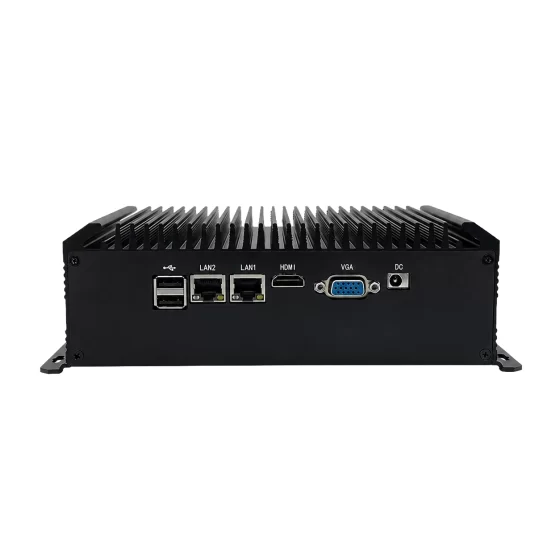
Un IPC industrial está diseñado para funcionar cerca de máquinas., líneas de producción, gabinetes de control, estaciones de inspección, y estaciones de trabajo del operador. Puede recopilar datos de la máquina., ejecutar aplicaciones locales, conectar periféricos industriales, procesamiento de bordes de soporte, y transferir información de producción a sistemas de nivel superior.
En comparación con las computadoras comerciales estándar, Las computadoras industriales y las computadoras integradas brindan una mayor confiabilidad., E/S más flexibles, mejores opciones de montaje, diseños sin ventilador, soporte de ciclo de vida largo, e integración práctica con entornos de fábrica reales.
Este artículo explica cómo las plataformas industriales IPC apoyan la fabricación digital., ¿Qué desafíos enfrentan los fabricantes durante la implementación?, cómo se estructura una arquitectura de solución práctica, y qué características de hardware son importantes para construir sistemas de fábrica conectados escalables.

Las computadoras industriales recopilan datos de máquinas y operadores para operaciones de fábrica conectadas.
Descripción general de la industria
La fabricación digital depende de datos reales de fábrica
La fabricación digital no se trata sólo de software. Depende de la precisión, estable, y datos oportunos de entornos de producción reales.
Las fábricas necesitan comprender lo que sucede entre las máquinas, pauta, estaciones de trabajo, áreas de inspección, almacenes, y sistemas de control. Sin datos fiables sobre el taller, paneles digitales, plataformas MES, sistemas de calidad, y las herramientas de análisis no pueden proporcionar resultados significativos.
Un sistema de fabricación digital práctico normalmente requiere datos de:
- PLC y controladores de máquinas
- Máquinas CNC y equipos de producción.
- Sistemas de códigos de barras y RFID
- Sensores y medidores
- Sistemas de inspección por visión
- Terminales de operador
- Instrumentos de prueba
- Bases de datos de producción
- Redes de fábrica
El hardware IPC industrial proporciona la capa informática que conecta estos sistemas físicos con el software de fabricación digital..
De máquinas aisladas a operaciones conectadas
Muchas fábricas todavía operan con equipos aislados y flujos de trabajo desconectados..
Una máquina puede funcionar normalmente., pero su estado puede no ser visible para el gerente de producción. El resultado de una inspección de calidad se puede guardar localmente, pero no vinculado al registro del producto. Un operador puede informar el tiempo de inactividad manualmente después de que el evento ya haya pasado..
La fabricación digital pretende reducir estas brechas.
Las computadoras industriales ubicadas en puntos clave de producción ayudan a recolectar, proceso, y transferir datos en tiempo real. Esto hace que el estado de producción, registros de calidad, rendimiento del proceso, y las condiciones del equipo son más visibles en toda la organización.
Por qué es importante el hardware IPC industrial
Las PC comerciales pueden funcionar en entornos de oficina, pero la fabricación digital requiere hardware que pueda funcionar en condiciones industriales.
Es posible que un IPC industrial deba funcionar continuamente cerca de máquinas, dentro de los gabinetes, o en líneas de producción. Puede conectarse a escáneres, sensores, PLC, camaras, muestra, dispositivos seriales, y conmutadores de red.
Esto requiere más que el rendimiento de la CPU. Requiere diseño industrial.
Las plataformas ipc de fabricación digital confiables ayudan a los fabricantes a construir nodos informáticos de vanguardia estables, Pasarelas de datos de máquina, terminales de operador, y sistemas de control integrados que pueden respaldar la digitalización de fábricas a largo plazo.

Las plataformas industriales IPC ayudan a conectar equipos de fábrica mixtos a sistemas de fabricación digital.
Desafíos clave
Conexión de equipos de fábrica mixtos
Las fábricas suelen contener equipos de diferentes proveedores., diferentes generaciones, y diferentes estándares de comunicación.
Algunas máquinas usan Ethernet. Otros usan RS232, RS485, USB, señales de contacto seco, o módulos de puerta de enlace externos. Es posible que los equipos más antiguos no admitan directamente la integración de software moderno.
Esto crea un importante desafío de fabricación digital..
La computadora industrial debe admitir suficiente flexibilidad de interfaz para conectar equipos antiguos y modernos sin forzar un reemplazo completo de la máquina..
Mantener la confiabilidad en entornos hostiles
Los sistemas IPC industriales a menudo se instalan en áreas donde las computadoras estándar no son ideales.
Las condiciones comunes incluyen:
- Polvo y partículas
- Calor de máquinas cercanas
- Vibración del equipo de producción.
- Ruido electrico
- poder inestable
- Espacio de instalación limitado
- Horarios de funcionamiento prolongados
Si el hardware informático falla, la recopilación de datos puede detenerse. Los operadores pueden perder el acceso a las instrucciones.. Los registros de calidad pueden quedar incompletos. La visibilidad de la producción puede verse interrumpida..
Por esta razón, El hardware de fabricación digital debe seleccionarse para garantizar la confiabilidad., no sólo por el precio o la velocidad del procesador.
Garantizar la precisión de los datos
La fabricación digital depende de la precisión de los datos.
Si se omiten los escaneos de códigos de barras, El estado de la máquina está retrasado., o los resultados de la inspección no se cargan correctamente, El sistema puede mostrar una imagen incompleta o engañosa de la producción..
Esto puede afectar:
- Seguimiento de órdenes de trabajo
- Trazabilidad del producto
- Análisis de calidad
- Informes de tiempo de inactividad
- Utilización del equipo
- Mejora de procesos
- Preparación para la auditoría del cliente.
Las computadoras industriales ayudan a reducir estos riesgos al proporcionar una recopilación de datos local estable y un funcionamiento continuo cerca del proceso de producción..
Gestión de la segmentación de la red
Un sistema de fabricación digital puede conectar redes de máquinas, redes de producción, redes informáticas, servidores locales, y plataformas en la nube.
Esto requiere un diseño de red cuidadoso..
En muchos casos, un IPC industrial necesita múltiples puertos LAN. Un puerto puede conectarse a PLC o máquinas, mientras que otro se conecta a servidores MES, bases de datos, o sistemas informáticos de fábrica.
Esta separación ayuda a mejorar la organización de la red., reducir la interferencia innecesaria del tráfico, y apoyar un mejor control de seguridad.
Ampliando más allá de los proyectos piloto
Muchos proyectos de fabricación digital comienzan con una línea o un taller.
Después de que el piloto tenga éxito, el sistema debe expandirse a más máquinas, líneas de producción, edificios, o fábricas. En esta etapa, El hardware inconsistente se convierte en un problema..
Diferentes modelos de PC, diferentes conductores, diferentes adaptadores de corriente, y diferentes diseños de montaje pueden aumentar la carga de trabajo de mantenimiento.
Las plataformas IPC industriales estandarizadas ayudan a simplificar el escalado, planificación de repuestos, software de gestión de imágenes, y soporte técnico a largo plazo.

Los IPC industriales actúan como nodos informáticos de vanguardia entre las máquinas y el software de fábrica..
Arquitectura de la solución IPC de fabricación digital
Capa de máquinas y equipos
La capa de máquina incluye el equipo de producción física que genera datos operativos..
Esto puede incluir PLC, maquinas cnc, transportadores, robots, sensores, medidores industriales, escáneres de códigos de barras, Lectores RFID, equipo de prueba, y sistemas de visión artificial.
Estos dispositivos generan diferentes tipos de información de producción.:
- Estado de funcionamiento de la máquina
- recuento de producción
- tiempo de ciclo
- Eventos de alarma
- Parámetros del proceso
- ID del producto
- Número de lote de material
- Resultados de la inspección
- Confirmación del operador
- Datos de utilización del equipo
El desafío es recopilar esta información de múltiples fuentes y hacerla utilizable para plataformas de fabricación digital..
Capa de computación de borde industrial
La capa de computación de borde industrial es donde el IPC industrial desempeña el papel central..
Los ordenadores industriales y los ordenadores integrados se instalan cerca de las máquinas., gabinetes, estaciones de operador, o sistemas de inspección. Recopilan datos de dispositivos locales, información del proceso, y comunicarse con plataformas de software de fábrica.
en esta capa, el IPC puede realizar varias tareas:
- Adquisición de datos de la máquina
- Conversión de protocolo
- Almacenamiento en búfer de datos locales
- Operación del cliente MES
- pantalla HMI
- Soporte de inspección de calidad
- Procesamiento de códigos de barras y RFID
- Análisis de borde
- Sincronización de bases de datos
- Soporte de monitoreo remoto
Esta capa mejora la resiliencia del sistema porque los datos de producción se pueden manejar cerca de donde se crean..
Capa de software de fábrica
La capa de software de fábrica incluye MES, SCADA, sistemas de gestión de calidad, paneles de producción, plataformas de monitoreo de equipos, y bases de datos industriales.
El IPC industrial envía datos a estos sistemas y también puede recibir instrucciones de ellos..
Por ejemplo, un sistema MES puede enviar una orden de trabajo a una estación de producción. El IPC industrial muestra las instrucciones de trabajo., registra los resultados del escaneo, recoge el estado de la máquina, y carga datos de finalización.
Esto crea un flujo de trabajo digital de circuito cerrado entre la ejecución de la producción y la gestión de datos..
Capa empresarial y de nube
Los sistemas de fabricación digital suelen estar conectados con ERP, PLM, WMS, herramientas de inteligencia empresarial, o plataformas de análisis en la nube.
Estos sistemas utilizan datos de fábrica para la planificación., inventario, mejora de la calidad, mantenimiento, informar, y toma de decisiones empresariales.
El hardware IPC industrial no reemplaza el software empresarial. En cambio, Proporciona la base de datos confiable que permite que estos sistemas funcionen con información de producción precisa..
Resiliencia local
Las fábricas no siempre pueden depender de unas condiciones perfectas de la red.
Una sólida arquitectura ipc de fabricación digital debería respaldar la resiliencia local. El ordenador industrial puede seguir recopilando datos, almacenar registros temporalmente, y sincronizar con el servidor después de que la red se recupere.
Esto ayuda a reducir la pérdida de datos y respalda la producción continua incluso cuando la comunicación es temporalmente inestable..
Características clave
Confiabilidad de grado industrial
La confiabilidad es la característica más importante de un IPC industrial utilizado en la fabricación digital..
Es posible que el sistema deba funcionar continuamente en varios turnos.. Puede instalarse cerca de equipos de producción donde el tiempo de inactividad afecta directamente los informes., trazabilidad, y visibilidad del proceso.
Los factores de confiabilidad importantes incluyen:
- Diseño de placas base industriales
- Opciones de sistema sin ventilador
- Estructura de recinto resistente
- Soporte de almacenamiento SSD
- Diseño térmico estable
- Opciones de entrada de amplio voltaje
- Métodos de montaje seguros
- Planificación de ciclo de vida largo
El objetivo es un funcionamiento estable en entornos de fábrica reales..
Configuración de E/S flexible
Los proyectos de fabricación digital suelen requerir muchas conexiones de dispositivos.
Es posible que un único IPC industrial necesite conectar lectores de códigos de barras, Lectores RFID, camaras, impresoras, muestra, PLC, sensores, y dispositivos de red.
Las interfaces útiles pueden incluir:
- Múltiples puertos LAN
- USB 2.0 y USB 3.0
- RS232
- RS485
- hdmi
- DisplayPort
- GPIO
- Expansión M.2
- Expansión mini PCIe
- Soporte de módulo inalámbrico
El diseño de E/S correcto reduce los adaptadores externos y mejora la estabilidad del sistema..
Diseño sin ventilador y de bajo mantenimiento
Las computadoras industriales sin ventilador se utilizan ampliamente en entornos de fabricación digital.
Quitando ventiladores mecánicos, el sistema reduce la entrada de polvo y elimina un punto de falla común. Esto es útil en fábricas donde el acceso para mantenimiento es limitado o donde las partículas en el aire pueden afectar las computadoras estándar..
El diseño sin ventilador aún debe combinarse con el procesador correcto, recinto, temperatura ambiente, y método de instalación.
Integración mecánica compacta
Los sistemas IPC industriales suelen instalarse en lugares con espacio limitado.
Pueden montarse dentro de armarios de control., detrás de las pantallas, debajo de las estaciones de trabajo, en bastidores de máquinas, o dentro de equipos OEM.
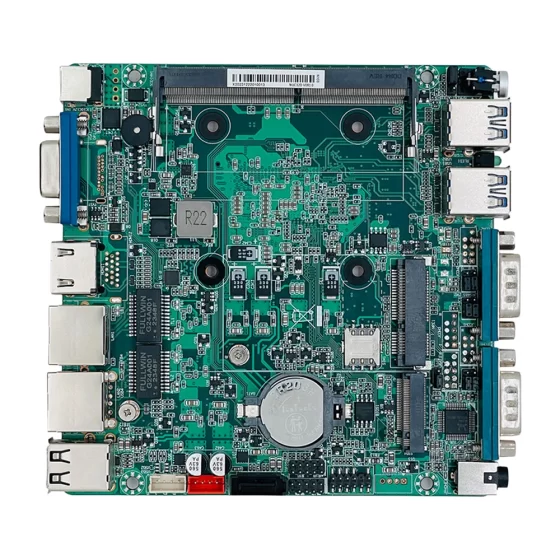
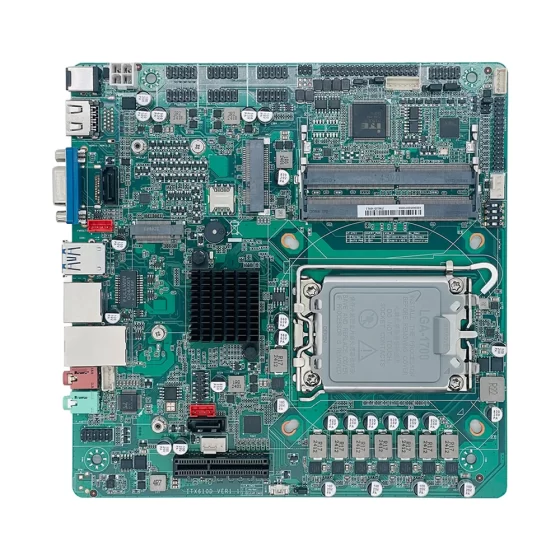
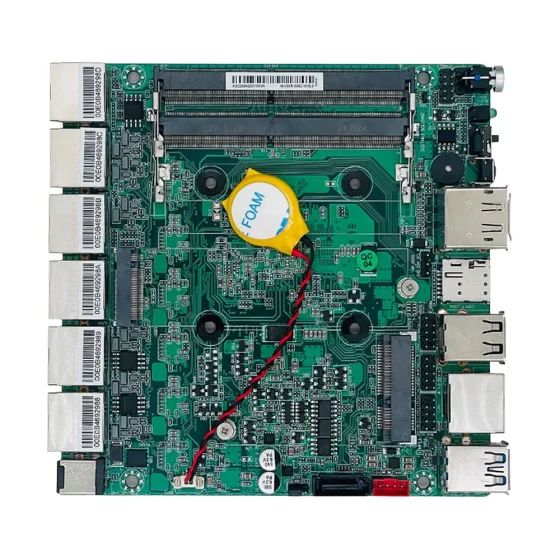
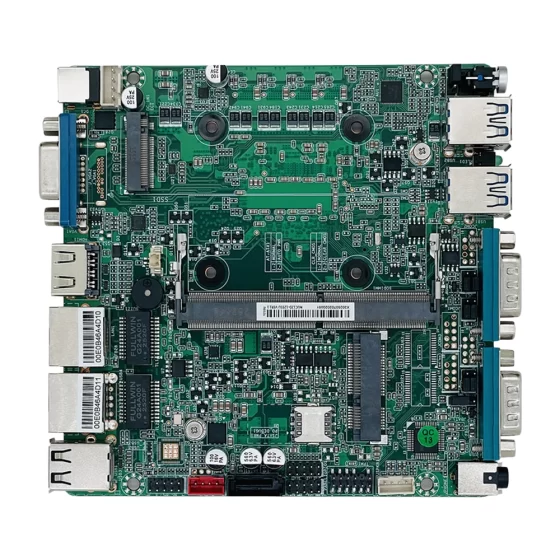
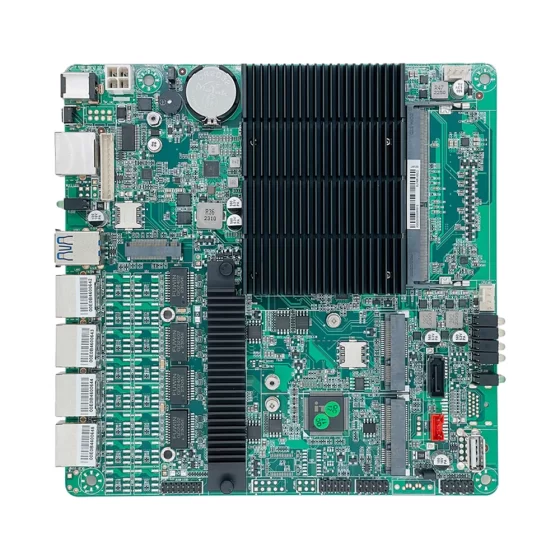
Las computadoras integradas compactas y las PC industriales en caja brindan opciones de instalación flexibles. Para fabricantes de maquinaria, Las placas integradas se pueden integrar directamente en diseños de equipos personalizados..
Almacenamiento y protección de datos
Las computadoras de fabricación digital pueden almacenar archivos del sistema operativo, aplicaciones locales, registros de producción, registros temporales, Imágenes de inspeccion, y archivos de base de datos.
Comúnmente se prefiere el almacenamiento SSD porque proporciona una mejor resistencia a los golpes y una respuesta del sistema más rápida que el almacenamiento mecánico..
Para aplicaciones que almacenan imágenes de inspección o registros frecuentes, La capacidad de almacenamiento y la resistencia de escritura deben revisarse durante la planificación del sistema..
Compatibilidad del sistema operativo y del software
Las plataformas industriales IPC pueden ejecutar Windows, linux, aplicaciones basadas en navegador, o software industrial personalizado.
Antes del despliegue masivo, El hardware debe probarse con el sistema operativo de destino., controladores de dispositivos, escáneres, impresoras, camaras, Herramientas de comunicación PLC, software de acceso remoto, y configuraciones de ciberseguridad.
Esta validación reduce el riesgo de fallas inesperadas durante el lanzamiento en fábrica..
Escenarios de implementación
Recopilación de datos de la máquina
La recopilación de datos de máquinas es una de las aplicaciones de fabricación digital más comunes..
Un IPC industrial puede conectarse a PLC, maquinas cnc, sensores, metros, o controladores. Recoge el estado de la máquina., recuento de salida, información de alarma, tiempo de ciclo, y procesar datos.
Esto permite a los fabricantes comprender el rendimiento del equipo con mayor precisión y reducir los informes manuales..
Estaciones de trabajo del operador
Los ordenadores industriales pueden utilizarse como terminales de operador en líneas de producción.
Pueden conectarse a pantallas táctiles., escáneres de códigos de barras, Lectores RFID, teclados, impresoras de etiquetas, y software MES.
Los operadores pueden ver las instrucciones de trabajo., productos de escaneo, confirmar materiales, registrar defectos, y enviar resultados de producción.
Esto mejora el control del proceso y reduce los flujos de trabajo basados en papel..
Estaciones de inspección de calidad
La fabricación digital depende en gran medida de los datos de calidad.
Un IPC industrial puede conectarse a cámaras de inspección, herramientas de medición, instrumentos de prueba, escáneres de códigos de barras, e impresoras. Puede asociar resultados de inspección con ID de productos y cargar registros en sistemas de calidad o plataformas MES..
Esto mejora la trazabilidad y respalda el análisis de la causa raíz..
Monitoreo de línea de producción
Las computadoras industriales pueden respaldar los sistemas de monitoreo de producción que muestran el estado de la máquina., salida de línea, razones de tiempo de inactividad, y alarmas de proceso.
Estos sistemas pueden instalarse en salas de control., oficinas del taller, o directamente en el piso de la fábrica.
Recopilando datos de múltiples dispositivos, Las plataformas industriales IPC ayudan a los equipos de producción a responder más rápido a condiciones anormales.
Pasarelas de IoT industriales
En aplicaciones industriales de IoT, Una computadora integrada puede actuar como puerta de enlace entre las máquinas y las plataformas de análisis locales o en la nube..
Puede recopilar datos de dispositivos de campo., información previa al proceso, filtrar datos innecesarios, y enviar registros seleccionados a sistemas de nivel superior.
Esto reduce la carga de la red y admite una gestión de datos más eficiente..
Integración de máquinas OEM
Los fabricantes de máquinas pueden integrar ordenadores integrados o placas base industriales directamente en sus productos..
Esto permite que las máquinas admitan funciones de fabricación digital, como la generación de informes de datos., diagnóstico remoto, interfaz del operador, seguimiento de producción, y conectividad MES del cliente.
Para fabricantes de equipos originales, La informática industrial integrada puede aumentar el valor de la máquina y simplificar la integración para los usuarios finales..
Almacén y flujo de materiales
La fabricación digital también incluye el movimiento de materiales y las operaciones de almacén..
Se pueden utilizar ordenadores industriales en las estaciones receptoras, áreas de preparación de materiales, almacenamiento en línea, y zonas de productos terminados.
Conectando lectores de códigos de barras, Lectores RFID, equipo de pesaje, e impresoras de etiquetas, Estos sistemas ayudan a mejorar la trazabilidad del material y reducir los errores de entrada manual..

Los ordenadores industriales favorecen la visibilidad de la producción, trazabilidad, y seguimiento de la calidad.
Beneficios comerciales
Mejor visibilidad de la producción
Los sistemas IPC industriales ayudan a los fabricantes a ver lo que sucede en la fábrica.
Recopilando datos en tiempo real de las máquinas., operadores, y estaciones de inspección, Las plataformas de fabricación digital pueden mostrar el progreso de las órdenes de trabajo., estado del equipo, cantidad de salida, causas del tiempo de inactividad, y resultados de calidad.
Esto mejora la toma de decisiones y reduce los retrasos en la respuesta..
Trazabilidad mejorada
La trazabilidad depende de registros completos y precisos.
Las computadoras industriales ayudan a capturar las identificaciones de los productos, lotes de materiales, parámetros de la máquina, acciones del operador, resultados de la inspección, y el historial del proceso.
Esto apoya el control de calidad., auditorías de clientes, investigación de garantía, y mejora continua.
Trabajo manual reducido
La entrada manual de datos es lenta y propensa a errores.
Los sistemas de fabricación digital basados en plataformas industriales IPC pueden recopilar datos directamente desde los dispositivos, escáneres, sensores, y operadores.
Esto reduce el papeleo., mejora la consistencia, y permite a los equipos de producción centrarse en la mejora de procesos en lugar de informes repetitivos.
Mejor uso del equipo existente
Las fábricas no siempre necesitan reemplazar las máquinas existentes para volverse más digitales.
Las computadoras industriales pueden conectar equipos heredados a través de puertos serie, Ethernet, USB, sensores, o módulos de puerta de enlace.
Esto permite a los fabricantes digitalizar los activos de producción existentes paso a paso y al mismo tiempo proteger las inversiones anteriores en equipos..
Digitalización escalable de fábricas
Una plataforma IPC industrial estandarizada admite una implementación escalable.
Cuando se utiliza la misma familia de hardware en varias líneas o fábricas, Imágenes de software, piezas de repuesto, accesorios, conductores, y los procedimientos de mantenimiento se vuelven más fáciles de gestionar.
Esto es especialmente importante cuando la fabricación digital se expande desde proyectos piloto hasta la implementación completa en fábrica..
Fundación para sistemas de fabricación avanzados
El hardware informático industrial confiable crea la base para sistemas avanzados como el IoT industrial, visión artificial, IA de vanguardia, mantenimiento predictivo, y análisis de producción inteligente.
Una vez que los datos precisos de fábrica estén disponibles, Los fabricantes pueden crear aplicaciones más avanzadas sobre la infraestructura de fabricación digital..
Por qué CoreIPC
CoreIPC proporciona plataformas informáticas industriales para la automatización de la fabricación, sistemas integrados, conectividad de la máquina, y digitalización de fábricas. Para aplicaciones de fabricación digital, CoreIPC se centra en hardware IPC industrial confiable, soluciones informáticas integradas, Configuraciones de E/S flexibles, diseño mecánico compacto, y soporte de personalización OEM/ODM. CoreIPC ayuda a los integradores de sistemas, constructores de equipos, y los equipos de fabricación seleccionan plataformas informáticas que coincidan con los entornos de producción reales., incluyendo interfaces de máquina, métodos de montaje, entrada de energía, condiciones termicas, planificación del ciclo de vida, y necesidades de implementación escalables.
Preguntas frecuentes
1. ¿Qué es un IPC de fabricación digital??
Un IPC de fabricación digital es una computadora industrial que se utiliza para conectar máquinas., operadores, sistemas de producción, y plataformas de software de fábrica.
Puede recopilar datos de PLC., sensores, escáneres, camaras, y equipo de producción. También puede ejecutar software cliente MES., Aplicaciones HMI, herramientas de monitoreo, o servicios de datos de borde. En comparación con las computadoras de oficina, Está diseñado para entornos industriales y funcionamiento continuo..
2. ¿Por qué es importante un IPC industrial para la fabricación digital??
Un IPC industrial proporciona la capa informática local que conecta los equipos de producción físicos con los sistemas digitales..
Sin hardware confiable cerca de las máquinas, Es posible que el software de fabricación digital no reciba datos precisos u oportunos.. Las computadoras industriales ayudan a recopilar información de producción, procesarlo localmente, y enviarlo a MES, SCADA, IIoT, o plataformas de análisis.
3. ¿Cómo se utiliza una computadora integrada en la fabricación digital??
Se puede instalar una computadora integrada cerca de las máquinas., dentro de los gabinetes, detrás de las pantallas, o directamente dentro del equipo OEM.
Puede recopilar datos de la máquina., conectar escáneres, comunicarse con PLC, ejecutar aplicaciones locales, o almacenar datos en buffer durante interrupciones de la red. Su diseño compacto lo hace útil para entornos de fábrica con espacio limitado y para la integración del lado de la máquina..
4. ¿Qué interfaces se necesitan comúnmente para los sistemas IPC de fabricación digital??
Las interfaces comunes incluyen LAN, USB, RS232, RS485, hdmi, DisplayPort, GPIO, M.2, y Mini PCIe.
Los puertos LAN admiten la red de fábrica y la comunicación de la máquina.. USB conecta escáneres, camaras, impresoras, y periféricos. Los puertos serie son útiles para máquinas heredadas, metros, o controladores. Las interfaces de expansión permiten a los integradores de sistemas adaptar el IPC a las necesidades específicas del proyecto..
5. ¿Pueden las computadoras industriales conectar máquinas heredadas a sistemas de fabricación digital??
Sí. Las computadoras industriales se utilizan a menudo para conectar máquinas más antiguas que no admiten directamente la comunicación digital moderna..
Con puertos serie, Ethernet, USB, sensores, o módulos de puerta de enlace, El IPC industrial puede recopilar el estado de la máquina., recuento de producción, datos de alarma, y procesar información. Esto permite a las fábricas digitalizar los equipos existentes sin reemplazar todas las máquinas..
6. ¿Por qué se utilizan ordenadores industriales sin ventilador en las fábricas??
Las computadoras industriales sin ventilador reducen la entrada de polvo y eliminan un punto común de falla mecánica.
Esto es útil en entornos de producción donde el polvo, partículas, vibración, o las largas horas de funcionamiento pueden afectar a las computadoras estándar. Un diseño sin ventilador puede reducir los requisitos de mantenimiento, pero el sistema aún necesita una planificación térmica correcta basada en la carga de trabajo y las condiciones de instalación..
7. ¿Los sistemas IPC de fabricación digital necesitan múltiples puertos LAN??
Múltiples puertos LAN son útiles en muchos sistemas de fabricación digital.
Un puerto LAN puede conectarse a las máquinas, PLC, o dispositivos de campo, mientras que otro se conecta a servidores MES, Sistemas SCADA, o redes informáticas de fábrica. Esta separación puede mejorar la organización de la red., soporte de diseño de seguridad, y reducir los conflictos de comunicación.
8. ¿Cómo mejora el hardware IPC industrial la trazabilidad??
El hardware IPC industrial mejora la trazabilidad al recopilar datos precisos en cada punto de producción..
Puede capturar números de serie de productos., información del lote de material, parámetros de la máquina, resultados de la inspección, acciones del operador, y registros de proceso. Cuando esta información se envía al MES o sistemas de calidad., Los fabricantes pueden crear un historial de producción completo para cada producto..
9. Qué se debe considerar antes de seleccionar un IPC para fabricación digital?
Los fabricantes deberían revisar las interfaces de las máquinas, dispositivos periféricos, rendimiento de la CPU, memoria, almacenamiento, soporte del sistema operativo, entrada de energía, método de montaje, temperatura ambiente, diseño de red, y requisitos del ciclo de vida.
También es importante probar el IPC con software real., escáneres, impresoras, comunicación PLC, y herramientas de mantenimiento remoto antes de la implementación a gran escala.
10. ¿Pueden los fabricantes de equipos OEM utilizar plataformas IPC industriales??
Sí. Los fabricantes de equipos OEM pueden utilizar IPC industriales, computadoras integradas, o placas base industriales para añadir funciones de fabricación digital a sus máquinas.
Esto puede incluir informes de datos., interfaz del operador, diagnóstico remoto, seguimiento de producción, y conectividad MES. El hardware informático integrado ayuda a que los equipos sean más adecuados para entornos de fábricas inteligentes.
Conclusión
Un ipc de fabricación digital es una base práctica para las operaciones de fábrica conectadas.
Acerca la potencia informática de grado industrial a las máquinas, operadores, sensores, escáneres, sistemas de inspección, y redes de producción. Esto ayuda a los fabricantes a recopilar datos precisos., mejorar la visibilidad, fortalecer la trazabilidad, y apoyar la digitalización escalable de fábricas.
Se debe seleccionar la computadora industrial o la computadora integrada adecuada en función de los requisitos de implementación reales., incluyendo configuración de E/S, arquitectura de red, método de montaje, entrada de energía, diseño térmico, necesidades de almacenamiento, compatibilidad del sistema operativo, y planificación del ciclo de vida a largo plazo.
CoreIPC respalda proyectos de fabricación digital con plataformas IPC industriales diseñadas para entornos prácticos de fábrica.. Eligiendo hardware informático industrial fiable, Los fabricantes pueden construir una base más sólida para MES., IoT industrial, visión artificial, análisis de borde, y desarrollo de fabricación inteligente a largo plazo.
Contáctenos
Buscando un IPC industrial, computadora industrial, o computadora integrada para fabricación digital?
Póngase en contacto con CoreIPC para analizar los requisitos de su proyecto., incluyendo interfaces de máquina, configuración de E/S, plataforma del procesador, método de montaje, entrada de energía, entorno operativo, necesidades del ciclo de vida, y opciones de personalización OEM/ODM.