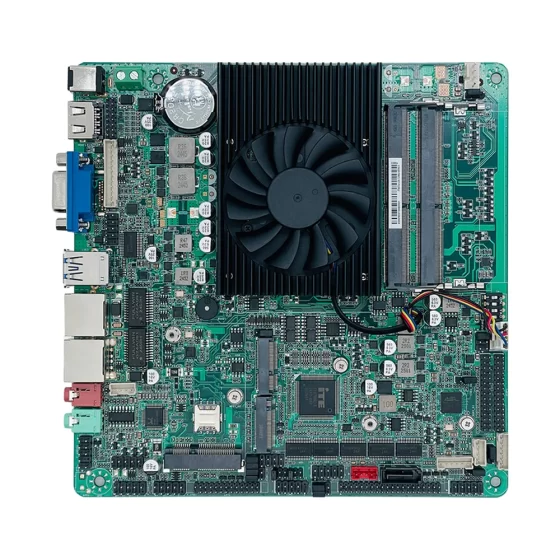
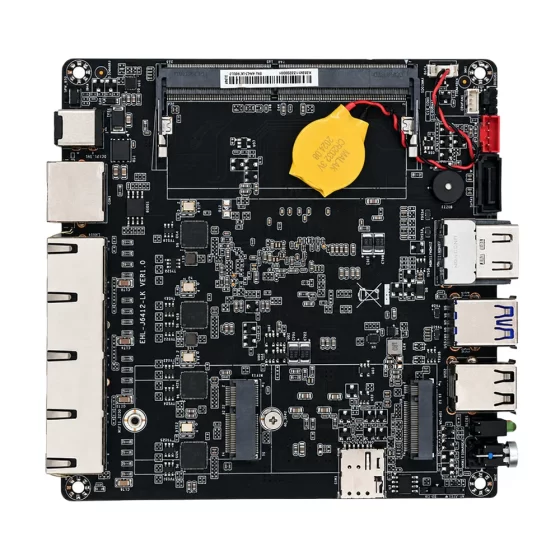
Soluciones de informática industrial CoreIPC

Controlador integrado para servosistemas: Controlador de servomotor IPC para automatización de movimiento de precisión
Resumen ejecutivo
Un controlador de servomotor IPC proporciona la base informática industrial para un servocontrol preciso, coordinación multieje, procesamiento de retroalimentación de movimiento, automatización en tiempo real, control de la máquina, integración de robótica, y conectividad de fábrica inteligente.
Los servosistemas se utilizan ampliamente en máquinas que requieren una posición precisa., velocidad, esfuerzo de torsión, y sincronización de movimiento. Estos sistemas aparecen en las máquinas CNC., células de trabajo robóticas, equipo de embalaje, herramientas semiconductoras, ensamblaje electronico, equipo de prueba automatizado, máquinas de inspección, sistemas de impresion, maquinaria textil, equipo de procesamiento láser, y sistemas de manipulación de materiales.
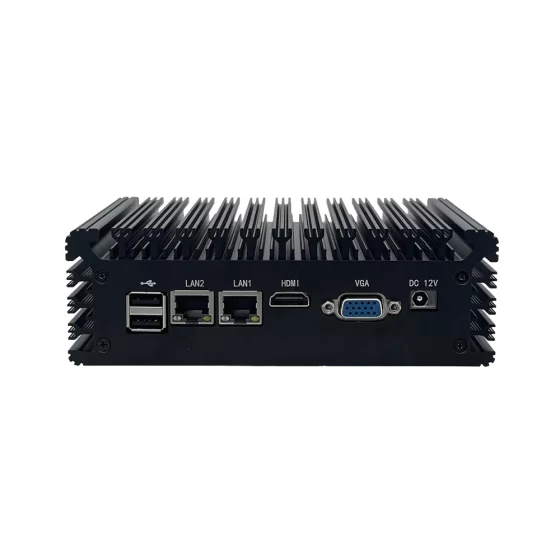
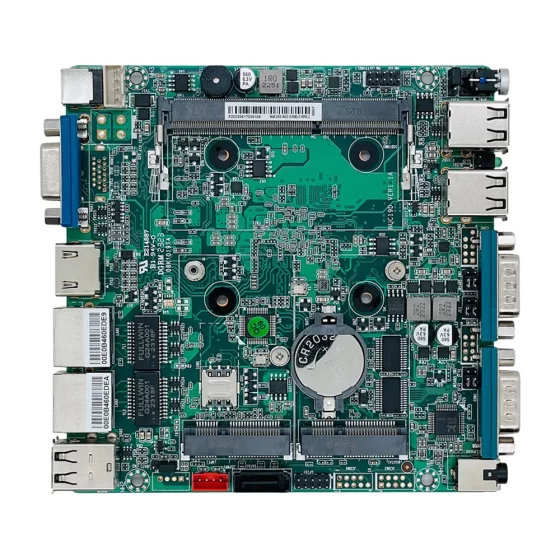
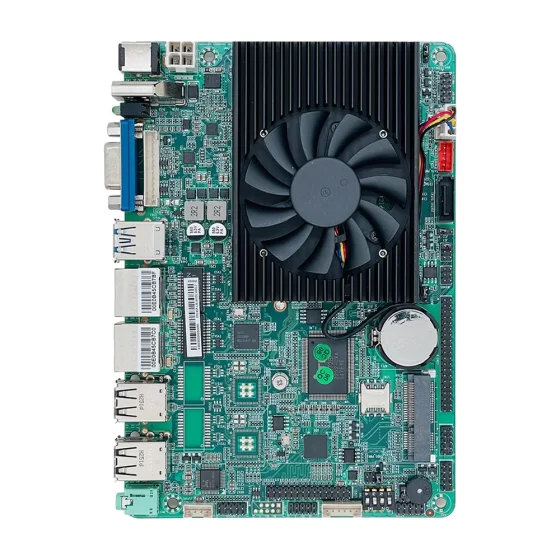
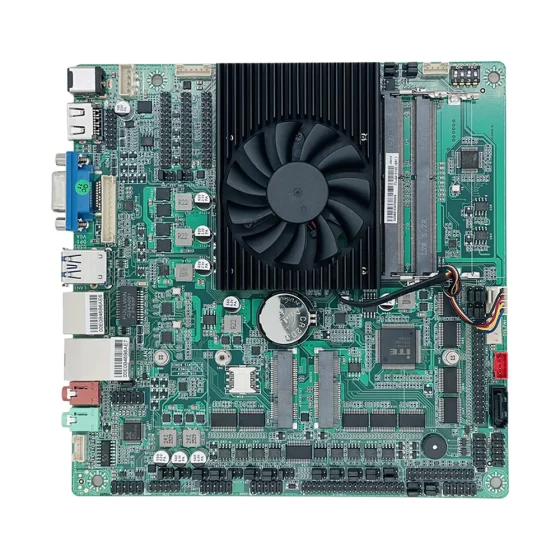
Un controlador de servomotor IPC integrado en una computadora industrial o una computadora integrada puede conectar servoaccionamientos, codificadores, PLC, módulos de E/S, tarjetas de movimiento, sensores, HMI, cámaras industriales, y sistemas de software de fábrica. Puede ejecutar software de control de movimiento, procesar datos de retroalimentación, gestionar la lógica de la máquina, registros de operaciones de la tienda, e intercambiar información con MES, SCADA, plataformas industriales de IoT, o paneles de control locales.
En comparación con las PC de oficina estándar o las placas integradas de consumo, Las computadoras industriales proporcionan una base de hardware más confiable para la implementación de servosistemas.. Soportan recintos resistentes, entrada de energía estable, E/S flexibles, interfaces de expansión, almacenamiento local, opciones de operación sin ventilador, montaje industrial, y disponibilidad de ciclo de vida prolongado.
Este artículo explica cómo los controladores integrados admiten servosistemas., ¿Qué desafíos de implementación aparecen en las aplicaciones de movimiento de precisión?, cómo funciona la arquitectura de la solución, y qué características de hardware son importantes al seleccionar una computadora industrial o una computadora integrada para la implementación de IPC del controlador de servomotor.

Servocontrolador Plataformas IPC coordinar motores, codificadores, Señales PLC, transportadores, camaras, y movimiento de precisión de la máquina.
Descripción general de la industria
Los servosistemas son esenciales para las máquinas de precisión
Los servosistemas se utilizan cuando las máquinas necesitan un movimiento preciso y repetible..
A diferencia del simple control del motor, El servocontrol utiliza retroalimentación de codificadores o sensores para ajustar el movimiento continuamente.. Esto permite que las máquinas controlen la posición., velocidad, aceleración, esfuerzo de torsión, y sincronización con mayor precisión.
Los servosistemas son comunes en:
- maquinas cnc
- Máquinas de recoger y colocar
- brazos robóticos
- Líneas de envasado
- Equipos semiconductores
- Máquinas de montaje de electrónica.
- Equipo de impresión
- Sistemas de corte y soldadura por láser.
- Máquinas de inspección automatizadas
- Equipos de fabricación de dispositivos médicos.
- Sistemas de manipulación de materiales
- Máquinas de prueba y medición.
Estas aplicaciones dependen de una computación estable y una comunicación confiable entre los controladores., conduce, motores, sensores, y software de la máquina.
El servocontrol se está volviendo más integrado
Los servosistemas tradicionales suelen utilizar controladores de movimiento y PLC dedicados..
Las plataformas de máquinas modernas combinan cada vez más el servocontrol con el software HMI, visión artificial, registro de datos, diagnóstico remoto, gestión de recetas, y conectividad de fábrica.
A single machine may need to support:
- Multi-axis motion
- Comunicación del servoaccionamiento
- Comentarios del codificador
- Integración PLC
- Vision-triggered motion
- Real-time I/O
- Alarm monitoring
- Production data collection
- Mantenimiento remoto
- Conexión MES o SCADA
- Transferencia de datos industriales de IoT
An embedded controller provides a compact computing layer that brings these functions together.
Industrial Computing Supports Machine-Side Deployment
Servo control hardware is often deployed inside machine cabinets or near production equipment.
Estos entornos pueden incluir vibraciones., calor, polvo, ruido electrico, tensión del cable, flujo de aire limitado, y funcionamiento continuo.
Industrial computers and embedded computers provide the hardware reliability required for these conditions.
They help machine builders create repeatable platforms for servo control, automatización de máquinas, data integration, and long-term product support.

Servo wiring, encoder signals, coordinación del eje, ruido electrico, carga térmica, y los disparadores de visión afectan la implementación del servocontrolador.
Desafíos clave
Mantener la precisión del movimiento
Los servosistemas requieren un control preciso.
Error de posición, inestabilidad del tiempo, retraso de comunicación, o los problemas de la señal de retroalimentación pueden afectar la calidad y repetibilidad de la máquina..
Un controlador de servomotor IPC debe admitir un procesamiento estable y una comunicación confiable.
Los factores importantes relacionados con la precisión incluyen:
- Controlar el tiempo del ciclo
- recuento de ejes
- Tasa de actualización del servo
- Comentarios del codificador
- Requisitos del software de movimiento
- Rendimiento de Ethernet industrial
- Tiempo de respuesta de E/S
- carga de trabajo de la CPU
- Latencia del sistema
- Aislamiento del tráfico de red
La plataforma debe seleccionarse y validarse de acuerdo con los requisitos reales de movimiento de la máquina..
Coordinación de múltiples servoejes
Muchas máquinas utilizan más de un servoeje..
Un sistema de pórtico puede requerir X sincronizado, Y, y ejes Z. Una máquina de embalaje puede coordinar transportadores., comederos, herramientas de sellado, y mecanismos de corte. Una celda de trabajo robótica puede coordinar el movimiento del robot con servoetapas externas..
Es posible que el controlador integrado necesite coordinar:
- Servoejes lineales
- Servoejes giratorios
- Husillos
- Transportadores
- Cabezales de recoger y colocar
- Sistemas de pórtico
- Actuadores de herramientas
- Controladores de robots
- Disparadores de cámara
- Dispositivos de seguridad
A medida que aumenta el número de ejes, rendimiento informático, estabilidad de la comunicación, y la capacidad de expansión se vuelve más importante.
Integración de unidades, PLC, y dispositivos de retroalimentación
Un servosistema no es sólo un motor y un controlador.
Puede incluir servoaccionamientos, codificadores, PLC, módulos de E/S, tarjetas de movimiento, sensores, HMI, interruptores industriales, dispositivos de seguridad, y sistemas de fábrica.
El controlador integrado debe admitir las interfaces y la pila de software requeridas..
Las necesidades de integración comunes incluyen:
- Comunicación del servoaccionamiento
- Manejo de retroalimentación del codificador
- Intercambio de señales PLC
- Control de E/S digitales
- Procesamiento de señales analógicas
- Comunicación por bus de campo
- Salida de pantalla HMI
- Sincronización de visión artificial
- Registro de alarmas
- Diagnóstico remoto
El hardware flexible reduce la complejidad de la integración.
Gestión del ruido eléctrico
Los servosistemas suelen funcionar cerca de los accionamientos., motores, relevos, fuentes de alimentación, y equipos de alta corriente.
Estos componentes pueden generar ruido eléctrico..
Una PC estándar puede volverse inestable en este entorno.
El hardware de calidad industrial ayuda a mejorar la confiabilidad mediante un diseño resistente, conexión a tierra adecuada, entrada de energía estable, almacenamiento confiable, y una instalación mecánica segura.
El enrutamiento de cables y el diseño del gabinete también son importantes.
El IPC debe instalarse prestando atención a la separación entre el cableado de alimentación, cableado de señal, y comunicación en red.
Combinando servocontrol con visión artificial
Muchas máquinas de precisión ahora utilizan visión artificial..
La visión puede favorecer la alineación, inspección, lectura de etiquetas, posicionamiento de piezas, guía del robot, y detección de defectos.
Es posible que el controlador integrado necesite sincronizar el movimiento y la captura de imágenes..
Esto crea requisitos adicionales para:
- Interfaces de cámara
- Señales de activación
- control de iluminación
- Almacenamiento de imágenes
- Soporte de software de visión
- Rendimiento del procesamiento de datos
- Comunicación de resultados
- Integración de datos de fábrica
El servocontrol y el procesamiento de visión deben diseñarse juntos, no como sistemas separados.
Apoyando un ciclo de vida prolongado de la máquina
Las máquinas de servocontrol pueden permanecer en funcionamiento durante muchos años.
Los cambios frecuentes de hardware pueden crear problemas con los controladores de movimiento, sistemas operativos, tarjetas de bus de campo, SDK de visión, módulos de E/S, y validación del software de la máquina.
Las computadoras industriales con planificación del ciclo de vida ayudan a los fabricantes de máquinas a mantener plataformas consistentes en múltiples generaciones de equipos..
Esto reduce el trabajo de rediseño y mejora la mantenibilidad..

Los sistemas IPC con servocontrolador conectan dispositivos de movimiento, PLC, camaras, HMI, robots, software de fábrica, y plataformas de calidad.
Arquitectura de la solución IPC del controlador de servomotor
Capa de servodispositivo
La capa de servodispositivo incluye los componentes de movimiento que realizan el movimiento de la máquina..
Esta capa puede incluir:
- Servomotores
- Servoaccionamientos
- Codificadores
- Etapas lineales
- Etapas rotativas
- Sistemas de pórtico
- Husillos
- Transportadores
- Actuadores
- Sensores de movimiento
- interruptores de límite
- Sensores de seguridad
Estos dispositivos generan movimiento y retroalimentación para una automatización de precisión..
El controlador integrado coordina su operación a través de software de movimiento e interfaces de comunicación..
Capa de controlador integrada
La capa de controlador integrado es la plataforma informática central..
en esta capa, el ordenador industrial o el ordenador integrado pueden:
- Ejecute el software de control de movimiento
- Servoejes de coordenadas
- Comunicarse con servoaccionamientos
- Procesar datos de retroalimentación
- Manejar señales de E/S
- Disparar cámaras
- Mostrar pantallas HMI
- Almacenar registros de la máquina
- Administrar recetas
- Enviar datos a los sistemas de fábrica.
Esta capa proporciona la base informática para el control de servosistemas y la integración de máquinas..
Capa de comunicación de movimiento
La capa de comunicación conecta el controlador con las unidades., PLC, dispositivos de E/S, y redes de máquinas.
Puede incluir:
- EtherCAT
- PROFINET
- Ethernet/IP
- CANabierto
- Modbus
- RS232
- RS485
- E/S digitales
- E/S analógicas
- Tarjetas de movimiento PCIe
- Conmutadores Ethernet industriales
El diseño de comunicación exacto depende de la arquitectura de la máquina., sistema de servoaccionamiento, y software de movimiento.
Capa de integración de visión y sensores
Los servosistemas suelen utilizar sensores externos y sistemas de visión..
Esta capa puede incluir:
- Cámaras industriales
- 3cámaras D
- Controladores de iluminación
- Lectores de códigos de barras
- Sensores de disparo
- Sensores de proximidad
- Sensores de fuerza
- Sensores de temperatura
- Sensores de vibración
El controlador integrado puede procesar datos del sensor localmente y coordinar los resultados con el control de movimiento..
Esto mejora la precisión de la máquina y la visibilidad del proceso..
Capa de integración de software de fábrica
Es posible que los servosistemas necesiten conectarse con plataformas de fábrica de nivel superior.
Estos pueden incluir:
- MES
- SCADA
- ERP
- Bases de datos de calidad
- Plataformas industriales de IoT
- Paneles locales
- Sistemas de mantenimiento
- Sistemas de monitoreo en la nube
- Plataformas de trazabilidad
Esta integración permite que los datos de la máquina, estado de movimiento, alarmas, recetas, y los resultados de las inspecciones pasarán a formar parte de la infraestructura de datos de la fábrica..
Capa de seguridad y gestión
Las plataformas de servocontroladores deben ser mantenibles y protegidas..
Esta capa puede incluir:
- Permisos de usuario
- Segmentación de red
- Acceso remoto seguro
- Registro local
- Copia de seguridad de configuración
- Monitoreo de almacenamiento
- Monitoreo del estado del sistema
- Diagnóstico remoto
- Gestión de actualizaciones de software.
Estas funciones ayudan a respaldar el funcionamiento y la capacidad de servicio de la máquina a largo plazo..
Características clave
Soporte de servocontrol en tiempo real
Un controlador de servomotor IPC debe admitir un rendimiento de control estable.
La selección de hardware debe considerar:
- rendimiento de la CPU
- Capacidad de memoria
- Soporte de software de movimiento
- Soporte para Ethernet industrial
- Compatibilidad con bus de campo
- Tiempo de respuesta de E/S
- expansión PCIe
- Soporte del sistema operativo
- Estabilidad térmica
- Operación de larga duración
Las máquinas de precisión siempre deben probarse con servoaccionamientos reales., recuento de ejes reales, y requisitos de tiempo de ciclo real.
Coordinación de movimiento multieje
Muchos servosistemas requieren movimiento sincronizado.
El controlador puede coordinar múltiples ejes., transportadores, husillos, interfaces de robots, y actuadores externos.
La plataforma debe proporcionar suficiente rendimiento de procesamiento y estabilidad de comunicación para la carga de trabajo de movimiento requerida..
Para máquinas complejas, También pueden ser necesarias interfaces de expansión para tarjetas de movimiento., módulos de bus de campo, o puertos de red adicionales.
E/S industriales flexibles
Los servosistemas necesitan E/S prácticas.
Las interfaces útiles pueden incluir:
- LAN
- USB
- RS232
- RS485
- GPIO
- Entrada digital
- Salida digital
- hdmi
- DisplayPort
- M.2
- PCIe
- Almacenamiento SATA o NVMe
GPIO y E/S digitales pueden admitir activadores, alarmas, interruptores de límite, y señales de estado de la máquina. Los puertos serie pueden admitir dispositivos heredados. PCIe y M.2 pueden admitir funciones adicionales.
Diseño de red multiLAN
Múltiples puertos LAN ayudan a separar diferentes tipos de tráfico.
Un servocontrolador IPC puede utilizar redes separadas para:
- Red de movimiento
- Red de servoaccionamientos
- Red PLC
- Red de cámaras
- Red informática de fábrica
- Red industrial de IoT
- Red de mantenimiento remoto
- Red de gestión local
La separación de la red mejora la estabilidad y evita que el tráfico no crítico afecte la comunicación en movimiento..
Capacidad de sincronización de visión
Los servosistemas a menudo necesitan captura de imágenes y movimiento sincronizado.
El controlador integrado puede recibir señales de activación., controlar la iluminación, recopilar imágenes, resultados del proceso, y enviar retroalimentación al sistema de control.
Esto es importante para:
- Alineación
- Medición
- Inspección
- Lectura de etiquetas
- Detección de defectos
- Posicionamiento de piezas
- Guiado de robots
- Verificación del proceso
Interfaz de cámara, velocidad de almacenamiento, y el tiempo de activación debe revisarse cuidadosamente.
Almacenamiento local confiable
Las servomáquinas pueden almacenar software, recetas de maquina, parámetros de movimiento, registros, alarmas, Imágenes de inspeccion, y archivos de diagnóstico.
Generalmente se prefiere el almacenamiento SSD o NVMe porque proporciona un acceso rápido y una mejor resistencia a los golpes que las unidades mecánicas..
La planificación del almacenamiento debe considerar:
- Datos de la receta
- Registros de movimiento
- Historial de alarmas
- Registros de inspección
- Copia de seguridad de configuración
- Escribir resistencia
- Flujo de trabajo de recuperación
- Proceso de actualización de software
Reliable storage improves serviceability and production traceability.
Diseño robusto y sin ventilador
Servo control environments can be dusty, propenso a vibraciones, and electrically noisy.
Las computadoras industriales sin ventilador reducen la entrada de polvo y eliminan un punto de falla mecánica.
Los gabinetes resistentes ayudan a proteger contra las vibraciones, tensión del cable, impacto de la instalación del gabinete, y funcionamiento continuo.
Thermal design should still be validated, especially when the controller handles motion software, procesamiento de la visión, Funciones HMI, and data logging at the same time.
Disponibilidad de ciclo de vida prolongado
Machine builders often need stable hardware for many years.
Long lifecycle availability helps maintain motion drivers, Imágenes de software, compatibilidad de bus de campo, piezas de repuesto, y procedimientos de validación.
This is important for OEM equipment, precision machines, and production systems deployed across multiple factories.
Escenarios de implementación
Servo-Based Packaging Machine
Packaging machines often use servo motors for feeding, cutting, caza de focas, etiquetado, and positioning.
A servo motor controller IPC can coordinate axes, handle sensor inputs, mostrar datos HMI, almacenar recetas, e informar el estado de la máquina a los sistemas de fábrica.
Esto favorece formatos de embalaje flexibles y una producción fiable..
Control de máquinas CNC y de precisión
El equipo CNC requiere un movimiento preciso, manejo de retroalimentación, coordinación del huso, y ejecución del programa.
Un controlador integrado puede admitir software de movimiento, impulsar la comunicación, almacenamiento local, Funciones HMI, y registro de datos de la máquina.
Esto mejora la conectividad y la mantenibilidad de la máquina..
Automatización de recogida y colocación
Los sistemas de recogida y colocación utilizan servoejes para un movimiento rápido y preciso.
El controlador integrado puede coordinar ejes., recibir señales de sensores, procesar resultados de la cámara, y comunicarse con PLC o sistemas MES.
Esto admite ensamblaje y manipulación de materiales a alta velocidad..
Equipos de ensamblaje de electrónica
Los equipos de producción electrónica a menudo requieren un posicionamiento preciso, inspección, dispensando, pruebas, y manejo de componentes.
Un servocontrolador IPC puede admitir movimiento multieje, sincronización de visión, gestión de recetas, y registro de datos de calidad.
Esto mejora la repetibilidad de la producción..
Integración de celdas de trabajo robóticas
Se pueden utilizar servosistemas alrededor de robots para transportadores, ejes externos, accesorios, o mesas de posicionamiento.
El controlador integrado puede coordinar dispositivos de movimiento con controladores de robots, PLC, camaras, y sistemas de seguridad.
Esto mejora la flexibilidad de la celda de trabajo..
Sistema de procesamiento láser
Corte por láser, calificación, grabado, y los sistemas de soldadura requieren movimiento preciso y coordinación del proceso.
Un servocontrolador IPC puede coordinar ejes, datos del sensor de proceso, apoyar la alineación de la visión, almacenar recetas, y conectarse con los sistemas de fábrica.
Esto apoya una calidad de proceso estable.
Equipo de prueba automatizado
Los sistemas de prueba pueden incluir servoetapas., accesorios, camaras, sensores, e instrumentos.
Una computadora integrada puede coordinar el movimiento, recopilar datos de prueba, almacenar registros, y enviar resultados a plataformas de calidad.
Esto admite la inspección y verificación automatizadas..
Plataforma de servocontrol OEM
Los fabricantes de máquinas pueden integrar computadoras industriales o placas integradas en equipos de servocontrol personalizados..
La plataforma puede admitir software de movimiento., impulsar la comunicación, HMI, registro de datos, diagnóstico remoto, y E/S específicas del cliente.
Esto ayuda a crear plataformas de máquinas repetibles..
Beneficios comerciales
Mayor precisión de movimiento
Un controlador de servomotor IPC proporciona computación y comunicación estables para un movimiento de precisión.
Ayuda a coordinar las unidades., dispositivos de retroalimentación, sensores, y software de la máquina.
Esto apoya una mejor precisión de posicionamiento, repetibilidad, y calidad del producto.
Mejor integración de la máquina
Las servomáquinas modernas incluyen muchos sistemas..
Un controlador integrado ayuda a conectar los servovariadores, PLC, HMI, sensores, camaras, software de fábrica, y herramientas de servicio remoto.
Esto reduce las brechas de integración y mejora la funcionalidad de la máquina..
Visibilidad de producción mejorada
El controlador puede recopilar el estado de movimiento., alarmas, registros de ciclo, recetas, resultados de la inspección, y datos de mantenimiento.
Esta información se puede compartir con MES., SCADA, plataformas industriales de IoT, o paneles de control locales.
Una mejor visibilidad respalda la resolución de problemas y la mejora continua.
Riesgo de tiempo de inactividad reducido
Las computadoras industriales proporcionan hardware resistente para entornos de máquinas exigentes.
Opciones de diseño sin ventilador, almacenamiento confiable, montaje seguro, entrada de energía estable, y la disponibilidad de un ciclo de vida prolongado ayudan a reducir el riesgo de mantenimiento.
Esto apoya la producción continua..
Desarrollo de máquinas más rápido
Una plataforma de controlador integrada estandarizada ayuda a los fabricantes de máquinas a desarrollar servosistemas repetibles.
El hardware consistente simplifica las imágenes de software, validación del conductor, configuración del bus de campo, Implementación de HMI, planificación de repuestos, y gestión del ciclo de vida.
Esto reduce la carga de trabajo de ingeniería..
Implementación OEM escalable
Se puede implementar una plataforma IPC de controlador de servomotor en múltiples modelos de máquinas, proyectos de clientes, y sitios de producción.
Hardware consistente y E/S flexibles respaldan el desarrollo de máquinas escalables y soporte de equipos a largo plazo.
Por qué CoreIPC
CoreIPC proporciona plataformas informáticas industriales para la automatización industrial, control de movimiento, robótica, visión artificial, IoT industrial, e integración de sistemas integrados. Para aplicaciones IPC de controlador de servomotor, CoreIPC se centra en hardware informático industrial confiable, soluciones informáticas integradas, E/S flexibles, configuraciones de LAN múltiple, capacidad de expansión, diseño de sistema compacto, opciones de implementación sin ventilador, capacidad de almacenamiento local, y soporte de personalización OEM/ODM. CoreIPC ayuda a los fabricantes de máquinas, integradores de sistemas, y los fabricantes seleccionan plataformas informáticas que coincidan con los requisitos de implementación reales, incluyendo el recuento de ejes, servocomunicación, soporte de bus de campo, interfaces de dispositivos, necesidades de almacenamiento, métodos de montaje, entrada de energía, condiciones termicas, y planificación del ciclo de vida.
Preguntas frecuentes
1. ¿Qué es un controlador de servomotor IPC??
Un controlador de servomotor IPC es una plataforma informática industrial que se utiliza para soportar el control de movimiento del servo., impulsar la comunicación, procesamiento de retroalimentación, Manejo de E/S, Funciones HMI, registro de datos, y conectividad de fábrica.
Puede ejecutar software de control de movimiento., comunicarse con servoaccionamientos, retroalimentación del codificador de proceso, conectar PLC, e intercambiar datos de la máquina con sistemas de nivel superior.
2. ¿Por qué utilizar una computadora industrial para el servocontrol??
Una computadora industrial proporciona hardware resistente y conectividad flexible para entornos de máquinas.
Puede admitir múltiples puertos LAN, USB, comunicación en serie, GPIO, expansión PCIe, almacenamiento confiable, operación sin ventilador, montaje industrial, entrada de energía estable, y disponibilidad de ciclo de vida prolongado.
Estas características lo hacen adecuado para equipos de automatización basados en servos..
3. ¿Cómo se utiliza una computadora integrada en servosistemas??
Se puede instalar una computadora integrada dentro de un gabinete de máquina o gabinete de equipo compacto..
Puede ejecutar software de control, comunicarse con unidades, conectar módulos de E/S, señales del sensor de proceso, mostrar datos HMI, almacenar recetas, y enviar el estado de la máquina a MES, SCADA, o sistemas industriales de IoT.
4. ¿Qué aplicaciones utilizan las plataformas IPC del controlador de servomotor??
Las aplicaciones incluyen máquinas de embalaje., Equipos CNC, sistemas de recogida y colocación, máquinas de ensamblaje de electrónica, células de trabajo robóticas, equipo de procesamiento láser, máquinas de inspección automatizadas, sistemas de impresion, maquinas textiles, y equipos de prueba automatizados.
La plataforma final depende del número de ejes., requisitos de tiempo, método de comunicación, y pila de software.
5. ¿Qué interfaces de comunicación se utilizan en los servosistemas??
Los servosistemas pueden utilizar Ethernet industrial, comunicación por bus de campo, Tarjetas de movimiento PCIe, E/S digitales, E/S analógicas, RS232, RS485, y Ethernet estándar.
La interfaz exacta depende de los servoaccionamientos., software de movimiento, arquitectura de la máquina, y requisitos de control.
6. ¿Por qué son importantes varios puertos LAN para los IPC de servocontroladores??
Múltiples puertos LAN ayudan a separar la comunicación de movimiento, redes de servoaccionamiento, Redes de PLC, tráfico de cámara, TI de fábrica, IoT industrial, y acceso de mantenimiento remoto.
Esto mejora la organización del tráfico y reduce el riesgo de que el tráfico sin movimiento afecte la comunicación de control..
7. ¿Pueden los sistemas IPC del controlador de servomotor admitir la visión artificial??
Sí. Los sistemas IPC con controlador de servomotor pueden conectar cámaras, controladores de iluminación, señales de activación, sensores, y software de inspección.
Pueden sincronizar movimiento y captura de imágenes., procesar resultados localmente, y enviar datos de inspección a los PLC, controladores de robots, MES, o sistemas de calidad.
8. ¿Qué características de hardware son importantes para las plataformas IPC de controladores de servomotores??
Las características importantes incluyen un rendimiento suficiente de la CPU, memoria confiable, múltiples puertos LAN, USB, RS232, RS485, GPIO, E/S digitales, expansión PCIe, Almacenamiento SSD o NVMe, recinto resistente, opciones de diseño sin ventilador, entrada de energía industrial, y mostrar salidas.
La configuración final debe coincidir con la carga de trabajo del servo y la arquitectura de la máquina..
9. ¿Pueden las computadoras integradas sin ventilador soportar cargas de trabajo de servocontrol??
Sí. Las computadoras integradas sin ventilador pueden soportar muchas cargas de trabajo de servocontrol porque reducen la entrada de polvo y eliminan un punto de falla mecánica..
Sin embargo, El diseño térmico debe validarse cuando el sistema maneja un alto número de ejes., procesamiento de la visión, Funciones HMI, registro de datos, o funcionamiento continuo.
10. Qué se debe probar antes de la implementación?
Antes del despliegue, La plataforma debe probarse con servoaccionamientos reales., motores, codificadores, PLC, software de movimiento, módulos de E/S, camaras, sensores, topología de red, tiempo del ciclo de la máquina, comportamiento de almacenamiento, y operación de larga duración.
Estabilidad térmica, latencia de comunicación, comportamiento de recuperación, copia de seguridad de configuración, y también se debe validar la integración con MES o SCADA.
Conclusión
Un controlador de servomotor ipc es una base práctica para la automatización del movimiento de precisión, comunicación servoaccionamiento, coordinación multieje, sincronización de visión artificial, integración de celdas de trabajo robóticas, Operación HMI, registro de datos, y conectividad del sistema de fábrica.
Colocando una computadora industrial o una computadora integrada dentro de la plataforma de la máquina, Los fabricantes de máquinas y los integradores de sistemas pueden conectar servoaccionamientos., codificadores, PLC, módulos de E/S, camaras, sensores, HMI, plataformas MES, Sistemas SCADA, y paneles de IoT industriales a través de rutas de comunicación confiables y controladas.
El controlador de servomotor IPC adecuado debe seleccionarse de acuerdo con los requisitos de implementación reales., incluyendo el recuento de ejes, controlar el tiempo del ciclo, comunicación servoaccionamiento, soporte de bus de campo, Requisitos de E/S, integración de cámara, Diseño de puerto LAN, configuración de almacenamiento, método de montaje, entrada de energía, condiciones termicas, soporte del sistema operativo, y planificación del ciclo de vida.
CoreIPC admite proyectos IPC de controladores de servomotores con plataformas informáticas industriales diseñadas para aplicaciones prácticas en el lado de la máquina., gabinete, fábrica, y despliegue OEM. Con la base de hardware adecuada, Los constructores de máquinas y los fabricantes pueden construir confiables., escalable, y sistemas de servocontrol precisos.
Contáctenos
Busco ordenador industrial, computadora integrada, o plataforma IPC compacta para implementación de controladores de servomotores?
Póngase en contacto con CoreIPC para analizar los requisitos de su proyecto., incluyendo el recuento de ejes, servocomunicación, software de movimiento, soporte de bus de campo, interfaces de E/S, conectividad de la cámara, Configuración del puerto LAN, diseño de almacenamiento, método de montaje, entrada de energía, entorno operativo, necesidades del ciclo de vida, y opciones de personalización OEM/ODM.